Your home’s style can tell a story, but sometimes certain fixtures reveal its true age more than you might expect. These elements often go unnoticed but play a big role in how modern or dated your space feels.
Knowing which fixtures signal that your home could use an update helps you focus your efforts and budget where it matters most. Identifying these features gives you the chance to refresh your space and keep it feeling current without a full remodel.
Advertisement
Knob-and-tube wiring
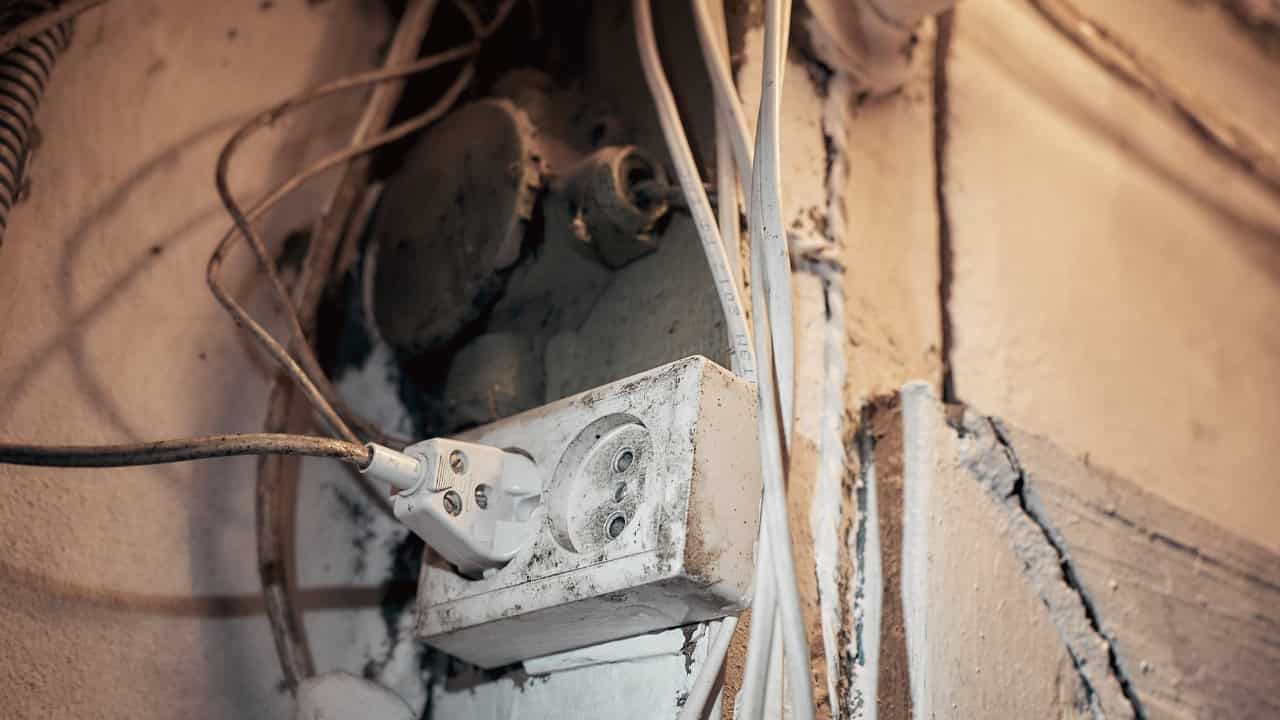
If your home was built between the late 1800s and early 1900s, you might find knob-and-tube wiring inside. This wiring method uses ceramic knobs to hold wires and tubes to protect them where they pass through wood.
You’ll often see cloth-covered wires, which can become brittle over time. While it’s not illegal, knob-and-tube wiring can struggle with modern electrical demands. If you spot it, consider having an electrician check your system for safety.
Galvanized steel plumbing pipes
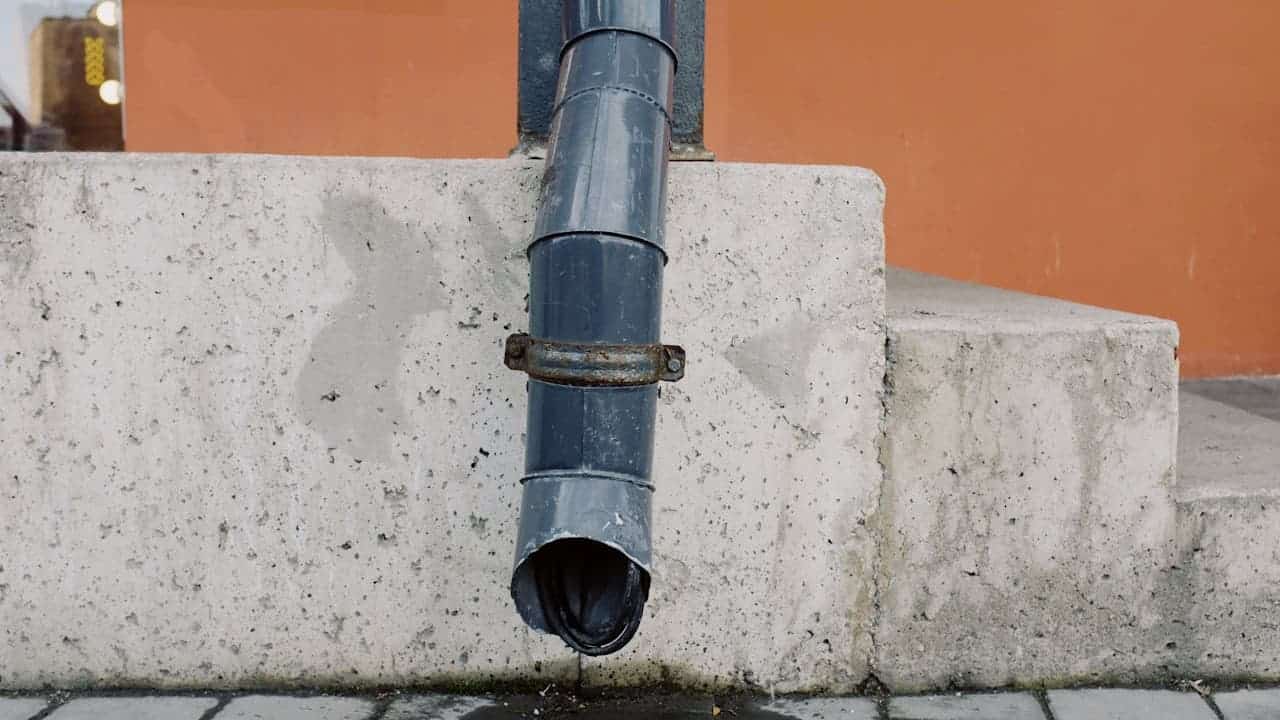
If your home has galvanized steel pipes, it likely dates back several decades. These pipes were common from the early to mid-1900s.
Over time, galvanized pipes can corrode and build up sediment inside, which reduces water flow. You might notice rust at fittings or small leaks.
If you see signs like discoloration or low water pressure, it’s a hint your plumbing is aging. Replacing them can prevent bigger issues down the line.
Microwave placed over the range
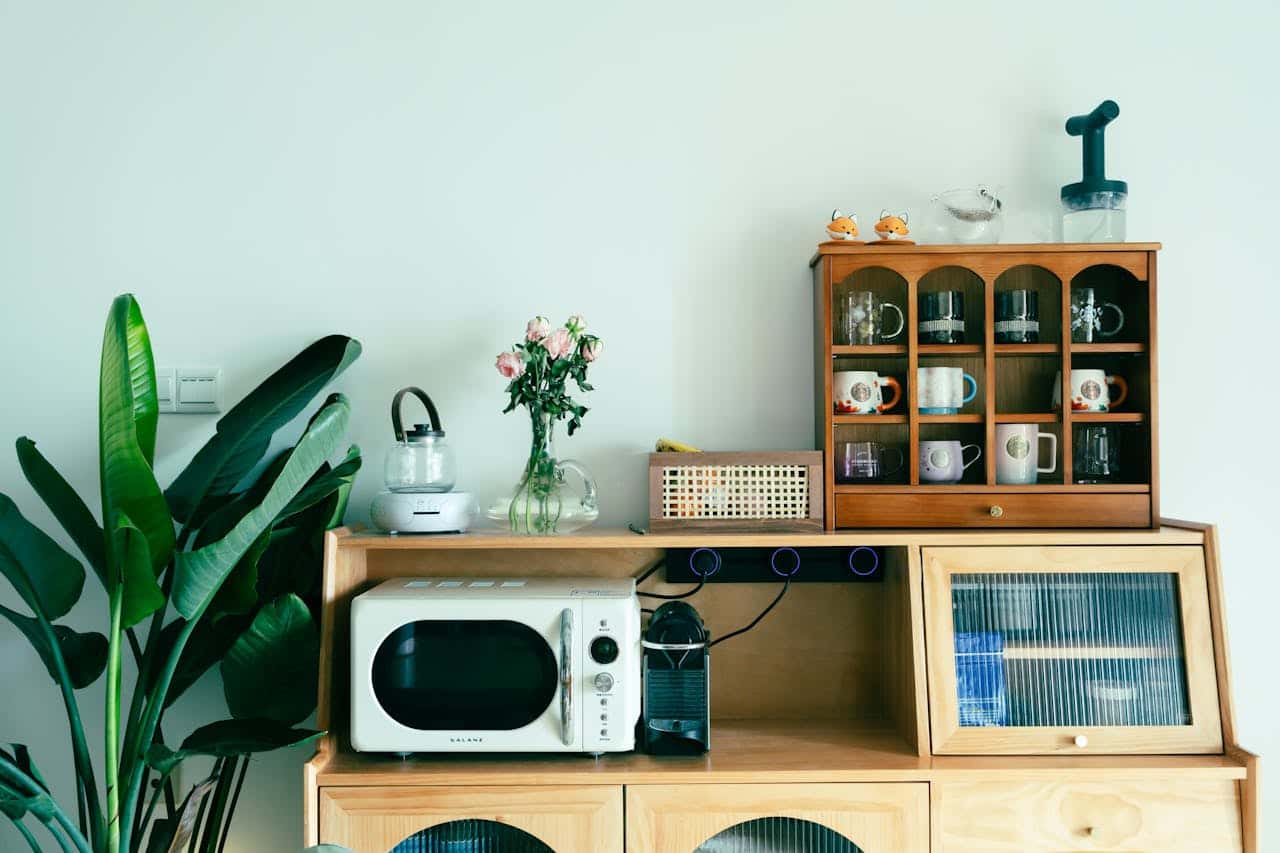
If your microwave sits over the range, it might hint at when your kitchen was designed. This setup became popular in the late 20th century as a space-saving solution.
Older models often have lower wattage and fewer features compared to newer ones. If your microwave looks bulky or has a dated finish, it could reveal your home’s age.
Updating this fixture can modernize your kitchen without a full remodel.
Two-tiered high-top kitchen bar

If your kitchen has a two-tiered high-top bar, it might be showing its age. This style was very popular in past decades but is less common in modern kitchens.
You might find it less practical today since it can limit seating options and feel bulky. Updating to a simpler counter design can give your space a fresher look.
Busy multicolored granite countertops
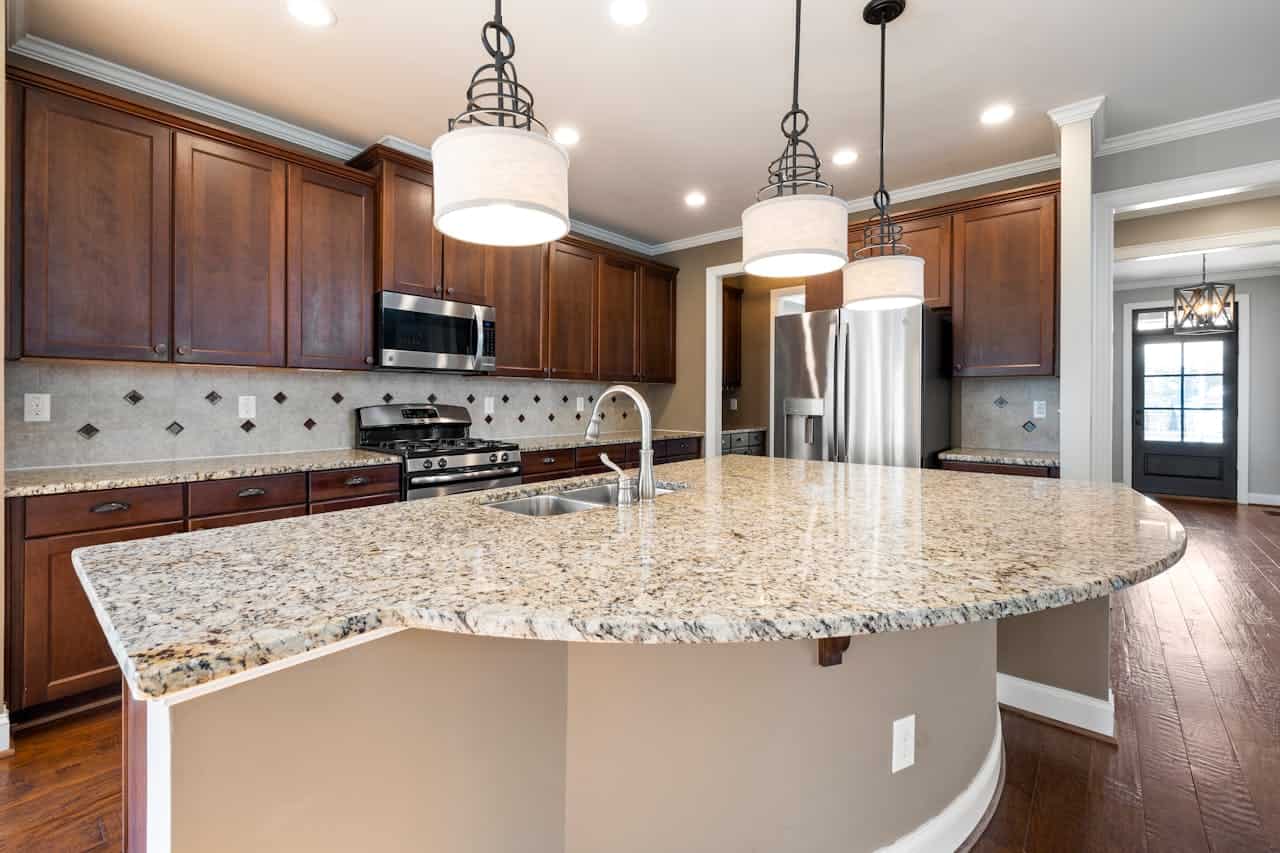
If your kitchen has busy multicolored granite countertops, it might give away your home’s age. These countertops were very popular before 2015 but can feel a bit dated now.
You might find the complex patterns overwhelming when trying to match backsplash or fixtures. Choosing simpler, solid colors around busy granite can help balance the look.
Glass block windows
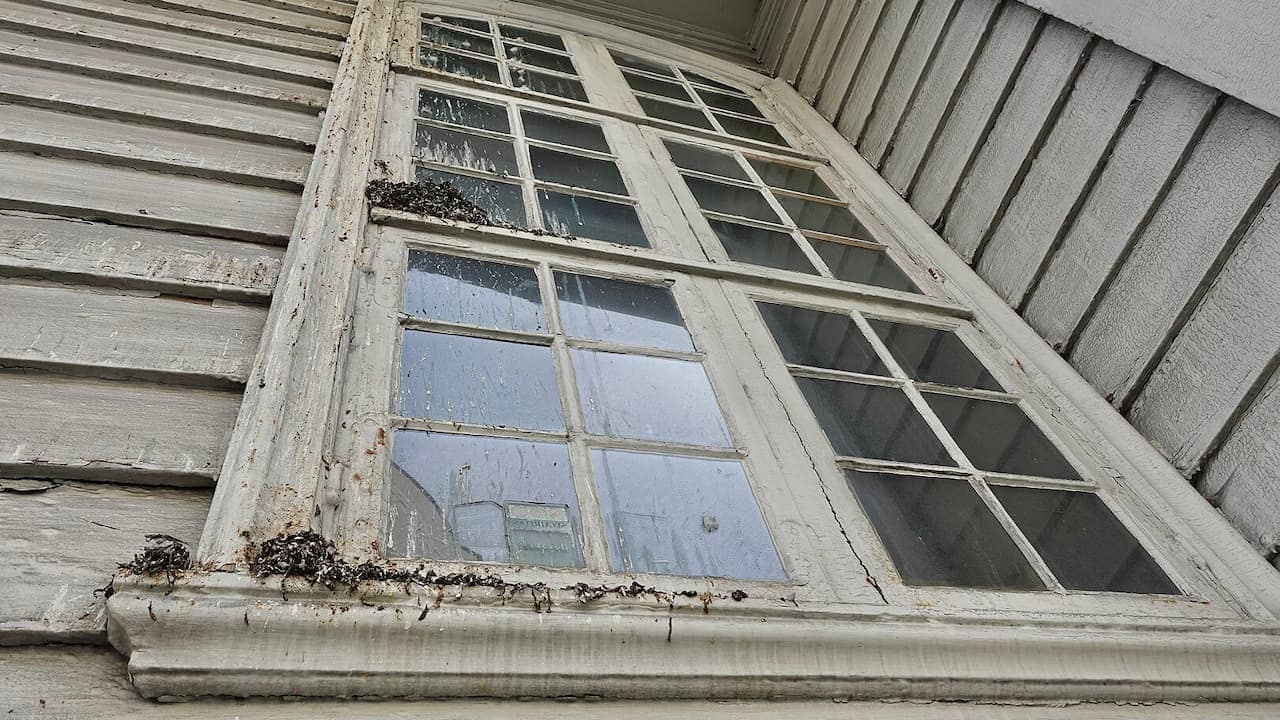
If you spot glass block windows in a home, it often hints at a build or remodel from the mid-20th century, especially the 1980s. These windows have a distinctive look with thick, textured glass blocks that let light in while maintaining privacy.
You might find them in bathrooms, basements, or entryways. While some see them as dated, others appreciate their retro charm and unique style. If you like bold, vintage details, they can still fit nicely in certain designs.
Porcelain plumbing fixtures with date stamps
You might find porcelain plumbing fixtures in your home that have date stamps or manufacturer marks. These stamps help pinpoint when the fixture was made, giving clues about your home’s age.
Porcelain sinks and faucets from earlier decades often carry these marks on the underside or back. Checking them can be a simple way to learn more about your bathroom’s history.
If you spot stamped porcelain pieces, you know you’re looking at authentic vintage or antique elements that add character to your space.
Hand-forged nails in framing
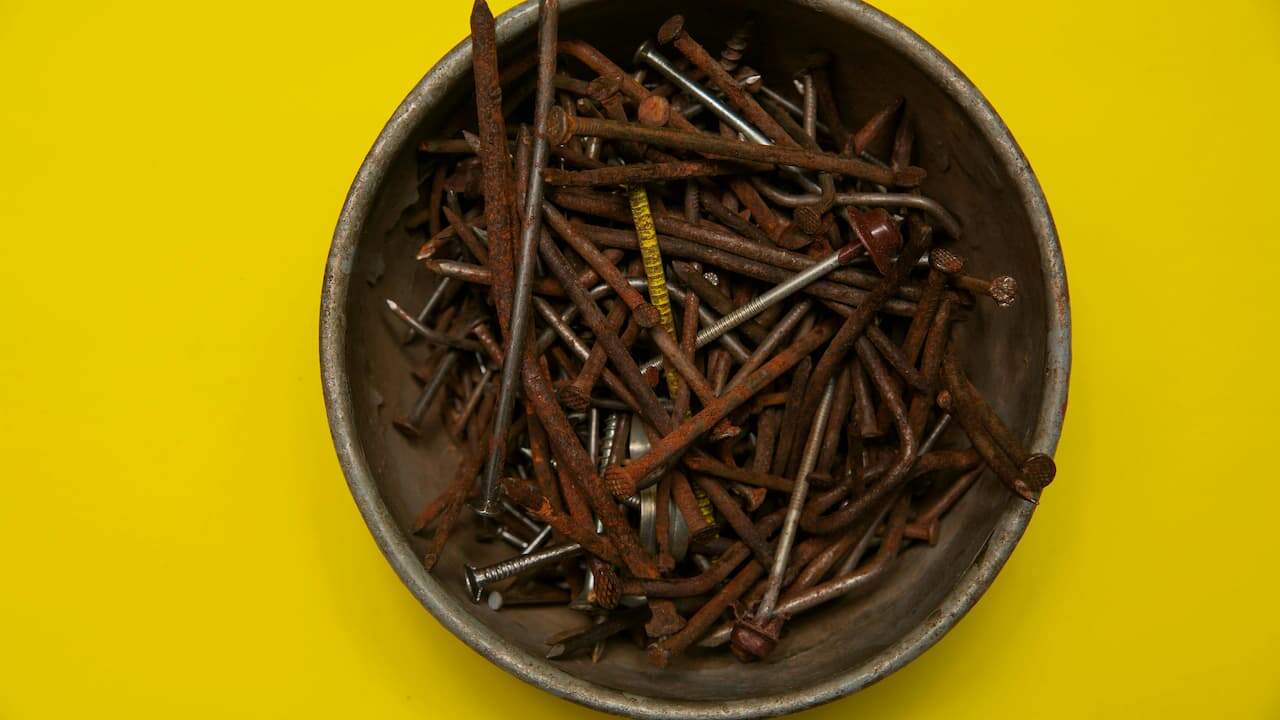
If you find hand-forged nails in your home’s framing, it usually means the woodwork is quite old. These nails have square shafts and irregular heads because they were shaped by blacksmiths.
They were made one at a time, which took a lot of effort. Since they were expensive, you’ll often see them only in homes built before the 1800s.
Spotting these nails helps you understand the age and craftsmanship of your house’s structure.
Machine-cut nails in construction
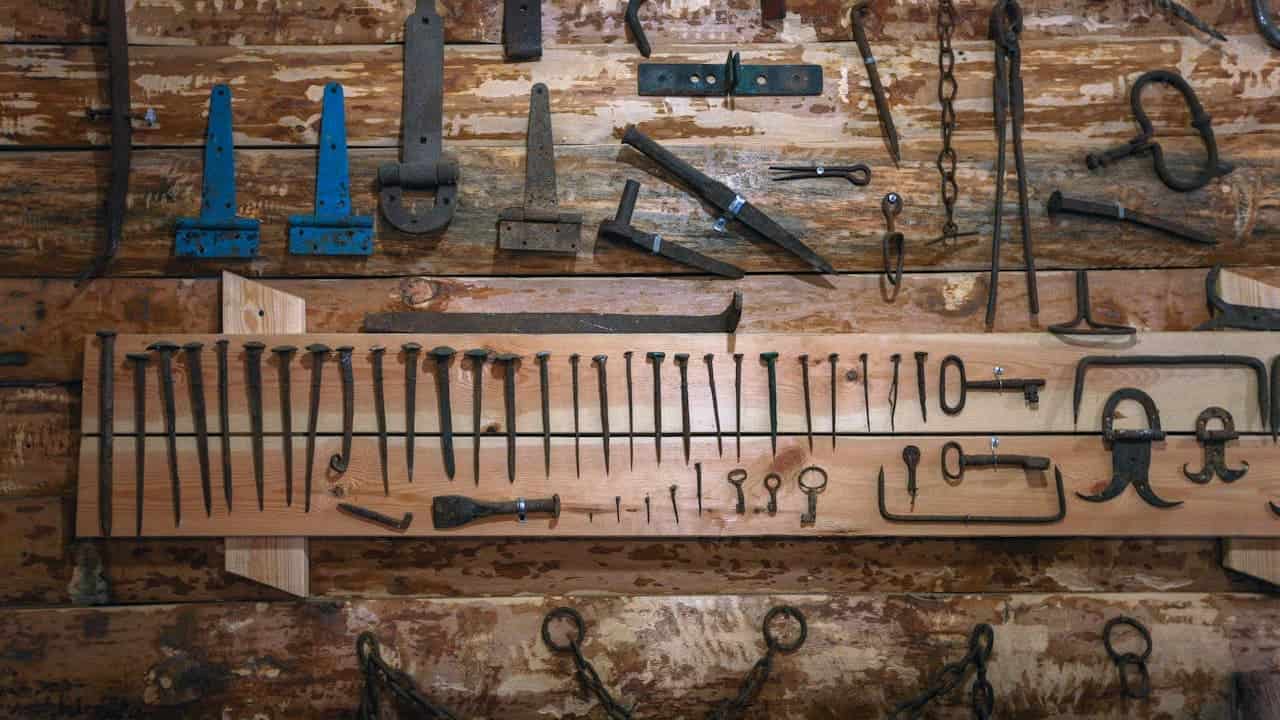
If you find machine-cut nails in your home, it points to construction from the late 1700s to the late 1800s. These nails have flat, rectangular shanks because they were cut from iron sheets.
By around 1830, machine-cut nails had more defined heads, making them stronger and more practical for building. After the 1890s, wire nails with round shanks became common and are still used today.
Spotting these nails can help you guess when parts of your home were built.
Wire nails in later 19th-century walls
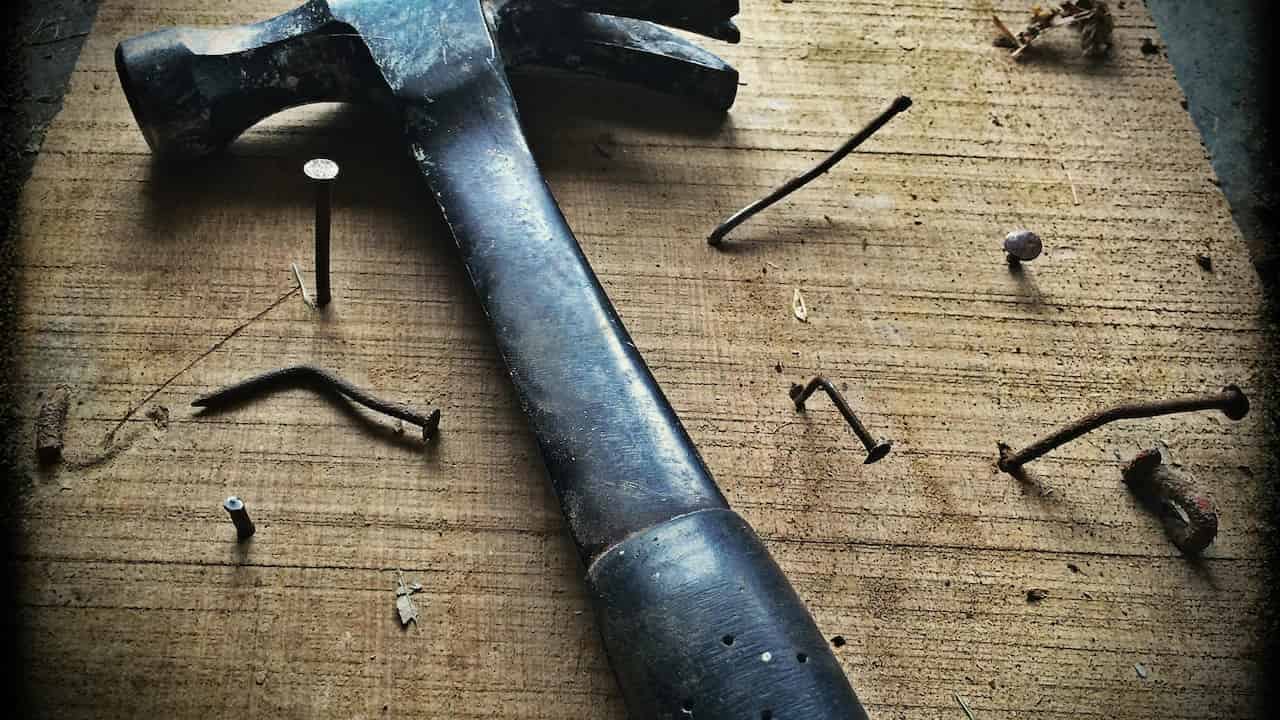
If you find wire nails in your home’s walls, they likely date from the late 1800s onward. These nails have round shafts and heads, a change from the earlier rectangular cut nails.
Wire nails became common as nail-making machines improved, making them more affordable and easier to produce. Spotting them can help you identify construction or renovation from the later part of the 19th century.
Gas lighting fixtures
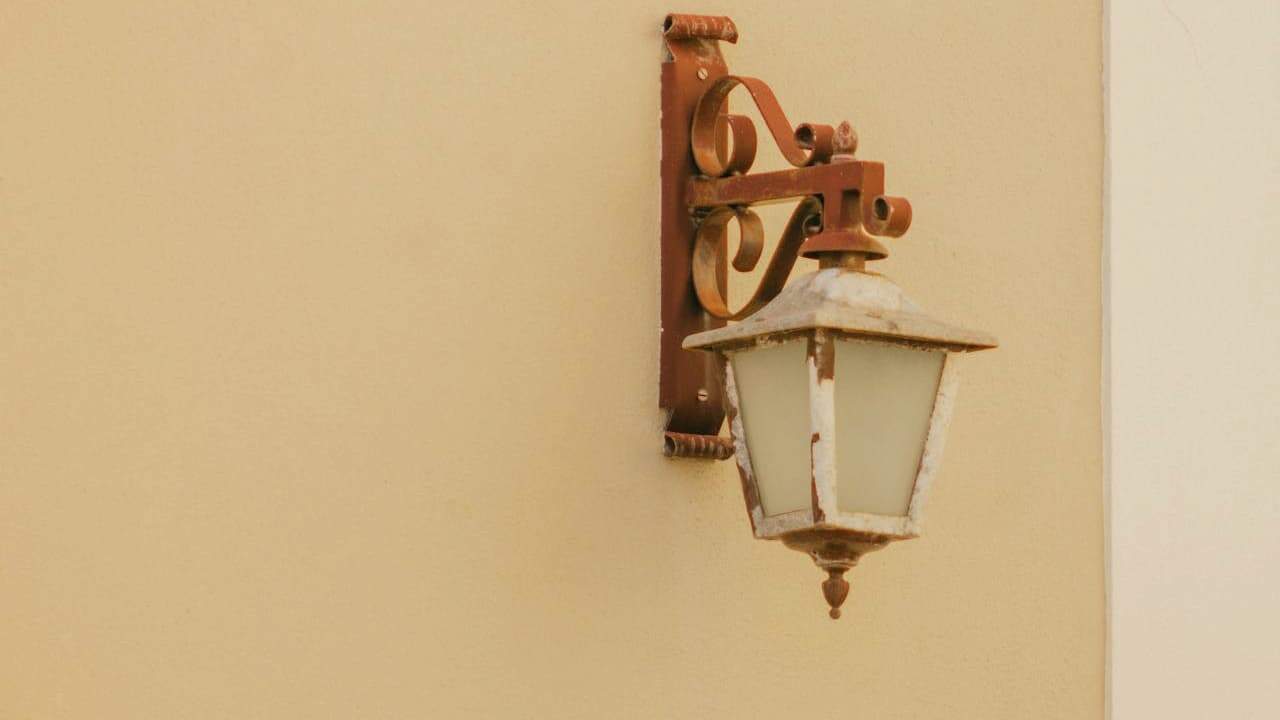
If you spot gas lighting fixtures in your home, they often point to an older build, usually from the 19th or early 20th century. These fixtures were common before electric lighting became widespread.
You might notice multiple pipe terminations on ceilings, which once powered different gas lights for better illumination. Restoring or keeping these fixtures can add historic charm but may require extra care or upgrades for safety.
Early electric lighting fixtures
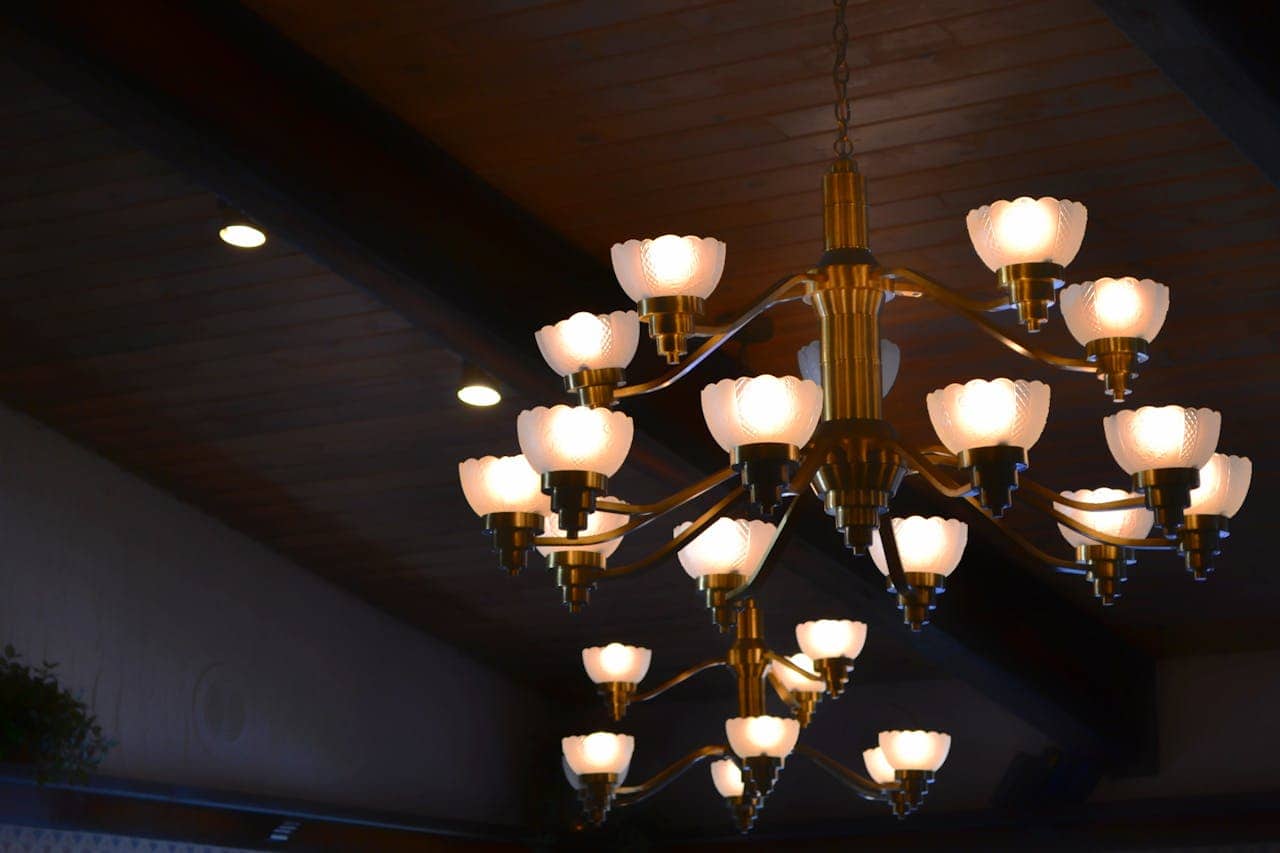
You’ll spot early electric lighting fixtures by their unique blend of old and new. Many still have design elements from gas or candle lighting but are made for electric bulbs.
These fixtures often use brass, bronze, or copper, showing the craftsmanship of the early 1900s. They give a soft, dim glow compared to modern lights.
If your home has lights from 1910 to 1925, you’re seeing a period when electric lighting quickly became common, changing how homes looked and lit up.
Dated cabinet hardware
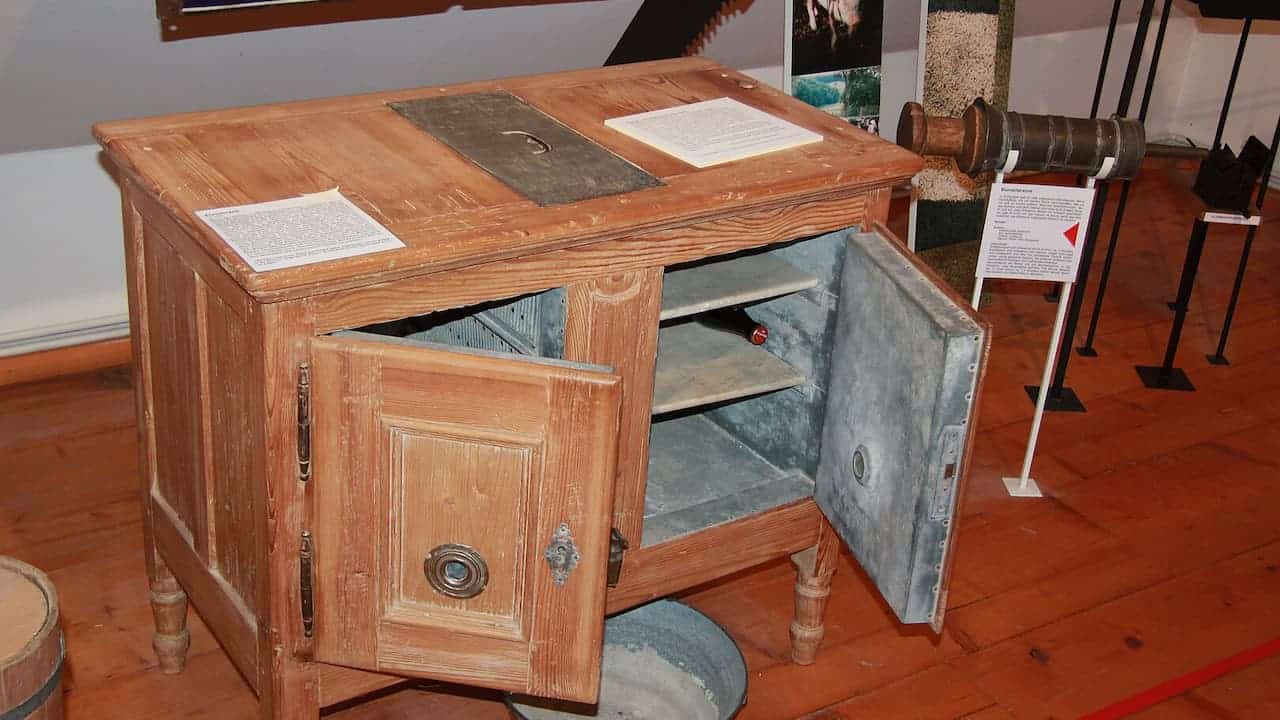
If your kitchen hardware is all the same style and finish, it can make your space feel stuck in the past. Matching knobs and handles in outdated metals often date your cabinets more than you realize.
Switching to mixed finishes or modern shapes can instantly refresh your kitchen’s look. It’s a simple update that helps your space avoid feeling predictable and tired.
Consider trying different sizes or styles that stand out, rather than typical, standard pieces. This adds personality without a full remodel.
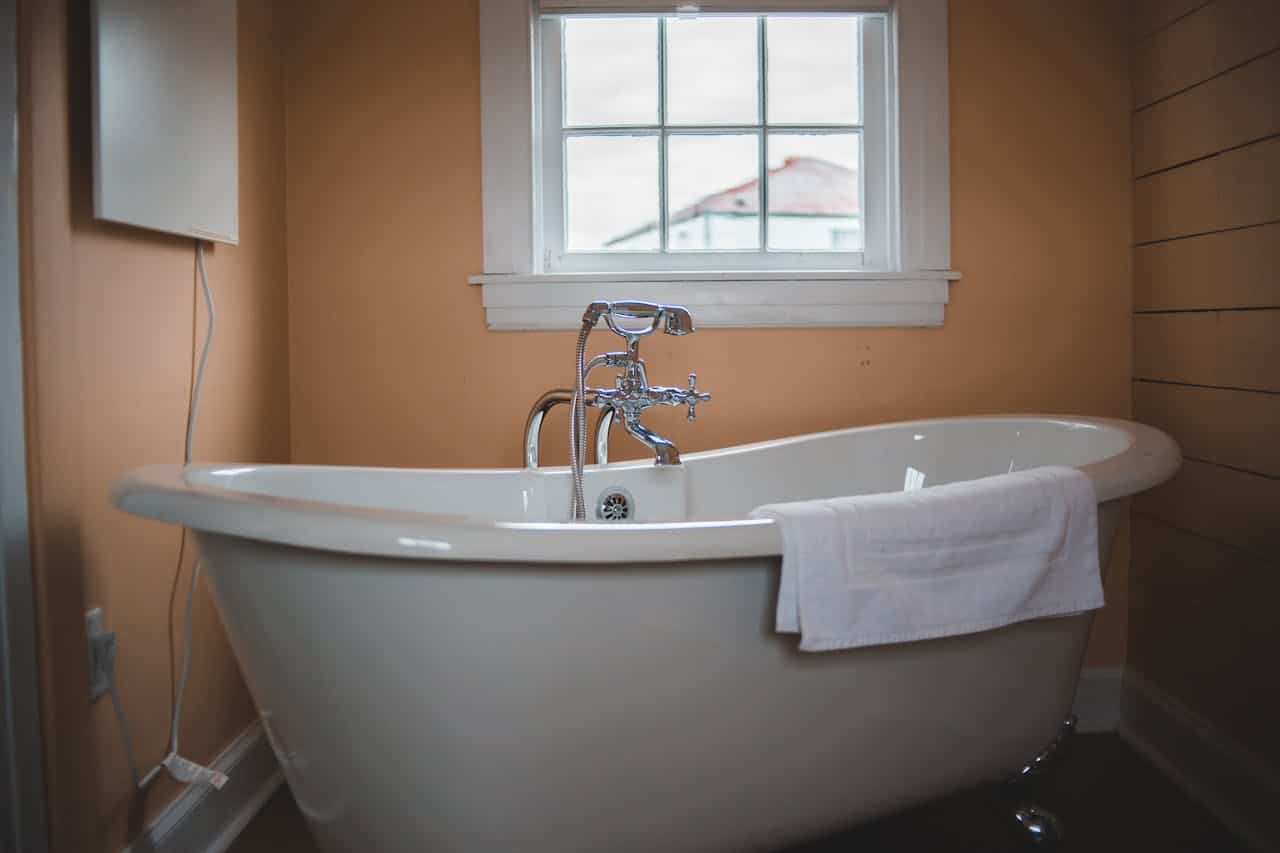
Clawfoot bathtubs
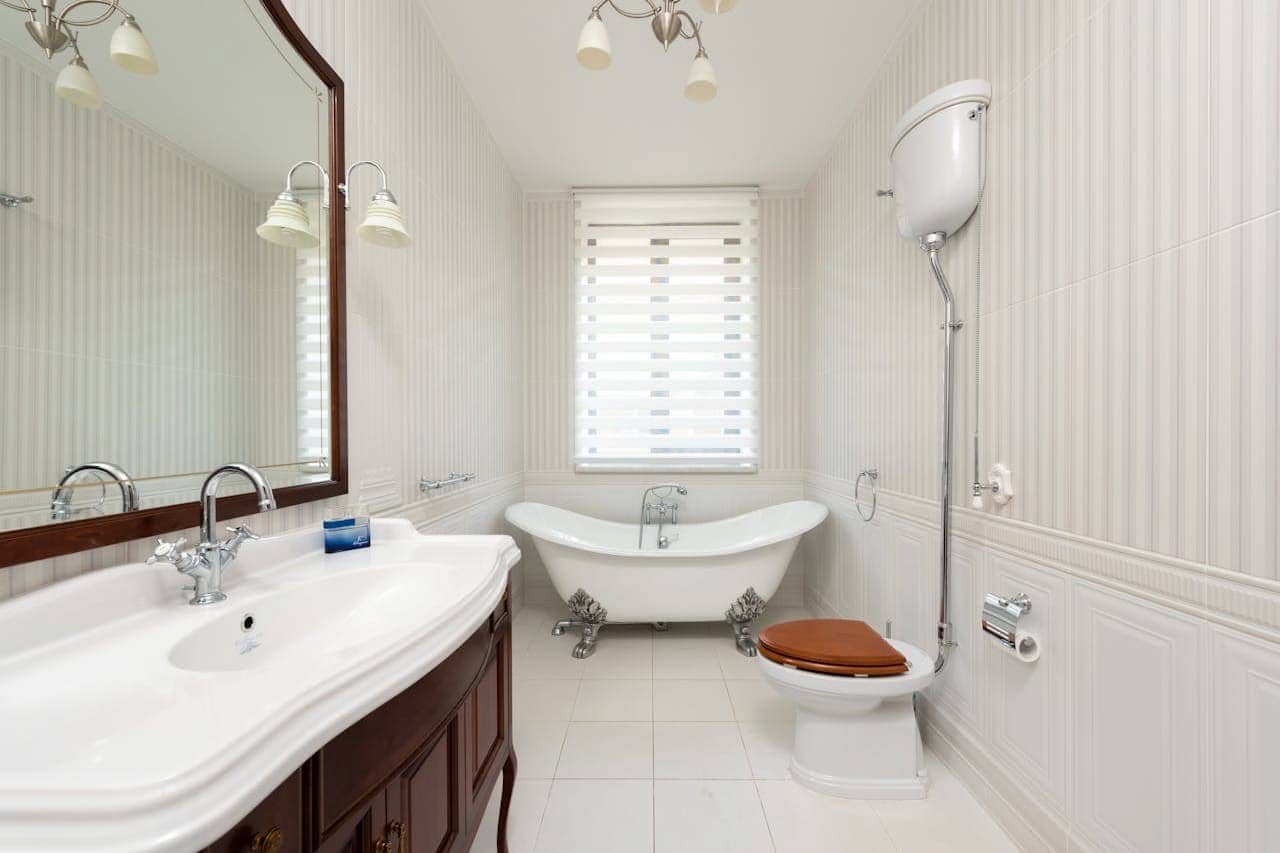
If your home has a clawfoot bathtub, it’s a clear sign of vintage charm. These tubs were originally made from cast iron with a porcelain coating, giving them durability and a classic feel.
You might find newer versions made with lighter materials like acrylic, which keep the look but are easier to maintain. Either way, a clawfoot tub adds a distinct, timeless character to your bathroom.
Vintage ceramic doorknobs
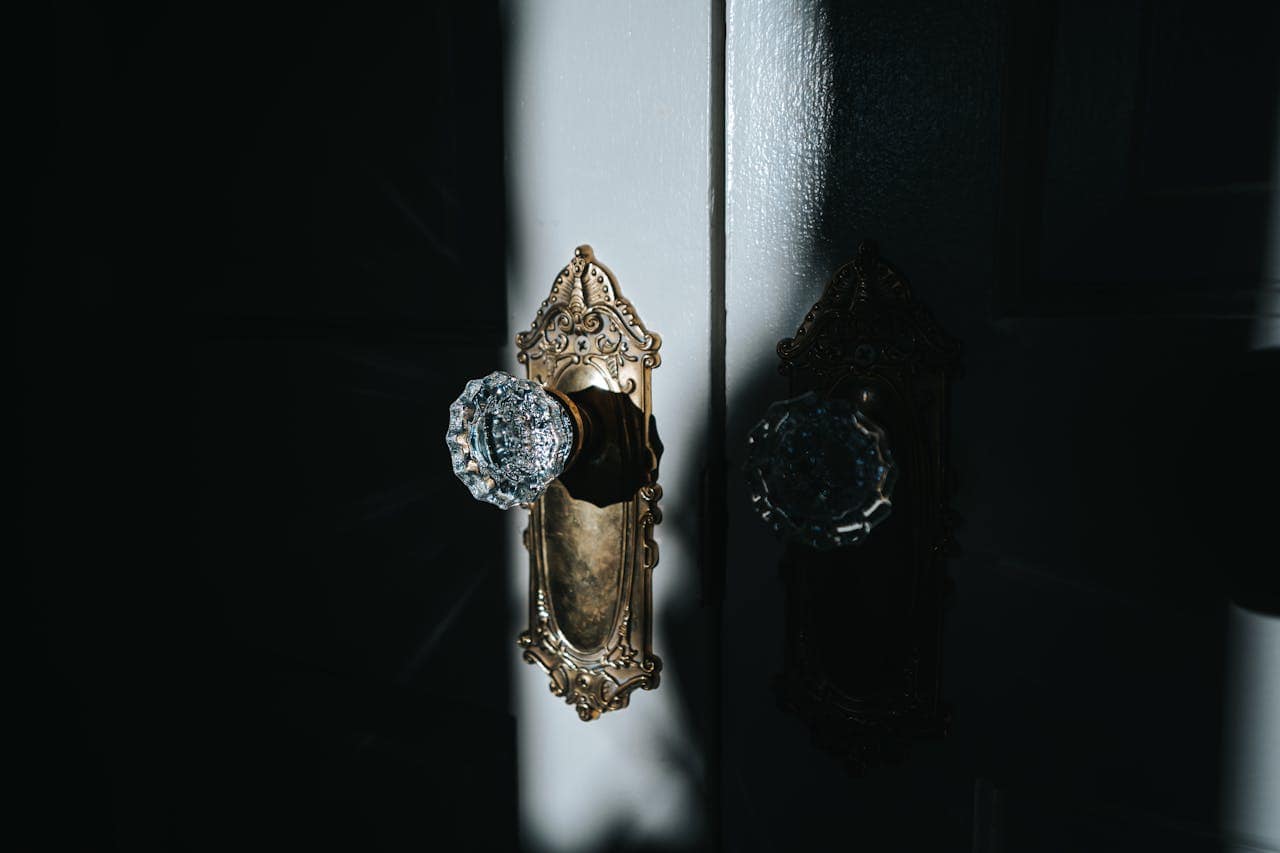
If your home has vintage ceramic doorknobs, they can tell you a lot about its history. These knobs were popular in the early to mid-20th century and often come in white or dark colors.
You might find these knobs on cabinets, drawers, or interior doors. They feel smooth and cool to the touch, adding charm to your space.
Using vintage ceramic knobs today can bring a sense of nostalgia. They also work well if you want to restore or repurpose old furniture pieces.
How Outdated Fixtures Impact Home Value
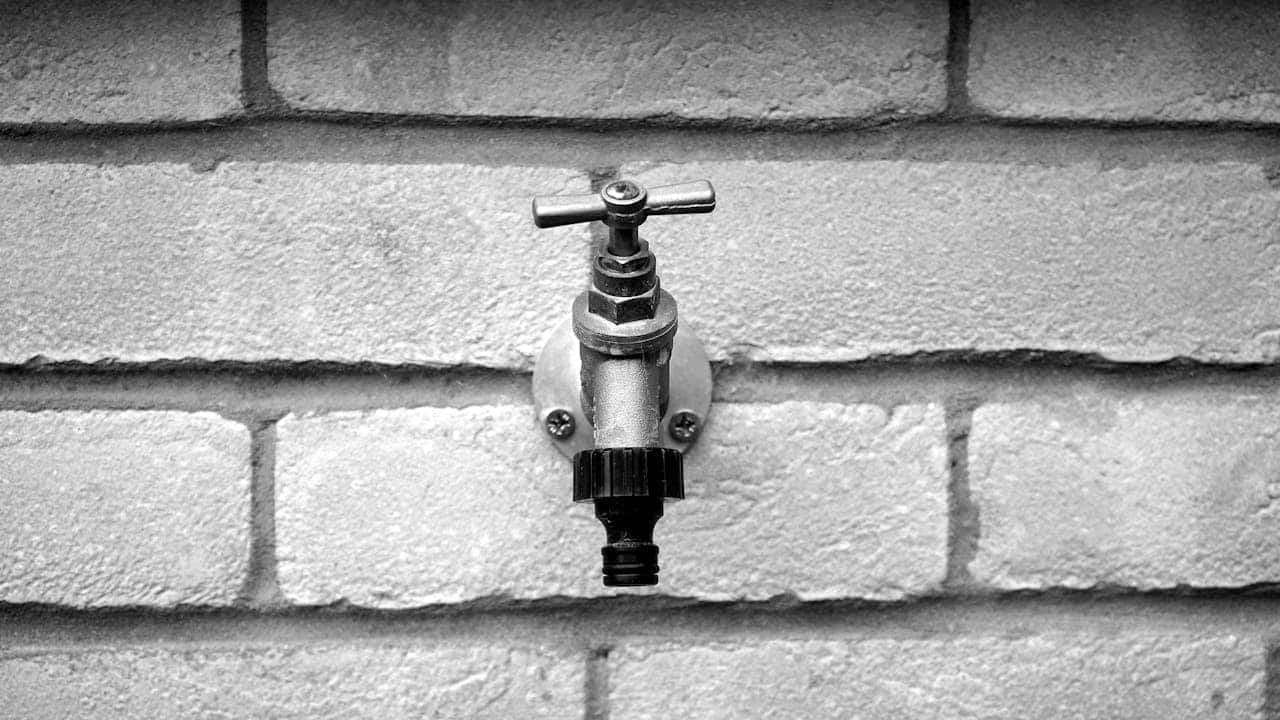
Old fixtures can affect how buyers see your home and influence the offers you receive. Updating these features often brings a good return on investment and can make your property more competitive in the market.
Buyer Perceptions of Old Fixtures

Buyers often notice outdated fixtures immediately, which can shape their overall impression of your home. Fixtures like tarnished brass or worn-out lighting can suggest a lack of maintenance, even if the home is structurally sound. This tends to lower perceived value and can reduce buyer interest.
Many buyers prefer move-in ready homes with modern finishes. If your fixtures look stuck in the past, potential buyers might assume there are other hidden issues. This perception can lead to lower offers or longer selling times. Small details like cabinet hardware or light switches carry weight in how fresh and cared-for your home feels.
Renovation ROI for Modernizing Fixtures
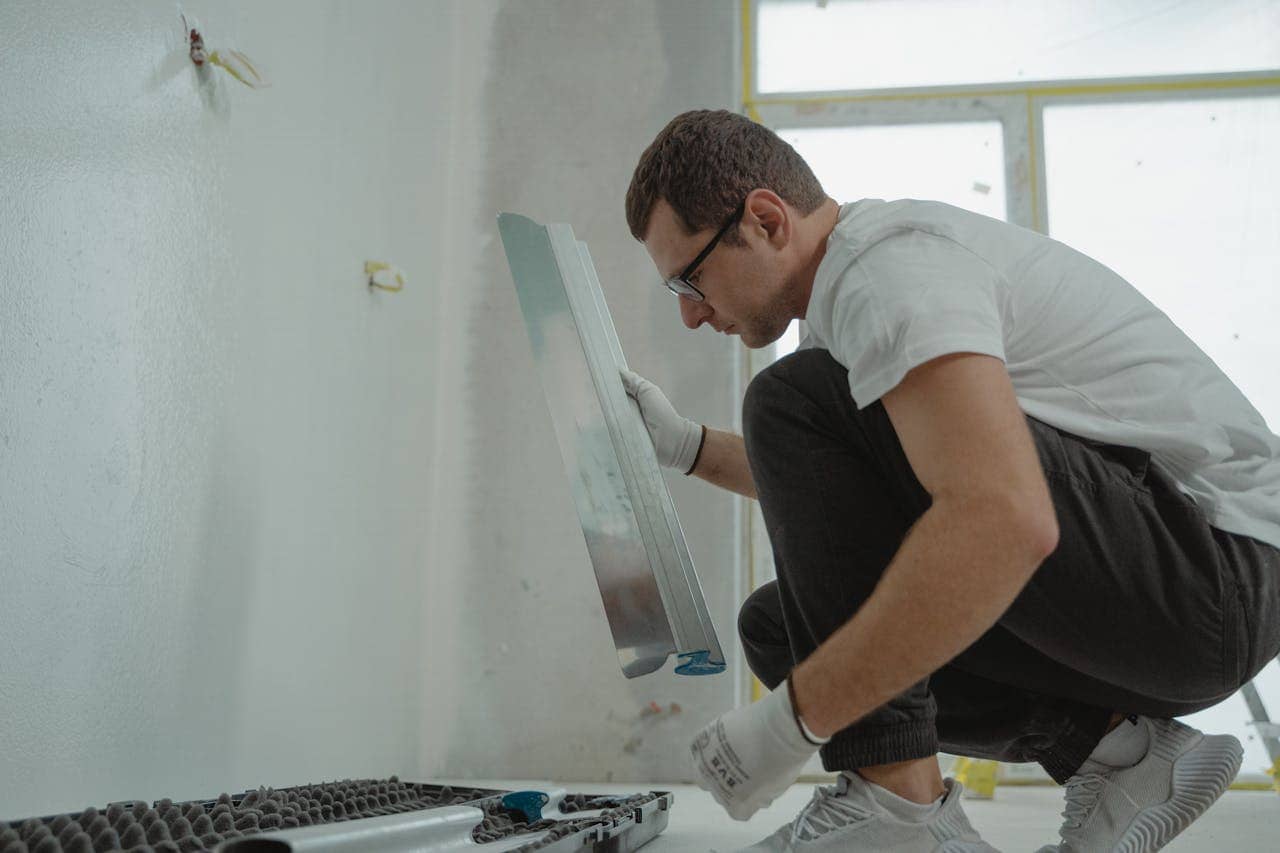
Upgrading fixtures often provides a strong return on investment, especially when preparing to sell. Replacing dated brass or heavy wood paneling with more modern options can boost appeal without a large budget.
Focus on key areas like bathrooms, kitchens, and entryways. Simple changes such as swapping old light fixtures or cabinet handles can improve the look for a few hundred dollars. Homes with updated fixtures tend to sell faster and for higher prices, making these renovations worthwhile.
| Fixture Type | Typical Cost Range | Impact on Sale Price |
|---|---|---|
| Light Fixtures | $50 – $300 | +1-3% |
| Cabinet Hardware | $30 – $150 | +1-2% |
| Bathroom Faucets | $100 – $400 | +2-4% |
Updating fixtures signals you’ve cared for your home, which buyers appreciate. It shows you’ve invested in style and function, aligning your property with current market preferences.
Tips for Updating and Maintaining Fixtures
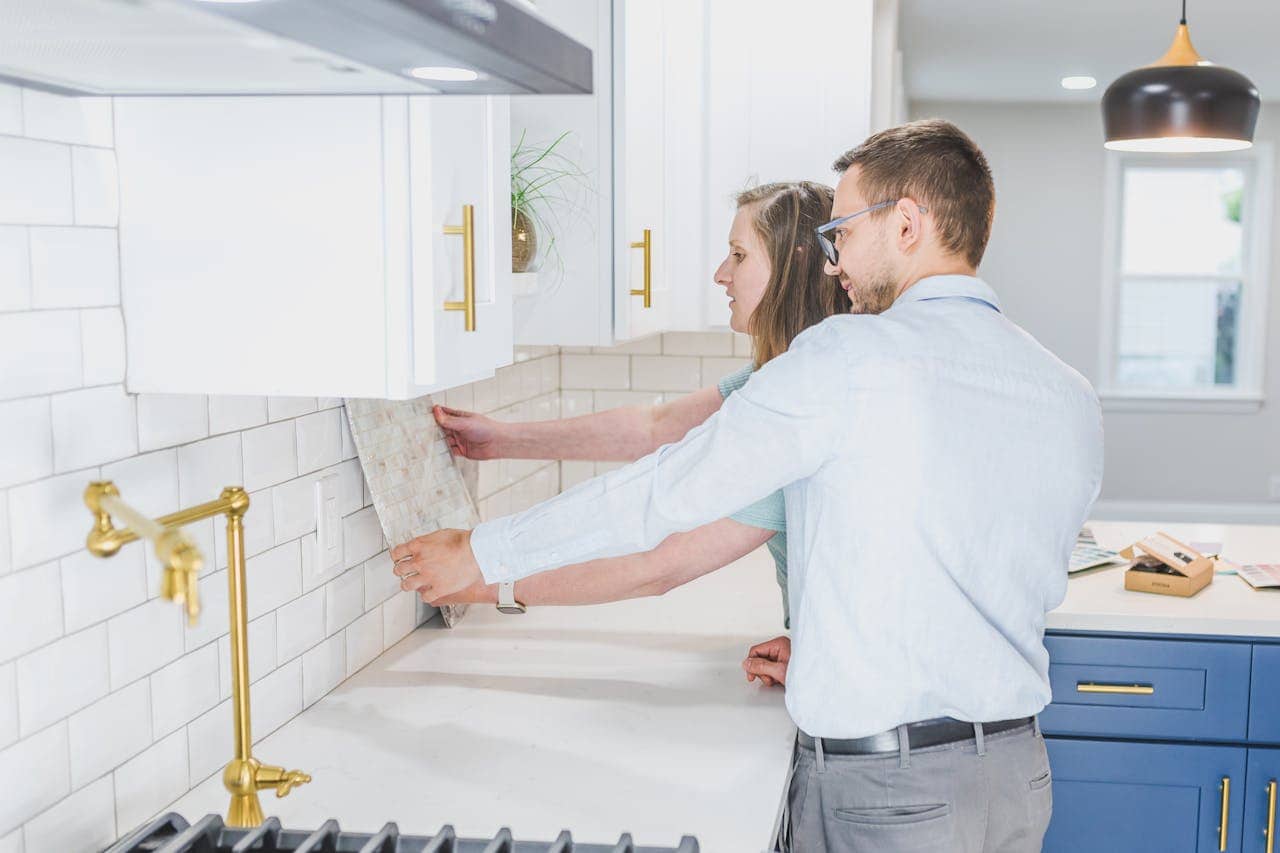
Updating your fixtures means balancing style with longevity. You’ll want pieces that fit your home’s look while resisting wear. Deciding whether to tackle updates yourself or hire pros affects your budget and outcome.
Choosing Timeless Fixture Styles
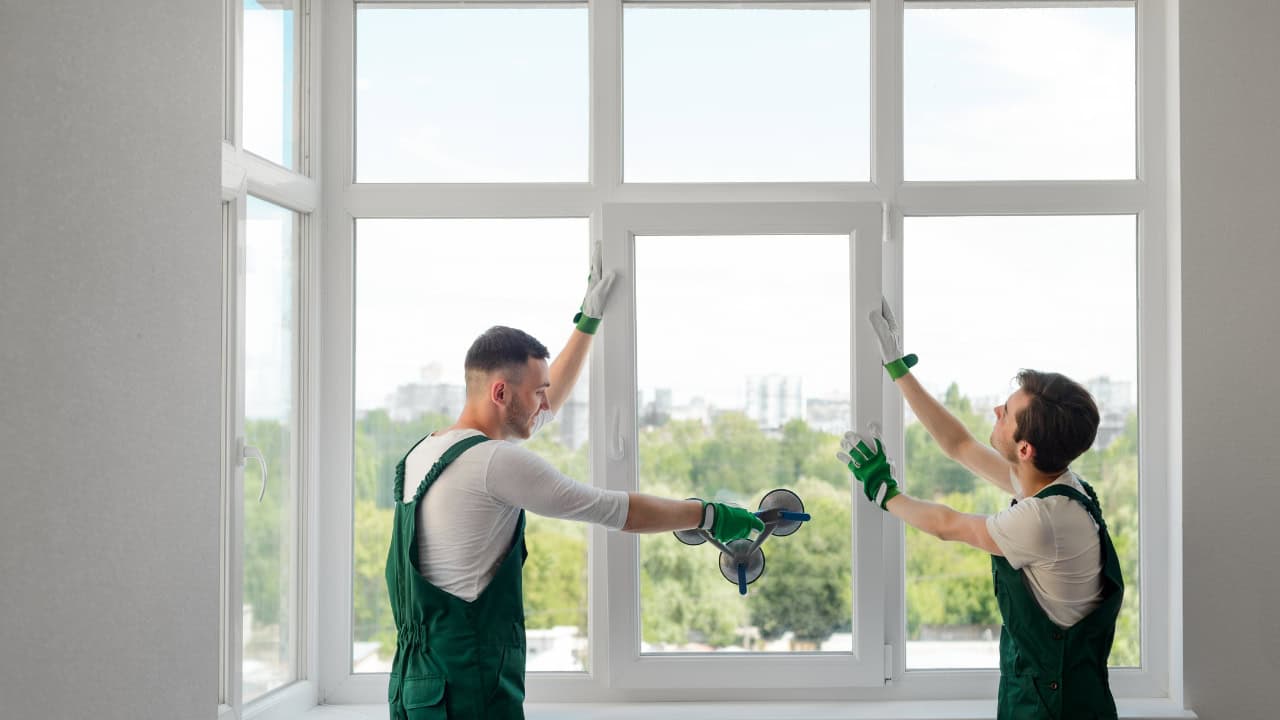
Choose fixture designs that won’t quickly feel outdated. Classic shapes like simple globes, satin finishes, or clean lines work well. Avoid overly trendy fixtures that may need replacing in a few years.
Materials matter. Fixtures made from brass, nickel, or matte black finishes hold up in both style and durability. Consider matching fixture style with your home’s era, but with a modern twist.
Mixing a few statement pieces with basics can keep your space interesting without overwhelming it. Try to pick fixtures that complement each other for a consistent look throughout your home.
DIY vs. Professional Fixture Updates

If you feel handy, swapping fixtures yourself can save money. Basic replacements like changing a light or faucet usually require simple tools and minimal experience.
However, if wiring, plumbing, or mounting is complex, hiring a professional is safer. Mistakes here can cause damage or safety hazards. Also, professionals ensure fixtures are installed correctly to last longer.
Factor in your comfort level, available time, and the fixture’s complexity before deciding. When in doubt, a pro’s work often prevents costly problems down the road.