Everyday spending can really add up, often in ways you might not even notice. There are countless small expenses that creep into your daily routine and quietly drain your wallet over time. By identifying these hidden costs, you can take control of your finances and make smarter decisions.
It’s easy to overlook the little things when life gets busy, but being aware of them can lead to significant savings. From subscriptions you no longer use to impulse buys at the coffee shop, uncovering these habits is the first step to keeping more money in your pocket. Understanding where your money is going helps you prioritize what truly matters.
Advertisement
Bottled Water
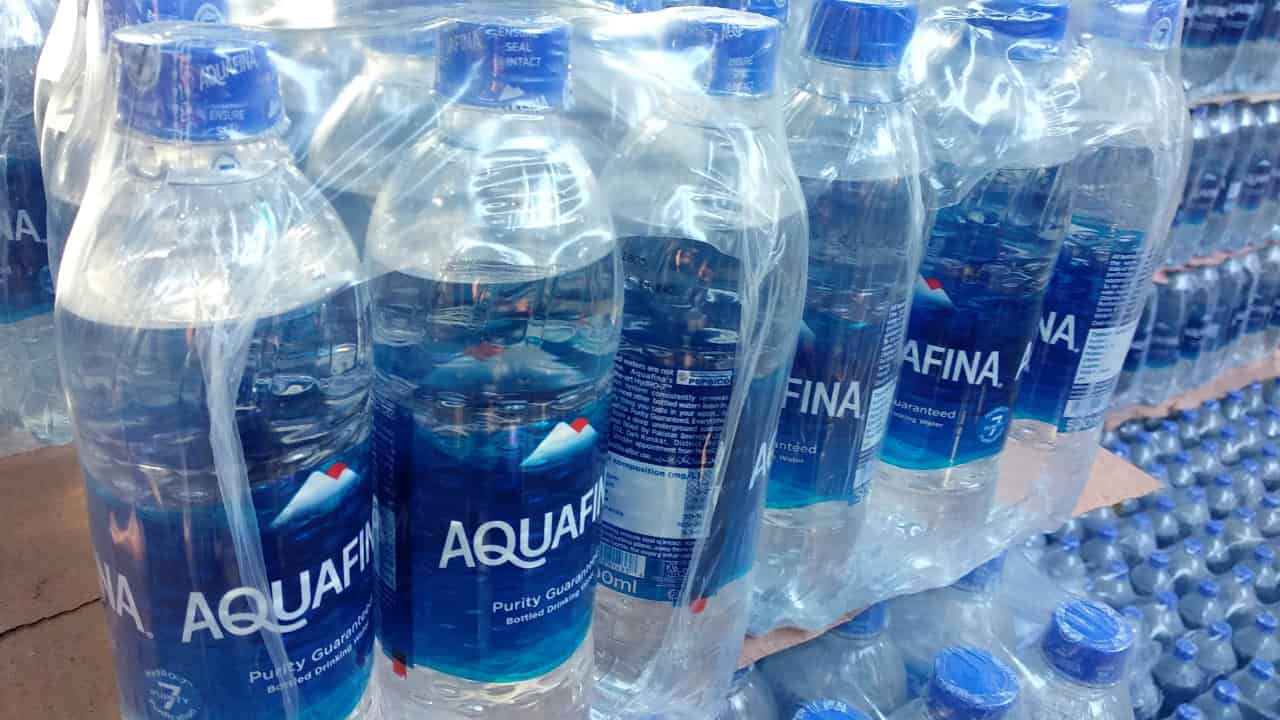
You might not think twice about grabbing a bottled water, but it adds up. Americans spent around $15 billion on bottled water last year.
Buying a reusable water bottle and filtering your tap water can save you cash and help the environment. Many tap water sources are perfectly safe and taste just as good with a little help.
Consider investing in a filtration system for your home. It’ll cut costs and reduce plastic waste.
Disposable Coffee Cups

You might not think twice about grabbing a coffee to-go, but those disposable cups add up. Each paper cup can cost you more than just a few bucks; it’s a frequent purchase that can strain your budget over time.
Plus, many coffee shops charge extra if you don’t bring a reusable mug. Consider investing in one to save money and help the environment.
If you’re buying coffee daily, those few dollars can total a hefty amount each month. Just imagine what else you could spend that money on!
Ready-Made Snacks

Buying ready-made snacks can add up quickly. Individual bags of chips or snack packs often cost more than purchasing larger quantities.
Instead, consider buying bulk snacks and dividing them into smaller portions at home. This simple tweak not only saves money but also helps you manage your portion sizes better.
Look for healthier options, like nuts or dried fruit, which can also be portioned out. By making these small changes, you can keep your snacks enjoyable and budget-friendly.
Single-Use Razors
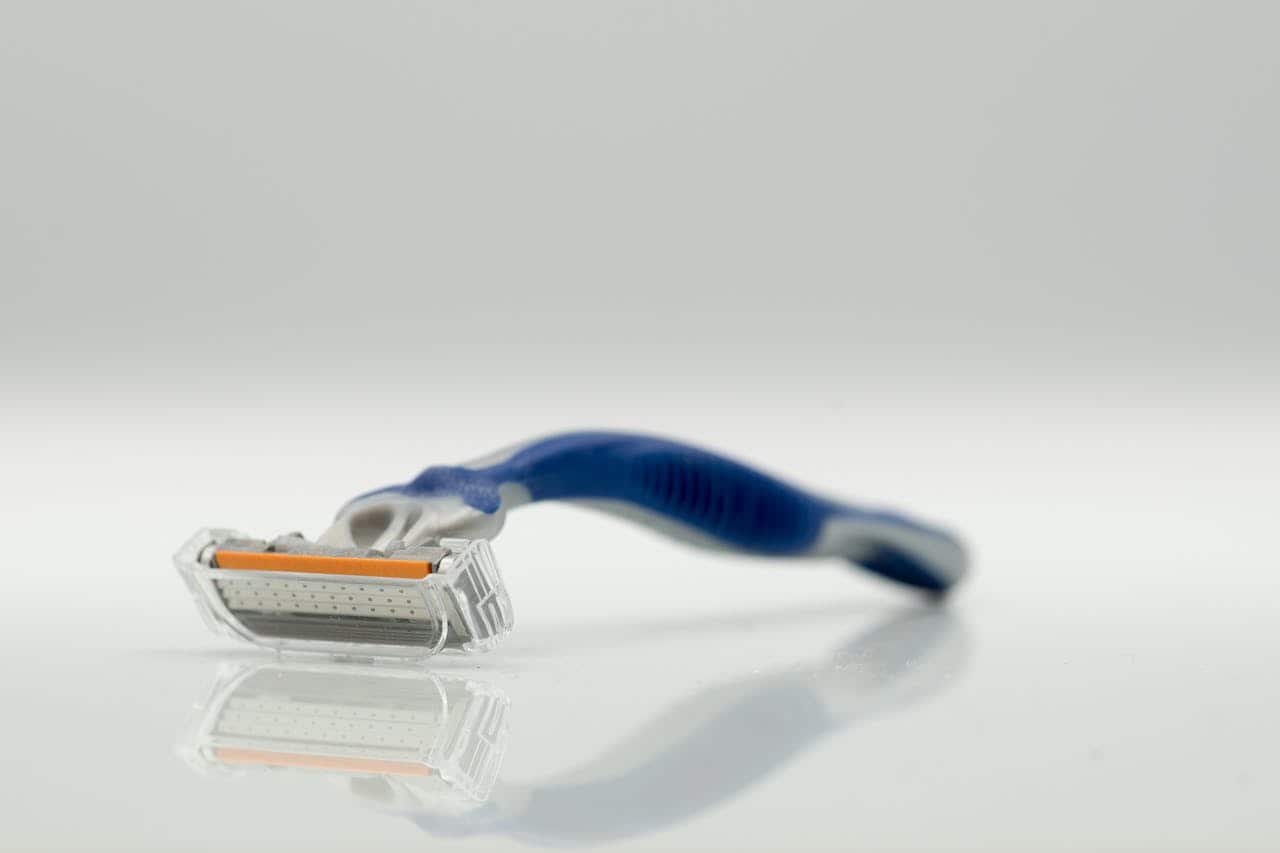
Single-use razors might seem convenient, but they can really add up over time. You might be spending more money than necessary on those disposable options.
These razors often provide a subpar shave, leaving you frustrated. Investing in a quality razor with replaceable blades can save you money and help you achieve a smoother shave.
You can find alternatives that reduce waste and are better for your wallet. If you want a better experience while saving cash, consider switching away from disposable razors.
Paper Towels

You might not realize how much you spend on paper towels, but those quick trips to the store can really add up. Think about it—how often do you grab a roll?
Instead of relying on disposable options, consider switching to washable cloths or reusable sponges. They clean just as well and save you money in the long run.
Making this small change can help you waste less and keep some extra cash in your pocket. Plus, you’ll be doing your part for the environment.
Unnecessary Insurance Policies

You might be paying for insurance policies you really don’t need. For instance, many people purchase extended warranties. Often, they don’t cover enough to justify the cost.
Private mortgage insurance is another expense you can skip if you have a solid down payment. Plus, rental car insurance can be redundant if your personal auto policy already covers it.
Think about whether you really need that trip cancellation insurance. In many cases, it’s a waste since you can self-insure or take alternative precautions.
Frequent Home Refinancing
You might think refinancing your home often is a smart move. It can seem like a quick way to snag a lower interest rate or tap into your home’s equity.
However, each time you refinance, you incur new closing costs. These fees can add up, eating into your potential savings.
Additionally, frequent refinancing can impact your credit score. Lenders may see it as a red flag, which could affect future borrowing.
Consider carefully if refinancing often truly benefits you. Make sure it’s worth the cost and hassle before diving in.
Minimum Credit Card Payments
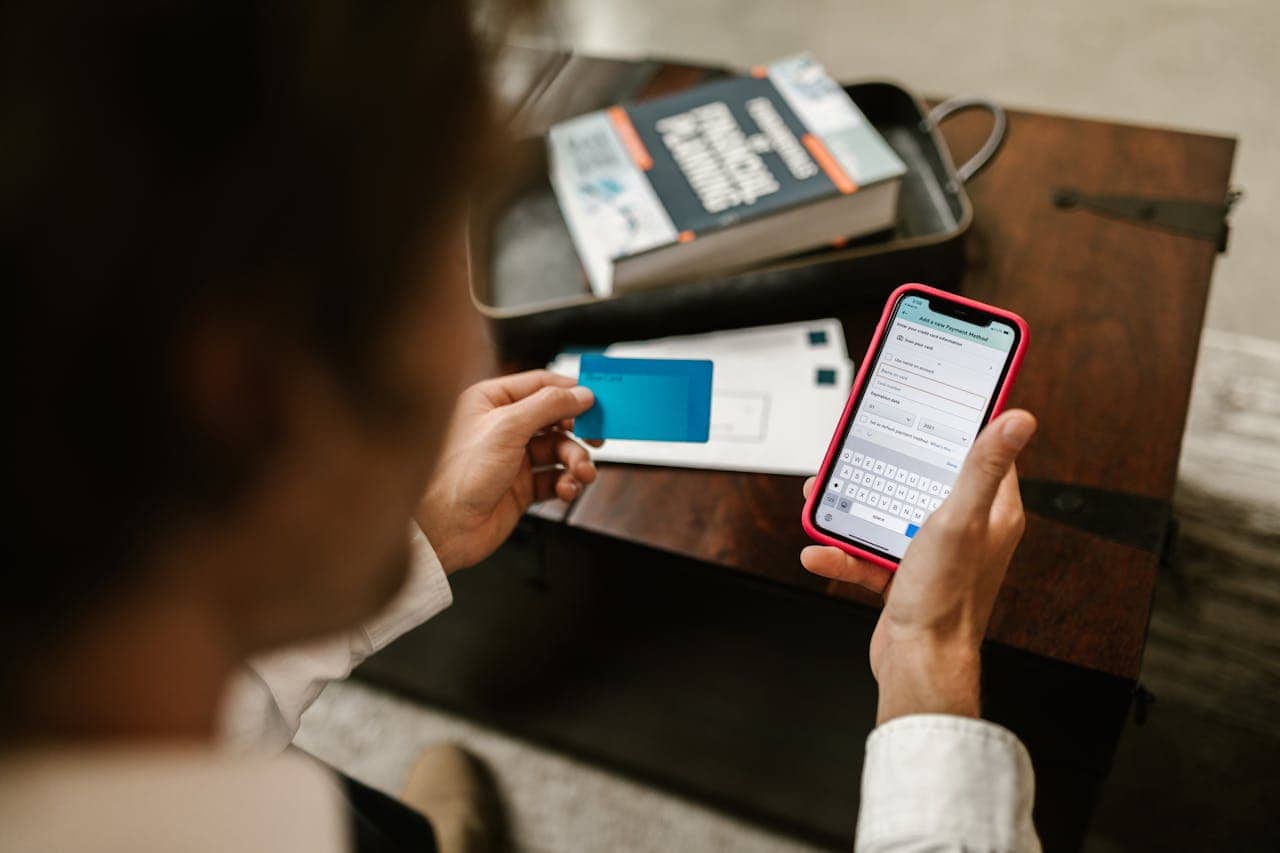
Making just the minimum payment on your credit card can seem like a good plan, but it often leads to more costs. Minimum payments usually cover only 2% to 3% of your balance, which barely shrinks what you owe.
This can result in high-interest charges over time, leaving you in debt longer. It’s better to pay more than the minimum whenever you can. It helps you save on interest and pay off your balance faster.
Unused Subscriptions
You might be paying for several subscriptions you never use. Think about all those streaming services or gym memberships. Those charges can really add up.
Free trials often lead to automatic renewals, costing you money each month. Consider reviewing your subscriptions to see what you can cancel.
Many people are surprised to find they waste hundreds of dollars a year on services they don’t even touch. Take a moment to check your bank statement. You might find some easy savings.
Impulse Online Purchases

You might not think twice about a quick click when shopping online, but those impulse buys can add up. It’s so easy to throw an item in your cart without considering if you actually need it.
Websites often use tactics to entice you, like limited-time offers or free shipping. This can make you feel rushed to buy something you didn’t plan for.
Try setting a waiting period before purchasing. Giving yourself time can help you decide if that item is really worth it. Your wallet will thank you!
ATM Fees
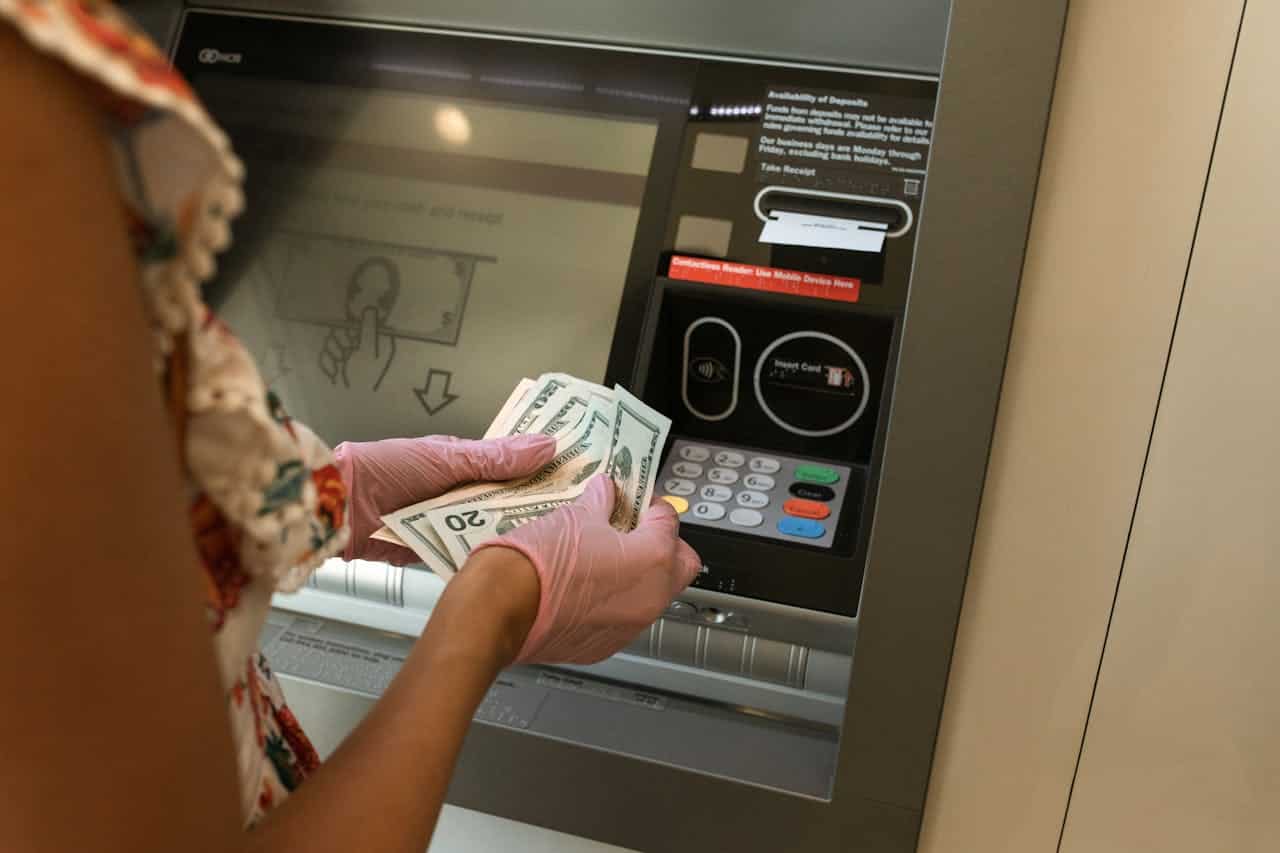
ATM fees can sneak up on you. When you use an out-of-network ATM, you might pay an average fee of around $4.77 per transaction. That’s a lot if you’re making frequent withdrawals.
These fees are a combination of charges from both your bank and the ATM operator. Over time, these costs can really add up.
To avoid them, consider sticking to your bank’s network. Alternatively, look for accounts that offer fee reimbursements. Staying mindful of where and how you withdraw cash can help you save more.
Brand Name Groceries

When you shop for groceries, it’s easy to grab brand-name items without thinking. These products often come with a higher price tag, but you might be paying for packaging and marketing rather than quality.
Consider trying generic versions of your favorite items. Many store-brand products offer the same taste and quality for much less.
By switching to generics, you can save a significant amount on your grocery bill. Plus, you might discover new favorites that are easier on your wallet.
Cable TV Packages

You might not realize how much you spend on cable TV every month. Those packages can really add up, especially with hidden fees and equipment rentals.
A lot of people pay for channels they never watch. If you’re only using a few services, it could make sense to cut back or switch to streaming options.
Many subscribers forget to cancel those auto-renewing services. Keeping track of these expenses can save you a chunk of change each month.
Dining Out Regularly

Eating out is a common habit, but it can quickly drain your wallet. Those seemingly small expenses add up fast. For example, spending $15 on a meal each day totals around $450 a month.
You might not realize that dining out often can cost you thousands each year. Instead of grabbing takeout, consider cooking at home. Preparing your meals can be healthier and save you a significant amount of money in the long run.
Excessive Mobile Data Plans

You might not realize it, but your mobile data plan could be costing you more than necessary. Many people pay for unlimited plans they rarely use.
If you mainly connect to Wi-Fi, consider switching to a lower-tier plan. You can often find options that fit your usage better, saving you money each month.
Keep an eye on promotional deals. Websites and apps can help you compare plans, ensuring you get the best value for your needs.