When you bring plants into your home or garden, it’s important to consider how they might affect your pets. Many plants that seem harmless, even edible to humans, can actually be toxic to dogs, cats, and other animals.
Knowing which edible plants are harmful to your pets helps you keep them safe and avoid accidental poisoning. By understanding the risks, you can make better choices about what to have around your furry friends and create a pet-friendly environment.
Advertisement
Onion

You should avoid feeding your pet any food that contains onions. Onions, whether raw, cooked, or powdered, contain compounds that can harm your dog or cat.
Even small amounts can cause problems like anemia by damaging their red blood cells. If your pet eats onion, watch for weakness, vomiting, or pale gums, and contact your vet right away. Keep all forms of onions out of reach to keep your furry friends safe.
Garlic

Garlic can be harmful to your pets, especially dogs and cats. It contains compounds that can damage their red blood cells, leading to anemia.
Even small amounts may cause vomiting or weakness. Garlic is more toxic than onions, so it’s best to keep it away from your furry friends. If your pet accidentally eats garlic, watch for symptoms and contact your vet right away.
Rhubarb leaves
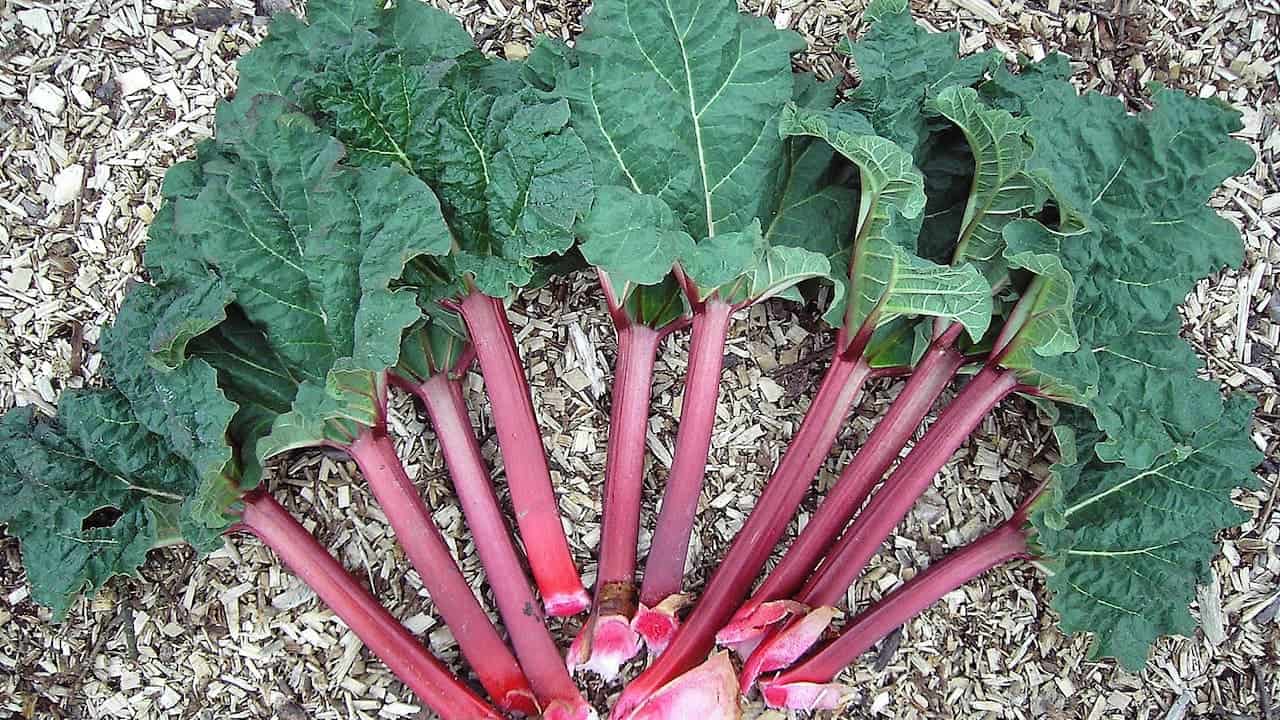
If your pet eats rhubarb leaves, it can make them very sick. The leaves contain substances that may cause serious problems like kidney failure.
Even small amounts can be harmful, so it’s best to keep your pets away from rhubarb plants.
If you think your pet has eaten the leaves, contact your vet right away for advice.
Potato leaves and stems (green parts)
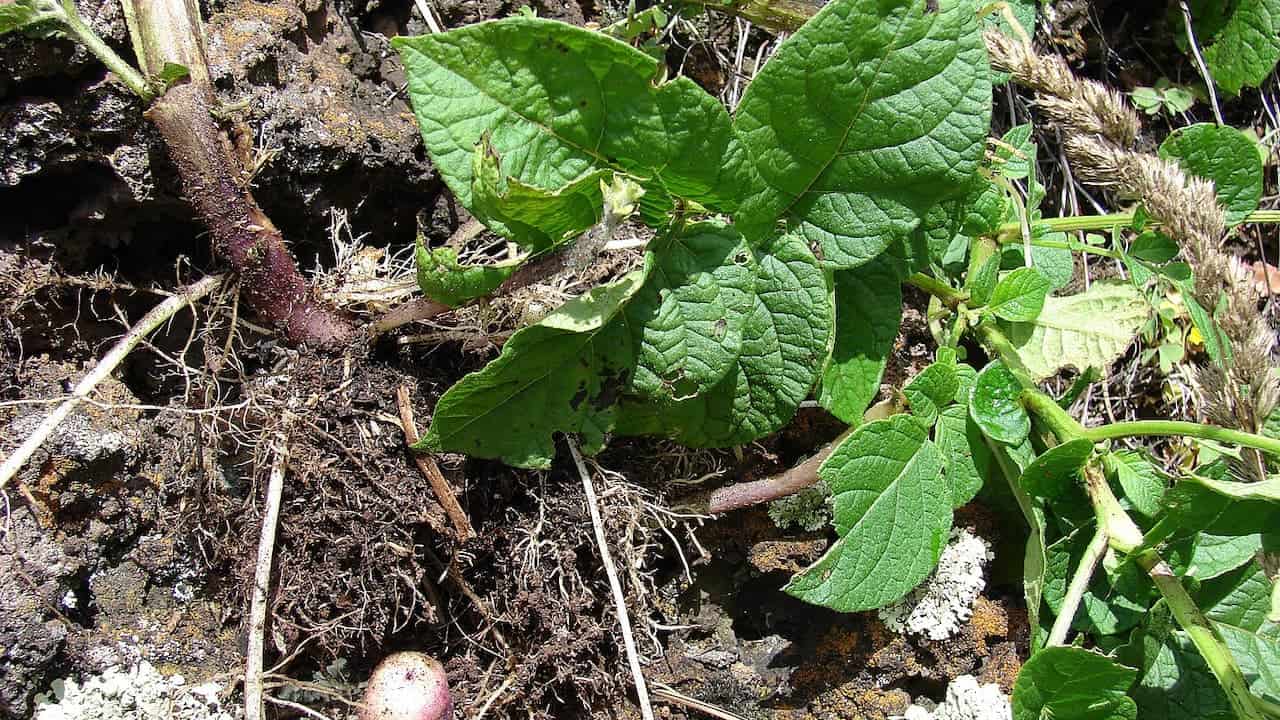
You should avoid letting your pets chew on potato leaves and stems. These green parts contain a toxin called solanine, which can make them sick.
Even though the potatoes you eat are safe when cooked, the leaves and stems are not safe for animals. Keep your pets away from all green parts of the potato plant to protect them.
Peach pits
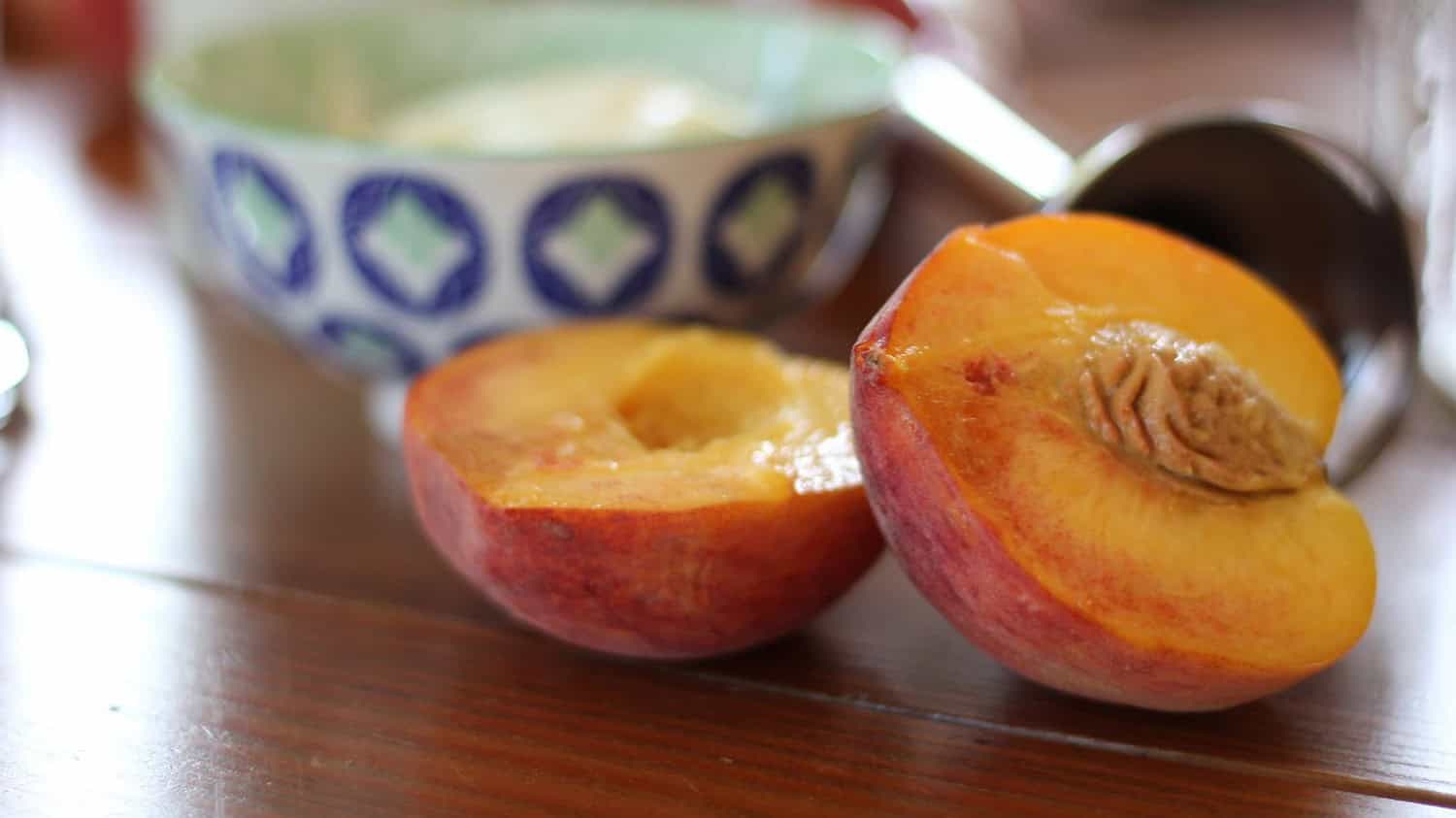
You should keep peach pits away from your pets. They contain amygdalin, a compound that can release cyanide when ingested.
If your pet chews or swallows a pit, it may cause poisoning symptoms like trouble breathing or weakness.
Make sure to remove pits before giving peach flesh, and discard any fallen fruit that your pet might find.
Raisin
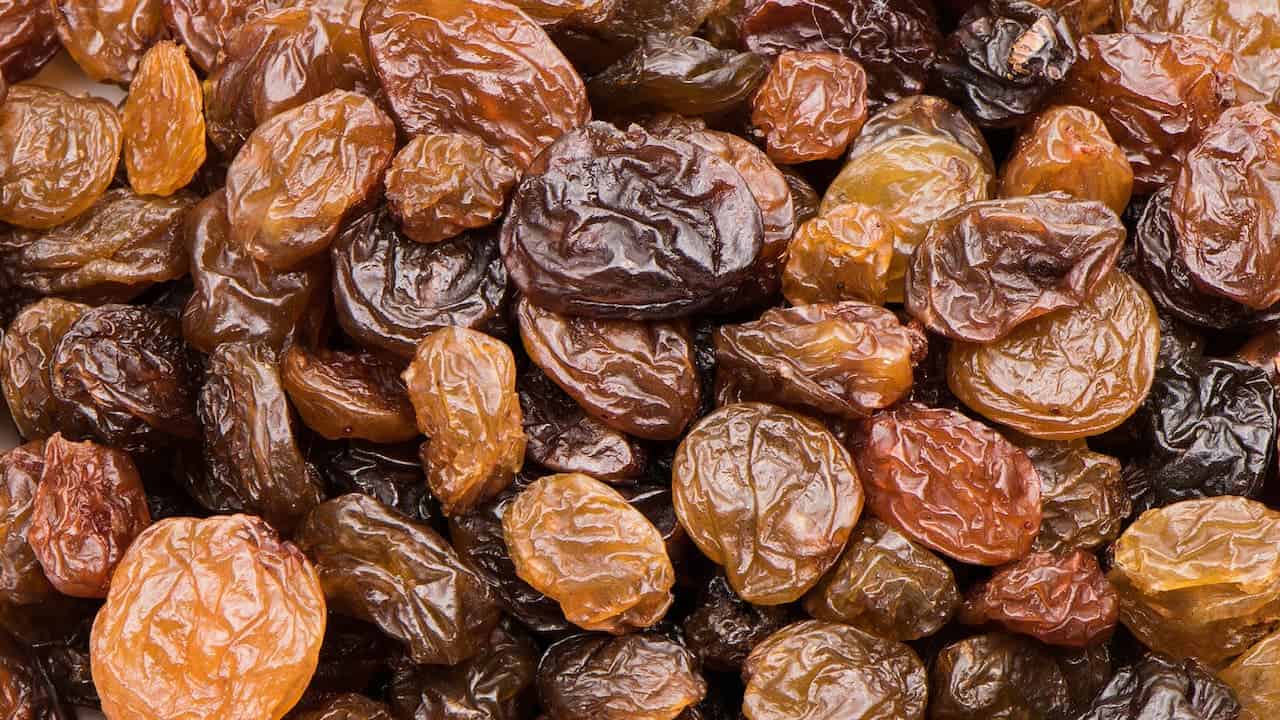
Raisins can be dangerous for your dog even in small amounts. Eating just a few can cause serious kidney problems.
If your pet eats raisins, watch for signs like vomiting, diarrhea, or lethargy.
Quick veterinary care is important to prevent lasting damage. It’s best to keep raisins out of reach to keep your furry friend safe.
Castor bean
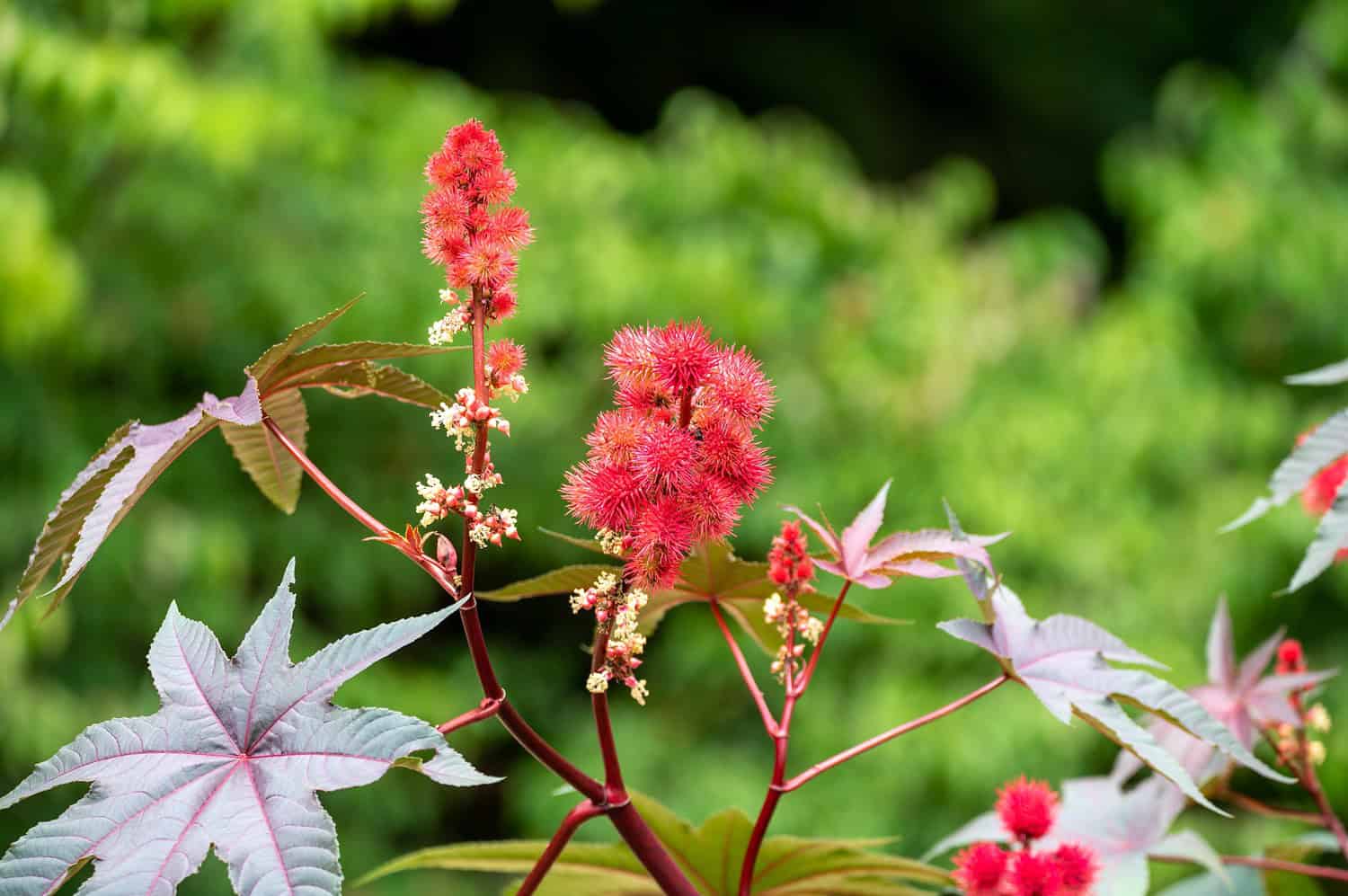
The castor bean plant contains ricin, a very harmful toxin to pets. Even small amounts can cause serious problems like vomiting, diarrhea, or worse.
If your pet chews on any part of the plant, act quickly. Contact your vet immediately to ensure your pet gets the care they need.
Keep this plant out of your yard or home to protect your furry friends from accidental poisoning.
Tomato leaves

If your pet nibbles on tomato leaves, it’s important to be cautious. Tomato leaves contain solanine, a substance that can be toxic to dogs and cats.
Eating small amounts may cause mild symptoms like lethargy, but larger quantities could lead to more serious issues. Keep tomato plants out of your pet’s reach to stay safe. If you notice any unusual behavior, contact your vet right away.
Cherry pits
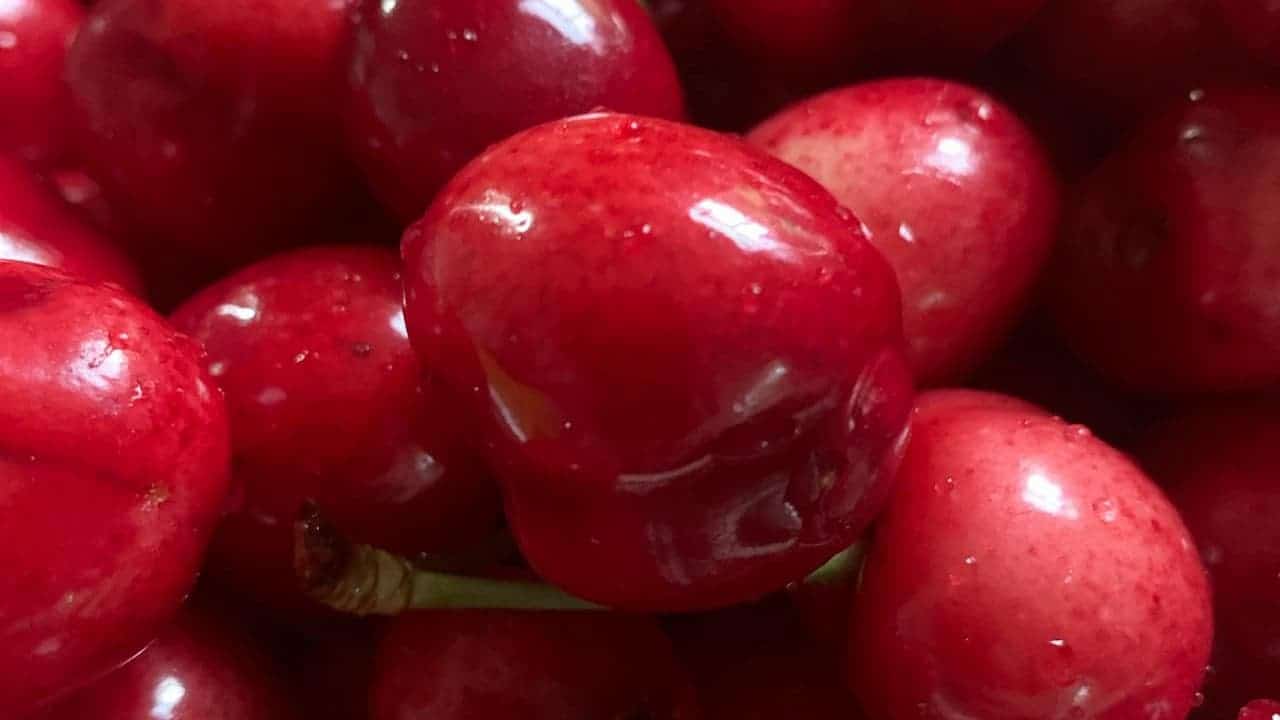
If your pet eats cherry pits, there is a risk because they contain cyanide. This chemical can be harmful if enough is ingested.
Cherry pits, stems, and leaves all have this toxin. You should keep these parts away from your pets to avoid any problems.
While the ripe fruit is generally safe, the other parts of the cherry plant are best avoided around your furry friends.
Apple seeds
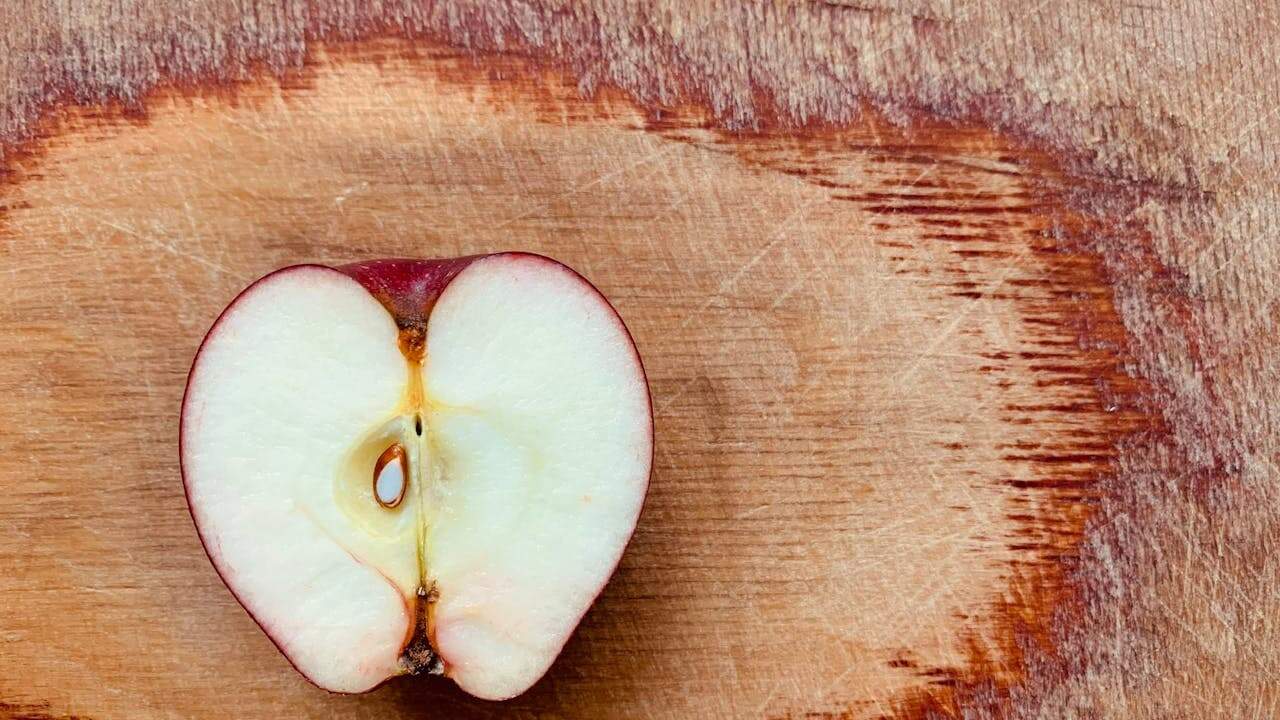
You should avoid giving your pet apple seeds. They contain a chemical that can release cyanide when digested.
Small amounts usually won’t cause harm, but eating many seeds could be risky.
If your pet swallows a few seeds occasionally, it’s generally okay. Just be sure to remove seeds from apples before sharing.
Apricot pits
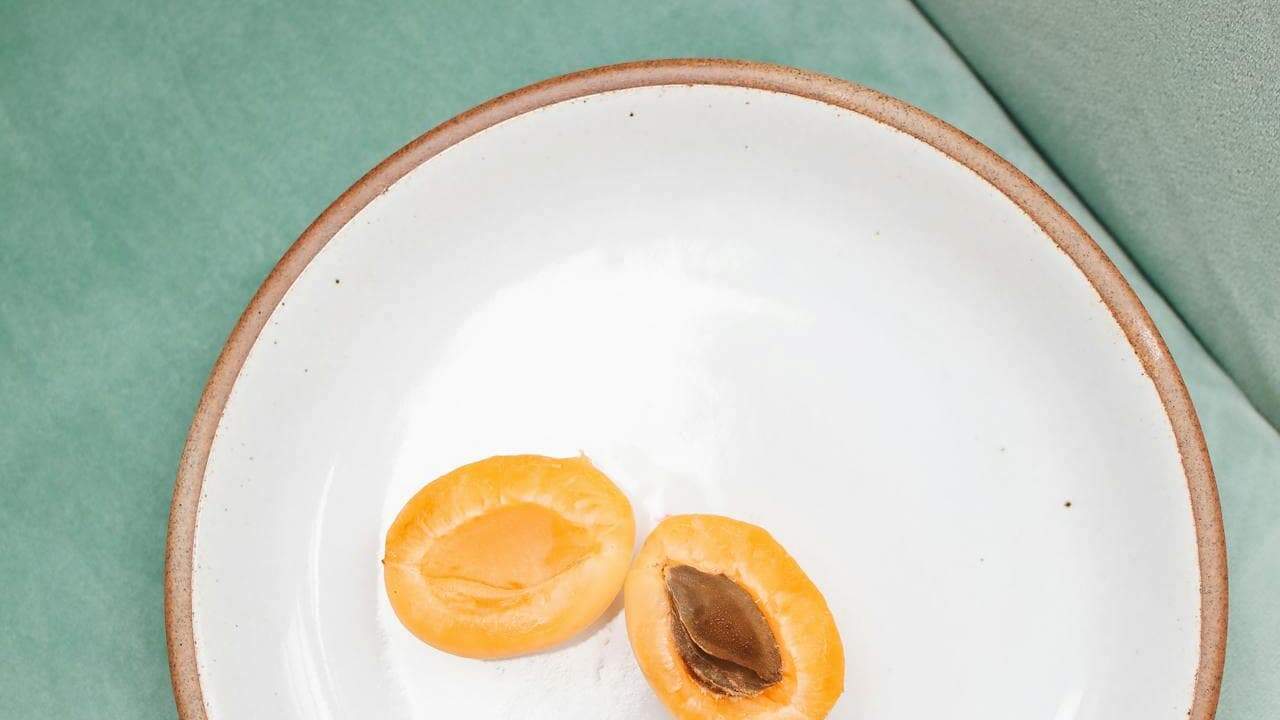
You should keep apricot pits away from your pets. The pits contain cyanide, which can be harmful if chewed or swallowed.
If your pet bites into a pit, they might show breathing problems or unusual behavior. It’s best to avoid giving them any part of the apricot except the flesh.
Remember, even small amounts can cause trouble, so always remove pits before sharing apricot fruit with your pets.
Pear seeds

You should avoid letting your pet eat pear seeds. They contain small amounts of cyanide, which can be harmful if chewed or crushed.
While a few seeds might not cause serious issues, swallowing many or crushed seeds could lead to poisoning.
It’s best to remove seeds before sharing pears with your furry friend to keep them safe.
Elderberry leaves
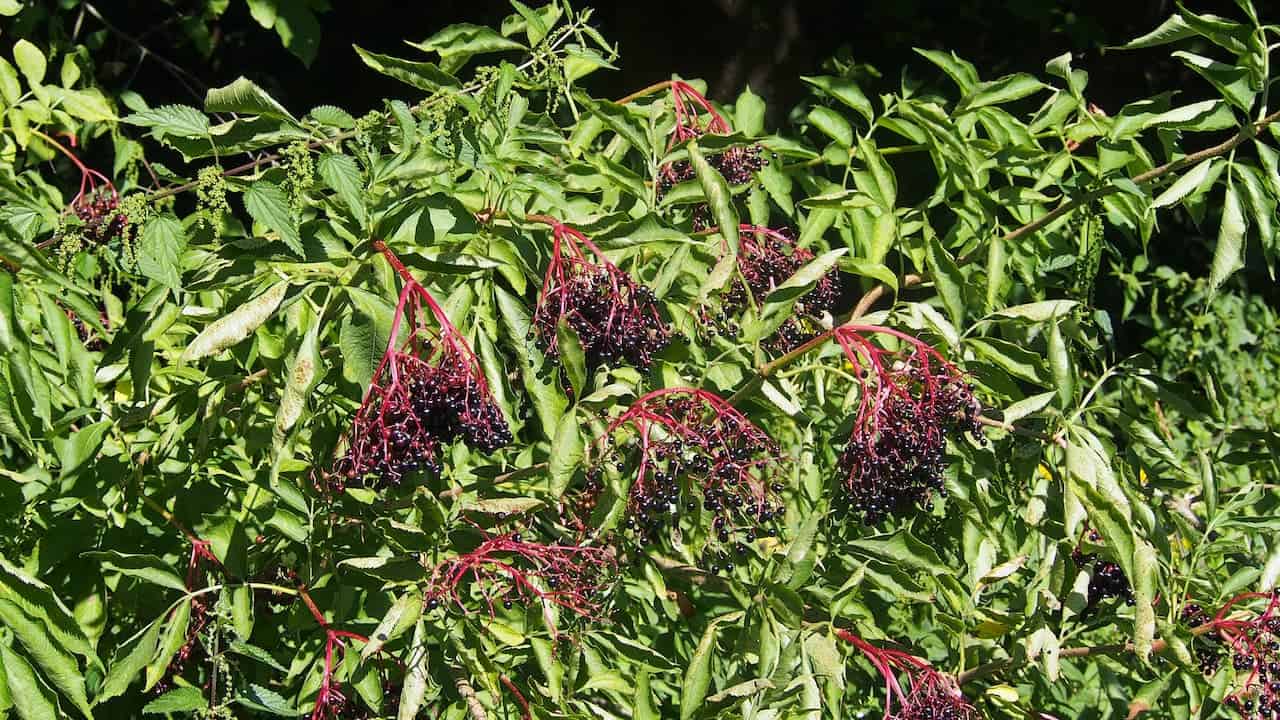
If you have pets, be careful with elderberry leaves. They contain a compound called amygdalin, which can release cyanide when ingested.
This makes the leaves toxic to dogs and other animals. Eating even small amounts may cause vomiting, lethargy, or more serious symptoms.
Keep elderberry leaves away from your pets to help keep them safe.
Cherry tomato leaves
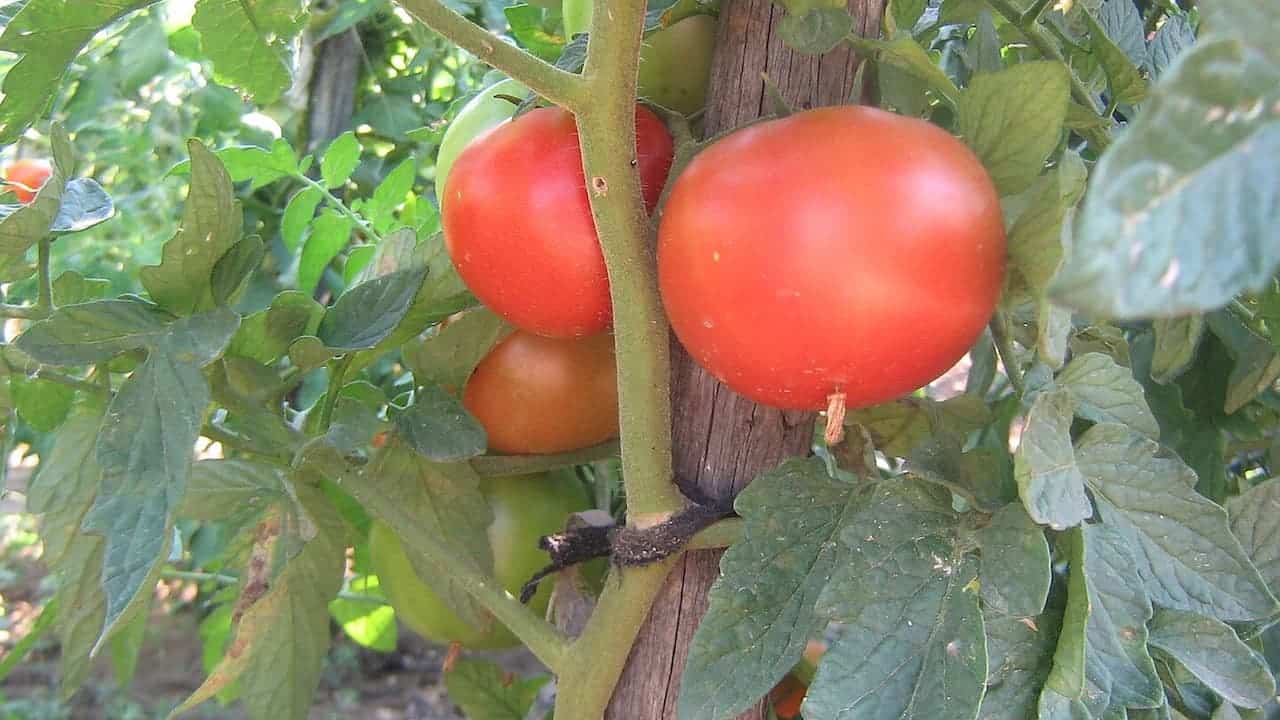
If you have pets, it’s important to keep cherry tomato leaves out of their reach. These leaves contain solanine, a substance that can be harmful to dogs and cats.
Eating the leaves might cause mild symptoms like lethargy or upset stomach.
Ripe cherry tomatoes themselves are usually safer, but the green parts should always be avoided for your pet’s safety.