When you’re trying to live more sustainably, it’s easy to assume products labeled “eco-friendly” are good for the planet. However, not everything marketed as green actually reduces environmental harm.
Understanding which products truly support sustainability helps you make better choices and avoid unintentionally contributing to pollution or waste. This article will help you spot some common items that may not be as eco-friendly as they seem.
Advertisement
Biodegradable glitter
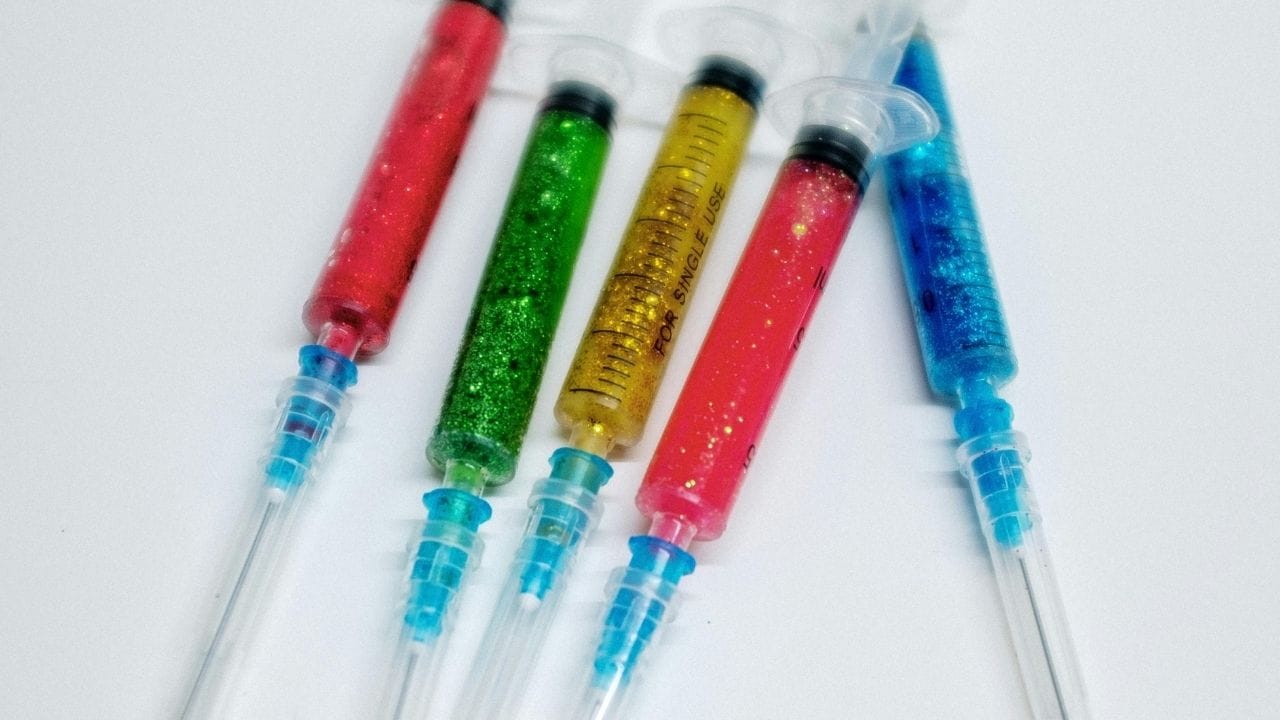
You might think biodegradable glitter is a great eco-friendly swap. It’s usually made from plant-based materials like eucalyptus cellulose, which breaks down faster than plastic glitter.
However, not all biodegradable glitter is created equal. Some take a long time to decompose or still contain microplastics. Always check the ingredients to ensure it’s truly plastic-free and non-toxic for your events or crafts.
Recycled ocean plastic sunglasses
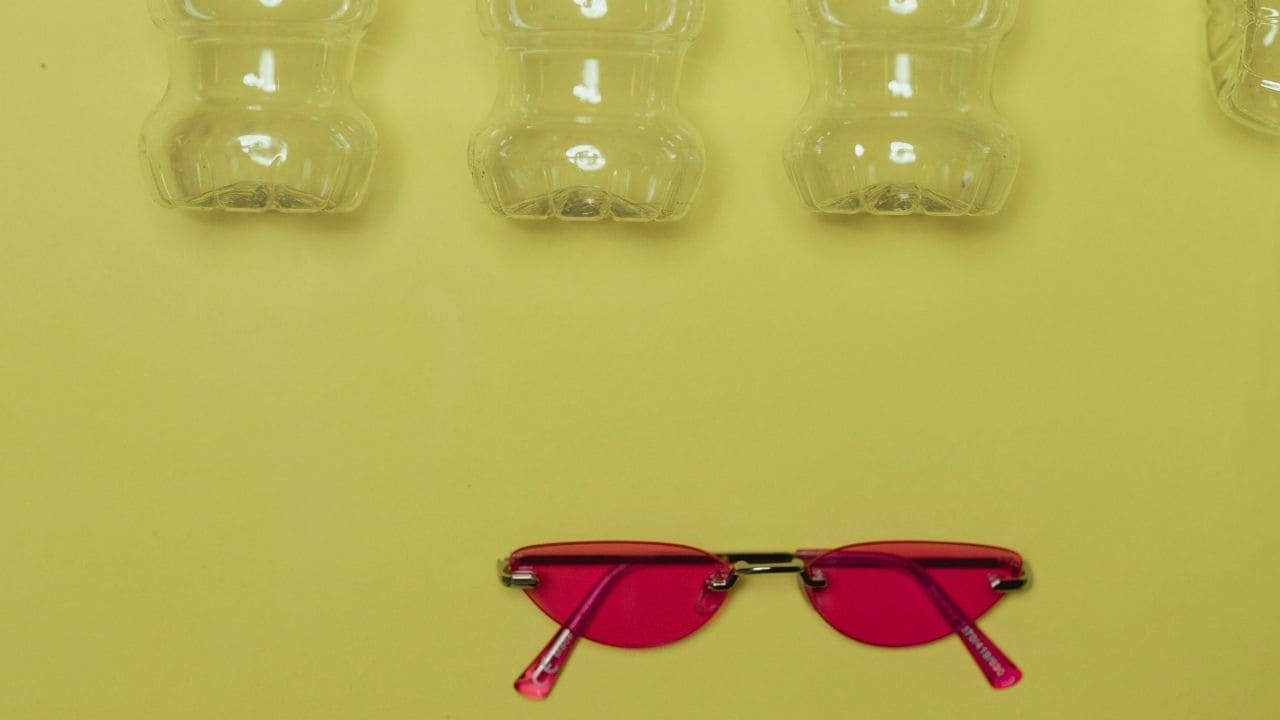
You might think sunglasses made from recycled ocean plastics are always a green choice. While they do reuse waste materials, the recycling process can involve significant energy and chemical use.
Also, the durability of these sunglasses may be lower, leading to more frequent replacements. Keep in mind, not all brands fully disclose their sourcing or manufacturing methods.
Compostable phone cases
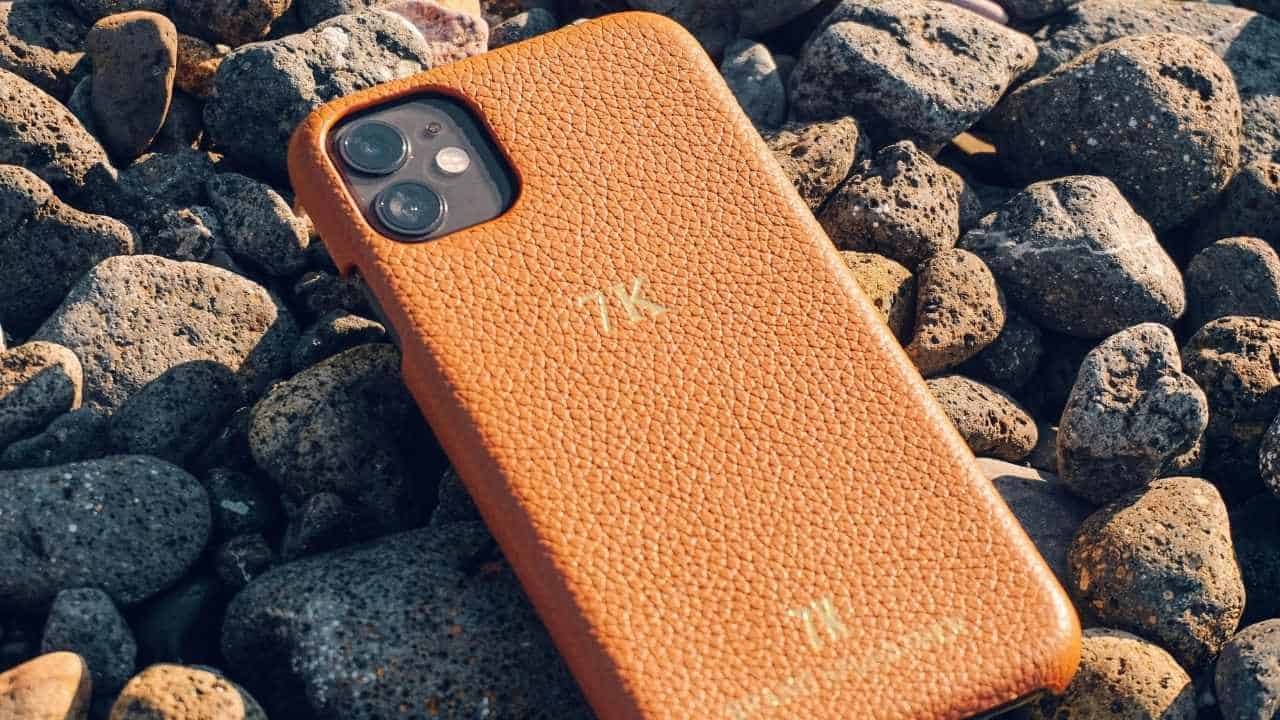
You might think compostable phone cases are the perfect green choice. They’re often made from plant-based materials and break down faster than plastic.
However, these cases sometimes require specific composting conditions not available everywhere. If your local facility can’t process them, they might end up in landfill like regular plastics. So, while compostable cases are a step forward, check how they are disposed of in your area to make sure they really reduce waste.
Plant-based milks with heavy packaging

You might choose plant-based milks thinking they’re better for the planet. However, many come in cartons or plastic bottles that use a lot of material and aren’t always easy to recycle.
This extra packaging can add to waste and carbon emissions. If you want to reduce impact, look for brands with simpler, recyclable packaging or buy in bulk when possible.
Reusable shopping bags made from synthetic fibers

You might think choosing reusable bags made from synthetic fibers is eco-friendly. However, these bags often come from non-renewable resources like petroleum.
They can take years to break down in landfills and sometimes shed microplastics when washed. Before picking one, consider materials like cotton or jute, which have less environmental impact over time.
Bamboo toothbrushes with plastic bristles

You might think bamboo toothbrushes are completely eco-friendly. However, many use plastic bristles, which aren’t biodegradable. This means you’re still contributing to plastic waste despite the bamboo handle.
Choosing a toothbrush with fully biodegradable materials can make a bigger difference. Check if both the handle and bristles are eco-friendly before buying.
Reusable water bottles lined with plastic
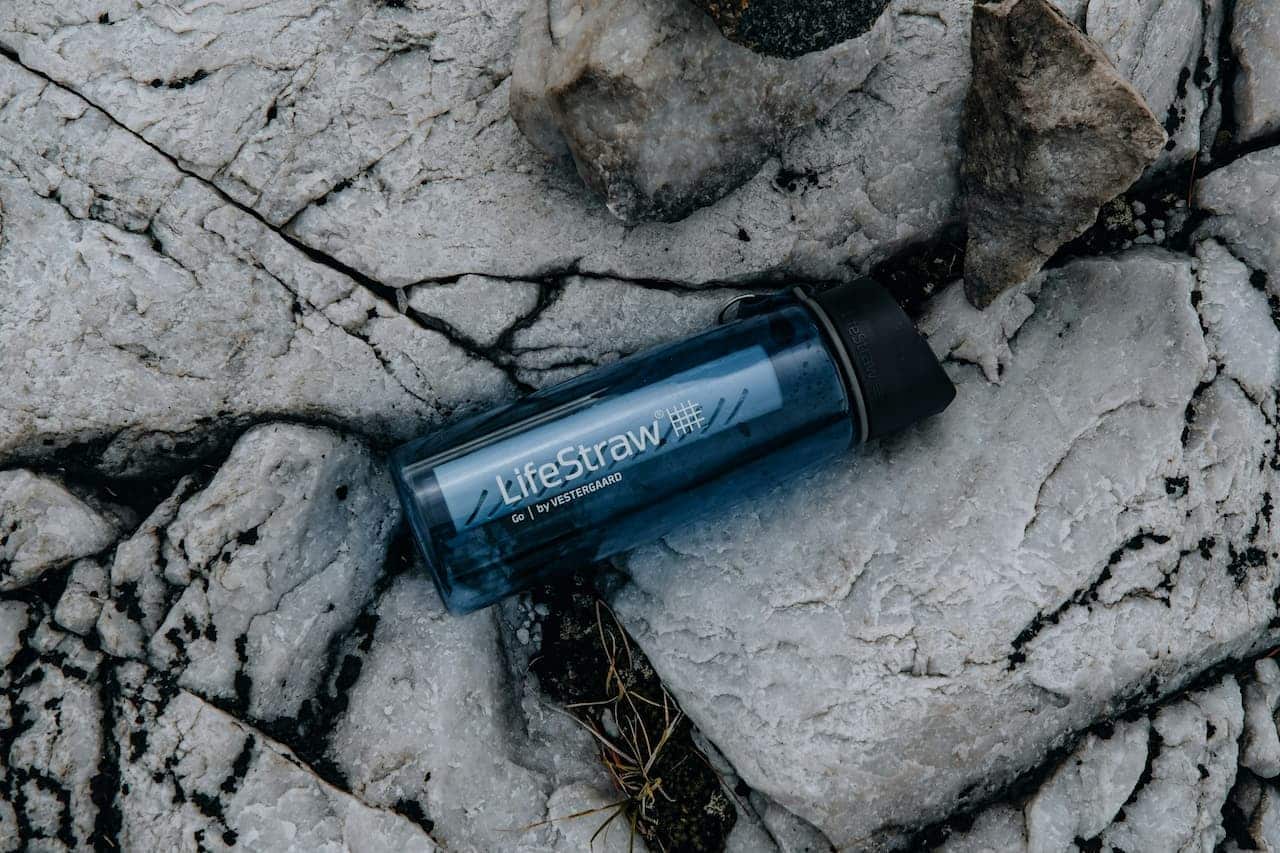
You might think reusable water bottles are always a greener choice. However, some have plastic linings that can affect their eco-friendliness. These plastic linings can contain chemicals and may not break down easily in recycling.
If you want to be more sustainable, look for bottles made entirely from stainless steel or glass without plastic inside. This keeps your water pure and reduces waste.
Reusable coffee cups with silicone lids

You might like reusable coffee cups with silicone lids because they are lightweight and easy to carry. Silicone lids can create a good seal to prevent spills.
However, not all silicone is created equal. Some cups use silicone that isn’t fully recyclable or may break down slower than expected. If you want to be truly eco-friendly, check if your cup uses food-grade, BPA-free silicone and consider how often you will reuse it.
Electric scooters with short battery life

You might think an electric scooter is always eco-friendly, but some models have a battery that drains quickly. This means you’ll need to charge often, which can reduce convenience and limit your trips.
Short battery life also means more frequent replacements, increasing waste. Choose scooters with longer ranges if you want a truly green option.
E-readers with non-recyclable components
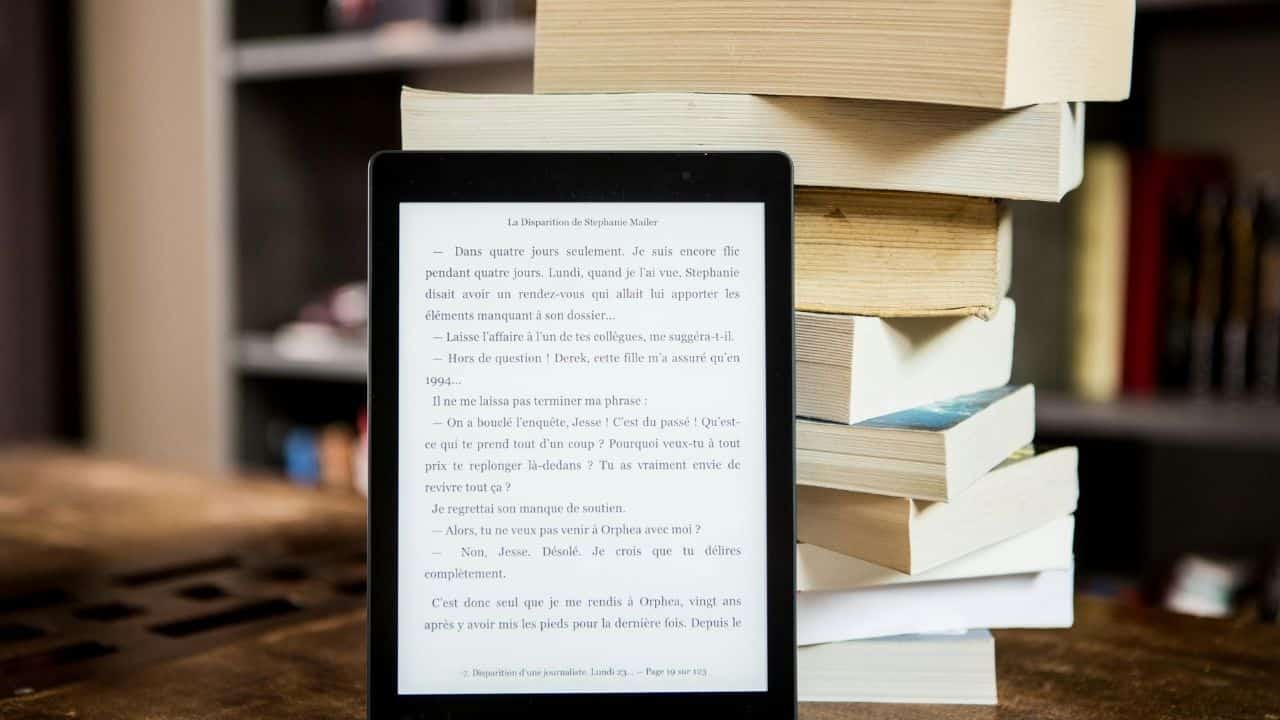
You might think e-readers are eco-friendly because they reduce paper use. However, many contain parts that are hard to recycle, like batteries and certain plastics.
These materials can end up in landfills if not handled properly. So, while e-readers save trees, their disposal can still impact the environment more than you might expect.
Recycled paper products with toxic dyes

You might think recycled paper products are always eco-friendly. However, some use toxic dyes that can harm the environment. These dyes may not break down easily and can pollute water sources.
When choosing recycled paper, look for ones with natural or non-toxic coloring. This helps ensure your choice is truly better for the planet.
Organic cotton clothing with high water use

You might think organic cotton is always eco-friendly, but it can still use a lot of water to grow. Compared to some other fibers, organic cotton sometimes requires more irrigation, depending on where it’s farmed.
When shopping, look for brands that share water use data or choose cotton grown in rain-fed regions. This helps reduce your clothing’s water footprint without compromising on style or quality.
Biodegradable food wrappers with non-compostable additives

You might think biodegradable food wrappers break down completely, but some contain additives that don’t compost. These additives can stay in the environment longer than you expect.
This means even if the wrapper looks eco-friendly, it might not fully disappear in your compost bin. Always check product details before trusting biodegradable claims.
Reusable straws made from metal coated in plastic

When you choose metal straws coated with plastic, you might think you’re completely avoiding waste. However, the plastic layer can still cause environmental harm if it wears down or breaks.
These straws often combine mining impacts from metal with plastic pollution risks. You can consider fully metal or glass options if you want a cleaner choice.
Aluminum foil labeled ‘eco-friendly’

You might see aluminum foil marketed as “eco-friendly,” but it’s not always the green choice it sounds like. While foil is recyclable, it often ends up contaminated with food, making it hard to recycle properly.
Switching to reusable options like silicone baking mats can be a better move for your kitchen. These alternatives cut down on waste and last much longer.