

When designing your yard, certain choices can unintentionally make the space feel smaller than it really is. You might be putting effort into creating a beautiful outdoor area but miss key design elements that affect how spacious it feels.
Understanding the common mistakes that shrink your yard visually can help you make smarter decisions in your landscape design. With a few adjustments, you can open up your outdoor space and make it feel more inviting and larger.
Overloading the space with too many plants
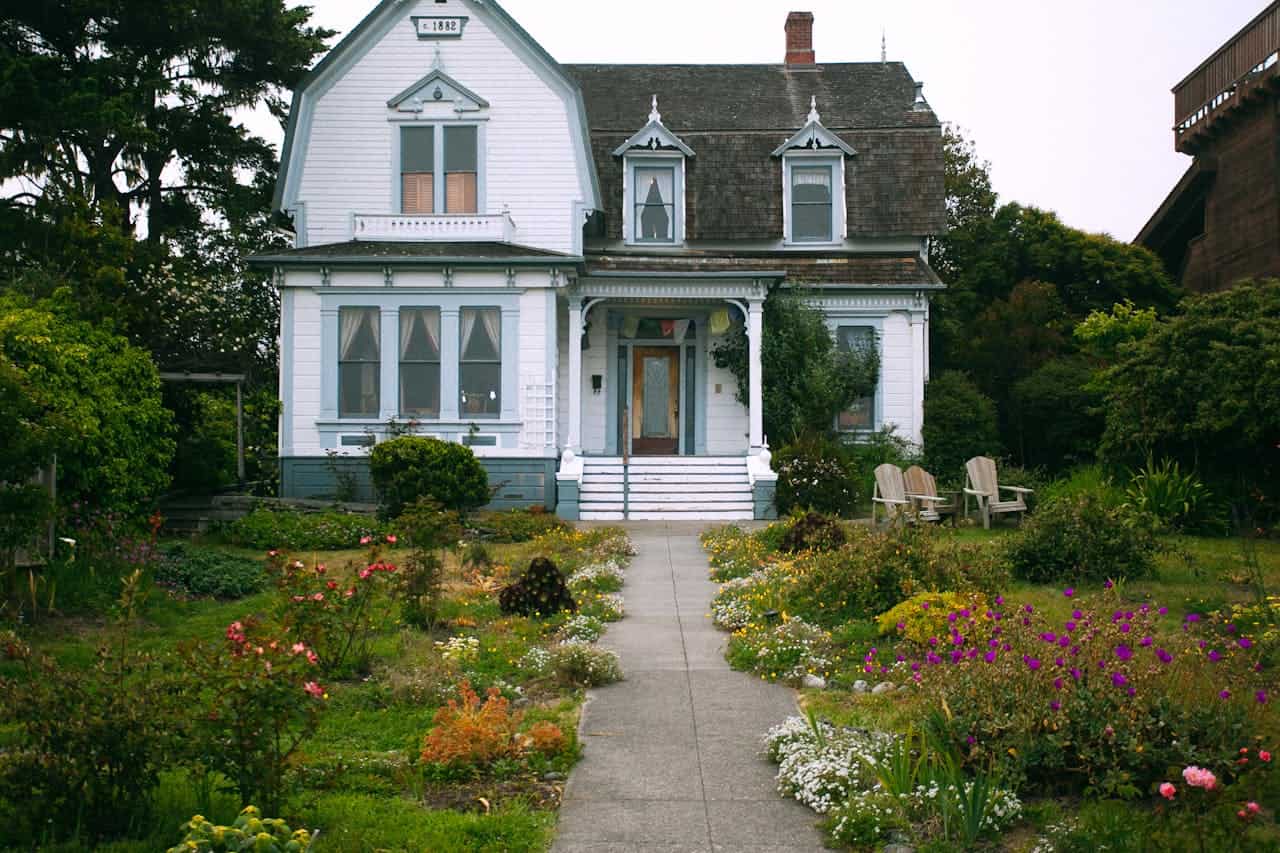
If you fill your yard with too many plants, it can quickly feel crowded and smaller than it is. When plants compete for space, nothing gets enough room to grow properly.
Instead, pick a few key plants that suit your space and mix in some open areas. This balance helps your yard feel more spacious and inviting. Focus on quality, not quantity.
Using large garden beds instead of smaller, divided ones

If you use one or two large garden beds, your yard can feel boxed in and less inviting.
Dividing your garden into smaller beds with walking paths or stepping stones creates a sense of space and guides movement.
Smaller beds make your yard feel more open and manageable. You’ll also find it easier to care for plants and mix different styles or heights.
Ignoring vertical space in the design
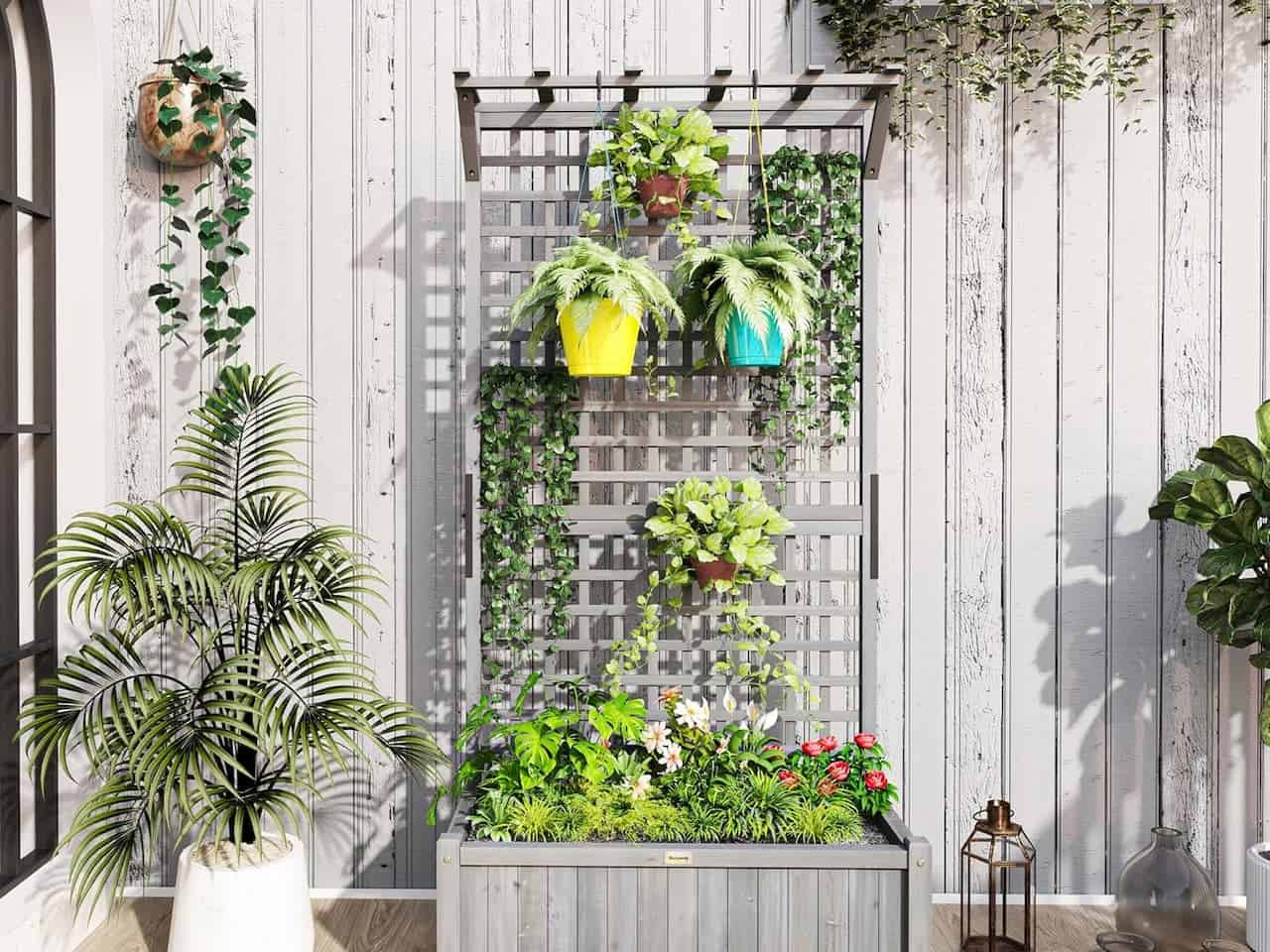
You might be missing out if your garden stays flat. Using vertical space, like walls or trellises, can add depth and interest without taking up ground area.
Adding climbing plants or vertical planters draws the eye upward, making your yard feel bigger. Don’t forget to trim low branches to open up the space above. This simple step boosts light and airiness in your garden.
Choosing clashing plant colors without repetition
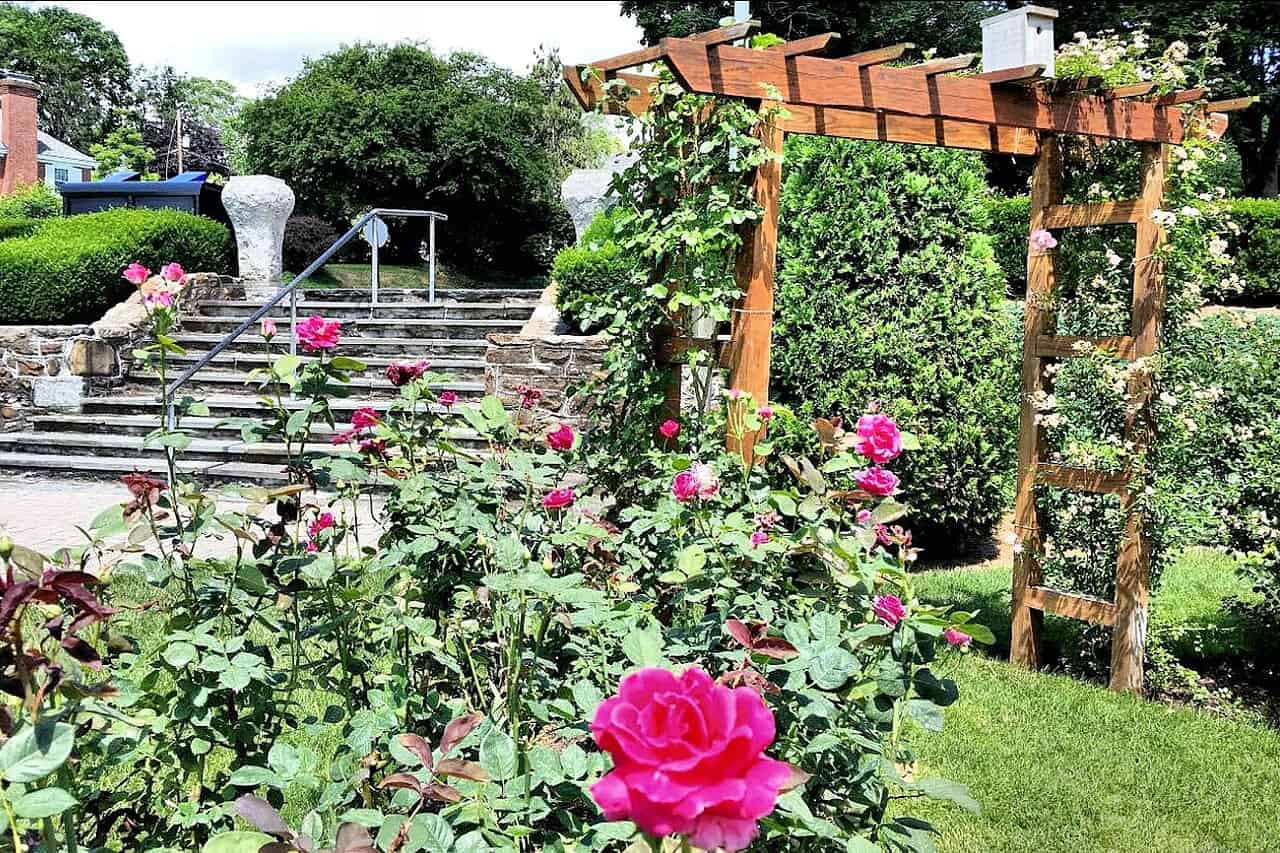
When you pick plant colors that clash, it can make your yard feel chaotic and smaller. Your eye struggles to settle, reducing the sense of space.
Repeating colors throughout your garden helps create rhythm and unity. This makes your yard feel larger and more connected.
Try to balance bold shades with softer tones. Using the color wheel can guide you to harmonious combinations that flow nicely in your design.
Arranging plants symmetrically without variation

When you arrange plants in a perfectly symmetrical way, your yard can feel static and smaller than it is. Repeating the same shape and size on both sides often lacks visual interest.
Try mixing plant sizes and shapes instead. Asymmetrical groupings with varied heights and textures can open up the space and make your yard look more natural and inviting.
Placing all furniture and plants too close together
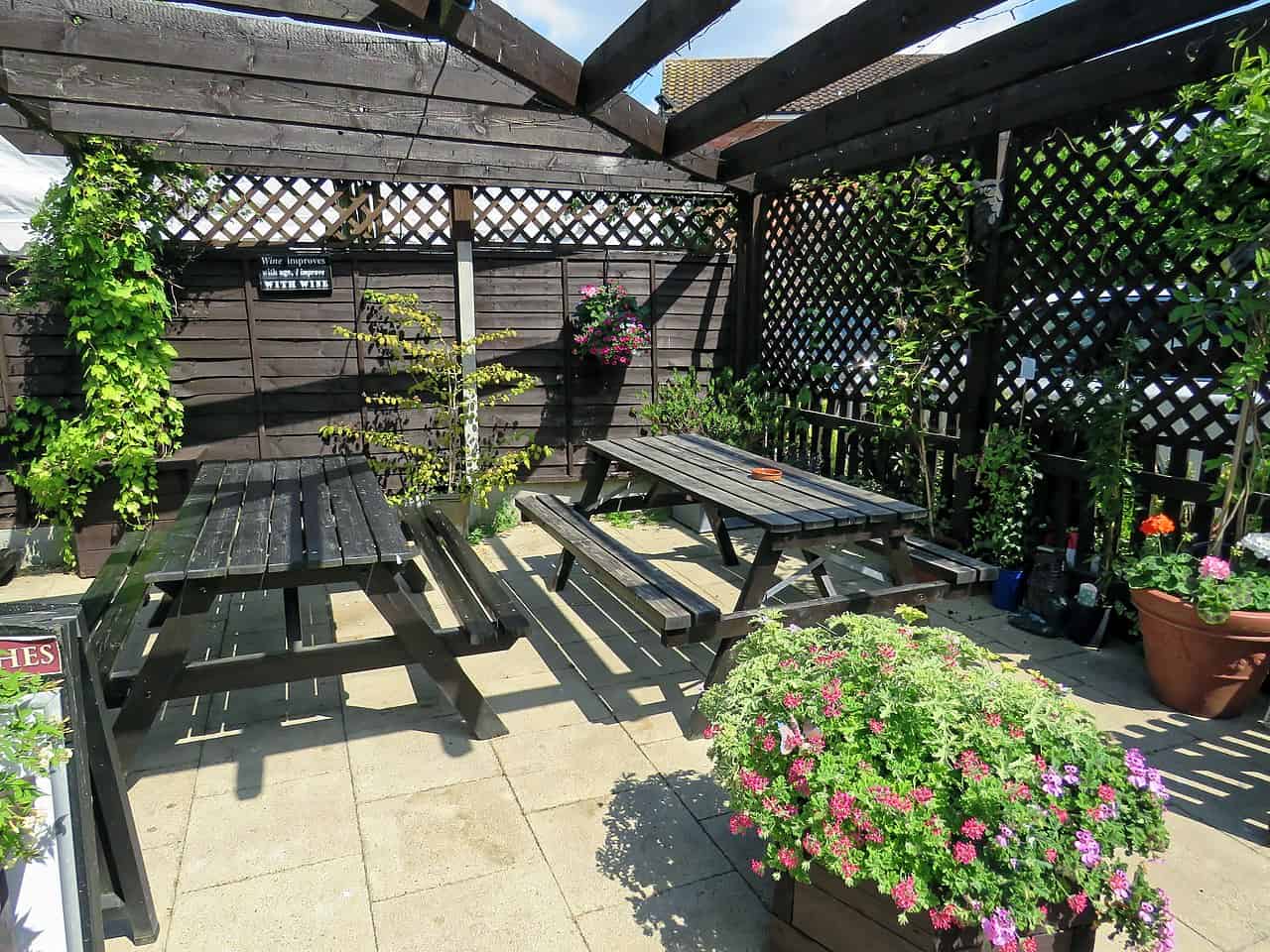
When you place furniture and plants too close, your yard can feel cramped and cluttered. Give each item some breathing room to make the space feel larger and more open.
Crowding plants might seem like a quick way to fill space, but it can actually overwhelm the area. Spacing them out helps create a balanced, inviting flow you’ll enjoy more.
Rushing the design without proper planning

If you rush into your yard design without a clear plan, you might end up with a cluttered or awkward space. Taking time to map out your ideas helps you see what fits well and what doesn’t.
Planning also lets you consider how your yard will grow over time. When you skip this, plants can overcrowd and make the area feel smaller. Give yourself space to think and design thoughtfully—it makes a big difference.
Forgetting to include shaded areas
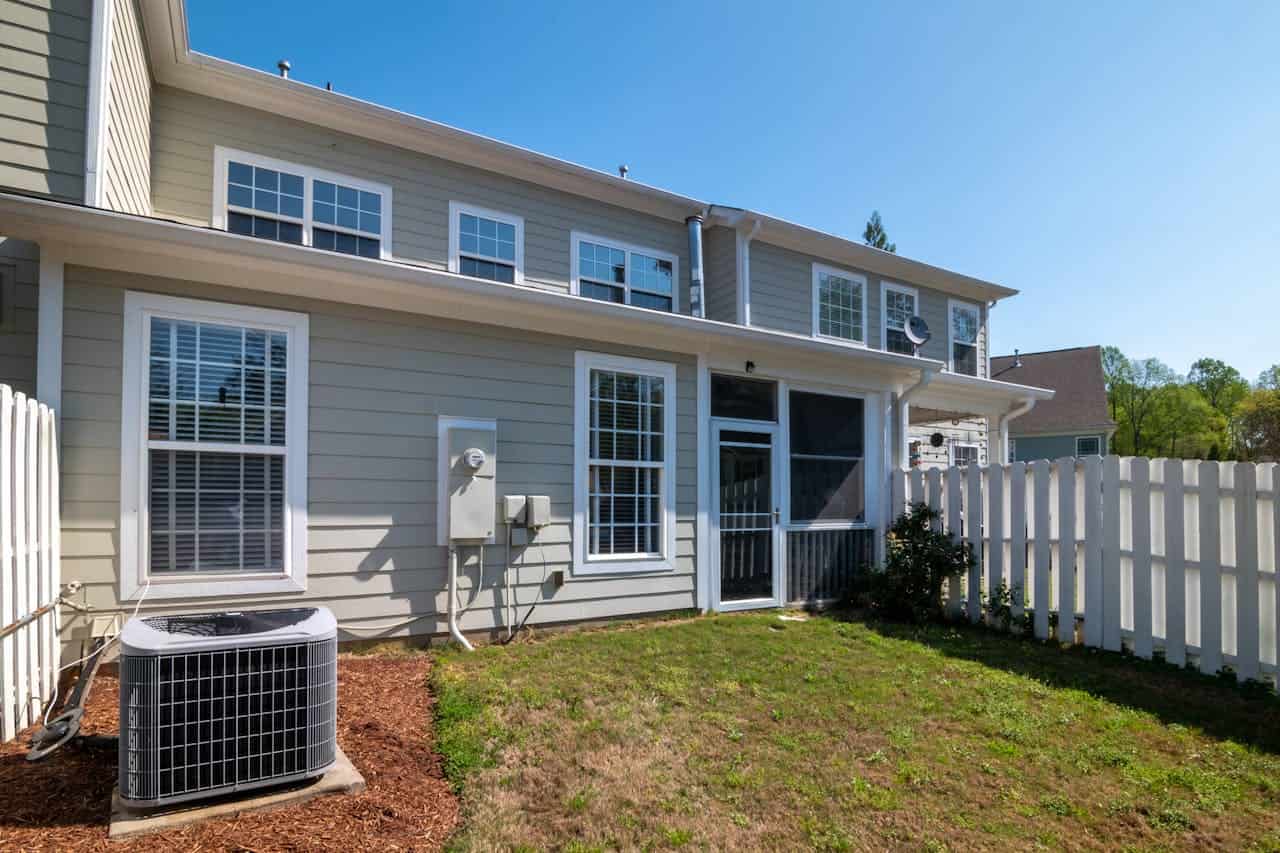
If your yard is all sun, it can feel harsh and less inviting. Including shaded spots gives your outdoor space balance and comfort.
Shade helps create cozy areas where you can relax, making your yard feel larger and more usable.
Consider adding trees, pergolas, or shade sails. These elements improve comfort and add depth, preventing your yard from seeming too open or bare.
Using planters that overwhelm the space
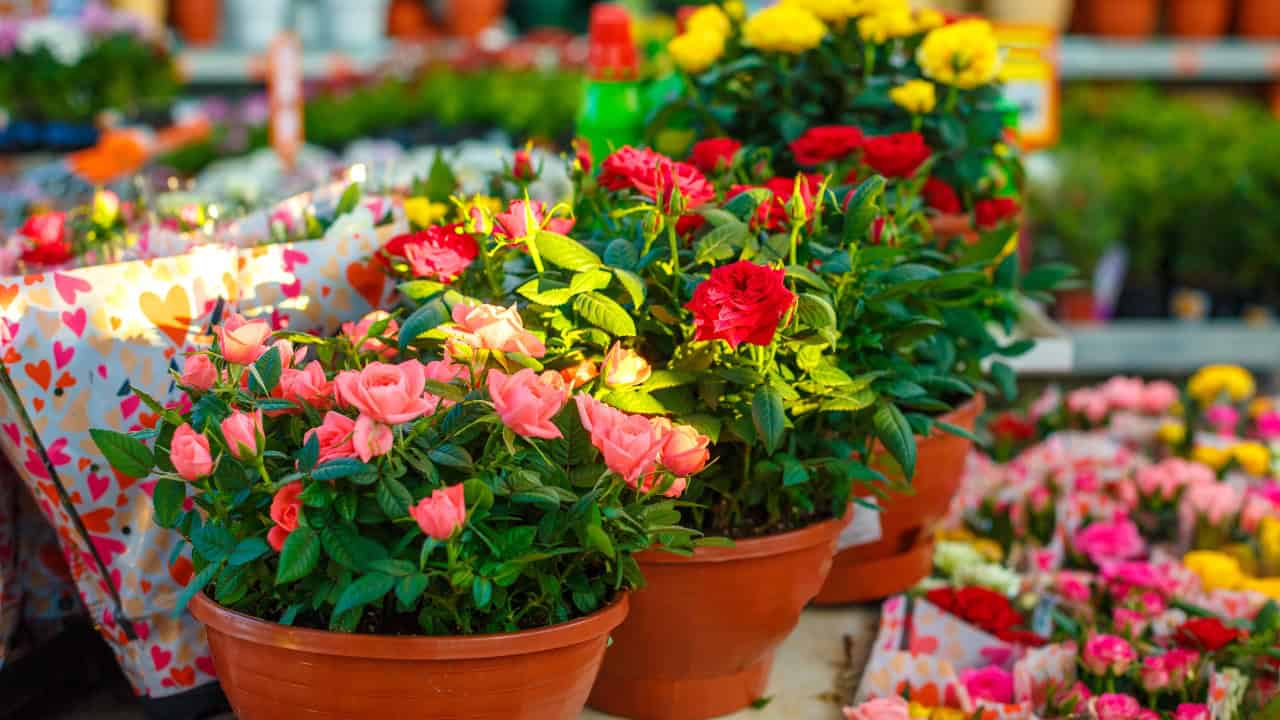
When you choose planters that are too large for your yard, they can make the area feel crowded and smaller. Big containers can block views and limit walking space.
Try using smaller or medium-sized planters instead. Grouping a few small planters creates interest without dominating your yard. This approach keeps the space feeling open and balanced.
Failing to create focal points

If your yard lacks focal points, it can feel flat and smaller than it really is. Focal points help guide the eye and give your space a sense of depth.
You can use a tree, a garden sculpture, or even a bench as a visual anchor. These elements draw attention and make your yard more inviting. Without focal points, your outdoor space may seem cluttered or empty.
Neglecting pathway design with stepping stones
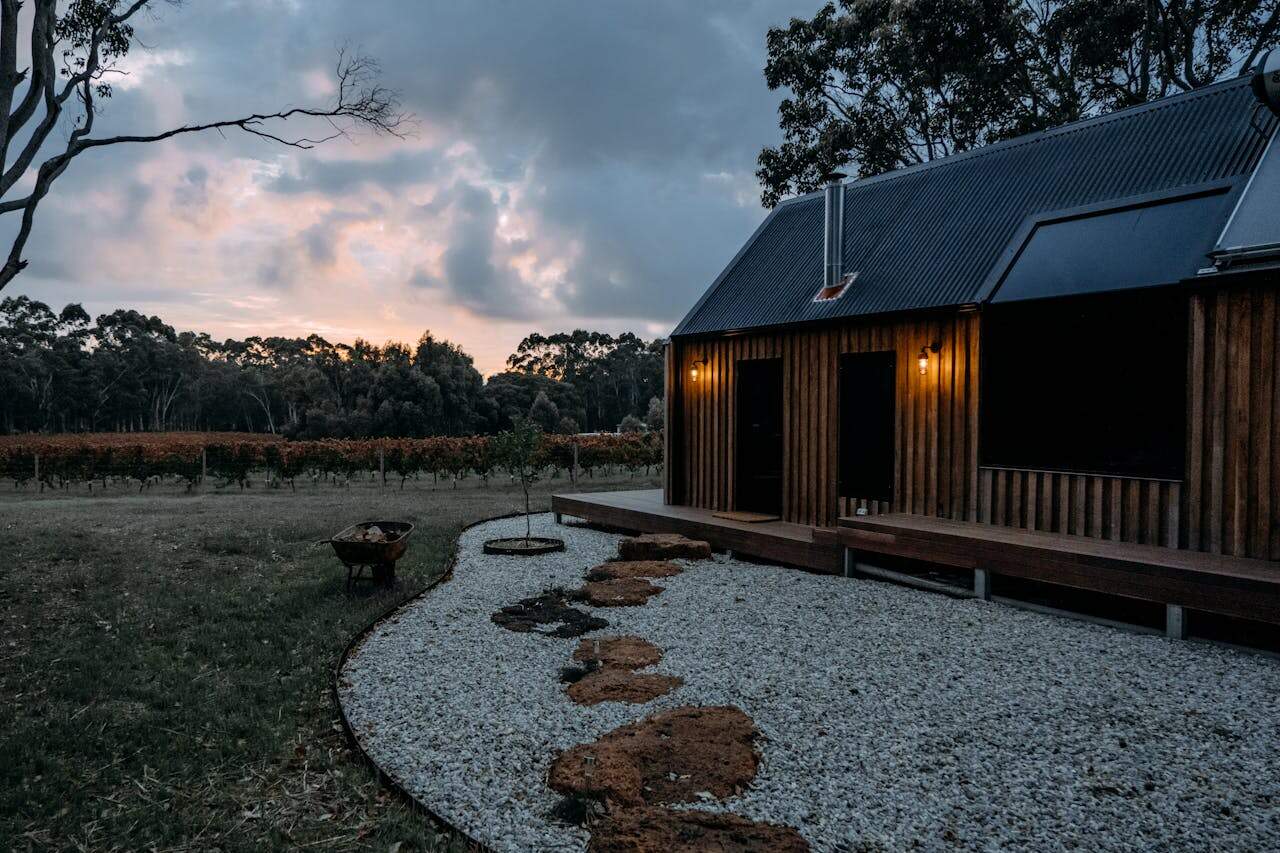
If you ignore your pathway design, your yard can feel cramped or confusing. Stepping stones help guide the eye and create a natural flow through your space.
Using small, well-placed stepping stones breaks up large areas, making the yard seem bigger. Avoid cluttering paths with mismatched or random stones, which can disrupt visual harmony.
A simple, clear stepping stone path invites movement and adds structure without overwhelming your garden’s size.
Painting fences with bright colors that shrink the view
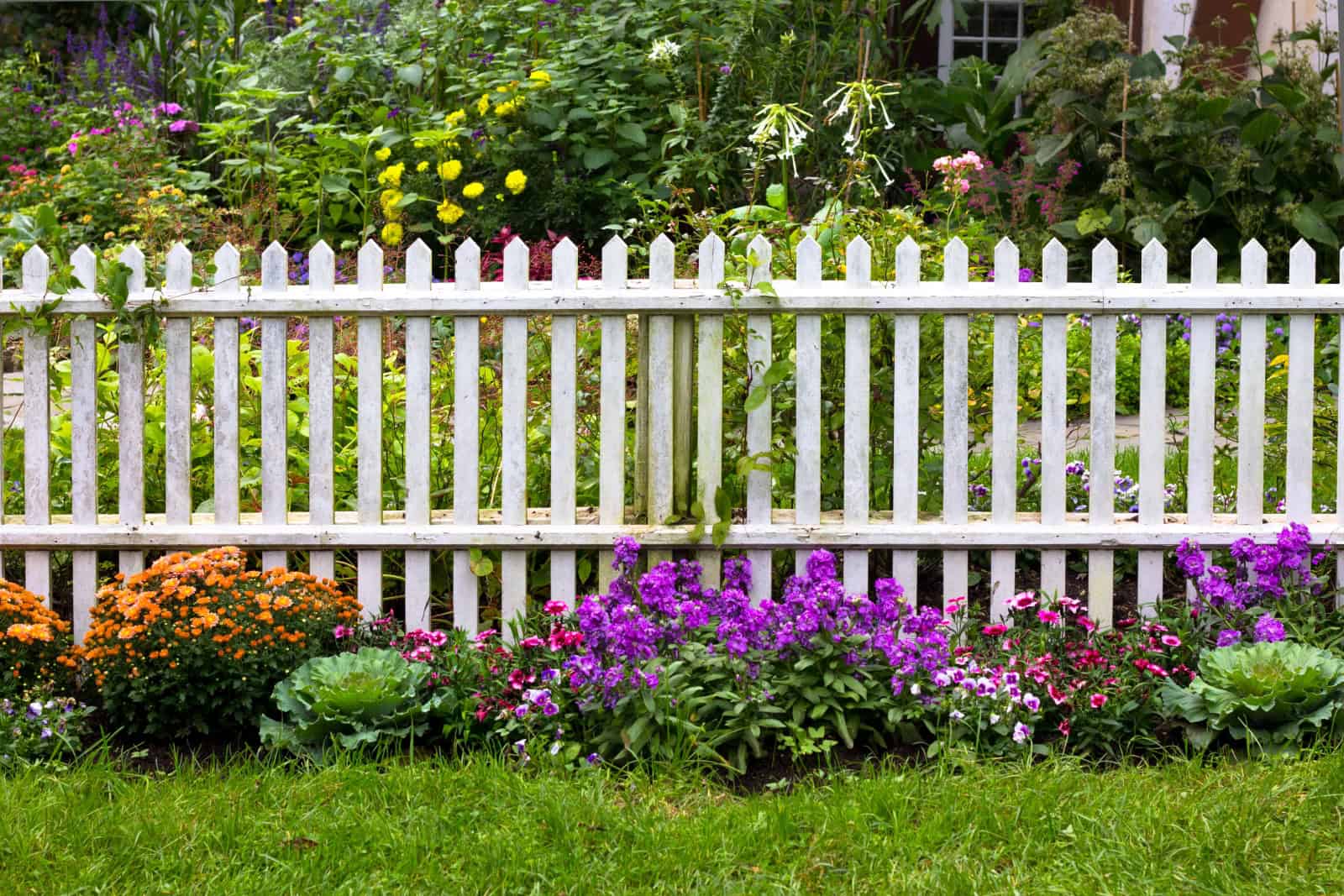
When you paint your fence bright colors, it draws the eye and becomes a strong focal point. This can make your yard feel smaller because the fence appears closer than it really is.
Darker fence colors, on the other hand, tend to recede visually, helping your yard feel more open and spacious.
If you want your yard to look bigger, consider softer or darker shades instead of bright, bold hues on your fence.
Overcrowding the yard with bulky furniture
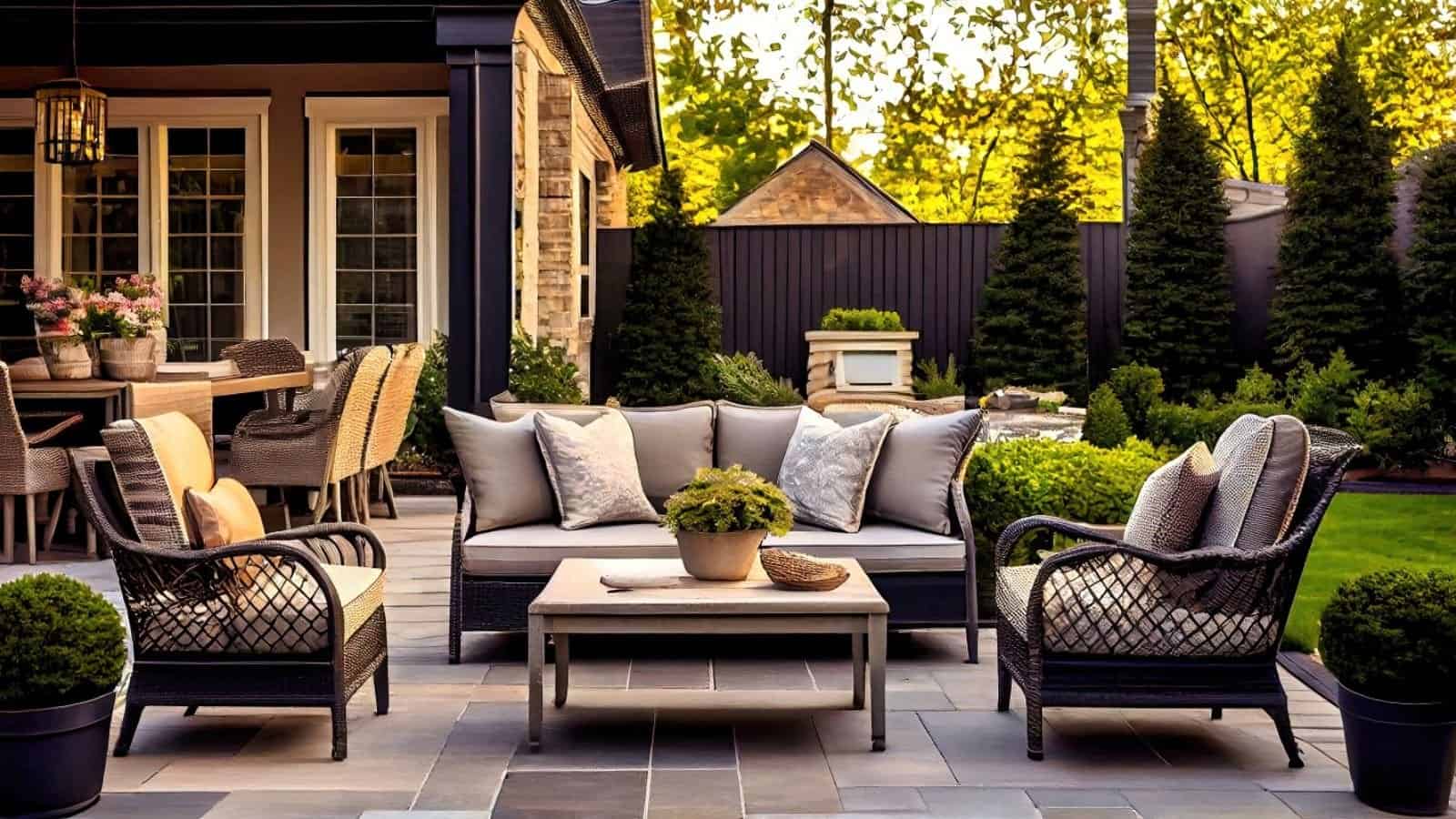
When you fill your yard with large, bulky furniture, it can quickly feel cramped. You want your outdoor space to invite movement and relaxation, not restrict it.
Choosing smaller, multi-functional pieces can help keep the area open. This way, you have space to enjoy your yard without feeling overwhelmed by heavy furniture.
Positioning plants only along edges rather than throughout
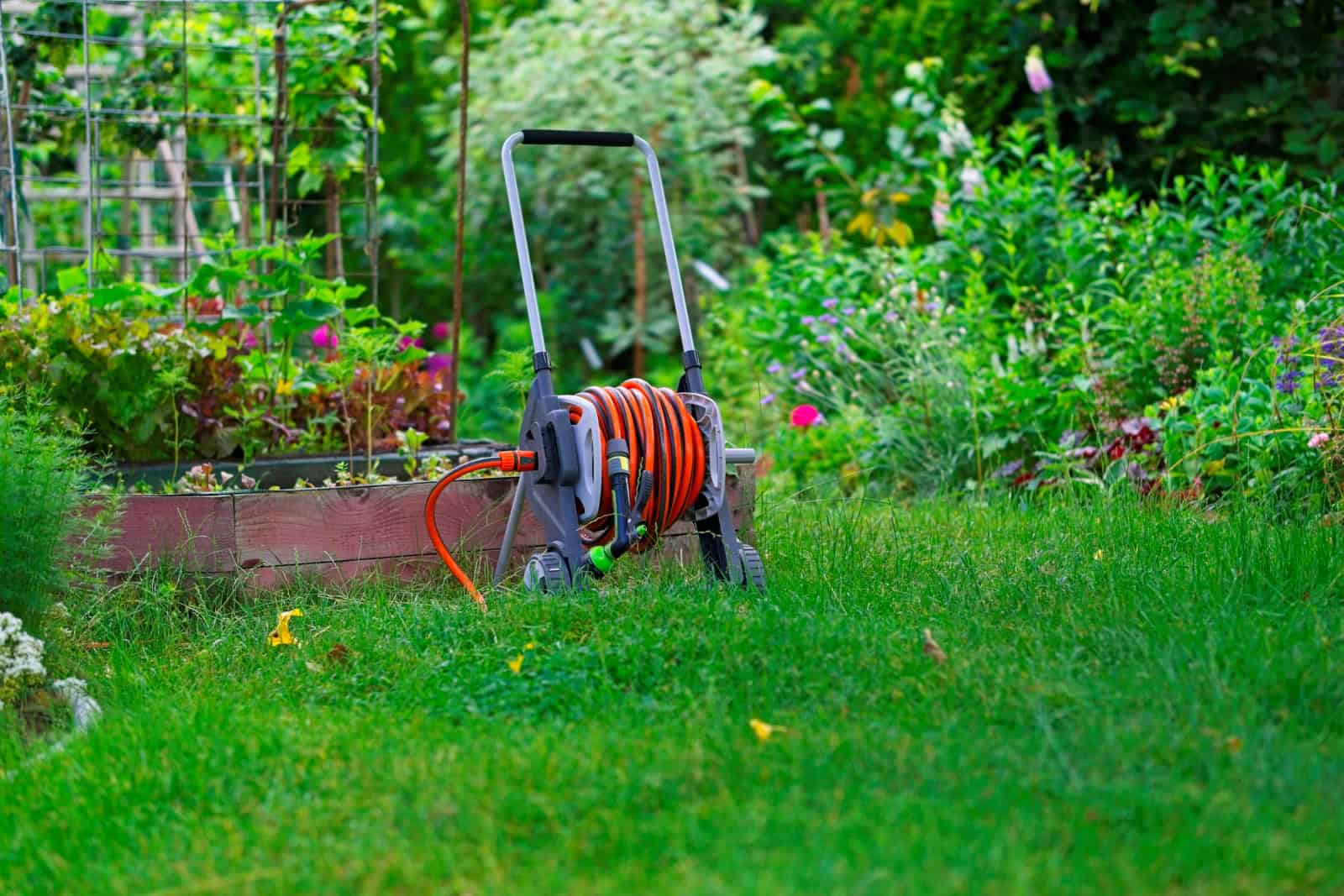
If you place all your plants just along the edges, your yard can feel smaller and less inviting. Filling only the perimeter leaves a lot of empty space in the center, which can make the area seem boxed in.
Try spreading plants throughout the yard instead. This creates depth and interest, making your space feel larger and more balanced. Mixing plants in clusters or groups gives a natural, fuller look that invites you to explore the whole yard.
Ignoring the visual flow by mixing too many plant varieties

When you use too many different plants together, your yard can feel cluttered and chaotic. This breaks the visual flow and makes the space seem smaller.
Try grouping plants with similar colors, shapes, or sizes. This creates a more harmonious look that guides the eye smoothly across your yard.
Keeping your plant selection intentional helps your space feel open and inviting instead of cramped.