If your space feels cluttered and overwhelming, finding simple ways to manage your belongings can make a big difference. Decluttering isn’t just about tidying up; it’s about creating a calmer and more organized environment that works for you.
These 15 decluttering rules focus on practical steps that you can easily follow to reduce clutter and maintain order over time. They are designed to help you make thoughtful decisions about what to keep and what to let go of, so your home feels more comfortable and manageable.
Advertisement
Start with one category at a time to avoid overwhelm
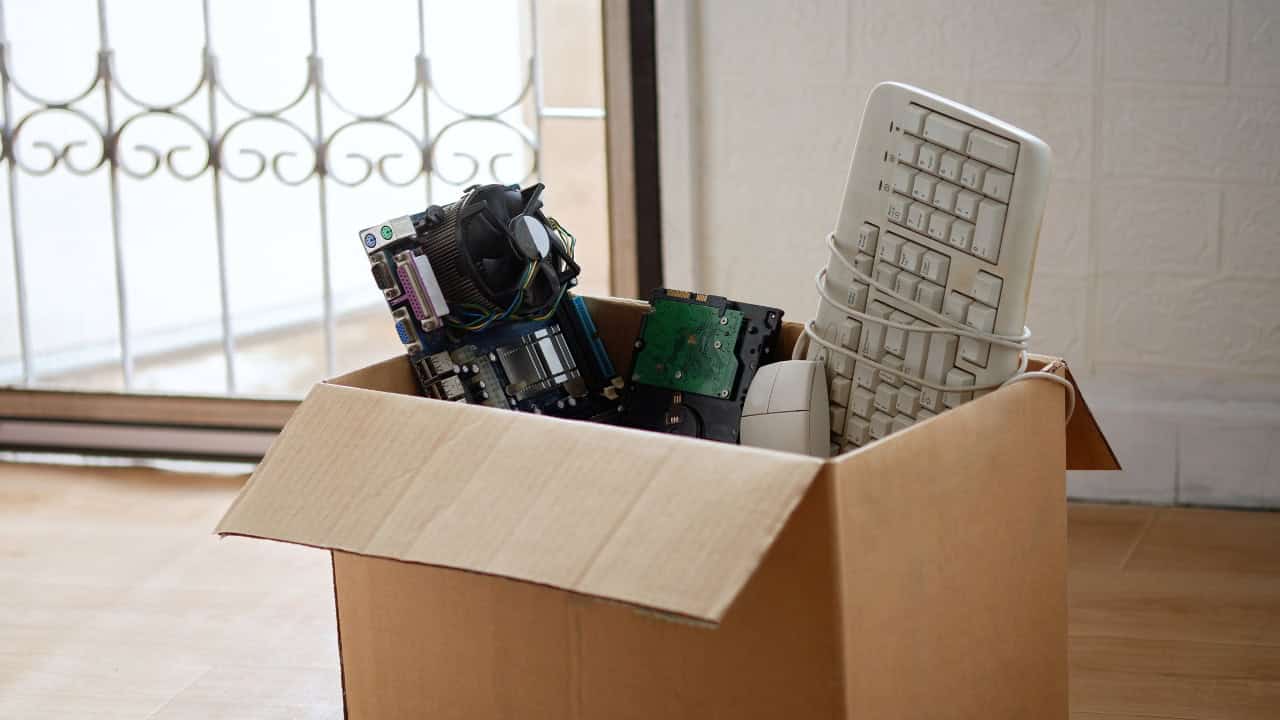
When you begin decluttering, focus on one category at a time. This could be clothes, books, or kitchen items. Breaking it down prevents feeling overwhelmed and helps you see real progress.
Tackling a single category lets you make clear decisions without distraction. You’ll find it easier to stay motivated when you complete one step before moving on to the next. Keep your sessions short and focused, and you’ll build momentum naturally.
Use the 20-20 rule: discard items replaceable under $20 in under 20 minutes

The 20-20 rule is a simple way to decide what to keep. If you can replace an item for less than $20 and find a new one in under 20 minutes, it’s safe to let it go.
This helps clear out “just in case” stuff that clutters your space but rarely gets used.
By using this rule, you free up space without losing anything important. It keeps your home feeling lighter and more organized.
Create a ‘maybe’ box for items you’re unsure about
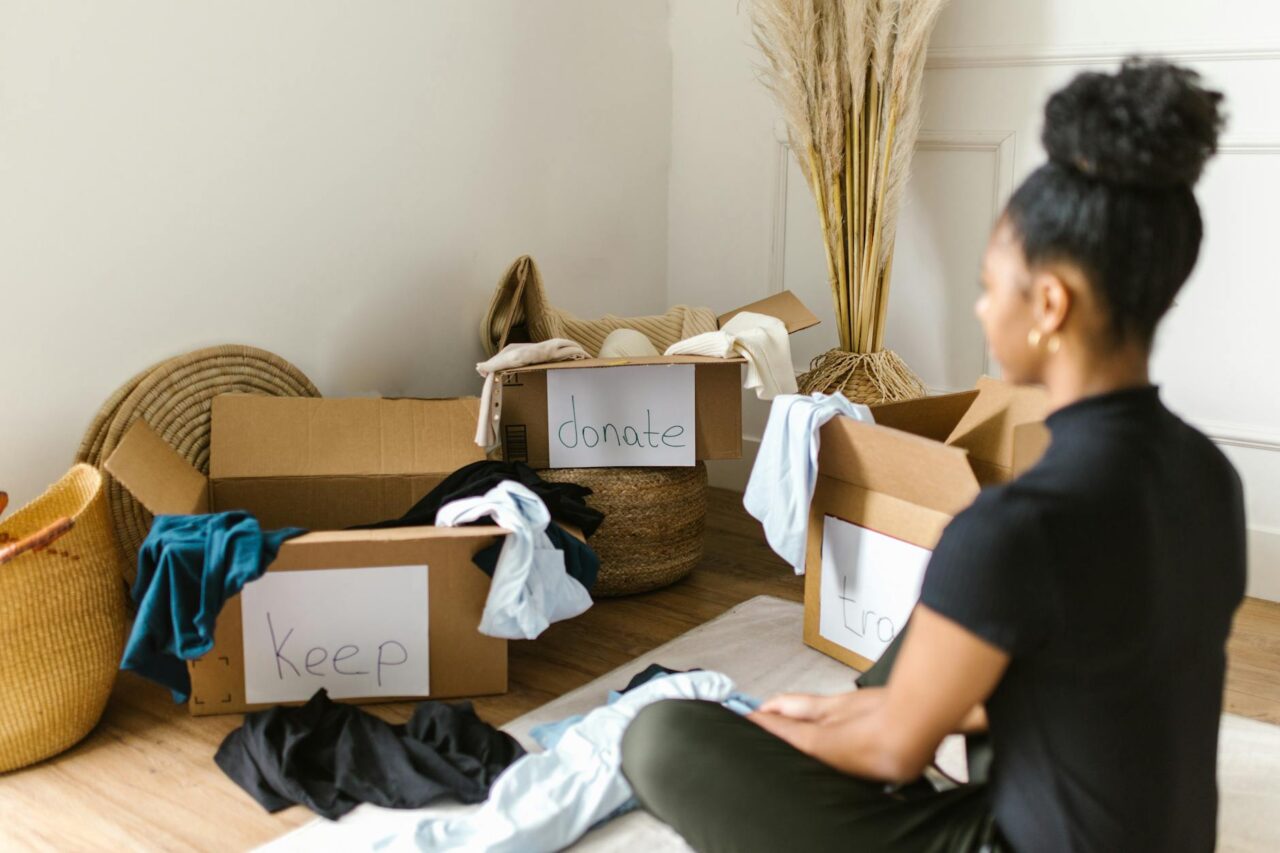
When you find things you’re not ready to part with, put them in a “maybe” box. This keeps your space clear while giving you time to decide.
Set a time limit, like a few months, to see if you actually need or use these items. If not, it’s easier to let them go. Be careful not to overfill the box—it should only hold things you truly can’t decide on. This helps avoid just moving clutter around.
Ask, ‘Does this item support my current life?’

When you look at an item, ask yourself if it fits with how you live now. Your lifestyle, interests, and priorities change over time, so some things may no longer be useful.
Keep what helps you meet your current goals or makes your day easier. If an item doesn’t serve you anymore, it might be time to let it go. This question helps you stay focused on what truly matters today.
Set a time limit for each decluttering session
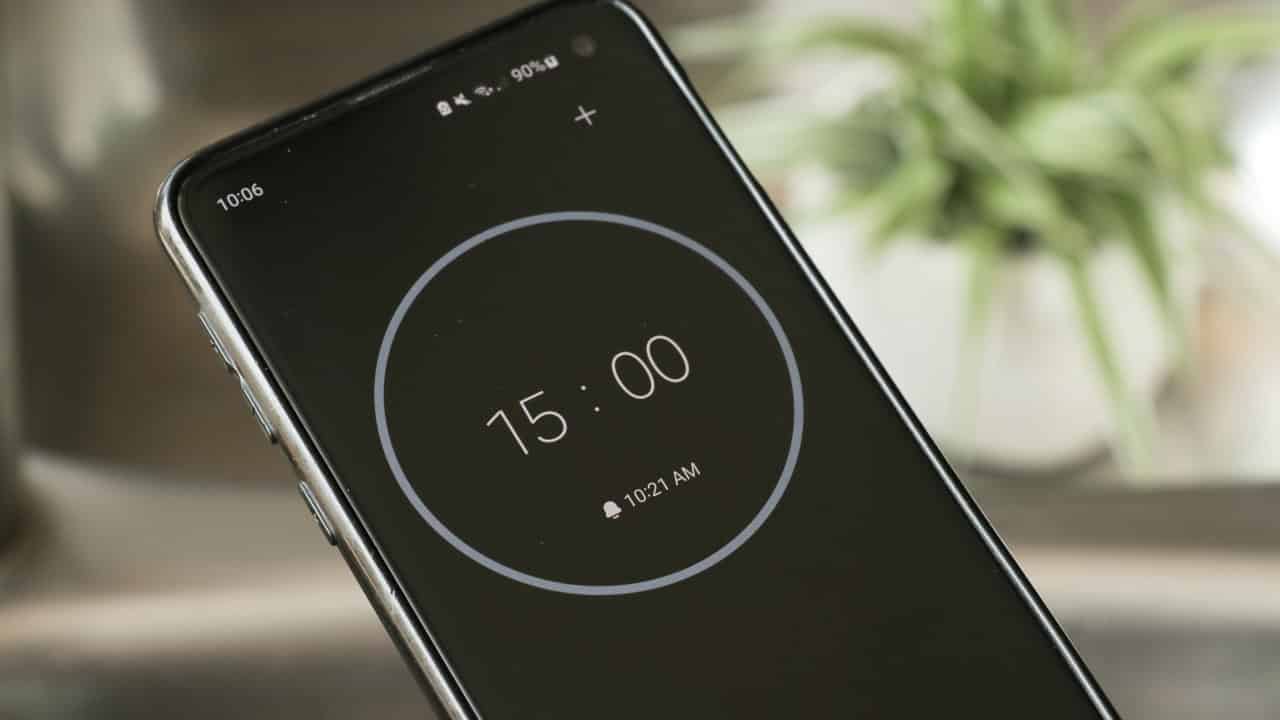
You’ll find decluttering easier if you keep your sessions short and focused. Set a timer for 10 to 30 minutes to work in small bursts.
When the timer goes off, stop and take a break. This helps prevent feeling overwhelmed and keeps you motivated.
By limiting your time, you avoid burnout and make steady progress without needing a whole day free.
Keep duplicates only if frequently used
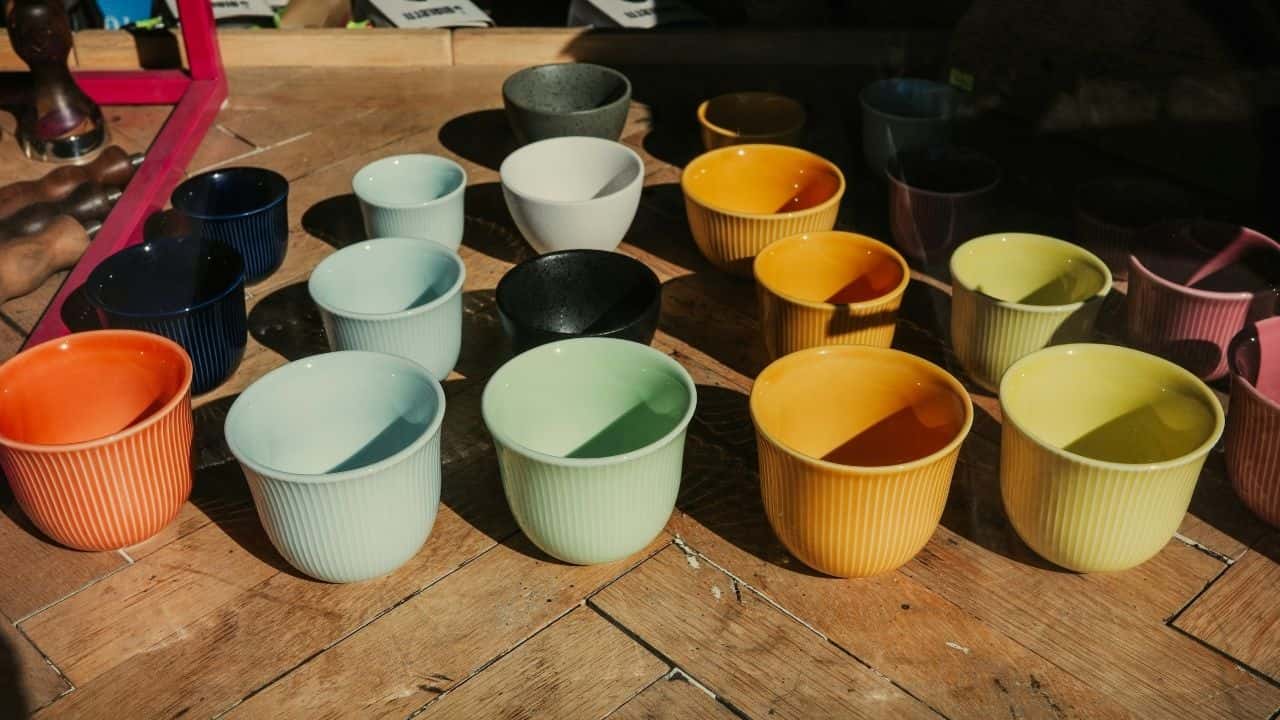
You don’t need to hold on to multiples of the same item unless you use them often. Having more than one of something can create unnecessary clutter.
If you find yourself reaching for a duplicate regularly, it’s probably worth keeping. Otherwise, try donating or selling extras to free up space in your home.
Avoid buying storage bins before decluttering
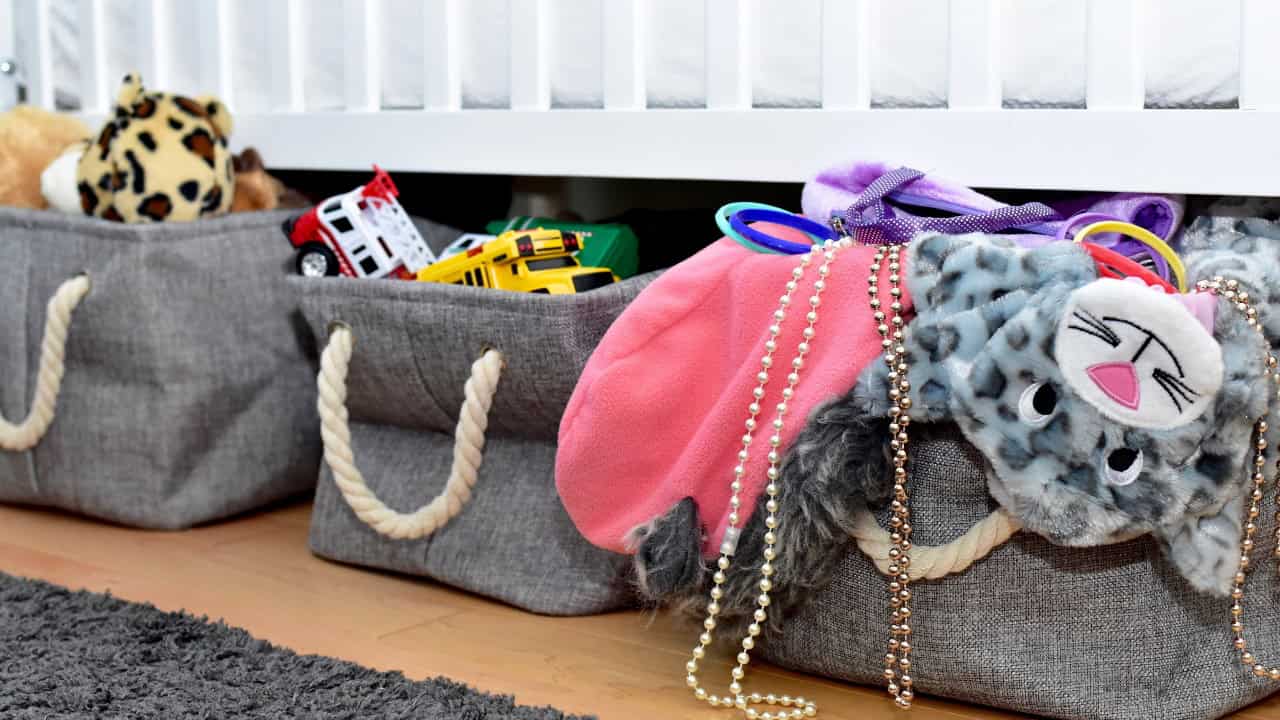
You might be tempted to buy storage bins first, but hold off. If you don’t sort through your items first, you may end up with containers that don’t fit your needs.
Decluttering helps you understand exactly what you have and what you really need. Once you clear out what’s not needed, you can buy storage solutions designed just for what’s left. This saves money and reduces clutter.
Designate a specific home for every item
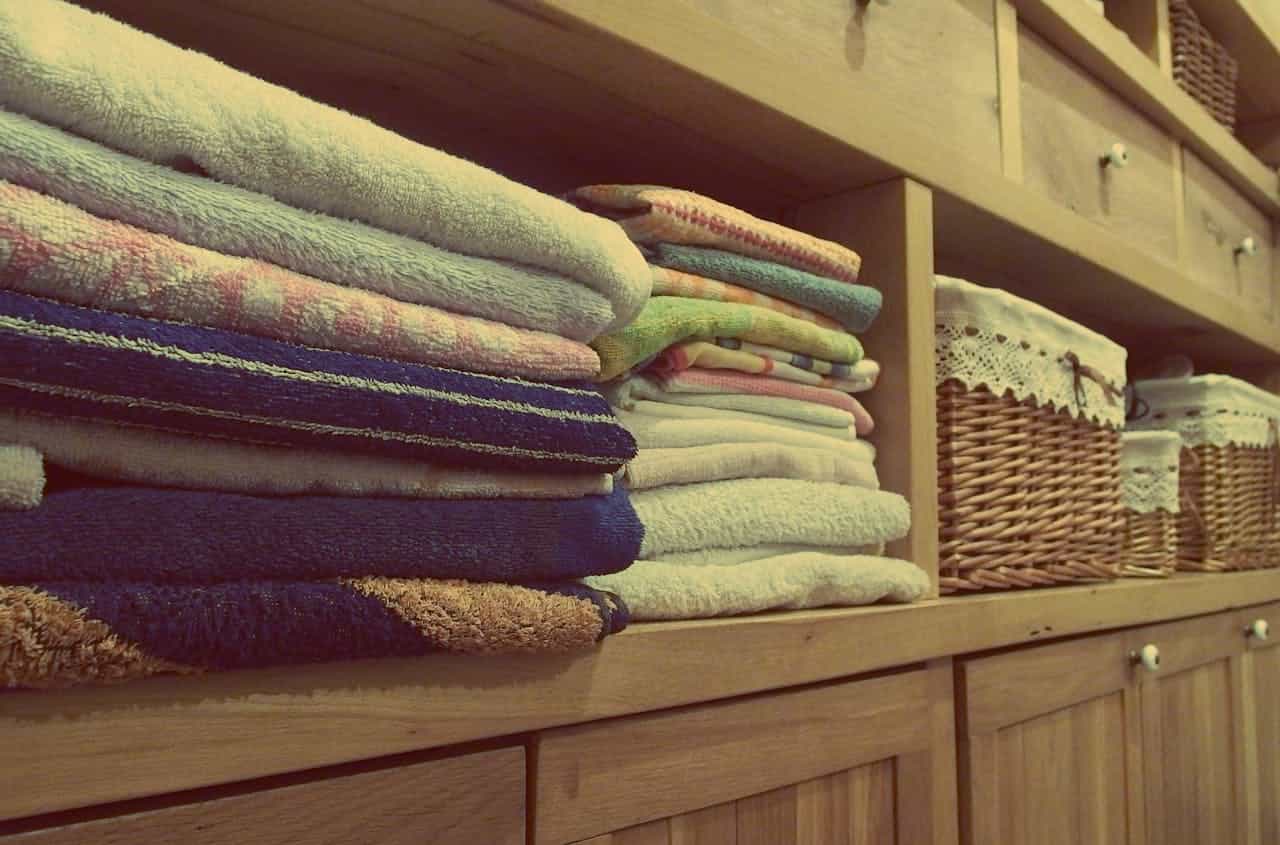
You’ll find it much easier to keep your space tidy when each item has a clear spot. When you give everything a designated place, you spend less time searching and more time enjoying your clutter-free areas.
Try to put items where you use them most often. This simple habit helps you put things away quickly and prevents clutter from piling up.
Practice the ‘one in, one out’ rule
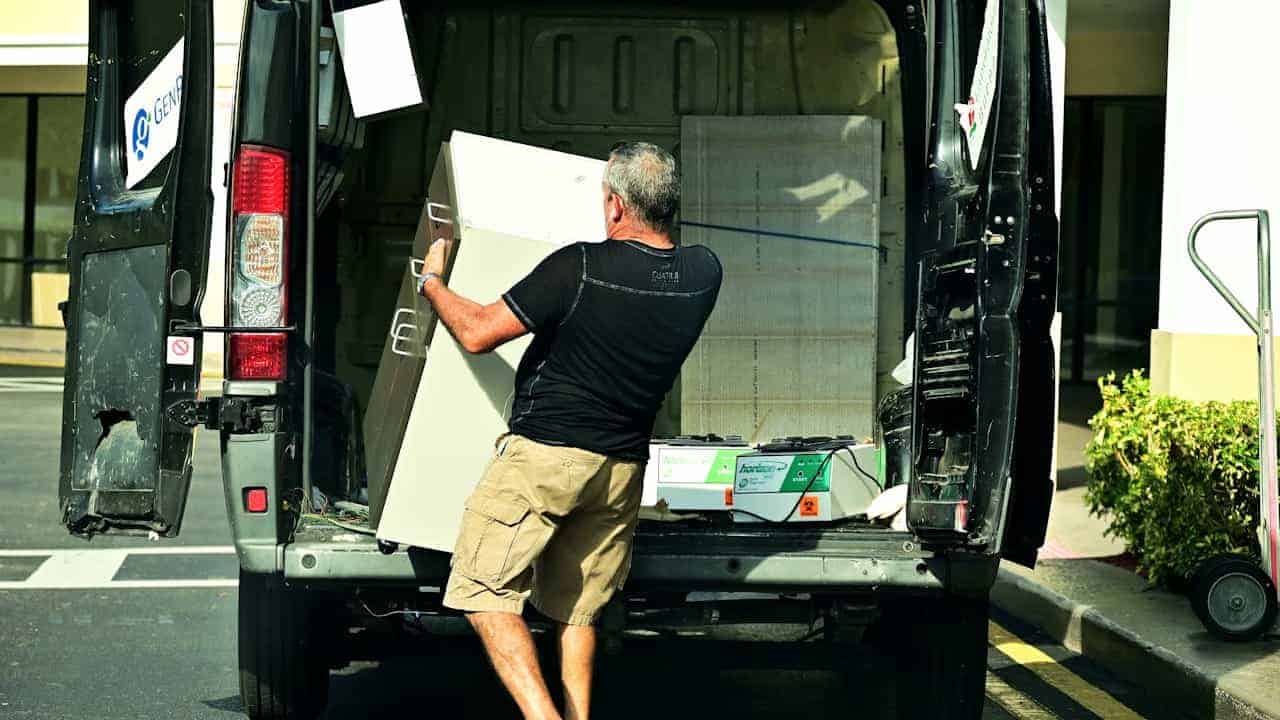
When you bring something new into your home, try removing one item. This simple habit helps prevent clutter from building up over time. You can pass on the removed items to friends, family, or donate them. It keeps your space full of things you actually use and enjoy.
Involving everyone in your household makes the rule easier to stick to. It’s a realistic way to maintain order without feeling overwhelming.
Let go of items with negative memories
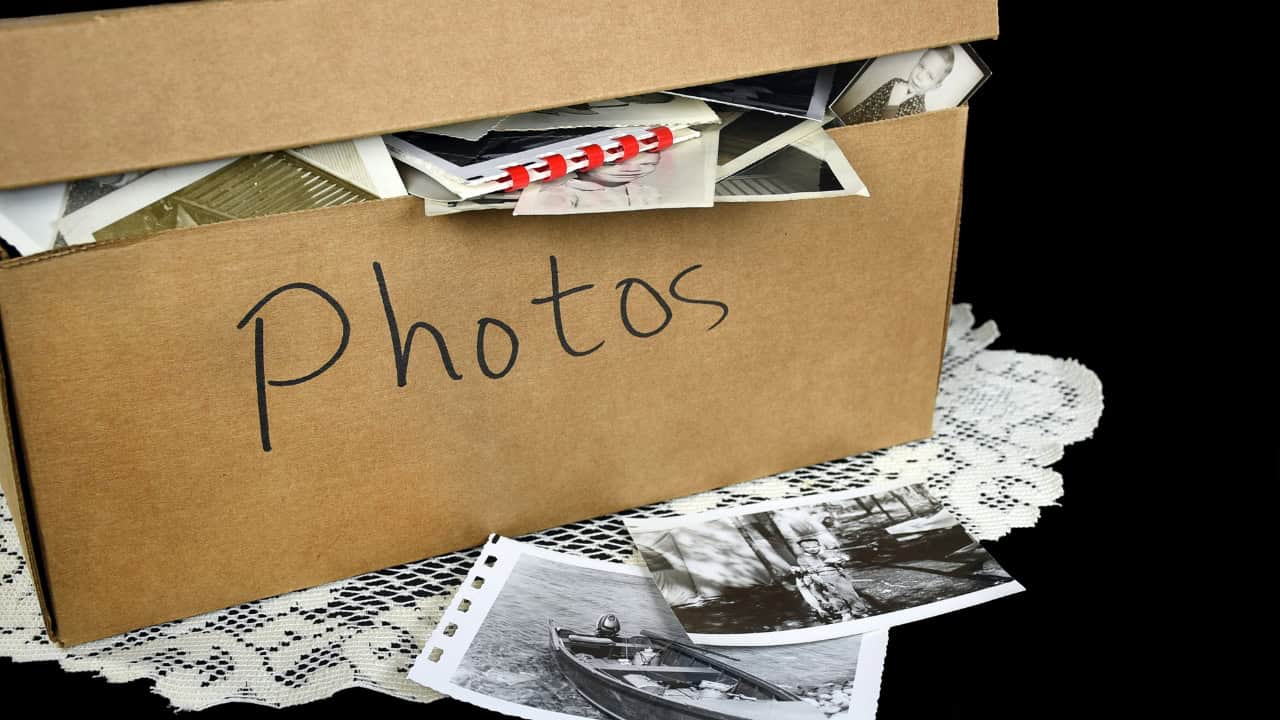
You don’t have to keep things that bring you down. If an item reminds you of bad experiences or feelings, consider letting it go. Holding onto these objects can create unnecessary stress.
Remember, letting go doesn’t erase the memory itself. It just frees up space for more positive moments in your life. Choose items that truly make you feel good.
Don’t declutter when emotionally stressed

When you’re feeling overwhelmed or upset, decluttering can feel much harder. Your emotions might make it difficult to decide what to keep or let go of.
Taking a break until you feel calmer helps you make clearer choices. Decluttering with a calm mind lets you focus on what really matters in your space. If you notice stress rising, pause and return later. This approach prevents emotional burnout and keeps your progress steady.
Focus on usefulness, not guilt or sentiment
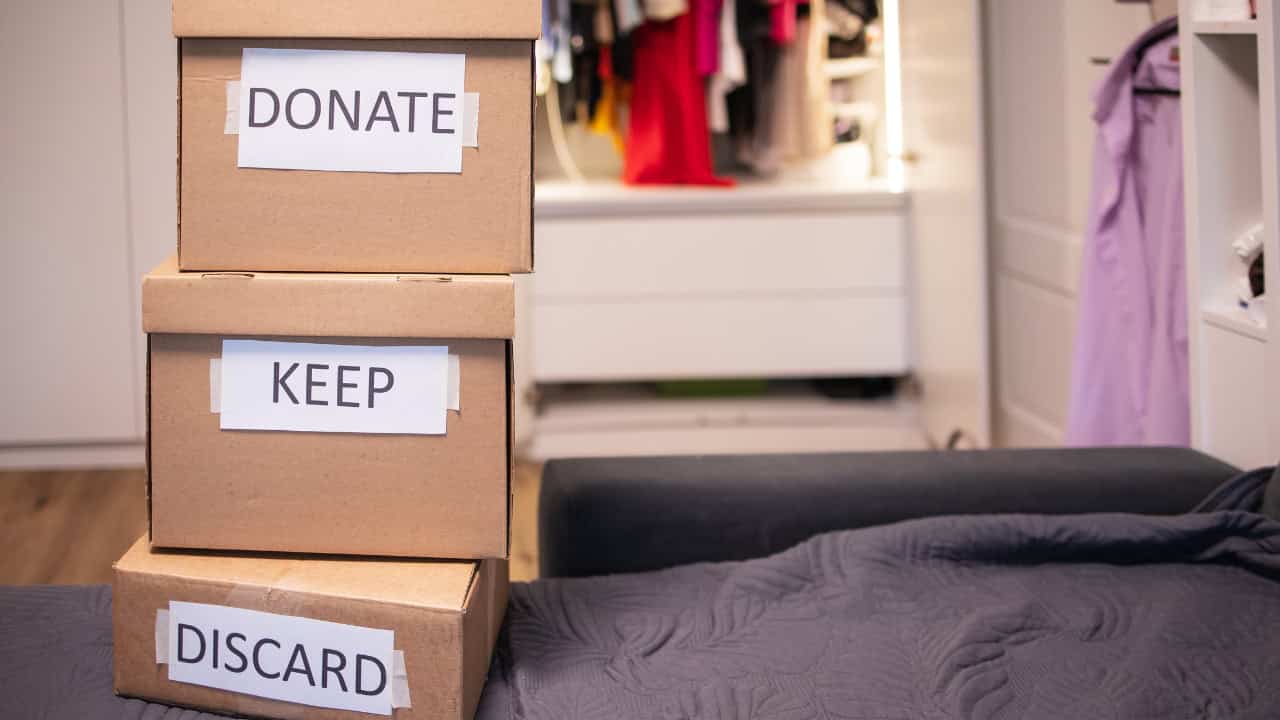
When you declutter, concentrate on what you actually use. Items that don’t serve a purpose or bring value to your daily life can be let go. Try not to hold onto things just because of guilt or memories. If something doesn’t support your current needs, it’s okay to release it.
If an item has sentimental value, see if its story fits in a quick moment of sharing. If not, taking a photo or writing about it can help you keep the memory without keeping the object.
Sort clothes by type before deciding what to keep

Start by grouping your clothes into categories like shirts, pants, or jackets. This makes it easier to see how many similar items you have.
When you sort by type, you can compare pieces directly and decide which ones you wear most. It also helps you spot duplicates or items you rarely use. This approach keeps your process organized and less overwhelming. You’ll feel more confident choosing what to keep or let go.
Use natural light to better see clutter

Natural light helps you spot clutter more easily. When your space is well-lit, it’s simpler to identify items that don’t belong or need organizing. Try to declutter during the day near windows. This way, shadows won’t hide anything, and you can work more efficiently.
Opening curtains or blinds can refresh the room, making the task feel less overwhelming. A bright space often boosts your motivation to keep going.
Make tidying a daily habit, not a one-time event
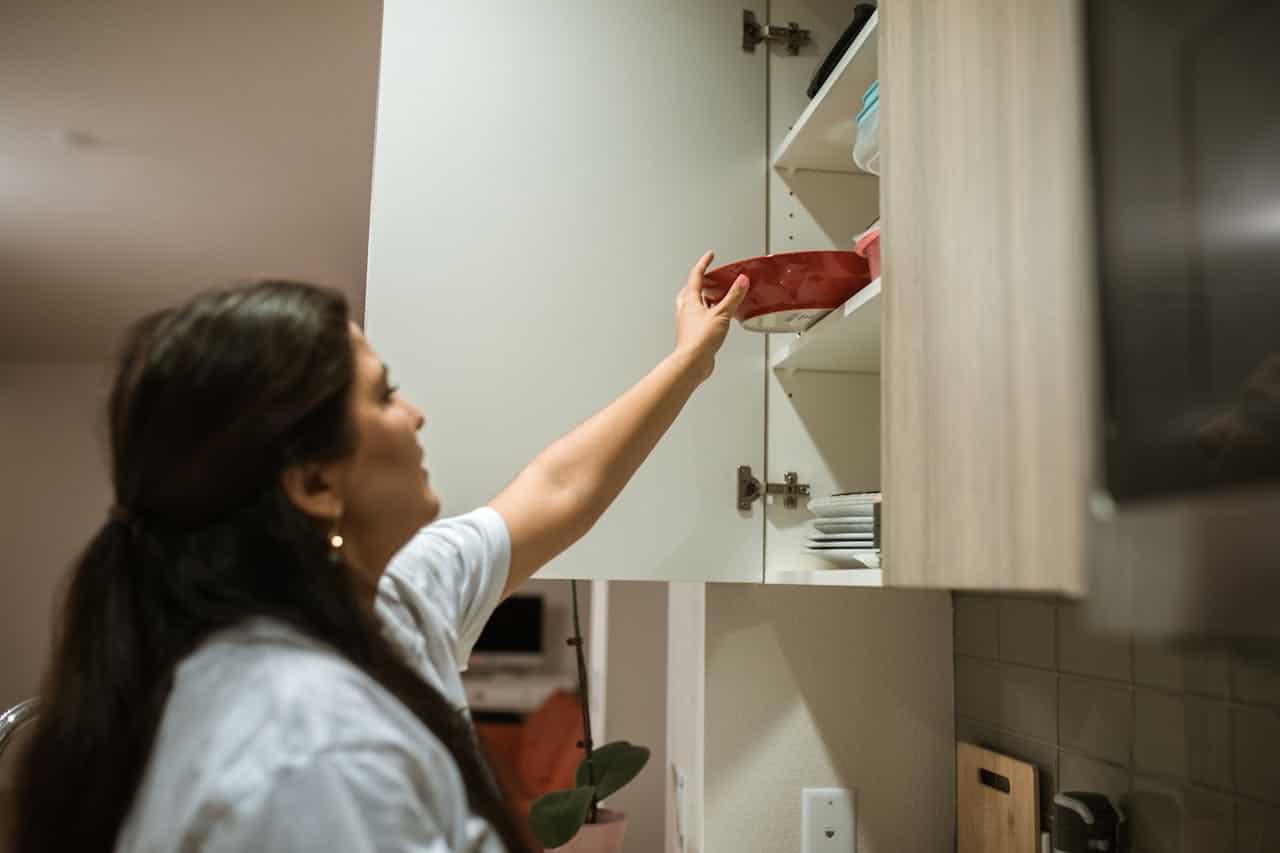
You’ll find it easier to keep clutter under control when tidying becomes part of your daily routine. Spending just 15 minutes each day on decluttering can make a real difference over time.
Try doing a quick sweep through one room at a time or focus on small tasks like organizing your desk or clearing surfaces. When this becomes a habit, mess won’t pile up as much, and your space will feel calmer.