When you start decluttering, it can feel great to clear out space and simplify your life. However, some decisions made during this process might leave you wishing you had held on to certain items. Understanding the common regrets people face when decluttering can help you make smarter choices and avoid unnecessary loss.
Decluttering isn’t just about removing things; it’s about deciding what truly matters to you. Being aware of what you might regret tossing can save you time, money, and emotional stress later on. This guide will highlight those key decisions that often lead to second thoughts.
Advertisement
Letting go of meaningful family heirlooms
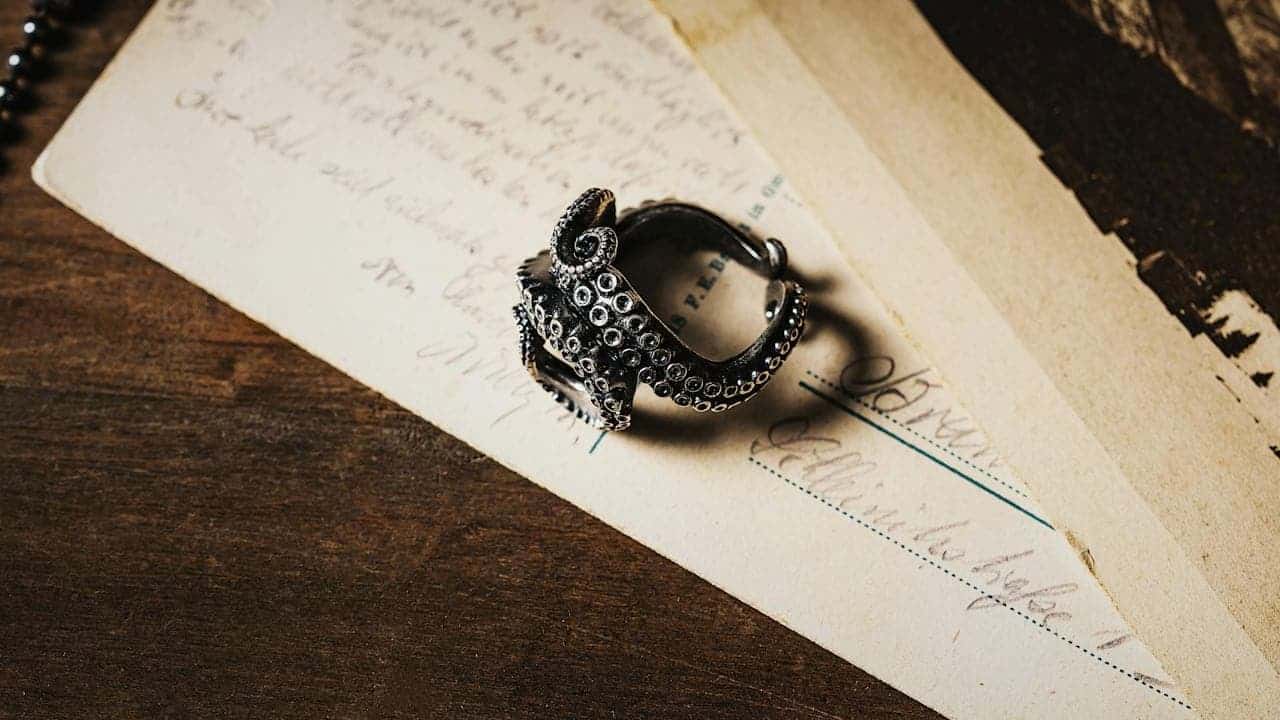
When you consider parting with family heirlooms, take a moment to reflect on their value beyond just the physical object. These items often carry stories and connections to your past.
If you decide to let something go, try capturing it through photos first. This way, you keep the memory without holding onto the item itself. Remember, passing heirlooms to others can keep the stories alive in a new home. You don’t have to carry everything yourself.
Giving away vintage clothing that returns to style
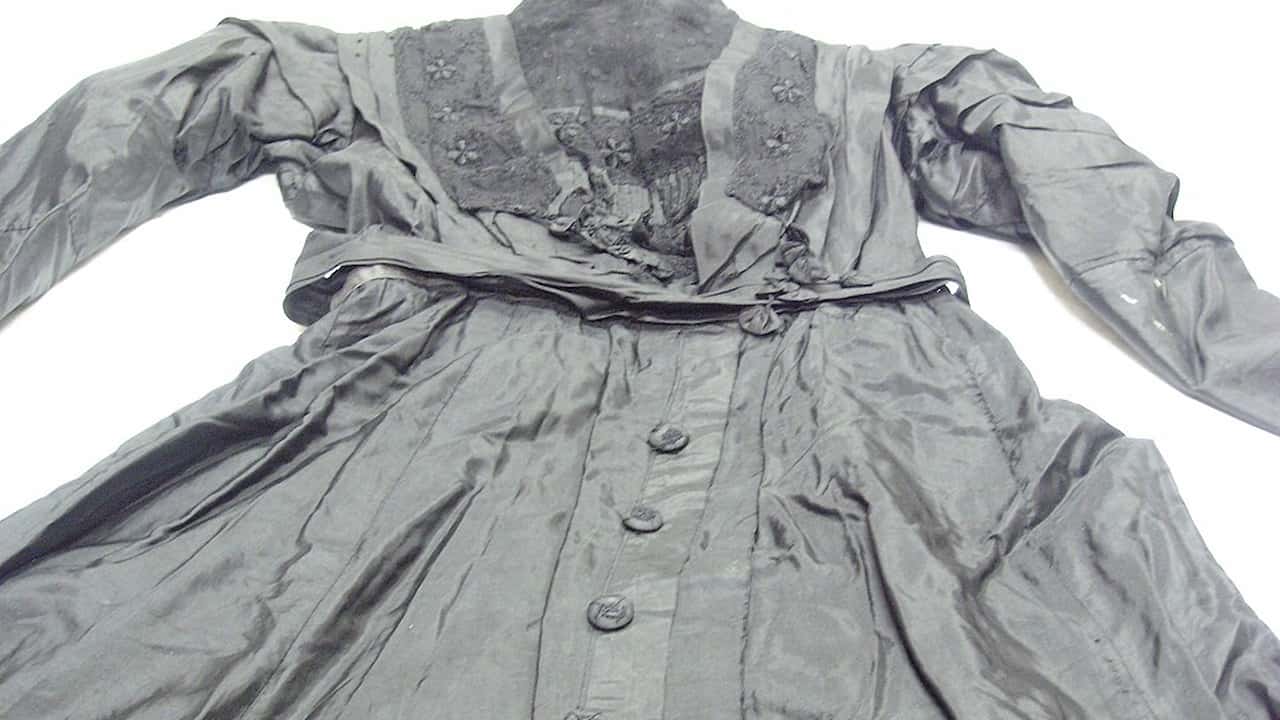
You might think vintage clothes are outdated, but many styles come back in fashion. Giving away these items means losing pieces that could become trendy again.
Your vintage clothing carries unique details hard to find in new clothes. Keeping them means you have something special when styles shift. If you’re unsure, consider holding on to a few key pieces. They might surprise you by fitting perfectly into a future wardrobe.
Discarding useful kitchen tools like spatulas
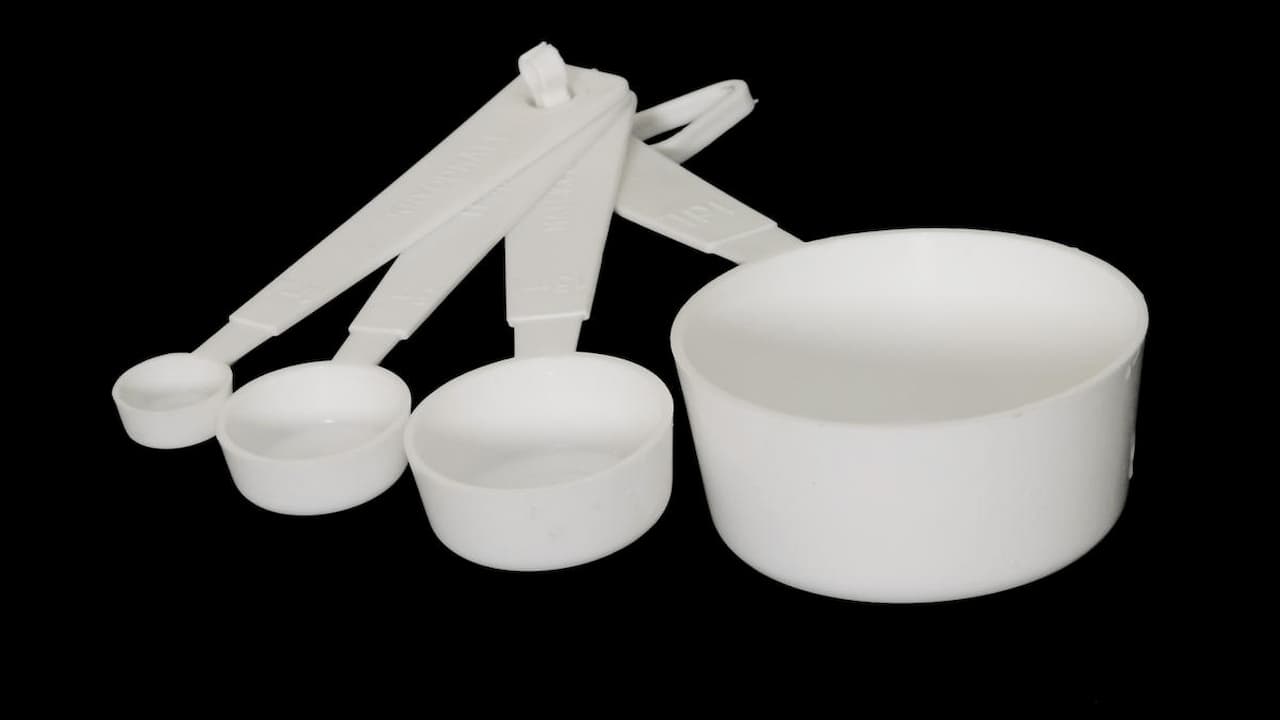
You might think getting rid of extra spatulas will free up space, but losing the right tool can slow you down. Different spatulas serve different purposes, such as flipping, scraping, or spreading.
Keeping a few reliable spatulas means you won’t have to improvise when cooking. If you toss them all, you may regret not having the specific tool when you need it.
Getting rid of basic staples like a good black tee
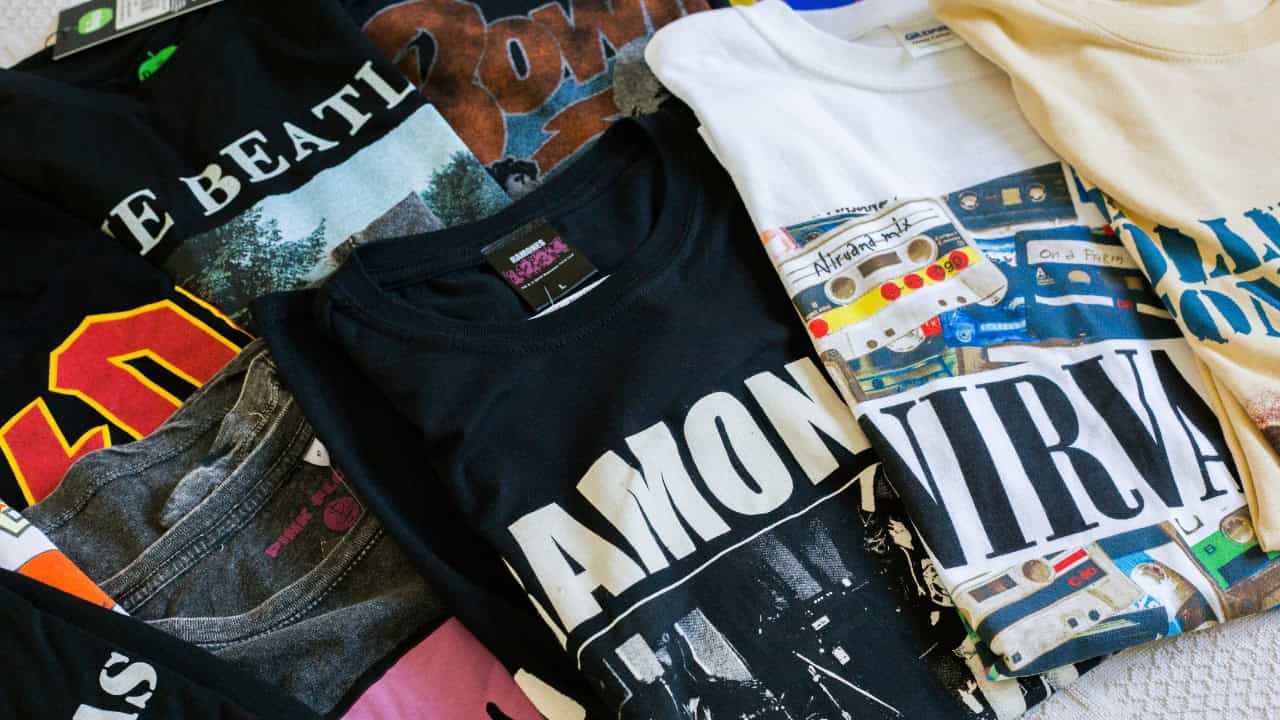
You might think a plain black tee is easy to replace, but losing a well-fitting one can be frustrating. Having reliable basics saves you time and effort when getting dressed.
If your black tee is worn out, go ahead and replace it. But don’t toss one that still fits and feels comfortable. Keeping essential staples helps keep your wardrobe functional without constant shopping.
Purging furniture with sentimental value

When you consider getting rid of furniture tied to memories, take a moment to reflect on its meaning. If the piece brings you warmth or nostalgia, it might be worth keeping, even if it feels bulky.
However, if it only holds you back or clutters your space without joy, letting it go can open room for new memories. Remember, there’s no rush—give yourself time to decide and don’t hesitate to ask for support if it feels overwhelming.
Eliminating photo albums without saving digital copies
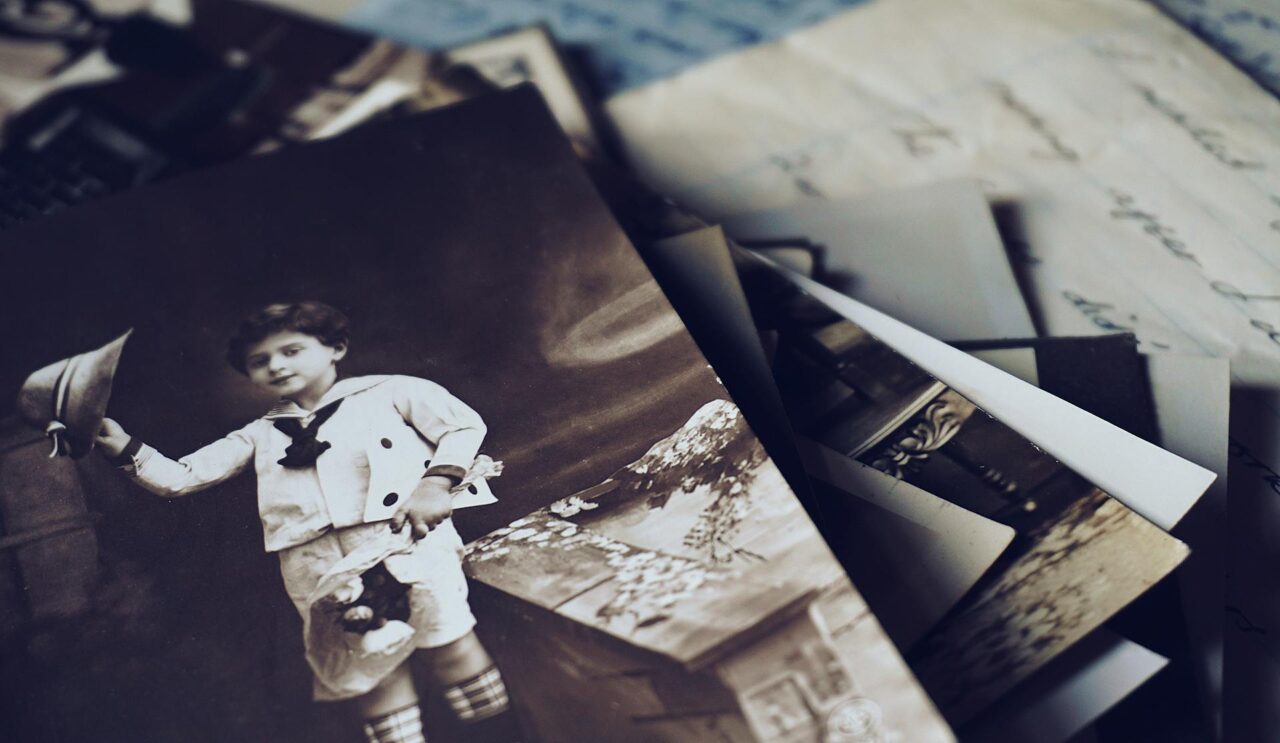
When you get rid of photo albums without making digital backups, you risk losing memories forever. Physical photos can fade or get damaged, so keeping digital copies is a safe way to preserve them.
Scanning or photographing your albums takes time but protects your images. Plus, digital files are easier to organize and share with family.
If you don’t want to keep all physical photos, focus on saving your favorites digitally before letting go of the rest. This helps maintain your memories without clutter.
Discarding seasonal clothing too early
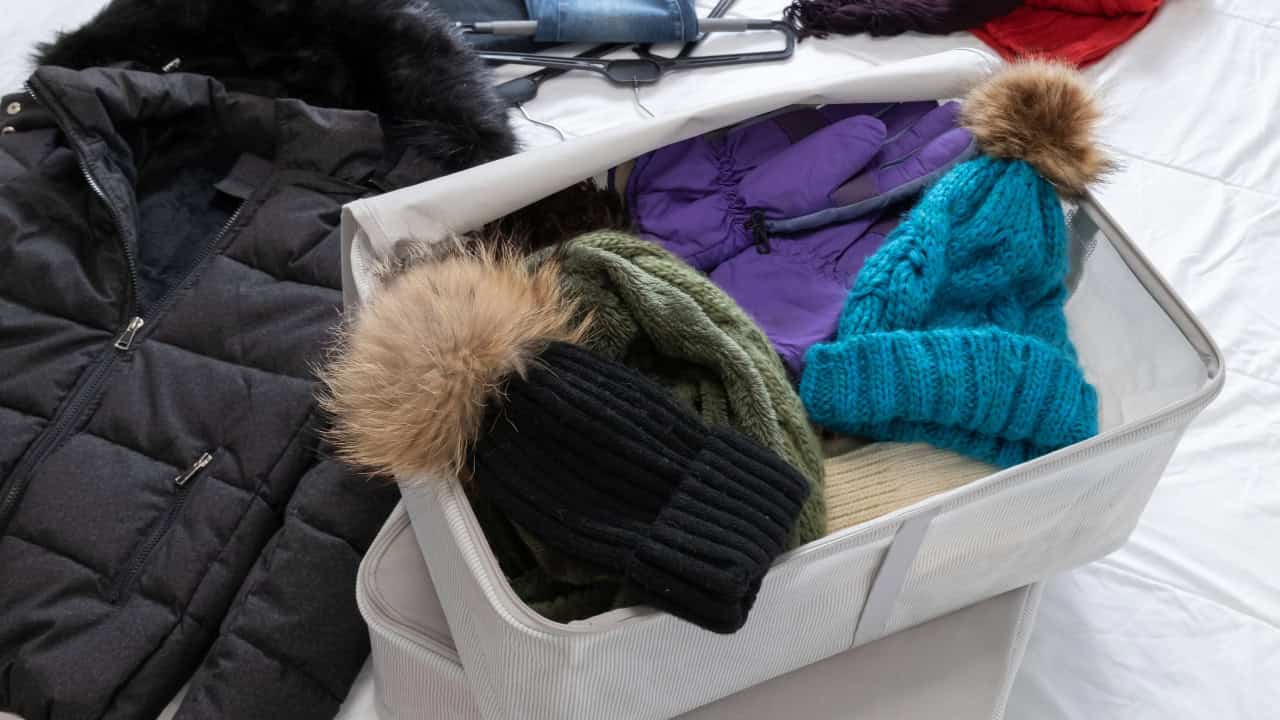
You might regret getting rid of seasonal clothes before their time. Weather can be unpredictable, and a late cold snap could leave you without the warm layers you need.
Keeping a few key pieces from each season helps you stay prepared. It also makes switching your wardrobe easier when the weather changes.
Try to wait until a full season passes without wearing an item before you decide to discard it. This can save you from unnecessary regret.
Letting go of hobby supplies you’ll return to

You might feel ready to part with hobby supplies, but before you do, think about whether you’ll want to return to that activity. Sometimes, items linked to past hobbies can spark creativity again.
Giving away or throwing out these materials can create regret if you miss the chance to pick up where you left off.
Keep what feels meaningful or useful, especially if you often think about revisiting that hobby. This way, you avoid unnecessary loss and stay open to future projects.
Getting rid of comfortable everyday shoes
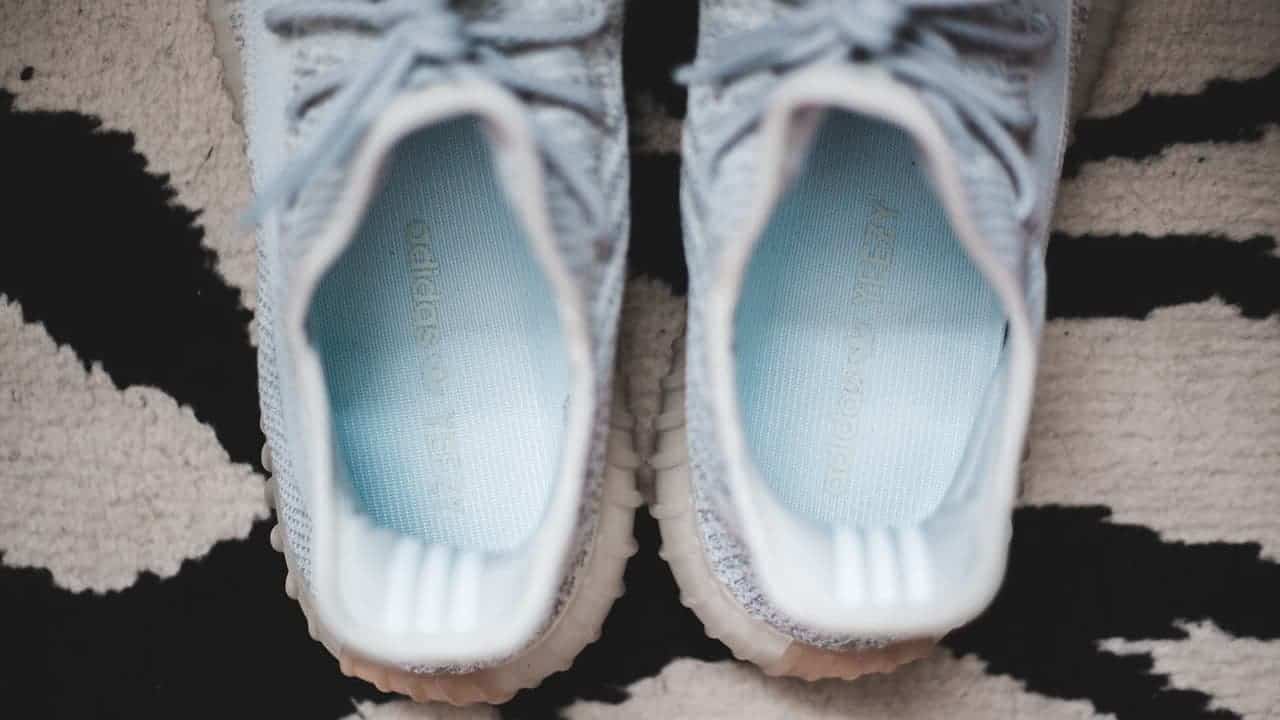
You might think decluttering means letting go of the sneakers or flats you wear most. But getting rid of your comfortable everyday shoes can cause regret. These shoes support your daily routine and save time when choosing what to wear.
Focus on keeping pairs that fit well and you use often. If you toss them, you could end up spending more money or dealing with discomfort. Comfort is key, so don’t rush to part with shoes that suit your lifestyle.
Overthinking and discarding items used regularly
You might be tempted to get rid of things you use daily, thinking you can live without them. But when those items are gone, you may find your routine feels less smooth or more frustrating.
Keep in mind that regularly used items serve a practical purpose, even if they seem small or simple. Before tossing, ask yourself if replacing or streamlining the item might be a better option than discarding it.
Dumping small electronics that are easily replaceable
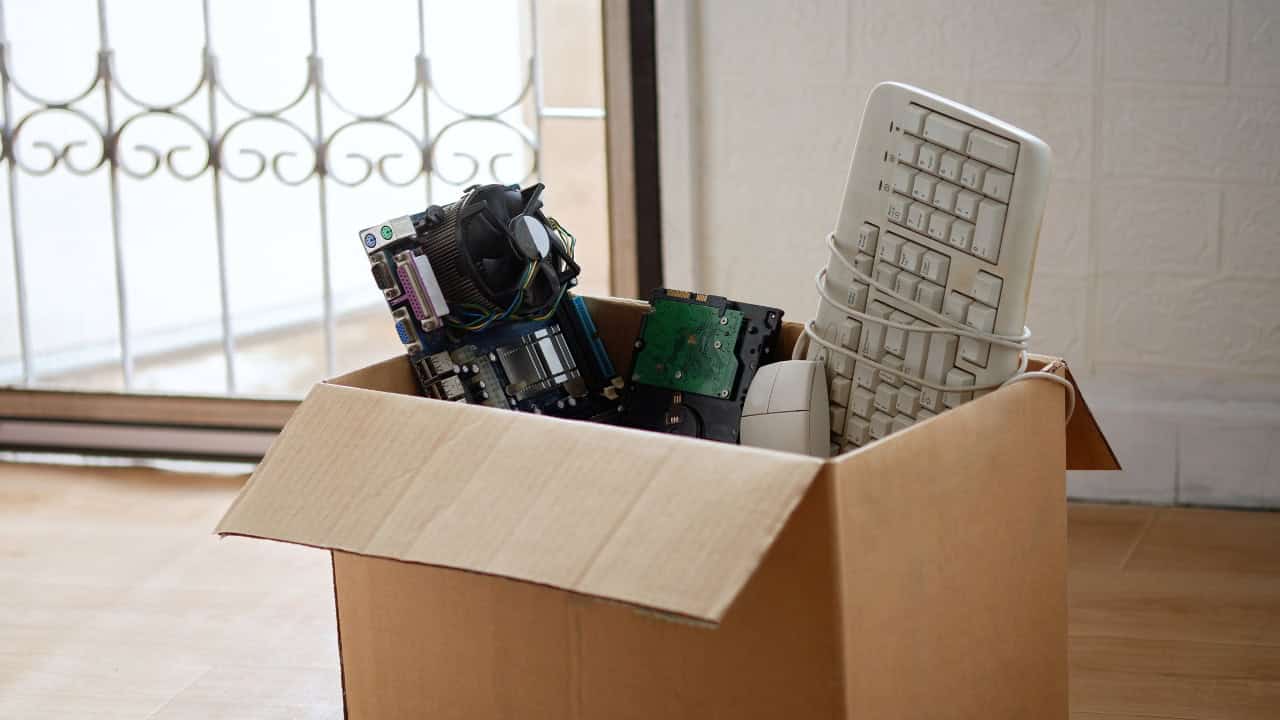
You might think tossing old chargers, cables, or adapters is no big deal. However, finding the exact replacements later can be a hassle and sometimes costly.
Keeping a few useful small electronics can save you time and stress down the line. Even if they seem outdated, they often come in handy for devices you still own.
Getting rid of gifts with sentimental meaning
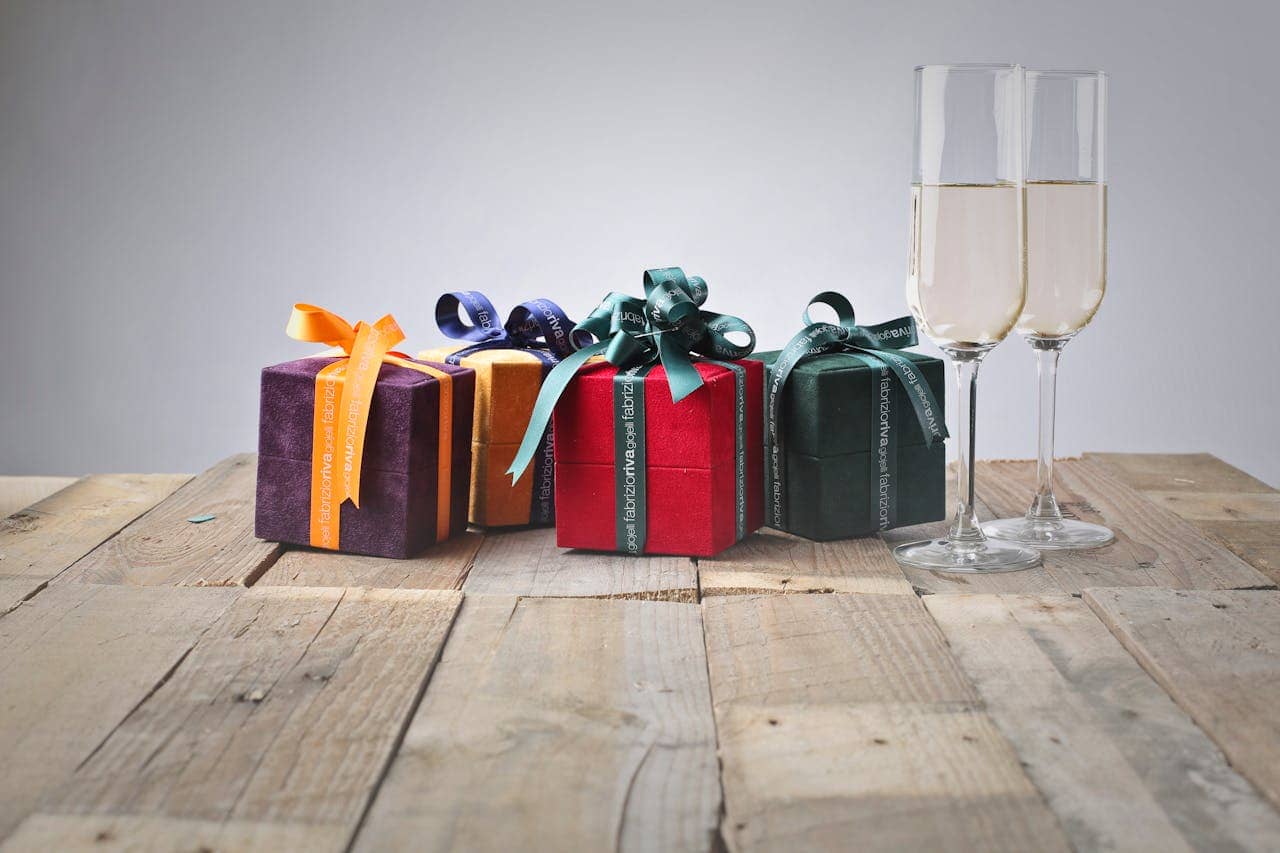
When you get rid of gifts that hold sentimental value, you might find yourself missing them later. These items often carry memories from people who matter to you.
Even if the gift isn’t useful, it can represent a moment or relationship you cherish. Before letting go, consider if the memory is something you want to keep close.
Sometimes, it helps to take a photo of the gift. This way, you preserve the memory without keeping the physical item.
Purging stationery or office supplies you use often
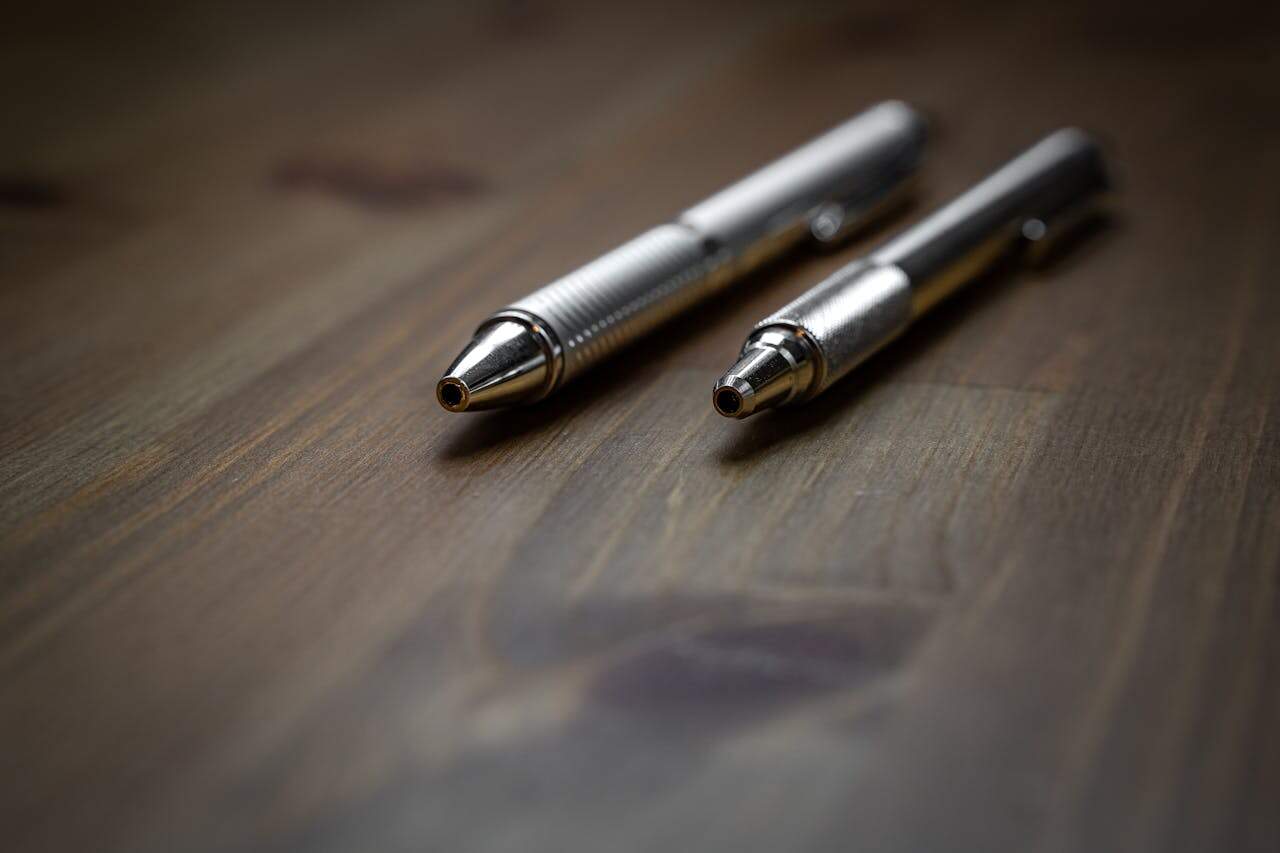
Be careful when purging supplies you need daily. If you get rid of pens or notepads you rely on, you might waste time searching for replacements later.
Keep the stationery you use regularly within easy reach. This way, your workspace stays tidy without slowing down your workflow.
Consider storing extras somewhere accessible but out of the way. That balance prevents clutter while making sure you always have what you need.
Relying only on quick decluttering without a plan
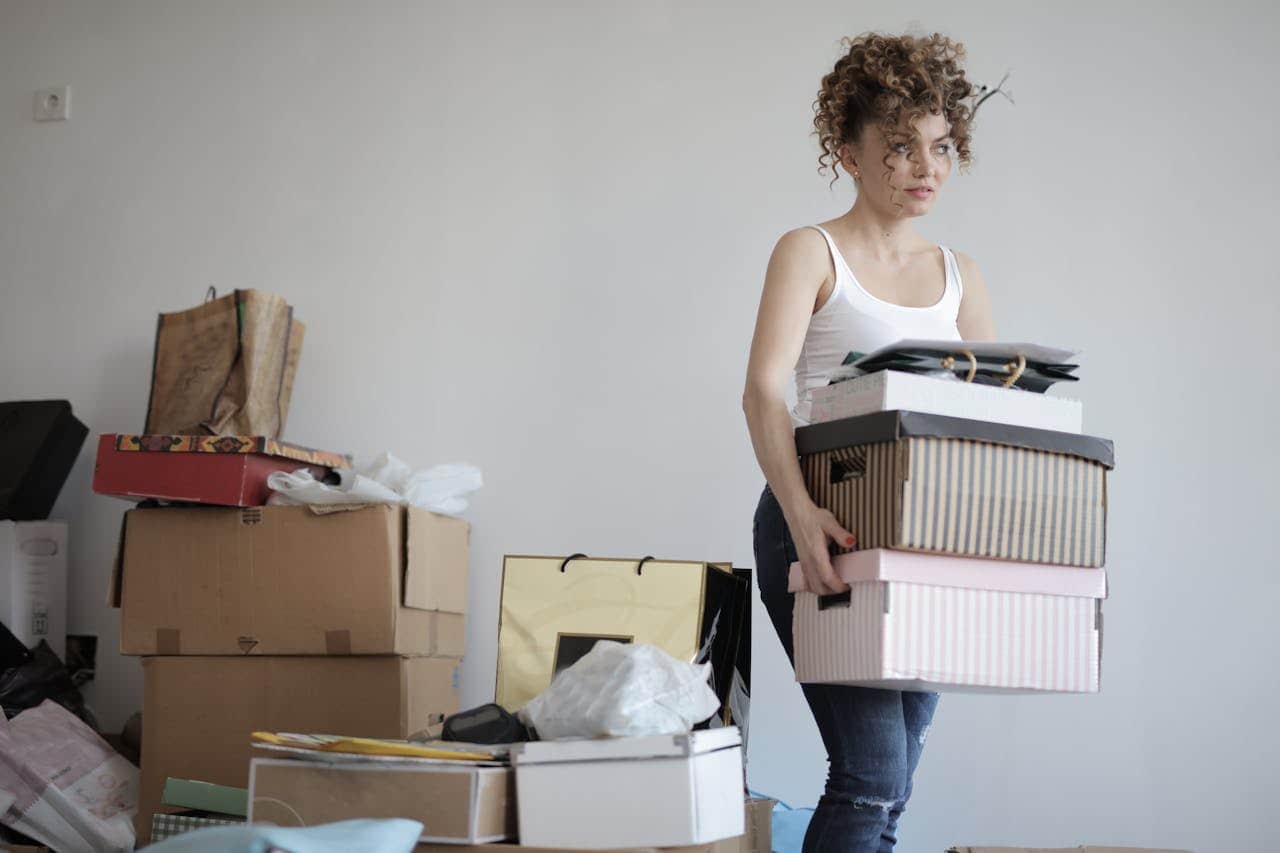
If you jump into decluttering without a clear plan, you might end up overwhelmed or miss important items. Quick decisions can lead to regret when you discard things you didn’t mean to.
Taking time to decide what to keep helps you avoid impulsive mistakes. Focus on one small area at a time to make the process manageable. This approach keeps your progress steady and less stressful.