When it comes to food safety, the standards can vary widely from one country to another. You might be surprised to learn that many ingredients considered unsafe or dangerous elsewhere are still approved for use in the United States. Understanding which ingredients are allowed here can empower you to make more informed choices about what you eat.
The debate around food additives and their safety is ongoing. As you navigate grocery store aisles, it’s worth being aware of what’s permitted in your favorite snacks and meals. This awareness can help you stay informed about potential health risks connected to these commonly used substances.
Advertisement
Brominated Vegetable Oil in Citrus Drinks

Brominated vegetable oil, or BVO, is an additive used in some citrus-flavored drinks to keep flavors mixed. This ingredient has been a staple in many sodas for decades.
However, concerns about its health effects have grown over time. In July 2024, the FDA banned BVO due to recent studies highlighting its potential toxicity.
While it was allowed in small amounts, many countries had already prohibited it. You might want to check your favorite beverages for BVO now that it’s off the market.
Potassium Bromate in Baked Goods

Potassium bromate is an additive that makes baked goods rise better and improves texture. You’ll find it in many breads and other flour products.
While it’s approved in the USA, it’s banned in several countries due to concerns about its potential carcinogenic effects.
In California, a ban on potassium bromate went into effect in 2023, highlighting growing health awareness. You might want to check labels on your favorite baked items to avoid this ingredient.
Red Dye No. 3 in Candies

Red Dye No. 3 is commonly used in candies to give them that bright, eye-catching red color. While it makes treats look appealing, it has raised health concerns over the years.
The FDA has linked Red No. 3 to possible health issues, including thyroid cancer in animal studies. As a result, it’s banned in many places but still appears in some candies in the U.S.
Many people prefer to avoid products containing this dye, opting for natural colorings instead. Always check the ingredient list if you want to steer clear of Red Dye No. 3 in your snacks!
rBGH in Milk and Dairy Products

If you drink milk or eat dairy products in the U.S., you might be consuming rBGH, or recombinant bovine growth hormone. It’s used to boost milk production in cows.
Even though it’s approved in the U.S., many countries, like those in the European Union, have banned its use altogether. You won’t find it in milk sold in those places.
Many grocery chains in the U.S. choose not to carry milk from cows treated with rBGH. If you’re concerned, look for labels that say “rBGH-free” or “rBST-free” when shopping for dairy products.
Genetically Engineered Papaya
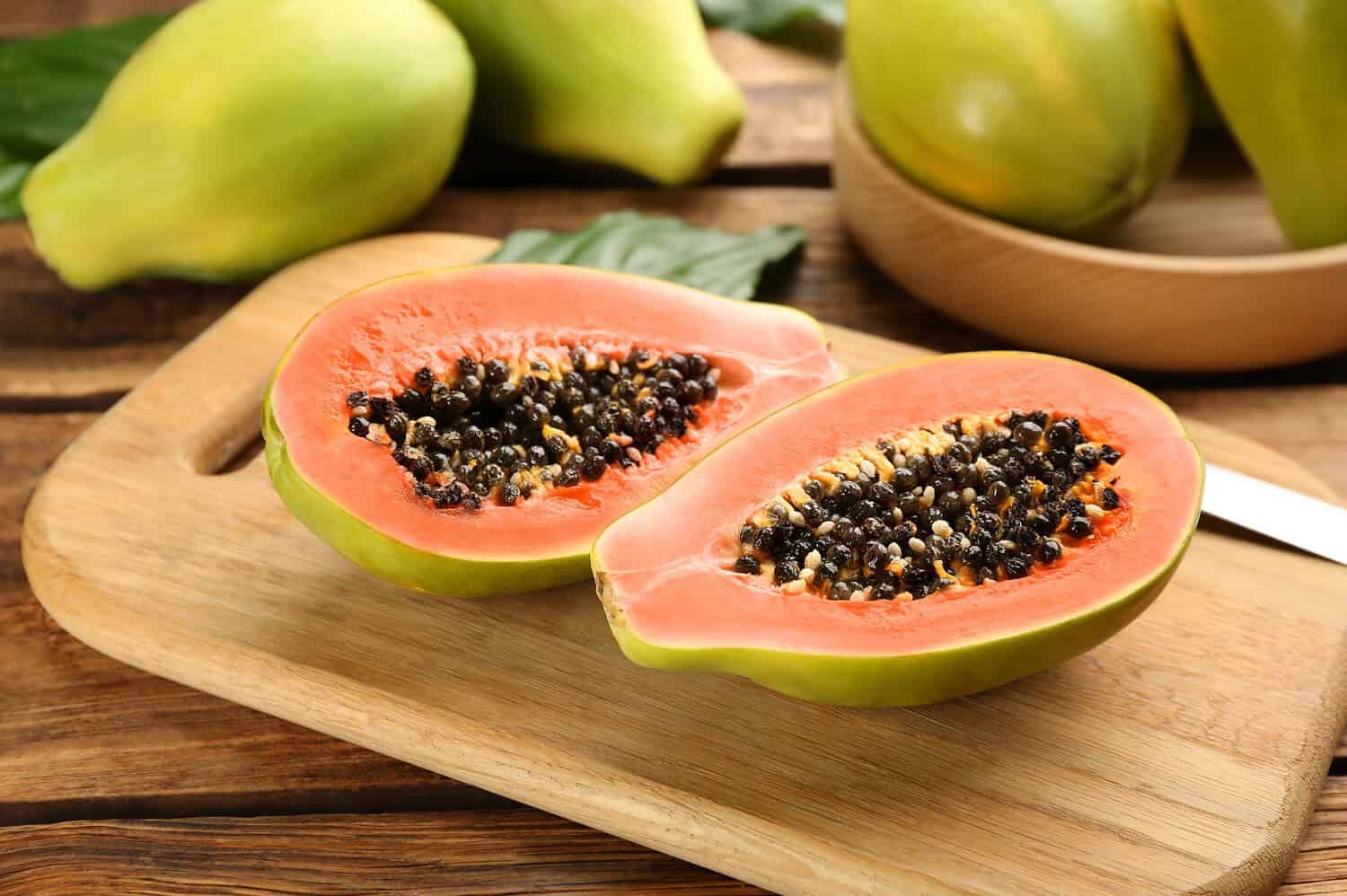
Genetically engineered papaya is a big deal in the U.S., especially from Hawaii. This fruit has been modified to resist a virus that can devastate papaya crops.
While it’s widely consumed in America, the European Union has decided to ban it. Concerns about genetically modified organisms (GMOs) often lead many countries to steer clear of such products.
If you’re eating papaya from the U.S., you’re likely munching on this engineered variety, while others abroad prefer non-GMO options.
Parabens in Cosmetics
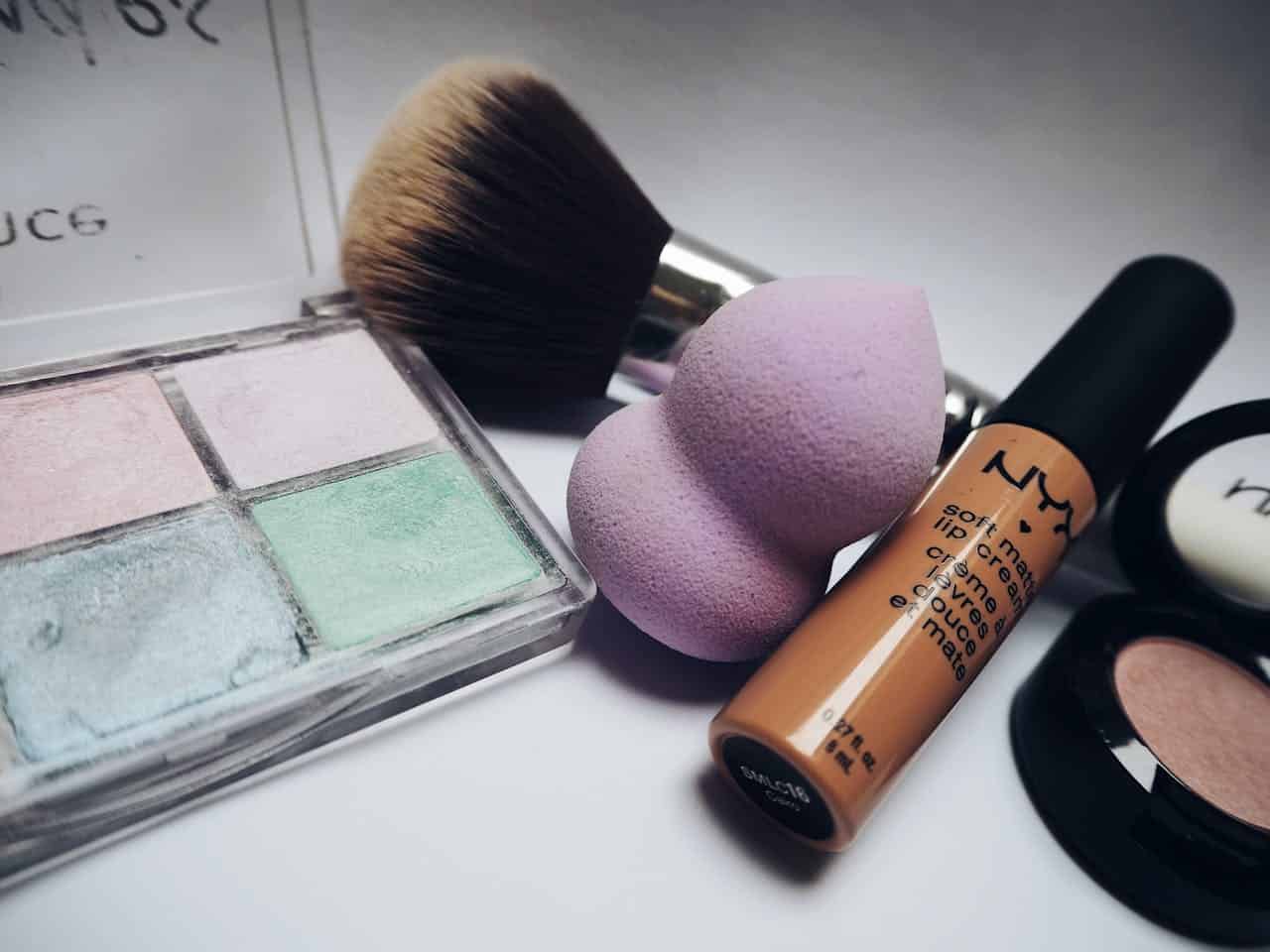
Parabens are preservatives that you’ll often find in cosmetics. They help prevent the growth of harmful bacteria and mold.
While they are widely used in the U.S., some countries have banned them due to health concerns. Research suggests that parabens can disrupt hormones, which may affect your health.
In California, certain types of parabens are now banned, reflecting the growing caution about their use. If you’re concerned, check ingredient labels and consider alternatives that skip parabens altogether.
Farm Animal Antibiotics

When it comes to livestock, antibiotics are commonly used to prevent disease and promote growth. While this practice boosts production, it raises significant health concerns.
The presence of antibiotic residues in meat can pose risks to your health, leading to antibiotic resistance. Many countries have strict regulations against such practices, prioritizing public safety over agricultural efficiency.
In the U.S., the debate continues as some advocate for a ban on these antibiotics in animal farming. You may want to consider the impact of these substances on both your health and the environment.
Synthetic hormones in livestock
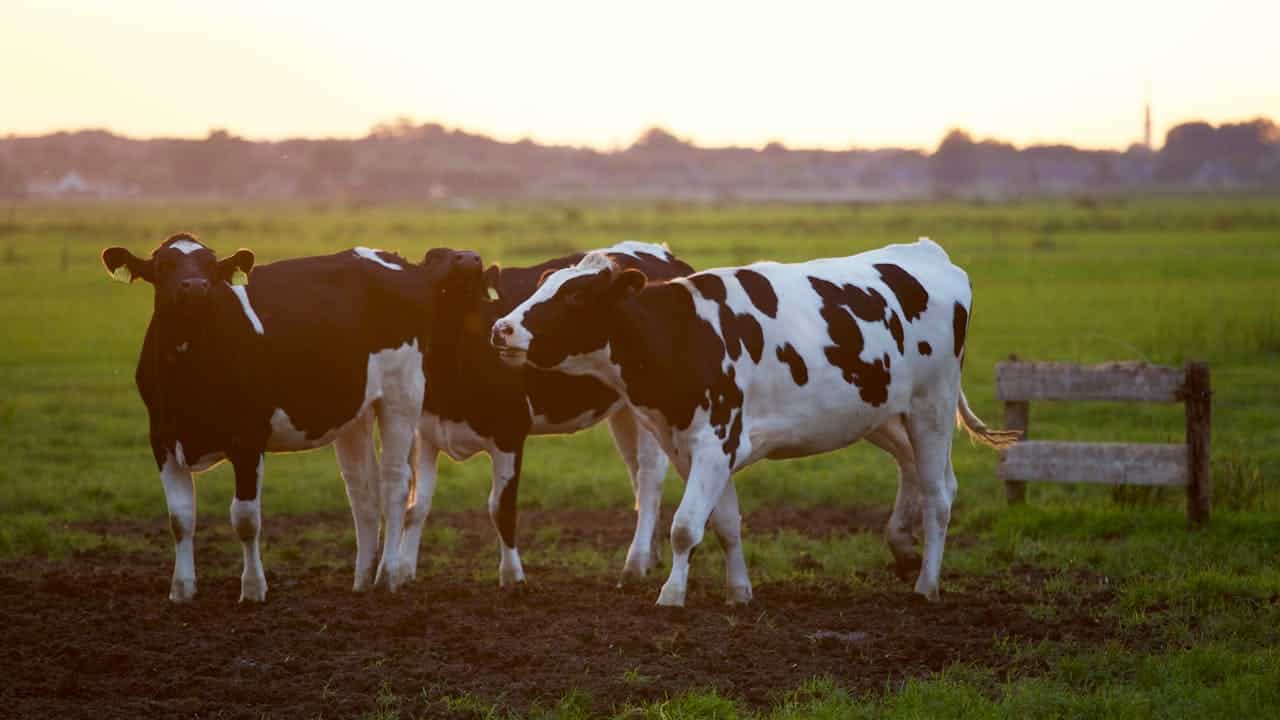
When it comes to livestock, some farmers in the US use synthetic hormones to boost growth and milk production. You might find these hormones like rBGH and rBST in dairy products.
In many countries, such as those in the EU, these hormones are banned. They raise concerns over potential health risks, including links to certain cancers.
If you’re mindful about what you consume, checking labels for hormone use can be important. Your choices can impact your health and well-being.
Azodicarbonamide in Bread

Azodicarbonamide is a chemical often used in bread as a dough conditioner. It helps improve the texture and shelf life of baked goods.
You might not realize it’s present in many products you consume every day. In places like Australia and Europe, this ingredient is banned due to health concerns.
Some studies suggest it can act as a respiratory sensitizer, potentially leading to asthma after exposure. Keep an eye on your bread labels if you want to avoid this additive.
Chlorine-washed chicken

Chlorine-washed chicken is a common practice in the U.S. poultry industry. This process involves treating chicken with chlorine to kill bacteria and pathogens. While U.S. regulators assert that it’s safe, some countries, like those in the EU, have banned it since 1997.
Many people worry that this method may allow for poorer hygiene practices during meat processing. You might find it interesting that this treatment, despite being popular in the U.S., raises eyebrows in other parts of the world.
Arsenic-based drugs in poultry feed
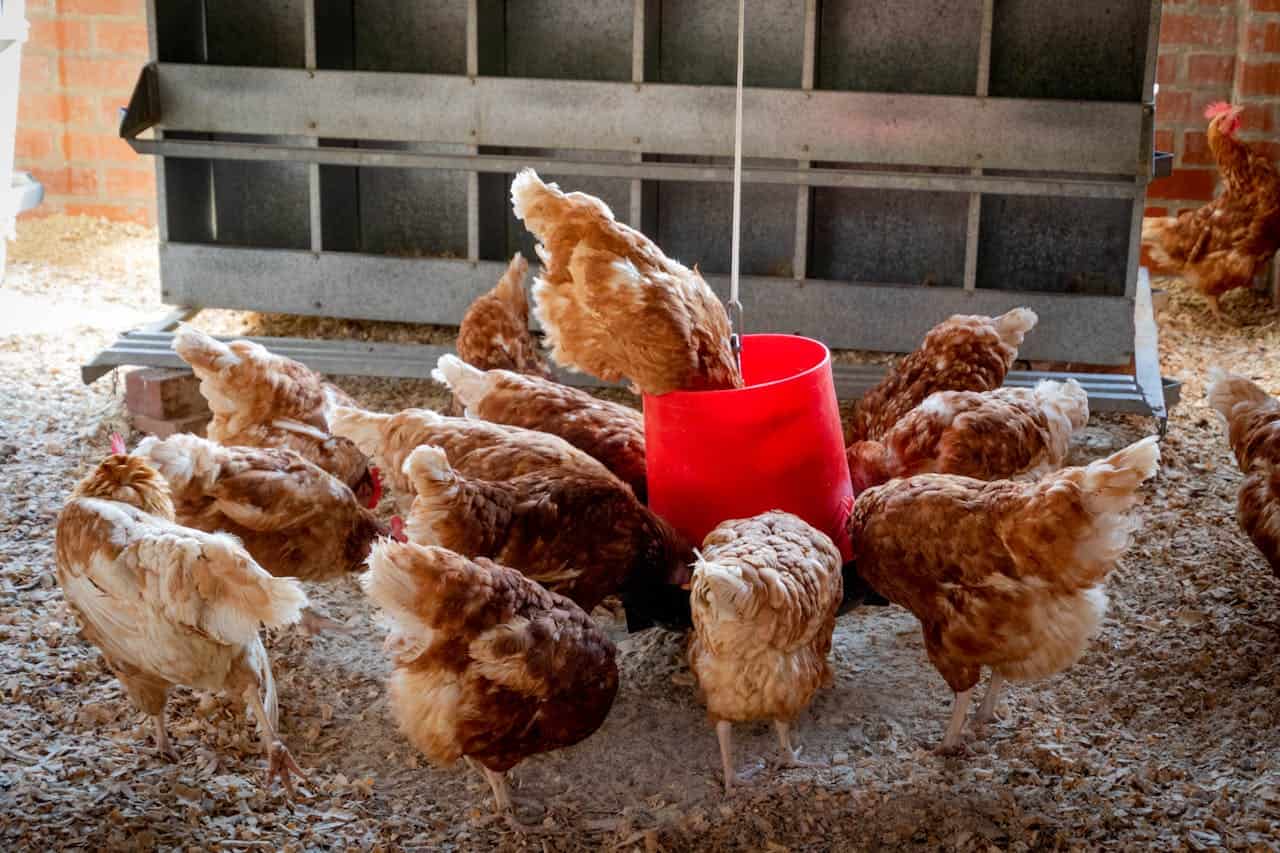
You might not know that arsenic-based drugs have been used in poultry feed for decades in the U.S. These drugs, like roxarsone, were intended to promote growth and improve feed efficiency.
Despite their history, concerns about arsenic accumulation in meat have led to increasing scrutiny. The FDA recently withdrew the last remaining arsenic-based animal drug, which raises questions about the safety of chicken and other poultry products on your plate.
Several countries have banned these substances entirely, prioritizing consumer health. As you watch what you eat, it’s worthwhile to consider where your poultry comes from and how it was raised.
Titanium Dioxide in Sweets
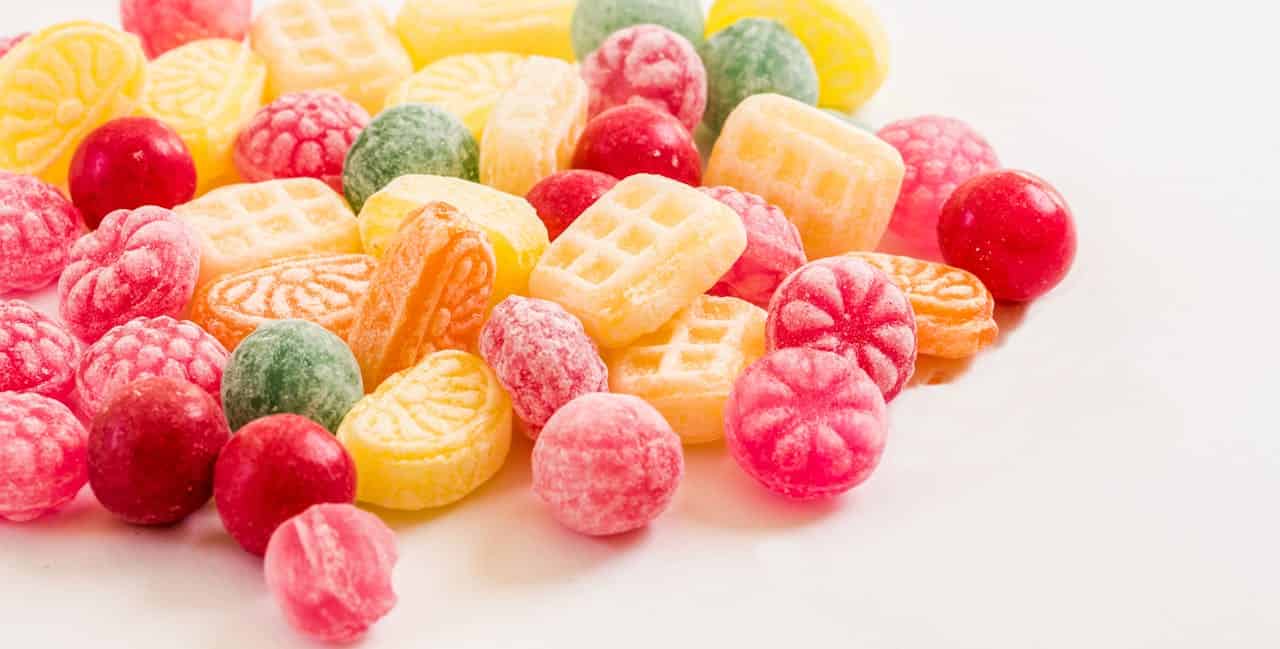
Titanium dioxide is commonly found in candies, giving them a bright, appealing color. You might spot it in products like Skittles and Starbursts.
While it’s approved for use in the U.S., many countries have banned it due to potential health risks. Some studies suggest it could build up in your body and even harm DNA.
If you’re concerned about what you’re eating, it’s a good idea to check labels and stay informed.
Propyl gallate as a preservative
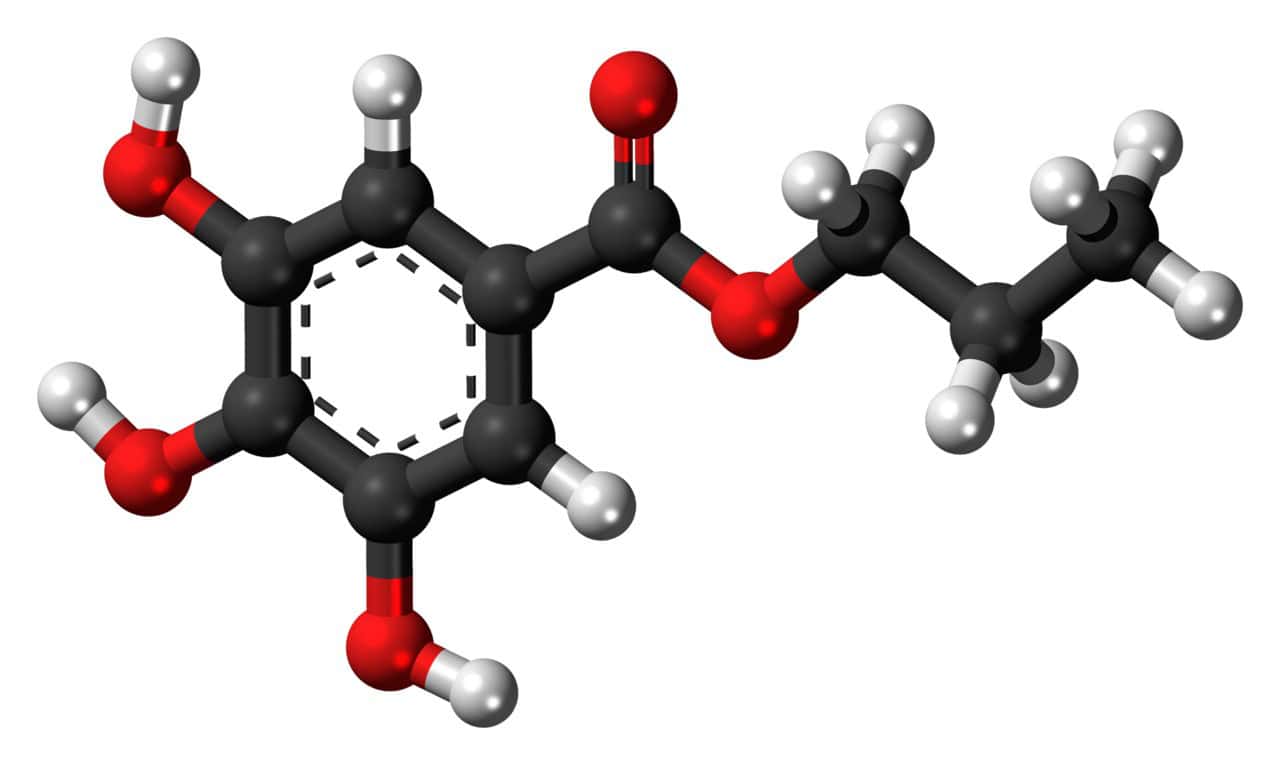
You might find propyl gallate lurking in your favorite snacks. It’s a chemical used to help keep fats and oils from going bad.
This preservative is permitted in the U.S. while many other countries have decided to ban it. You could encounter it in items like baked goods and sausages.
Though it’s effective, some people are concerned about its safety. If you’re keeping an eye on what’s in your food, checking labels can help you avoid it.
BHA and BHT in snacks
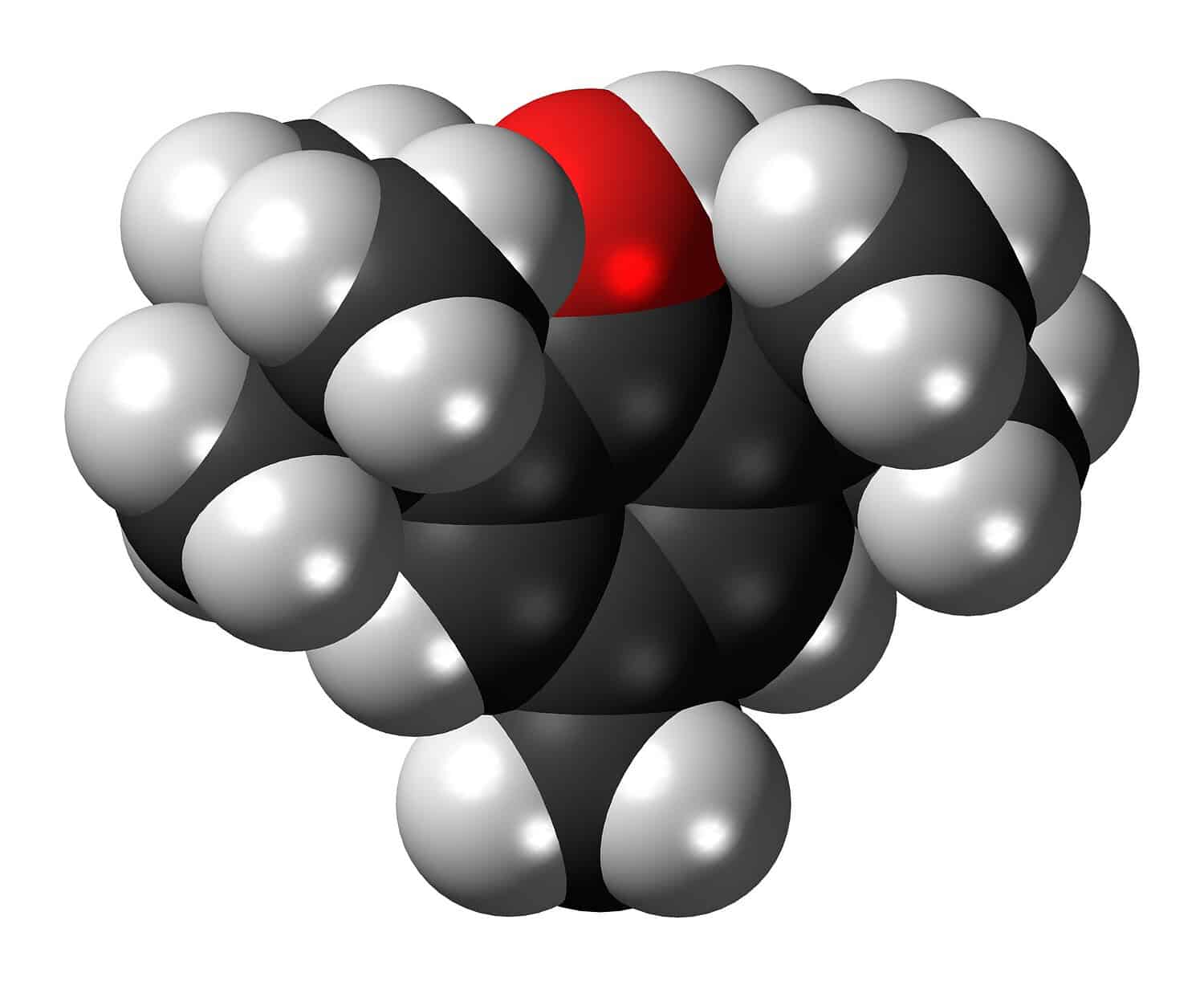
You might not realize it, but BHA (Butylated Hydroxyanisole) and BHT (Butylated Hydroxytoluene) pop up in a variety of snacks. These compounds serve as preservatives, keeping your chips and cereals fresh for longer.
While they help extend shelf life, both BHA and BHT are banned in many countries due to health concerns. Some research suggests they could be linked to cancer and other health issues.
When you grab a snack, it’s worth checking the label to see if these additives are included. Making informed choices can be essential for your health.
Sulfites in Dried Fruits
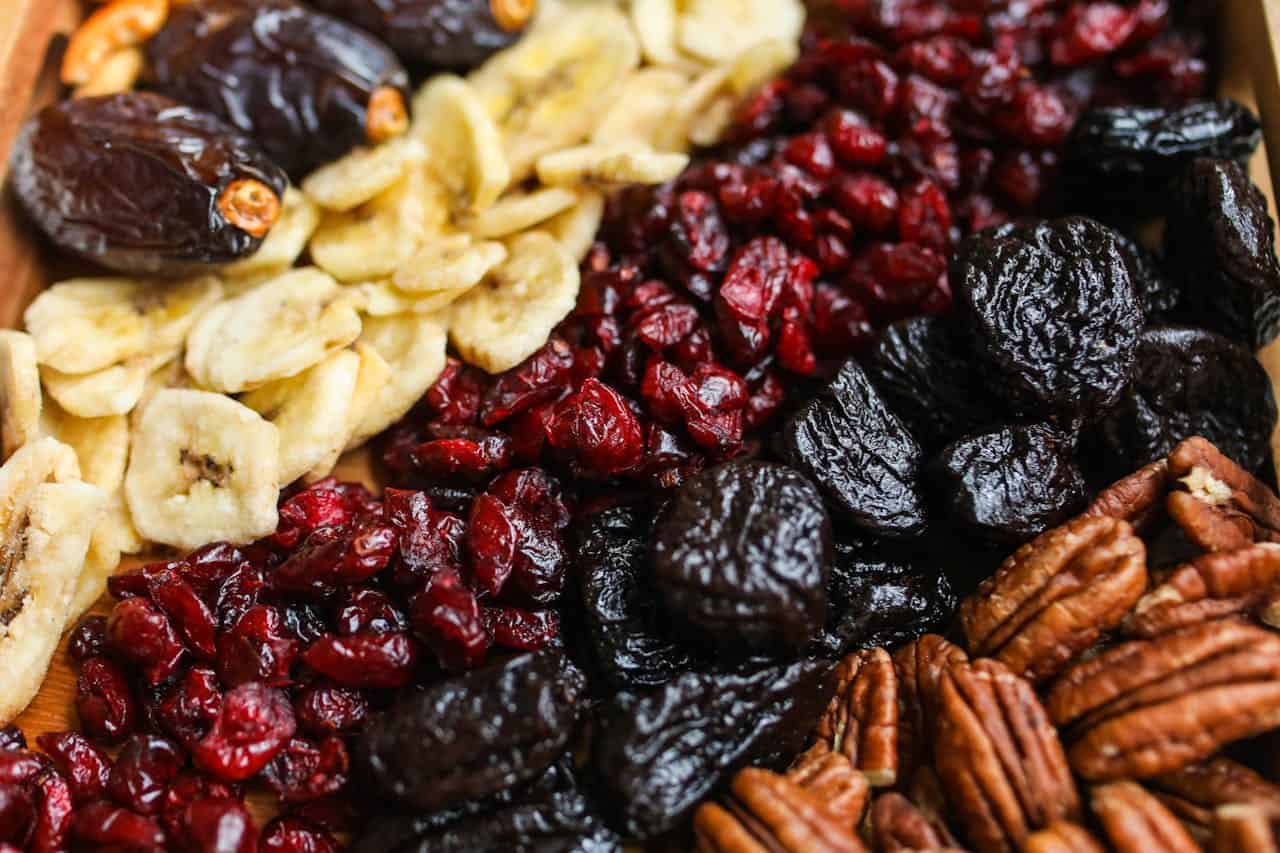
When you grab a bag of dried fruits, you might be surprised to learn that sulfites are often added. These additives help keep the fruits looking fresh and prevent browning.
In the U.S., sulfites are widely used in dried fruits. However, these preservatives can trigger allergic reactions in some individuals.
Many countries have banned sulfites in dried fruits due to health concerns. If you’re sensitive, it’s best to check labels carefully. You may want to look for options that don’t contain these additives.