Managing irrigation can feel straightforward, but many gardeners often make mistakes that affect their plants and waste water. Understanding how to properly water your garden helps keep plants healthy and saves you money over time.
This article will help you recognize common costly irrigation mistakes so you can avoid them in your own garden. With better watering habits, you’ll improve your garden’s growth while using resources more efficiently.
Advertisement
Overwatering your plants too frequently

If you water your plants too often, their roots can become waterlogged and start to rot. This stops them from taking in oxygen properly. You might notice yellowing leaves, wilting, or even a bad smell from the soil. It’s better to let the soil dry out slightly between waterings.
When you do water, soak the soil deeply to encourage strong root growth. This will help your plants stay healthy and avoid common watering problems.
Watering during the hottest part of the day
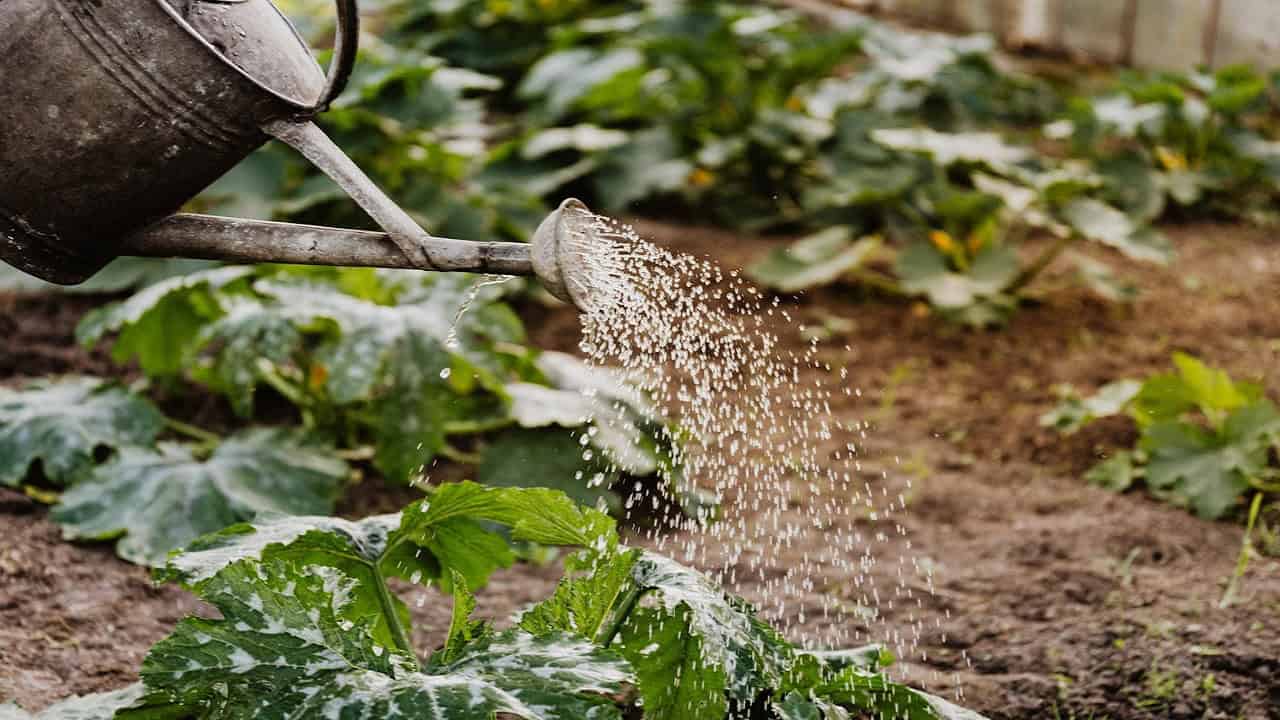
Watering when the sun is at its peak might seem natural, but it often leads to water loss through evaporation. You end up using more water without really helping your plants.
Early morning is your best bet. It gives your garden a good drink before the heat sets in.
If you do water midday, avoid soaking leaves to prevent burns. Focus on the soil instead.
Ignoring pressure issues in drip irrigation

You might overlook water pressure when setting up your drip irrigation. Too much pressure can cause fittings to pop off or drippers to squirt water instead of dripping.
If your water pressure is high, adding a pressure reducer helps protect your system. This simple step ensures even water flow and prevents damage to your irrigation lines. Checking pressure early saves you headaches later.
Not using filters to prevent clogging

If you skip using filters in your irrigation system, debris can easily clog your drip emitters or sprinkler nozzles. This reduces water flow and causes uneven watering.
Adding a filter helps keep particles out and protects your system. It’s a simple step that saves time on maintenance and prevents damage.
Regularly check and clean your filters to keep your irrigation running smoothly. This keeps water flowing where your plants need it most.
Watering foliage instead of roots
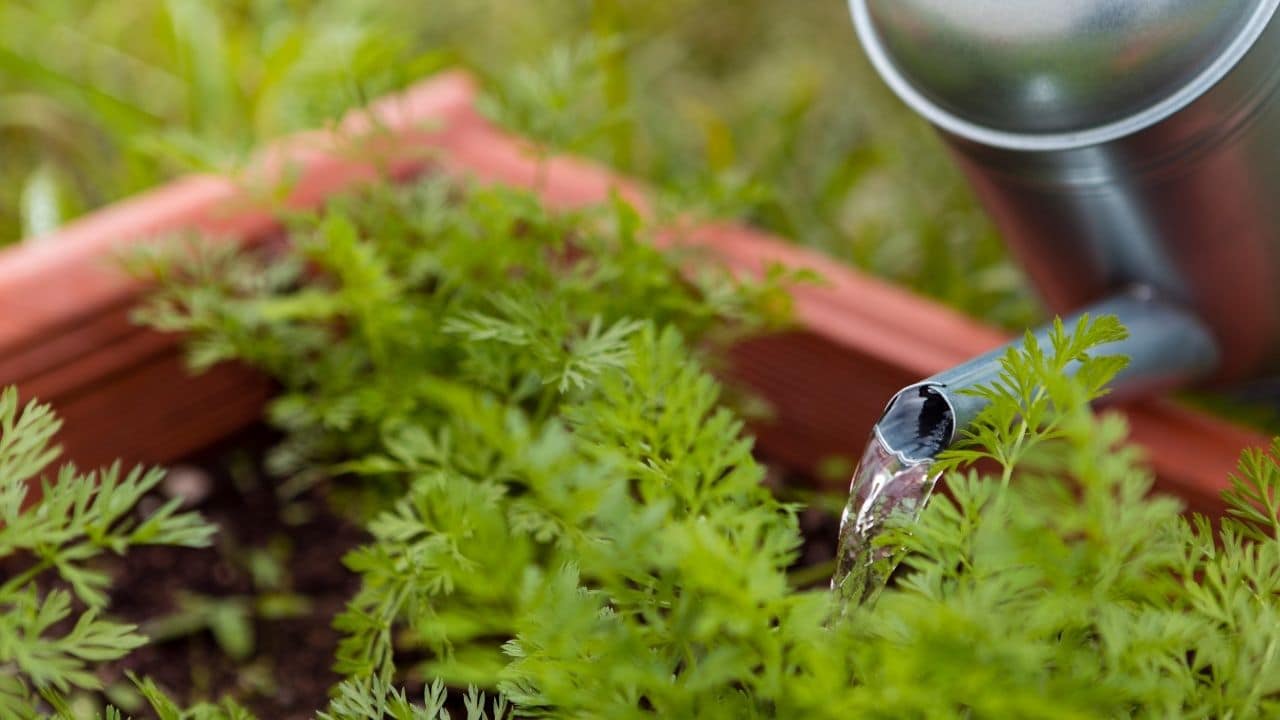
When you water the leaves instead of the roots, you risk encouraging fungal diseases. Wet foliage creates a moist environment where fungi can thrive.
Focus on delivering water directly to the base of your plants. This helps the roots absorb moisture efficiently and keeps leaves dry.
By watering the roots, you also reduce water waste. Your plants get the hydration they truly need without excess evaporation.
Failing to mulch around plants
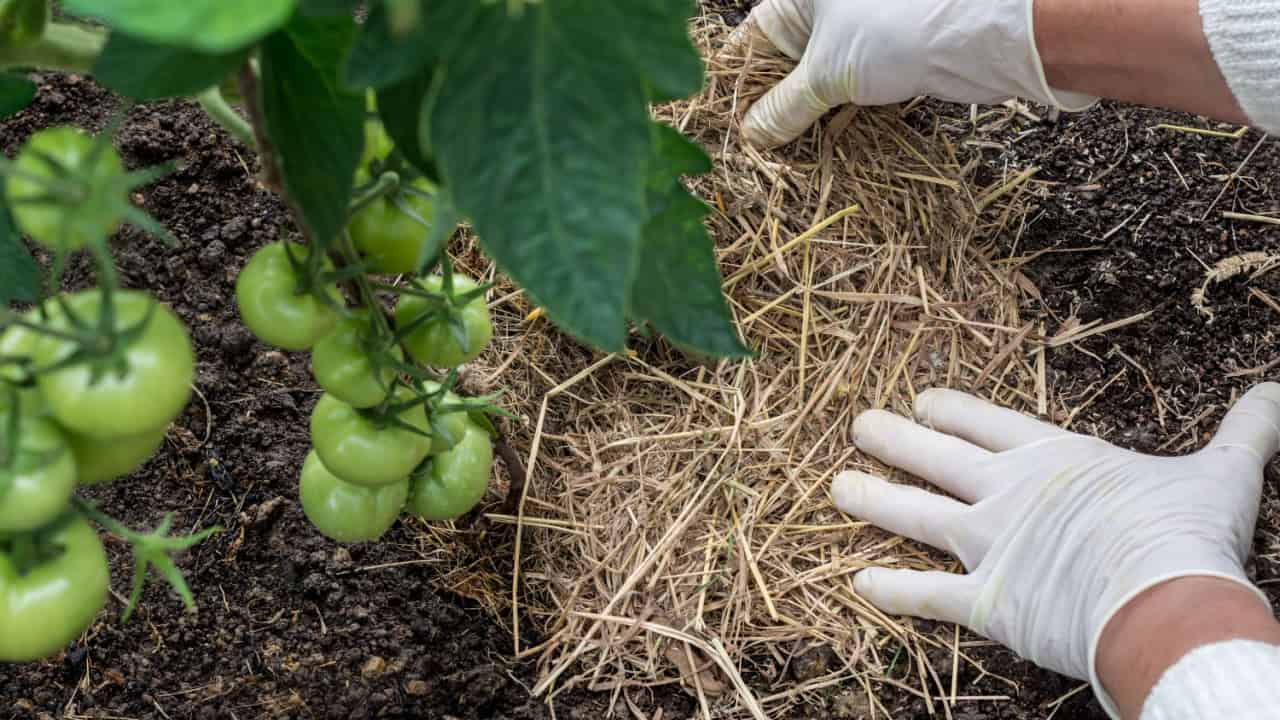
When you skip mulching, your soil can lose moisture quickly, making your plants work harder for water. This can lead to more frequent irrigation and stressed plants.
Mulch also helps regulate soil temperature and reduces weed growth, so your plants get the water they need without competition. Be careful not to pile mulch against stems, as this can cause rot and disease.
Planting too close together, causing competition
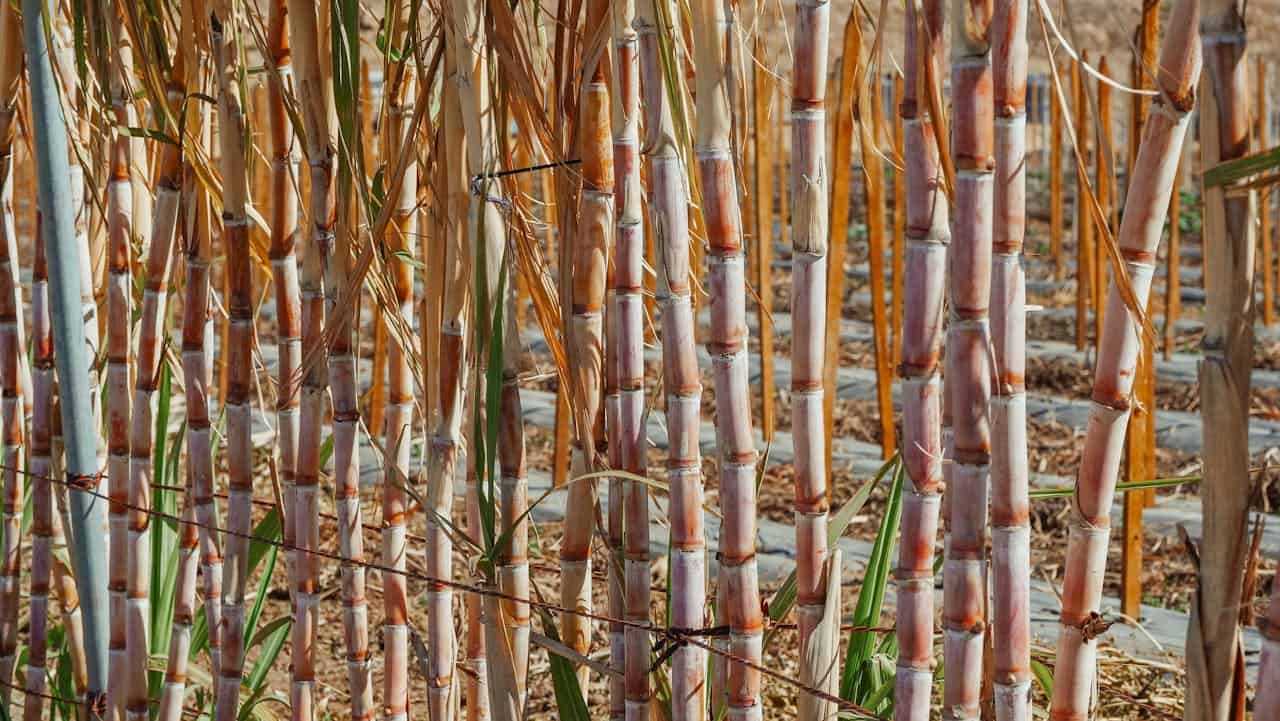
When you plant your garden too close, your plants have to compete for water, nutrients, and sunlight. This can weaken them and stunt their growth.
Crowded plants also make it harder for water to reach roots evenly, leading to some areas being too dry or too wet.
Give each plant enough space to grow healthy roots and leaves. This helps your irrigation work more efficiently and keeps your garden thriving.
Using irrigation systems not suited for your landscape

Choosing an irrigation system that doesn’t match your landscape can cause water waste and poor plant health. For example, a system designed for lawns may not work well for garden beds or shrubs.
You should consider your soil type, plant needs, and terrain before picking a system. A tailored setup helps deliver water efficiently and avoids unnecessary expenses.
Skipping routine equipment maintenance

If you skip regular maintenance, your irrigation system can develop leaks or blockages that reduce efficiency. Taking time to check valves, nozzles, and pipes helps you catch small issues before they become costly problems.
Routine maintenance also ensures your system uses water properly, avoiding waste and keeping your plants healthy. A quick seasonal check can save you money and stress in the long run.
Watering on a strict daily schedule rather than deep watering

If you water your garden every day but only soak the surface, your plants won’t develop strong roots.
Instead, focus on deep watering less frequently. This encourages roots to grow deeper and absorb more nutrients.
Daily light watering can waste water and lead to weaker plants. Your garden will benefit more from thorough watering sessions spaced out over several days.
Neglecting to use rainwater when available

You might miss out on a free and natural water source by not collecting rainwater. Using rain barrels or other systems can reduce your reliance on tap water.
Be mindful of the size of your storage—too small tanks fill quickly and waste water. Also, consider your local rainfall; some areas get plenty, making rainwater a reliable option for irrigation.
Poorly planned PVC layouts increasing costs
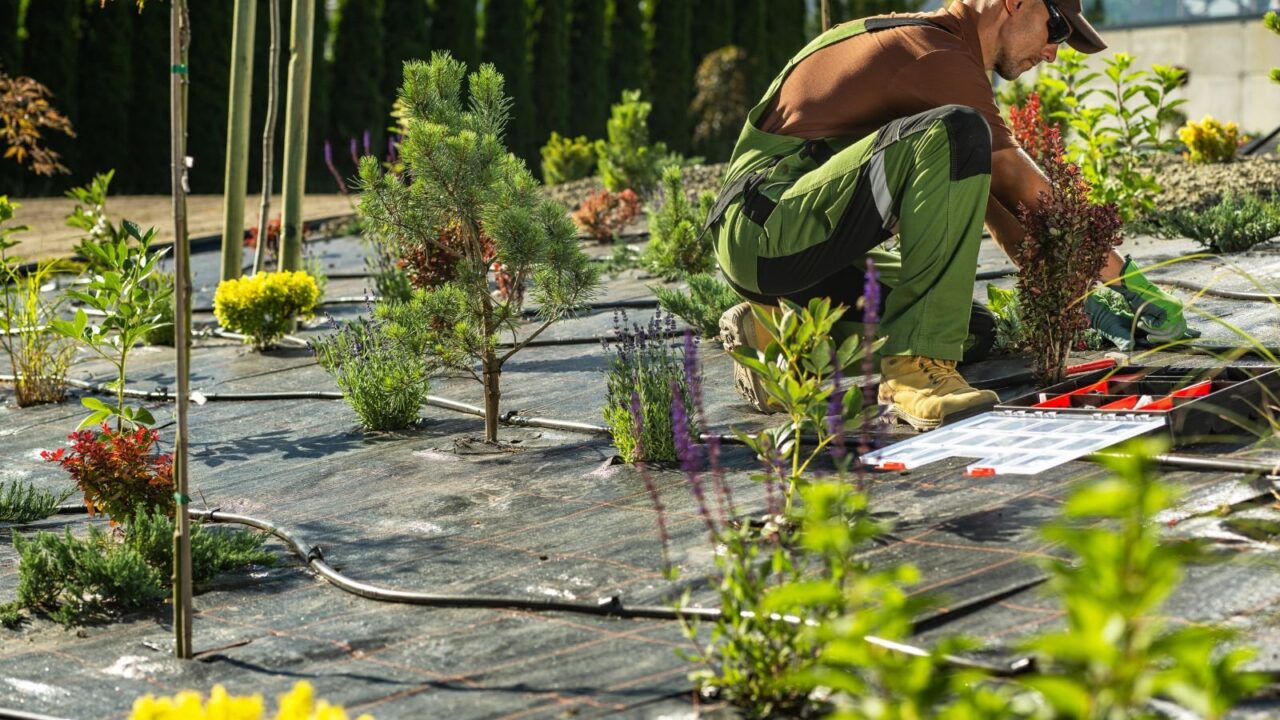
If you don’t plan your PVC layout carefully, you might end up using more pipe and fittings than necessary. This adds to your material costs and can make installation more complicated.
You also risk uneven water distribution if lines are too long or poorly positioned. This can lead to wasted water and extra expenses over time.
Take time to map your garden and measure distances before buying supplies. A simple layout can save you money and hassle.
Ignoring flow rate adjustments in drip systems
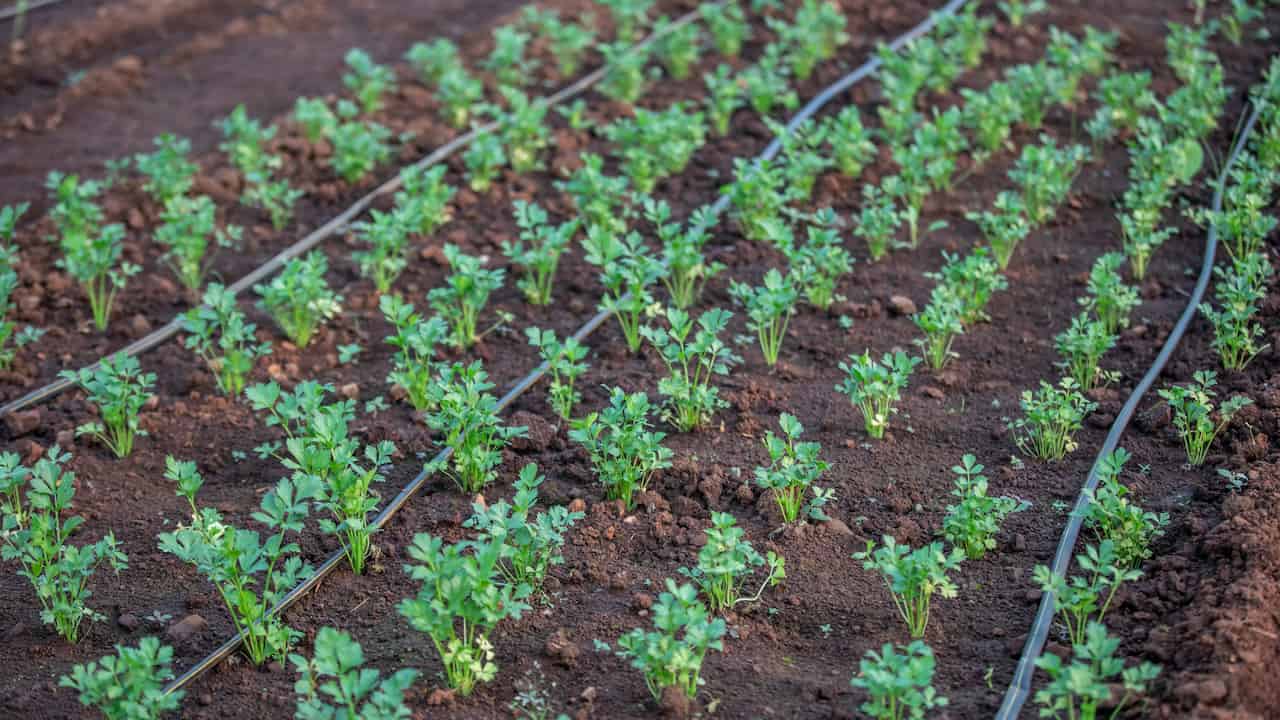
If you don’t adjust the flow rate in your drip system, your plants might get too much or too little water. This can stress them and reduce growth.
Your plants have different watering needs, so matching the flow rate ensures each one gets the right amount. Check your system regularly and tweak the flow based on weather and plant type.
Skipping these adjustments can waste water and harm plant health. Taking time to adjust flow rates helps keep your garden healthy and efficient.
Wasting water due to faulty irrigation equipment
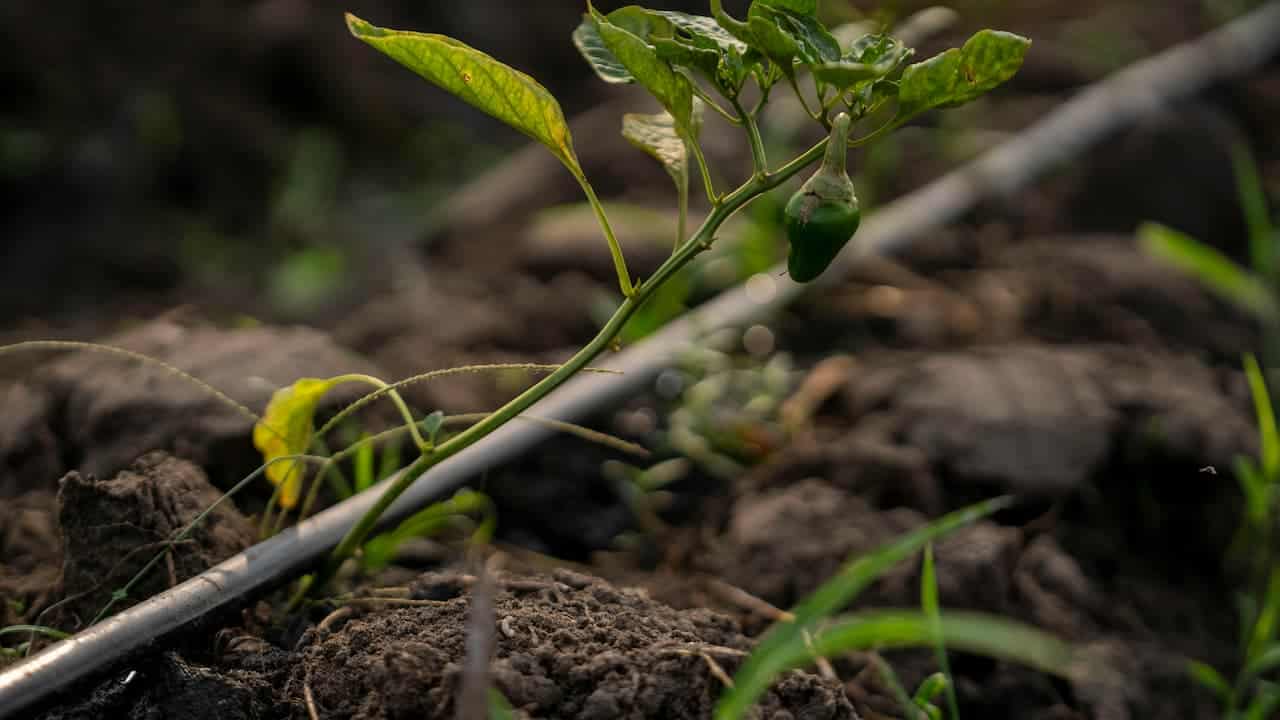
If your irrigation equipment is broken or leaking, it can waste a lot of water without you realizing it. You might notice uneven watering or soggy spots in your garden.
Regularly check for damaged sprinklers, cracked pipes, or clogged emitters. These issues reduce efficiency and increase your water bills.
Fixing or replacing faulty parts quickly helps save water and keeps your garden healthy. Paying attention to pressure levels also prevents unnecessary water loss.
Watering too shallowly and often
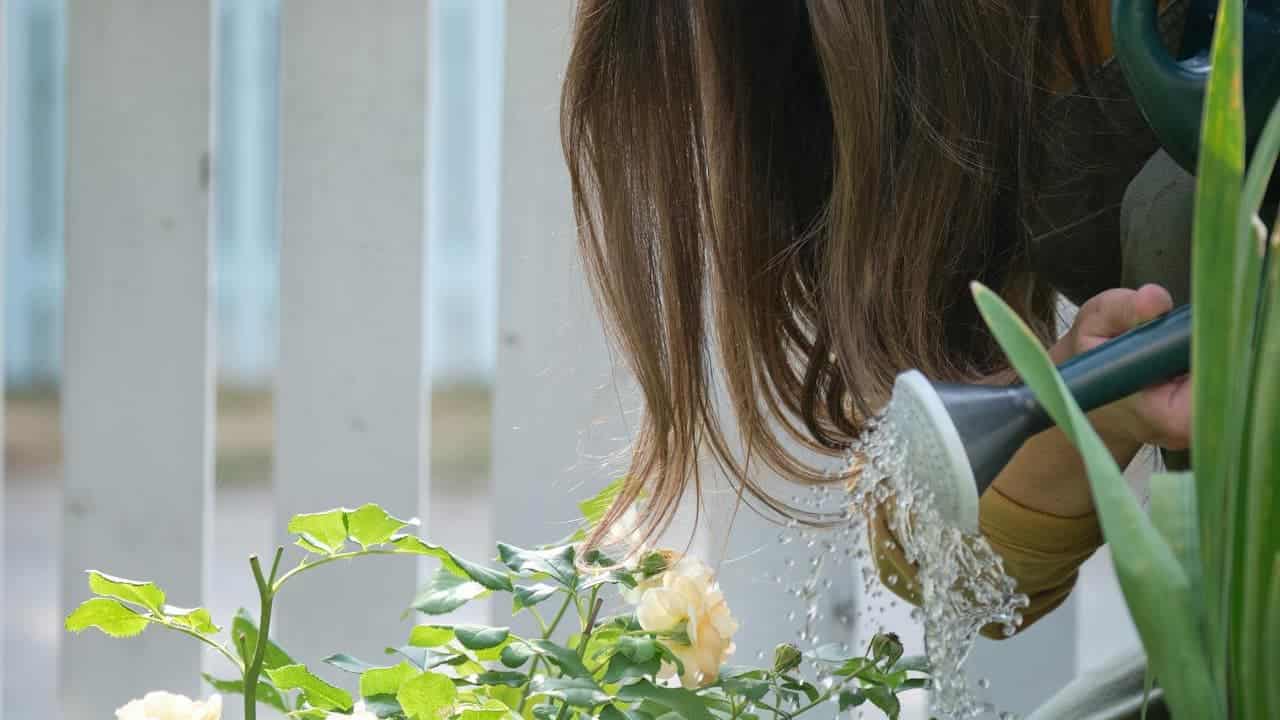
When you water shallowly, only the top layer of soil gets moist. This encourages roots to stay near the surface, making your plants less stable and drought-prone.
Watering too often prevents roots from growing deeper. Instead, let the soil dry out a bit between waterings to promote strong root growth.
Give your plants a good soak less frequently. This helps water reach deeper roots where it’s needed most.