Companion planting is a simple way to help your garden grow better by pairing plants that support each other. When done right, it can improve growth, reduce pests, and even boost flavor.
The key is to find plant combinations that actually work well together, making your gardening efforts more successful and enjoyable.
Advertisement
Tomatoes and basil

If you plant tomatoes and basil together, you’ll often hear it helps with pest control and flavor. Basil can help mask tomato scent, which might reduce some insects.
They also grow well side by side since neither competes heavily for space or nutrients. Just remember, some say companion planting benefits here are mild, so don’t expect miracles.
Cucumbers and climbing nasturtiums
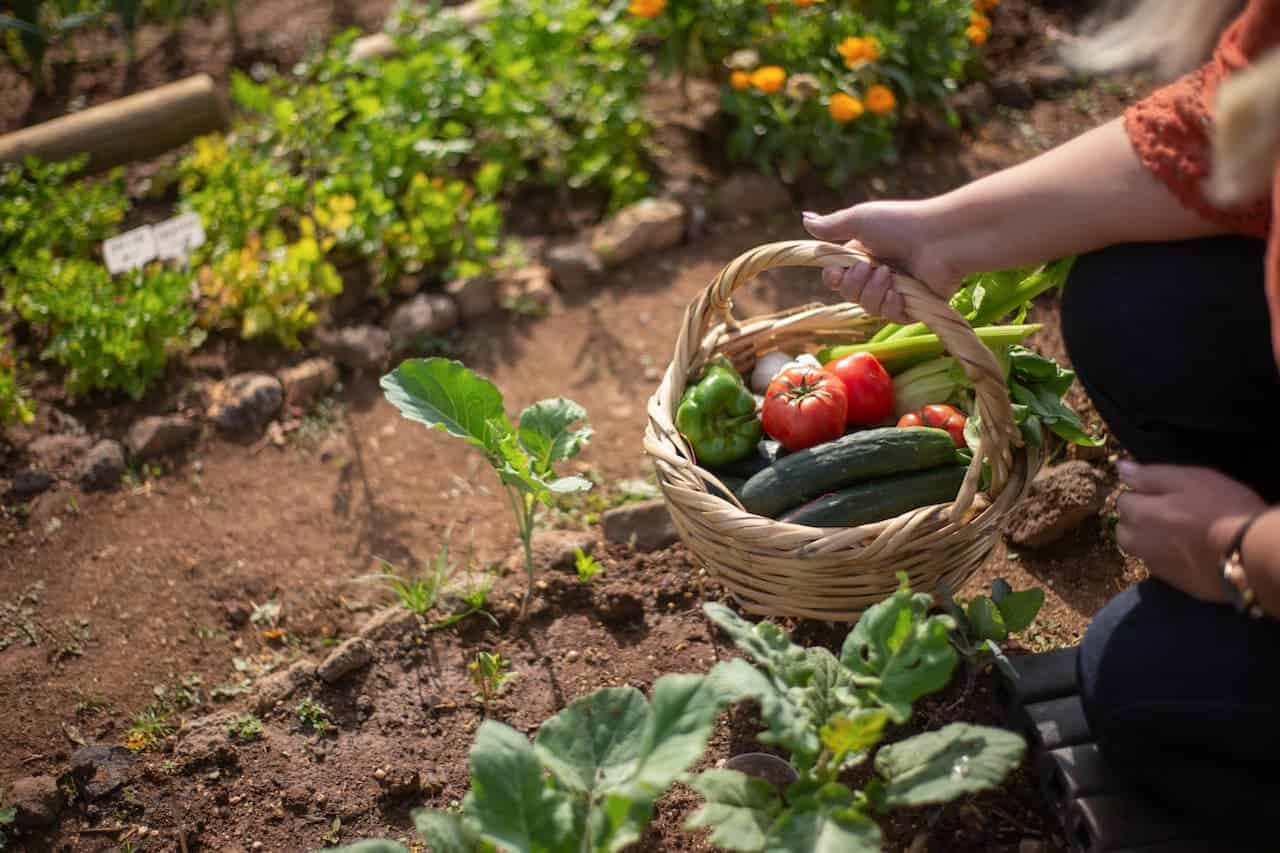
You can grow cucumbers and climbing nasturtiums together on the same trellis. The nasturtiums add a splash of color and help attract aphids away from your cucumbers. This combo also saves space by using vertical growth.
While some say nasturtiums improve cucumber flavor, the main benefit is their ability to draw pests to themselves instead of your crops.
Carrots and leeks
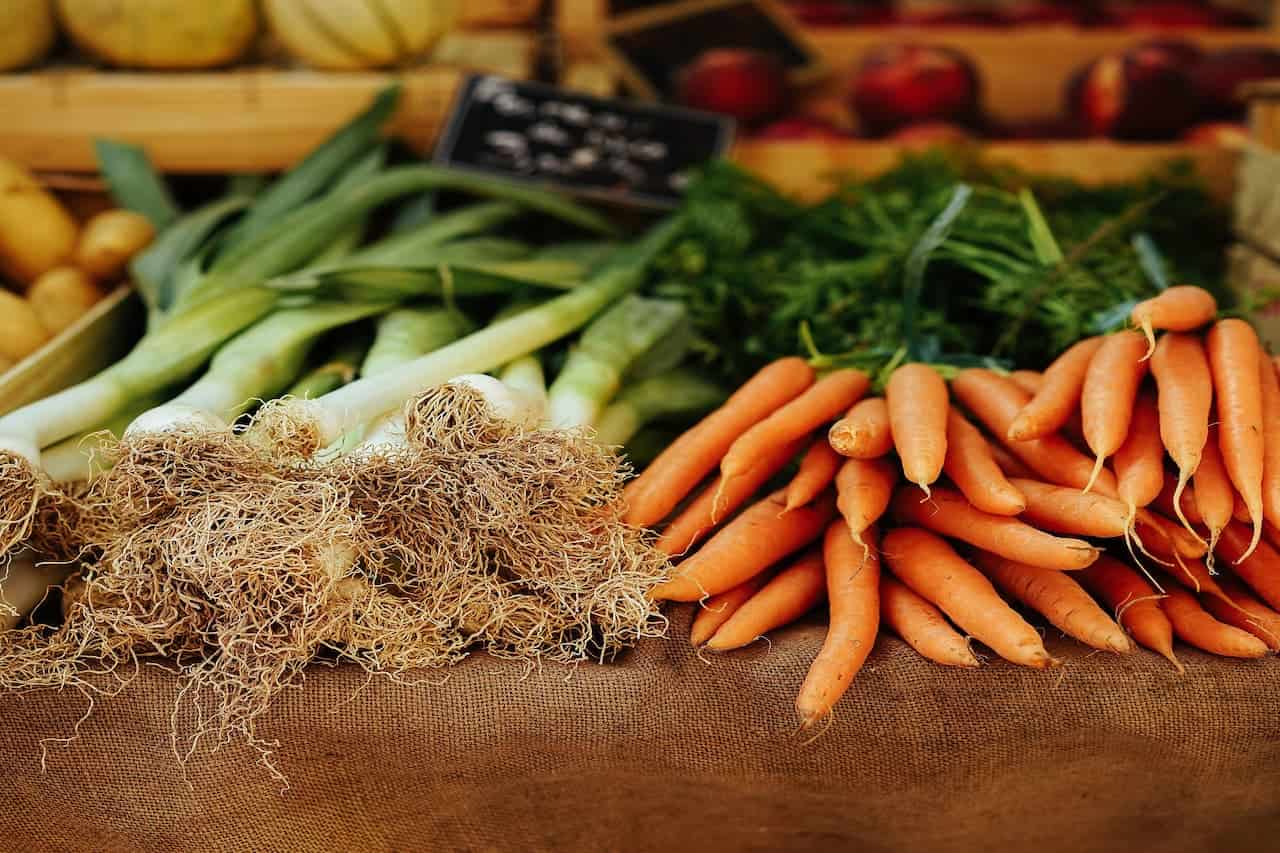
When you plant carrots and leeks together, they help each other stay healthy. Leeks can deter carrot flies, which are pests that like to attack carrots.
This combo also works well because they don’t compete for the same nutrients in the soil. You get better growth and fewer pests when you grow your carrots next to leeks.
Brussels sprouts and nasturtiums
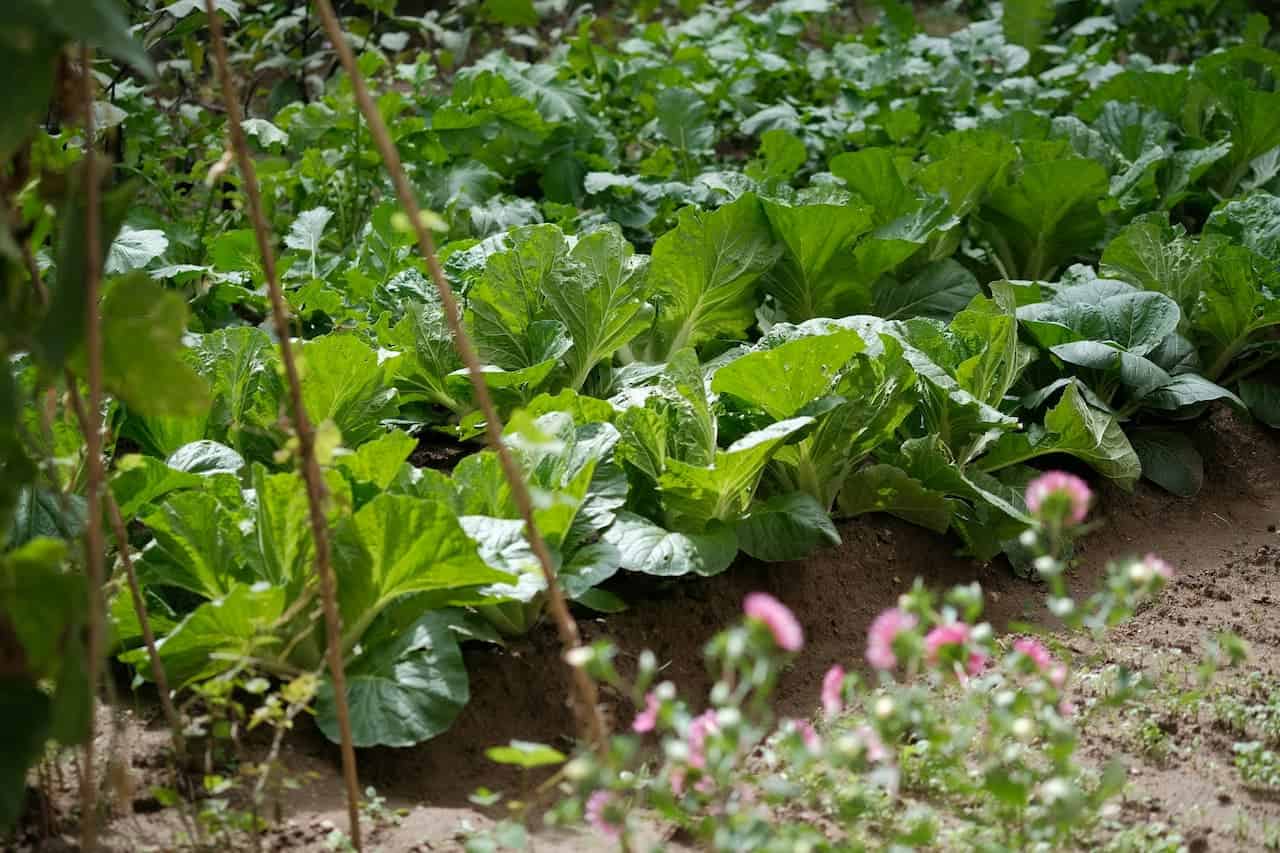
If you plant nasturtiums near your Brussels sprouts, you’ll help keep pests like aphids and whiteflies away. Nasturtiums act as a natural pest deterrent without harmful chemicals.
They also add a splash of color and can shade the soil, which helps control weeds around your sprouts. This combo is simple but effective for a healthier garden.
Dill and basil with tomatoes
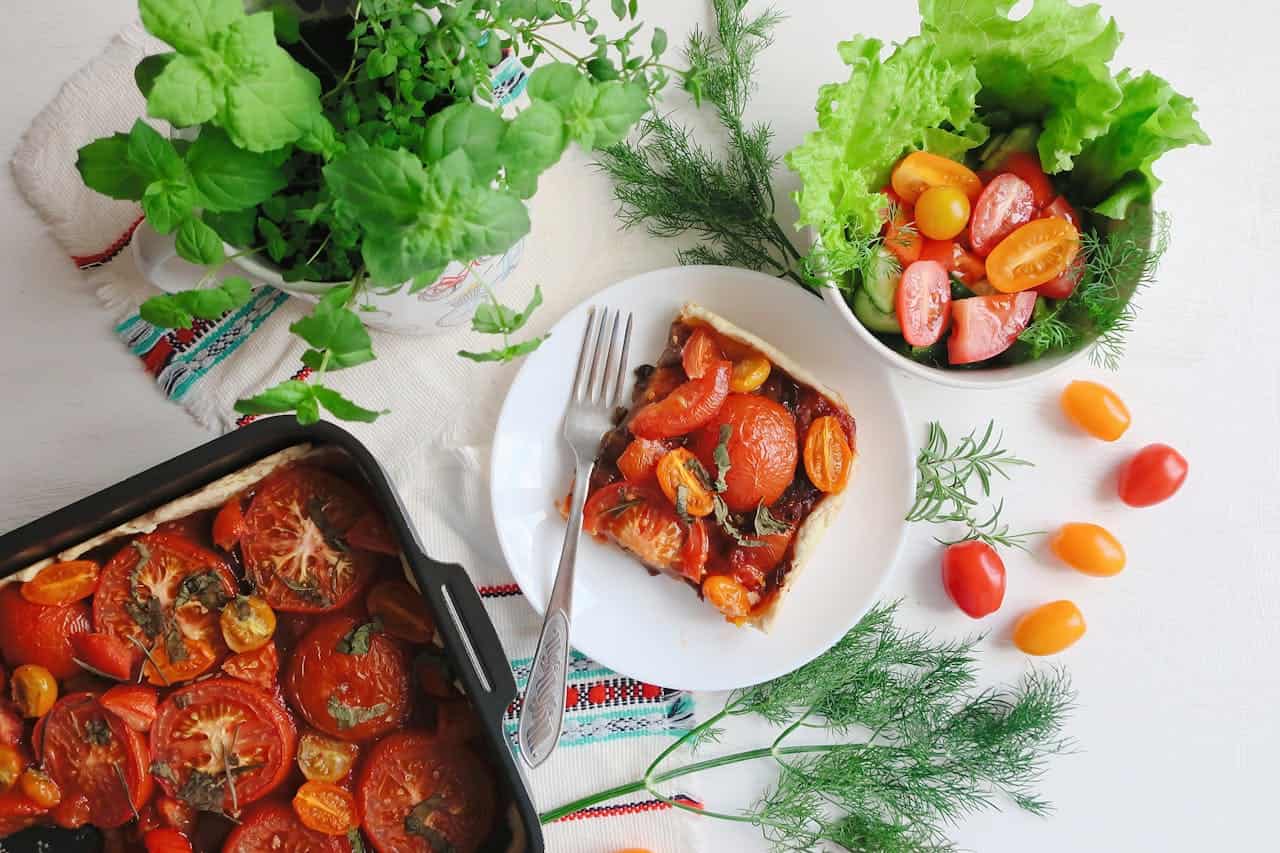
You can plant basil near your tomatoes to help keep pests away. Basil is also said to improve tomato health by attracting beneficial insects.
Dill, on the other hand, doesn’t pair well with carrots but isn’t harmful to tomatoes. Be careful not to crowd your tomatoes with dill, as dill can grow tall and shade them. For best results, keep basil close and dill a little further away.
Napa cabbage with cilantro
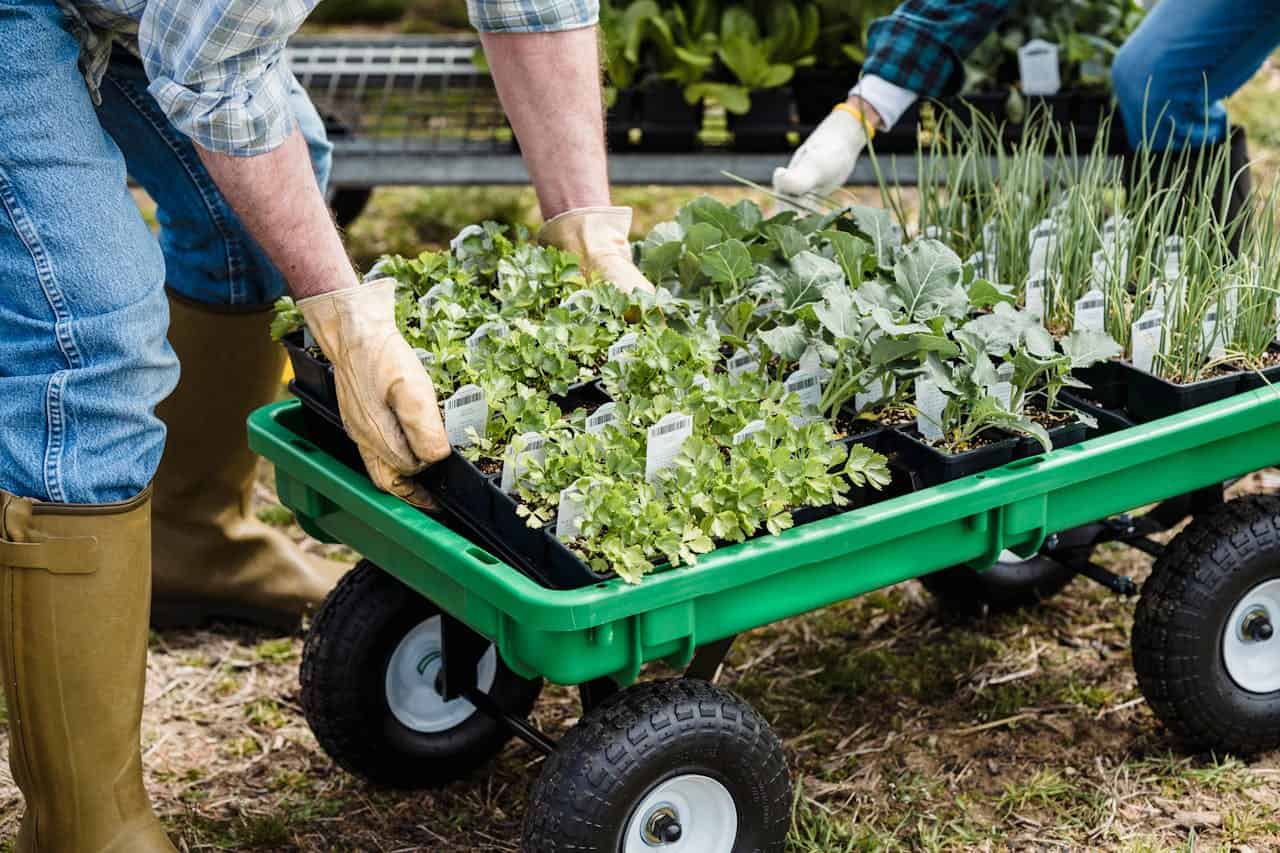
When you grow napa cabbage alongside cilantro, you create a nice balance in your garden. Cilantro can help repel pests that might bother your cabbage.
Both plants like cooler growing conditions, so they fit well in the same space. Plus, cilantro adds some fresh flavor for your meals right next to your cabbage. This combo is simple and effective for a cool-season garden.
Onions with chamomile
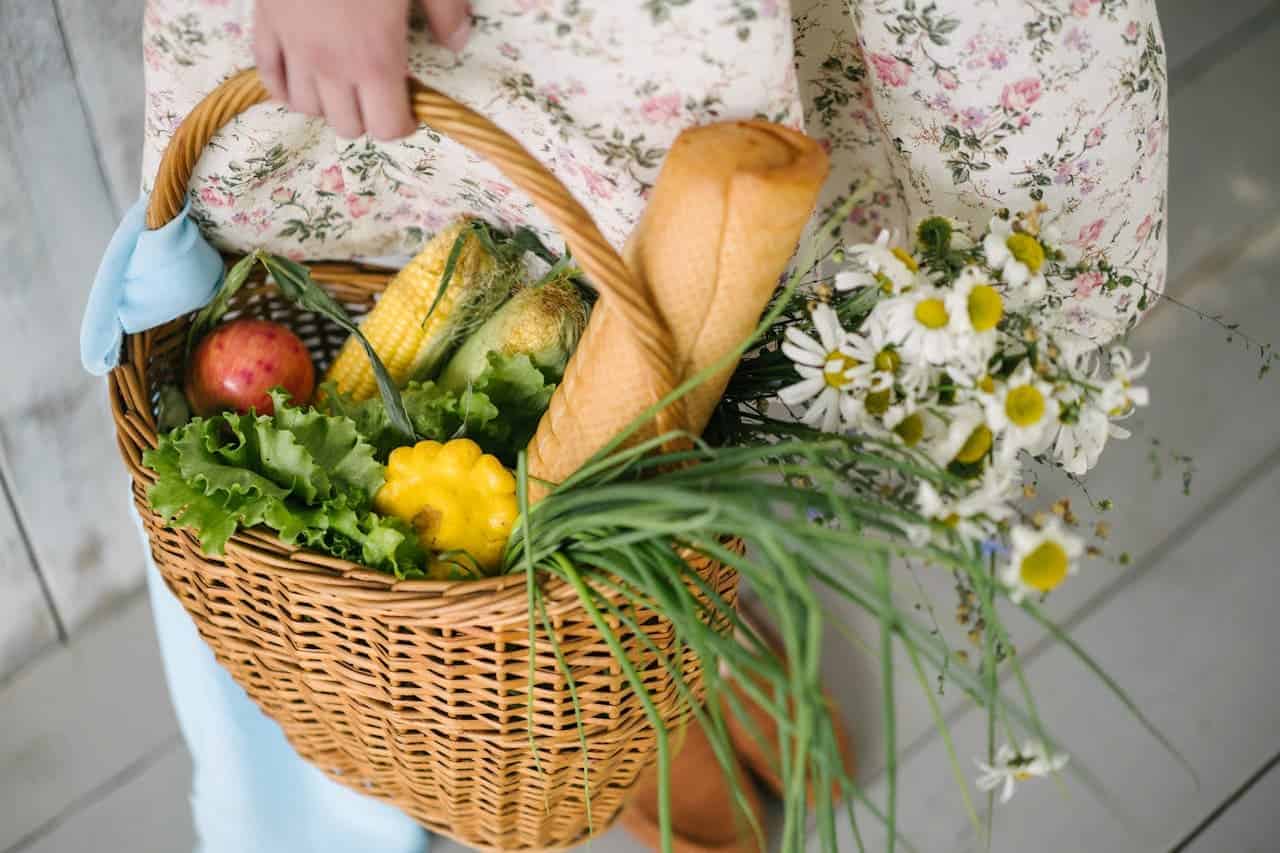
If you plant chamomile near your onions, you can actually improve the flavor of your onions. Chamomile has antibacterial and antifungal properties, which can help keep your garden healthier.
It’s a simple combo that benefits both plants without much effort. Plus, chamomile adds a nice scent to your garden while helping your onions grow stronger.
Marigold with tomatoes
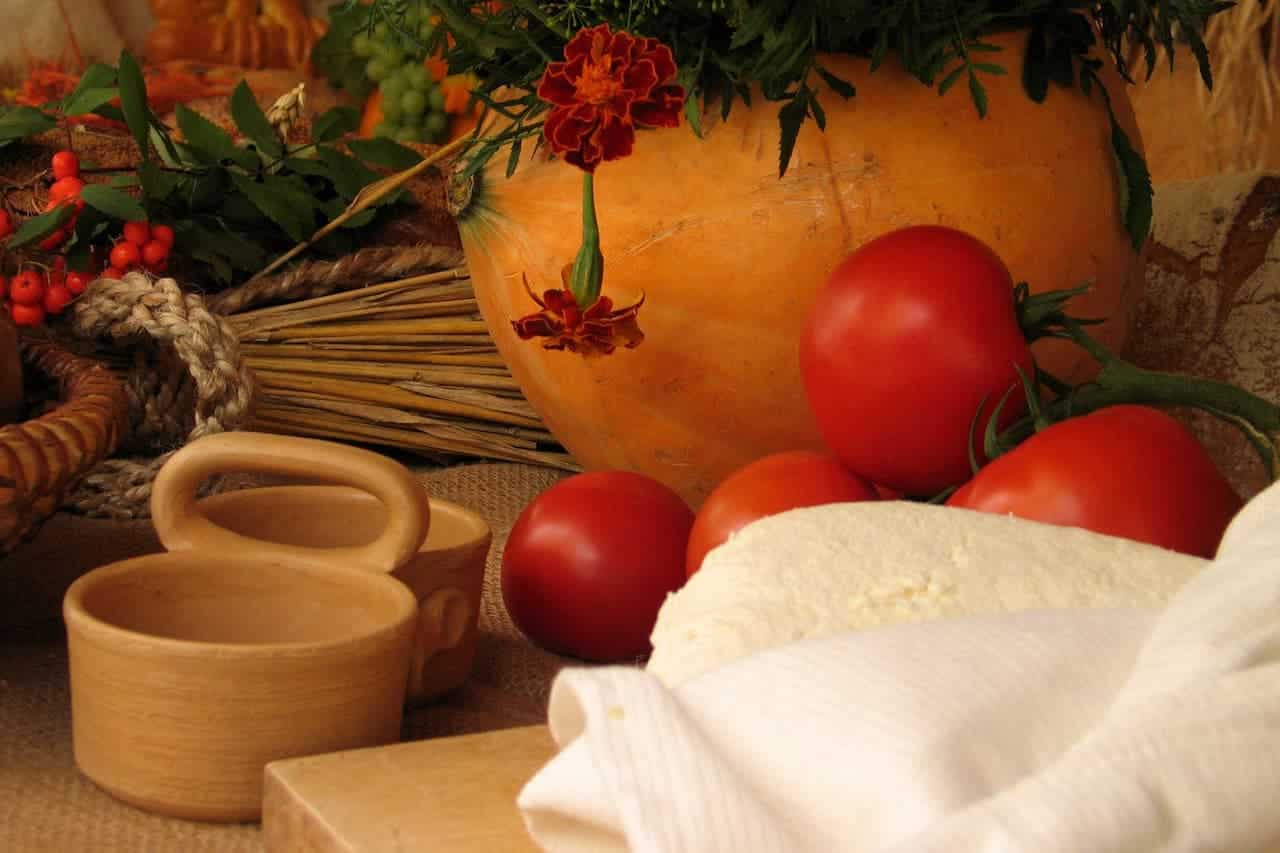
You can plant marigolds near your tomatoes to help keep harmful root-knot nematodes away from the soil around their roots. This can protect your tomato plants from some underground pests.
Some gardeners say marigolds also help repel tomato hornworms, which can damage your tomatoes. Just be aware, some people report marigolds may attract spider mites, so keep an eye on your plants.
Radishes and dill with cucumbers

You’ll find radishes are great next to cucumbers because they help keep pests like cucumber beetles away. They act as a natural shield without needing chemicals.
Dill is another solid choice. It attracts good insects like ladybugs and wasps that prey on pests bothering your cucumbers. Planting both radishes and dill near your cucumbers can improve growth and pest control naturally.
Beans and nasturtiums
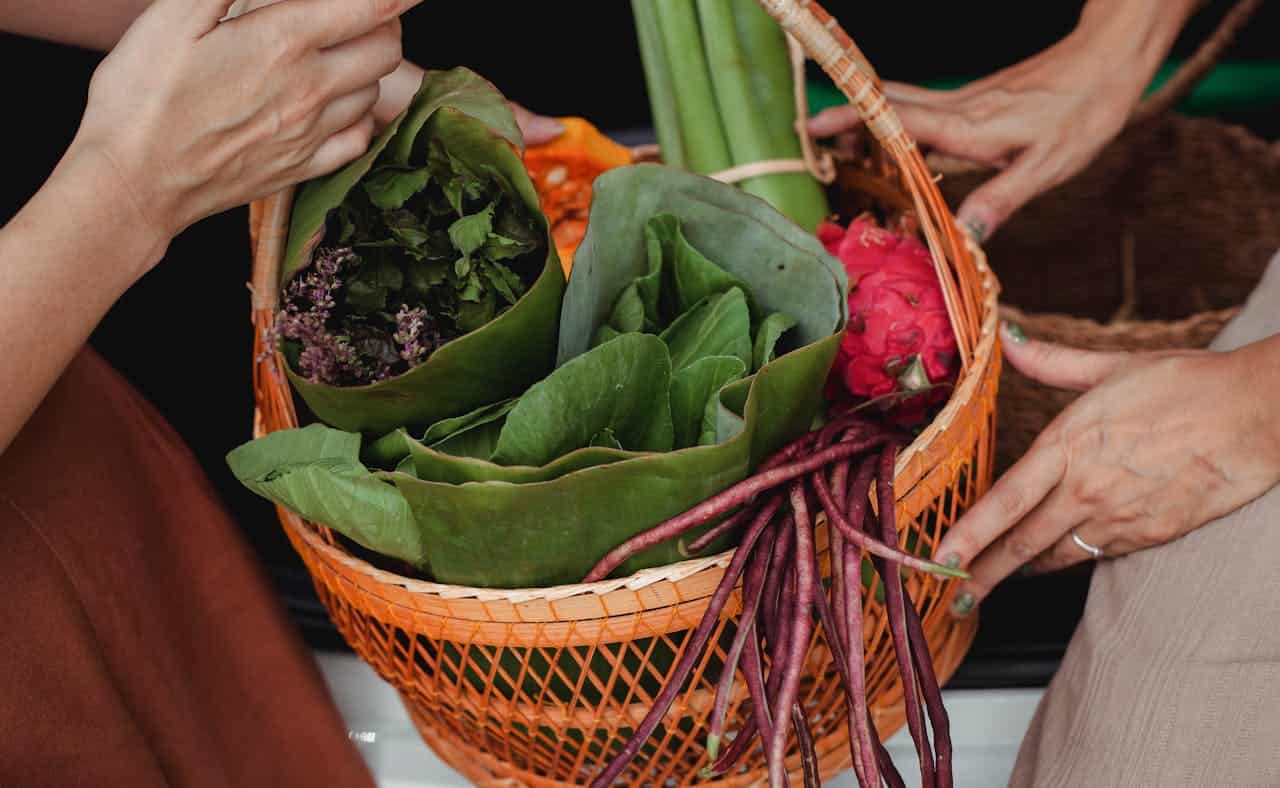
You can plant beans and nasturtiums together for a simple, effective combo. Nasturtiums attract pests like aphids away from your beans, acting as a natural pest trap.
They also add some color to your garden, which makes things more fun while you work. Plus, nasturtiums’ bushy growth provides some shade to the soil, helping keep moisture around your bean plants. This pairing works well in small spaces, especially if you let nasturtiums climb nearby.
Carrots and chives

You can plant chives alongside your carrots to help keep carrot flies away. Chives also improve the flavor of your carrots, making them a simple, natural companion. Plus, they’re easy to grow and don’t take up much space in your garden.
This combo is popular because it benefits both plants without causing competition. Your carrots get protection, and the chives thrive nearby.
Tomatoes and parsley
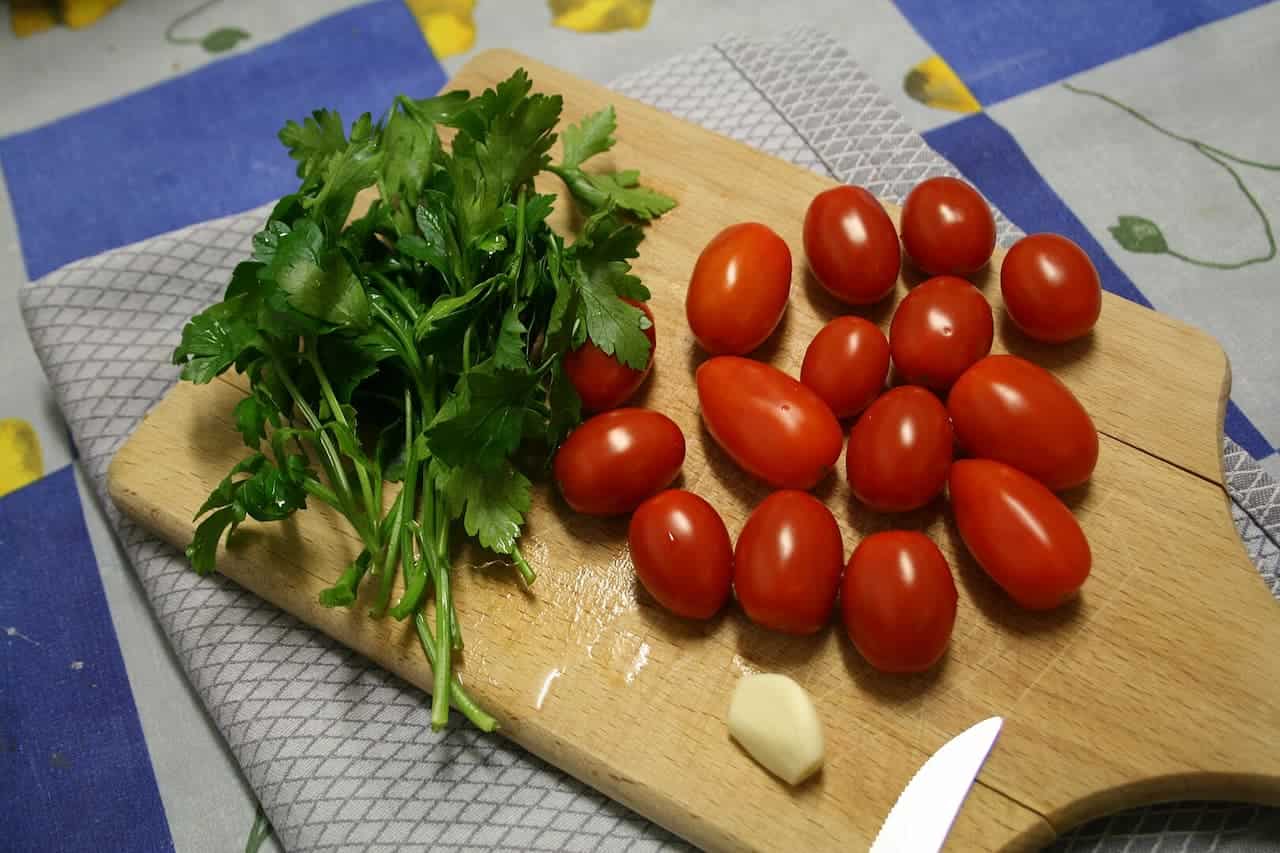
If you plant parsley near your tomatoes, it can help attract beneficial insects that protect your plants. The scent of parsley may also boost tomato health a bit.
You can let parsley flower to attract even more helpful pollinators. This combo is simple and works well in most organic gardens.
Cucumbers and beans
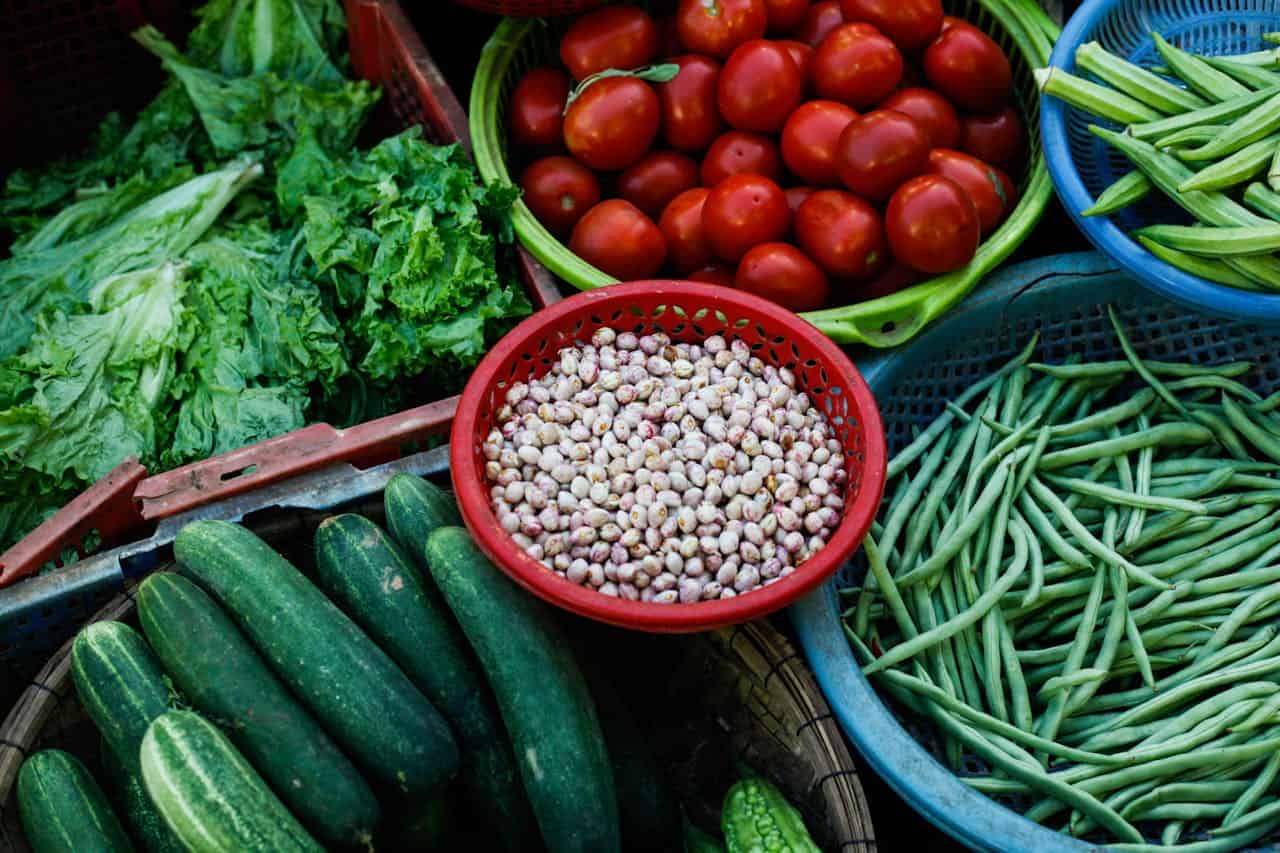
You can plant cucumbers and beans together to help improve your soil. Beans fix nitrogen, which benefits cucumber growth without extra fertilizer.
This combo also maximizes space since cucumbers vine while beans can climb poles nearby. It’s a simple way to get more from your garden. Pick climbing beans to grow alongside cucumbers for ease.
Kale and dwarf French beans
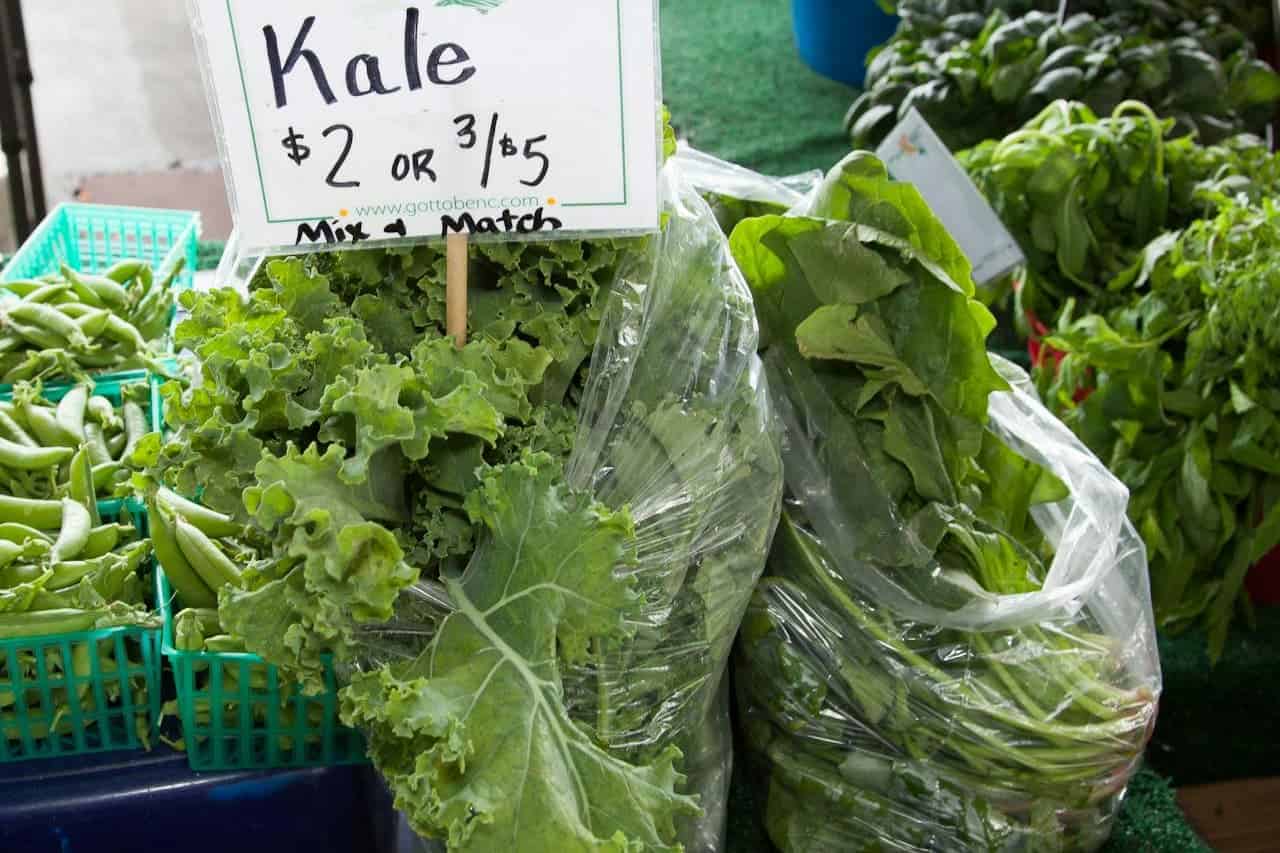
You can boost your kale’s growth by planting it near dwarf French beans. Beans fix nitrogen in the soil, which helps kale get the nutrients it needs.
This combo also saves space in your garden, giving you more room for other plants. Plus, beans can help reduce pests that might bother your kale.
Tomatoes and chives
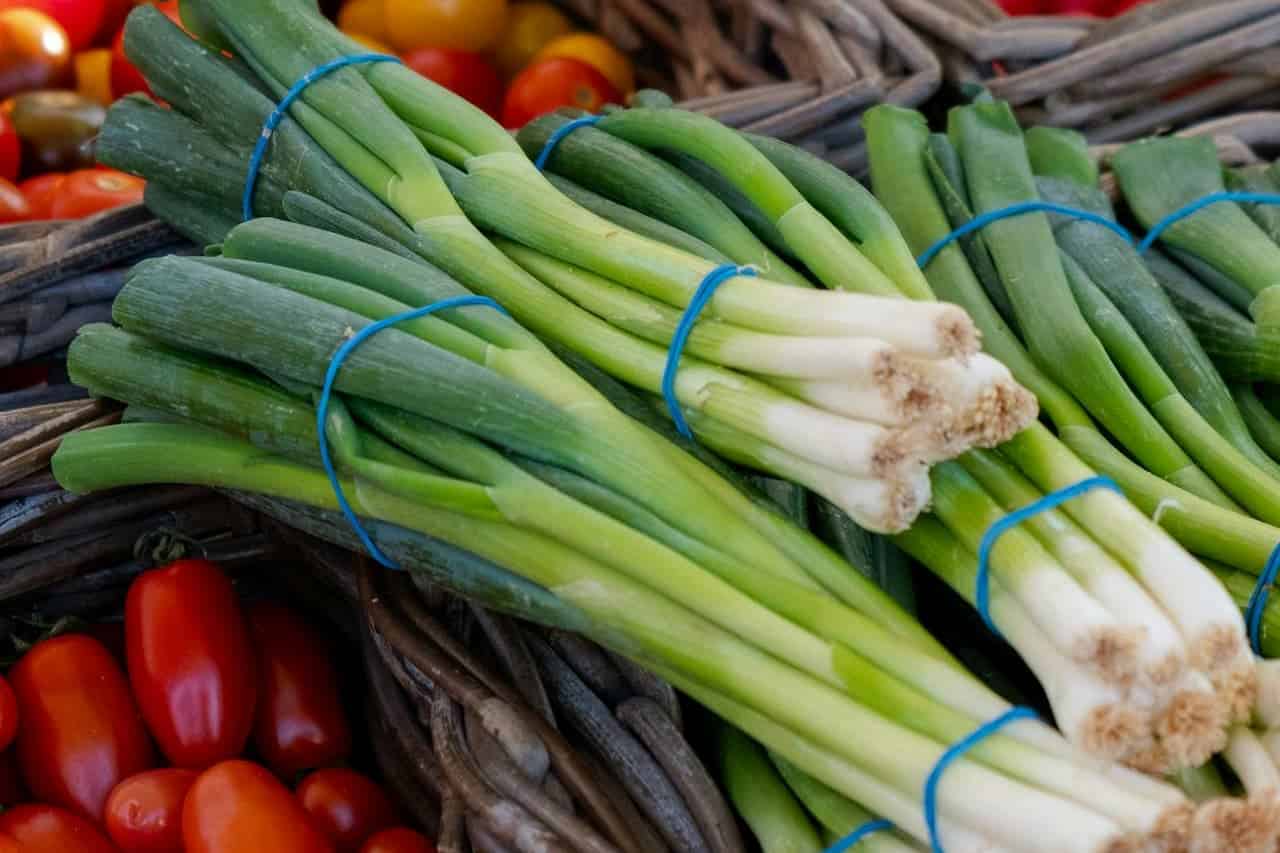
Pairing tomatoes with chives is a smart move for your garden. Chives help repel harmful insects that might otherwise feast on your tomato plants.
You don’t need much space between them; chives only require about 5 inches of room. This makes them great for filling gaps around your tomato plants without overcrowding. Plus, chives can improve the flavor of your tomatoes a bit. It’s a simple combo that works well for both plant health and taste.