Weeds are one of the biggest challenges for anyone trying to keep a healthy garden or yard. They can spread quickly and even harm the plants you actually want to grow. Knowing which common weeds to watch out for can save you time and effort in keeping your outdoor space looking its best.
Some weeds might seem harmless at first, but ignoring them can lead to bigger problems later. You’ll want to learn how to spot these common troublemakers early, so you can deal with them before they take over your garden or lawn.
Advertisement
Bindweed (Convolvulus arvensis)

Bindweed is a tricky weed to deal with in your garden or lawn. It has long underground roots that can spread far, making it hard to get rid of.
You’ll notice its funnel-shaped flowers, which look pretty, but don’t be fooled. If you want to control bindweed, you’ll need to pull out new growth often and be patient.
Crabgrass
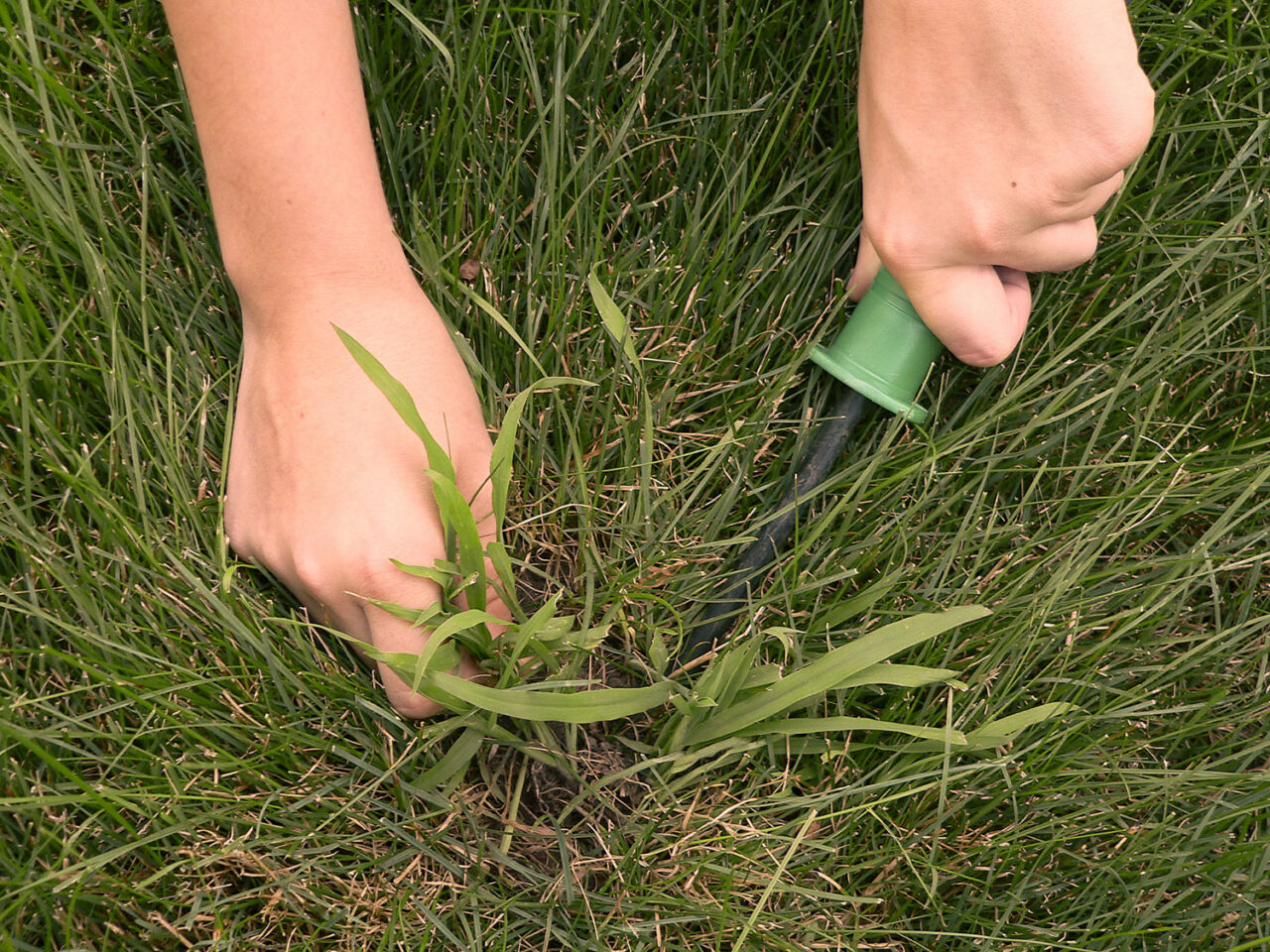
Crabgrass is a tough weed that grows fast in your lawn. It spreads by seeds and roots, making it hard to control.
You’ll often see it popping up early in the season. It dies in frost but leaves bare spots that can invite other weeds.
If you want to get rid of crabgrass, products with quinclorac work best. Keep an eye on it before it takes over your yard.
Bermuda grass

Bermuda grass spreads fast and can take over your lawn if you’re not careful. It grows low and forms thick mats that crowd out other plants.
If you want to keep it under control, you’ll need to mow often and use proper lawn care. Ignoring Bermuda grass can lead to a tough weed problem later on.
Quack grass

If you spot quack grass in your yard, don’t ignore it. It spreads fast through underground roots.
Quack grass is tough to get rid of once it takes hold. You need to act quickly before it spreads more.
If you wait too long, it will be harder to remove and can take over your lawn or garden beds.
Johnson grass
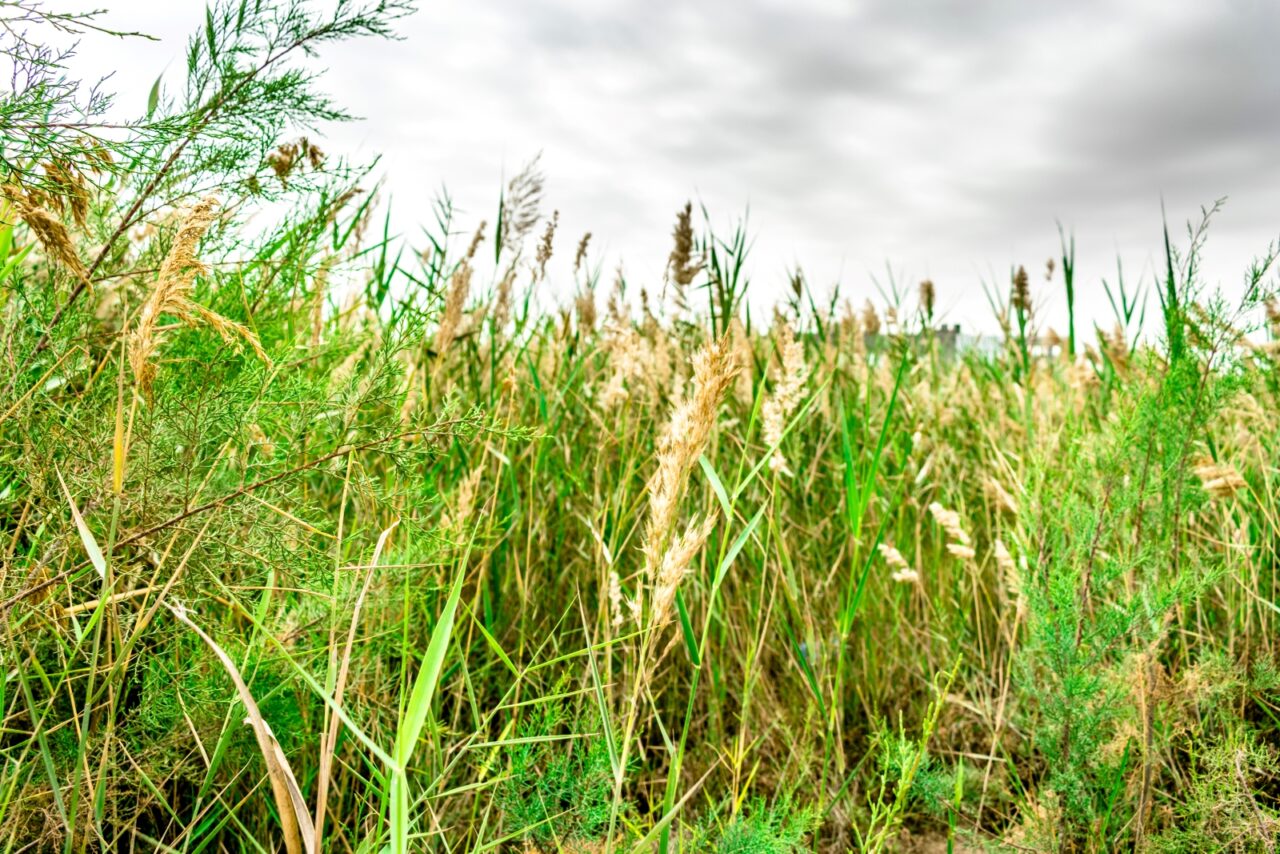
Johnson grass is a tough weed that spreads quickly in lawns and gardens. You’ll notice it by its tall, wide leaves and dense seed heads.
It grows fast and can take over your yard if you don’t manage it. This weed can also compete with your plants for water and nutrients.
To control Johnson grass, you need to pull it up early or use targeted weed killers. Don’t ignore it, or it will keep coming back.
Hedge bindweed
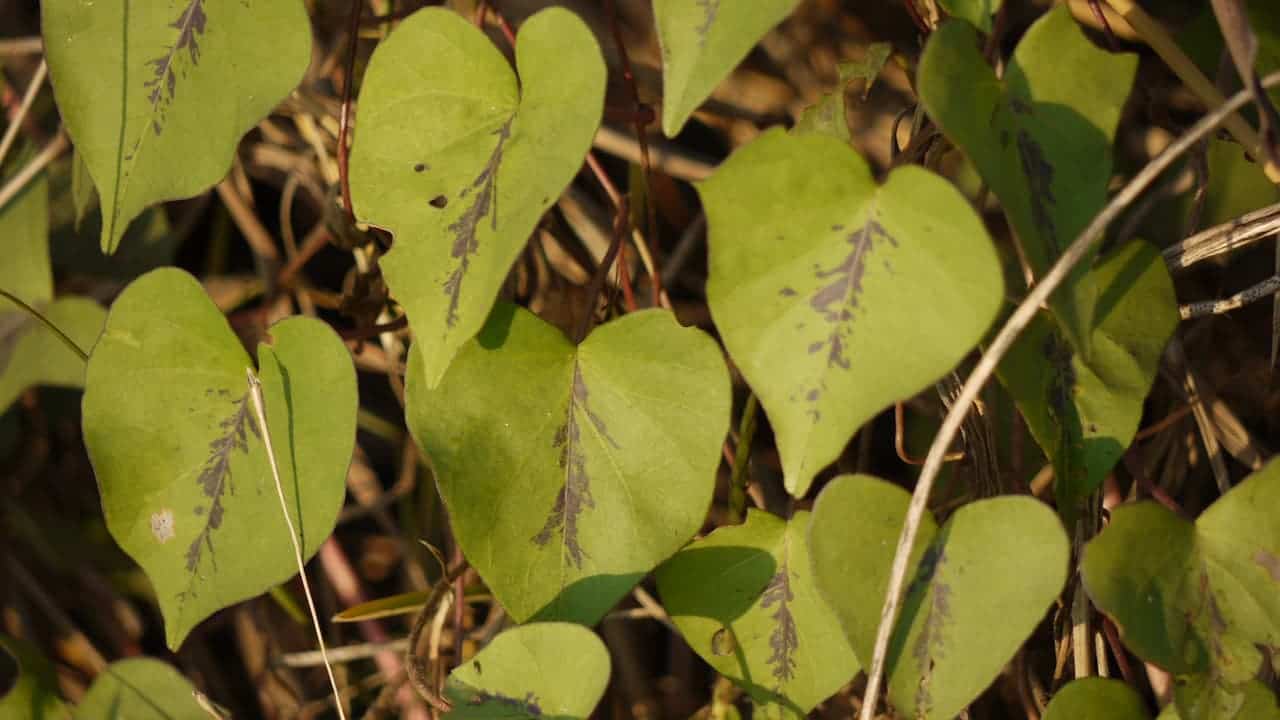
Hedge bindweed looks pretty with its white or pink flowers, but it’s a real pain to deal with. It grows fast and can pull down smaller plants or even young trees.
Its roots spread underground and are hard to remove because they break easily when you try to dig them out. This weed can stick around for years if you don’t control it well.
Himalayan blackberry
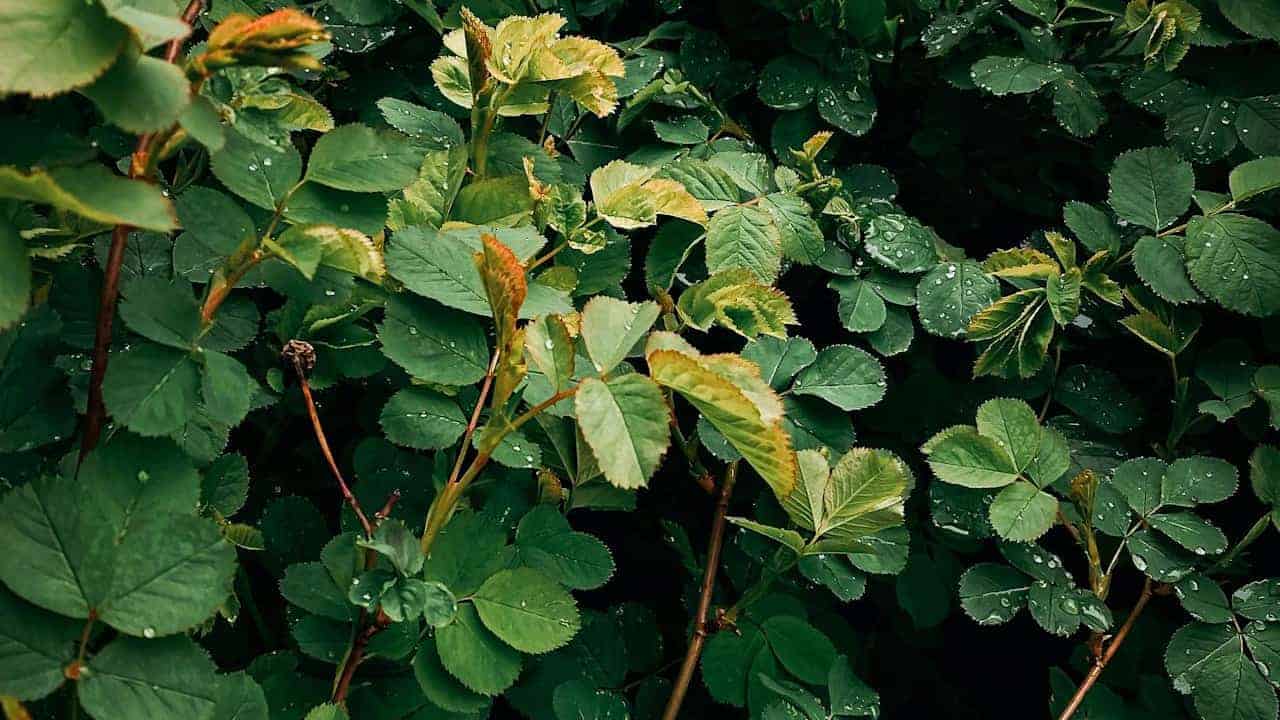
If you spot Himalayan blackberry in your yard, it’s not one to ignore. It spreads fast and can take over other plants.
You might find it blocking paths or making it hard for animals to move through. While it’s common and not always required to be removed, keeping it under control helps your garden stay healthy.
English ivy
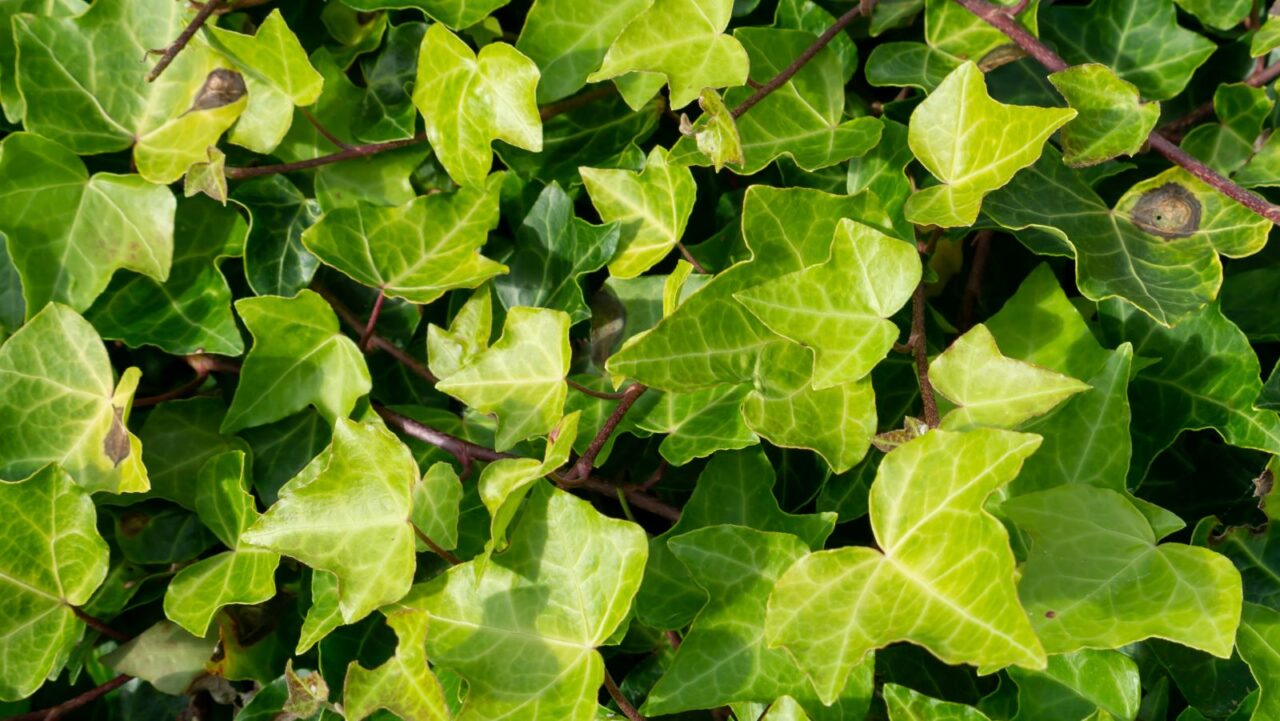
English ivy can quickly take over your garden if you let it. It spreads fast using underground runners, making it tough to get rid of.
If you want to stop it, you might need to use herbicide like glyphosate. Just remember, pulling it out by hand usually won’t kill the roots.
Keep an eye on it so it doesn’t smother your other plants or take over your yard.
Japanese knotweed
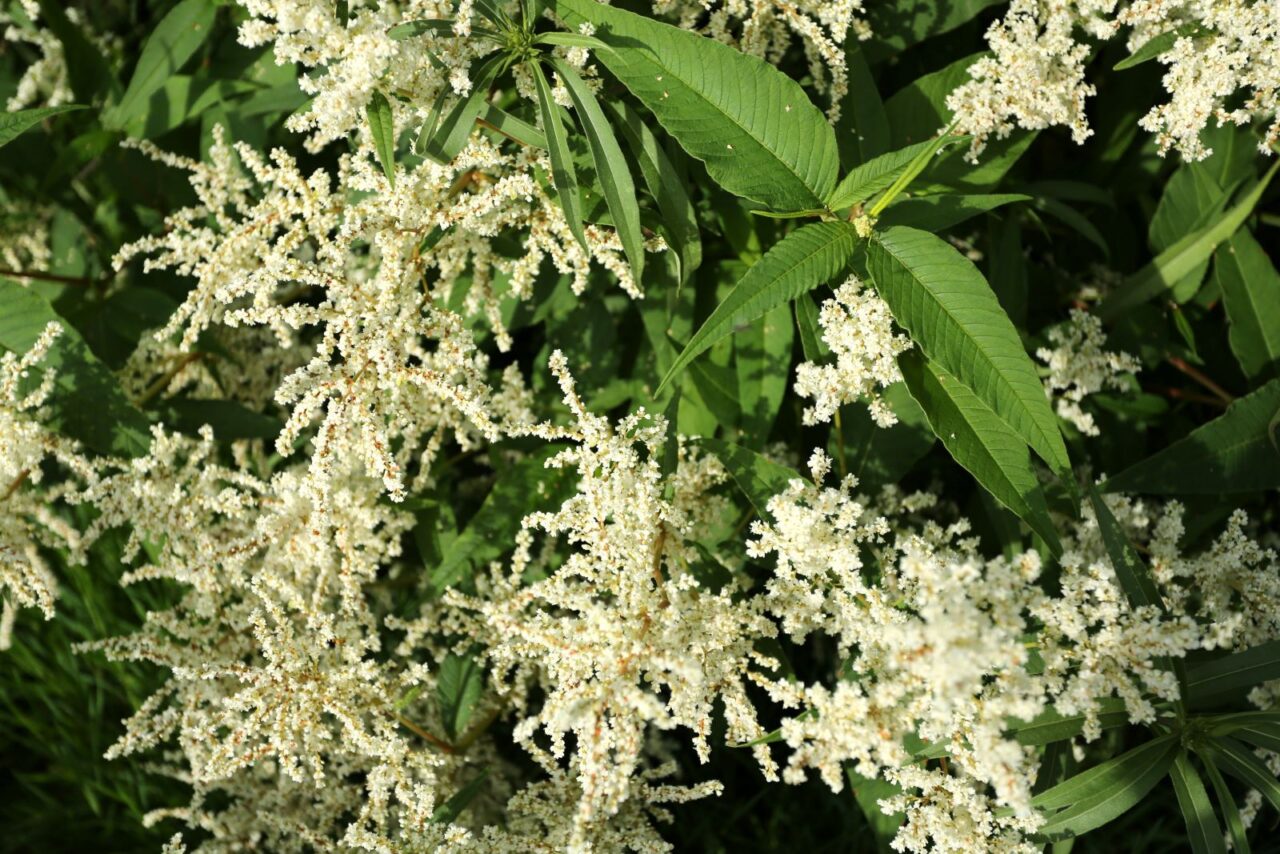
If you spot Japanese knotweed in your garden, don’t ignore it. This weed grows fast and can damage your property over time.
It’s tough to get rid of because it spreads through roots and stems. Cutting it back often isn’t enough, so you may need professional help.
Keep an eye on it and act quickly to stop it from taking over your space.
Tansy ragwort
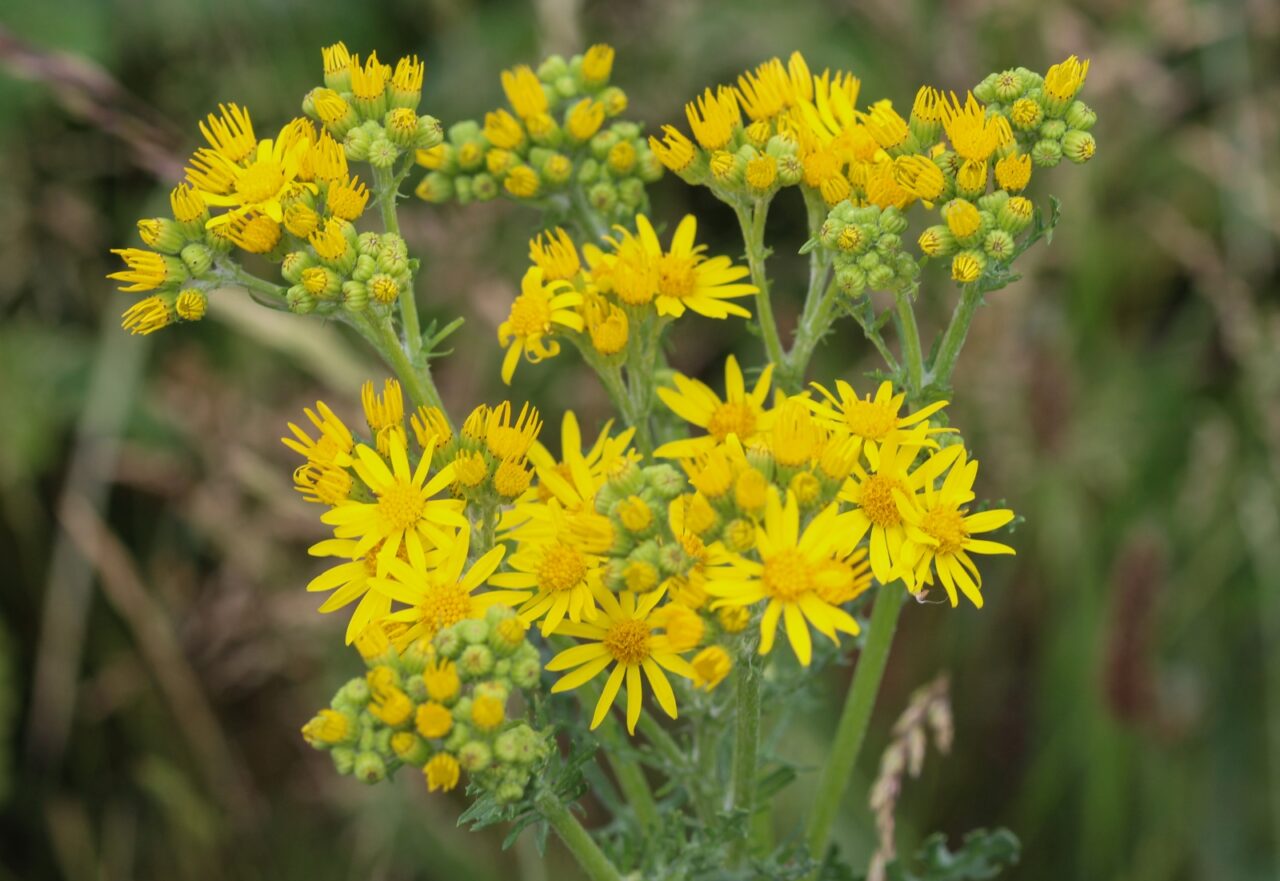
If you spot tansy ragwort growing near your property, don’t ignore it. This weed grows 1.5 to 4 feet tall and can quickly take over disturbed soil.
All parts of tansy ragwort are toxic, especially the flowers. It can harm livestock, so you should control it before it spreads.
Deadly flowering daphne
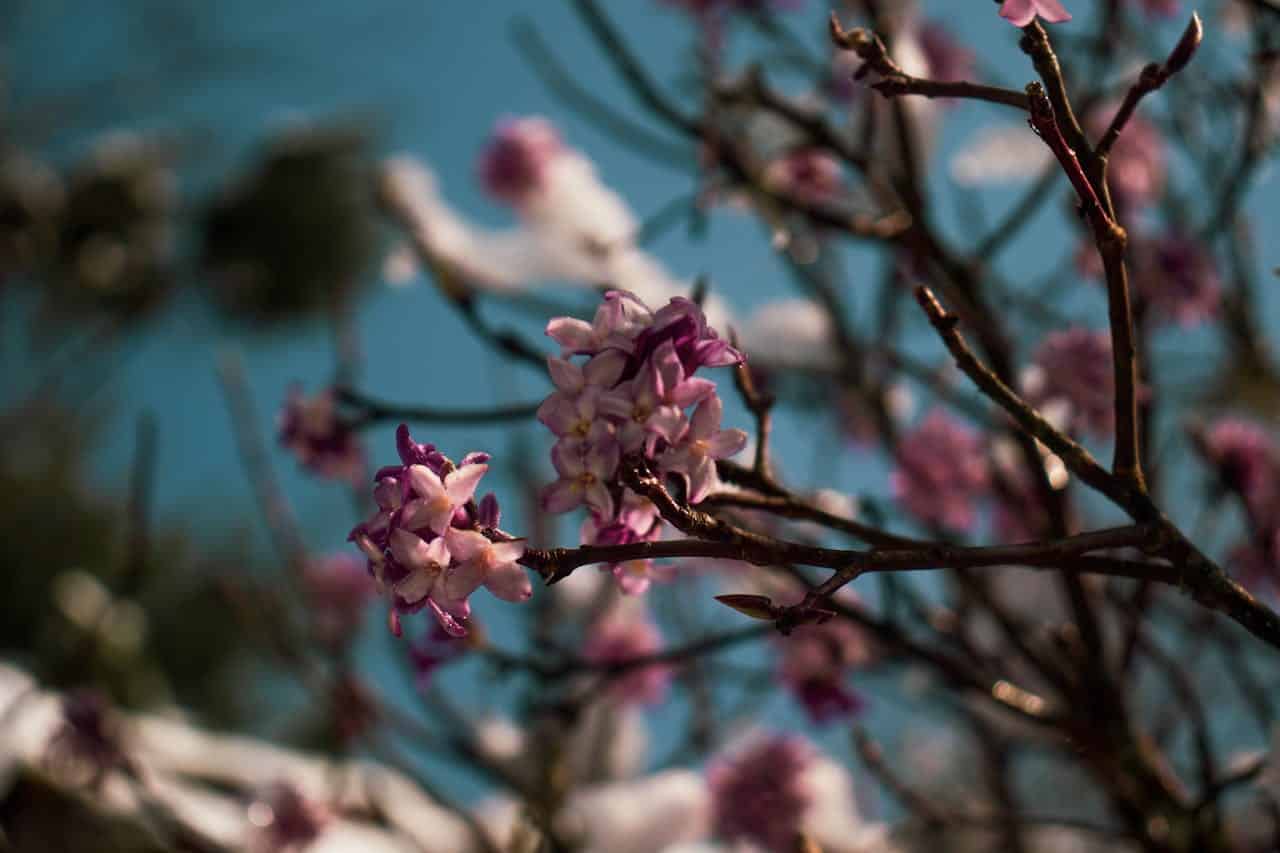
If you spot flowering daphne in your yard, be careful. All parts of this plant are poisonous.
It can cause skin irritation if you touch it.
Daphne is also hard to get rid of once it takes root. You might want to avoid planting it or remove it safely if it’s already there.
Bittersweet nightshade
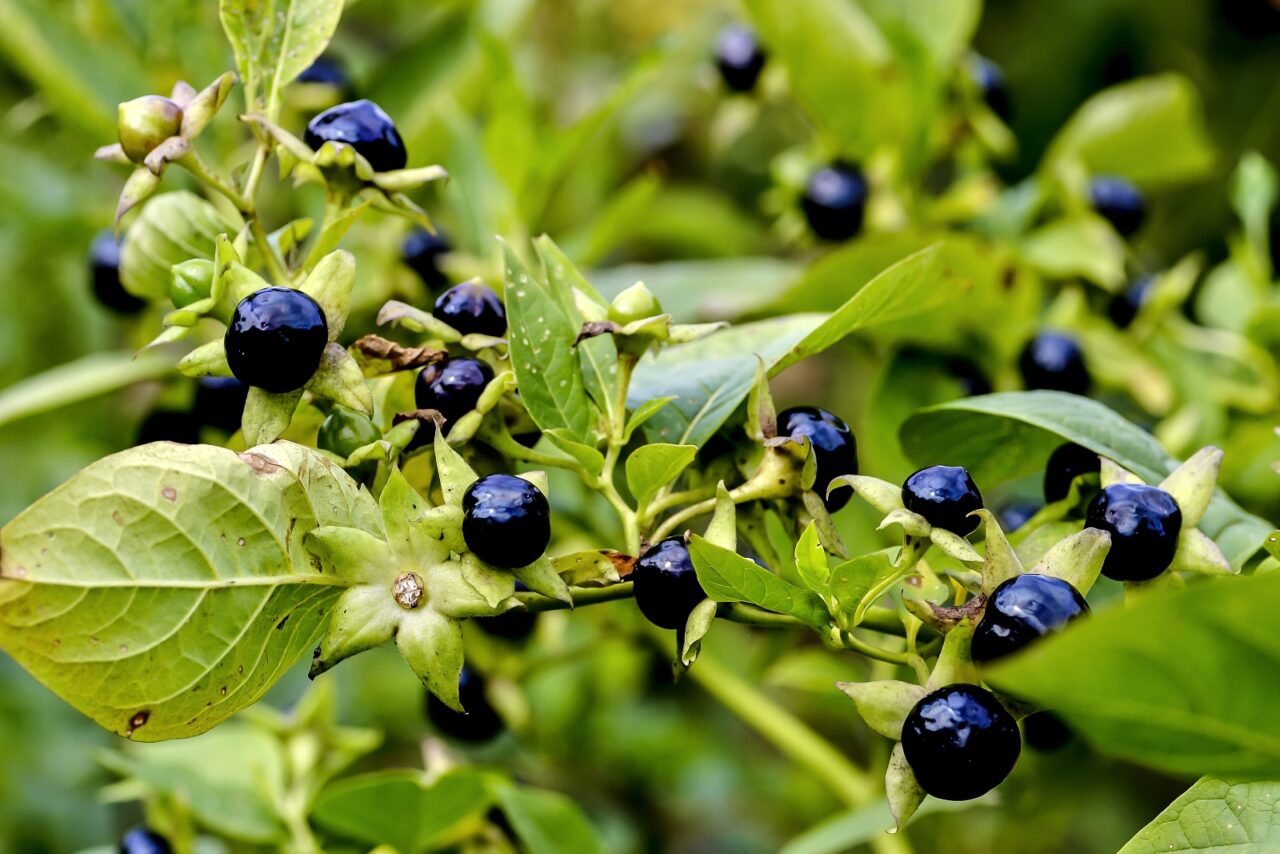
If you spot bittersweet nightshade, be careful. This plant is poisonous to people, pets, and livestock.
Its berries and leaves contain a toxin called solanine. Eating it can make you sick, especially children.
You might notice it has a strange smell that most animals avoid. Still, it’s best to remove it from your yard.
Cleavers
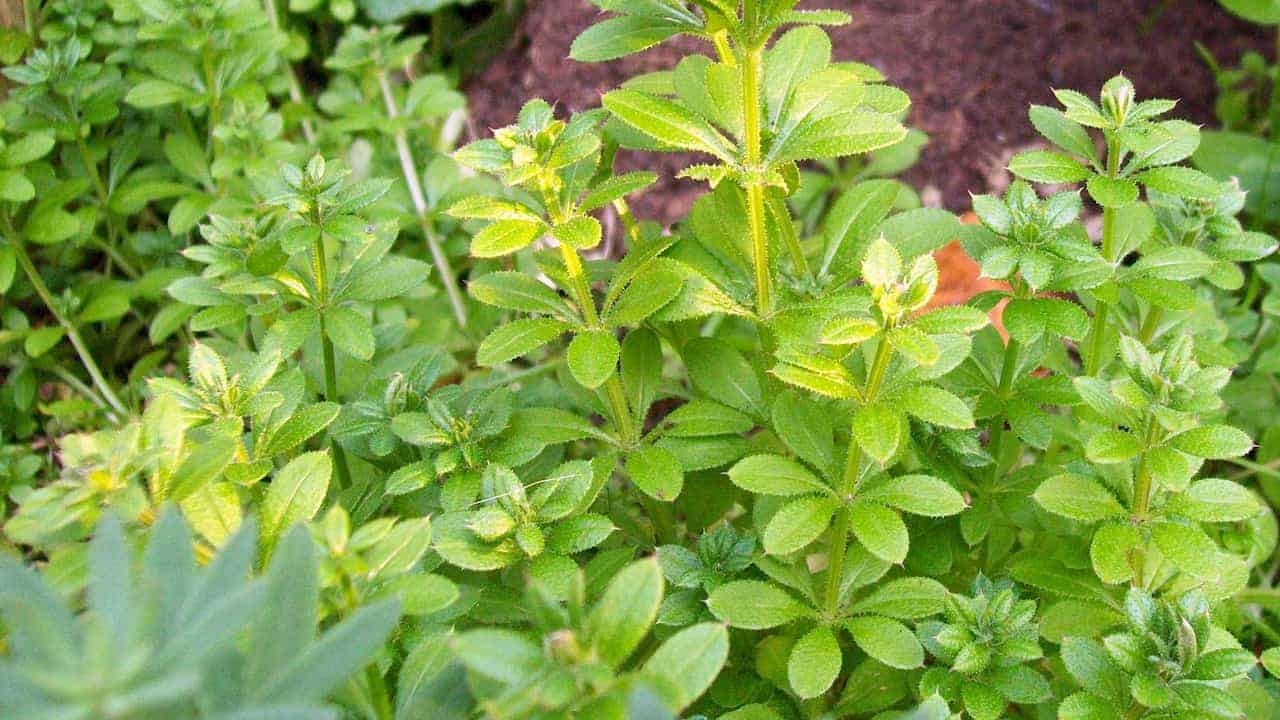
Cleavers are easy to spot because of their small hooks that let them stick to your clothes or fur.
You might find them growing in your garden or along fences. They spread quickly and can take over if you don’t control them.
If you want, you can even eat cleavers. They have edible leaves, but you may not like the texture at first.
Horsetail

If you see horsetail in your yard, don’t ignore it. This weed spreads fast because of its strong roots that go deep underground.
Horsetail can be tough to get rid of, especially if your soil stays moist. It looks like a small, green, jointed stalk that’s hard to miss.
If you want to keep your lawn or garden healthy, you need to deal with horsetail early before it takes over.
Dandelion
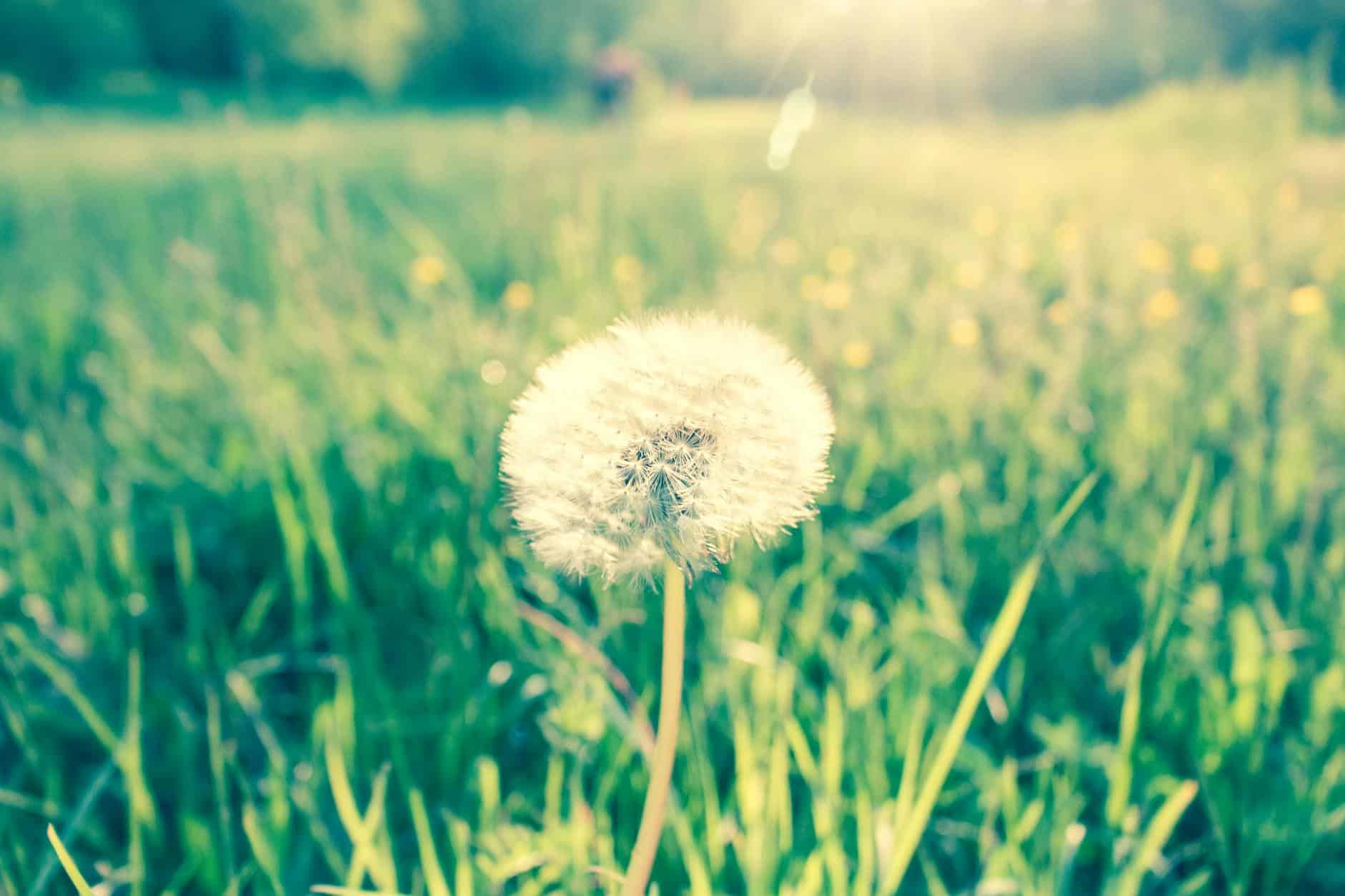
You’ve probably seen dandelions in your yard. They have bright yellow flowers and jagged leaves.
They spread quickly because their white, fluffy seeds float in the wind. Dandelions can take over if you don’t deal with them.
While some people use dandelions for tea or food, they can cause problems in gardens and lawns by crowding out other plants.