As spring approaches, many of us are eager to get our hands dirty and plant our favorite flowers and vegetables. While gardening can be incredibly rewarding, it’s easy to make mistakes, especially if you’re just getting started. Avoiding common pitfalls is crucial for a thriving garden.
Whether you’re a novice or have some gardening experience, there are several common mistakes that can hinder your progress. From choosing the wrong plants to misjudging soil conditions, knowing what to watch out for can save you time, money, and frustration. With a bit of guidance, you can enjoy a successful gardening season ahead.
Advertisement
1. Not Planning Ahead

Jumping into spring gardening without a plan can lead to chaos. You might find yourself overwhelmed by what to plant and when.
Take some time to sketch out your garden layout. Consider what plants thrive together and their sunlight needs.
Use plant labels and seed packets to guide your choices. This will help prevent overcrowding and ensure a flourishing garden.
Planning ahead also means preparing for potential pests and weather changes. Being proactive can make your gardening experience much smoother.
2. Improper Spacing Between Plants

When planting, it’s easy to underestimate how much space your plants need. If you crowd them too closely, they won’t have room to grow.
This can lead to weak plants that struggle for nutrients and light.
Each plant has specific spacing requirements, so check those before you start digging.
Giving them enough space helps prevent diseases and pests, too. You’ll end up with a healthier garden and better yields!
3. Using Too Many Chemicals

Using too many chemicals in your garden can do more harm than good. It might seem tempting to solve every problem with a spray or fertilizer, but this can upset the balance of your garden’s ecosystem.
Overusing chemicals can lead to resistance in pests and diseases. Plus, it can harm beneficial insects, like bees, that help your plants thrive.
To maintain a healthy garden, consider using natural alternatives. Compost and organic fertilizers can nourish your plants without the downsides of harsh chemicals. Keep it simple and let nature do its thing!
4. Stressed Out Seedlings
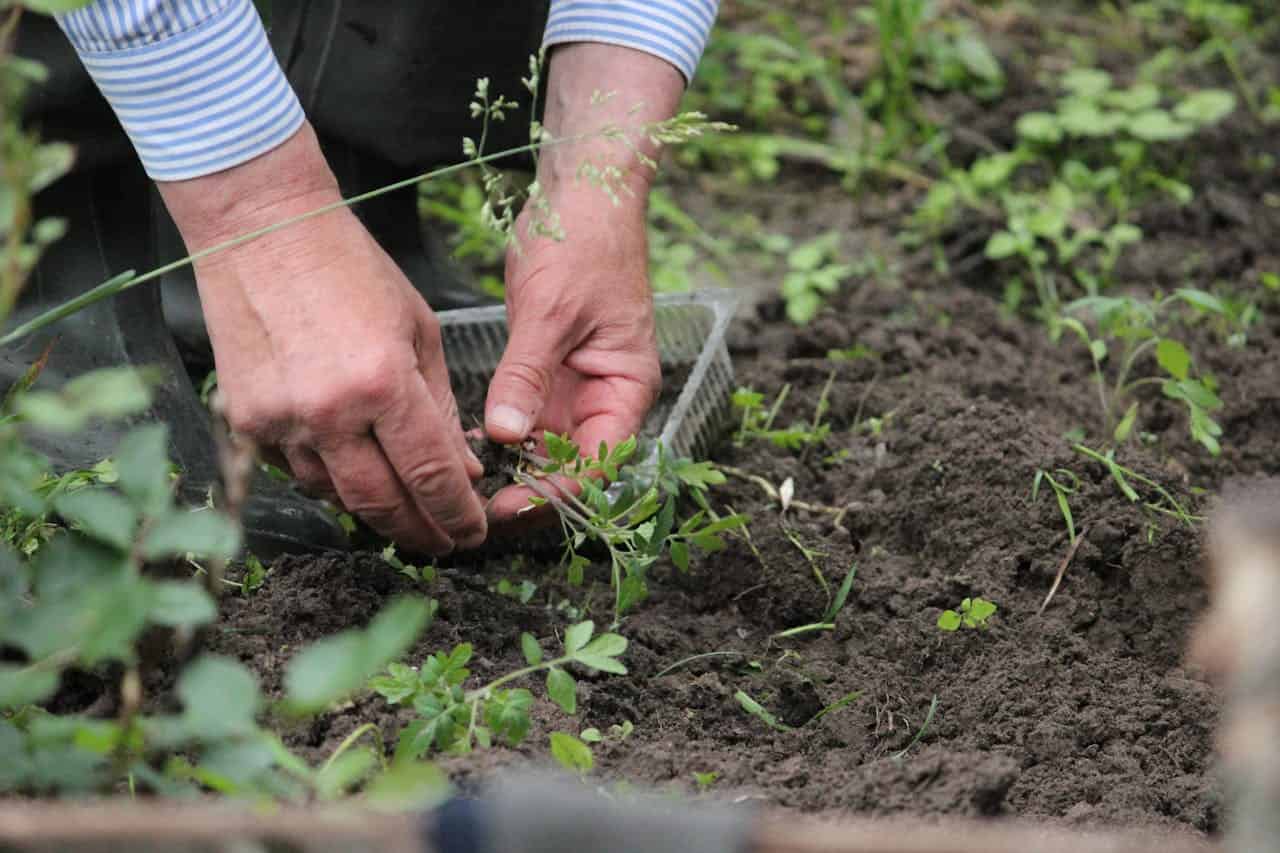
Stressed seedlings can lead to a tough start for your garden. If they are not getting enough light, they may stretch awkwardly toward the source, which isn’t good for their growth.
Too much water or inconsistent watering can also stress them. Make sure to maintain a balanced watering schedule and avoid waterlogging.
Lastly, consider hardening off your seedlings before planting them outdoors. This process helps them adjust to outdoor conditions gradually, reducing stress and improving their chances of thriving.
5. Planting Too Early in Spring

Planting too early can be a common mistake for many gardeners. When you start seeds or transplant too soon, they might get stressed by unexpected cold snaps.
Soil temperature plays a crucial role in seed germination. If it’s too chilly, your seedlings may struggle or even fail to thrive.
To avoid this, check local frost dates and wait until the soil has warmed up adequately. It’s better to be patient and plant when conditions are just right.
6. Working in Wet Soil
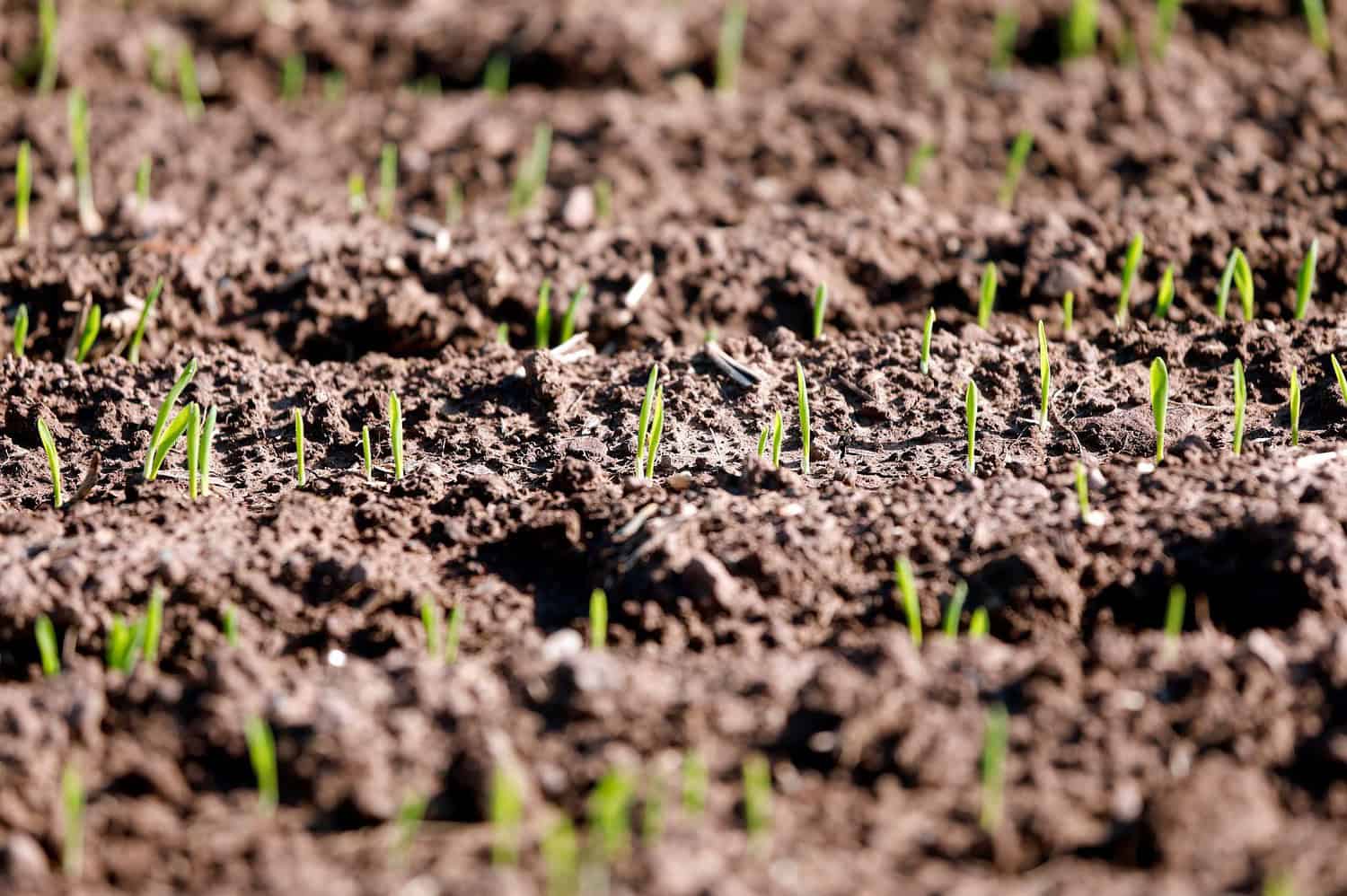
Working in wet soil can really mess things up for your garden. When the soil is too wet, it becomes compacted, which limits air and water movement. This can harm your plants and lead to poor growth.
It’s best to wait until the soil dries out before digging or planting. You want to preserve the structure of your soil, just like a sponge keeps its shape when it’s not overly saturated.
Using mulch can help maintain soil moisture levels when the conditions are right. This way, you keep the benefits without risking damage when it’s too wet to work.
7. Over-Watering the Garden

It’s easy to get excited and accidentally over-water your plants. Too much water can lead to waterlogged soil, which suffocates the roots.
Make sure to check the soil moisture before reaching for the watering can. If the top inch of soil is dry, it’s time to water.
Other signs of over-watering include yellowing leaves and a mushy stem. Adjust your watering schedule based on the weather and type of plants you have. Your garden will thrive with the right amount of hydration.
8. Forgetting to Remove Mulch in Cold Weather

When spring arrives, some gardeners forget about the mulch they laid down in winter. Leaving mulch in place too long can trap moisture and prevent soil from warming up.
This can lead to root rot or hinder plant growth. Make sure to check the weather and remove the mulch once the danger of frost has passed.
Remember, mulch is great for weeds but can be harmful if left on during warmer temperatures. Keep your plants happy by being mindful of the changing seasons!
9. Skipping Soil Preparation

Don’t underestimate the power of good soil. Skipping soil preparation can lead to poor plant growth and low yields.
Before planting, take the time to test your soil. This helps you understand its pH and nutrient levels. Improving soil with compost or other amendments can make a big difference.
Mixing in organic matter also boosts drainage and aeration. Healthy soil supports healthy plants, so invest some time here for better results.
10. Choosing Inappropriate Plants for Your Region
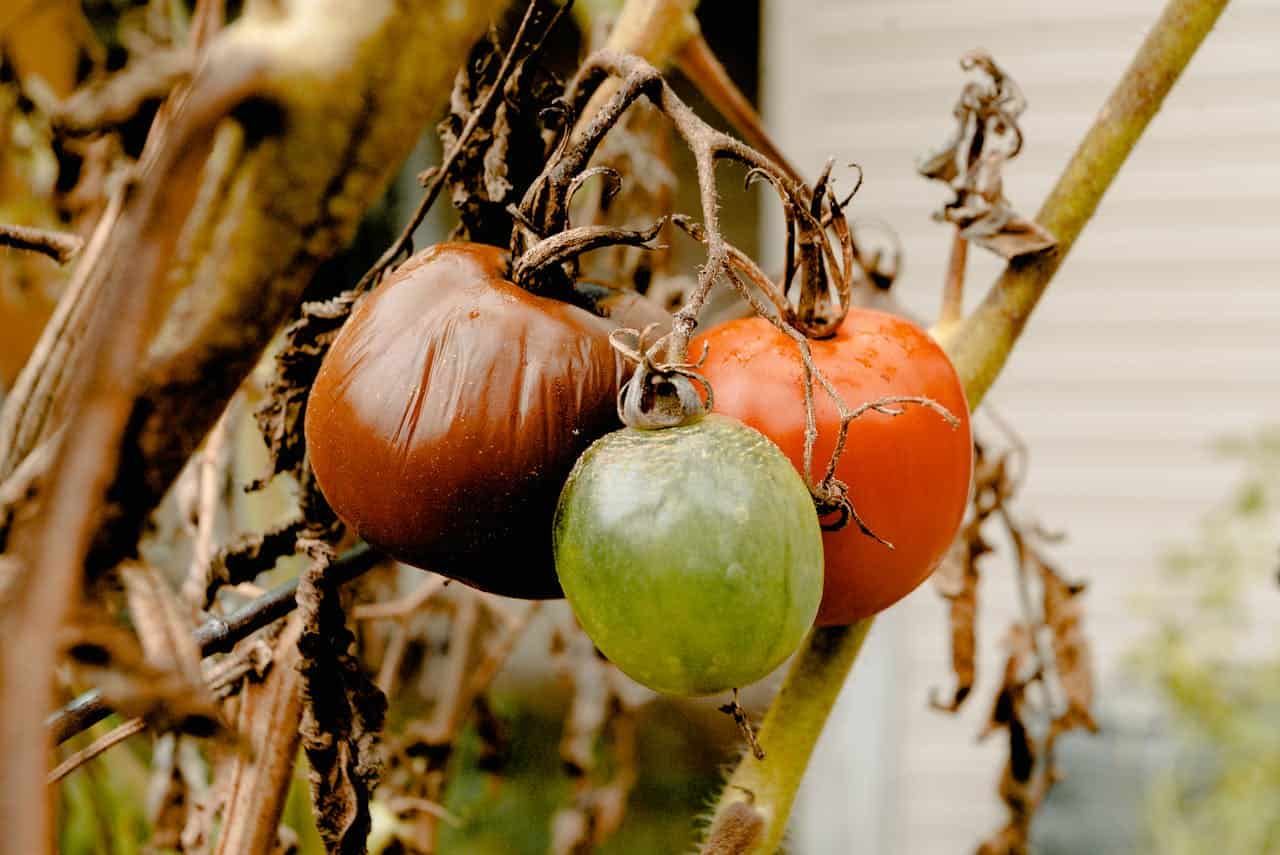
Selecting plants that aren’t suited for your climate can lead to failure and frustration. It’s crucial to know your hardiness zone.
Research what grows well in your area before planting. Factors like temperature, rainfall, and sunlight play a big role in plant health.
Local nurseries often have plants that thrive in your region. Don’t hesitate to ask for advice!
By choosing the right plants, you’ll save time, effort, and resources while enjoying a vibrant garden.
11. Ignoring Pest Problems Early
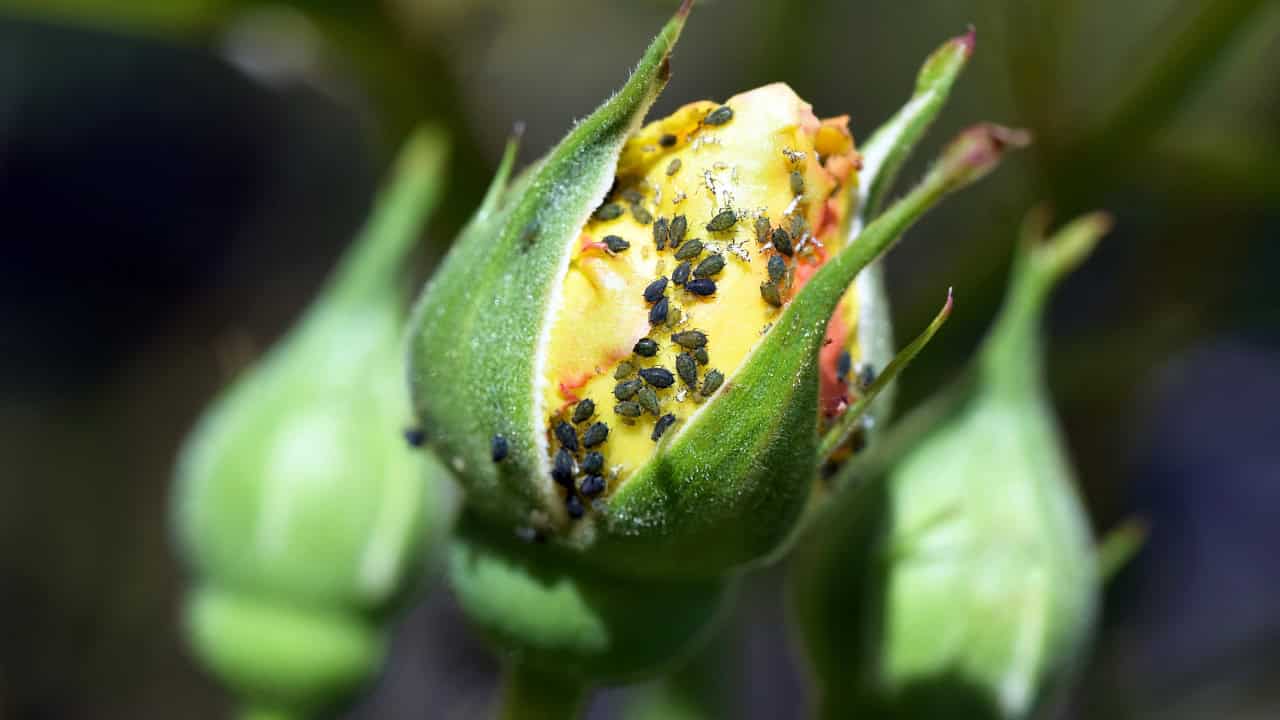
Waiting to address pest issues can lead to bigger problems down the line. If you notice any signs of pests, it’s best to act quickly.
Start by inspecting your plants regularly. Look for any unusual damage or visible pests. Early intervention can save your garden from significant harm.
Consider natural pest control options too, like introducing beneficial insects. A proactive approach can keep your garden healthy and thriving. Don’t let pests take control of your hard work.
12. Failing to Mulch Properly

Mulching is essential, but it’s easy to mess it up. Applying too much mulch can suffocate your plants and block water from reaching the soil.
Using the wrong type of mulch might also lead to problems. Organic mulches break down over time, enriching the soil, while inorganic types won’t provide nutrients.
Make sure to prepare the soil before you start mulching. Removing weeds helps prevent competition for nutrients and water. For best results, aim for a layer 2-3 inches thick. This balance keeps your garden healthy and thriving.
13. Neglecting Spring Cleanup

Spring cleanup is key to a successful garden. You might think it’s just a chore, but cleaning up debris and dead plants can set a solid foundation for new growth.
Take time to clear away leaves, twigs, and any old plant matter. This not only improves the look of your garden but also helps prevent pests and diseases.
Don’t forget to check your tools and garden beds, too. A little attention now keeps your space tidy and ready for planting. Trust me, your future self will thank you for this effort!
14. Over-Enthusiasm Leading to Overcrowding

It’s easy to get excited about spring and want to plant as much as possible. However, this can lead to overcrowding in your garden.
When plants are too close together, they compete for sunlight, nutrients, and water. This often results in weak growth and increased vulnerability to disease.
To avoid this, check the spacing guidelines on your seed packets or plant tags. Remember, giving each plant enough space allows them to thrive and flourish.
15. Not Having Backup Plants for Failures

It’s easy to get attached to your primary plants, but things can go wrong. Weather changes, pests, or even poor soil can lead to failures.
Having backup plants ready can save your season. If one plant doesn’t take, you can replace it without missing a beat.
Choose varieties that thrive in your climate and have a similar growth habit. This way, you ensure your garden stays full and vibrant.
It’s all about planning ahead. A little foresight can keep your garden thriving even when unexpected challenges arise.