Doing laundry seems straightforward, but it’s easy to make mistakes that can damage your clothes. Understanding the common pitfalls can help you maintain your wardrobe and keep your favorite items looking fresh. By recognizing these issues, you can make simple adjustments to your laundry routine.
Many people overlook the details that ensure their clothes stay in good shape. From sorting to detergent usage, these small factors can lead to big problems. Whether you’re a laundry pro or just starting out, being aware of what not to do is key to extending the life of your garments.
Advertisement
1. Using too much detergent
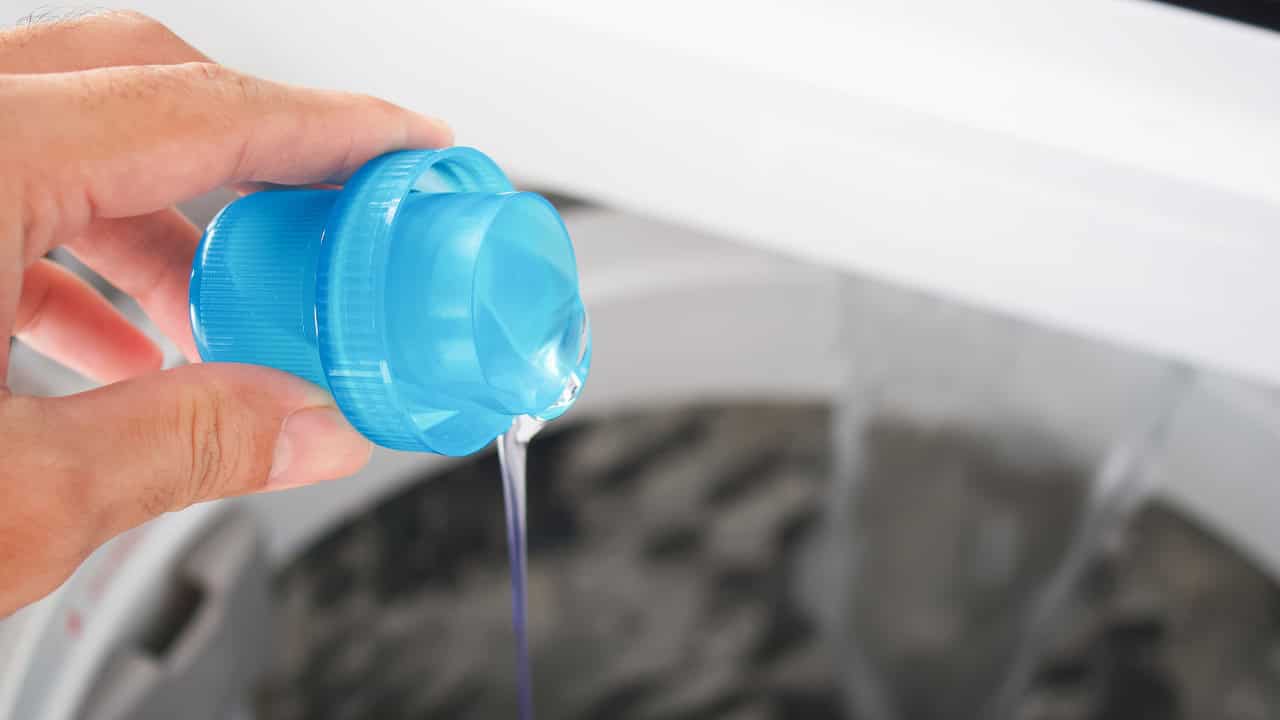
You might think that more detergent means cleaner clothes, but that’s not the case. Using too much can create excess suds that won’t rinse out properly. This leaves a sticky residue on your clothes.
That residue can actually attract dirt and odor, making garments dirtier over time. Plus, it can cause your washing machine to work less efficiently. Stick to the recommended amount for the best results.
2. Not sorting clothes by fabric

Failing to sort your laundry by fabric type can lead to damage. Mixing delicate items with heavier fabrics might cause snags or tears.
Different materials have varied washing requirements. For instance, washing thin, delicate fabrics with thick towels may leave the lighter items looking worn.
Taking a moment to sort your clothes by fabric can help preserve their quality and extend their lifespan. It’s a small step that can make a big difference.
3. Washing dark jeans with whites

Mixing dark jeans with whites can lead to color transfer. The dye from your jeans might bleed onto your white clothes, leaving them dingy or stained.
To avoid this, always sort your laundry. Keep dark items, like jeans, separate from whites. This simple step can save you from having to replace ruined clothes.
If you’re in a hurry, consider using color catchers, but sorting is always the safest bet. Protect your whites to keep them looking fresh and bright.
4. Forgetting to empty pockets

You might think it’s no big deal, but forgetting to empty your pockets can cause real trouble. Items like tissues and coins can ruin your clothes and damage your washing machine.
Imagine pulling out a favorite shirt only to find it covered in lint from a tissue or stained by a leaky pen. Always check your pockets before tossing clothes into the wash to avoid these issues. It takes just a second, and your laundry will thank you!
5. Skipping stain pretreatment

When you skip pretreating stains, you’re setting yourself up for a tougher cleaning job later. It’s easy to overlook this step, but it can make a big difference.
Before tossing clothes into the wash, take a moment to treat any visible stains. Applying a stain remover directly to the spot helps break down the stain.
If you don’t have a stain remover, a little dish soap mixed with water can work in a pinch. Just remember, the sooner you treat a stain, the better your chances of getting it out completely.
6. Leaving clothes unbuttoned

When you toss unbuttoned shirts into the wash, you’re setting them up for trouble. This mistake can stretch out the buttonholes, making your shirt fit awkwardly later.
Buttoning up prevents fabric from snagging or tearing, especially around the openings. Even in a gentle wash, loose buttons can cause more friction than you want.
So, before you throw your clothes in, take a moment to button them up. Your shirts will thank you for it!
7. Overloading the washing machine

Overloading the washing machine is a common mistake you might be making. When you cram too many clothes in, they don’t get the space they need to move around. This can lead to clothes not getting cleaned properly.
Additionally, overloading puts extra strain on your washer. This can cause wear and tear on the machine, reducing its lifespan. To keep both your clothes and washing machine in good shape, wash smaller loads.
8. Using dryer sheets on towels
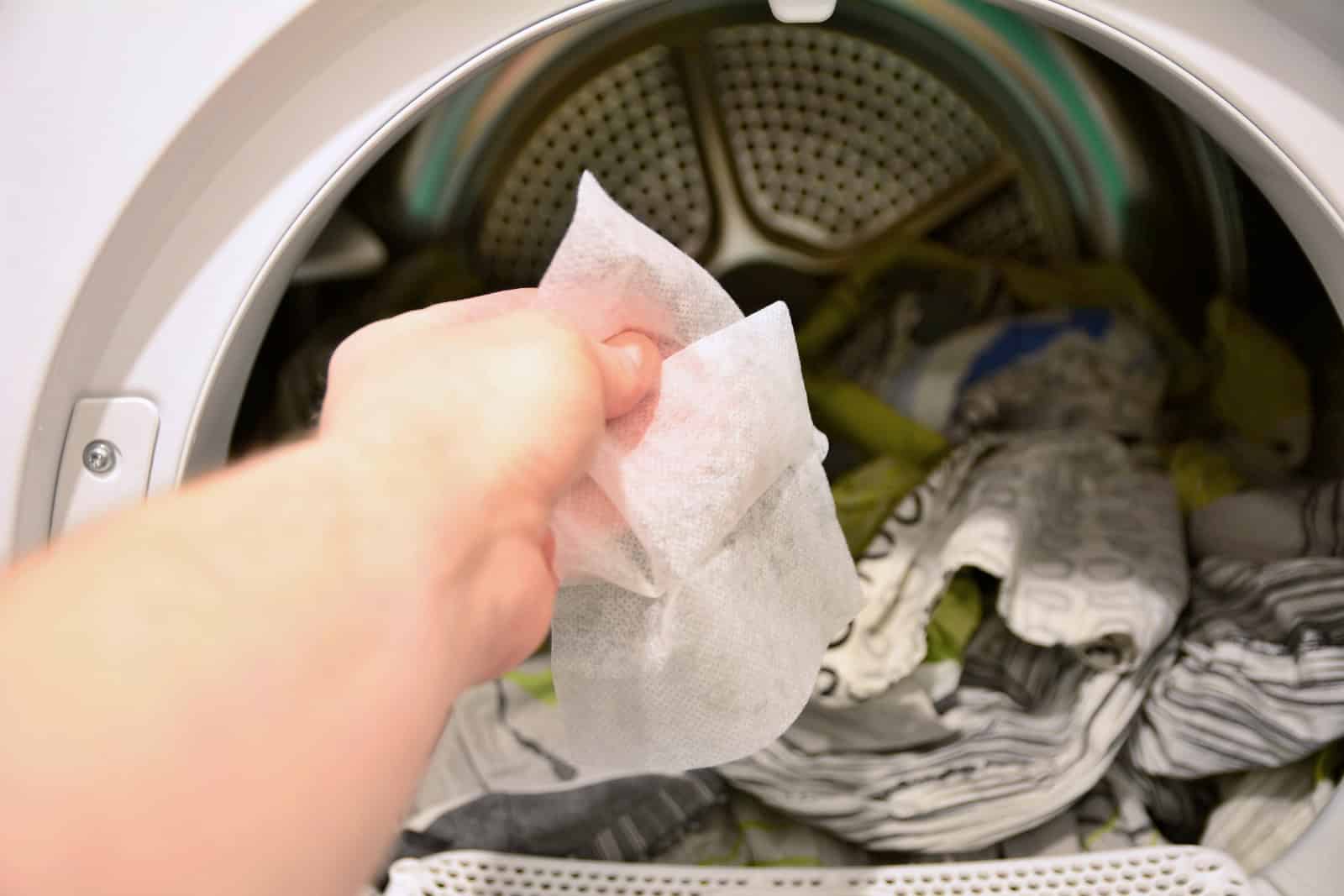
Using dryer sheets on your towels might seem like a good idea, but it can actually backfire. They leave a coating that makes towels less absorbent.
If you want fluffy towels, skip the sheets. Instead, try using tennis balls or dryer balls. They help separate the fibers without the chemicals.
You’ll notice your towels stay nice and absorbent for longer when you avoid dryer sheets. Keep it simple for better laundry results.
9. Drying clothes with elastic bands

When drying clothes that have elastic bands, be cautious. High heat from the dryer can damage the elastic, making it lose its stretch and shape.
Instead of tossing these items in the dryer, opt for air drying whenever possible.
If you must use the dryer, select a low heat setting and limit the time. This helps preserve the elasticity in your clothing.
10. Not testing for hard water

If you live in an area with hard water, you might be damaging your clothes without even realizing it. Hard water contains minerals that can leave deposits on your fabrics.
These deposits can make clothes feel rough and look dull over time. If you notice issues like scratchy fabrics or fading colors, it might be time to check your water hardness.
Using a water softener can help reduce these mineral deposits and keep your laundry looking fresh. Don’t let hard water take a toll on your wardrobe!
11. Ignoring care label instructions
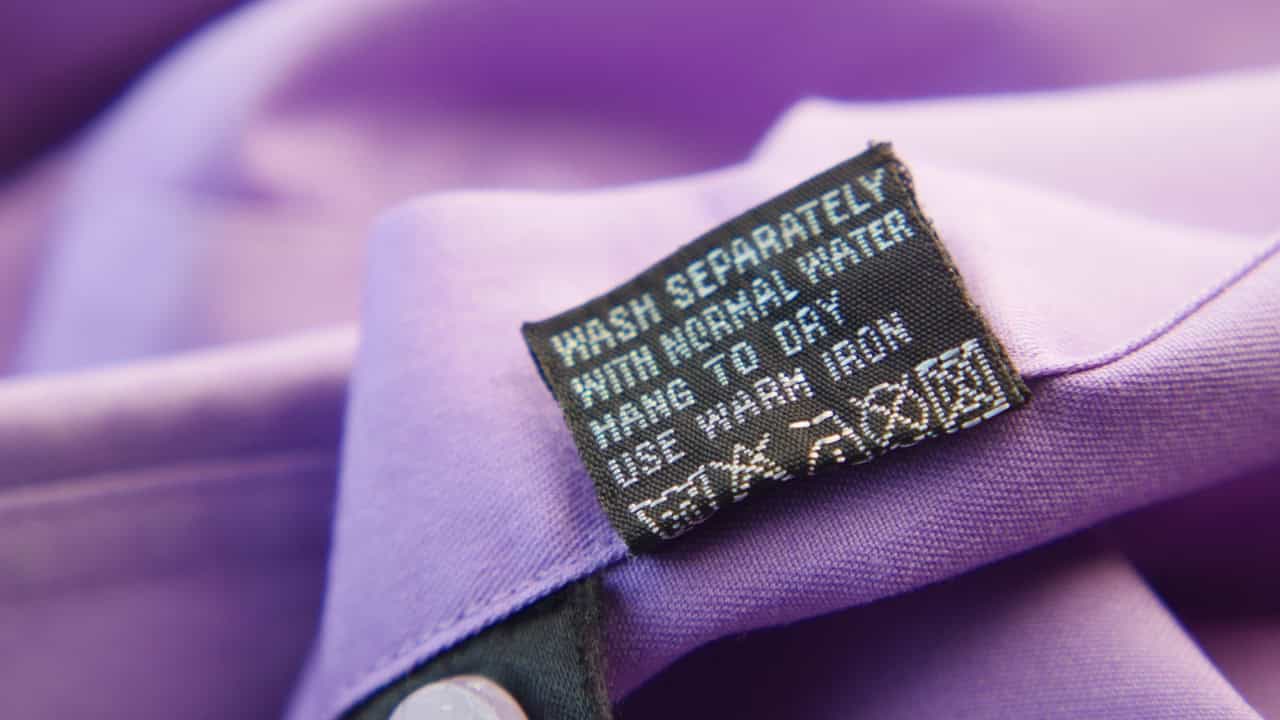
Ignoring care label instructions can cost you your favorite clothes. Those little tags are there for a reason.
Different fabrics have different needs, like water temperature and drying methods. If you toss everything in without checking, you risk shrinking, fading, or damaging the material.
Take a moment to read the label before washing. You’ll save time, money, and those beloved outfits from unnecessary wear and tear.
12. Scrubbing stains too hard

When you scrub stains too hard, you risk damaging the fabric. Rubbing aggressively can fray fibers and cause wear, making the problem worse.
Instead, gently dab the stain with a cloth or sponge. Use a stain remover that is appropriate for the fabric type.
Patience is key; allow the cleaner to work, and then rinse thoroughly. This approach helps lift the stain without compromising the integrity of your clothes.
13. Forgetting to use color catchers

If you tend to mix light and dark clothes, forgetting to use color catchers can lead to some unfortunate dye transfers. These handy sheets trap loose dyes during the wash, protecting your lighter garments.
Without them, you might find your favorite white shirt sporting an unwanted tint. It’s an easy step that can save your clothes from permanent damage. So, next time you pop that laundry in, don’t skip this simple addition.
14. Not cleaning the lint filter
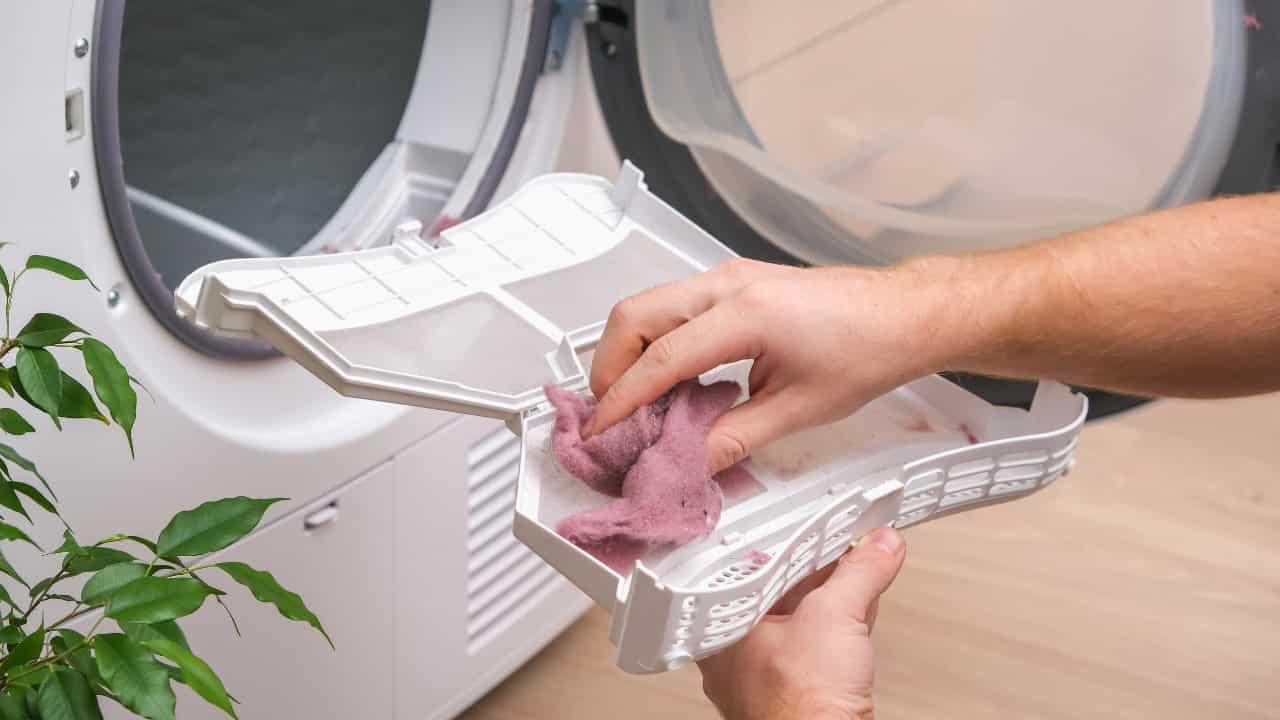
You might think cleaning the lint filter is optional, but it’s crucial for your laundry routine. A clogged lint filter reduces your dryer’s efficiency and can even lead to longer drying times.
When you neglect this simple task, your clothes can come out damp, causing you to run another cycle. This wastes energy and can wear out your dryer faster.
Plus, a dirty lint filter poses a fire hazard. Make it a habit to clean the lint filter before every load to keep everything running smoothly and safely.
15. Washing delicate clothes on normal cycle

When you wash delicate clothes on a normal cycle, you’re asking for trouble. The agitation and heat can lead to damage like stretching, pilling, or even tearing.
Always check the care labels first. Many delicate fabrics, such as silk or lace, require a gentle cycle or hand washing.
Using a mesh laundry bag can help protect these items, too. It allows the water to flow while keeping the fabric safe from the harsher effects of the washer.
*This article was created with the help of AI.