Walking into a grocery store can feel straightforward, but behind those shelves lies a world specifically designed to get you to spend more. From the moment you step through those automatic doors, every aspect aims to keep you shopping longer and filling your cart with items you might not have planned to purchase.
Learning about these common tricks can help you navigate the aisles smartly and save money. Being aware of these strategies ensures you’re prepared to stick to your list and budget. You’ll leave the store feeling empowered and in control of what you buy, instead of being influenced by clever retail tactics.
Advertisement
1. Placing snacks near the checkout to encourage impulse buys
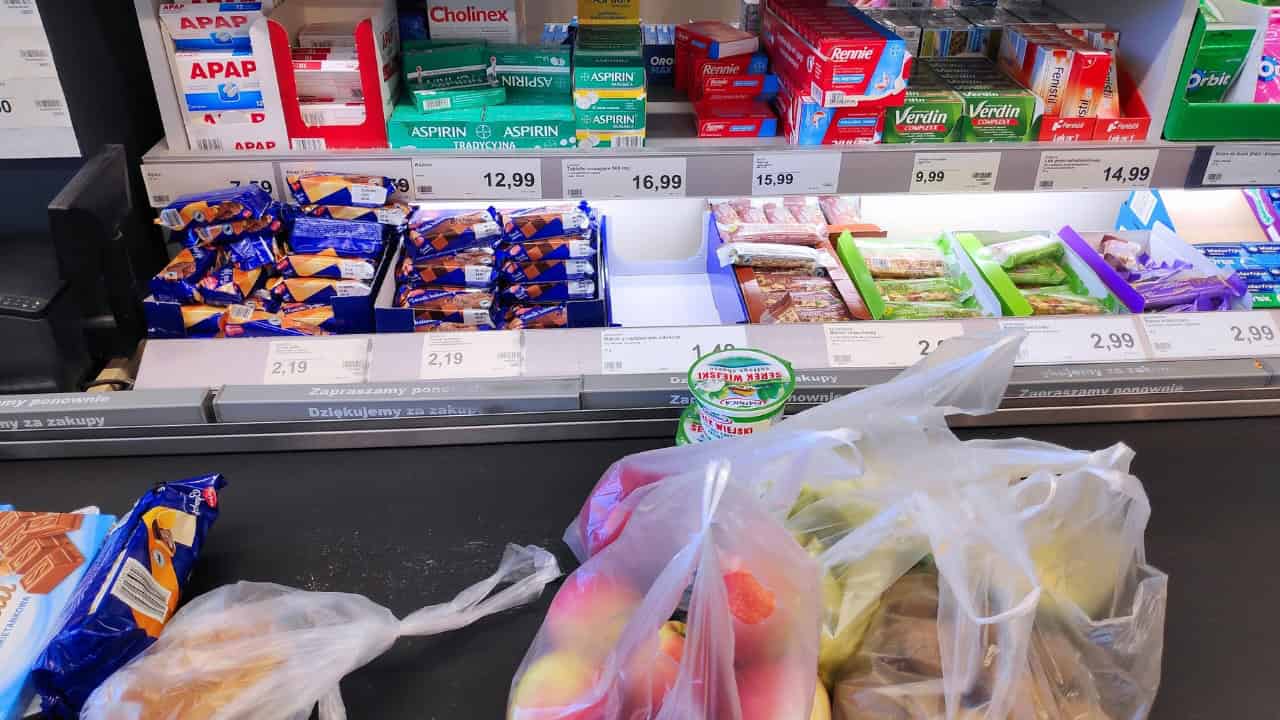
When you’re waiting in line at the grocery store, it’s hard to miss the array of snacks and candies right by the checkout. This setup is not by accident. Retailers strategically place these items there, knowing you’re more likely to grab a treat on your way out.
You’re already in a shopping mindset, and those snacks are tempting. The wait gives your mind a chance to wander. Perhaps you’ll think of a candy bar or a bag of chips as a reward for completing your shopping.
The small packages and colorful packaging make these products even more appealing. Remember, retailers know how to catch your eye and encourage spur-of-the-moment purchases in this area.
2. Displaying sale signs even when items aren’t discounted
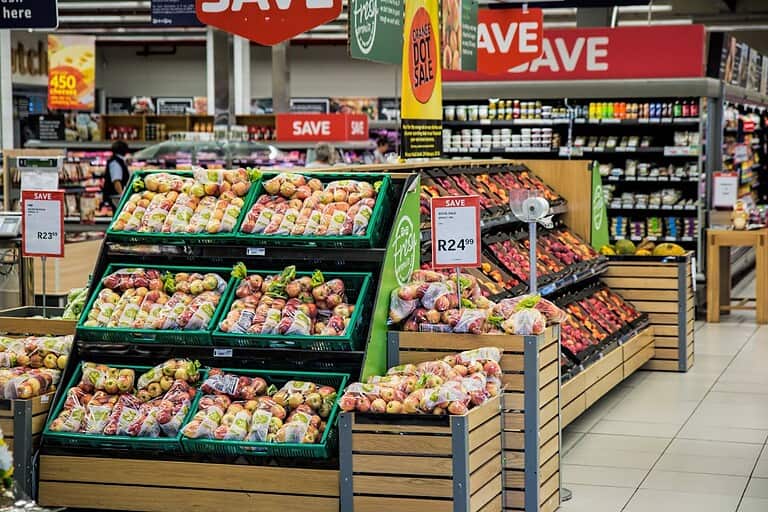
Sometimes, grocery stores post sale signs to grab your attention, even if the items aren’t actually discounted. This is a common tactic used to make products seem like a good deal and encourage impulse buying. You might find yourself reaching for these items just because they appear to be a bargain.
These eye-catching signs can lead you to believe you’re saving money, when, in reality, the price might be the same as usual. It’s a good idea to check the regular price before adding these items to your cart. By being mindful, you can avoid falling for this trick and make sure you’re really getting the best value.
3. Grouping complementary products together for extra purchases

When you walk through the grocery store, you might notice that related items are often placed next to each other. This is no coincidence. Stores do this to encourage you to pick up more than you planned.
Think about it. Spaghetti and the jarred pasta sauce are conveniently right next to each other. It’s a gentle nudge to grab both in one go.
Some stores even pair chips with salsa or cereal with milk to get you thinking about the combo you could make. These strategies aim to boost your cart’s content and increase what you spend.
This subtle tactic can make your shopping trips more expensive—without you even realizing it. Next time, keep an eye on how products are grouped, so you decide what goes into your cart, not just what looks good together.
4. Using larger carts to make shoppers feel like they need to fill them

You might notice that grocery store carts keep getting bigger. This isn’t just for convenience; it’s a clever way to encourage you to spend more. When you have a larger cart, you subconsciously feel like you need to fill it to a certain level.
Research shows that the illusion of empty space can lead you to add more items that you might not have originally planned to buy. As you stroll through the aisles, that extra room in your cart makes additional purchases seem justifiable.
By the end of your shopping trip, you may find your cart filled with things you didn’t really need. Keep this in mind next time you shop, and consider using a basket or a smaller cart to stick to your list.
5. Offering free samples to tempt buyers into unplanned purchases

You might notice stations set up with enticing bites when wandering through a grocery store. These aren’t just a treat for you. They lure you into buying products you hadn’t planned on purchasing.
The strategy works because tasting something delicious can make you more likely to pick up the product. Plus, the smell alone can make you crave things you weren’t even thinking about before you stepped through the door.
Stores may also offer discounts or coupons on the spot, making the deal even more tempting. This combination of taste, smell, and perceived value can lead to tossing extra items into your cart.
6. Strategic placement of items at eye level for maximum visibility

When you walk through a grocery store, pay attention to the shelves. The most expensive and popular items are often placed at eye level. This is a clever tactic because you’re more likely to spot them without having to stretch or bend down.
Brands often pay extra to have their products positioned here, ensuring that they are noticeable and appealing to you. By focusing on what’s right in front of you, it may tempt you to add these products to your cart without a second thought.
Even though these items catch your eye first, remember that the shelves above and below might offer more affordable options. If you’re looking to save money, take a moment to scan those other shelves instead. This small change in habit can make a big difference in your shopping budget.
7. Creating complicated store layouts to increase time spent inside

In a grocery store, you might notice it’s hard to find a straightforward path to what you need. Stores often use complex layouts to keep you wandering through more aisles.
By getting you to explore the store more, you’re likely to grab extra items not on your list. These layouts encourage you to spend more time inside, which often leads to adding more to your cart. It’s all about increasing opportunities for impulse buys.
So, next time you shop, map out your route for a more efficient trip. This way, you can stick to your list and avoid unnecessary purchases.
8. Keeping essentials like milk and bread at the back of the store

When you head to the grocery store, you’re probably searching for staples like milk and bread. Retailers often position these essentials at the back. Why? It’s a clever tactic to increase your chances of impulsive buying.
As you walk through the aisles, you’re exposed to various tempting products. This exposure is no accident. By the time you’ve picked up your milk and bread, you might have added a few other items to your cart. This is a subtle way stores encourage spending more.
Next time you shop, try jotting down a list. It might help you navigate directly to what you need, avoiding extra purchases.
9. Using colorful, fresh produce at entrances to entice shoppers
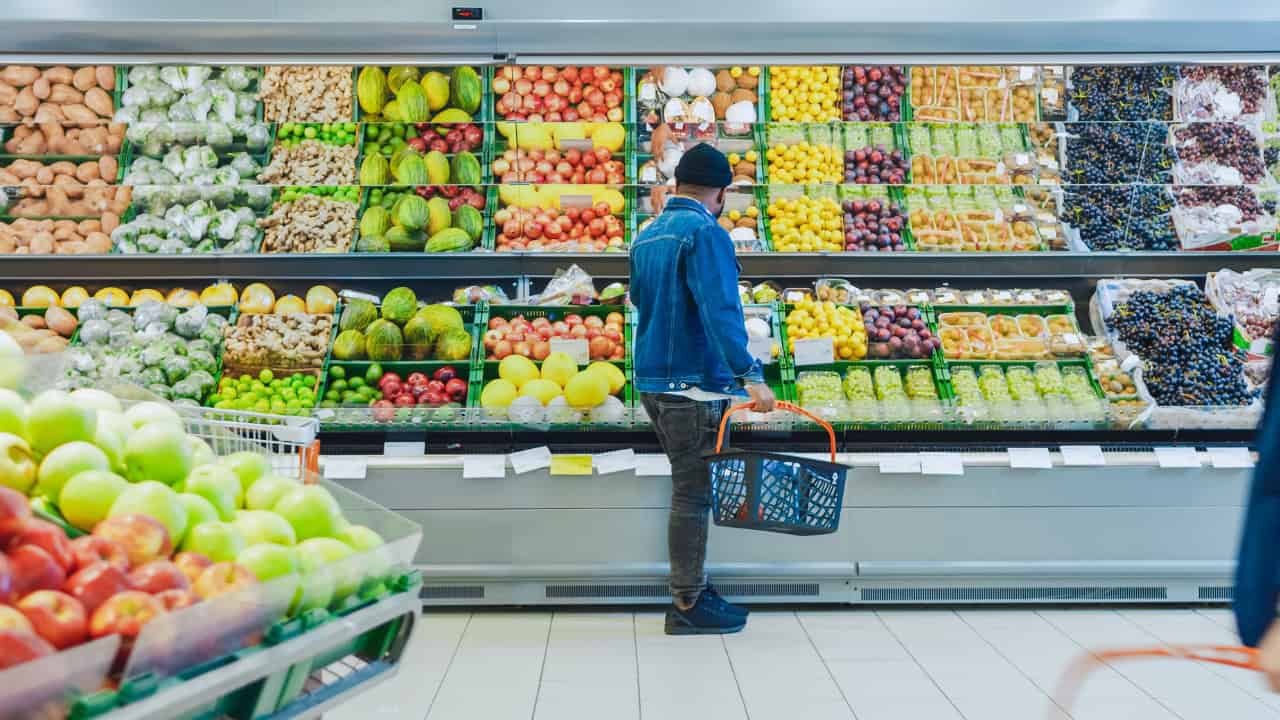
When you first walk into a grocery store, one of the first things you notice is the vibrant display of fruits and vegetables. This isn’t an accident. Stores strategically place colorful, fresh produce at the entrance to set a positive tone for your shopping experience.
Seeing all that fresh produce can make you feel like you’re making healthy choices right off the bat. It’s a clever way to get you in the mood to fill up your cart.
The colors and freshness are visually appealing and can encourage impulse buys. This tactic makes you more likely to pick up a few extra items before you even start on your planned list.
10. Placing cold drinks at the front for convenience and temptation

When you walk into a grocery store, there’s a good chance you’ll spot a refrigerated case filled with cold drinks right at the entrance. This setup isn’t by accident. It’s designed to tempt you with a refreshing beverage as soon as you arrive.
You might find yourself grabbing a drink without even thinking twice about it, especially if you’re feeling a bit thirsty or just want something to sip on while you shop. It’s all about convenience, making it easy for you to pick up a drink even before you start shopping.
Stores know that placing these drinks up front can lead to impulse purchases. They attract your attention immediately and make it easy to add another item to your cart without much consideration. Cold drinks at the front are just another way grocers keep you spending more.
11. Playing soft music to encourage slower, potentially longer shopping
Have you ever noticed the music playing in the background while you shop? Stores often use soft music with a slower tempo to influence your shopping pace. The idea is that relaxing tunes can make you feel at ease.
This kind of music encourages you to slow down and take your time. According to some studies, music slower than your heartbeat can make you more likely to browse leisurely and potentially pick up a few extra items. Next time you’re in a grocery store, pay attention to how the music affects your mood and shopping habits.
You might find it interesting to know that stores strategically select music to create a particular atmosphere and influence your buying behavior. This subtle trick can be surprisingly effective, so maybe bring your own headphones to stay focused on your list!
12. Offering multi-buy deals with minimal savings
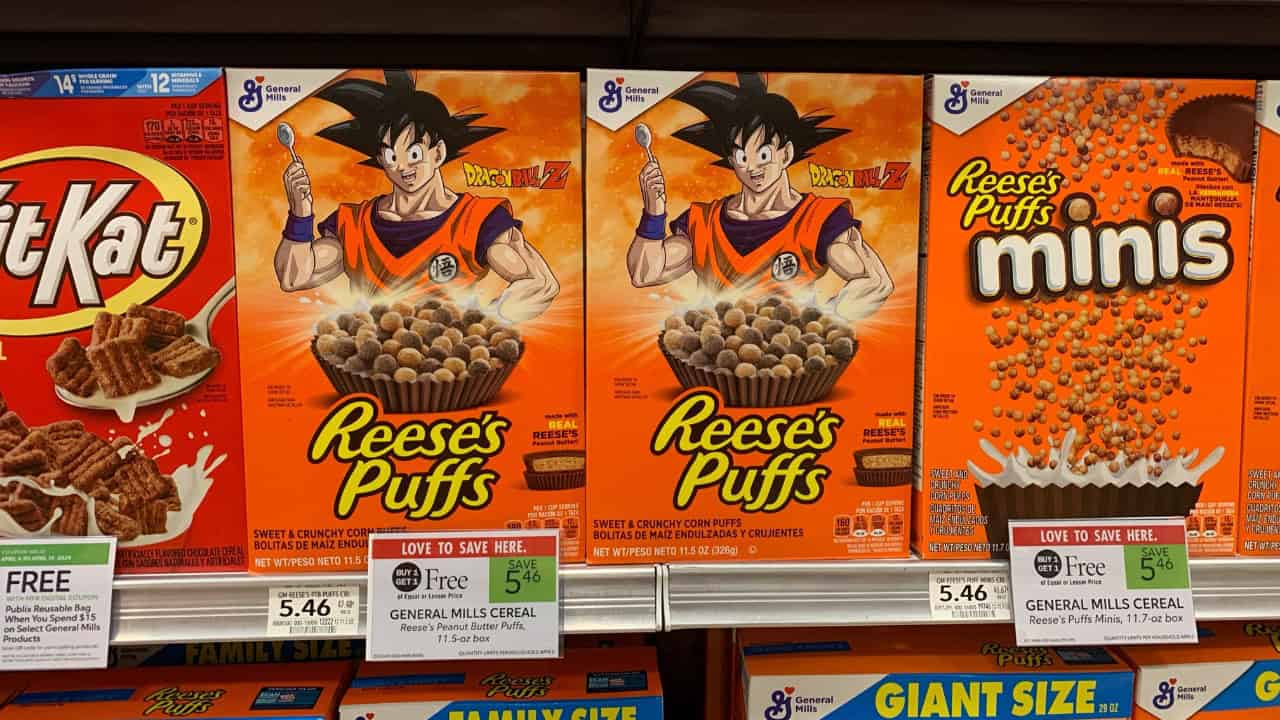
Supermarkets often use multi-buy deals to make you think you’re getting a bargain. It’s easy to see “three for two” or “buy two, get one free” and assume you’re saving big.
In reality, these deals sometimes offer minimal actual savings. You might end up buying more than you need, just to take advantage of the perceived discount. It’s important to check the unit price and compare it with single-item purchases to see if you’re truly getting a good deal.
For those keeping an eye on their budget, falling for these promotions can lead to unnecessary spending. Being aware of this trick can help you make smarter choices while shopping. If a deal seems too good to be true, it’s worth doing the math.
13. Displaying seasonal products prominently to capitalize on trends
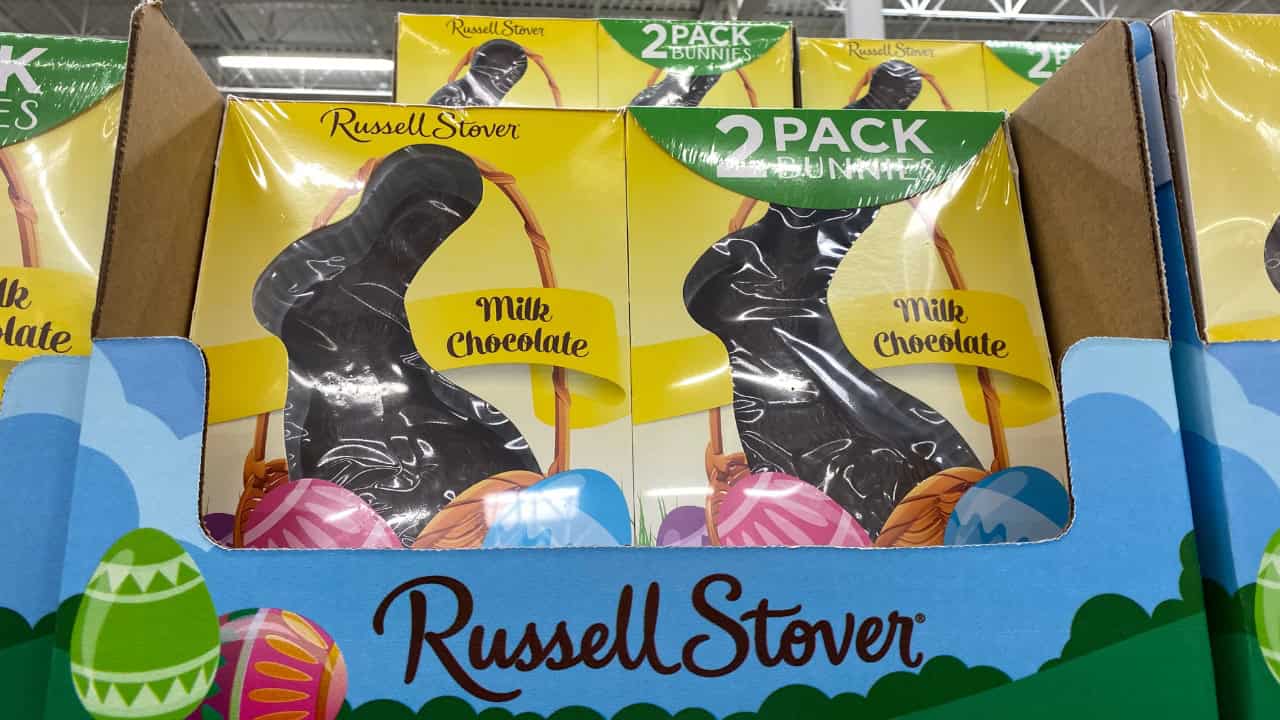
When you walk into a grocery store, you often notice seasonal products right at the front. These are placed to catch your eye immediately. Seasonal displays use bright colors and attractive arrangements to draw you in.
Highlighting seasonal items taps into current trends and your desire to enjoy fresh, in-season products. This strategy plays on your impulse to grab what’s timely. It encourages you to add items to your cart that you might not have planned to buy.
Retailers design these displays to create urgency, knowing that seasonal products are often limited-time. They know this can motivate you to make quick decisions while shopping.
By prioritizing these temporary items in key store locations, stores effectively push you to spend more on seasonal goods, boosting their sales.
14. Misting vegetables to make them look fresher and more appealing
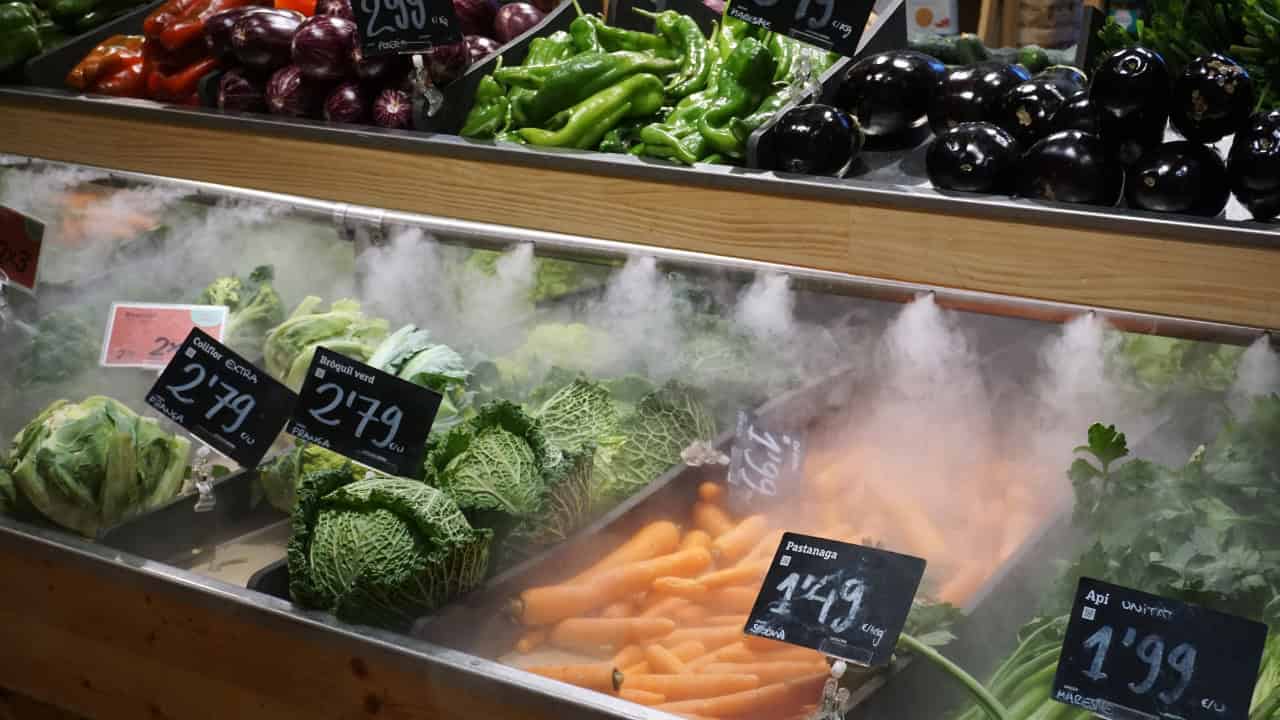
When you walk through the produce section, you might notice a light mist over the vegetables. This misting isn’t just about keeping them hydrated; it’s a clever trick.
The fresh sheen on the produce makes it look more appealing, tempting you to add items to your cart. Stores know that you are more likely to buy produce that looks freshly picked.
Even though the veggies might seem like they’ve just been harvested, appearances can be deceiving. The auto-misting system is designed to enhance visual appeal. While misting helps maintain some surface moisture, it’s primarily aimed at influencing your shopping decisions.
15. Putting expensive meal deals in attractive displays

When you’re wandering through a grocery store, you might notice that some meal deals are showcased with flair. Stores love to create beautiful displays to catch your eye, making you believe these deals are a great bargain.
These meal deals are often positioned in high-traffic areas where they are hard to miss. The appeal of an all-in-one meal package can be tempting. However, these deals sometimes end up costing more than buying the components separately.
Grocery stores aim to make shopping convenient for you, hoping you’ll pick up these neatly arranged items without checking prices. It’s easy to be swayed by how things look, but it’s always a good idea to compare the prices of individual items. That way, you can decide if you’re truly getting a deal or just buying into the display.