Clutter can sneak into your life in surprising ways, often without you even realizing it. While you might be aware of the obvious sources of clutter, there are many subtle triggers that contribute to the buildup in your home and workspace. Identifying these hidden clutter triggers can help you create a more organized and peaceful environment.
As you navigate your daily life, it’s important to recognize the factors that chip away at your space and mental clarity. By becoming aware of these triggers, you can take proactive steps to manage and reduce clutter in your life.
Advertisement
Stacks of Old Magazines
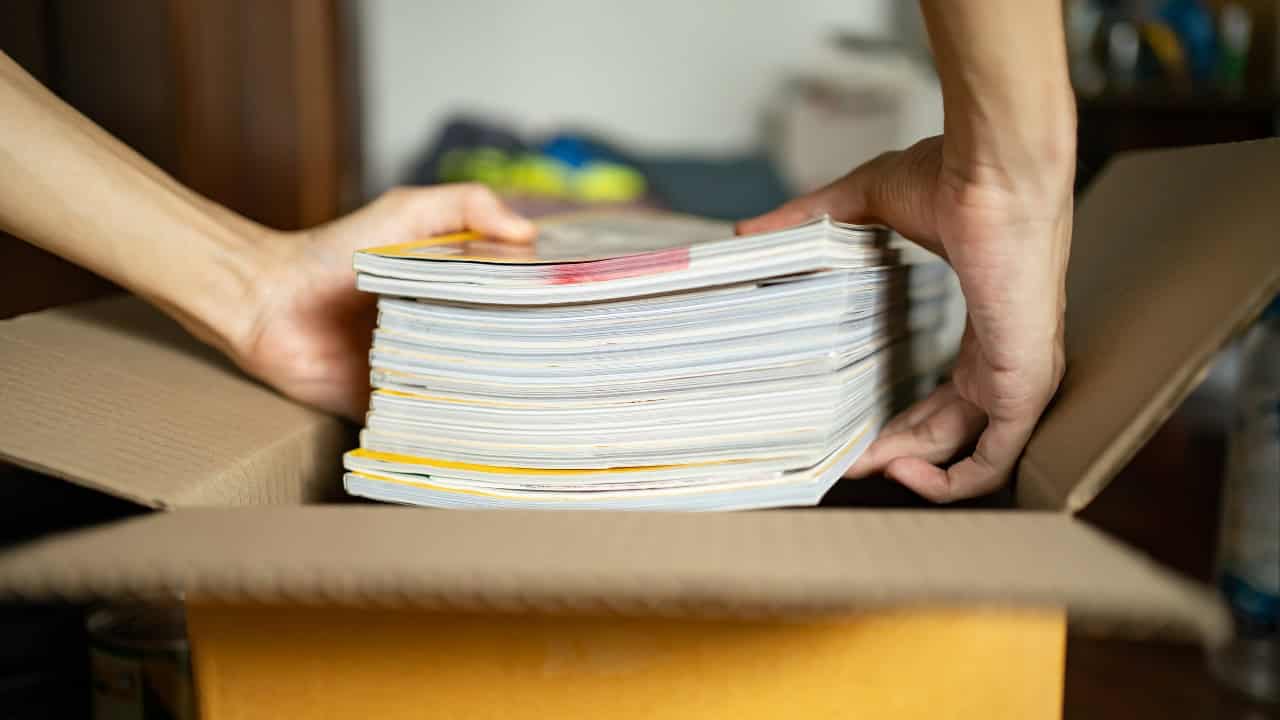
Old magazines can quietly pile up, taking over your space. You might think they hold valuable information or memories.
In reality, they often contribute to clutter and stress. Rethink what you keep. Consider recycling those stacks to create a more organized and peaceful environment.
Shoes Scattered in the Entrance
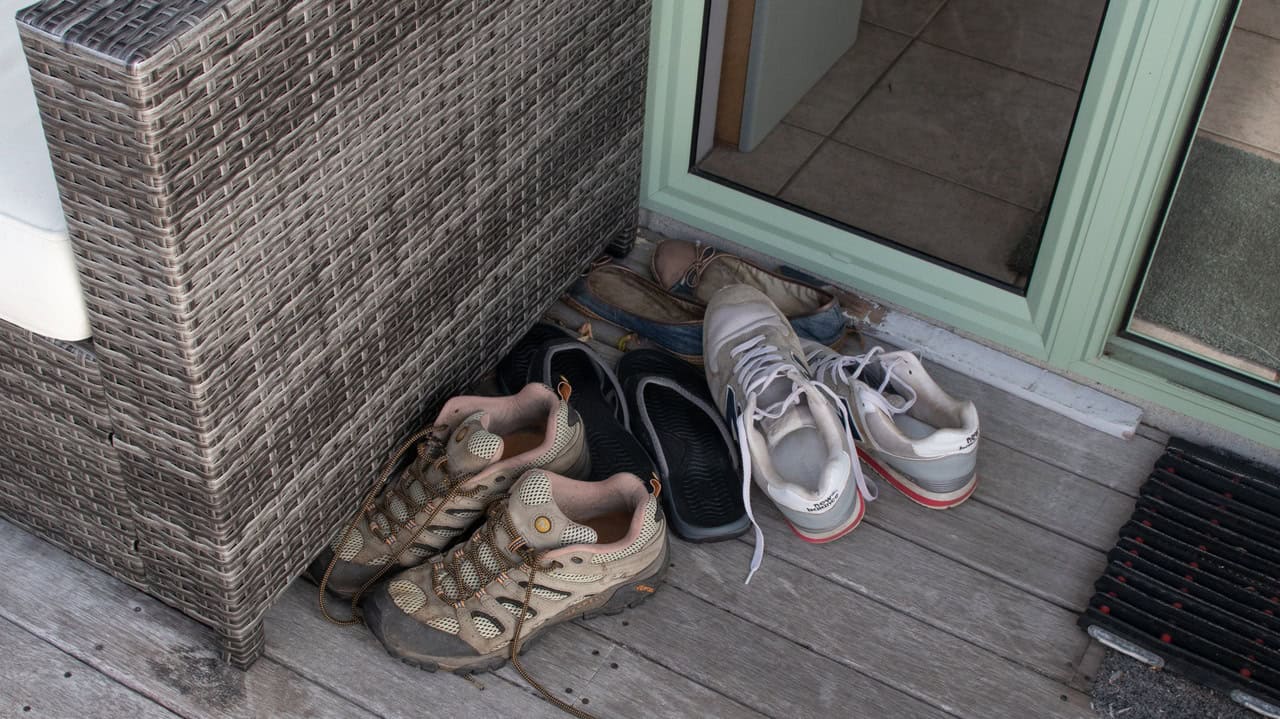
Having shoes scattered at the entrance can create an immediate sense of chaos. It’s easy to overlook this small detail, but it affects how you feel when you come home.
To combat this, consider a designated shoe rack or basket. This simple solution keeps your space tidy and makes it easier for you to grab your shoes when you head out.
Piles of Laundry
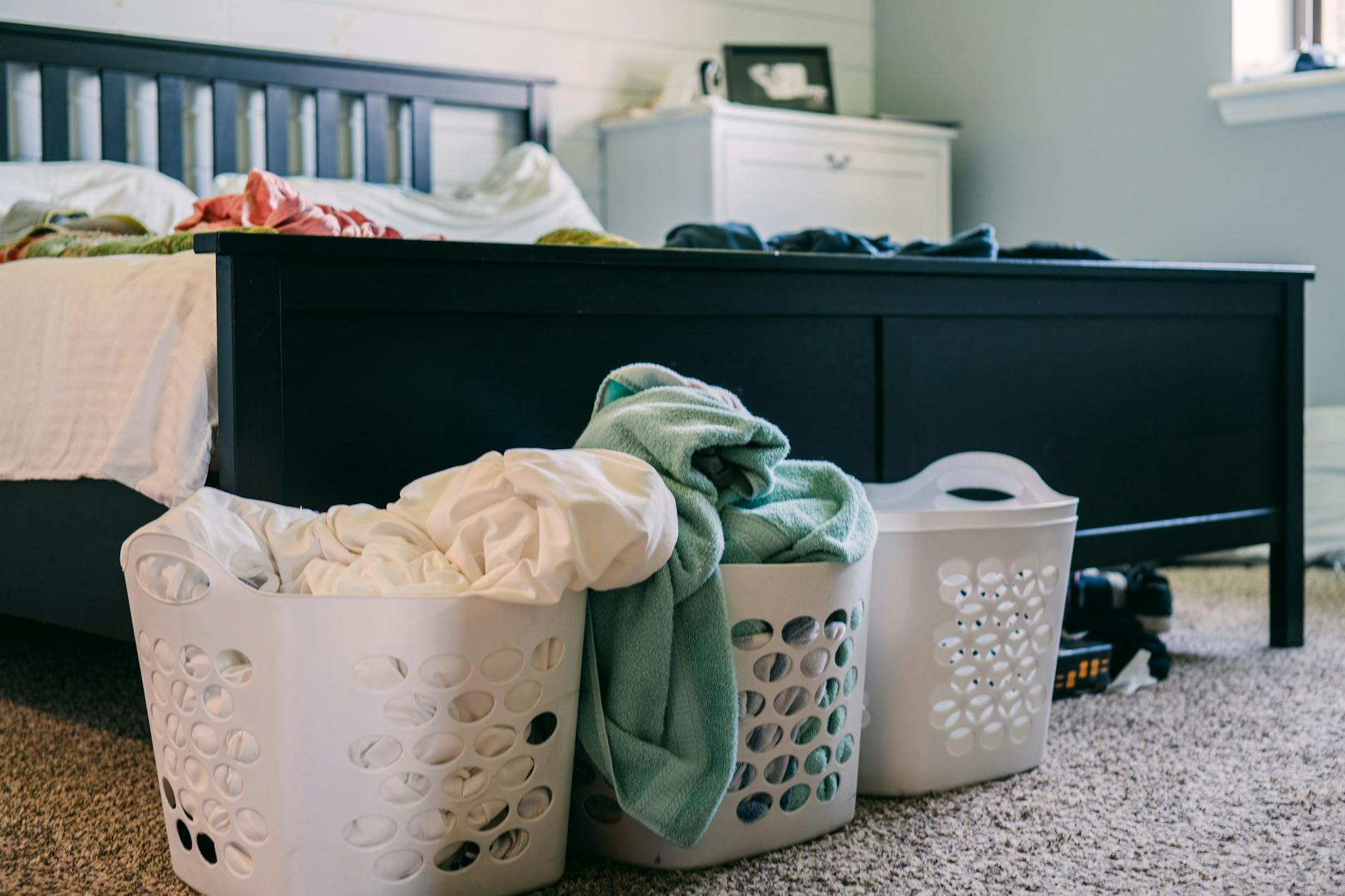
Piles of laundry can silently create stress in your home. They may seem like a minor issue, but they can weigh on your mind.
Seeing clothes waiting to be folded can distract you and contribute to feelings of overwhelm. Tackling a small portion at a time can make this task feel less daunting and restore a sense of order.
Overflowing Kitchen Countertop
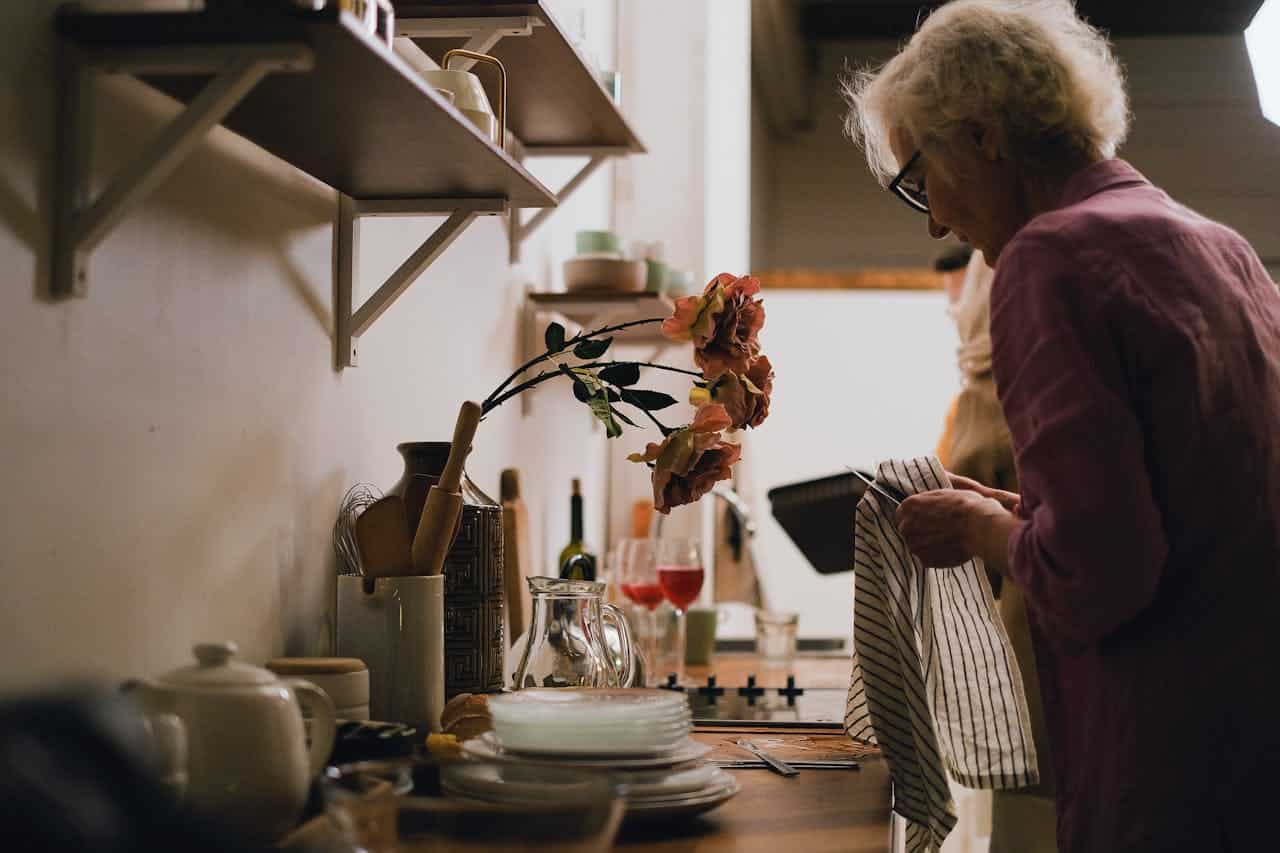
An overflowing kitchen countertop can quickly become a source of frustration. It often collects items like mail, appliances, and random dishes.
To tackle this issue, take a few moments each day to clear off the counters. You can create designated spots for frequently used items, making your kitchen feel more organized.
Small daily habits can keep your kitchen tidy and functional. Remember, a clear countertop can also make cooking more enjoyable!
Unused Gadgets on the Desk
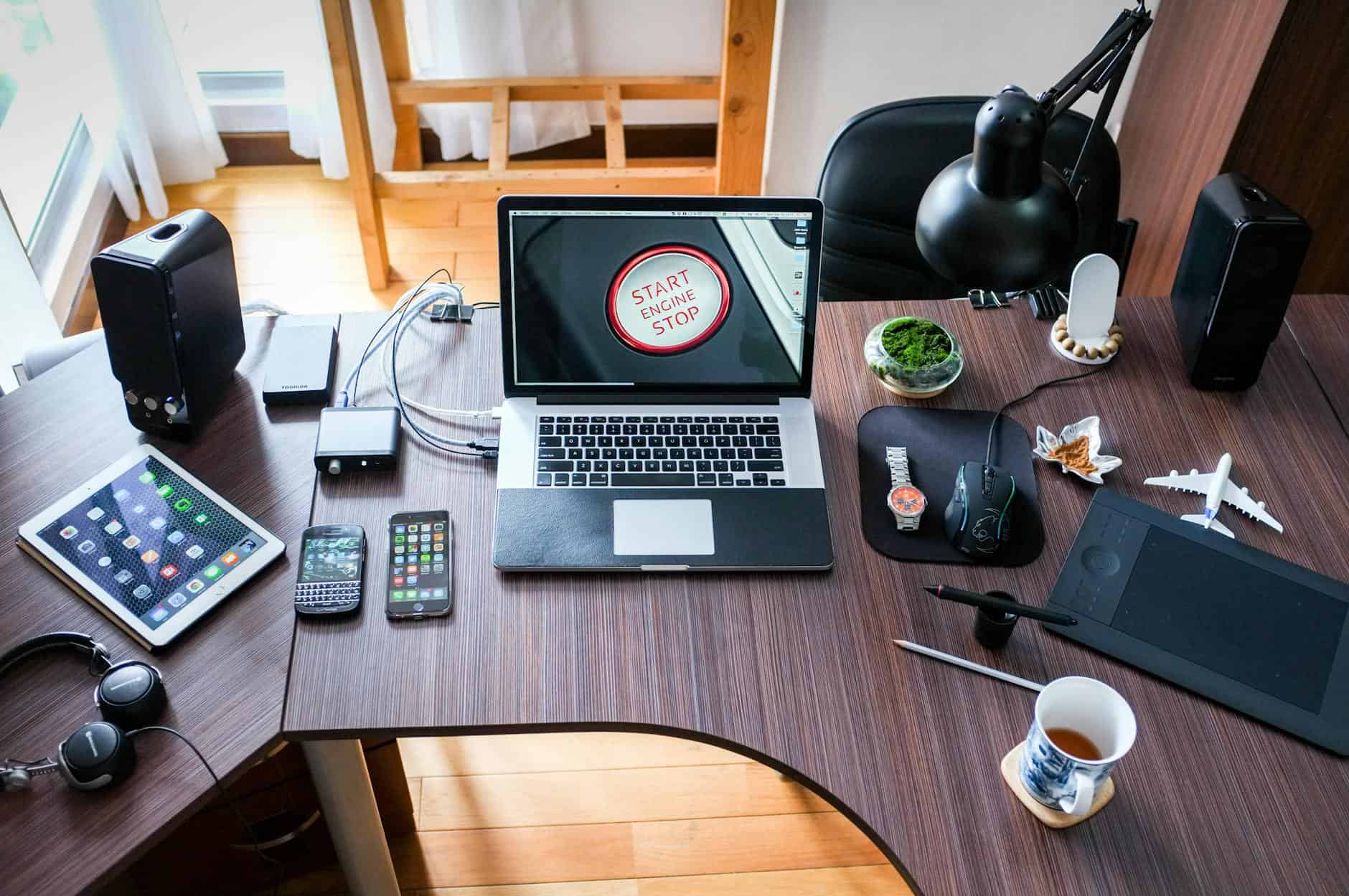
Look around your desk. Are there gadgets that you haven’t used in months? Those items can quickly become clutter.
Consider if you really need that old coffee grinder or an unused lamp. If they don’t serve a purpose or bring you joy, it might be time to let them go. Simplifying your space can help create a more productive environment.
Unopened mail stacking up
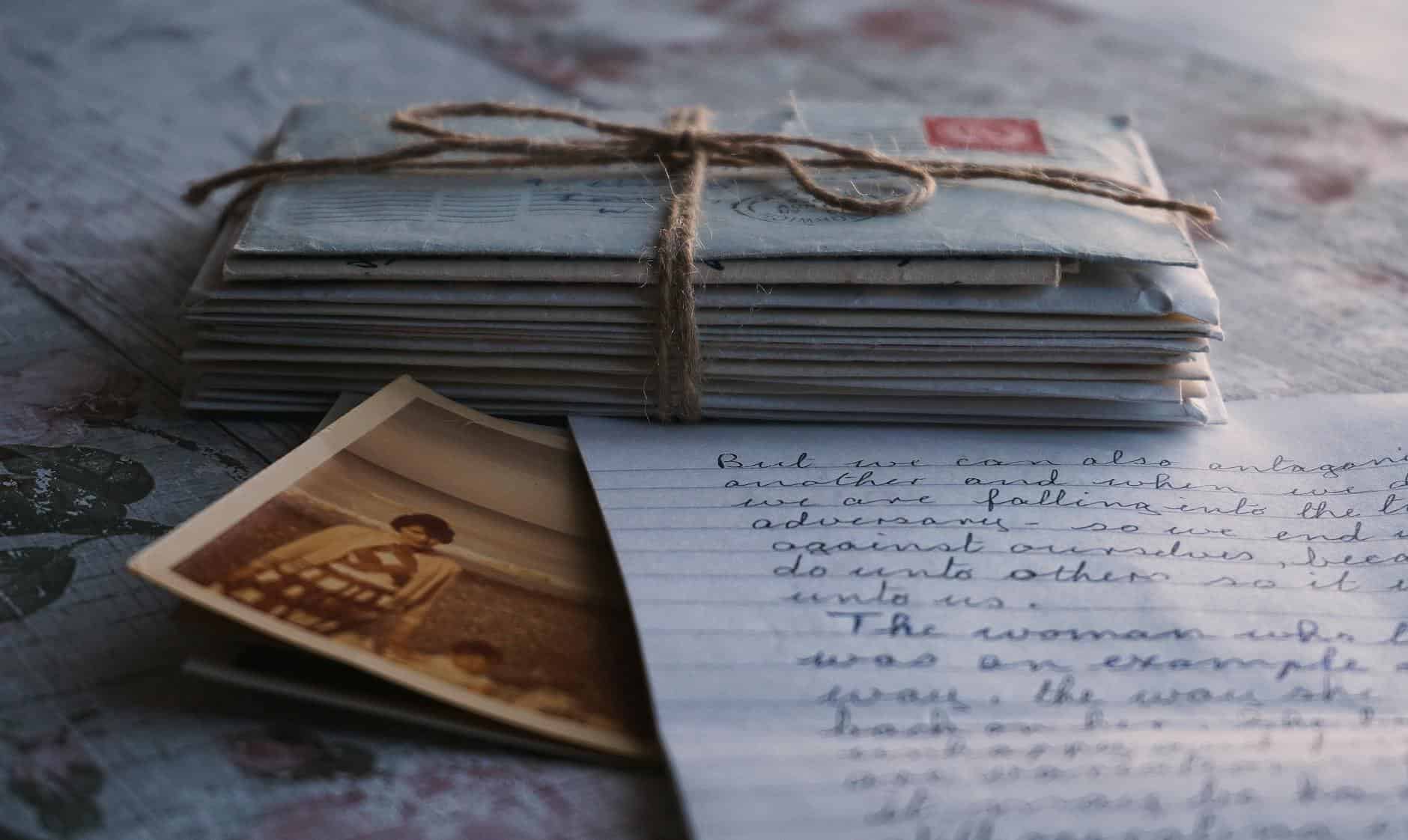
Unopened mail can quickly become a stressor in your home. Each piece of mail represents a task or decision you might be avoiding. As it piles up, it can contribute to feelings of anxiety and overwhelm.
Rather than letting it accumulate, consider setting aside a few minutes each week to sort through your mail. This simple habit can help keep your space clear and your mind at ease.
Disorganized Bookshelf
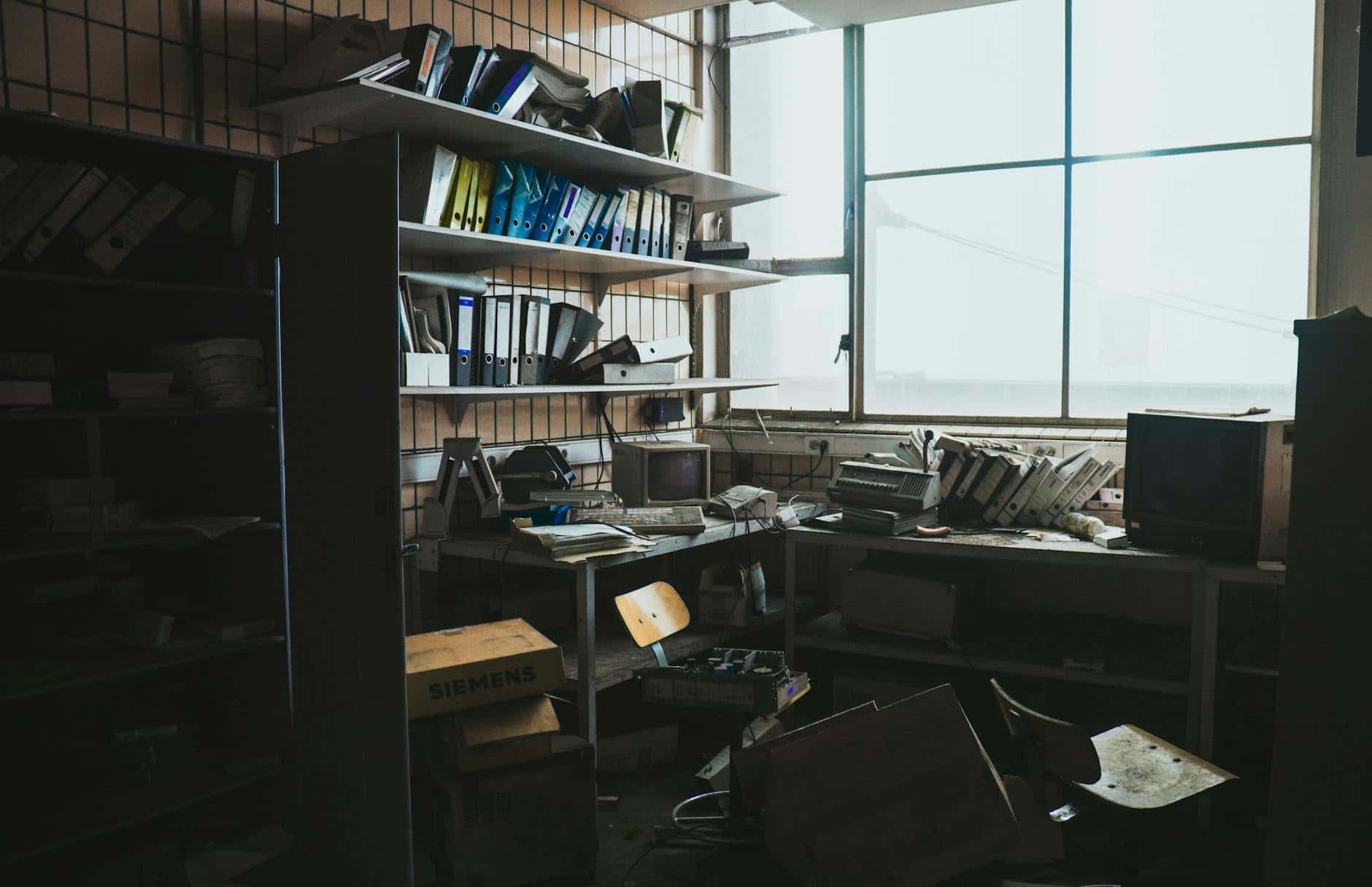
A disorganized bookshelf can be a hidden source of stress. When books are piled up or scattered, it’s hard to focus on what you want to read.
You may feel overwhelmed by the clutter, which can make it tough to find inspiration or even relax in your space.
Taking time to organize your bookshelf can bring a sense of calm and control back into your environment.
Clothes Piled on a Chair
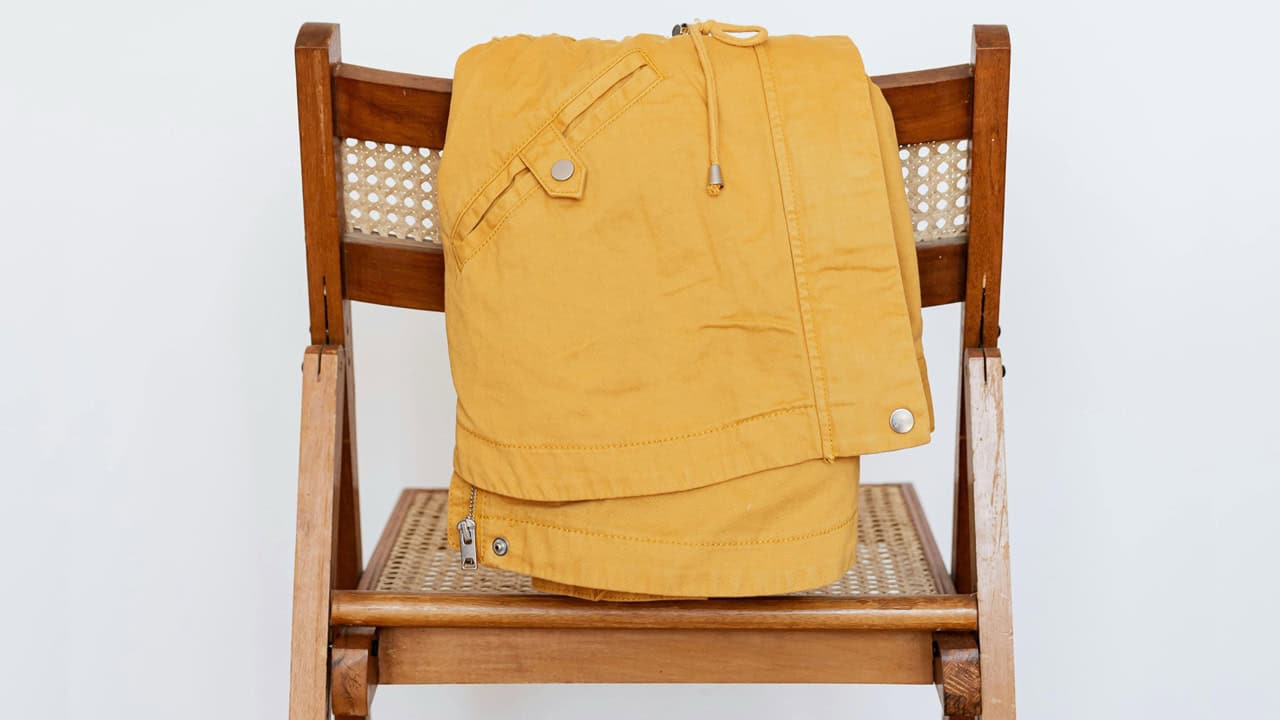
You might not realize it, but a chair covered in clothes is a common clutter trigger. It can slowly pile up, turning into a catch-all for items you haven’t put away.
Each time you toss something onto the chair, it adds to the mess and the feeling of overwhelm. Taking a moment to tidy up can help restore a sense of order in your space.
Overflowing Junk Drawer

Your junk drawer can quickly become a black hole for items you don’t know what to do with. You might toss in batteries, old takeout menus, or miscellaneous screws without thinking twice.
Taking just a few minutes to sort through it can work wonders. Keep items you truly need and discard the rest to create a more organized space.
Decorations without purpose

Decorations can easily accumulate in your home without serving any real function. Items that don’t resonate with you or add value can contribute to a feeling of clutter.
Consider each piece and ask yourself if it brings joy or meaning to your space. If it doesn’t, it might be time to let it go and create a more intentional environment.
Empty containers in the fridge

Empty containers in your fridge can create unnecessary clutter. They take up valuable space and can contribute to a feeling of disorganization.
Every time you open the fridge, seeing these containers may add to your visual stress. Take a moment to remove them regularly. This simple action can help keep your fridge tidy and functional.
Unpaired socks under the bed

You might not realize it, but unpaired socks can quickly contribute to clutter. They often gather dust bunnies and become a hidden source of frustration.
When you’re sorting laundry, consider finding their match or letting go of the single socks.
Clearing this space not only tidies your room but also creates a more organized environment for your feet and your mind.
Abandoned DIY Projects
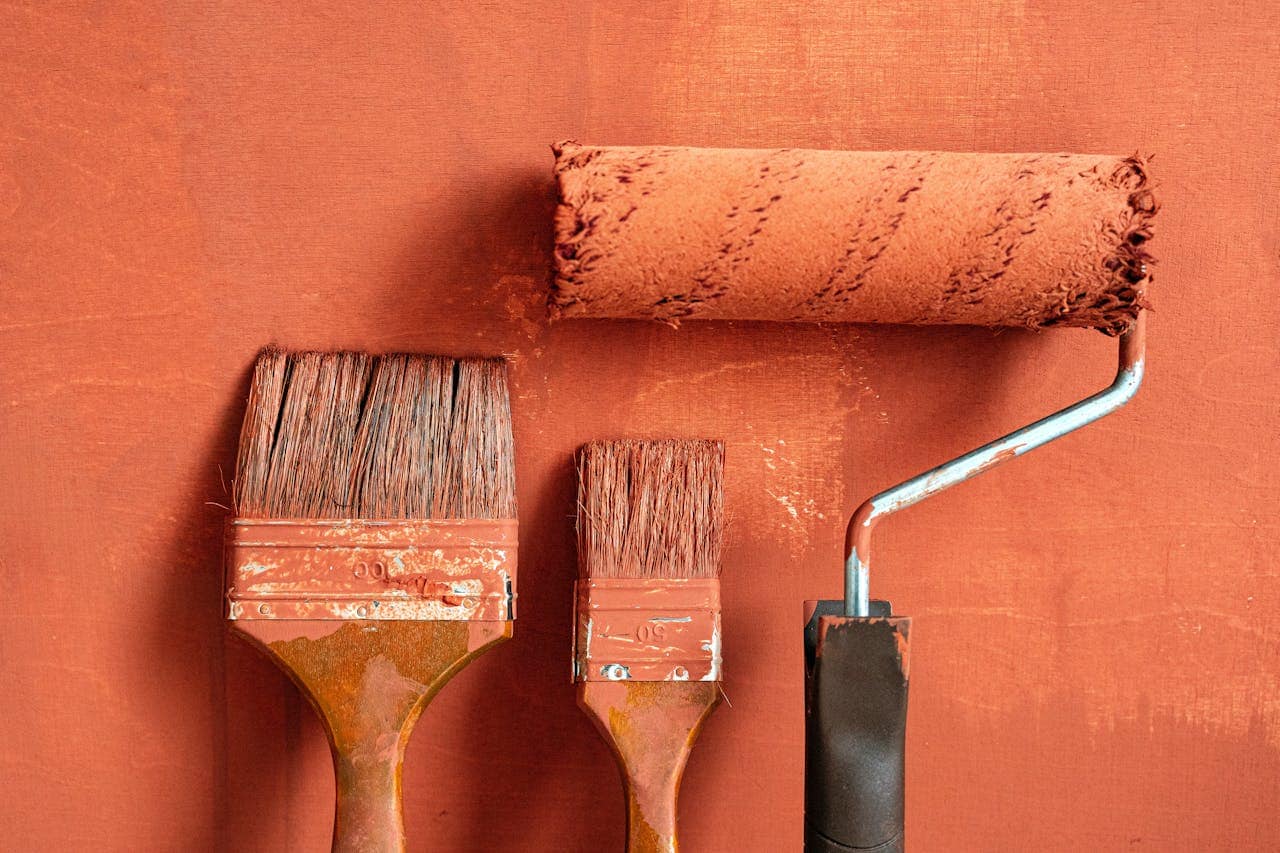
Abandoned DIY projects can quickly become clutter in your home. You might start with excitement, but life often gets in the way.
These unfinished activities not only take up space but can also trigger feelings of guilt. Consider setting aside time to either complete them or let them go. This simple act can help clear your environment and mind.
Tangled cords and cables

Tangled cords and cables often go unnoticed until they become a frustrating mess. You might have a drawer or basket filled with chargers and wires.
Untangling them takes time and can lead to waste. By organizing these items, you can create a safer and tidier space, reducing clutter in your home.
Old toiletries in the bathroom
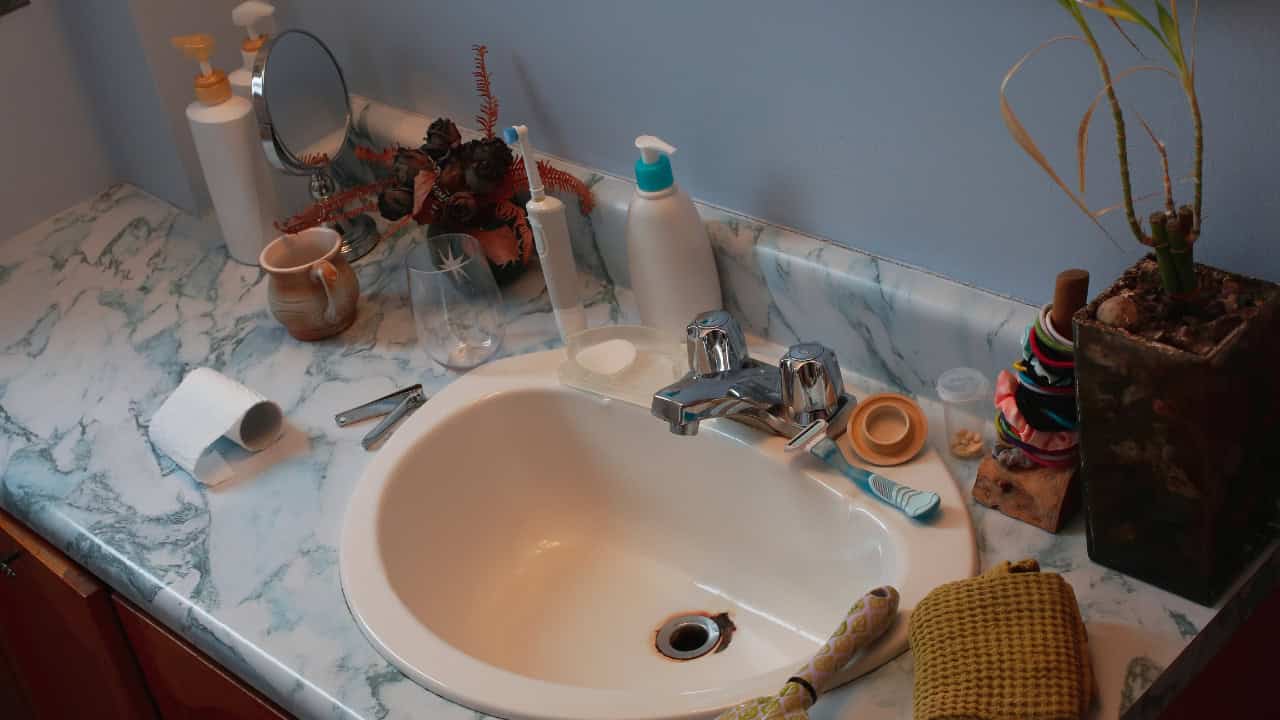
You might not realize how many old toiletries are cluttering your bathroom. Expired products or those you no longer use take up valuable space.
Take a moment to check your shelves and drawers. Dispose of items like old shampoo, lotion, or makeup you haven’t touched in months. Clearing these out can create a more organized and peaceful space for you.