Let’s face it, we all have clutter in our lives that’s causing us stress. Whether it’s physical clutter in our homes, digital clutter on our devices, or mental clutter in our minds, it’s all adding to our anxiety and reducing our peace of mind. A decluttered space can lead to a decluttered mind, and who doesn’t want that?
That’s why I’ve put together this list of 15 clutter sources that I’ve eliminated from my life, and how you can do the same.
Advertisement
1. Unnecessary Emails

I can’t be the only one who used to dread opening my inbox and being faced with hundreds of unread emails, most of which were unimportant. I decided to tackle this source of digital clutter head on.
Start by unsubscribing from any newsletters or subscriptions that you no longer read or find valuable. Many email services offer a feature that allows you to mass-unsubscribe, which can save a lot of time. Next, set up folders or labels to organise your emails. This will make it easier to find important emails and ignore the ones that aren’t as urgent.
2. Unused Apps
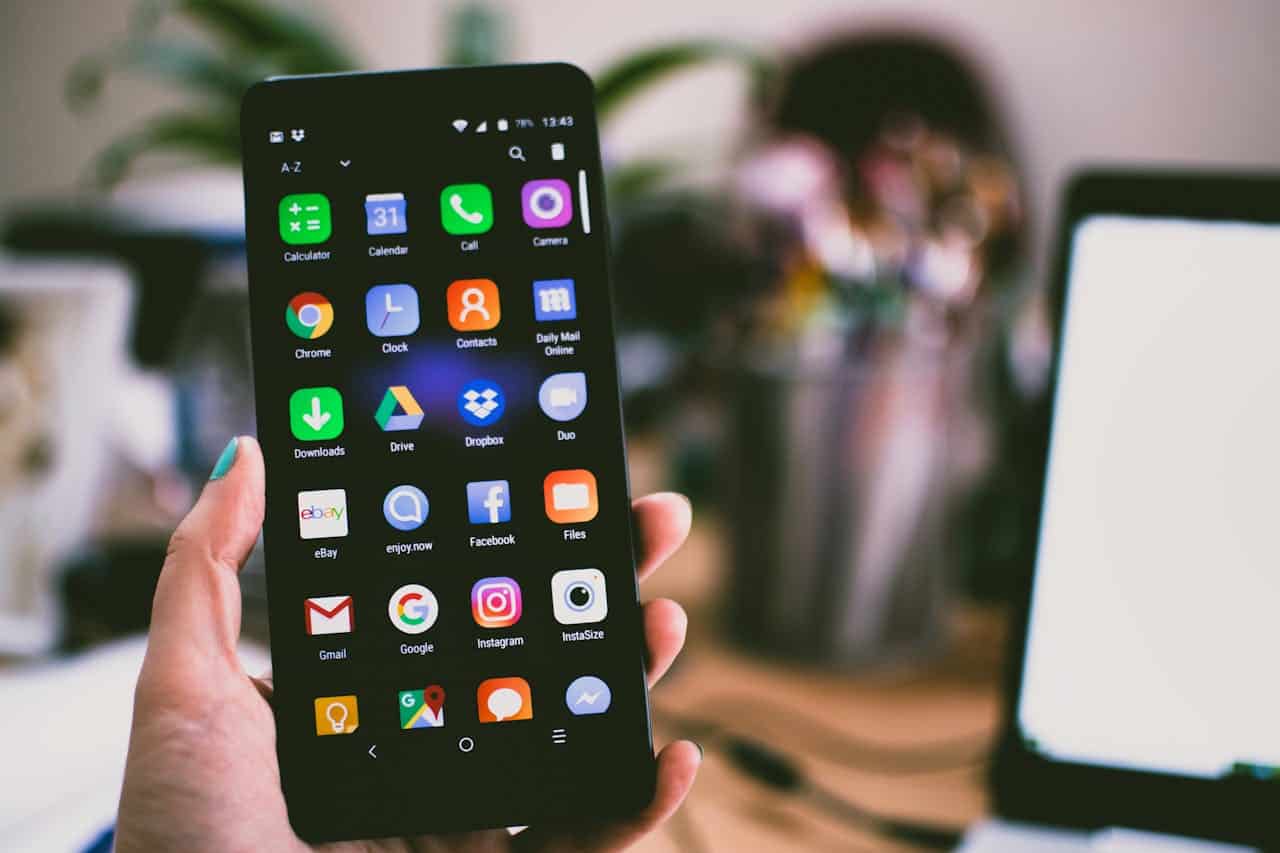
It’s easy to download apps that you think you’ll use, but then never open. These unused apps take up valuable storage space on your device and create visual clutter.
Take some time to go through your device and delete any apps that you haven’t used in the last six months. If you’re worried about losing data, check if the app allows you to back up your data first. Remember, you can always download the app again if you realise you need it.
3. Outdated Paperwork

Paperwork is a major source of physical clutter in many homes. Some of this paperwork may be important, but a lot of it is probably outdated and no longer needed.
Start by sorting through your paperwork and separating it into two piles: keep and discard. Anything that’s outdated or no longer relevant can be discarded. For the paperwork that you’re keeping, consider scanning it and storing it digitally to reduce physical clutter.
4. Clothes You Don’t Wear

We all have clothes that we no longer wear, whether it’s because they no longer fit, are out of style, or we just don’t like them anymore. These clothes take up valuable wardrobe space and create clutter.
Consider donating or selling any clothes that you haven’t worn in the last year. Not only will this reduce clutter, but it will also make your wardrobe more manageable and make getting dressed in the morning easier.
5. Duplicate Items

Whether it’s kitchen utensils, tools, or toiletries, we all have duplicate items in our homes that we don’t need. These items take up valuable space and create clutter.
Take some time to go through your home and identify any duplicate items. Consider donating or selling any duplicates, or if they’re worn out, disposing of them responsibly.
6. Unused Furniture

Furniture is a major source of physical clutter in many homes. If you have furniture that you’re not using, it’s just taking up space.
Consider selling or donating any unused furniture. Not only will this reduce clutter, but it will also make your home feel more spacious and inviting.
7. Old Electronics

Old electronics are another source of clutter. Whether it’s an old phone, laptop, or TV, these items take up space and can be difficult to dispose of responsibly.
Consider selling or recycling any old electronics. Many electronics retailers offer recycling programs, and there are also many online platforms where you can sell used electronics.
8. Unfinished Projects

Unfinished projects can be a major source of mental clutter. Whether it’s a DIY project, a book you started reading but never finished, or a course you started but didn’t complete, these projects can weigh on your mind and cause stress.
Consider either completing these projects or letting them go. Remember, it’s okay to admit that you’re not going to finish a project. The relief of letting it go can be worth more than the stress of trying to complete it.
9. Toxic Relationships

Toxic relationships can be a major source of mental clutter. Whether it’s a friend, family member, or colleague, these relationships can cause a lot of stress and anxiety.
Consider distancing yourself from these relationships. It’s important to surround yourself with positive, supportive people who contribute to your well-being, not detract from it.
10. Social Media
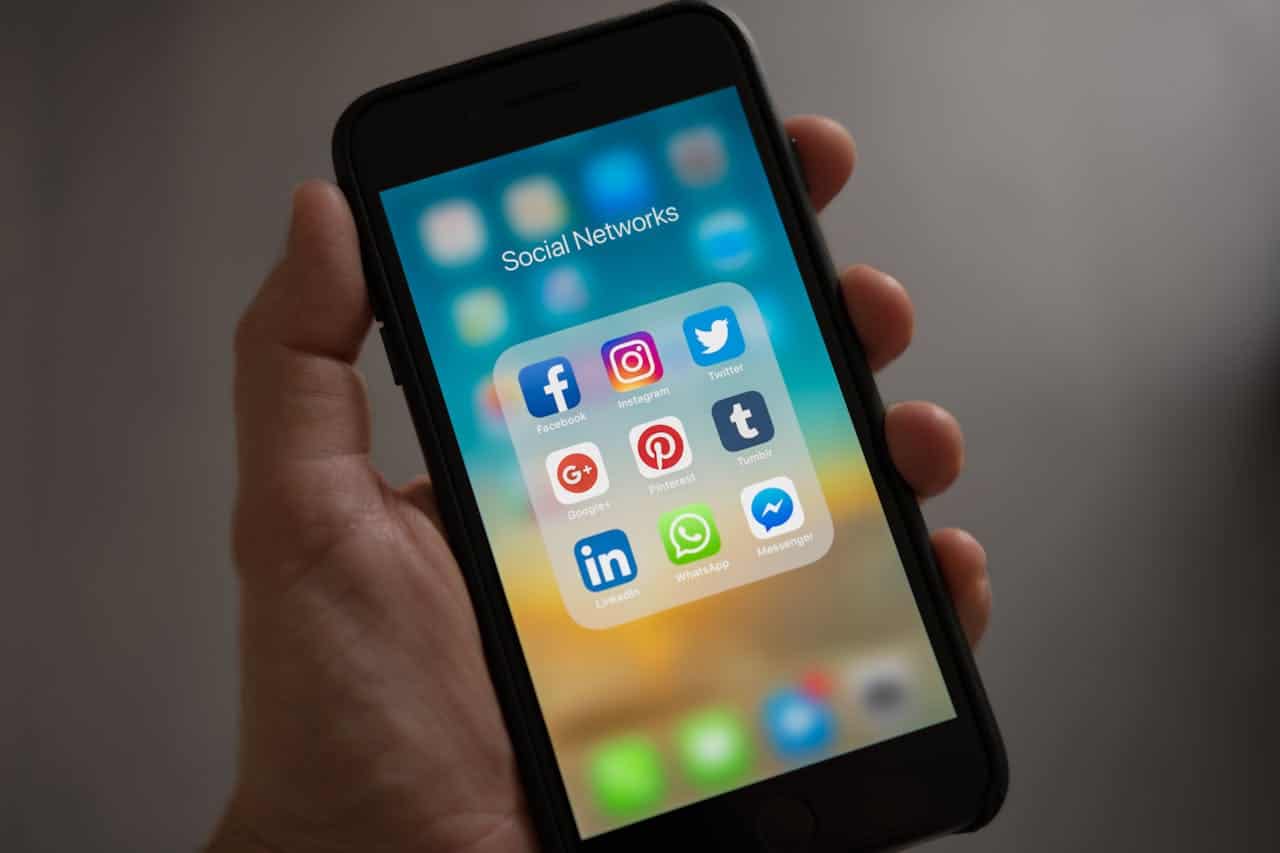
Social media can be a major source of digital clutter. It’s easy to get sucked into the endless scroll of posts, which can be overwhelming and stressful.
Consider unfollowing any accounts that don’t bring you joy or add value to your life. Also, consider setting boundaries for your social media use, such as limiting the amount of time you spend on it each day.
11. Negative Thoughts

Negative thoughts can be a major source of mental clutter. Whether it’s self-doubt, worry, or regret, these thoughts can cause a lot of stress and anxiety.
Consider practicing mindfulness or meditation to help manage your negative thoughts. Remember, it’s okay to have negative thoughts, but it’s important not to let them control you.
12. Junk Food

Junk food can be a source of physical clutter in your kitchen and also contributes to mental and physical clutter by affecting your health and well-being.
Consider cleaning out your pantry and getting rid of any junk food. Replace it with healthier options that will nourish your body and mind.
13. Unfulfilling Activities

Spending time on activities that don’t fulfill you or add value to your life can be a source of mental clutter.
Consider identifying these activities and replacing them with things you love and enjoy. This can free up time for more meaningful activities that contribute to your overall happiness and well-being.
14. Negative News

Constant exposure to negative news can be a source of mental clutter and can contribute to feelings of stress and anxiety.
Consider limiting your exposure to negative news. Instead, try to focus on positive news and stories that uplift and inspire you.
15. Unrealistic Expectations

Having unrealistic expectations can be a major source of mental clutter. Whether it’s expectations you have for yourself or expectations others have for you, these can cause a lot of stress and anxiety.
Consider identifying and letting go of any unrealistic expectations. Remember, it’s okay not to be perfect. Give yourself permission to be human and make mistakes. You’ll be surprised at how much peace of mind this can bring.