Your closet can quickly become cluttered with items you no longer wear or need. Taking some time to sort through it can help you create more space and make getting dressed easier every day.
Knowing which items to donate can simplify the process and ensure your donations are useful to others. This guide will help you identify pieces in your closet that are ready to find a new home this weekend.
Advertisement
Gently worn jeans
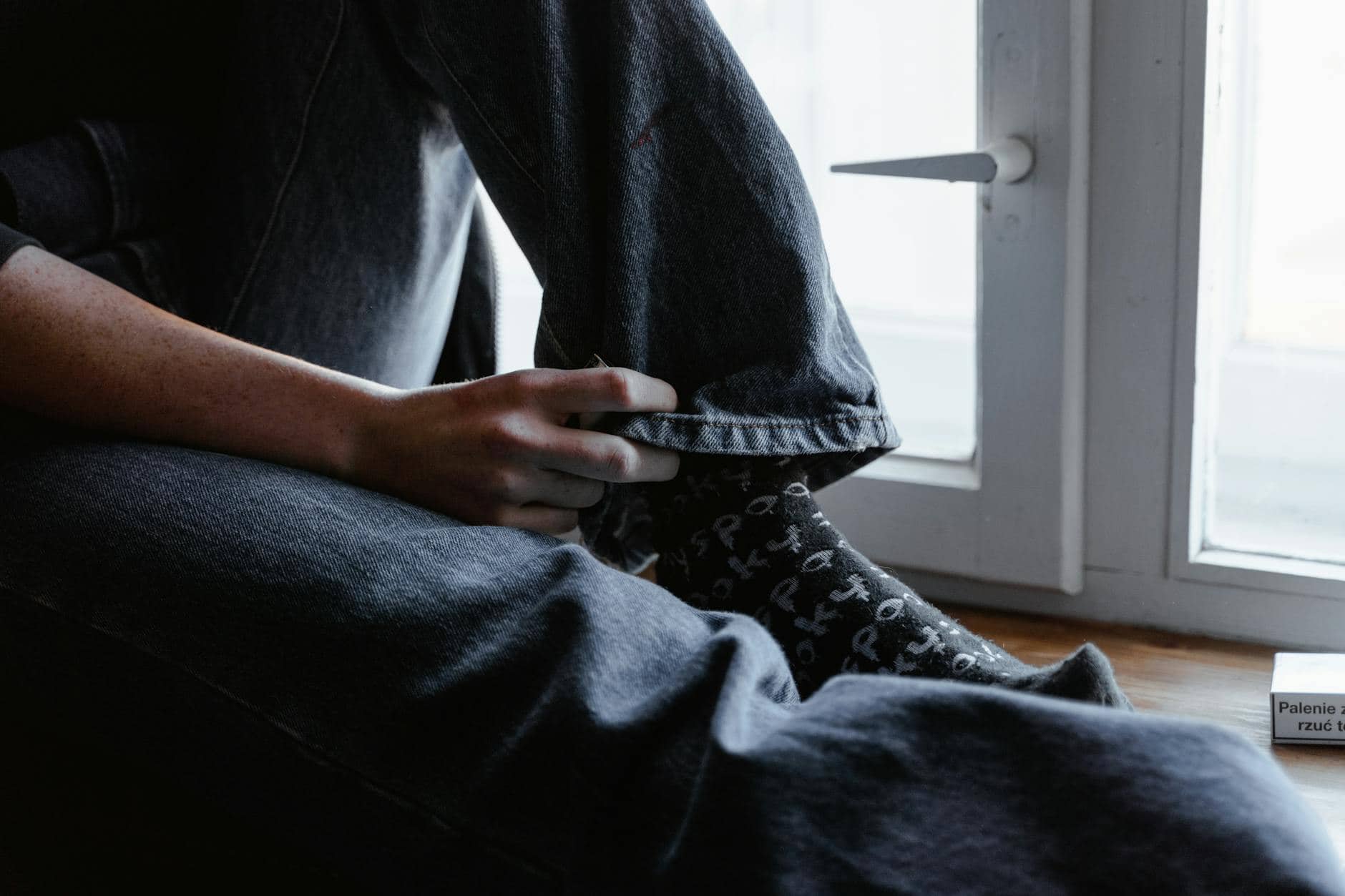
You can donate jeans that are still in good shape but no longer fit or suit your style. Make sure they have no major stains or tears.
Jeans are versatile and always in demand. Your gently worn pairs can find new life with someone who needs them. Sorting through your jeans is an easy way to clear space and support sustainable fashion at the same time.
Clean graphic t-shirts
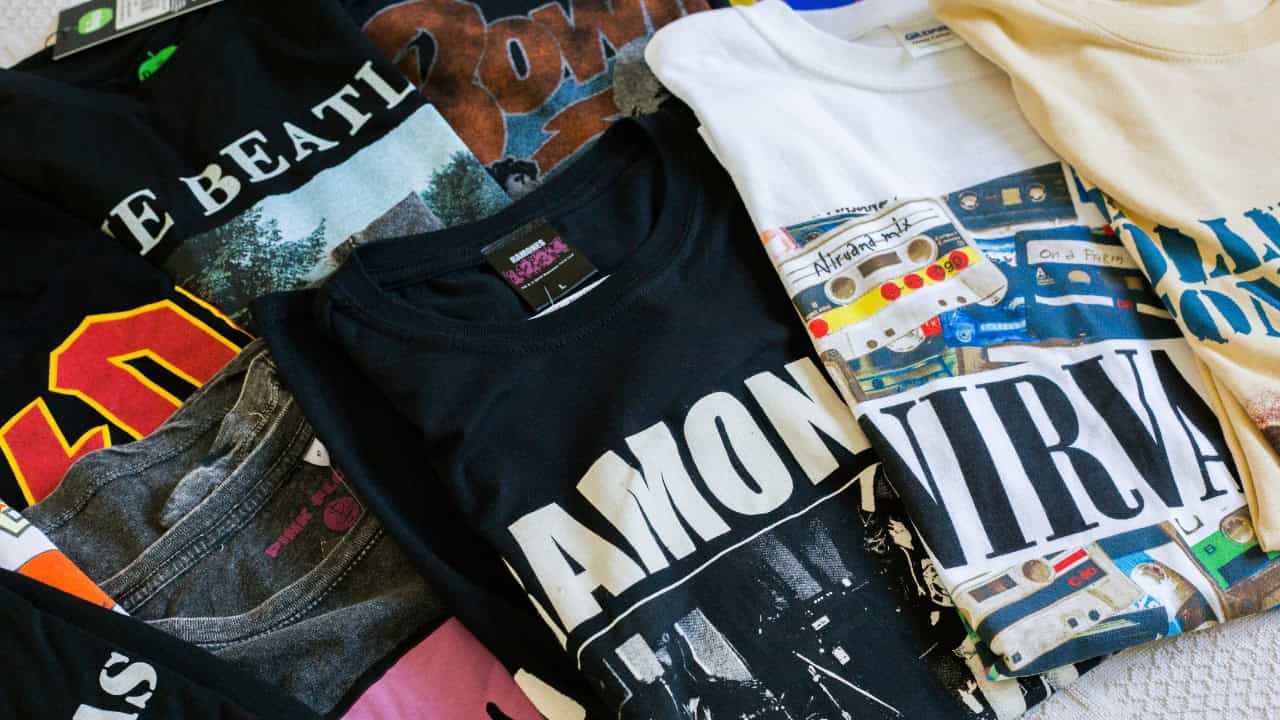
If you have graphic t-shirts that still look good but don’t get worn, consider donating them. Make sure they are free of stains and holes before giving them away.
Washing your t-shirts before donating helps keep them fresh and hygienic for the next person. By passing them on, you give your shirts a second life without adding clutter to your closet.
Lightweight sweaters
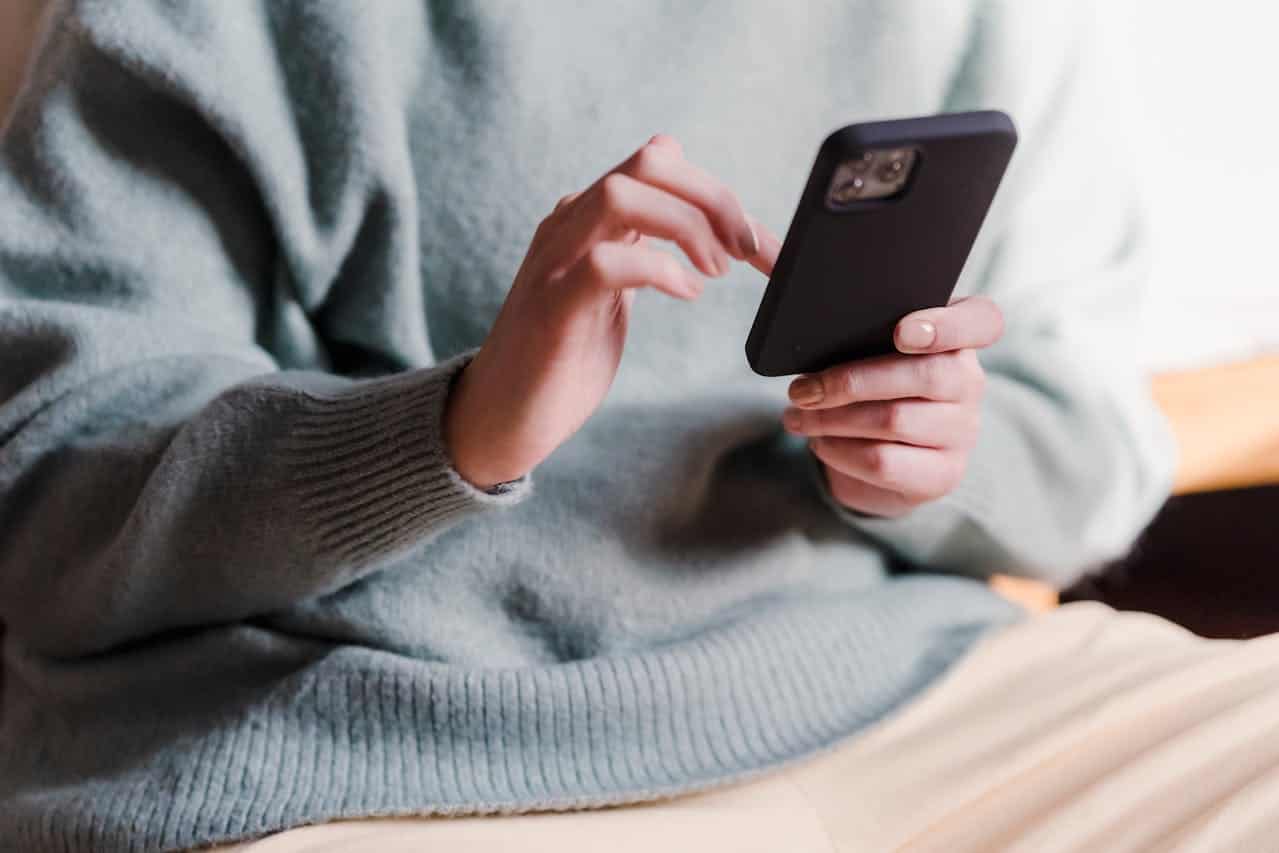
Lightweight sweaters are perfect for donating because they suit many seasons and climates. If you have gently used sweaters you no longer wear, they can help someone stay comfortable during cool mornings or evenings.
Make sure your sweaters are clean and in good condition. Donating these items gives your community versatile clothing that’s easy to layer or wear on their own.
Unused scarves

If you have scarves sitting unused in your closet, consider donating them. Scarves in good condition can brighten someone’s wardrobe and provide warmth.
Make sure your scarves are clean and free from stains or tears before donating. This helps ensure they’re ready to use right away. Donating scarves is a simple way to clear space while helping others stay comfortable during colder months.
Winter coats in good condition

You can make a big difference by donating winter coats that are clean and in good shape. Check all the pockets and fix minor issues like missing buttons or zippers before giving them away.
Some shelters also accept scarves, hats, and gloves, so consider including those if you have extras. Your gently used coat could really help someone stay warm this season.
Casual dresses

You can donate casual dresses that you no longer wear or need. These are great for everyday use and work well for many people.
Make sure the dresses are clean and in good condition before donating. Simple styles, different sizes, and comfortable fabrics are especially appreciated.
Your donation helps others find affordable clothing for daily wear. Donating your casual dresses is a kind and practical way to clear out your closet.
Work-appropriate blouses

You can donate blouses that are neat, clean, and suitable for office settings. Think about items like button-down shirts, silk blouses, or simple patterned tops.
These pieces help others build a wardrobe for interviews or jobs. Make sure your blouses are in good condition without rips or stains before donating.
Kids’ clothing in season
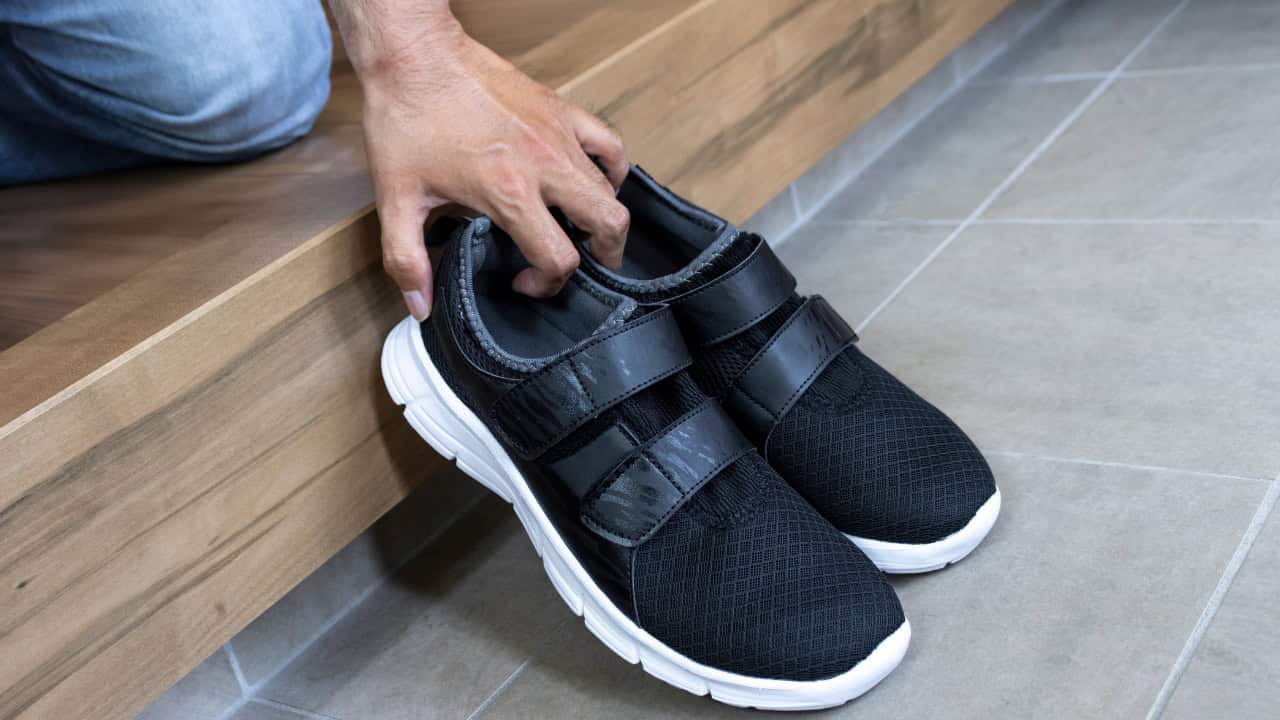
You can make a big difference by donating kids’ clothing that fits the current season. Focus on items like jeans, sneakers, and jackets that are school-appropriate and durable.
As the weather shifts, consider hoodies, sweaters, and long sleeves for layering. These help kids stay comfortable and confident every day.
Donating gently used or new clothes ensures children are ready to face the school year with the right outfits. Your contribution can support local students in need.
Athletic wear
You likely have athletic clothes that no longer fit or that you simply don’t use. Donating gently worn workout gear like leggings, shorts, and sports bras can help someone stay active without spending much.
Make sure your items are clean and in good condition. Many organizations accept athletic wear to support local communities or sell in thrift stores, giving your clothes a second life.
Pajama sets

If you have gently used pajama sets, consider donating them to local charities. Many organizations prefer brand new, complete sets with tops and bottoms, especially for children.
Make sure the pajamas are clean and in good condition. Donating sizes for kids from newborn to 12 years old can really help families in need in your community.
Belts with no damage
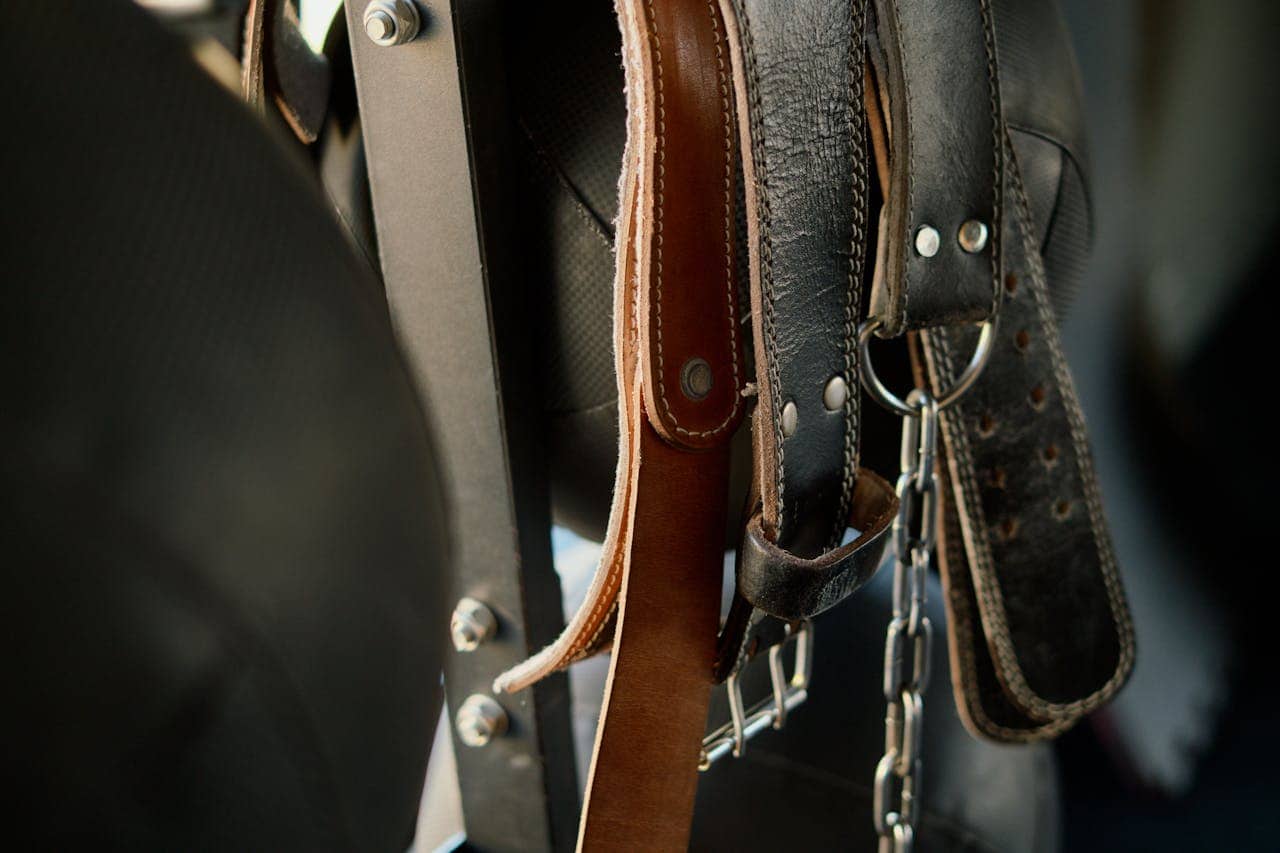
You can donate belts as long as they are in good condition. Make sure there are no cracks, tears, or broken buckles. Clean belts show you care and give them a better chance to be used again.
Check your collection for belts you no longer wear but are still sturdy. Donating these can help others complete their outfits easily.
Handbags with intact straps
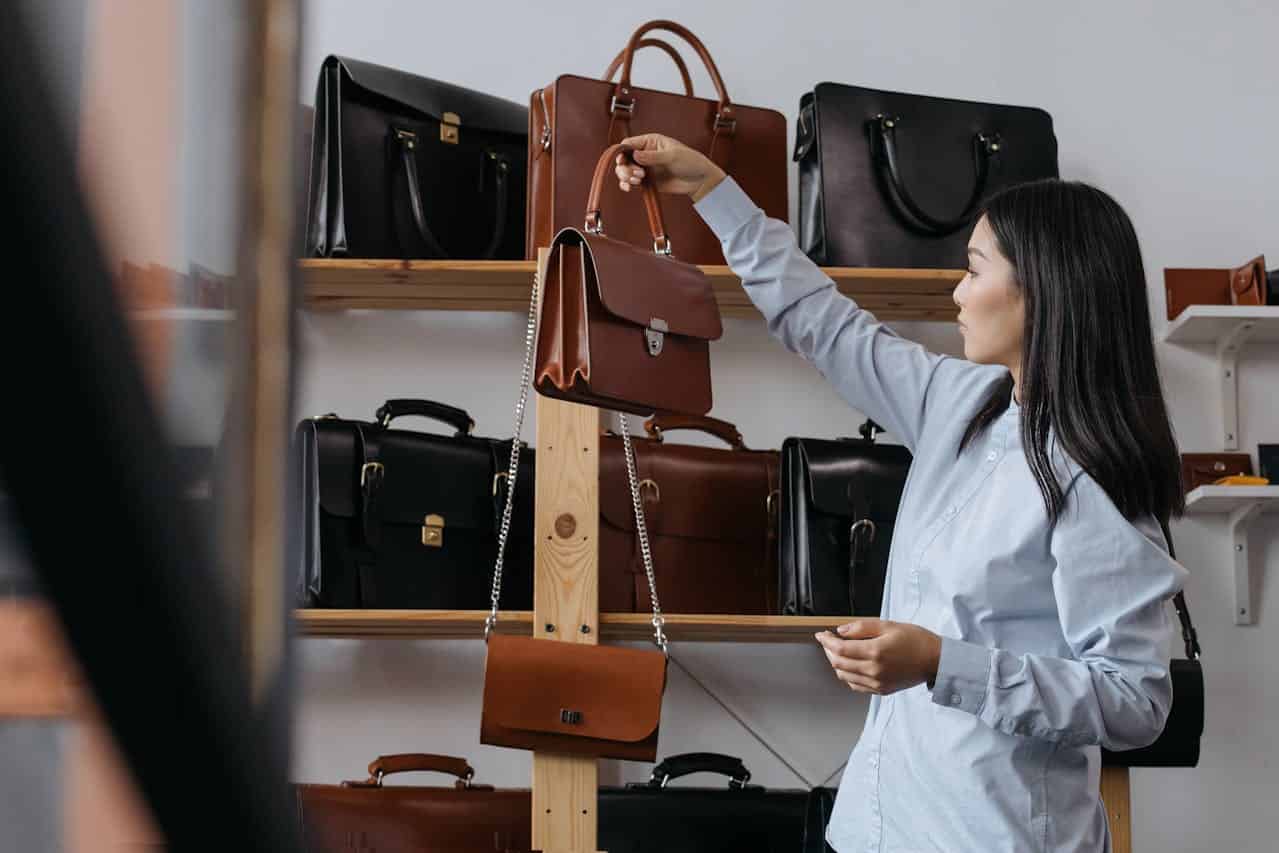
If you have handbags with straps that are still in good shape, these are great to donate. Many charities and thrift stores accept them because they can be used again or sold to raise funds.
Make sure the bags are clean and free from major damage. This helps ensure your donation goes to good use and brings joy to someone else.
Shoes with minimal wear
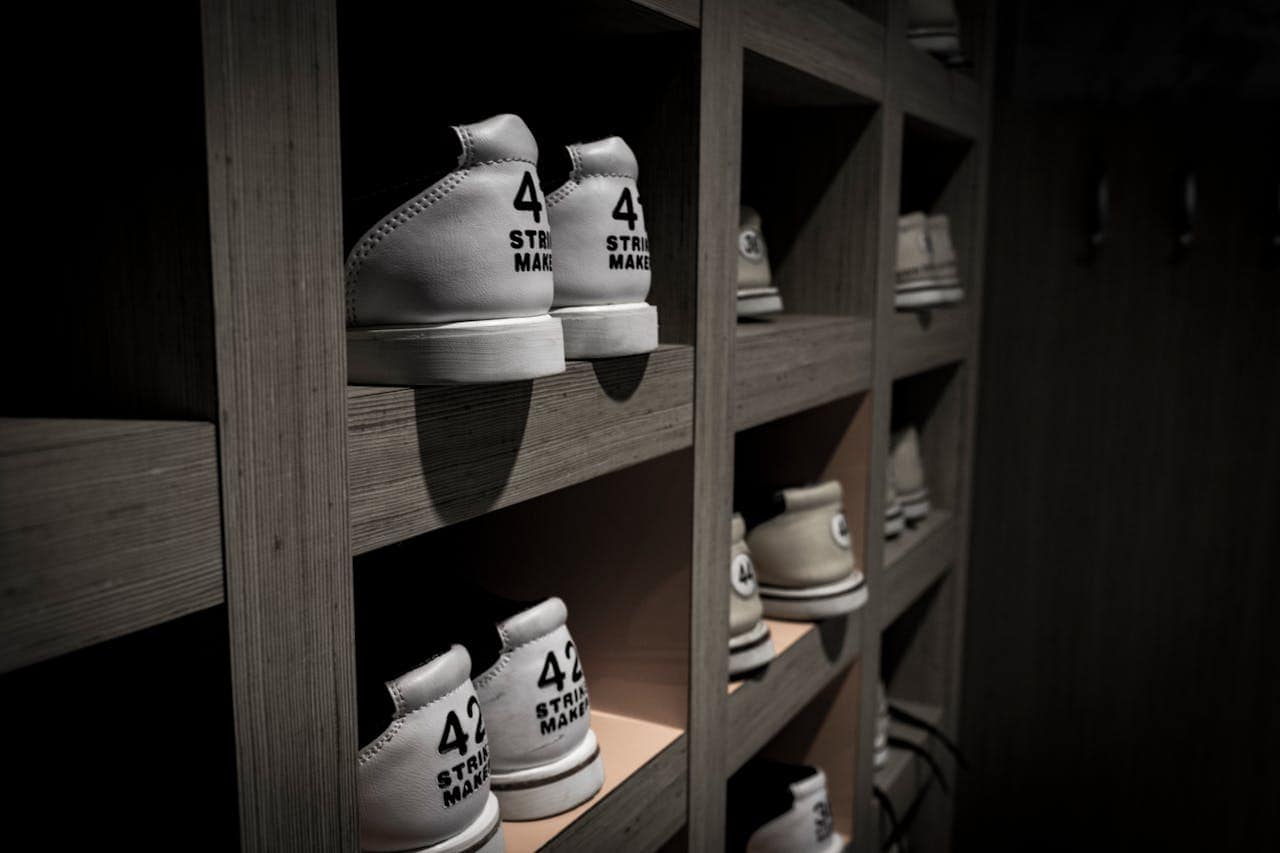
You can donate shoes that are gently used and still in good shape. Look for pairs with intact soles, no major scuffs, and clean surfaces. These shoes can be athletic, formal, or casual styles. They are perfect for someone else to use without needing repairs.
Donating shoes in good condition helps reduce waste and supports those in need. Check if local charities or programs accept your shoes before dropping them off.
Hats and caps
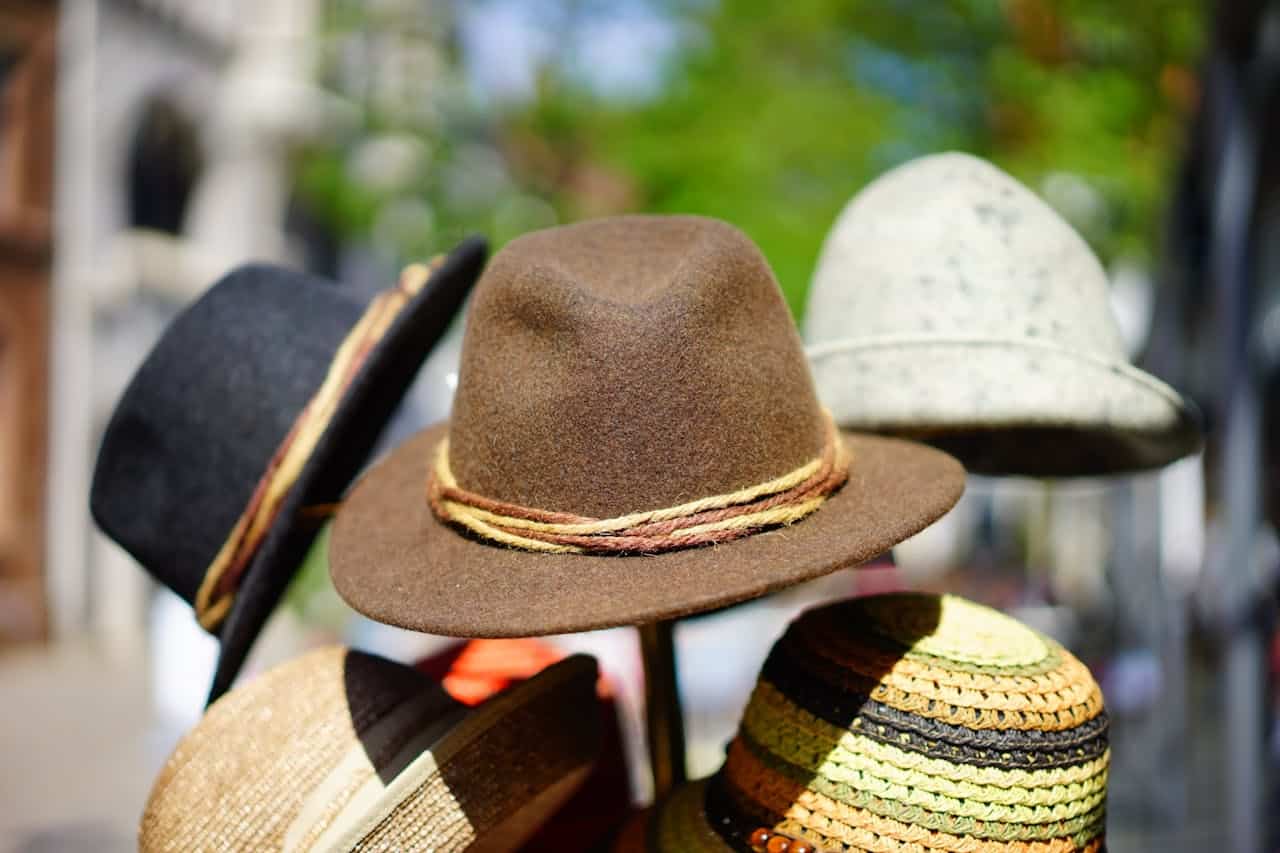
You can make a real difference by donating hats and caps. Handmade or new ones help keep people warm, especially those facing tough times.
Warm hats can boost comfort and mood, which is important for anyone dealing with stress or illness. Shelters, hospitals, and nonprofits often welcome these donations. Consider knitted hats, beanies, or simple caps. Your contribution can protect newborns, veterans, and many others from the cold.
Jewelry pieces
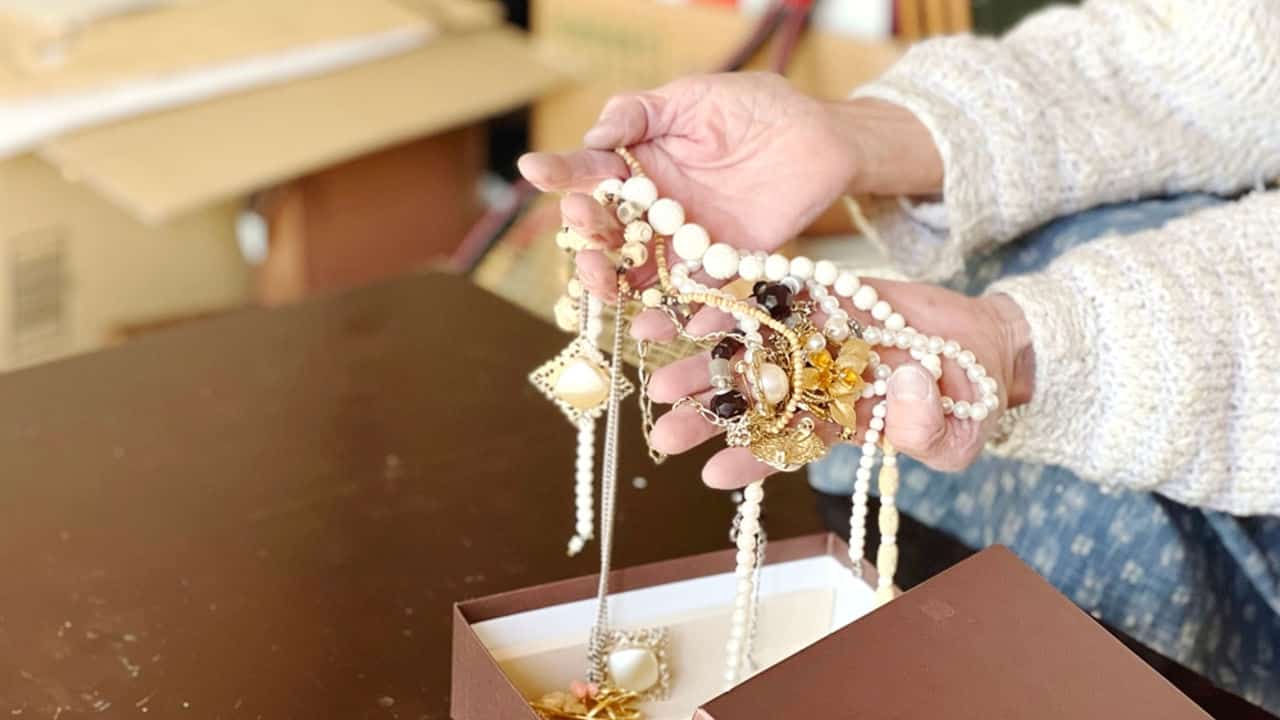
You can donate your old or unused jewelry to many charities that accept all kinds of pieces, including broken ones. This helps people in need and supports community programs through the sale of donated items.
Before donating, check carefully to avoid giving away family heirlooms or items with sentimental value. If you enjoy crafts, consider turning old jewelry into new creations before donating.