In the quest for a clean and hygienic home, many of us have a habit of stockpiling an array of cleaning products. However, I’ve come to realize that not all of these products are necessary, and some can even be harmful to our health and the environment. With a focus on minimalism, sustainability, and efficiency, I have narrowed down my cleaning supplies to a select few, eliminating the excess. Here’s a list of 15 cleaning products I no longer stockpile and why you might want to reconsider them too.
1. Bleach
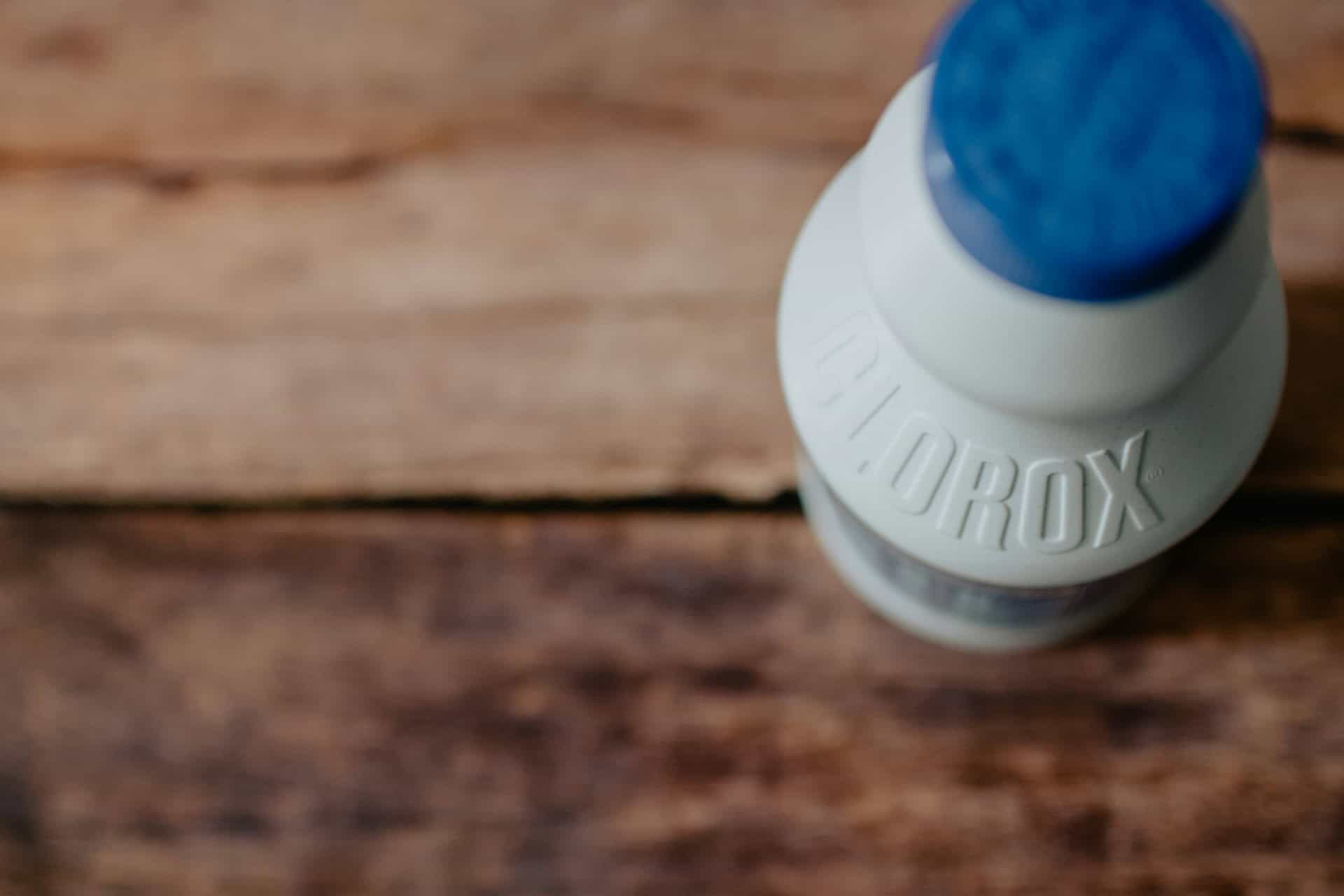
Bleach was once a staple in my cleaning arsenal. It’s a powerful disinfectant and can make surfaces look spotlessly clean. However, its harsh chemical composition can be harmful to our respiratory system and the environment.
Advertisement
Now, I use hydrogen peroxide, a safer and equally effective alternative. It’s a fantastic disinfectant, and it breaks down into water and oxygen, making it eco-friendly. Just make sure to store it in a dark bottle as light can break it down.
2. Air Fresheners
I used to be a fan of air fresheners for their immediate effect in masking unpleasant odors. However, I learned that many of them contain volatile organic compounds (VOCs) that can contribute to indoor air pollution.
As an alternative, I now use essential oils in a diffuser or potpourri made from natural ingredients. They smell great and have the added benefit of not releasing harmful chemicals into the air.
3. Antibacterial Sprays
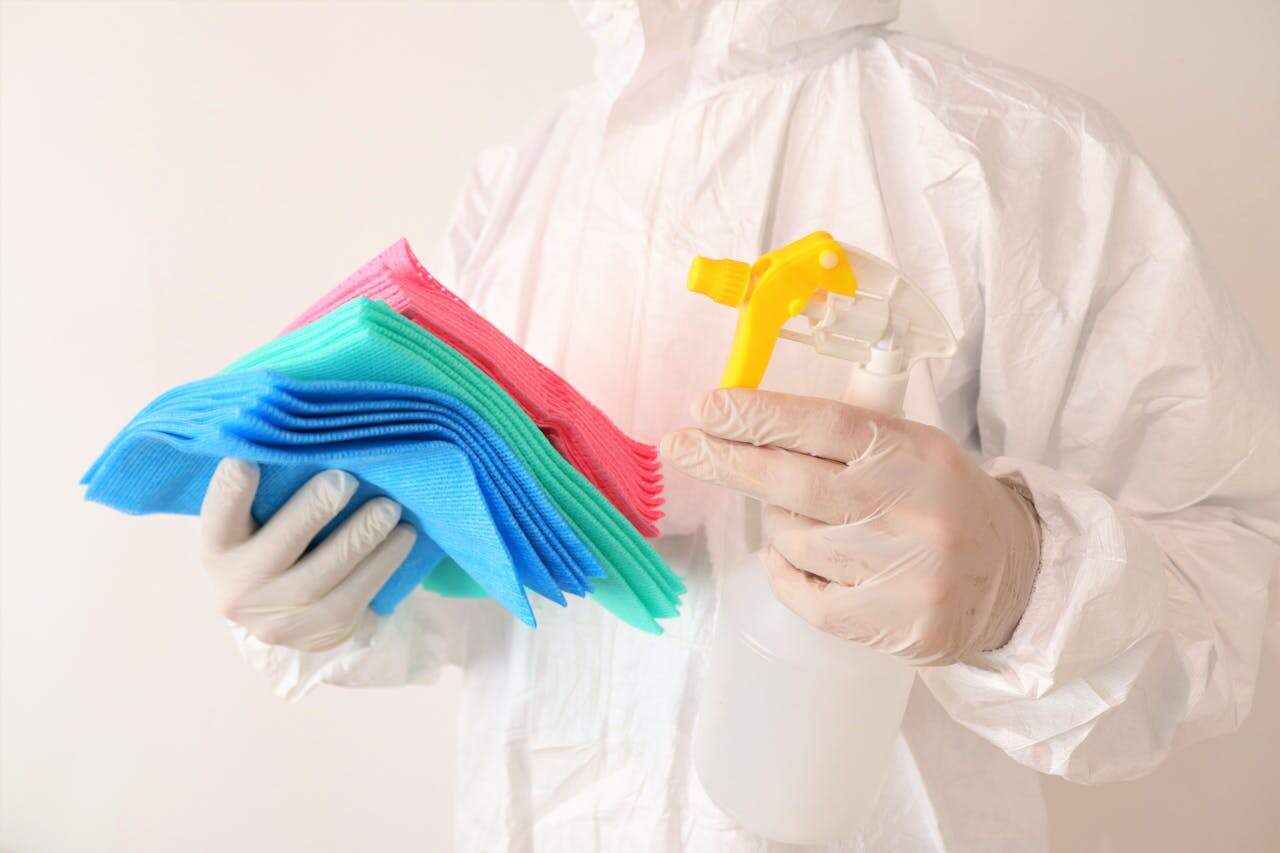
Antibacterial sprays were a go-to for me because they seemed like a quick fix for killing germs. However, overuse of such products can contribute to antibiotic resistance.
Instead, I’ve switched to a simple solution of soap and warm water for most of my cleaning. When a stronger disinfectant is needed, I use products with alcohol or hydrogen peroxide.
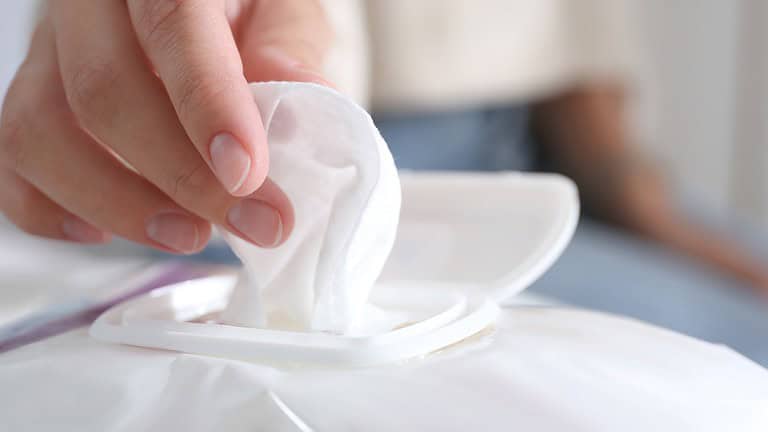
4. Disposable Cleaning Wipes
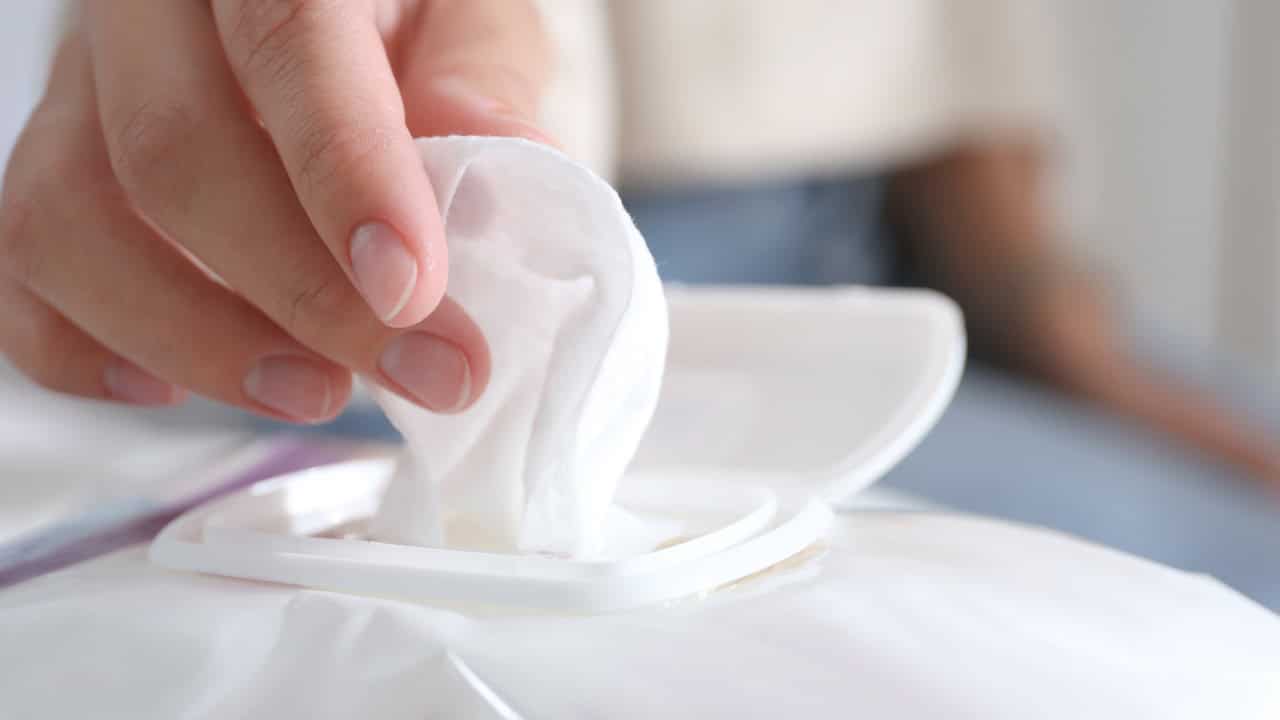
While convenient, disposable cleaning wipes generate a lot of waste. They also often contain harmful substances that can irritate the skin and respiratory system.
I’ve replaced them with reusable microfiber cloths, which are not only more sustainable but often do a better job at cleaning. For disinfecting, I use a homemade spray with vinegar or alcohol.
5. Plastic Scrub Brushes
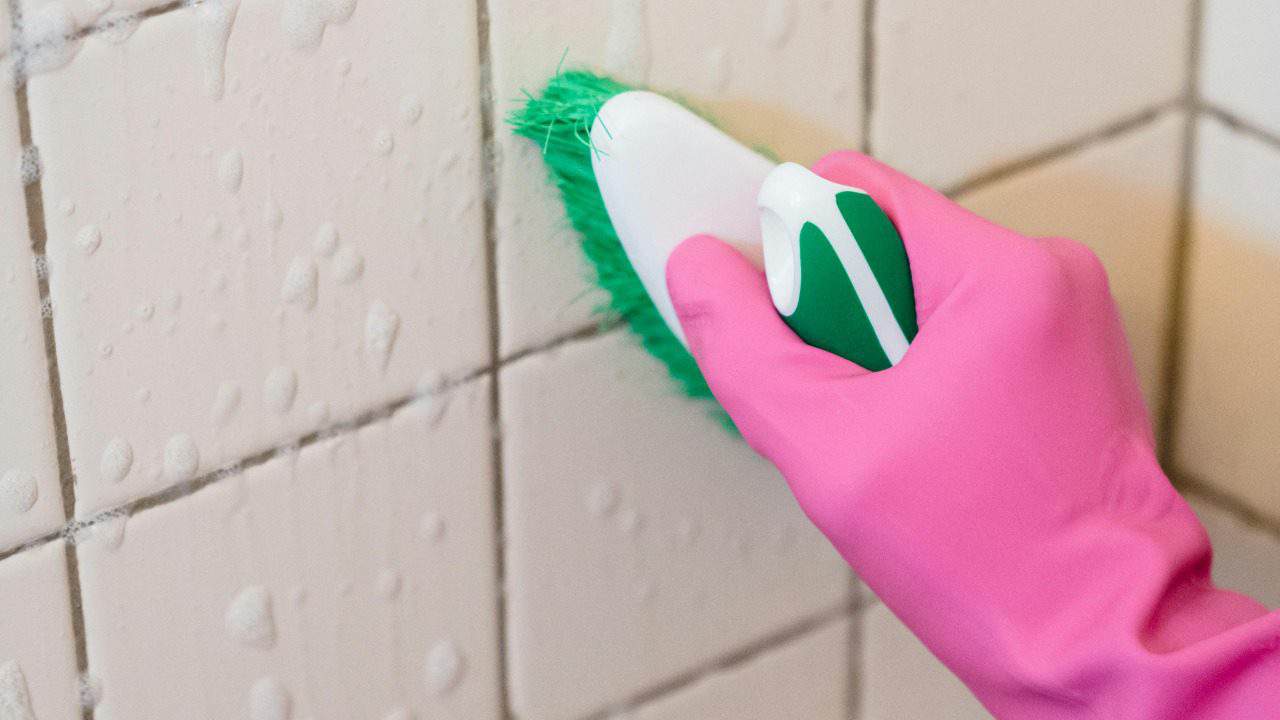
Traditional plastic scrub brushes are not recyclable and end up contributing to plastic pollution. They’re also usually non-biodegradable, which means they’ll sit in a landfill for years.
I’ve swapped these out for brushes with wooden handles and plant-based bristles. They’re just as effective for scrubbing tasks and much kinder to the environment.
6. Synthetic Sponges
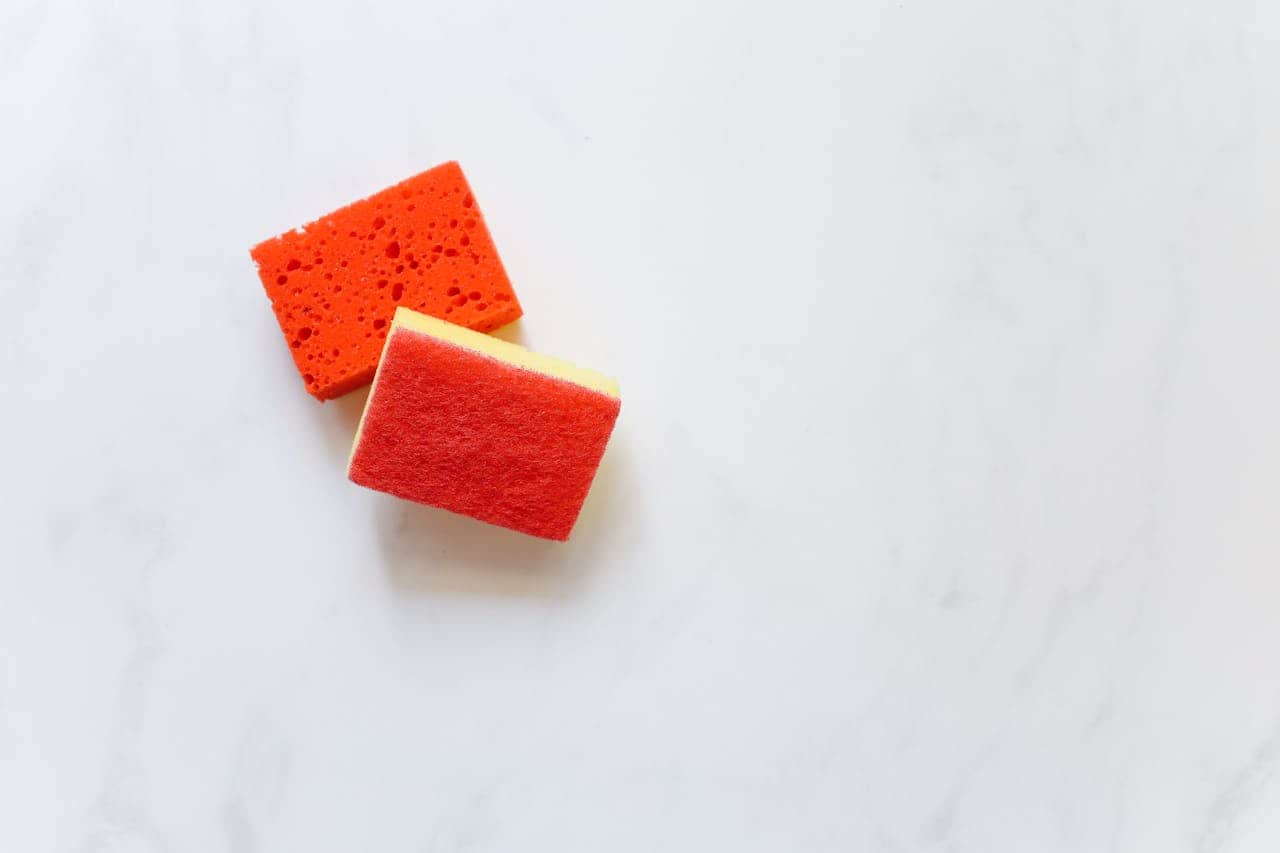
Synthetic sponges are made from petroleum-based plastic and can release microplastics into the water system. They’re also not biodegradable.
Instead, I use natural sponges or loofahs, which are biodegradable and more sustainable. They’re also typically more durable and can often be composted after use.
7. Carpet Cleaners
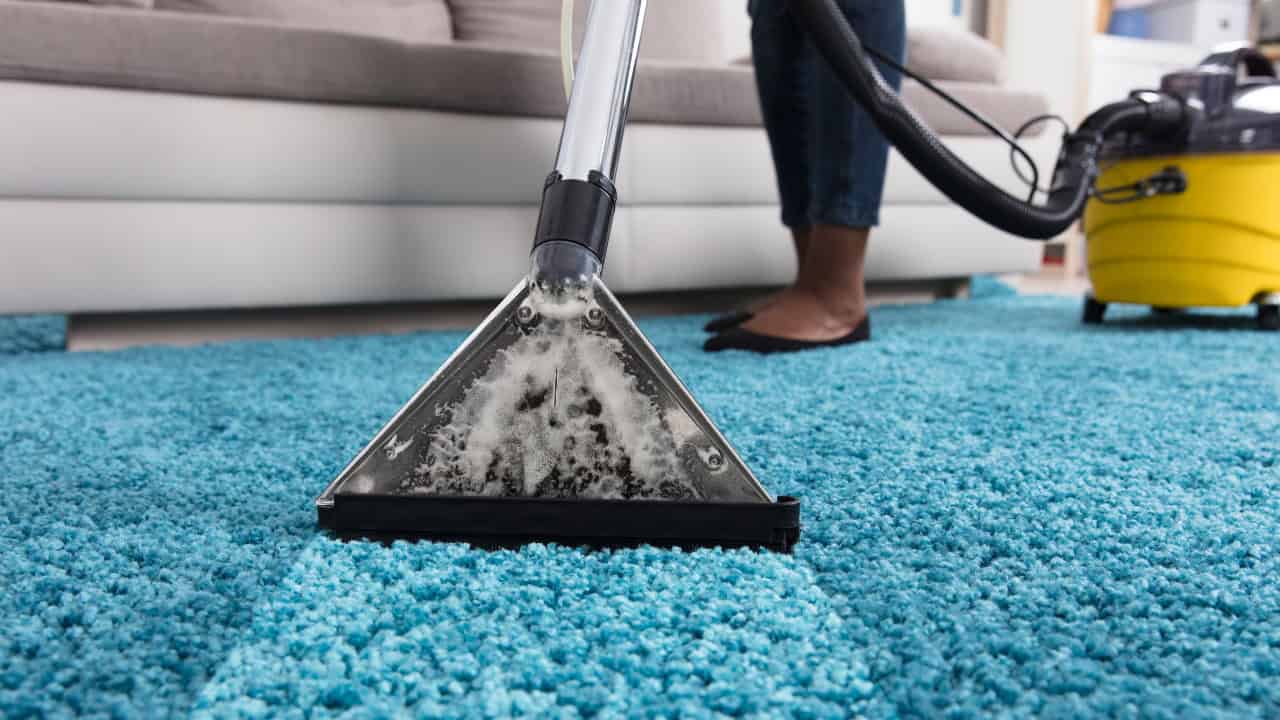
Carpet cleaners often contain harsh chemicals that can harm our health and the environment. Plus, the plastic bottles they come in are usually not recyclable.
I’ve found that a homemade solution of vinegar, water, and a few drops of essential oil works just as well for most carpet stains. For tougher stains, I hire a professional carpet cleaning service that uses eco-friendly products.
8. Glass Cleaners
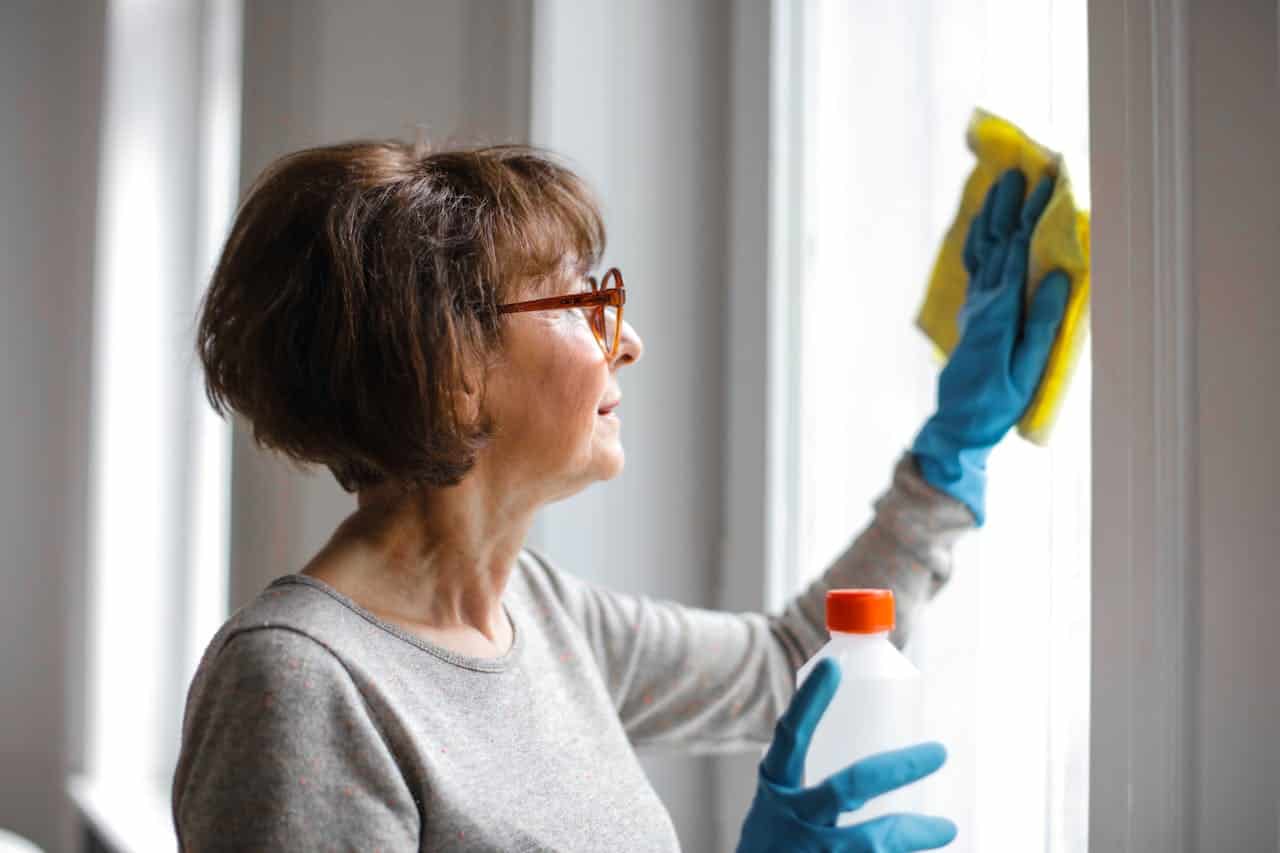
Conventional glass cleaners often contain ammonia and other harmful chemicals. They can cause respiratory problems and harm aquatic life when washed down the drain.
I’ve replaced them with a simple homemade solution of vinegar and water. It’s effective, cheap, and much safer for both humans and the environment.
9. Toilet Bowl Cleaners
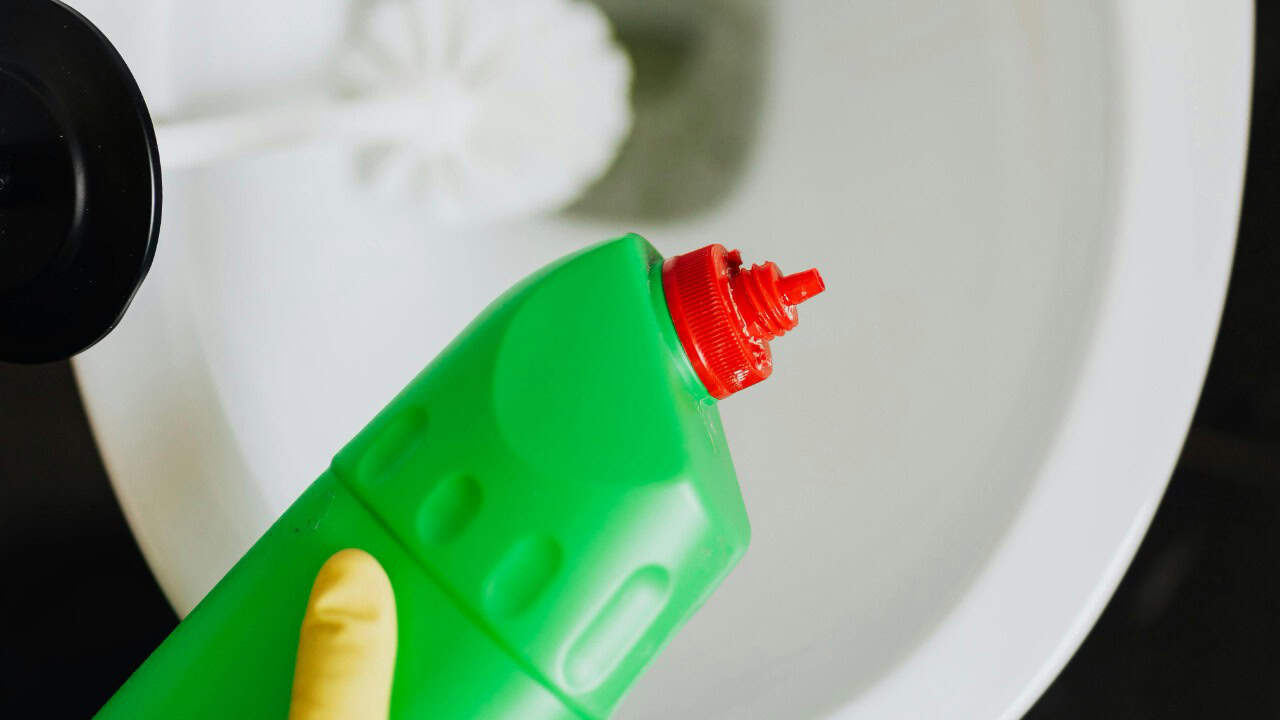
Regular toilet bowl cleaners are often packed with harmful chemicals like bleach and can cause skin and eye irritation. Plus, many come in non-recyclable plastic bottles.
Now, I use a mixture of baking soda and vinegar to clean my toilets. It’s inexpensive, effective, and much safer for my family and the environment.
10. Oven Cleaners
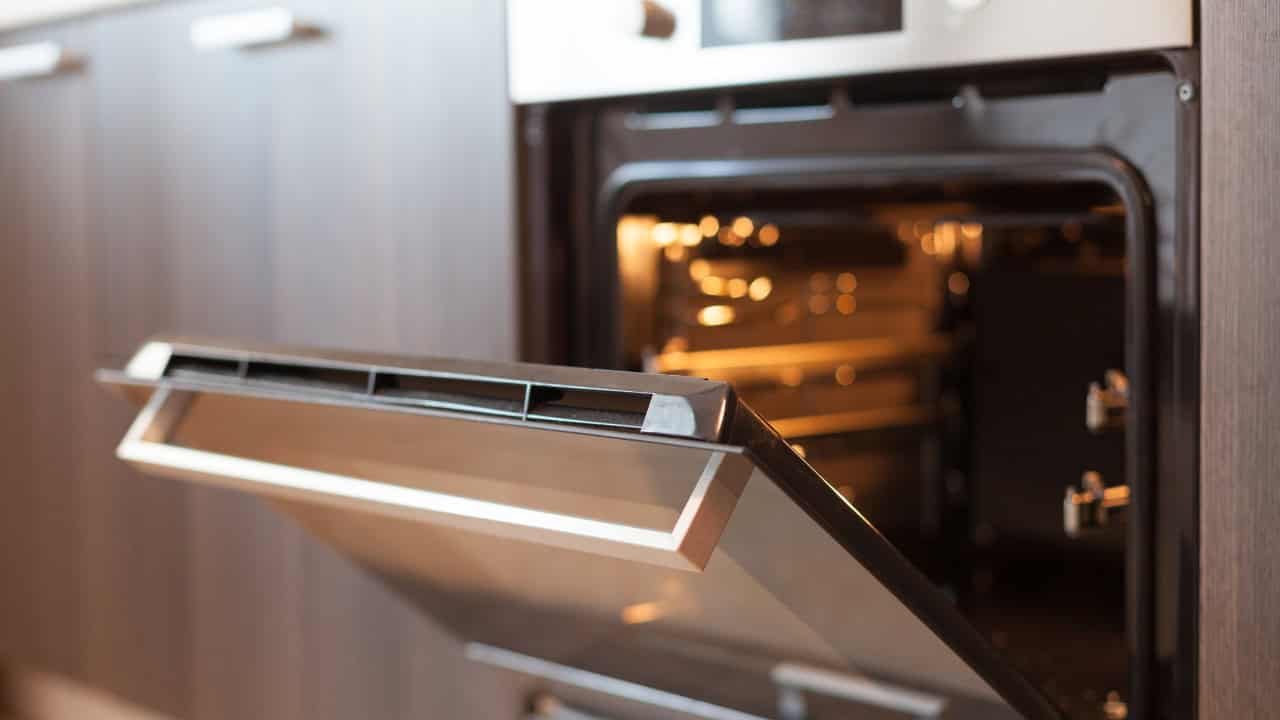
Many oven cleaners on the market are extremely toxic and can cause skin and eye irritation. They also often contain chemicals that can contribute to indoor air pollution.
I’ve found that a paste made from baking soda and water is an excellent natural oven cleaner. It takes a bit more elbow grease, but it’s worth it to avoid the harsh chemicals.
11. Drain Cleaners
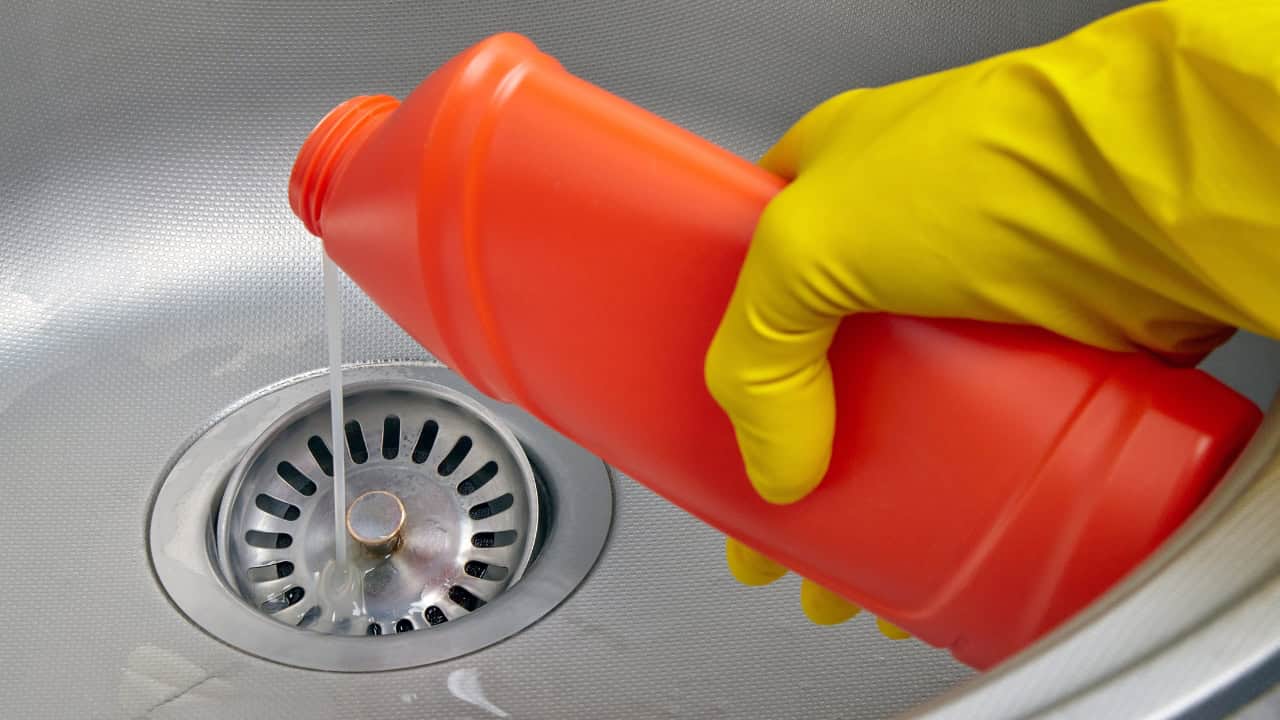
Drain cleaners are among the most hazardous household products. They contain strong chemicals that can harm your health and the environment.
I now use a simple mixture of vinegar and baking soda to clear clogged drains. It’s safer, cheaper, and usually just as effective.
12. Dish Soaps
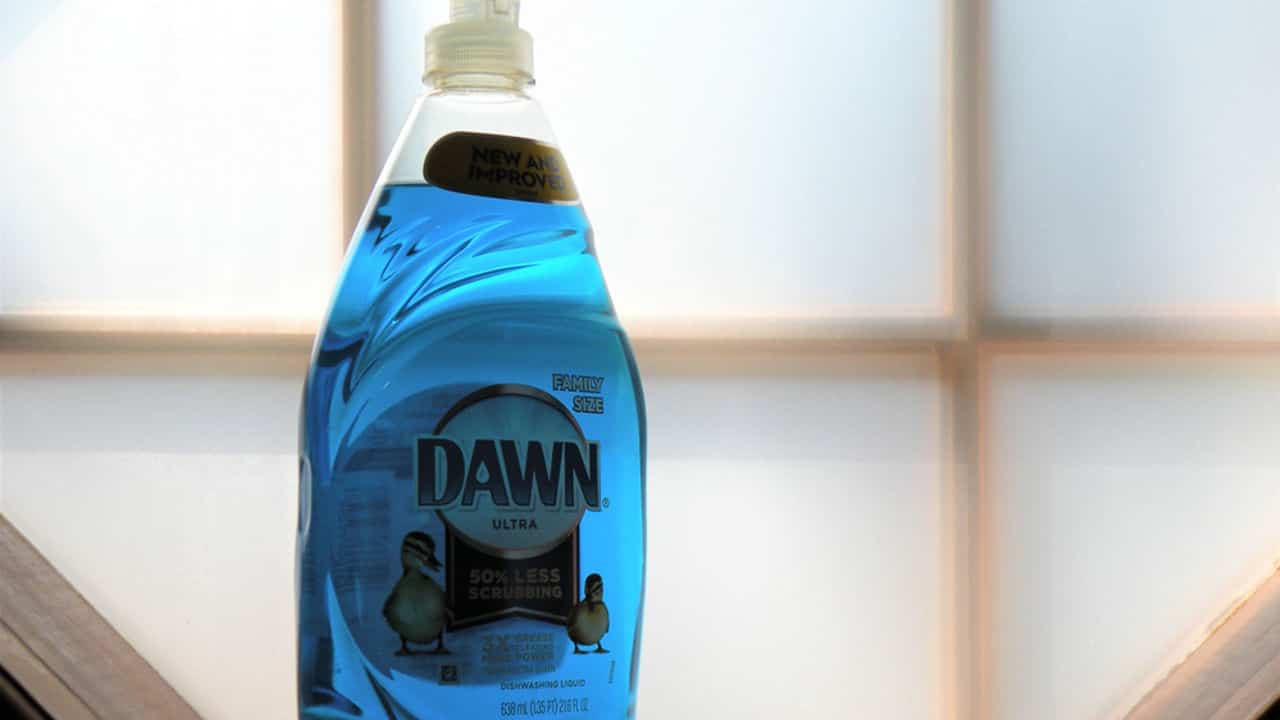
Many dish soaps contain phosphates, which can harm aquatic life when they get washed down the drain. They can also irritate the skin.
I’ve switched to phosphate-free dish soaps, which are better for the environment and gentler on my skin. There are many great eco-friendly options available on the market.
13. Laundry Detergents
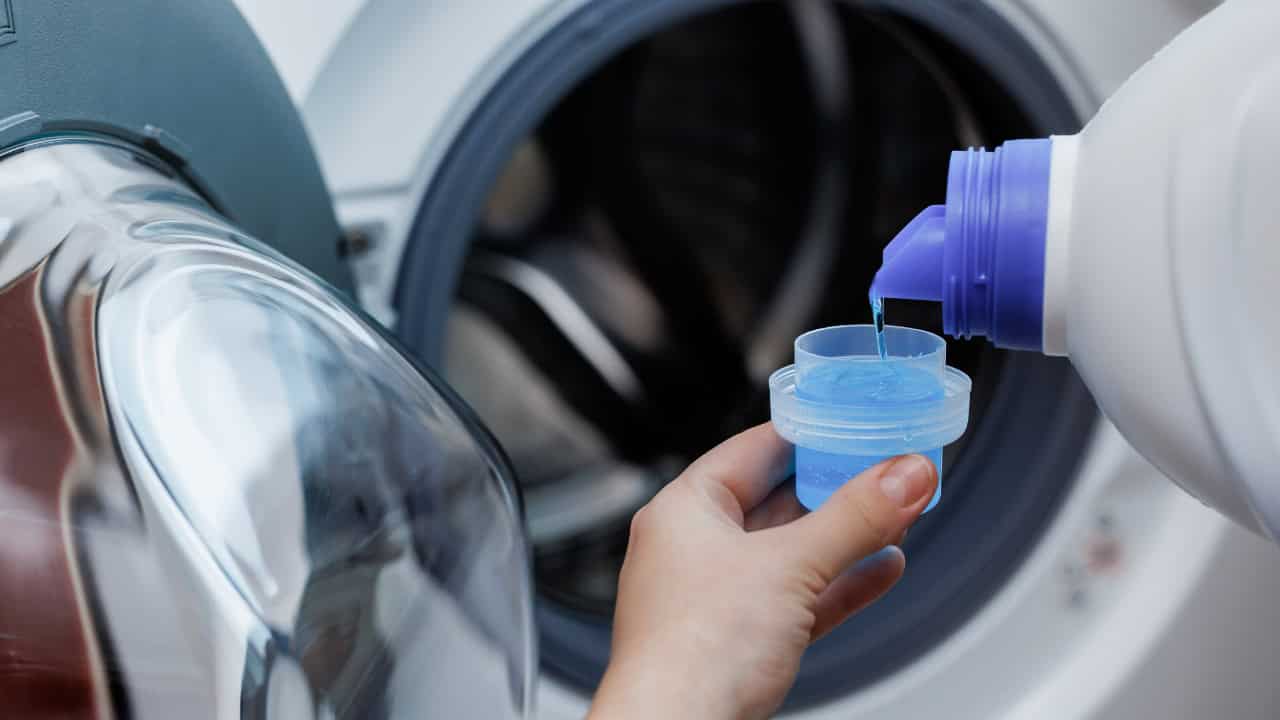
Traditional laundry detergents often contain harmful chemicals and synthetic fragrances that can irritate the skin and harm the environment.
I’ve switched to plant-based laundry detergents, which are gentler on the skin and more environmentally friendly. They also usually come in recyclable packaging, which is a plus.
14. Dryer Sheets
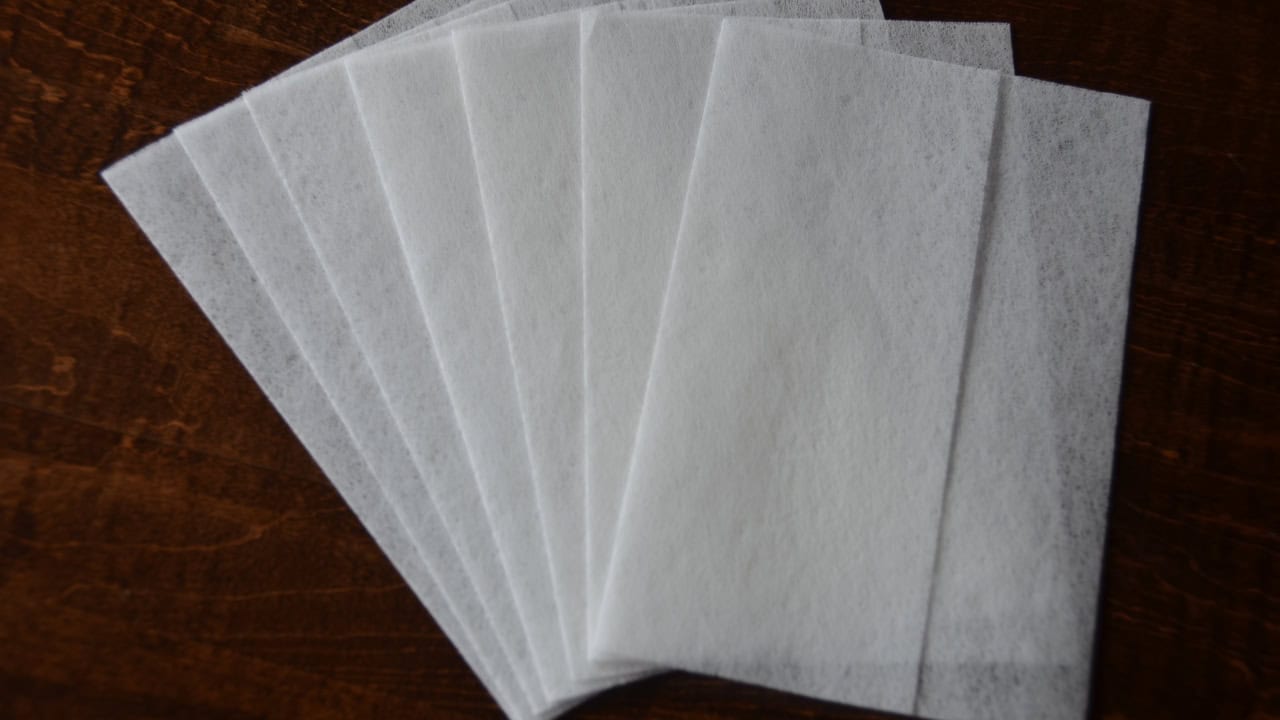
Dryer sheets may make your clothes smell good, but they often contain harmful chemicals. They can also contribute to waste since they’re typically used once and then thrown away.
Instead, I use wool dryer balls, which can be reused for years. They’re eco-friendly and can help your clothes dry faster, saving energy.
15. Furniture Polish
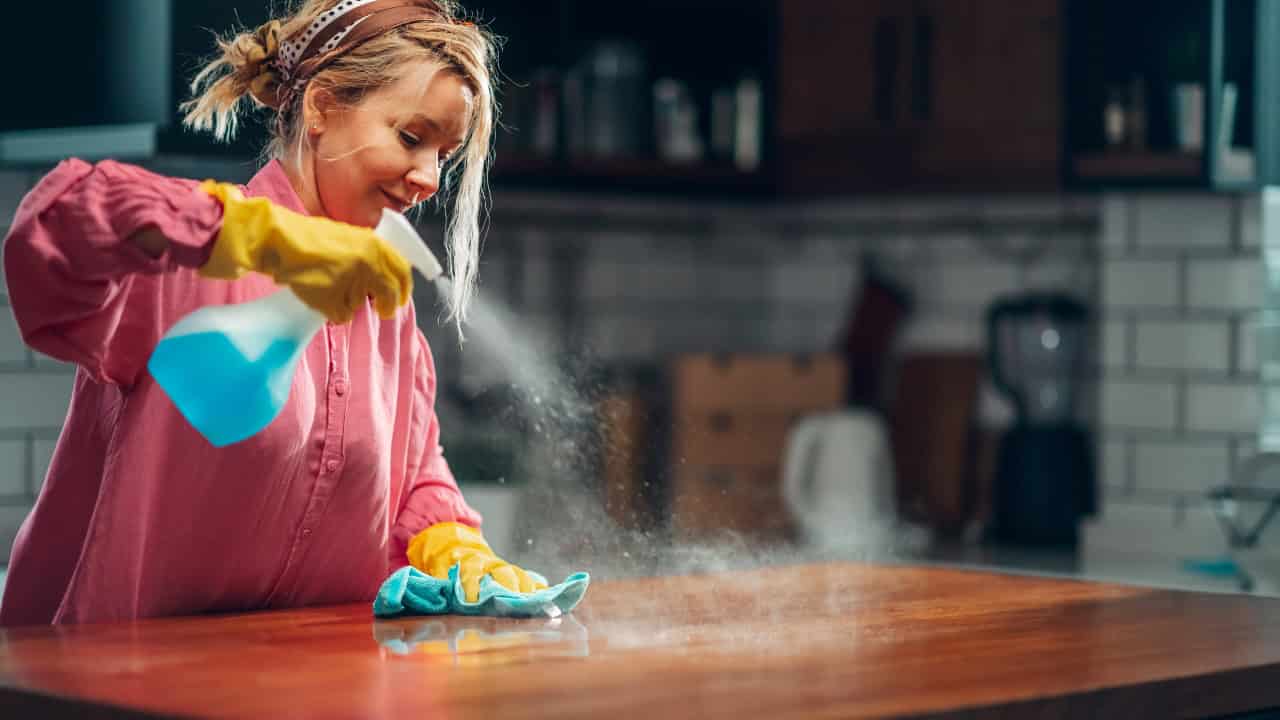
Furniture polish often contains petroleum distillates and solvents, which can harm your health and the environment. Plus, they often leave a residue on your furniture.
I now use a simple homemade polish made from olive oil and lemon juice. It’s safe, effective, and leaves my furniture looking shiny and new.
In conclusion, making these changes has not only simplified my cleaning routine but also made it healthier and more sustainable. I encourage you to consider doing the same.