Cleaning is an integral part of our lives, and yet, it can often feel like we’re constantly making mistakes. Whether it’s using too much cleaning product or scrubbing a stain the wrong way, these common errors can make the process more difficult and less effective. But as I’ve learned over the years, even the most stubborn cleaning issues can be solved with some knowledge and a few smart strategies. So, I’d like to share with you the 15 cleaning mistakes I no longer make – and how you can avoid them too.
1. Using too much cleaning product
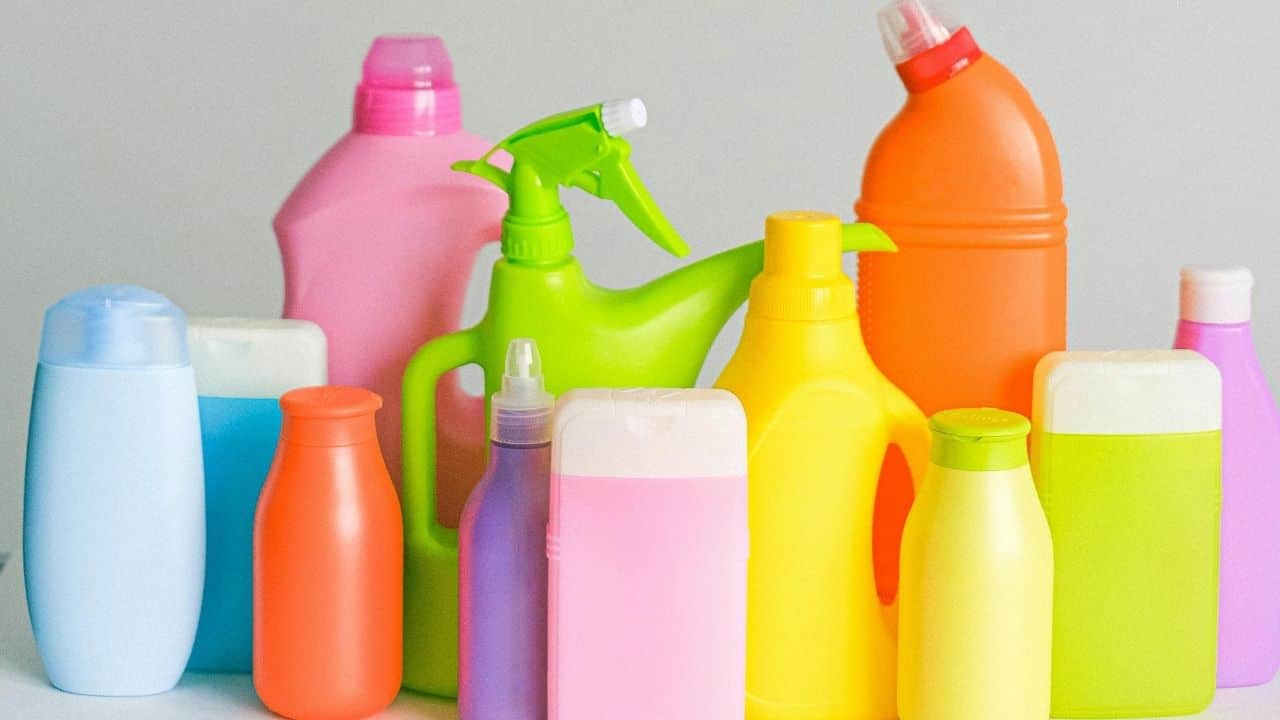
It’s easy to think that using more cleaning product will get the job done faster. But in reality, overusing products can leave residue on surfaces and even cause damage.
Advertisement
For example, too much laundry detergent can cause clothes to feel stiff and scratchy, while excess dish soap can leave a filmy residue on dishes. Instead, always follow the manufacturer’s instructions for the correct amount to use. And remember, sometimes less is more!
2. Scrubbing stains the wrong way
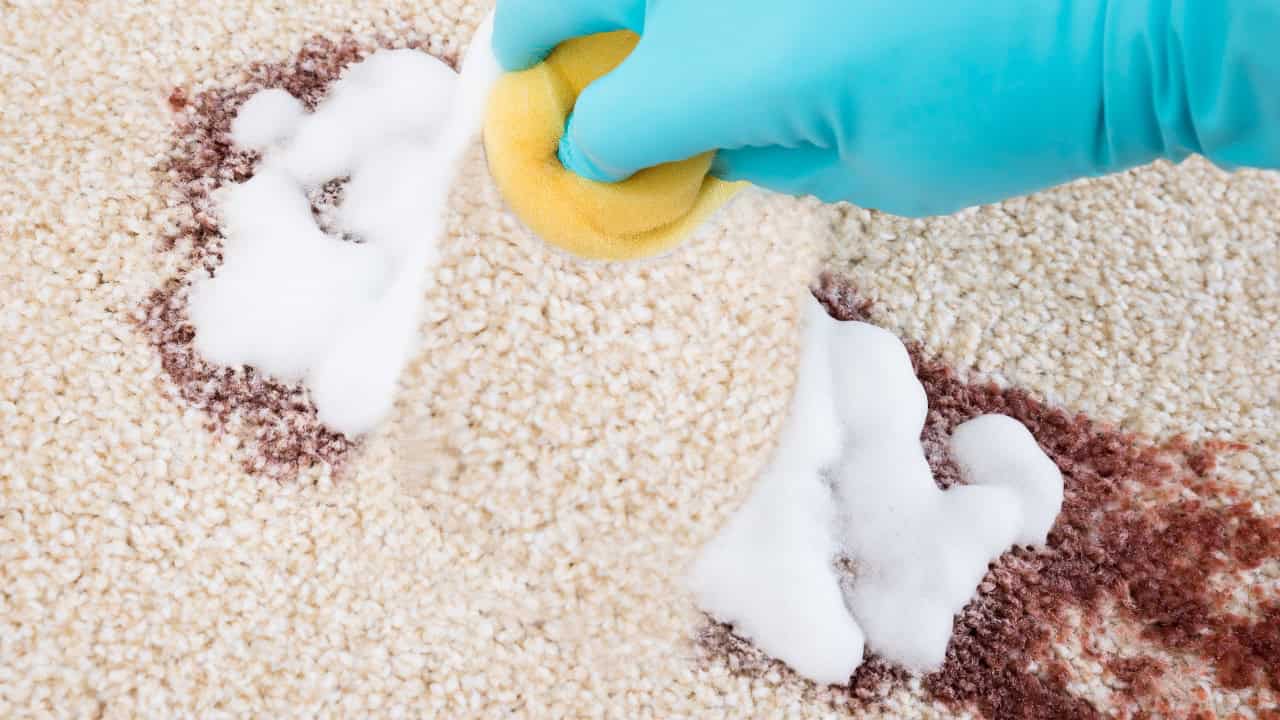
When we see a stain, our first instinct is often to scrub it fiercely. However, this can actually push the stain deeper into the fabric or surface.
Instead, gently blot the stain from the outside in, which helps to lift it out. And for stubborn stains, apply a stain remover and let it sit for a few minutes before washing.
3. Ignoring cleaning tools
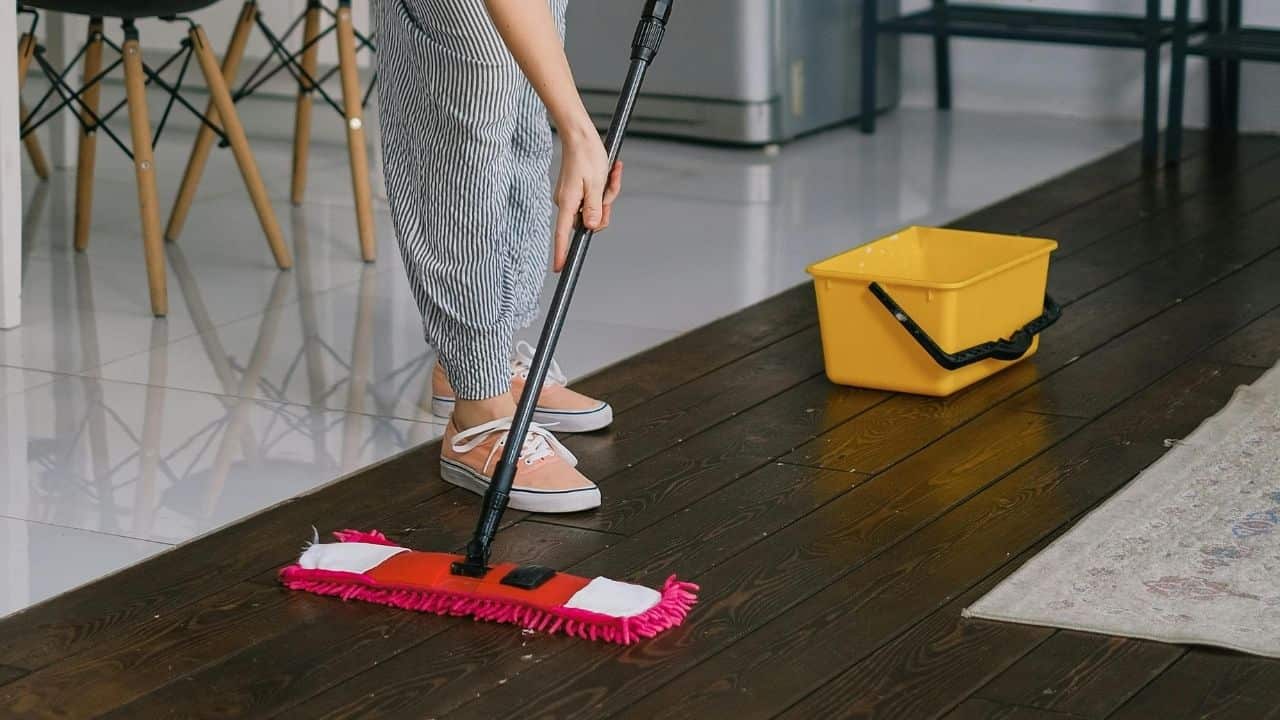
We often focus on cleaning our homes, but forget about the tools we use to do it. Dirty mops, vacuum cleaners, and washing machines can spread germs and reduce their effectiveness.
Regularly clean and maintain your cleaning tools. For instance, replace vacuum cleaner bags when they’re half-full, and run your washing machine on a hot cycle with a cleaning solution every few weeks.
4. Using one cleaning cloth for everything
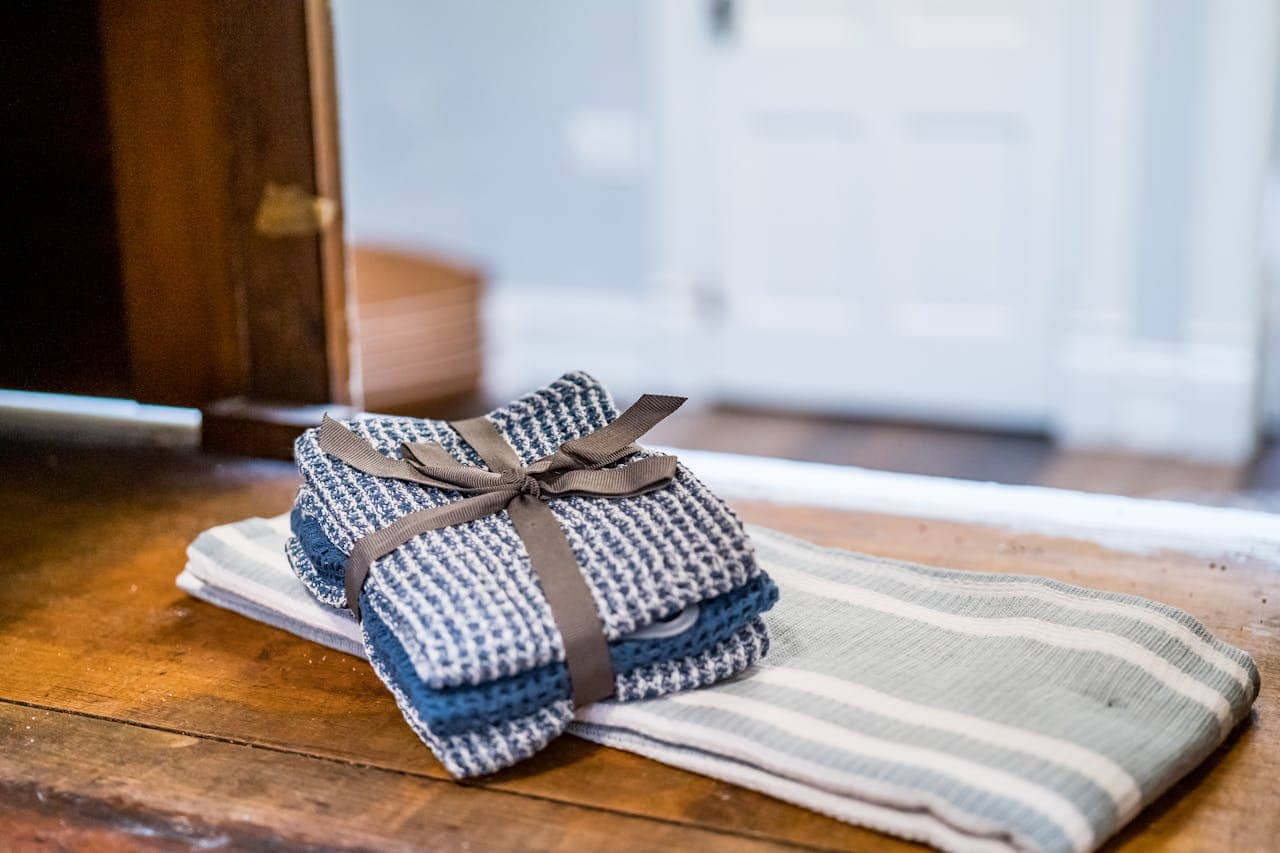
It might seem economical to use the same cloth for all your cleaning tasks, but it can spread germs from one surface to another.
Designate different cloths for different tasks – one for the kitchen, one for the bathroom, and so on. And don’t forget to wash them regularly!
5. Not letting cleaning products sit
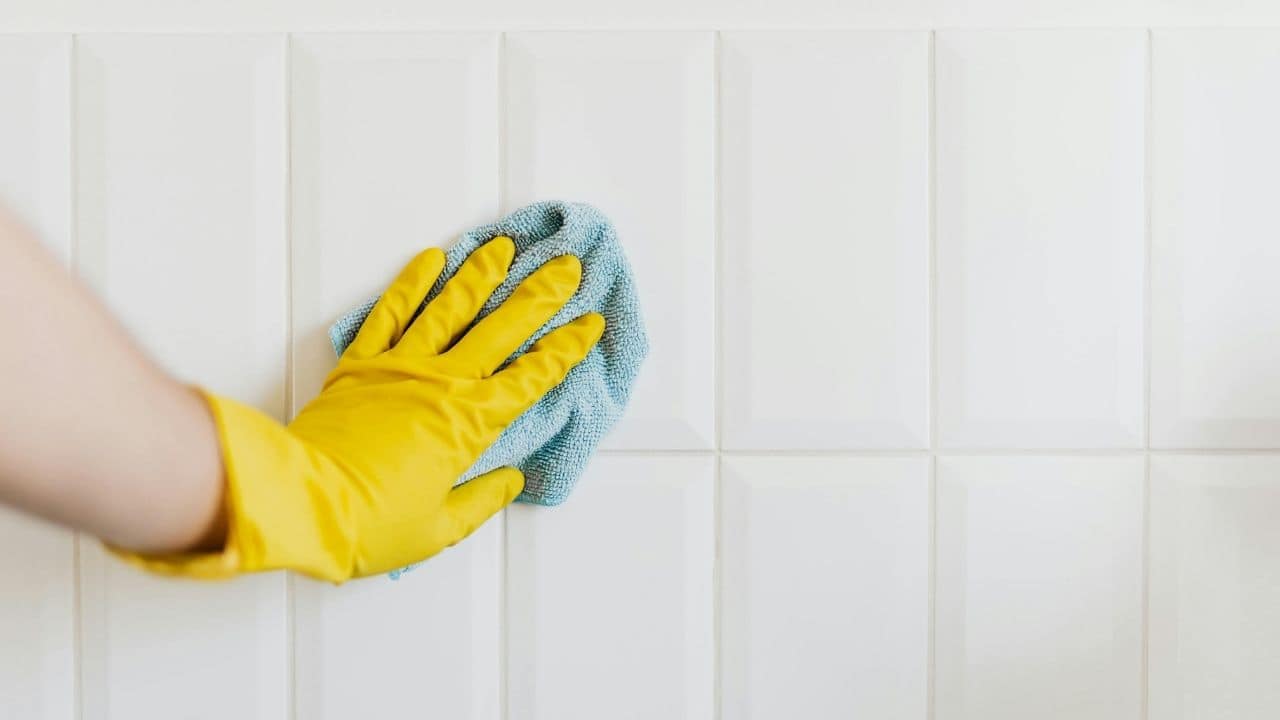
Many of us spray and wipe immediately, but most cleaning products need time to work effectively.
Allow the product to sit on the surface for a few minutes before wiping it off. This will give it time to break down dirt and bacteria, making your job easier.
6. Forgetting about high-touch areas
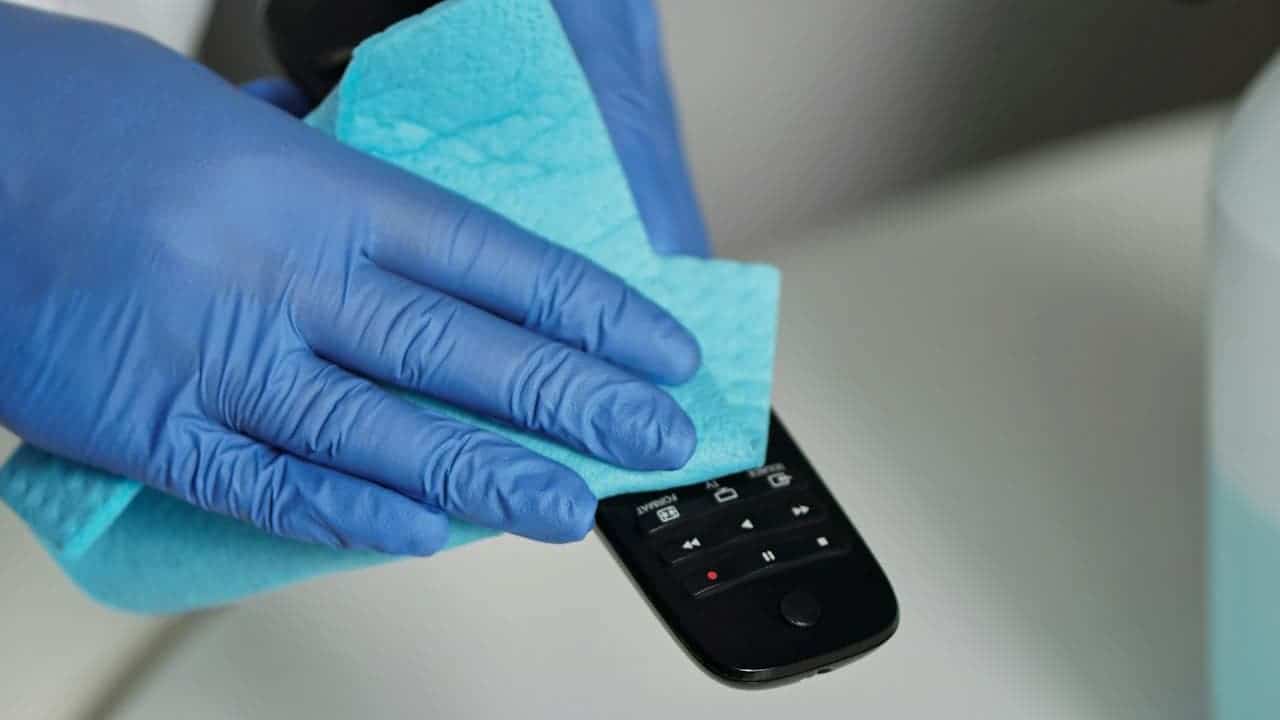
We often forget about surfaces like light switches, door handles, and remote controls – but these high-touch areas can harbor a lot of germs.
Incorporate these areas into your regular cleaning routine. A quick wipe with a disinfecting cloth can make a big difference.
7. Cleaning windows on a sunny day
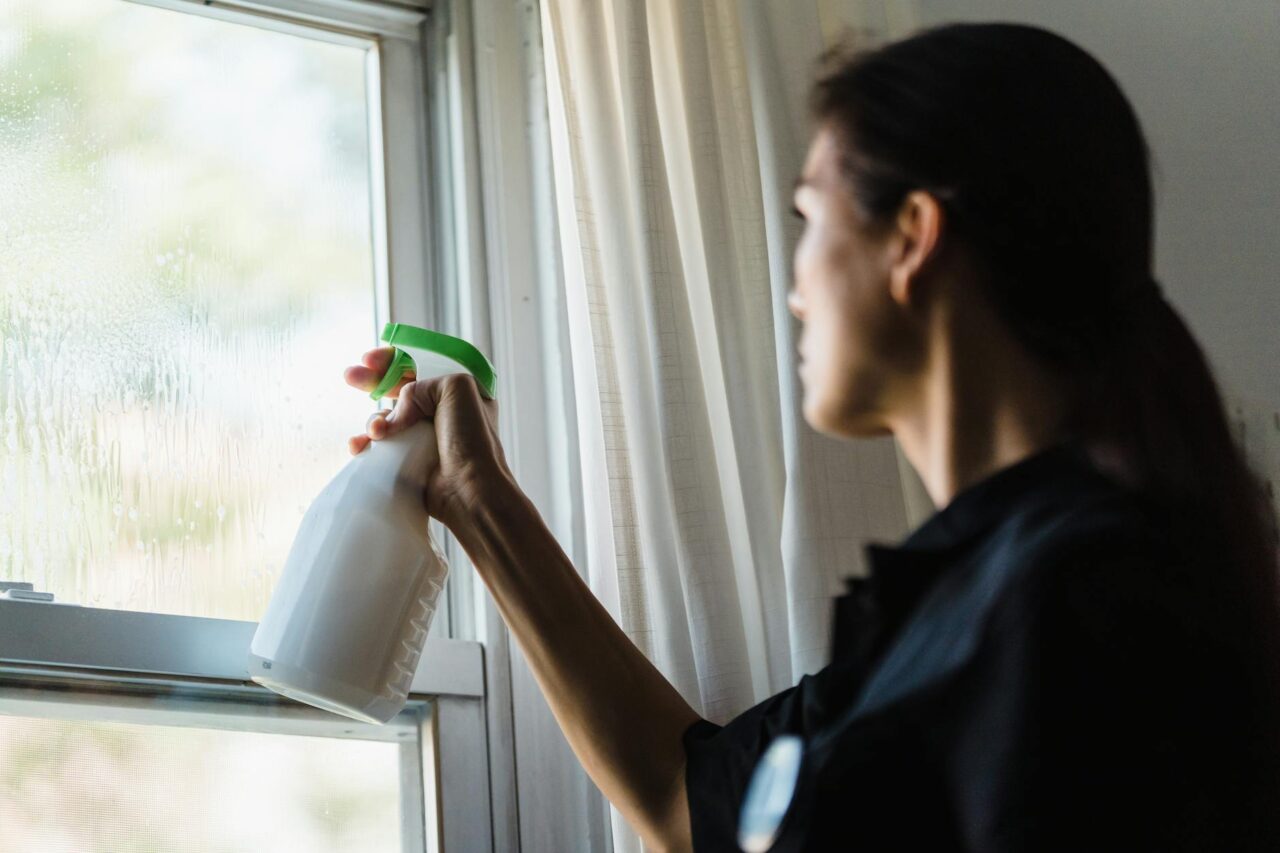
It might seem like the perfect time to clean windows, but the sun can dry the cleaning solution too quickly, leaving streaks.
Try cleaning windows on a cloudy day instead, or in the early morning or late afternoon when the sun is not as strong.
8. Using bleach on everything
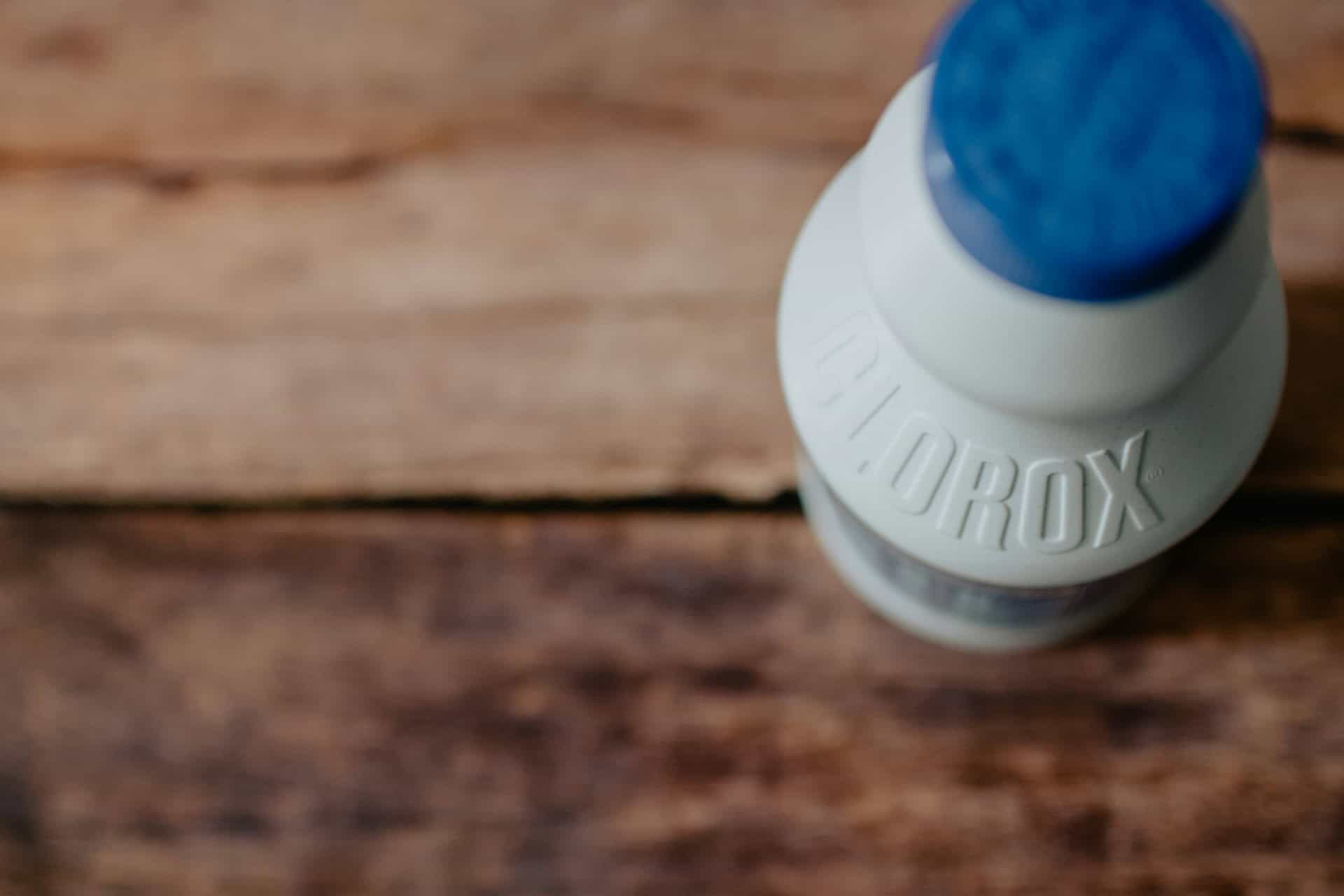
While bleach is a powerful disinfectant, it’s not suitable for all surfaces. It can damage materials like wood and stainless steel, and it’s not effective at removing grime or grease.
Use bleach only where necessary, such as in the bathroom or on white laundry. For most other tasks, a good all-purpose cleaner will do the trick.
9. Neglecting the dishwasher
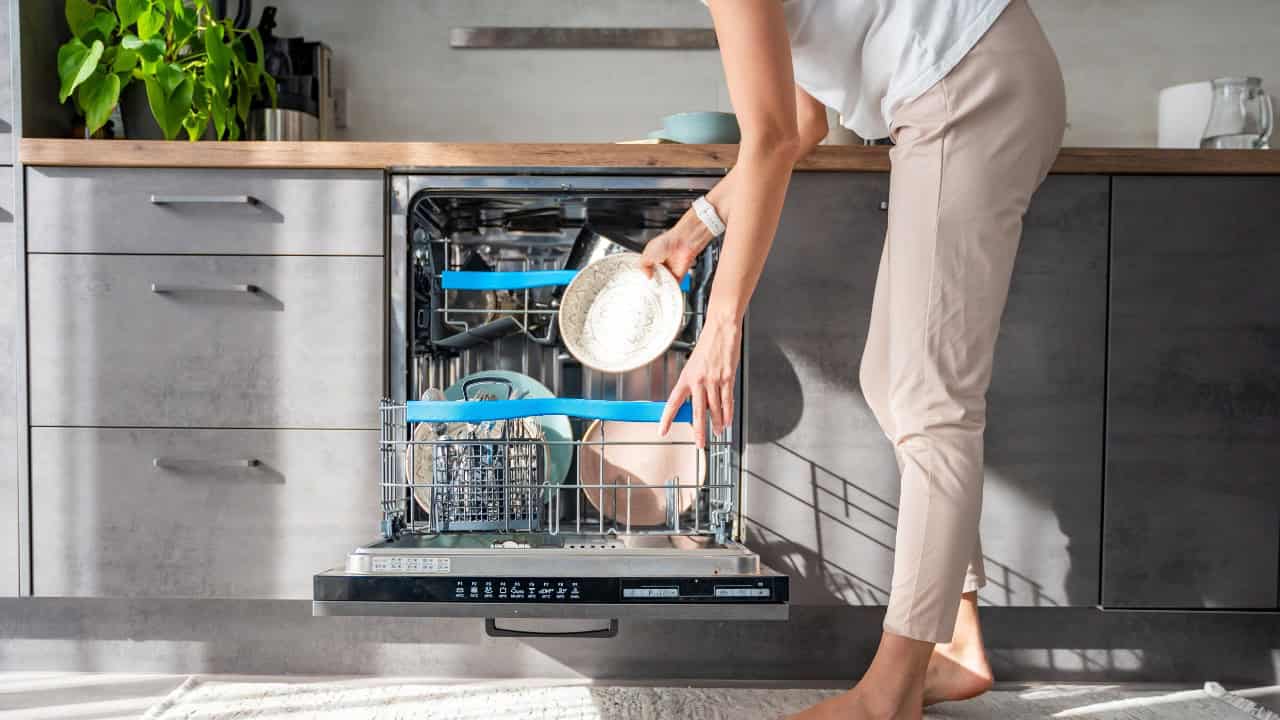
It’s easy to forget that appliances that clean also need to be cleaned. If left unchecked, food debris and soap scum can build up in your dishwasher, affecting its performance.
Clean your dishwasher regularly by running it empty with a dishwasher cleaner, and hand-wash the filter and spray arm.
10. Using the wrong tools

Using the wrong tools can make cleaning more difficult and less effective. For example, using a feather duster can just spread dust around, rather than trapping it.
Invest in good-quality cleaning tools, like a microfiber cloth, which can attract and hold onto dust and dirt.
11. Not cleaning from top to bottom
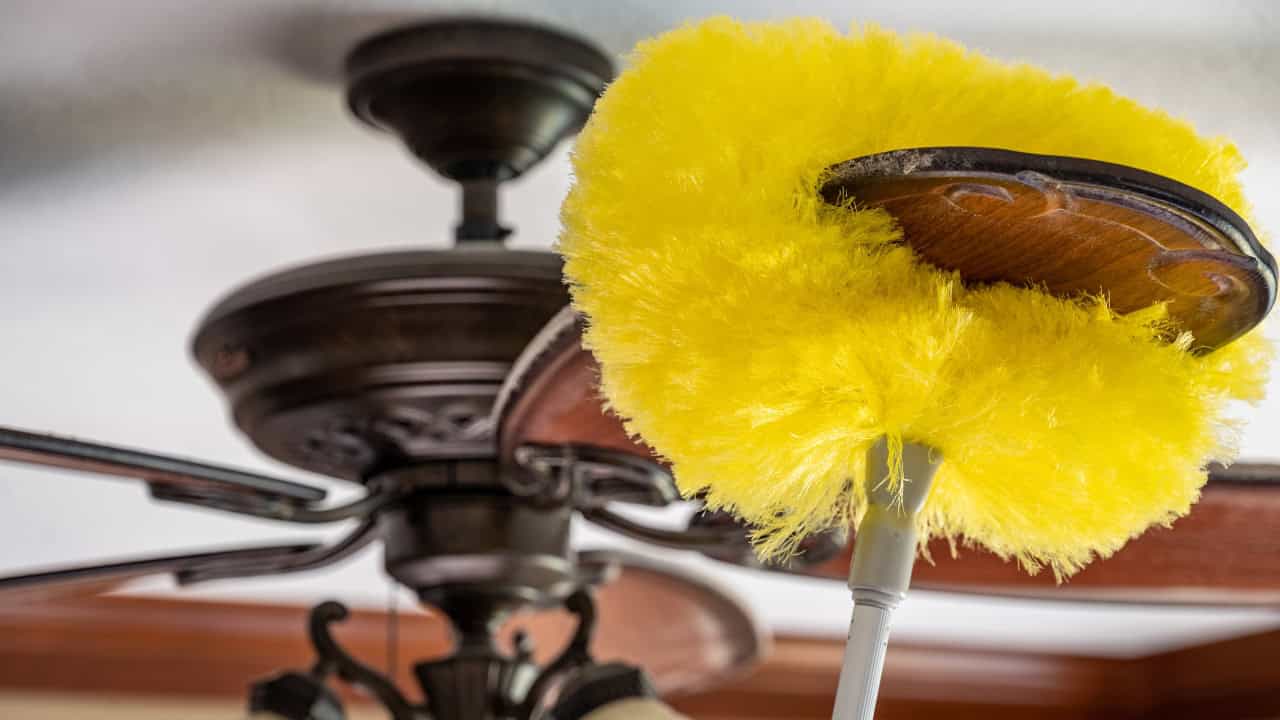
If you clean lower surfaces first, dust and dirt from above can fall onto them, meaning you’ll have to clean them again.
Always clean from top to bottom – start with ceiling fans and light fixtures, then move onto furniture, and finally, the floor.
12. Overlooking the importance of dryness
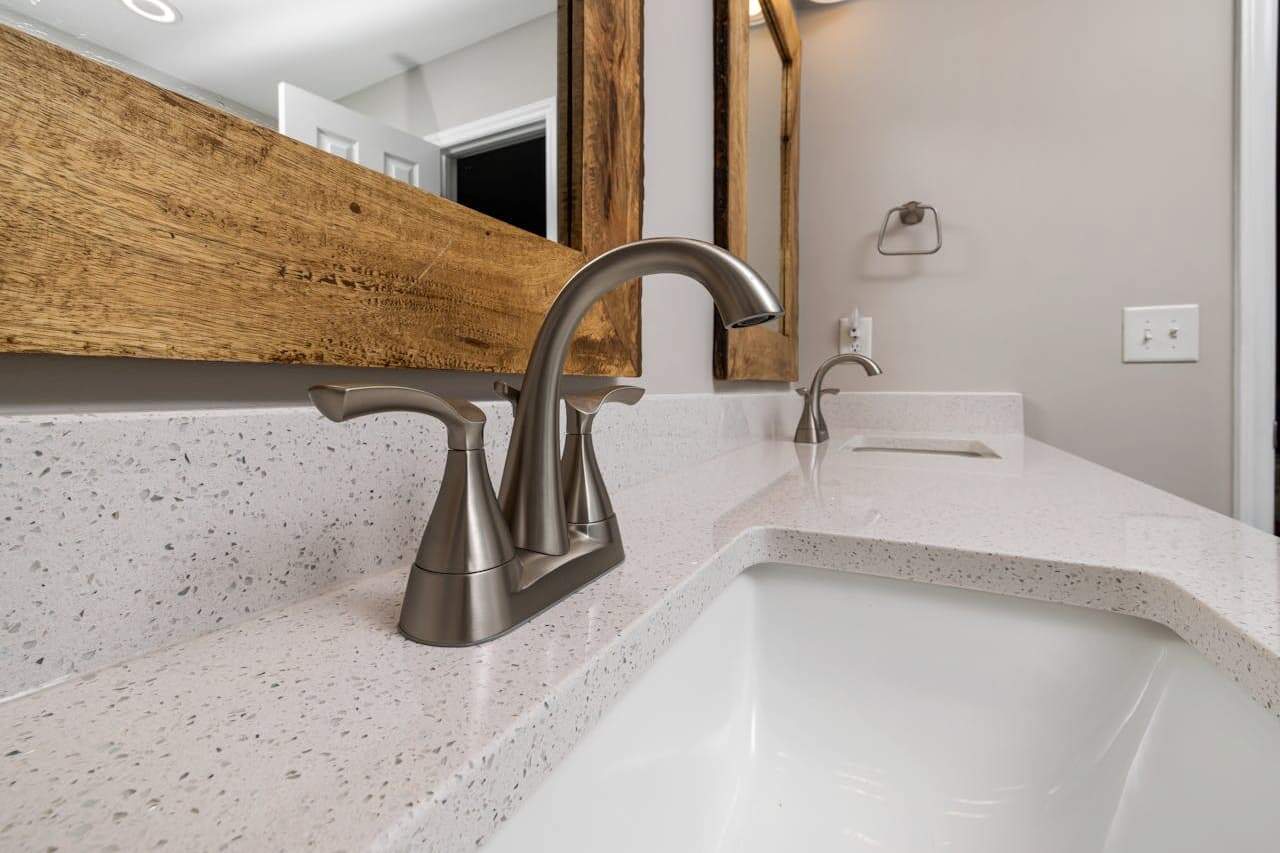
Moisture can lead to mold and mildew, so it’s important to thoroughly dry surfaces after cleaning, especially in the bathroom and kitchen.
Use a clean, dry towel to dry surfaces, and consider using a squeegee in the shower to minimize water buildup.
13. Applying furniture polish directly on furniture
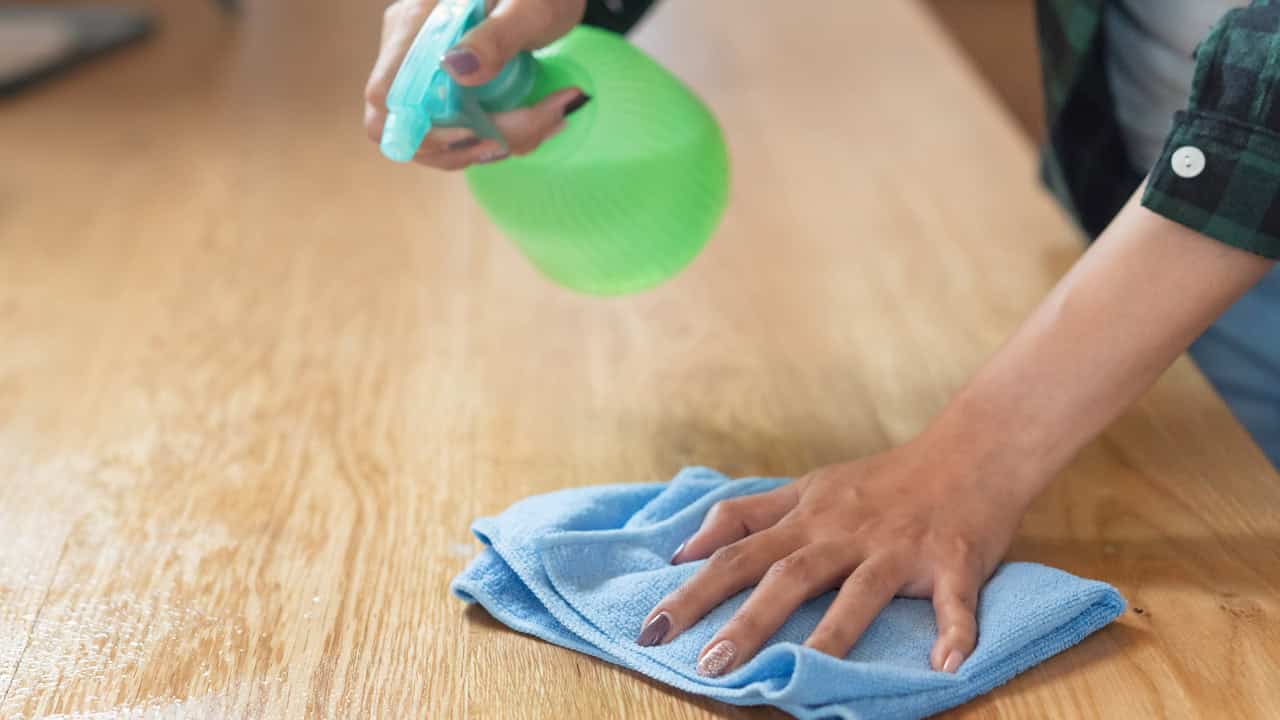
Applying polish directly on furniture can cause buildup and leave a greasy residue.
Instead, spray the polish onto a cloth first, then use the cloth to wipe the furniture. This will give a more even application and reduce the risk of buildup.
14. Using strong chemicals unnecessarily
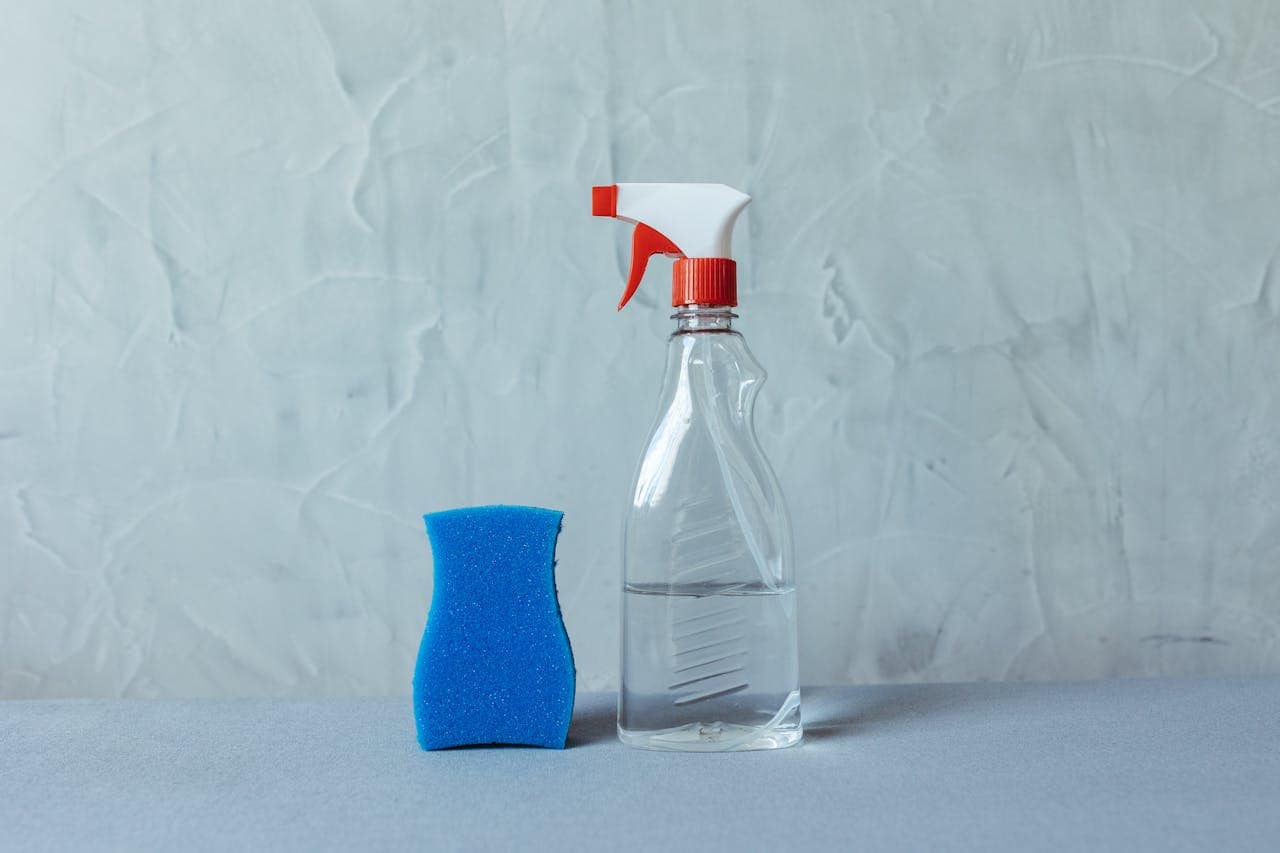
Strong chemicals can be harsh on surfaces and on your health. Many cleaning tasks can be achieved with milder, eco-friendly products, or even homemade solutions like vinegar and baking soda.
Reserve strong chemicals for those really tough jobs, and make sure to use them in a well-ventilated area and wear gloves.
15. Cleaning in a hurry
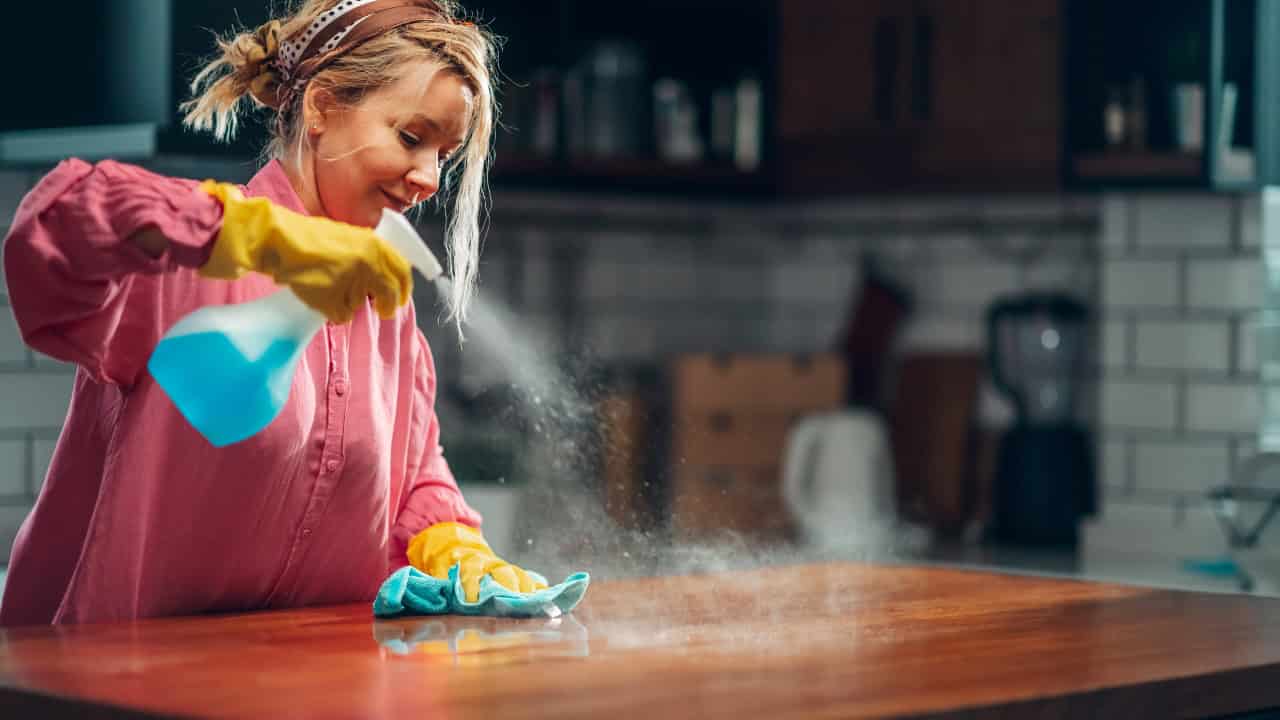
Finally, rushing can lead to missed spots and ineffective cleaning. Good cleaning takes time – so don’t rush it!
Plan your cleaning tasks ahead of time, and give yourself enough time to do them properly. And remember, a little bit of cleaning regularly is better than a lot of cleaning all at once.