Pollinators like bees, butterflies, and hummingbirds play a crucial role in gardens and ecosystems. They help plants reproduce by moving pollen from flower to flower, supporting both wild habitats and the food we eat.
Choosing the right blooming plants can make a big difference in attracting and supporting these important creatures. With the right flowers, you can create a garden that not only looks great but also offers a valuable home for pollinators throughout the seasons.
Advertisement
Bee balm
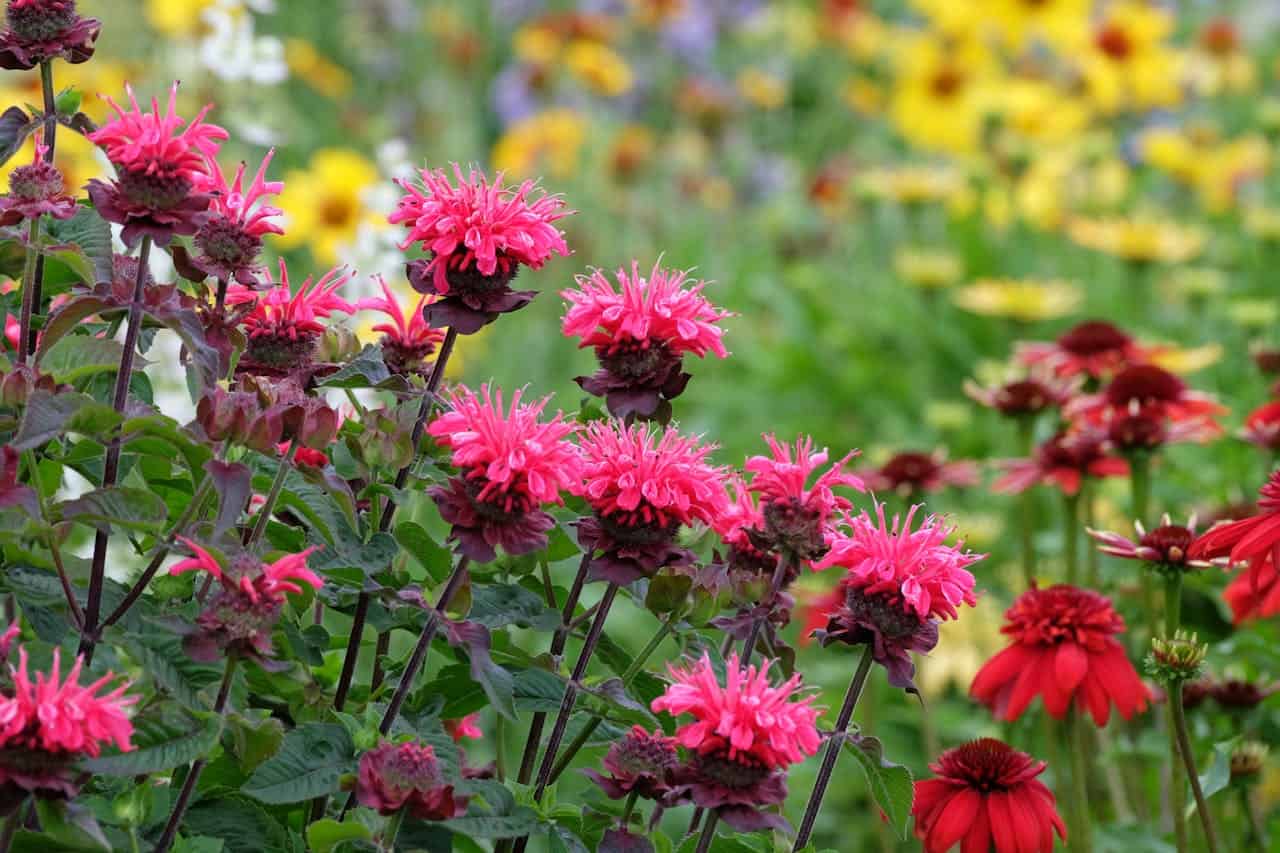
If you want to attract pollinators, bee balm is a solid choice. Its bright, tubular flowers come in red, pink, purple, and white, making your garden pop.
Bees, butterflies, and hummingbirds find bee balm irresistible. Plus, its fragrant leaves add a nice touch to your garden’s smell.
Bee balm is pretty easy to grow and can handle full sun to partial shade.
Anise hyssop
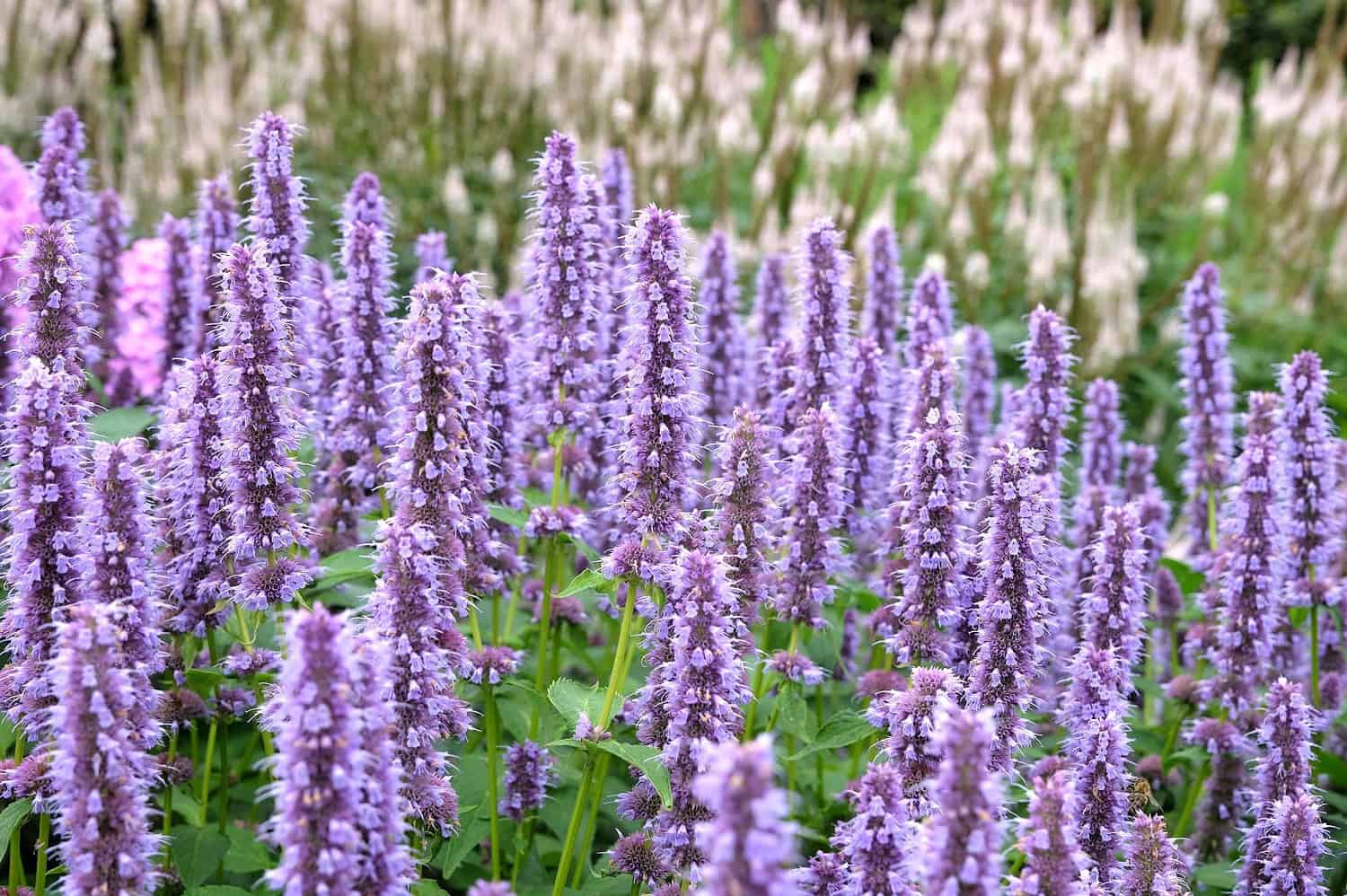
If you want a plant that’s easy to grow and great for pollinators, anise hyssop is a solid choice. Its flowers attract bees, butterflies, and even hummingbirds.
You’ll see dense clusters of purple blooms that last late into the season. Plus, the foliage has a mild anise scent that adds a nice touch to your garden.
Asters

If you want to help pollinators in the fall, asters are a solid choice. These flowers bloom late in the season when many other plants have stopped.
You’ll find that asters attract native bees and other pollinators looking for nectar and pollen. They’re easy to grow and add some color as summer fades. For a great option, check out a variety like the aromatic aster, which is especially loved by pollinators and looks nice in any garden.
Blazing star

If you want to attract a variety of pollinators, blazing star is a solid choice. You’ll see bees, butterflies, and even hummingbirds drawn to its nectar-rich flowers. It blooms late in the season, making it a great last source of food for pollinators. Plant them in groups to help pollinators find them more easily.
Lavender
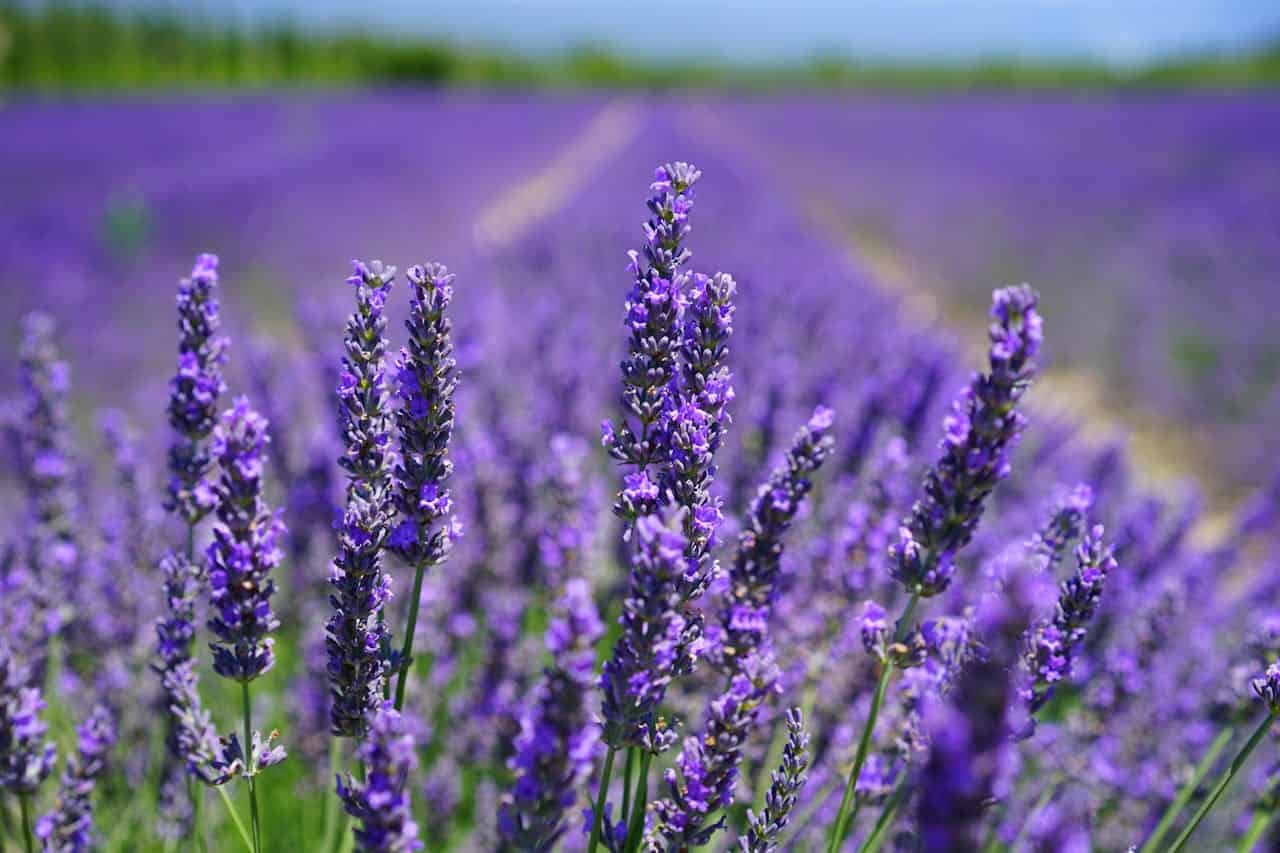
If you want a plant that’s easy to grow and loved by bees, lavender is a great choice. Its fragrant purple flowers attract a variety of pollinators, making your garden buzz with life.
Lavender also adds a lovely scent to your outdoor space. Plus, it’s pretty low maintenance and can handle dry conditions well. You’ll find bees visiting it often, which helps support local pollinator populations.
Sunflowers
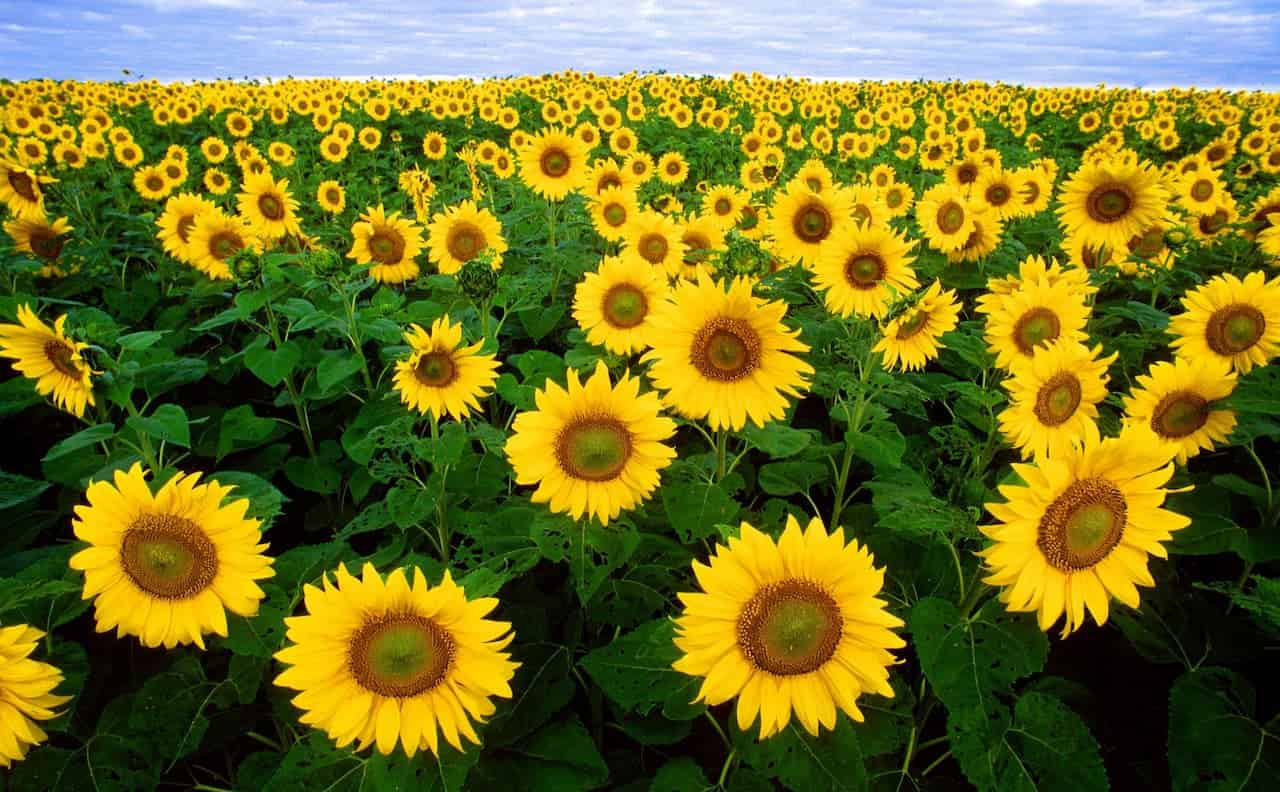
Sunflowers are great if you want to support pollinators in your garden. They provide nectar and pollen that bees love.
You can grow different types like ‘Mammoth Grey Stripe’ or ‘Lemon Queen,’ which are especially attractive to bees. They’re not just good for pollinators but also easy to grow and can fit in containers if space is tight.
Goldenrod
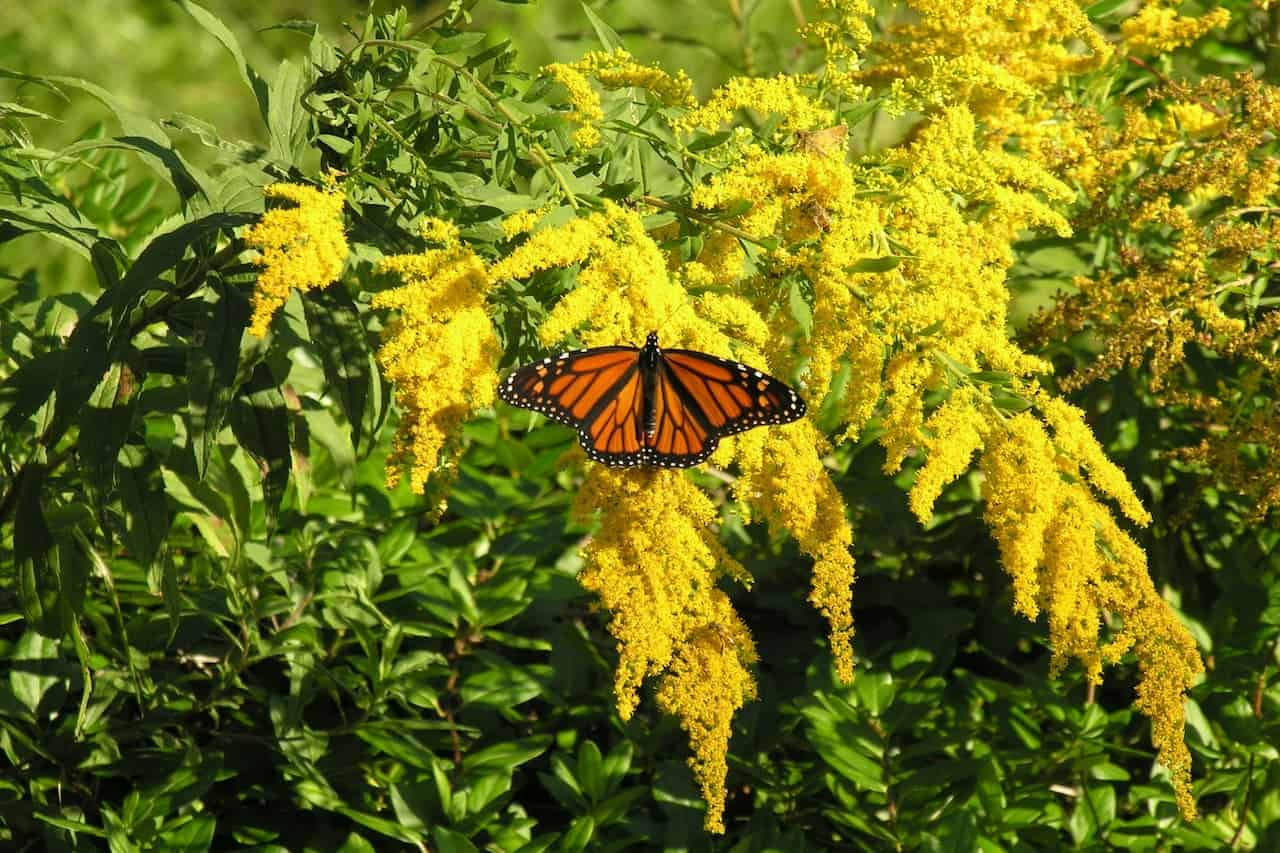
If you want to keep pollinators happy in the fall, goldenrod is a solid choice. It blooms late when many other plants stop, giving bees and butterflies a much-needed snack.
Goldenrod is tough and grows almost everywhere in the U.S., fitting well into different garden styles. It’s not just pretty—it supports your local ecosystem by helping pollinators thrive.
Basil flower spikes
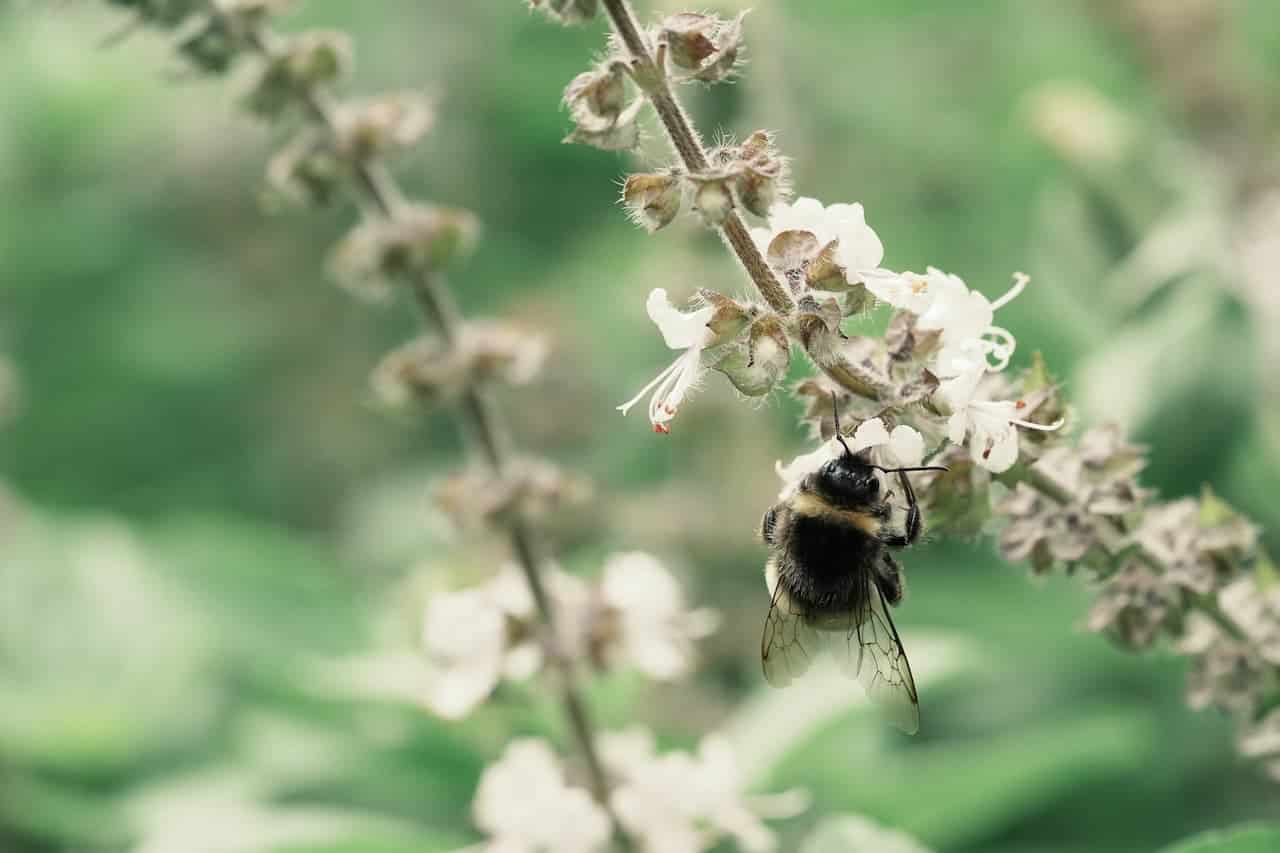
Let your basil plants bloom to attract more pollinators like bees and butterflies. The flower spikes they produce are a great nectar source and have a scent similar to anise hyssop.
You’ll notice that these flowers draw quite a crowd in your garden, making them a simple way to support local pollinators. African Blue Basil is one popular variety that’s especially good at this.
Purple coneflower
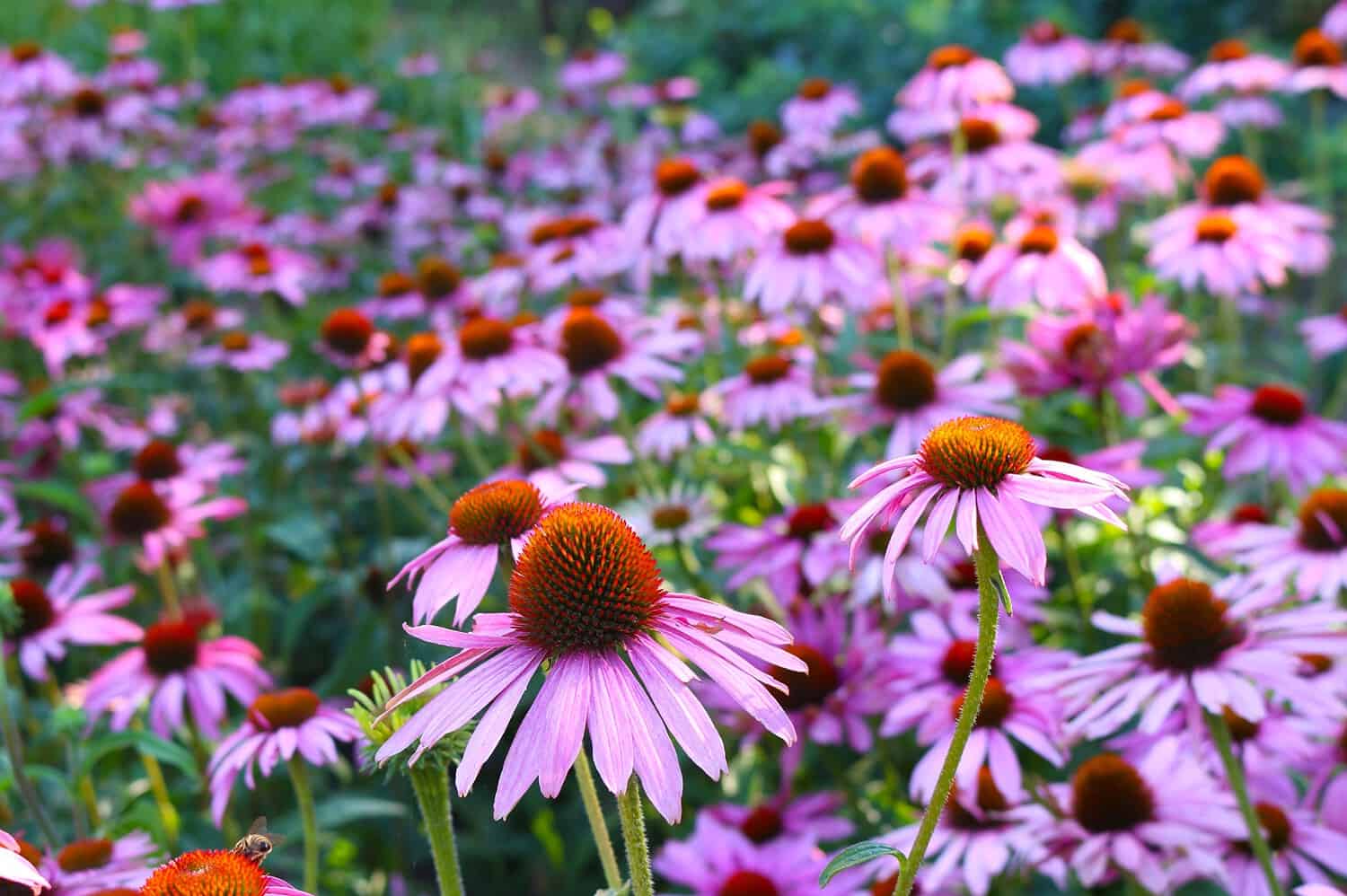
If you want to attract pollinators, purple coneflowers are a solid choice. They bloom from mid-summer to fall, offering nectar for butterflies and bees. Their large, daisy-like flowers add a nice pop of color to your garden.
You can plant different types like Echinacea purpurea or pale purple coneflowers to mix things up. They’re pretty low maintenance and do well in most gardens.
Wild ginger
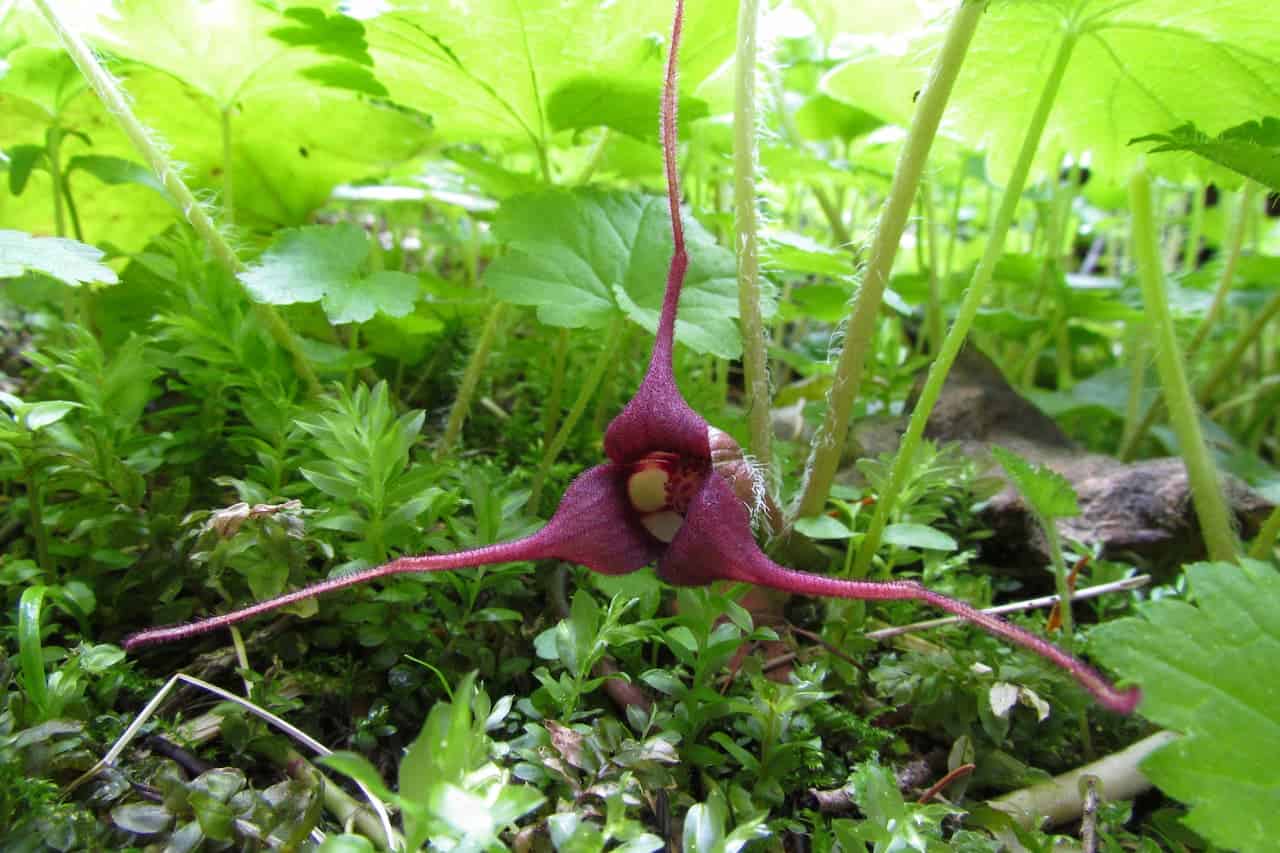
If you want a shady plant that quietly supports pollinators, wild ginger is a great pick. Its small purple flowers hide beneath broad leaves, so they’re easy to miss.
This plant blooms early, providing nectar and pollen in spring. Plus, it serves as a host for the Pipevine swallowtail butterfly, helping your garden’s butterfly population grow.
Jack-in-the-pulpit
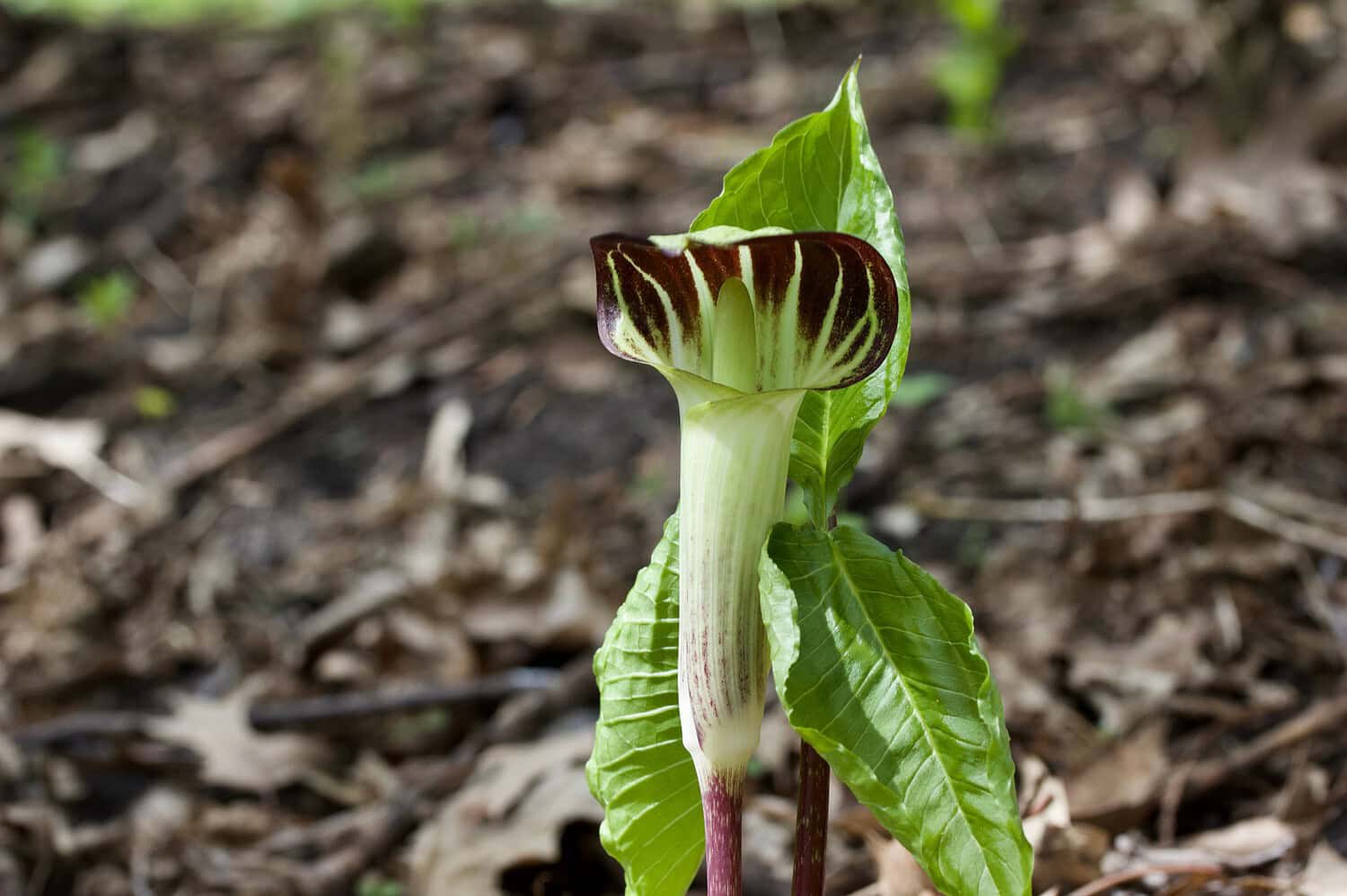
If you want a unique plant that supports pollinators, Jack-in-the-pulpit is a good choice. You’ll notice its hooded flower, called a spathe, which hides a spike called a spadix.
This plant attracts fungus gnats and other small insects with its scent. These little pollinators help the plant reproduce, making your garden a small ecosystem.
Violets

Violets are great if you want to attract pollinators to your garden. These plants serve as important hosts for the mining bee Andrena violae, which only visits violets.
You’ll notice these bees mostly in the Eastern U.S. Violets also add a natural, low-maintenance touch to any pollinator-friendly space.
Bellwort
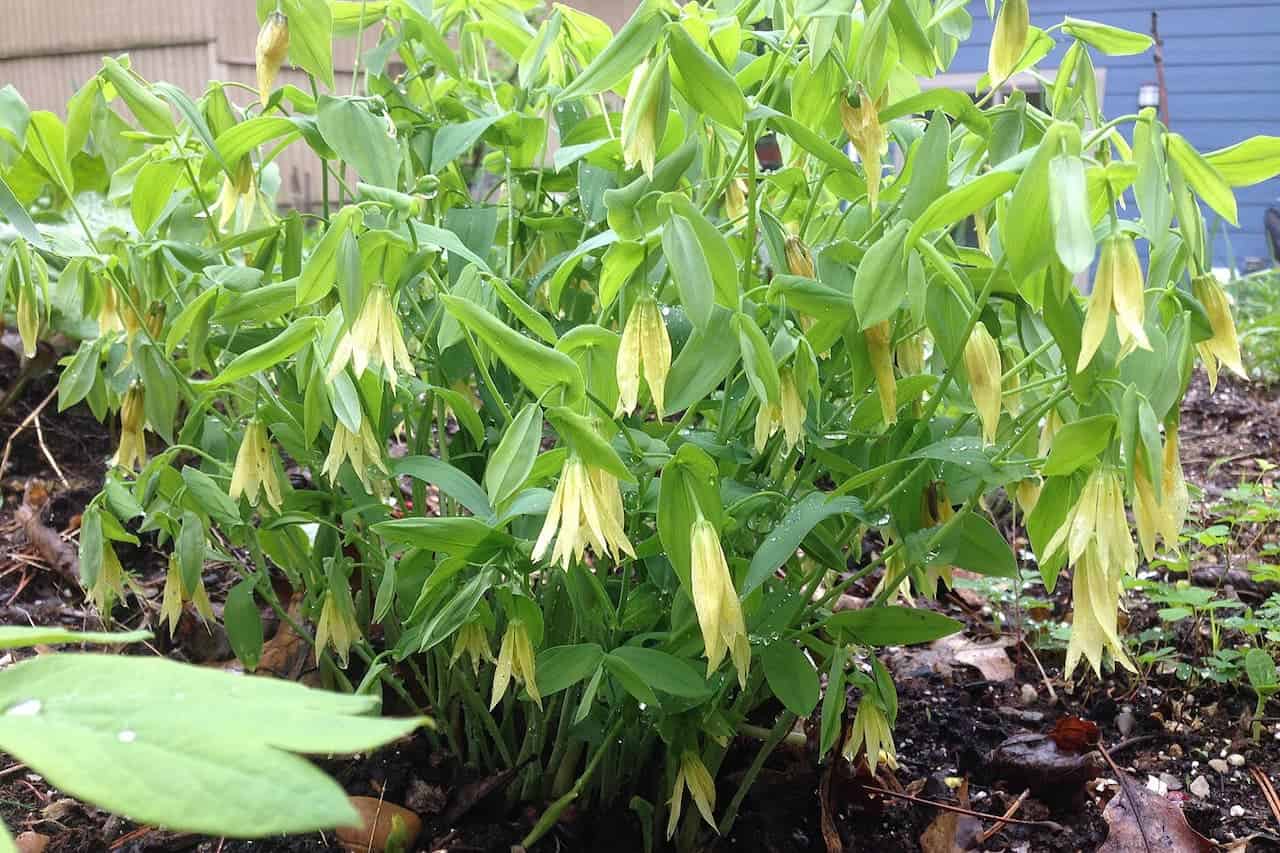
If you want an early bloomer for your shady spots, bellwort is a solid pick. It has these delicate, drooping yellow flowers that add a soft touch to your garden.
Bellwort produces both nectar and pollen, which spring bees, including bumble bee queens, really appreciate. It’s a low-maintenance perennial, so it can stick around and keep helping pollinators year after year.
Bloodroot
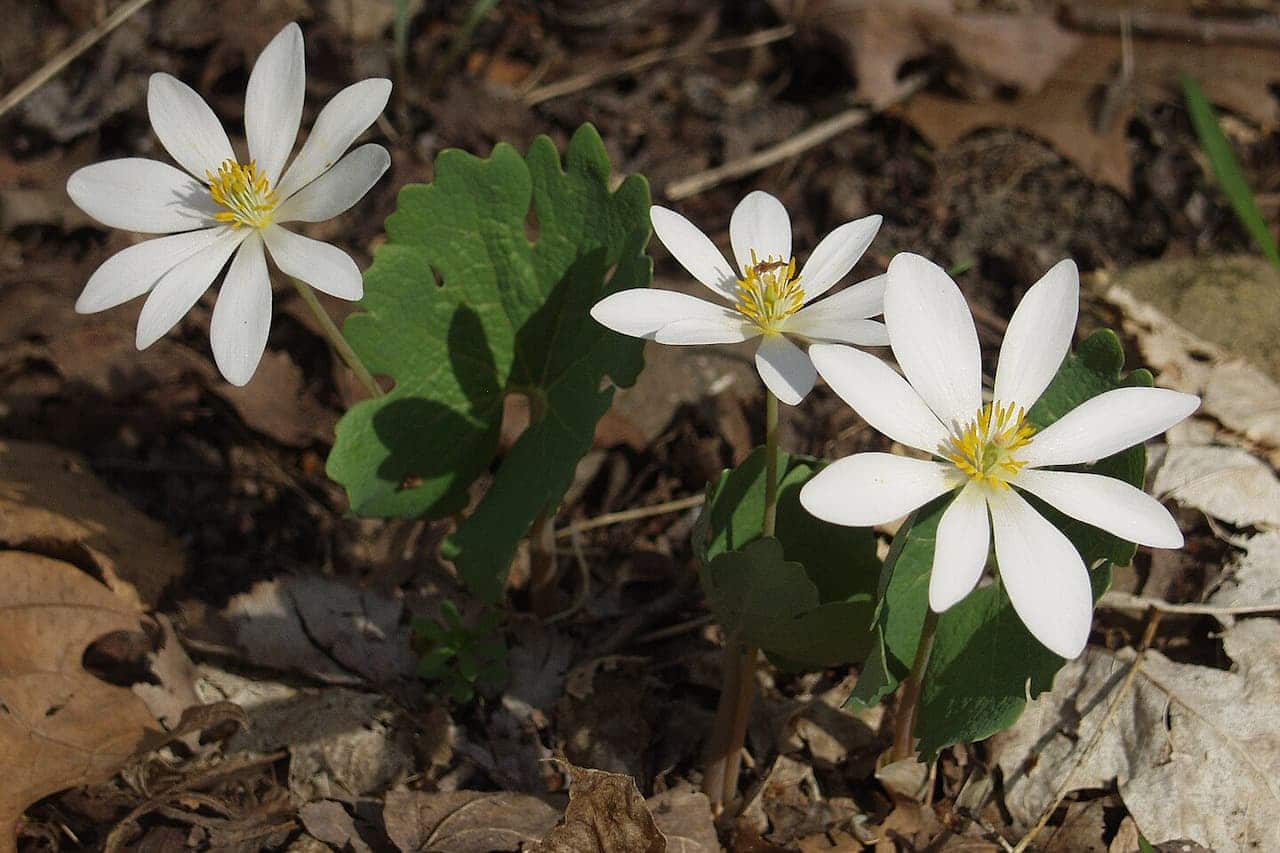
Bloodroot blooms early in spring with bright white flowers and yellow stamens. You’ll often see bees visiting these flowers because they rely on insects for cross-pollination, though the plant can self-pollinate if needed.
Its unique look and early bloom make it a great plant to support your garden’s first pollinators of the season.
Wood phlox
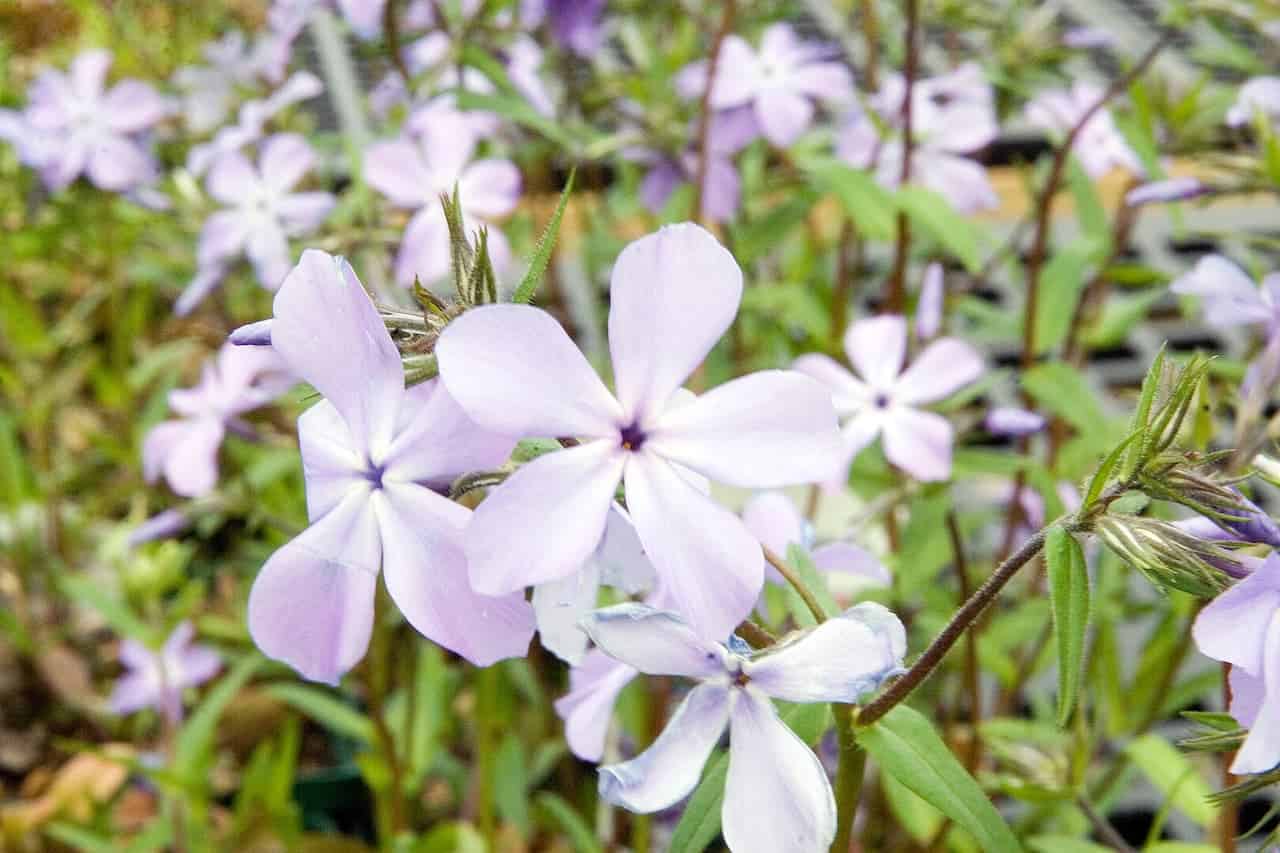
Wood phlox is a great choice if you want to attract pollinators to your shady garden spots. You’ll notice butterflies, bees, and even moths visiting these fragrant flowers for nectar.
Once pollinated, the blooms drop their petals and produce tiny seed capsules.