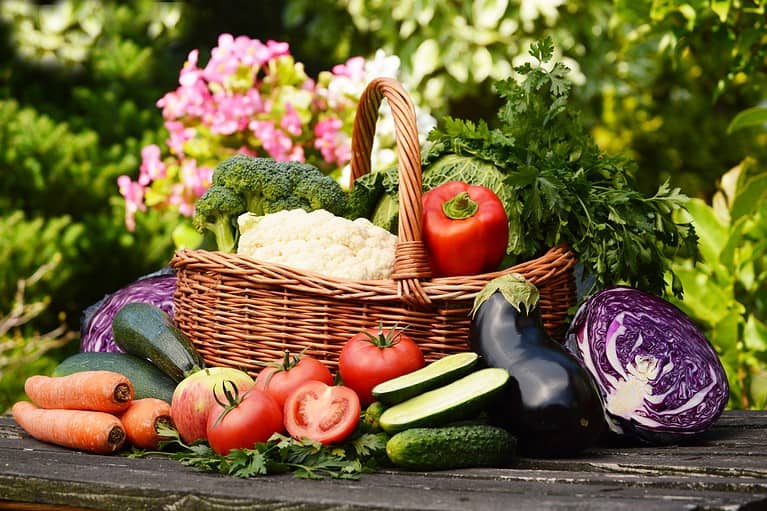
As we wave goodbye to last year and welcome in the new one, there’s a trend that’s causing a stir in the beverage industry. Many of us have noticed a gradual increase in the prices of our favorite drinks, from coffee to wine. This phenomenon isn’t only affecting our pockets; it’s also altering our choices, shaping trends, and influencing the beverage industry’s direction. In this blog post, we’ll explore 15 beverages that you’ll likely be paying more for this year.
1. Craft Beer
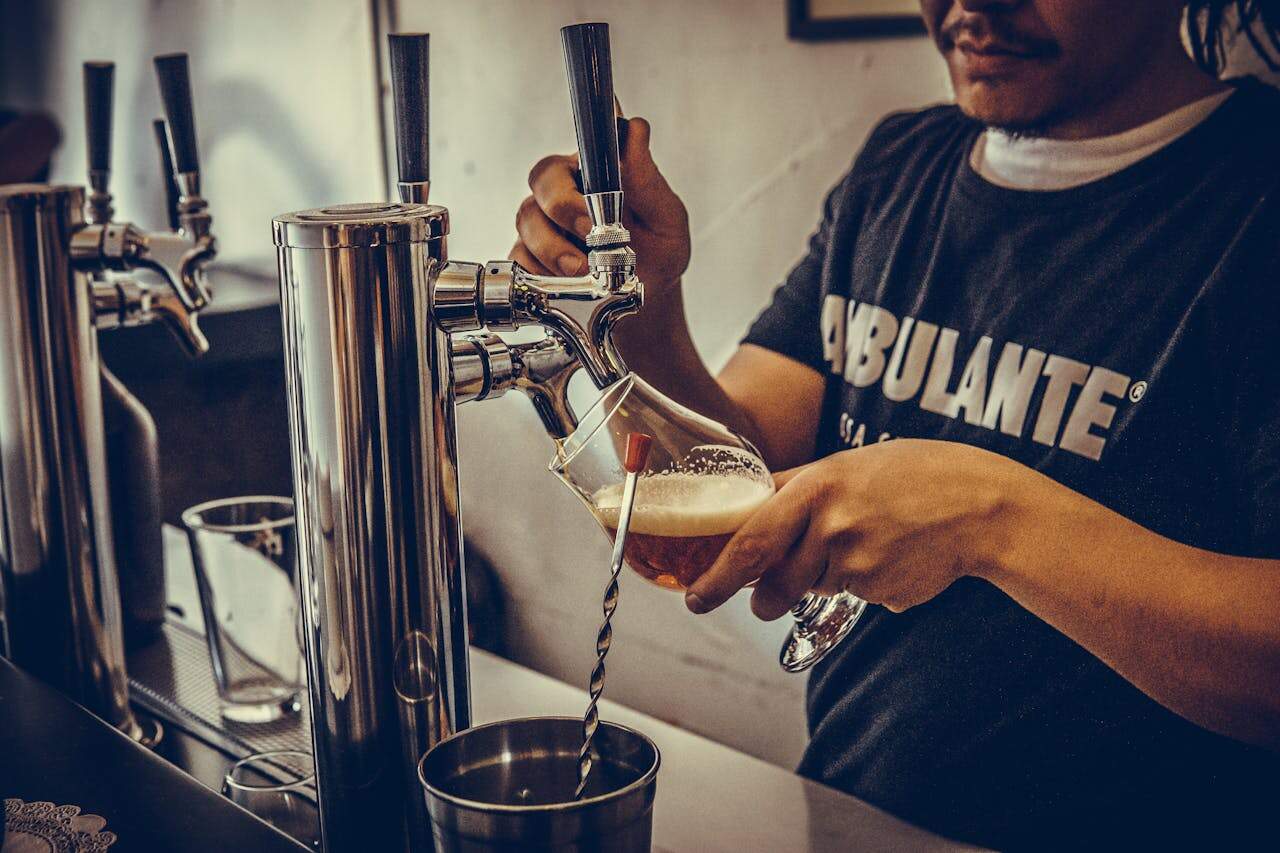
Craft beer has been enjoying a surge in popularity over the past few years, with consumers appreciating its quality and diversity. However, as the demand grows, so does the price. The cost of production, including ingredients and labor, is increasing, and these costs are passed onto consumers. Additionally, the pandemic has disrupted supply chains, leading to further price hikes.
Advertisement
2. Imported Wine

A confluence of factors, such as tariffs, climate change, and the pandemic, have affected the wine industry, particularly those relying on imports. Furthermore, wine producers are increasingly focusing on quality over quantity, which leads to higher prices. So, if you’re a fan of imported wines, expect to shell out a little more this year.
3. Premium Coffee
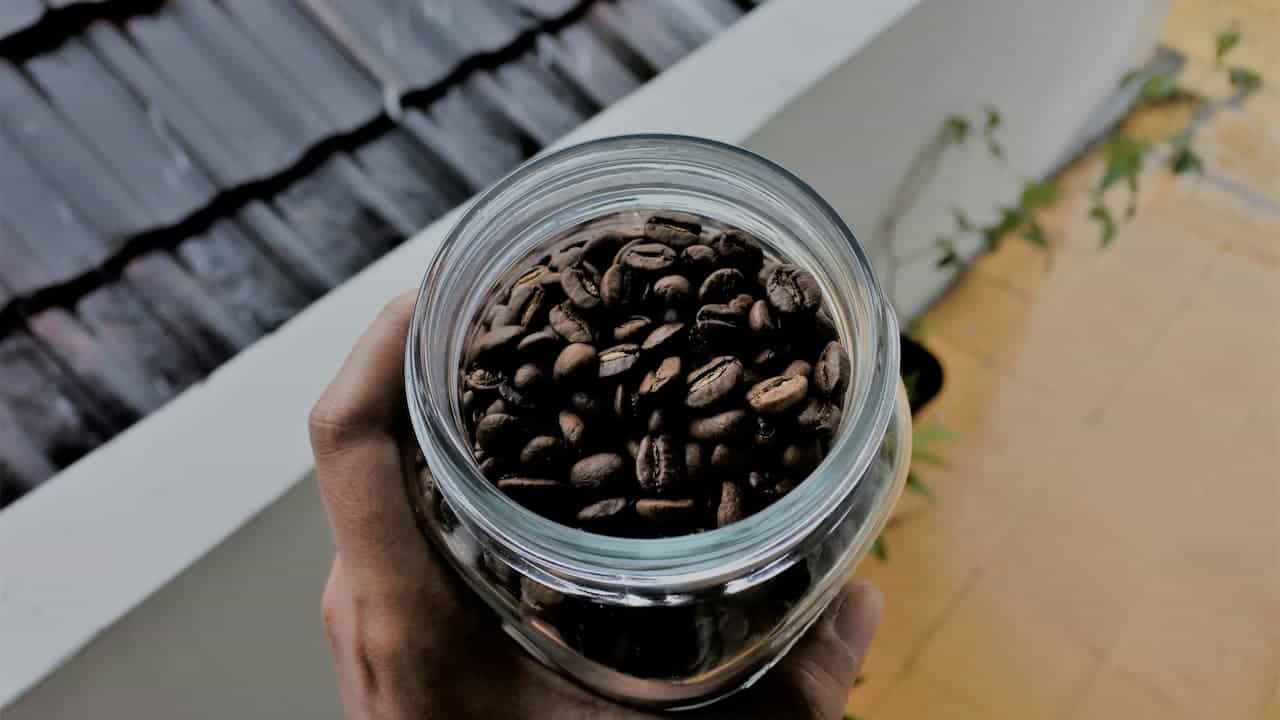
Coffee prices are on the rise due to a combination of factors, including weather-related issues in coffee-growing regions and increased labor costs. Additionally, there’s a growing trend towards specialty, ethically sourced coffees, which typically come with a higher price tag.
4. Kombucha
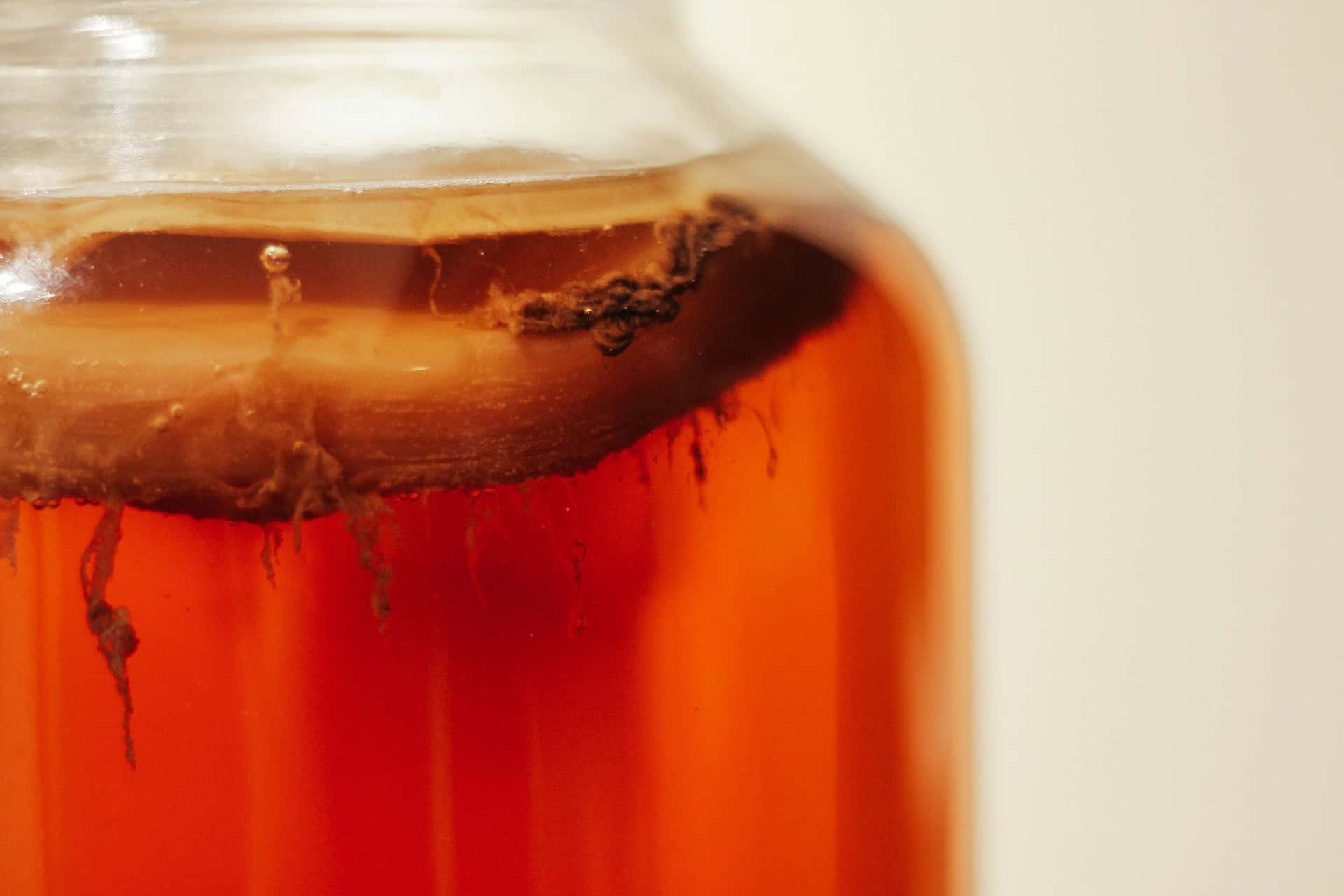
Kombucha, a fermented tea drink known for its health benefits, has become increasingly popular in recent years. As demand grows, manufacturers are investing in quality ingredients and sustainable production methods, which can increase the cost. Additionally, the complexity of the fermentation process can also contribute to higher prices.
5. Bottled Water

Bottled water prices are likely to increase due to rising production costs. Factors such as plastic packaging costs, transportation, and rising environmental consciousness are all contributing to the increase. As consumers become more eco-conscious, they’re willing to pay more for bottled water that’s sustainably packaged.
6. Artisanal Soda
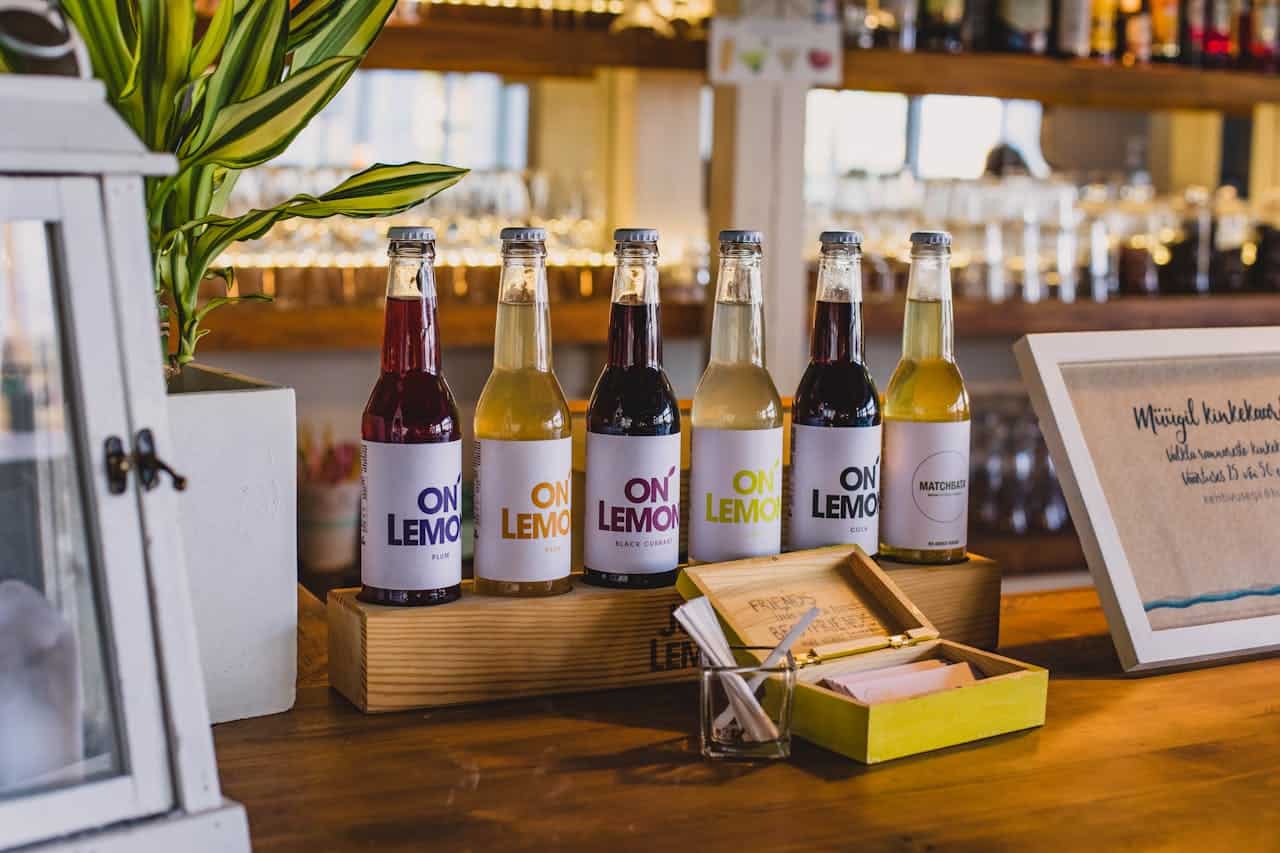
Artisanal soda, made with natural ingredients and offering unique flavors, is becoming more popular. However, the cost of producing these drinks is higher due to the use of premium ingredients and smaller production scales, leading to higher prices.
7. Matcha Tea

Matcha tea, a powdered green tea from Japan, is becoming increasingly popular for its health benefits. However, producing matcha is labor-intensive, and the demand is outpacing the supply, leading to higher prices.
8. Specialty Teas
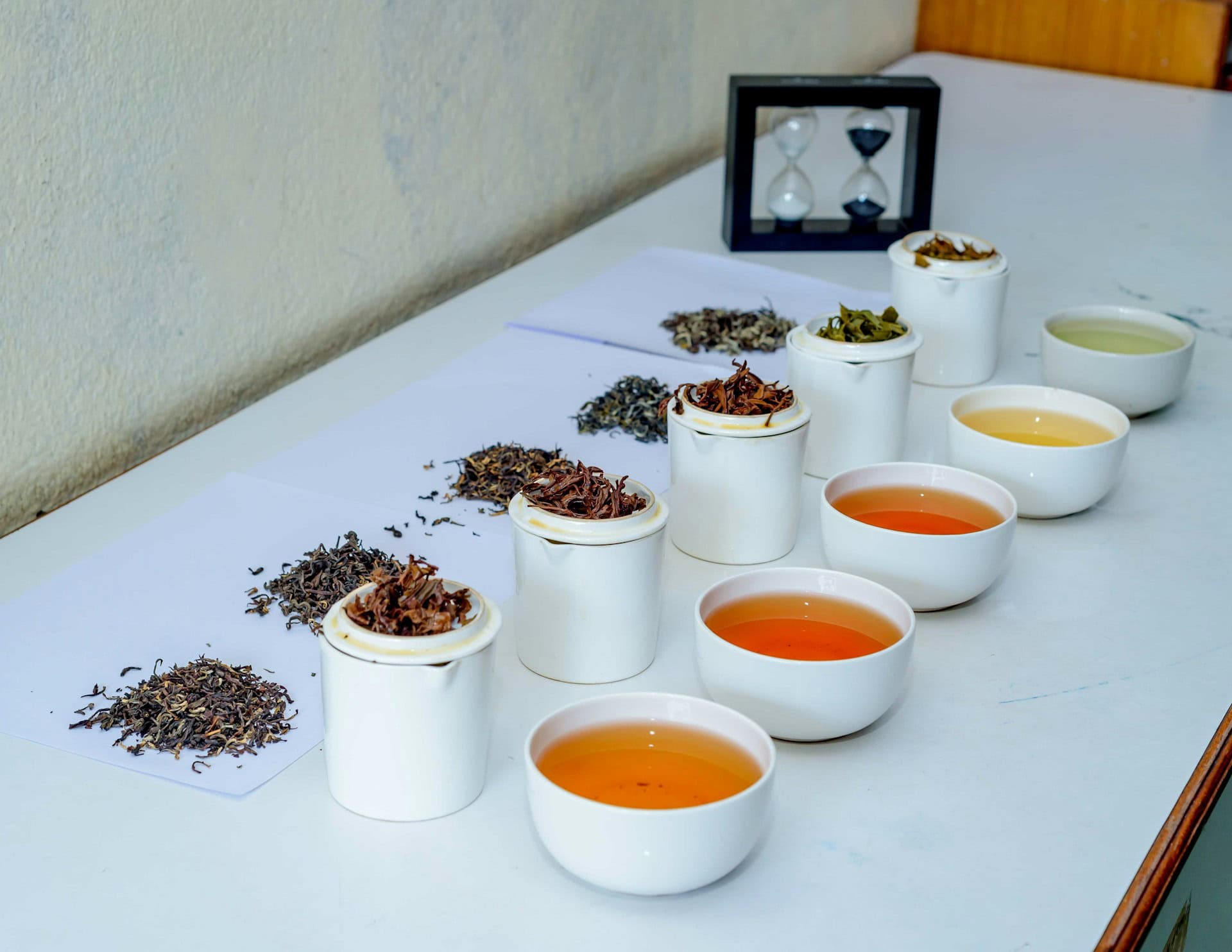
Specialty teas, including loose leaf and single-origin teas, are gaining popularity. However, these teas often come from small-scale farms and require careful handling and processing, contributing to their higher cost.
9. Plant-Based Milk

The market for plant-based milk, including almond, oat, and soy milk, is growing. However, the production of these milks is often more resource-intensive than dairy milk, leading to higher prices.
10. Cold Brew Coffee

Cold brew coffee is trendy and delicious, but it’s also more expensive than regular coffee. The brewing process takes longer and requires more coffee grounds, leading to higher costs.
11. Freshly Pressed Juice
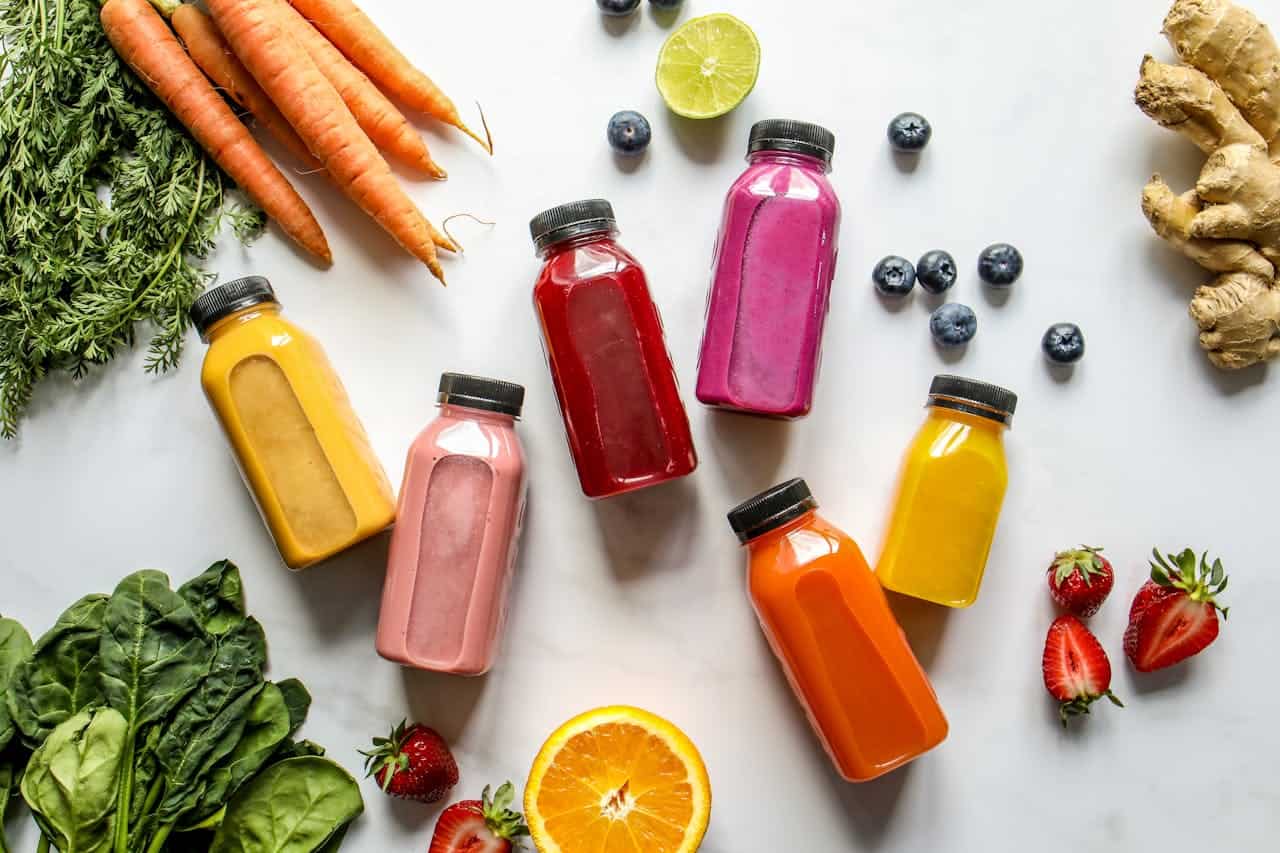
Freshly pressed juices, particularly those made from organic fruits and vegetables, are becoming more popular. However, they require a lot of produce and labor to make, leading to higher prices.
12. CBD-Infused Drinks
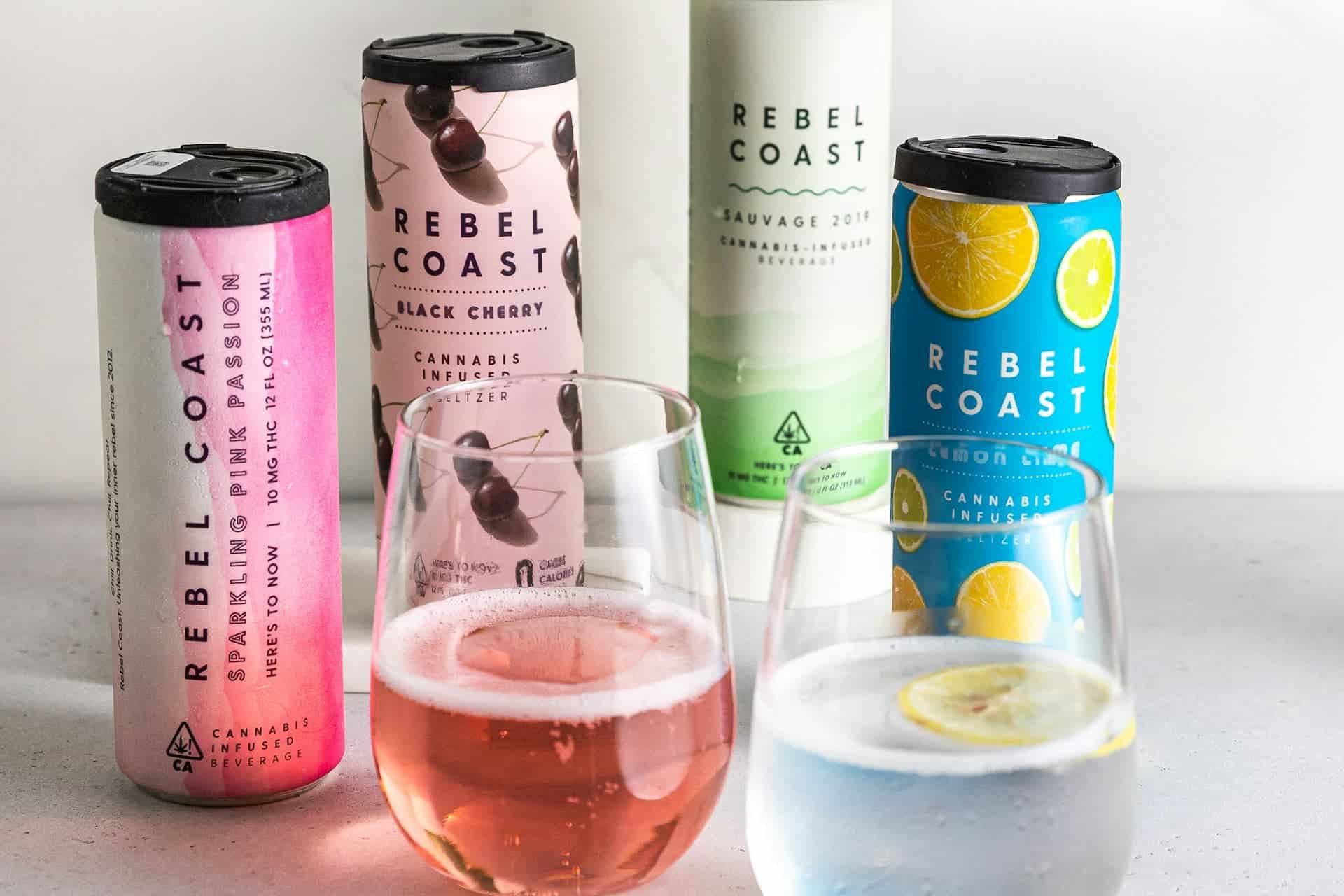
CBD-infused drinks are a growing trend, but they come with a higher price tag. The cost of CBD oil, coupled with the regulatory hurdles associated with these products, contributes to their higher cost.
13. Probiotic Drinks

Probiotic drinks, such as kefir and certain types of yogurt, are popular for their health benefits. However, they require specific production processes and ingredients, leading to higher prices.
14. Canned Cocktails
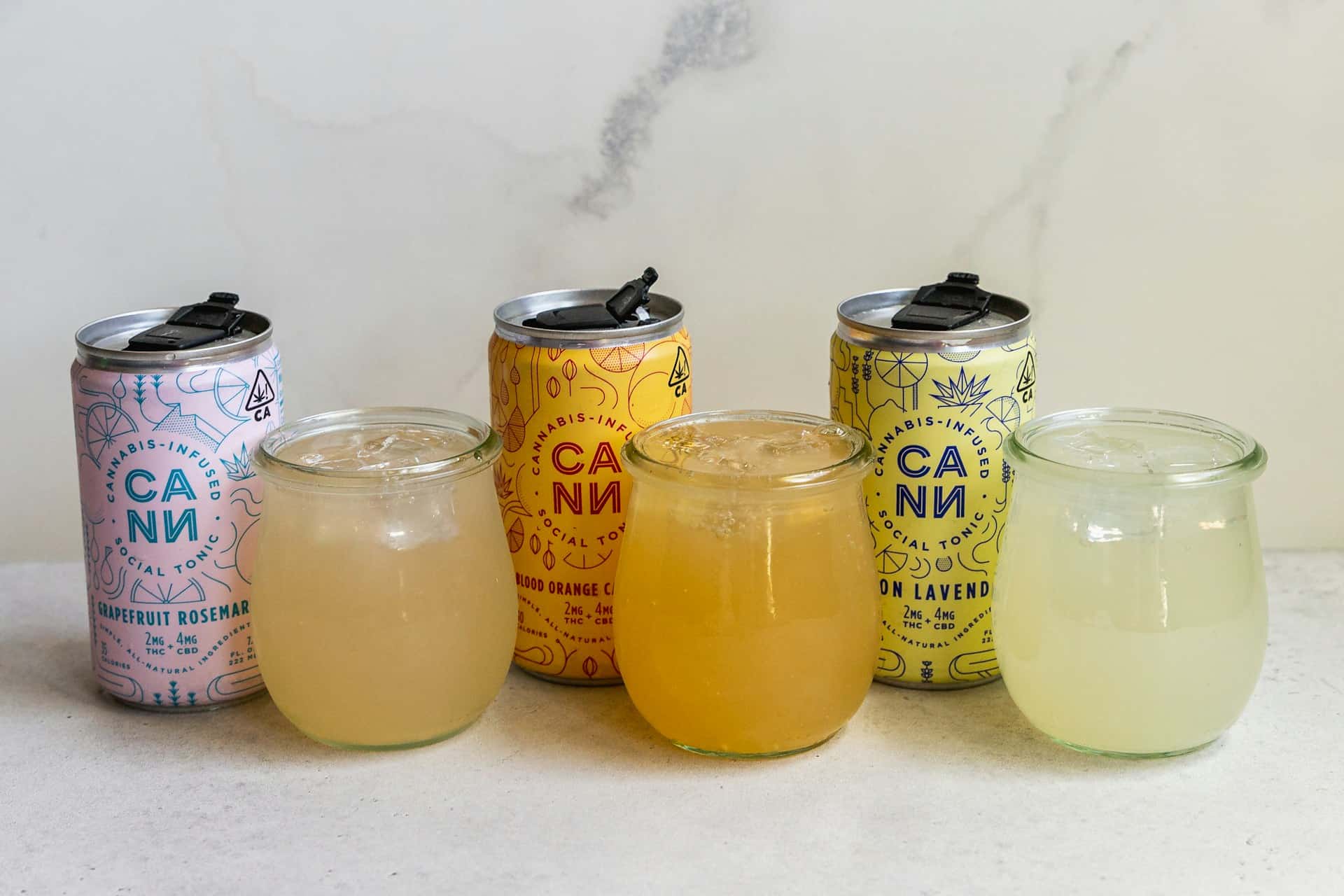
Canned cocktails are convenient and fun, but they’re also more expensive than making cocktails at home. The cost of ingredients, packaging, and marketing all contribute to their higher price.
15. Organic Wine

Organic wine is produced without synthetic pesticides or fertilizers, which can make it more expensive to produce. Additionally, there’s a growing demand for organic products, which can drive up prices.
While it’s true that we may be paying more for these beverages this year, it’s also an opportunity to explore new flavors and trends. Who knows, you might discover a new favorite drink!