Basements often become catch-alls for items you no longer use or need, turning what should be extra space into cluttered storage. You might not realize how many things you’ve been holding onto that don’t add any value to your life anymore.
Knowing which basement items to toss can help you free up space and create a more organized, functional area in your home. Clearing out these unnecessary items allows you to make the most of your basement, making it easier to find what truly matters.
Advertisement
Expired paint cans

You might hold onto half-used paint cans thinking they’ll come in handy. However, paint degrades over time and can become unusable or cause issues with your project.
Check the cans for expiration or changes in texture. Toss any that are dried out or smell odd to keep your space safe and clutter-free.
Keeping only usable paint saves room and prevents unwanted spills or hazards in your basement.
Unfinished home improvement scraps
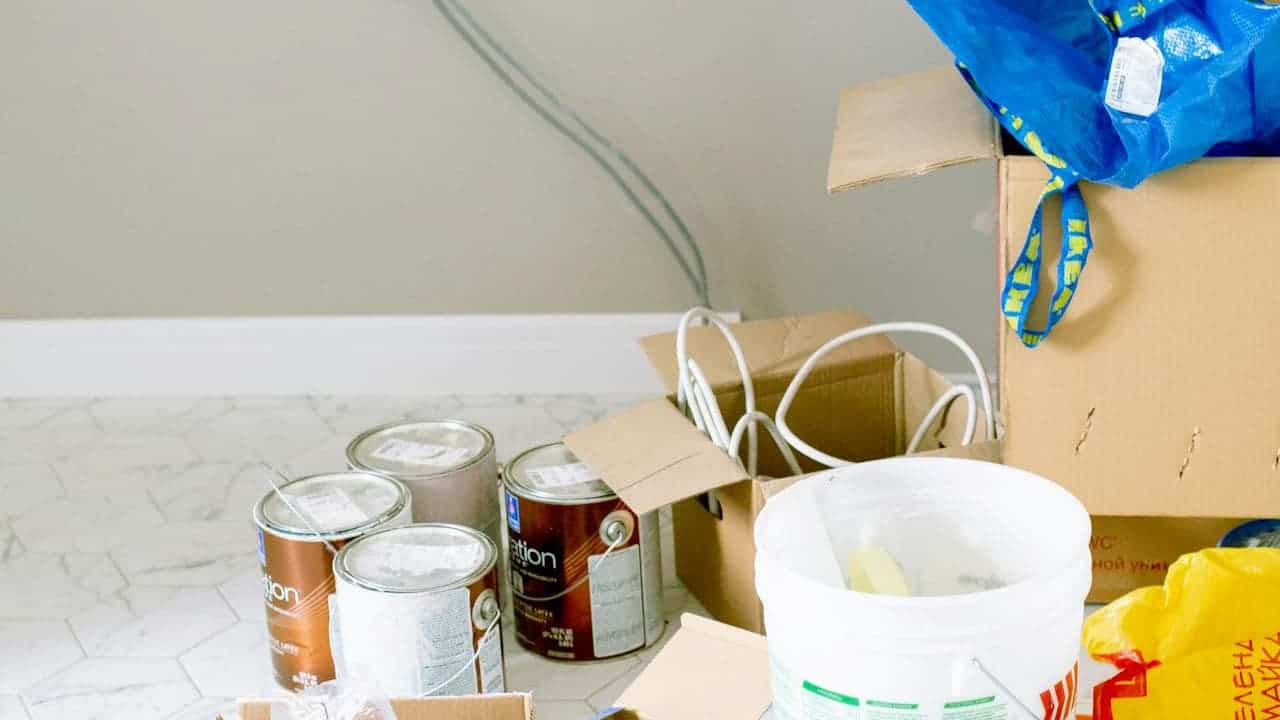
You might have leftover tiles, wood planks, or paint cans from past projects in your basement. If these scraps no longer match your current home style or you don’t plan to use them soon, it’s time to get rid of them.
Holding onto old materials can create clutter and take up valuable space. Keep only what is organized and realistically reusable for future projects.
Broken power tools
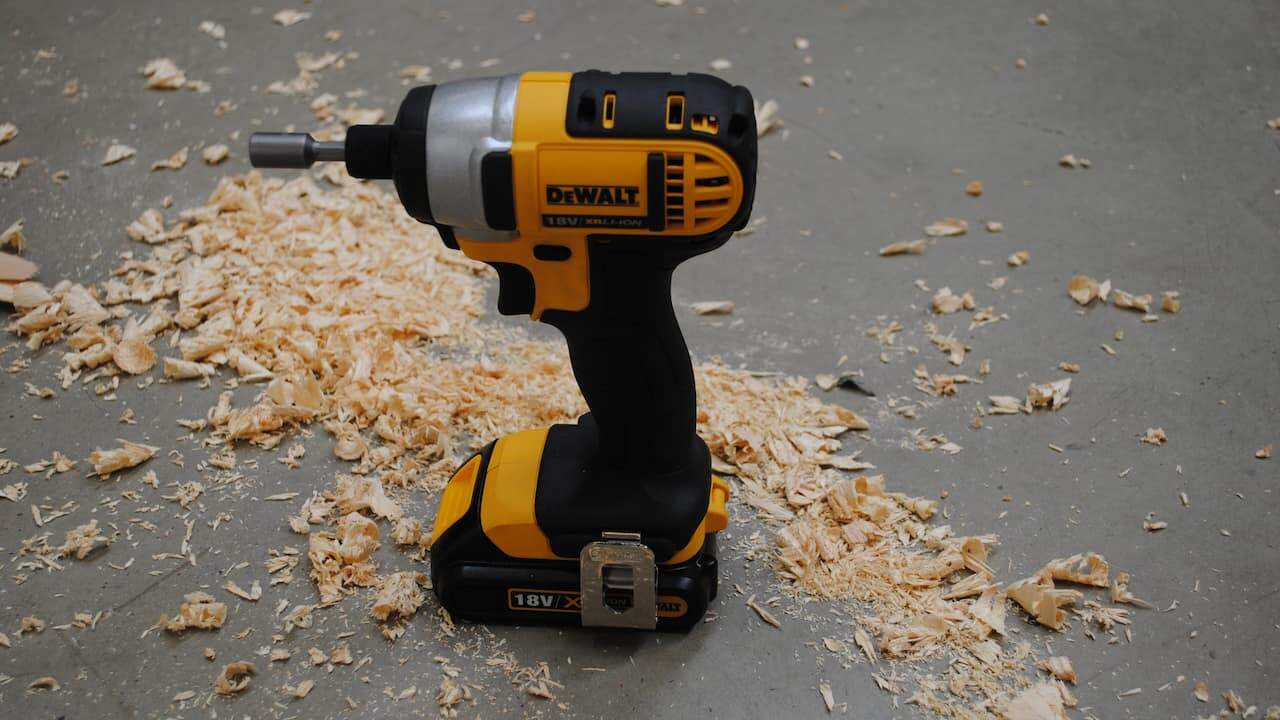
If your power tools are broken, they can be unsafe to use. Holding on to damaged tools takes up space without providing any benefit.
Replacing broken power tools ensures you have reliable equipment when you need it. It also helps keep your basement organized and clutter-free. Letting go of these tools makes room for useful items you actually use.
Old toys and baby gear
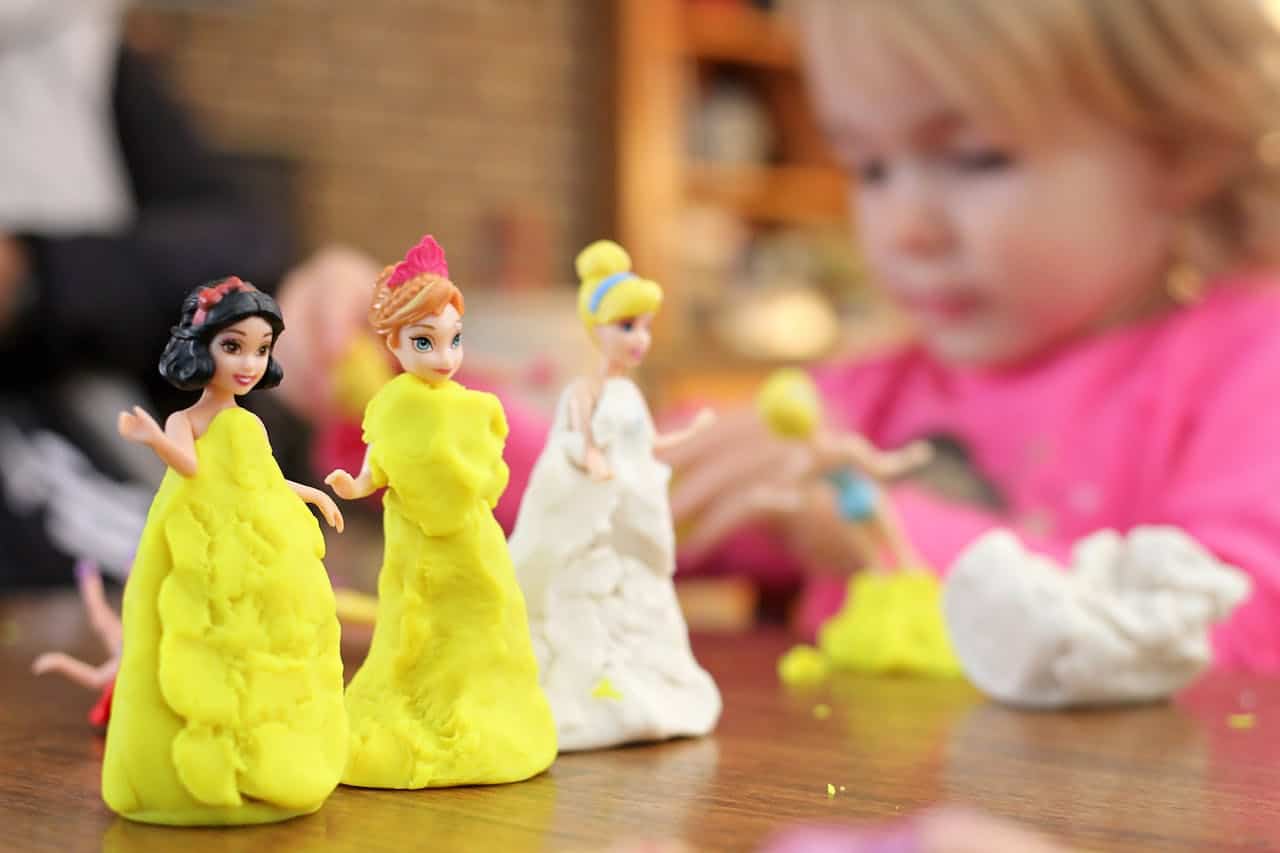
You probably have toys and baby gear taking up space that no longer serve a purpose. If they’re broken or missing parts, it’s time to let them go.
Before tossing, check if some items might have collectible value. Otherwise, donating or recycling old gear is a great way to clear clutter and free up your basement.
Expired cleaning supplies
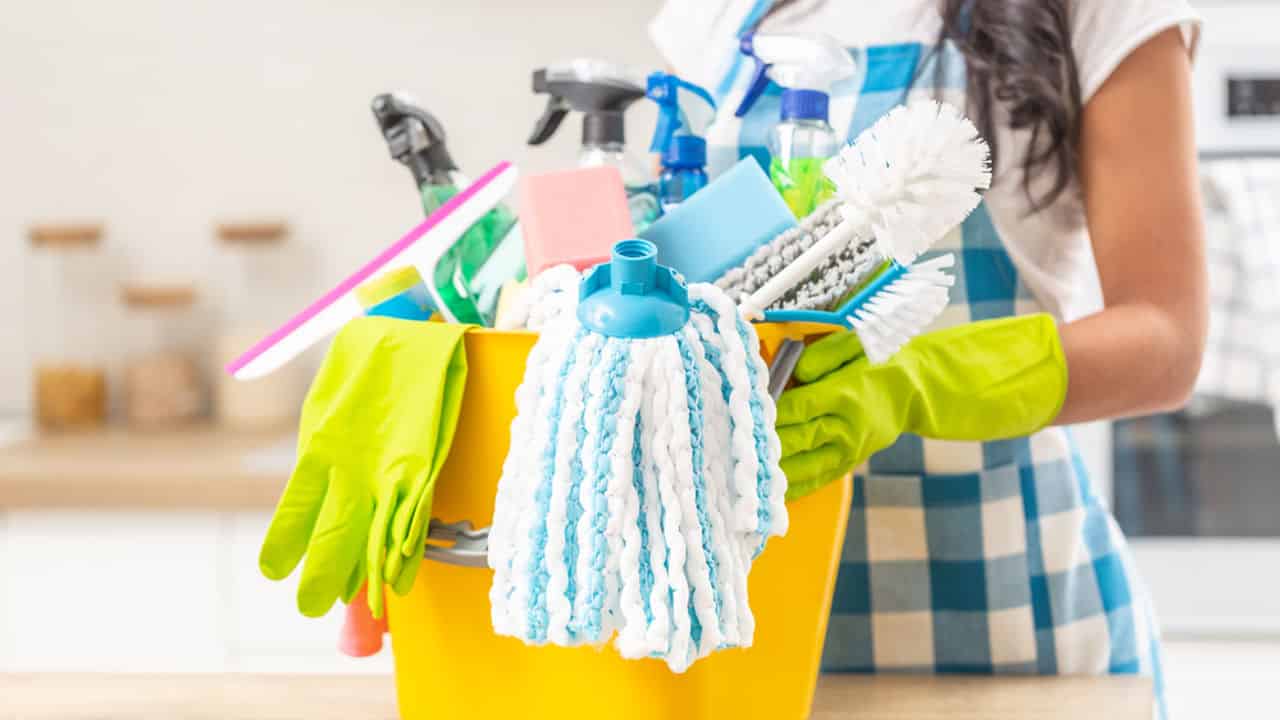
Check your basement for old cleaning products. Many lose effectiveness over time and can become unsafe.
If a cleaner smells off or has changed color, it’s a sign to toss it. Expired items won’t clean properly and could damage surfaces.
Replacing these with fresh supplies helps keep your home safe and your cleaning routine efficient. Don’t hesitate to discard anything past its expiration date.
Worn-out seasonal decorations
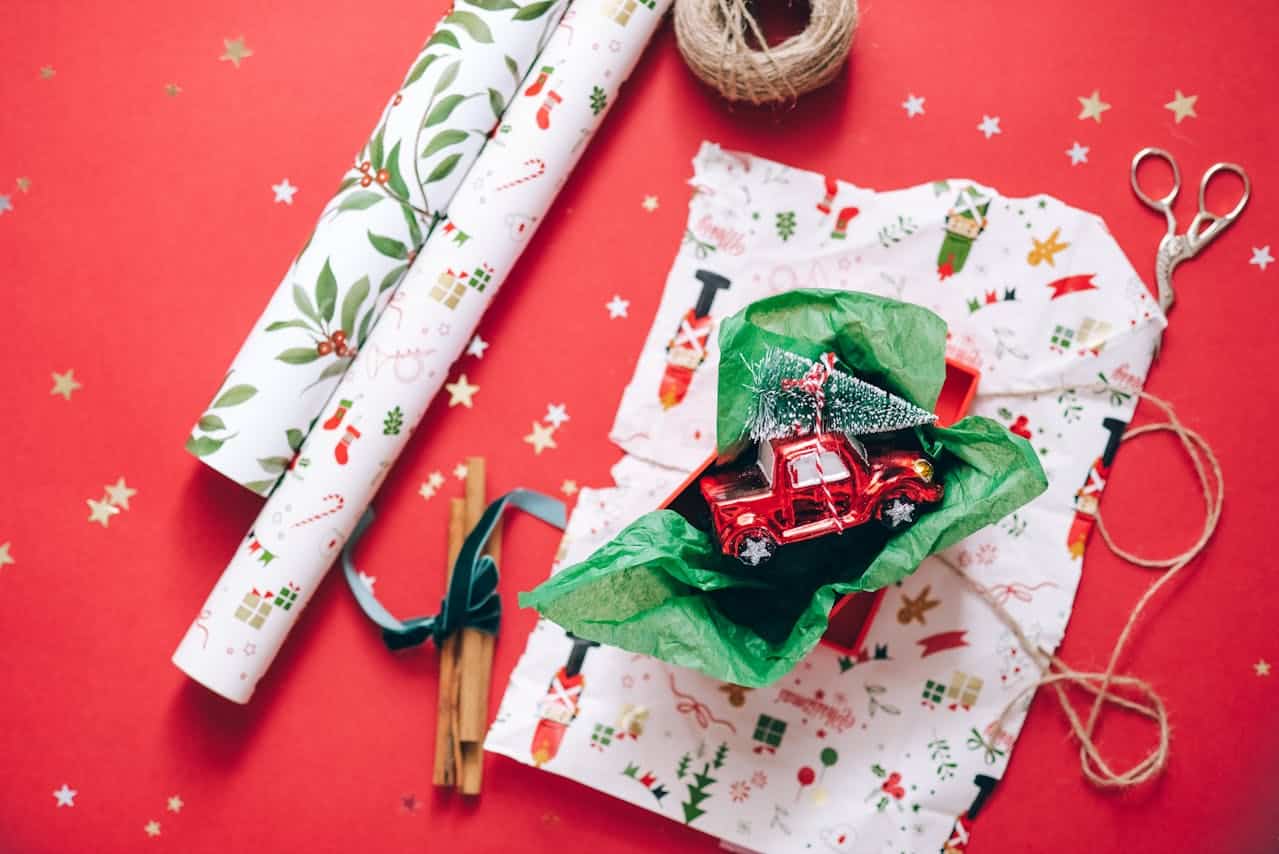
You likely have holiday decorations tucked away that have seen better days. Faded colors, broken ornaments, and frayed garlands don’t add much joy.
If lights no longer work or decorations are damaged, it’s okay to let them go. Keeping only items in good shape makes decorating easier and more enjoyable next season.
Outdated electronics like old laptops

You might have laptops lying around your basement that no longer work or are too slow to use. These old devices take up space and often can’t keep up with today’s software.
Basements tend to be damp, which can damage electronics further. It’s better to recycle or donate them if they still function, instead of storing them where they might worsen.
Dried-out craft supplies

You probably have markers, paints, or glue that have dried up over time. These items no longer work and only take up space in your basement.
Holding onto them won’t help, so it’s a good idea to toss these unusable supplies. This clears room for fresh materials when you feel inspired to get creative again.
Broken or mismatched tiles
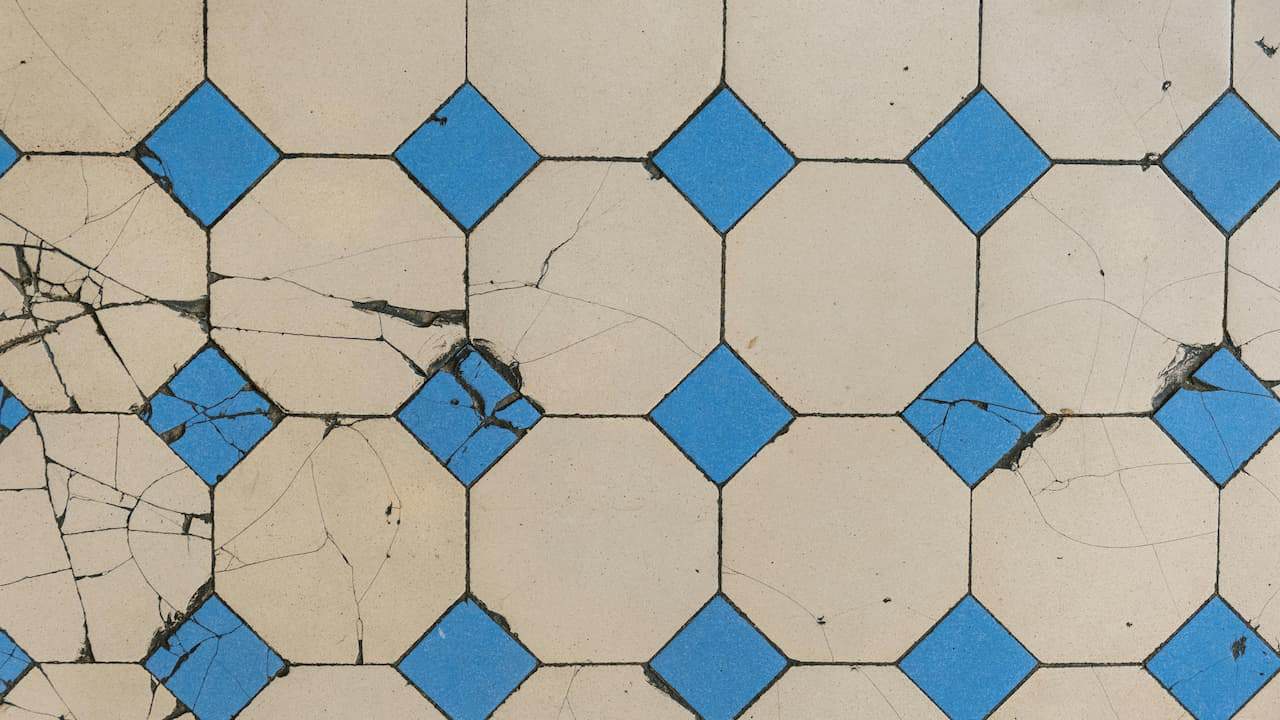
If you have broken or mismatched tiles in your basement, it’s a good idea to get rid of them. They usually serve no purpose and just take up space.
Keeping only tiles that match your current decor or can be reused saves you clutter. Tossing damaged or outdated pieces helps keep your basement organized and ready for future projects.
Rusty gardening tools
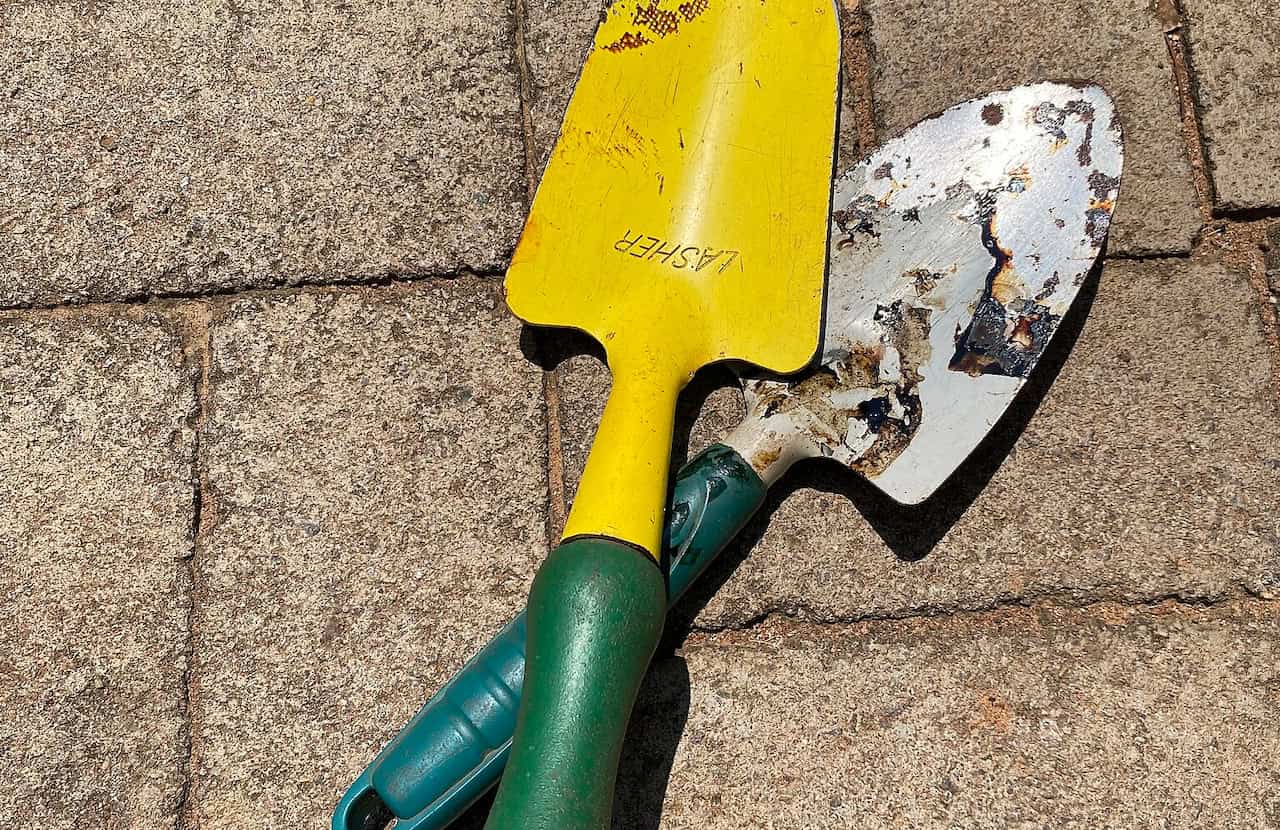
If your gardening tools are rusty and damaged, it’s time to let them go. Rust weakens metal and can make tools unsafe or ineffective to use.
Small rust spots can sometimes be cleaned, but heavy rust means the tool won’t work properly. Keeping broken or unsafe tools can cause injuries or frustration.
Replacing those old tools will make your gardening easier and keep you safe. Don’t hang on to items that no longer serve you.
Empty or half-used chemical containers
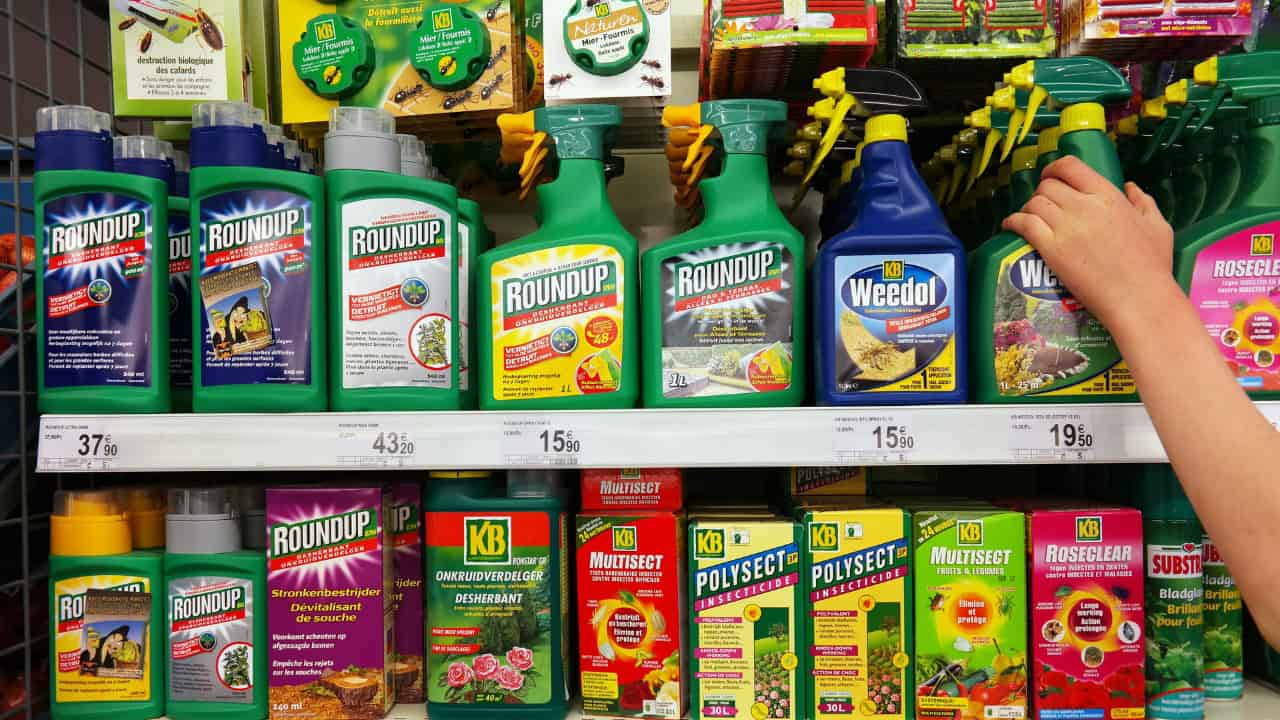
If you have empty or half-used chemical containers in your basement, it’s best to get rid of them carefully. These containers can be hazardous if not handled properly.
Never use old chemical containers for anything involving food, water, or radioactive materials.
You can reuse them only if you are sure the new contents are compatible with the old ones. Otherwise, recycle or dispose of them following local regulations. This keeps your space safe and clutter-free.
Outgrown sports equipment
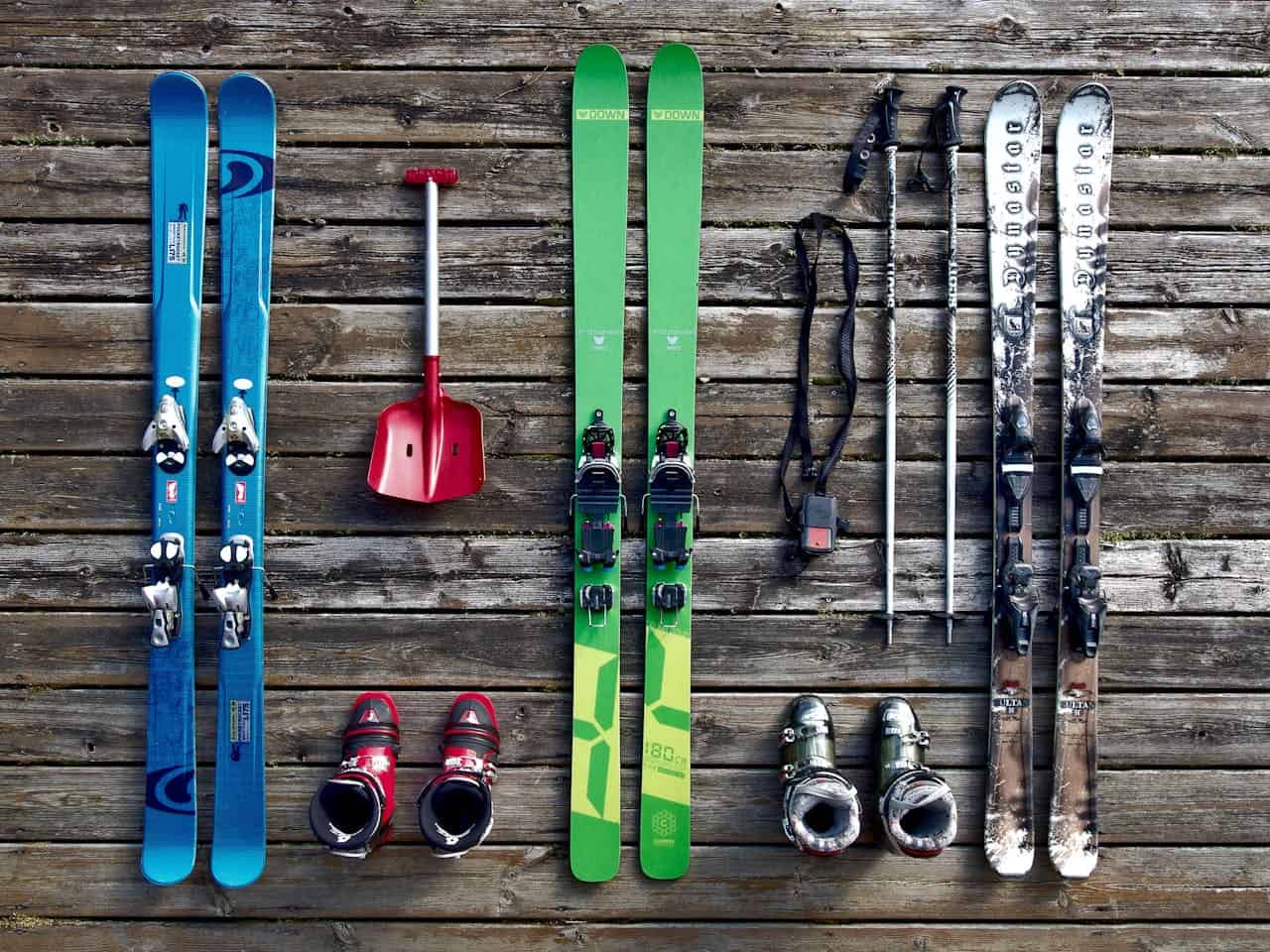
You probably have sports gear that your kids have outgrown sitting in your basement. These items take up space and rarely get used again.
Old cleats, helmets, or pads can get worn out or damaged over time. It’s a good idea to sort through this equipment and decide what to toss. Keeping only what fits and is in good condition helps free up room for things you actually use.
Old magazines and newspapers

You might hold onto old magazines and newspapers thinking you’ll read them later. But they often just pile up and gather dust in your basement.
These paper items can take up valuable space and add to clutter. Recycling them clears room and helps keep your basement cleaner.
If the articles or pictures are important, consider saving digital copies instead. That way, you keep memories without the bulk.
Torn or stained fabric scraps
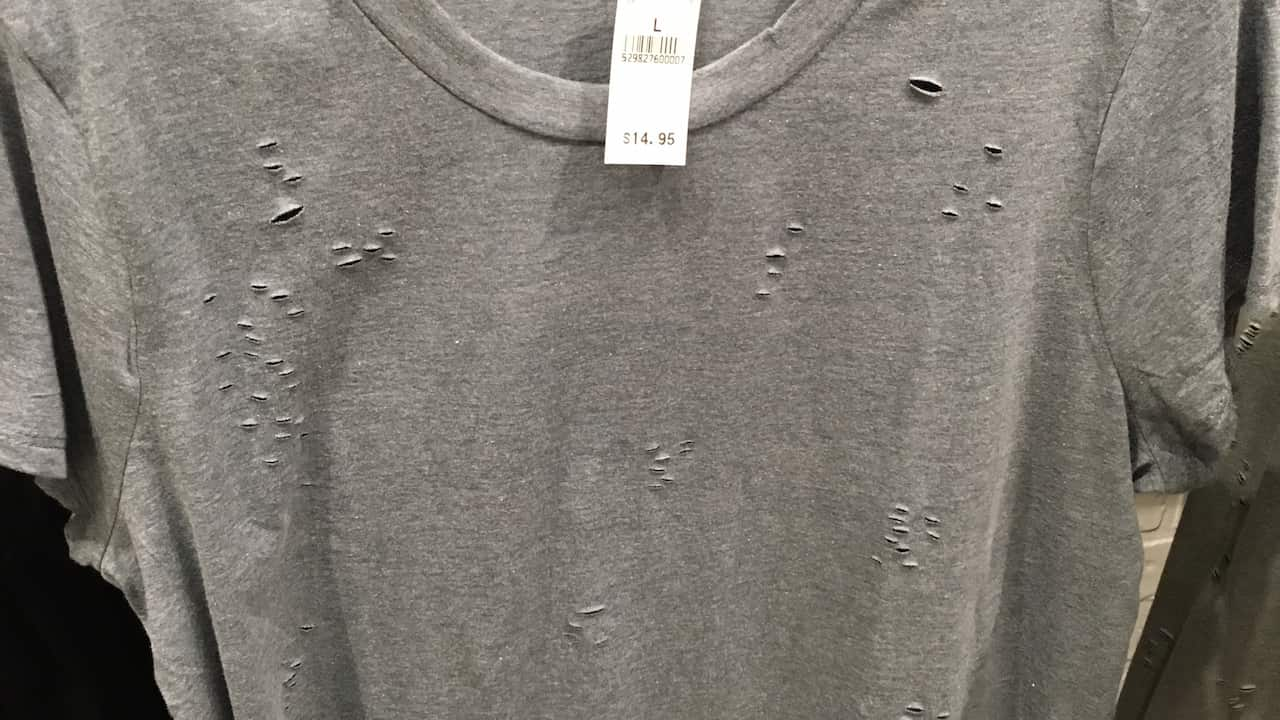
If you find torn or stained fabric scraps in your basement, it’s best to toss them. These pieces usually don’t have much use and just take up space.
Keeping only clean and usable fabric makes your storage neater and easier to manage.
If you want to keep some scraps for projects, make sure they’re in good shape and organized. Otherwise, let go of anything damaged or overly worn.
Expired canned goods stored in basement

You might find expired canned goods in your basement that seem fine at first. However, cans stored in basements can be affected by fluctuating temperatures and humidity, which may compromise their safety over time.
Check for dents, rust, or bulging cans before deciding whether to keep them. If anything looks off, it’s safer to toss the can. Even if a can looks good, the flavor and quality might have changed after expiration, so proceed with caution.