When you’re sorting through antiques, it can be hard to know which items are worth keeping and which ones you can safely sell. Many pieces may seem valuable at first glance, but experts warn that some antiques are better off staying in your collection. Knowing what to hold onto can save you money and preserve items that have genuine value.
This article highlights 15 antiques that experts say you should never sell because they often hold sentimental or financial worth that isn’t immediately obvious. By being aware of these items, you can make smarter decisions when managing your antiques and avoid accidentally parting with something precious.
Advertisement
Vintage Pogs
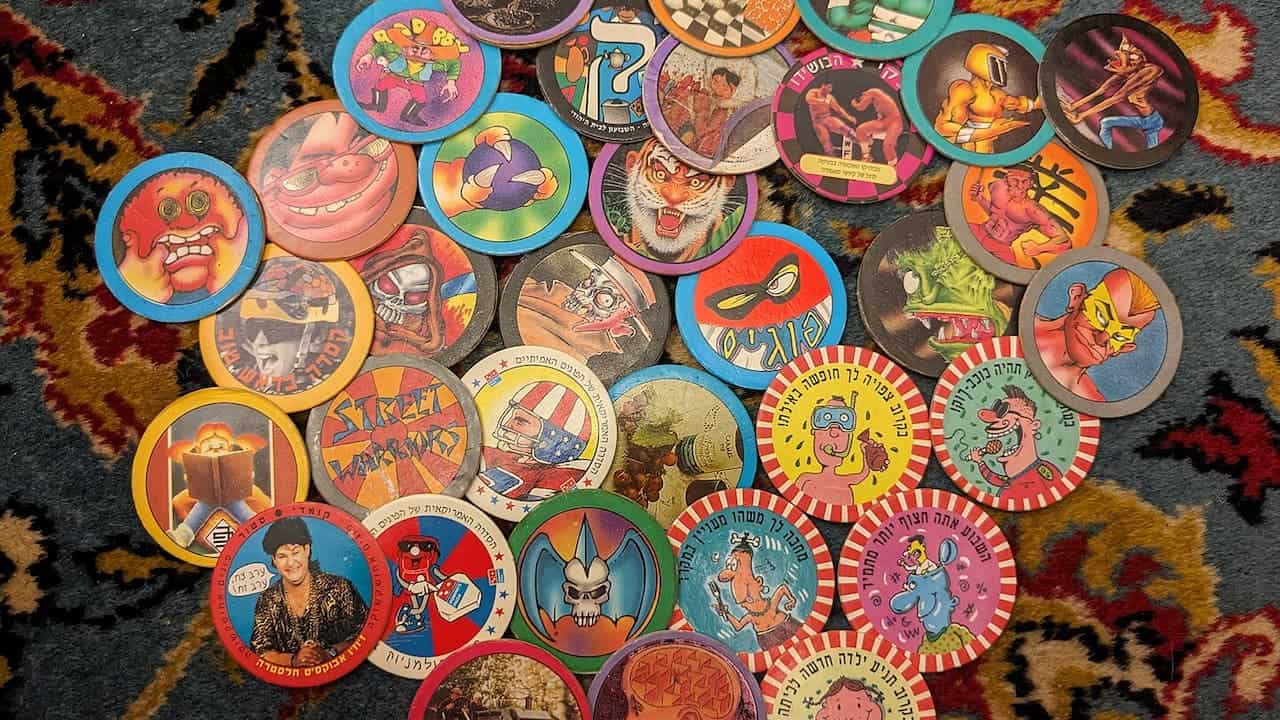
If you have vintage Pogs, you might think they’re valuable. However, most Pogs today sell for very little, often under $20 each. Large collections usually don’t fetch much more.
Only rare errors or special sets might attract some interest, but sorting through piles to find these can be time-consuming. So, selling your Pogs might not be worth the effort.
Upholstered Furniture
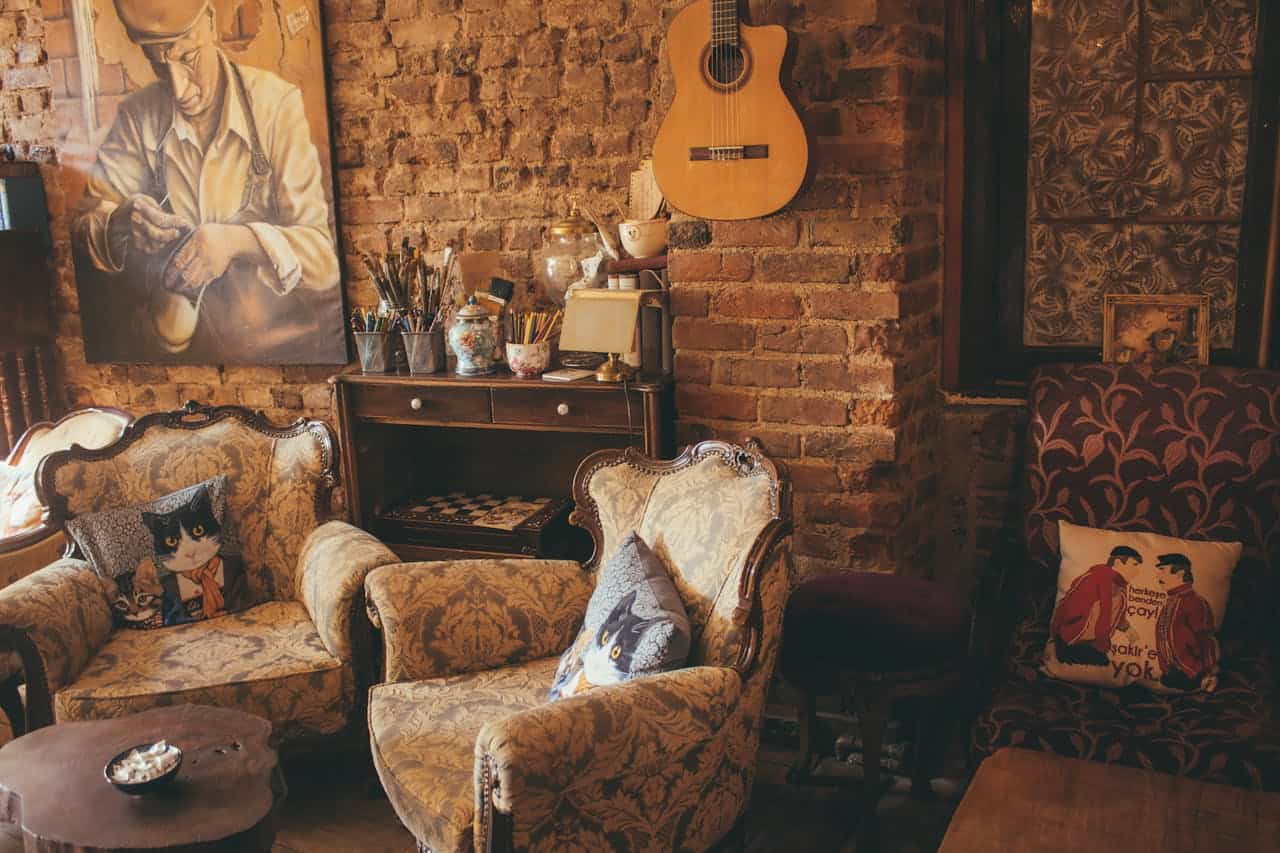
When it comes to selling upholstered furniture, you should be cautious. These pieces often hide stains, odors, or even pests that aren’t easy to detect.
Cleaning and reupholstering can be costly and time-consuming. It’s usually better to keep these items, especially if they have sentimental or antique value.
If you decide to sell, be honest about any wear or damage. Your buyer will appreciate the transparency.
Bed Sheets from Estate Sales
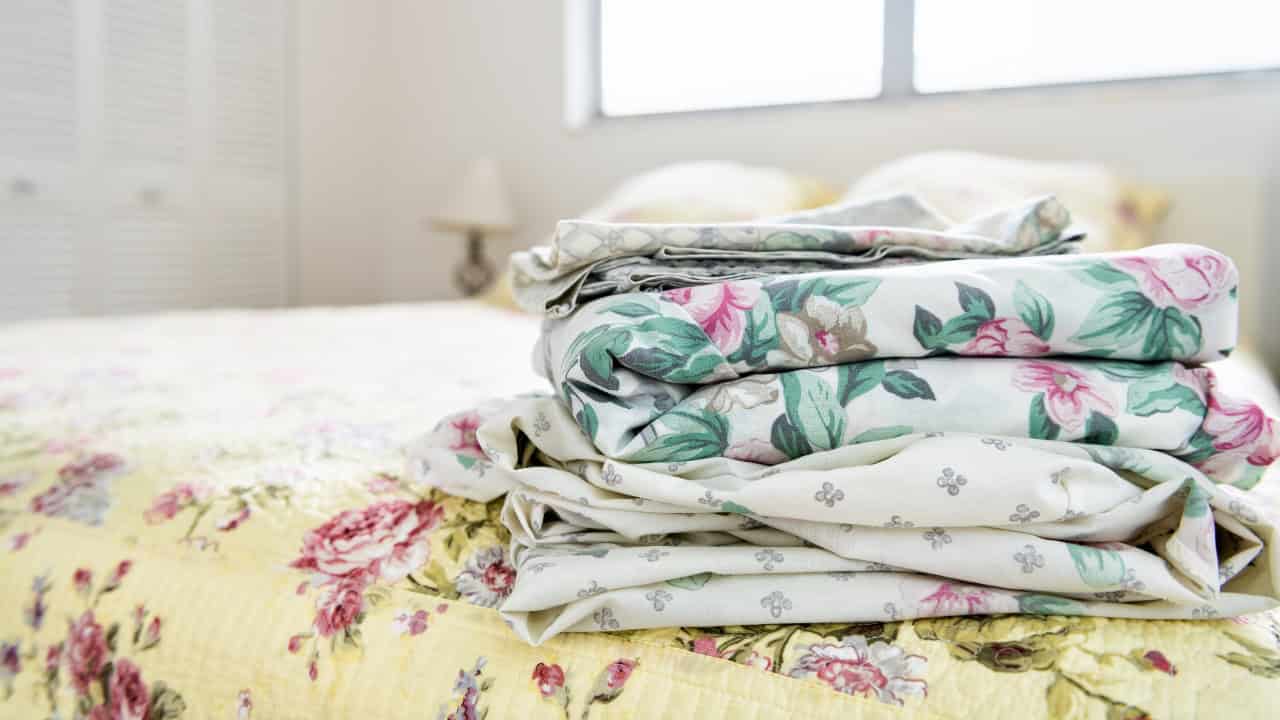
You might be tempted to grab bed sheets at estate sales because they seem like a good deal. However, experts warn against buying them due to hygiene concerns.
Used sheets can carry allergens, stains, or odors that are hard to remove. Plus, they often don’t justify the price. It’s better to invest in new bedding for comfort and cleanliness.
Towels from Estate Sales

When browsing estate sales, you might come across stacks of towels. However, you should be cautious about buying them. Towels are often inexpensive new, and old ones might have wear, stains, or odors you can’t easily remove.
Buying towels from an estate sale rarely offers you good value. It’s better to invest in fresh towels for hygiene and quality. Your money will go further with new ones that last longer.
Mass-Produced Reproductions
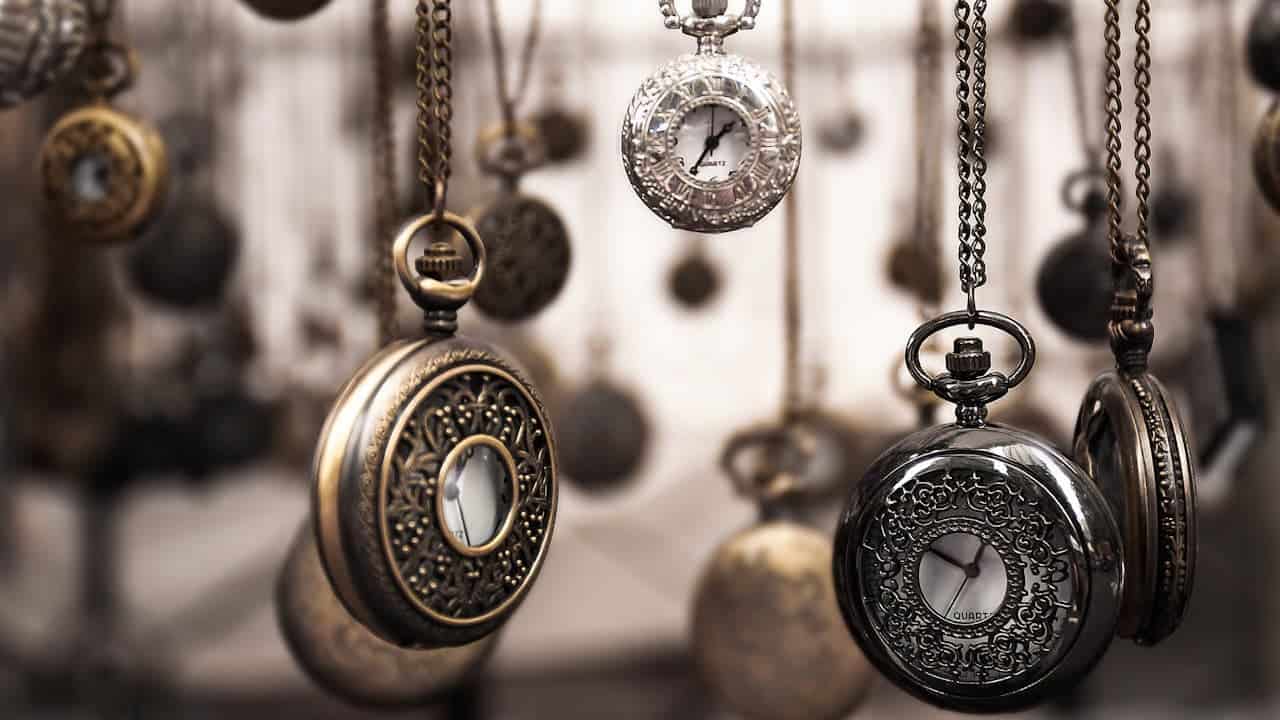
You might come across antiques that are actually mass-produced reproductions. These items often look similar to genuine antiques but lack the unique details that come from handcrafting.
Check for signs like perfectly even cuts or overly smooth surfaces. Sometimes, the back of the piece may reveal machine-made parts or modern materials. If your item is mass-produced, it usually won’t increase in value over time.
Kids’ Toys without Provenance

If your childhood toys don’t have clear provenance, their value may be limited. Without documentation or history, it’s tough to prove their authenticity.
Toys like early Cabbage Patch Kids or vintage Hot Wheels are popular, but without a story or record, collectors might hesitate.
Keep in mind that condition matters more than origin for many toys. However, having provenance can boost their worth and appeal.
Old Paintings without Documentation
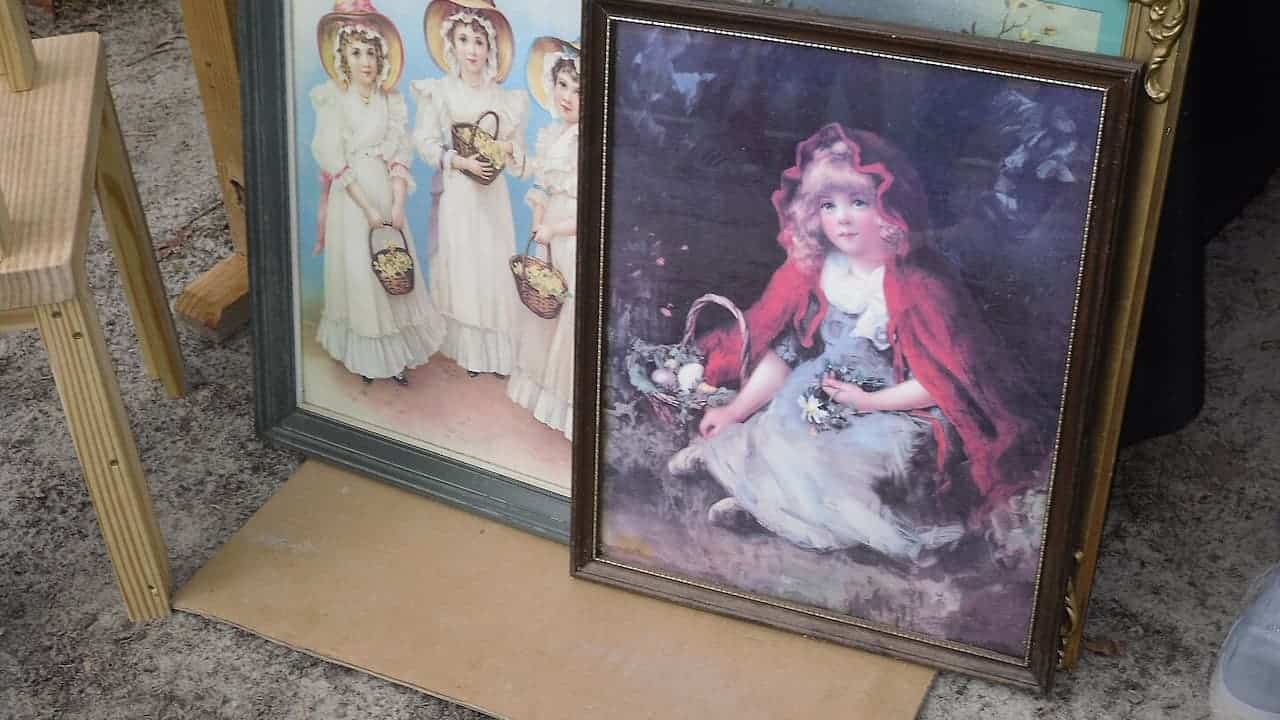
If you have an old painting with no paperwork or artist signature, it doesn’t mean it has no value. Sometimes, these works can still be interesting to collectors or experts.
However, selling them can be tricky because buyers want proof of authenticity. Without documentation or provenance, you may get less than expected.
It’s often best to have a reputable appraiser look at the painting first. They can help identify its origin or suggest if it’s worth holding onto longer.
Fragile Porcelain with Damage
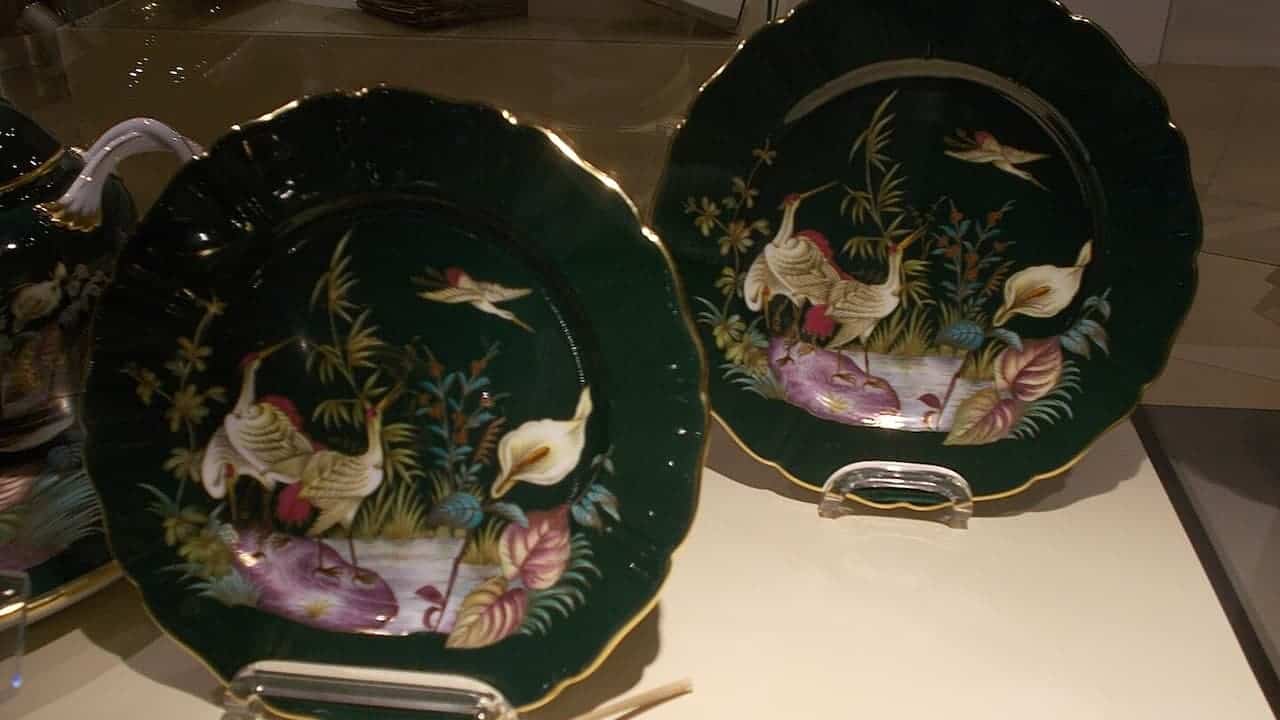
If you have porcelain that’s chipped, cracked, or repaired, it’s usually best not to sell it. Damaged porcelain often loses much of its value, even if the piece is rare or old.
Porcelain is delicate, and flaws are very noticeable to collectors. Small cracks or repairs can mean a big drop in price.
You might consider keeping these pieces for sentimental reasons instead of selling. Their damage can make restoration difficult and costly, so professional buyers often avoid them.
Furniture with Missing Parts

When you come across furniture with missing parts, be cautious. Pieces missing key elements often lose much of their value.
If you want to keep antiques for their history, minor damage might be okay. But if resale is your goal, buyers usually prefer complete and well-preserved items.
Sometimes, restoration can help, but replacing parts may reduce authenticity. Always weigh the condition before deciding to sell.
Items from Unreliable Dealers

You should be cautious when buying or selling antiques through unreliable dealers. These sellers may use shady provenance or fake documentation, which can reduce the value of your item.
If you aren’t sure about a dealer’s reputation, always get your item checked by multiple experts. This helps protect you from scams and ensures you’re not parting with something valuable for too little.
Uncleaned Antique Upholstered Chairs
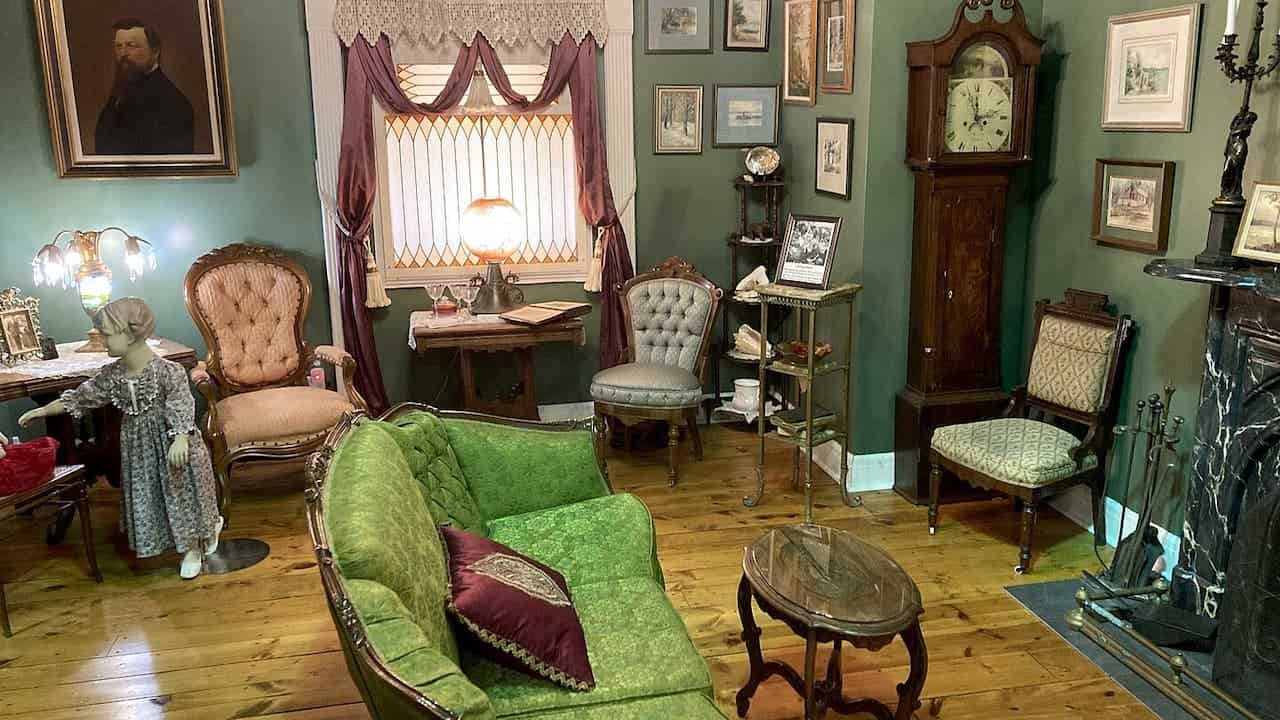
You might think an uncleaned antique upholstered chair is less valuable, but experts say don’t sell it hastily. Dirt and dust can be removed carefully without harming the fabric or wood.
Leaving the original upholstery intact keeps the chair’s character and authenticity. If you clean it properly or consult a professional, you can preserve its value for years to come.
Estate Sale Jewelry with Unknown Origins
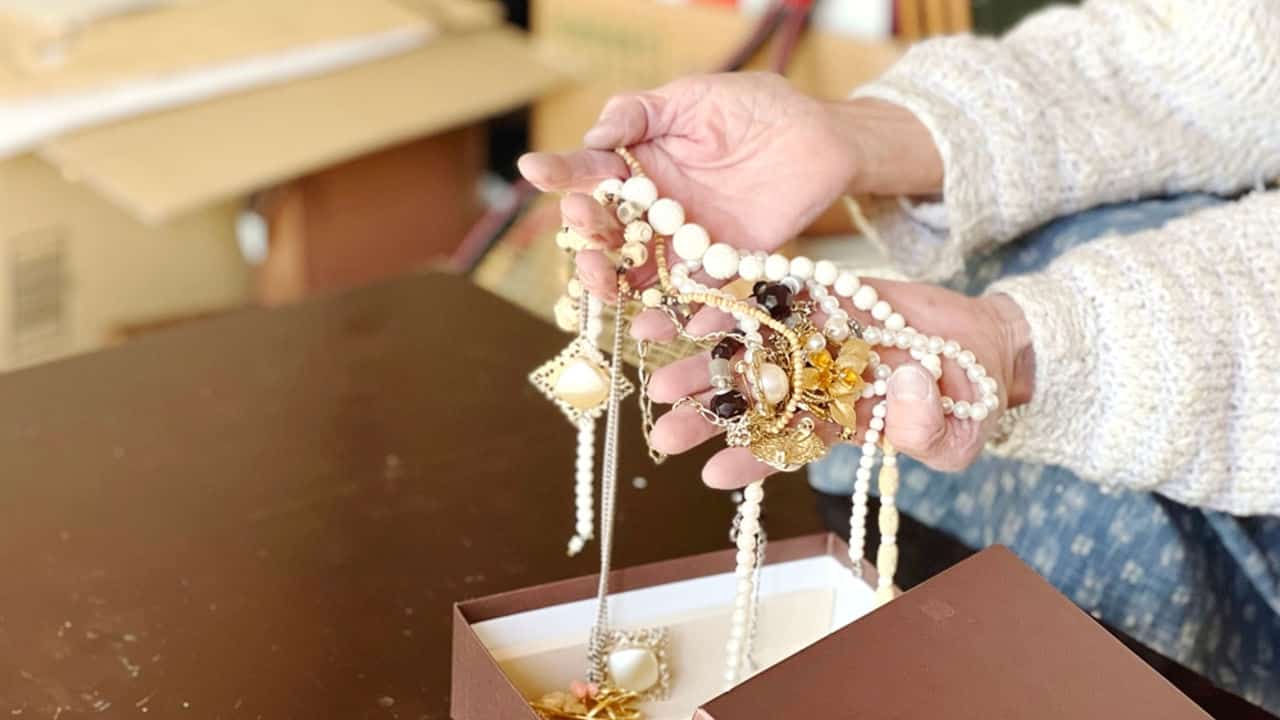
When you find jewelry at an estate sale with unknown origins, it’s best to be cautious. Without clear history or documentation, the value and authenticity can be hard to verify.
You might be tempted to sell these pieces quickly, but experts often advise against it. Holding onto them gives you time to research or get a trusted appraisal.
Sometimes, these items could have sentimental or hidden value that only becomes clear with proper identification. It’s okay to pause before deciding to sell.
Antique Tools without Maker’s Mark
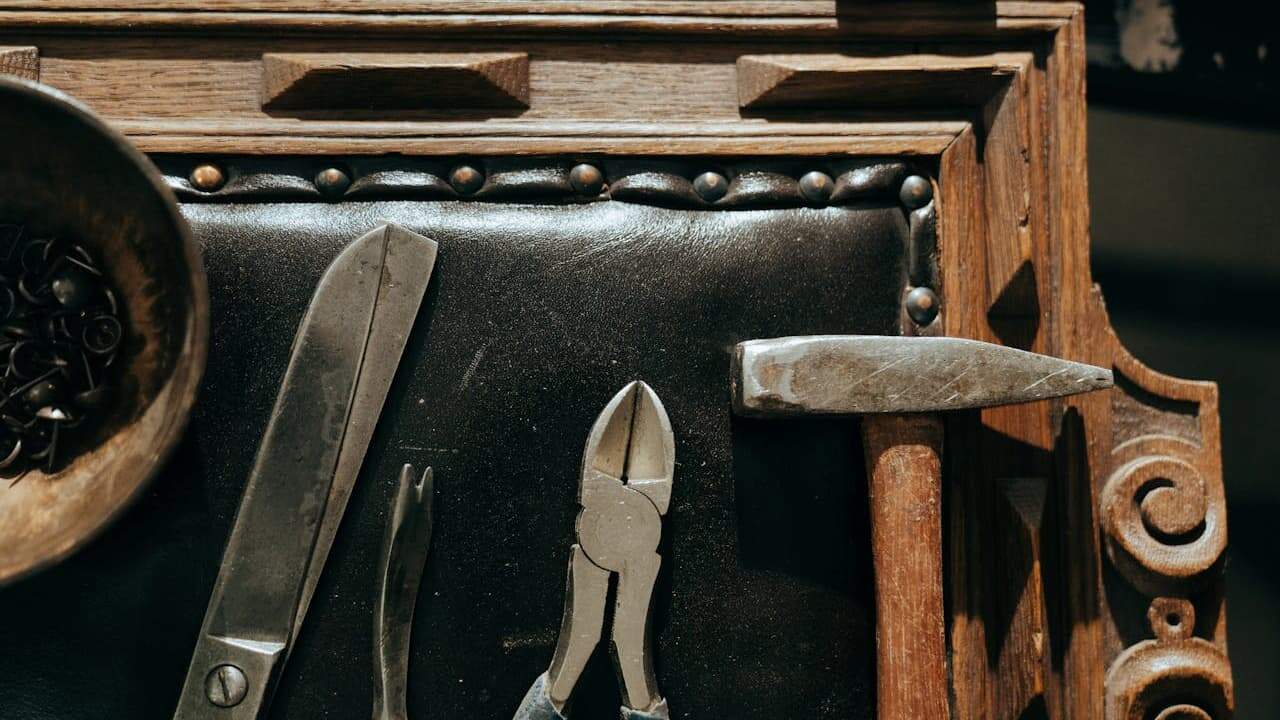
If you come across antique tools with no maker’s mark, don’t dismiss them right away. These tools can still hold value because their design and craftsmanship often tell a unique story.
You’ll want to examine details like wear patterns and construction techniques to identify the era or purpose. Sometimes, these clues make your tool rare and interesting to collectors.
Even without a brand name, these tools can be prized for their history and authenticity. Keep them if they speak to you!
Souvenirs Misrepresented as Antiques

You might come across souvenirs that are labeled as antiques, but many are modern reproductions. These items often mimic old styles but lack the age and craftsmanship of true antiques.
Be cautious when buying souvenirs that claim to be historic. Sometimes they’re made with cheaper materials or new techniques, which can mislead you about their value.
If you want genuine antiques, look for signs of wear and expert authentication. That way, you avoid overpaying for something that’s not truly old.
Unverified Religious Icons
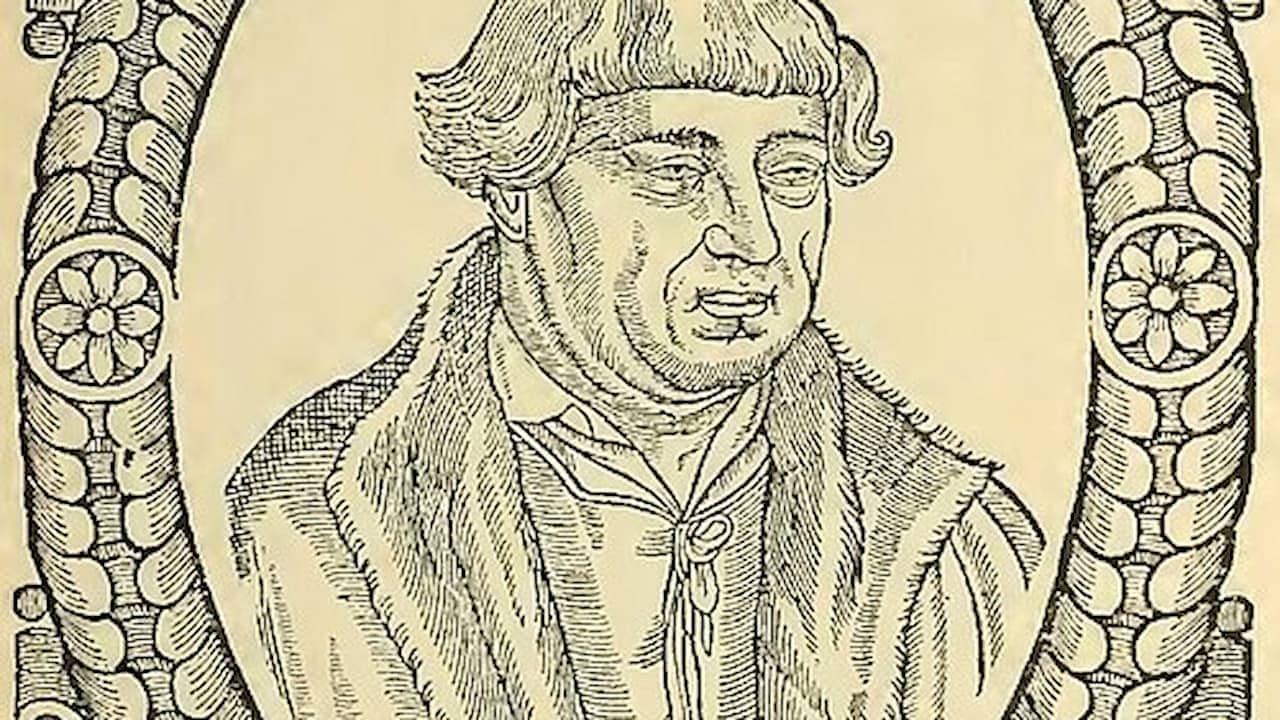
If you have religious icons with unclear origins, it’s best to hold onto them. Their value can be very uncertain because authenticity is hard to prove.
Even if you’re curious about selling, experts often advise caution. Many religious artifacts have deep spiritual meaning that can outweigh any market price.
Your icons might have local or historical significance that’s not obvious at first. Don’t rush to sell without a proper expert appraisal.