Gardening can be a rewarding hobby, but it sometimes comes with unwanted visitors in the form of pests. These insects and critters often show up because of common habits or conditions in your garden that unintentionally attract them.
Understanding the ways your garden might be inviting pests is key to keeping your plants healthy and thriving. Knowing what to watch for helps you create an environment that supports your plants, while discouraging those pesky intruders.
Advertisement
Overwatering creates moist environments perfect for fungal gnats and slugs
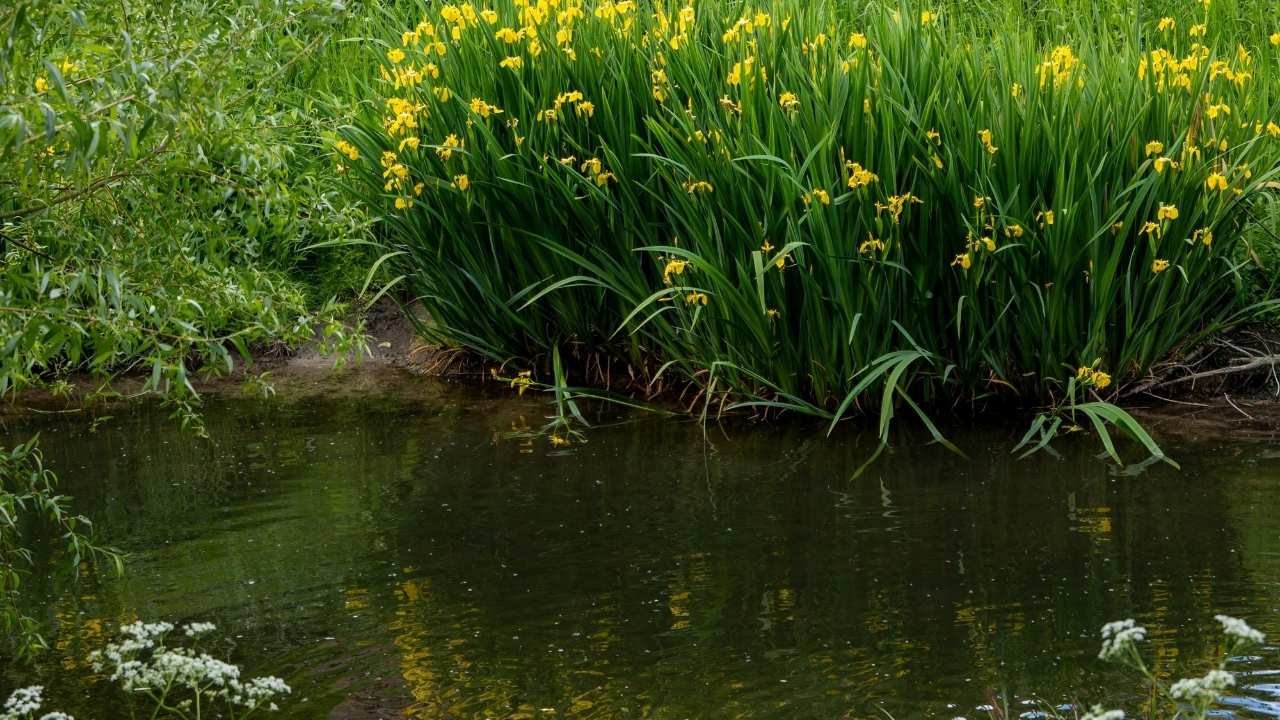
When you overwater your garden, the soil stays constantly damp. This moist environment attracts fungal gnats, as they thrive and lay eggs in wet soil.
Slugs also love these conditions since they need moisture to survive and move easily. By letting the top layer of soil dry out between waterings, you can help reduce these pests.
Decaying leaves and plant debris attract woodlice and millipedes
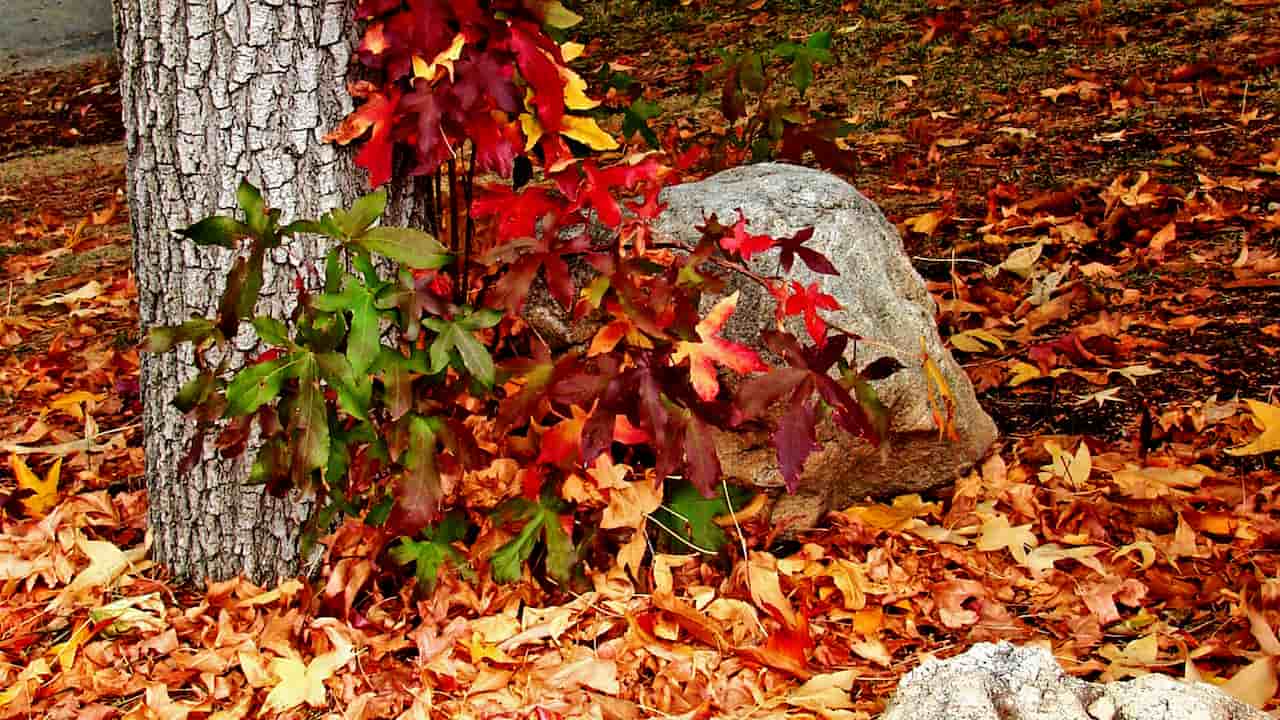
When you leave decaying leaves and plant debris in your garden, it creates a perfect environment for woodlice and millipedes. These creatures feed on the rotting material and use it as shelter.
While they help break down organic matter and improve soil health, they can also become a nuisance if their numbers grow too large. Regularly clearing debris can help keep their population in check.
Dense ground covers like clover provide shelter for aphids
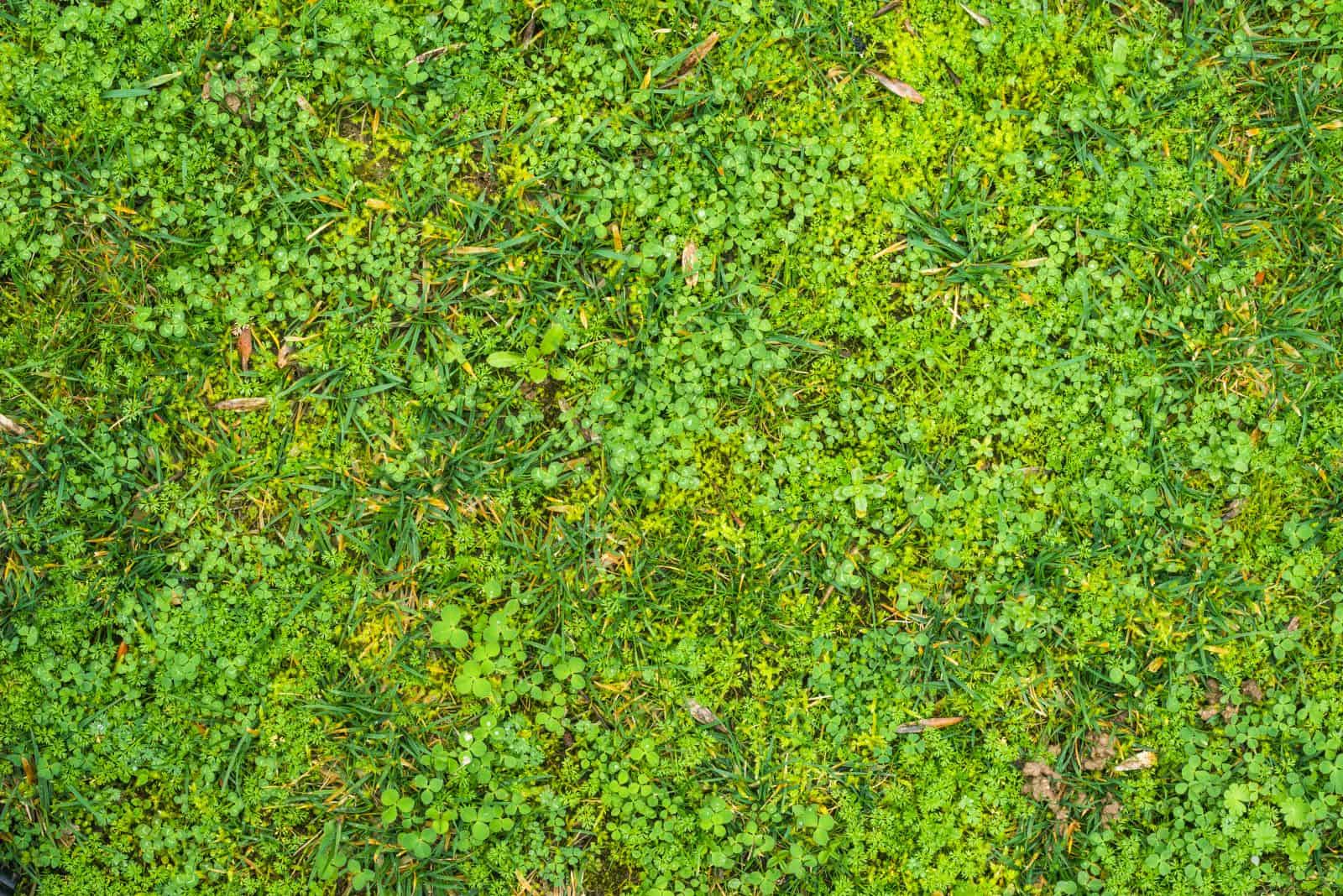
When you use dense ground covers like clover, you create ideal hiding spots for aphids. These small insects can quickly multiply while staying protected among the thick leaves.
Aphids feed on plant sap, which can weaken your garden plants over time. You might notice more aphid activity if your ground cover is too crowded or unmanaged.
Keeping an eye on your clover and thinning it when needed helps reduce aphid shelter. This makes your garden less inviting for these pests.
Planting dill or fennel near veggies can unintentionally invite carrot flies
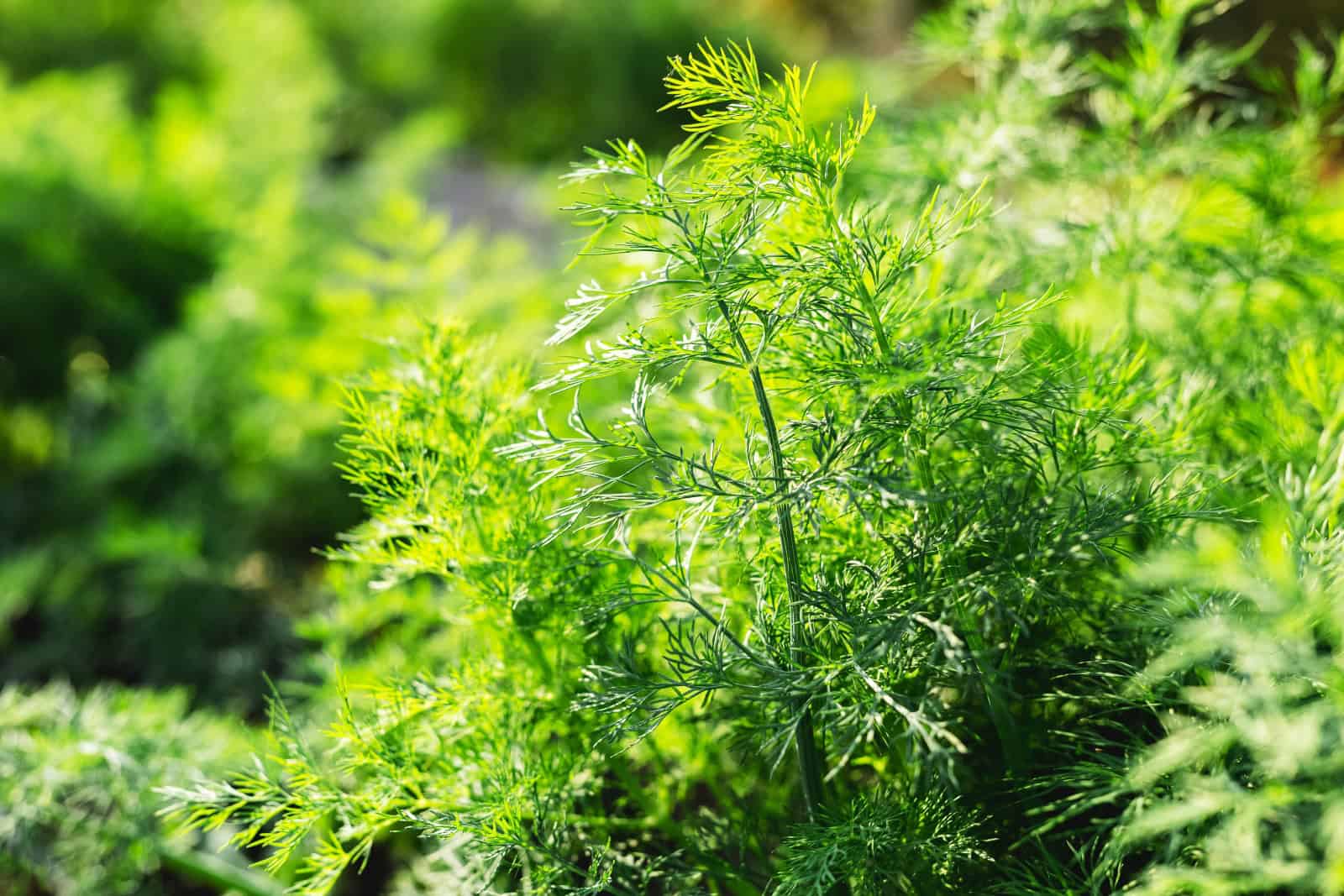
If you plant dill or fennel close to vegetables like carrots, you might attract carrot flies. These pests are drawn to the scent of these herbs.
Carrot flies can cause damage to your root crops by laying eggs near the roots. The larvae then feed on the plants, which can harm your harvest.
To keep carrot flies away, consider planting dill and fennel a bit further from susceptible vegetables. This helps reduce the risk of infestation.
Stacked logs and stones offer homes for sowbugs and other pests
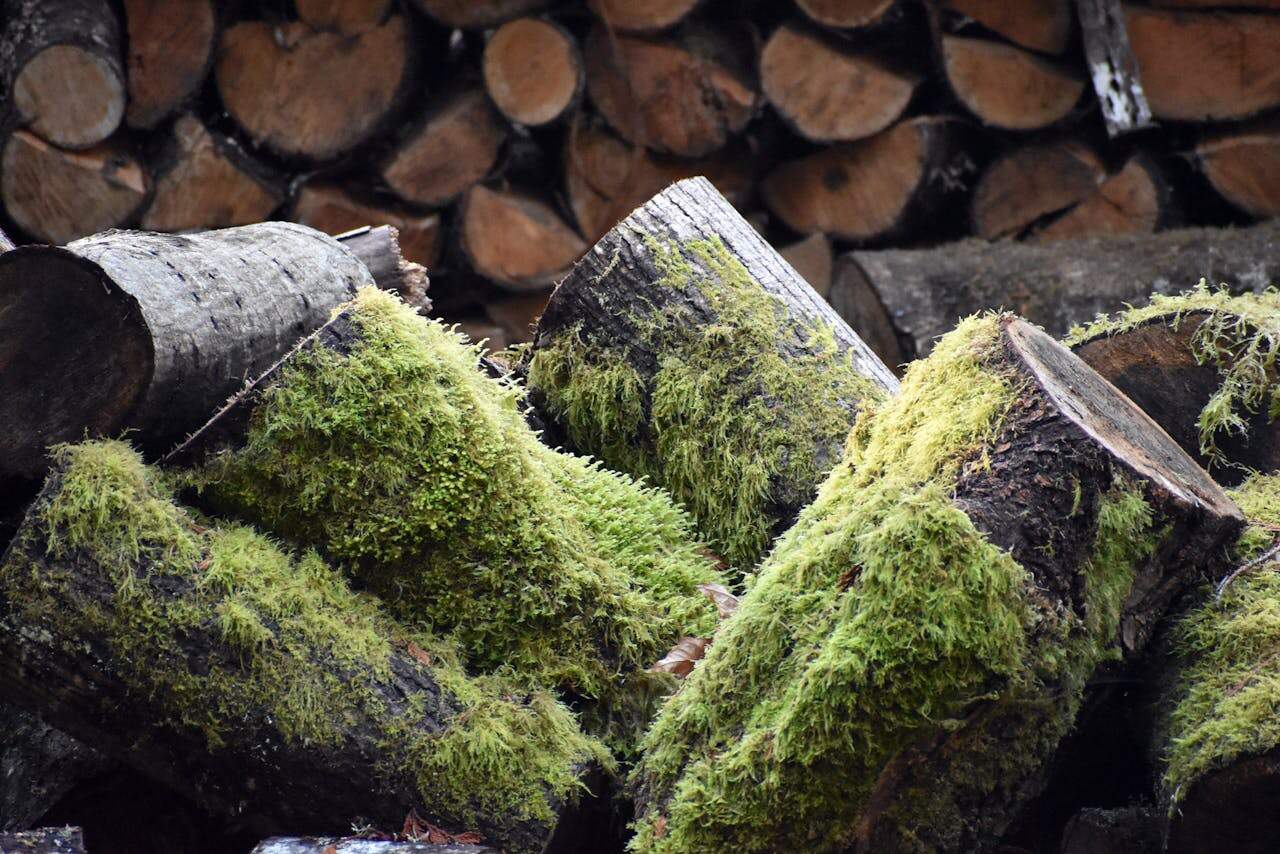
When you stack logs or stones in your garden, you create cozy hiding spots for pests like sowbugs. These damp, shaded areas are perfect for them to live and breed.
You might notice more sowbugs if you have lots of these piles near your plants. Keeping them dry and moving them away from your garden beds can help reduce pest problems.
Flowers bloom that attract both beneficial insects and unwanted pests like thrips

You might plant flowers like fennel, dill, or sunflowers to invite helpful insects into your garden. These plants provide nectar and pollen that support predators of common pests.
However, some flowers can also attract unwanted pests such as thrips. These tiny insects feed on flower tissues and can damage your plants.
Being aware of this balance helps you choose flowers that support beneficial insects while managing the risk of pest problems.
Warm, sunny spots near your garden lure spider mites

Spider mites thrive in hot, dry conditions, so warm sunny areas around your garden can attract them. These tiny pests suck sap from plants, causing leaves to look dull and unhealthy.
If you notice spider mites, increasing humidity or gently rinsing plants can help reduce their numbers. Keeping your garden moist and shaded can make it less inviting for these pests.
Using compost piles too close to plants draws ants and earwigs
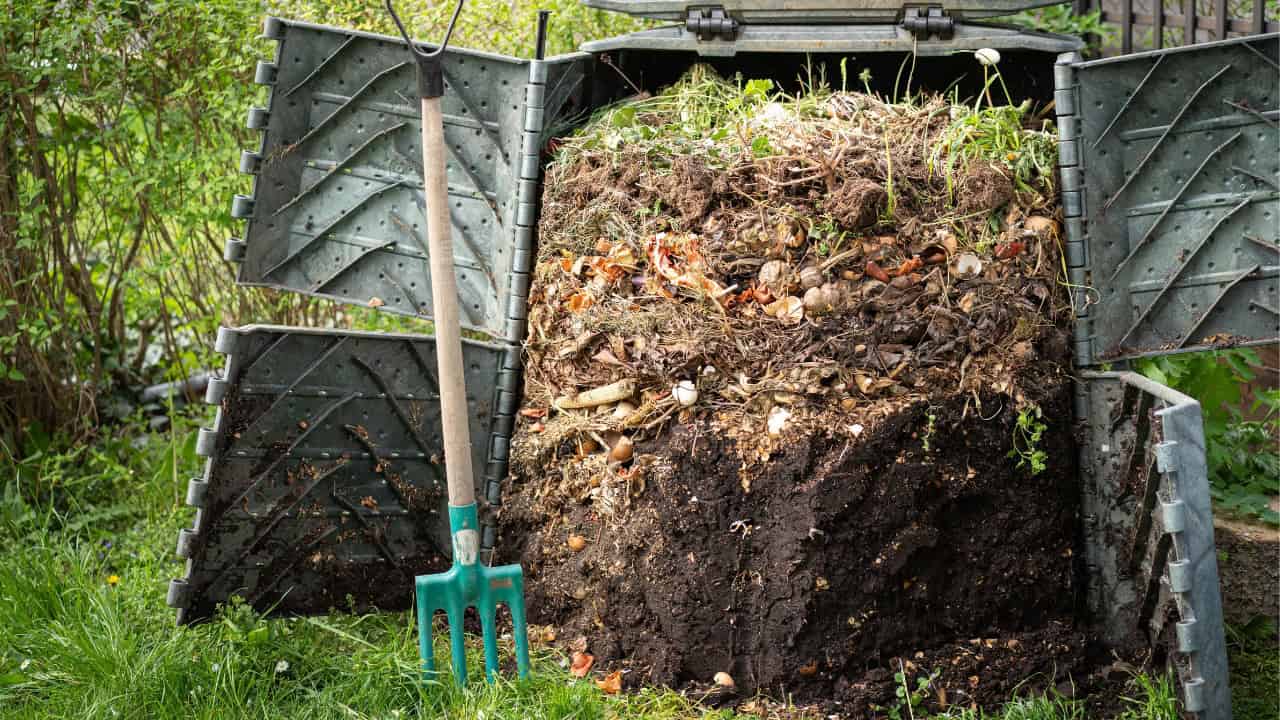
If you keep your compost pile too close to your plants, it can attract ants. Ants are drawn to the damp, organic material where they can build nests.
Earwigs may also come around because they like the moist environment and the insects found in compost. While earwigs eat some pests, they can damage young plants.
To minimize pests, place your compost a few feet away from garden beds.
Certain weeds in your garden act as alternate hosts for whiteflies
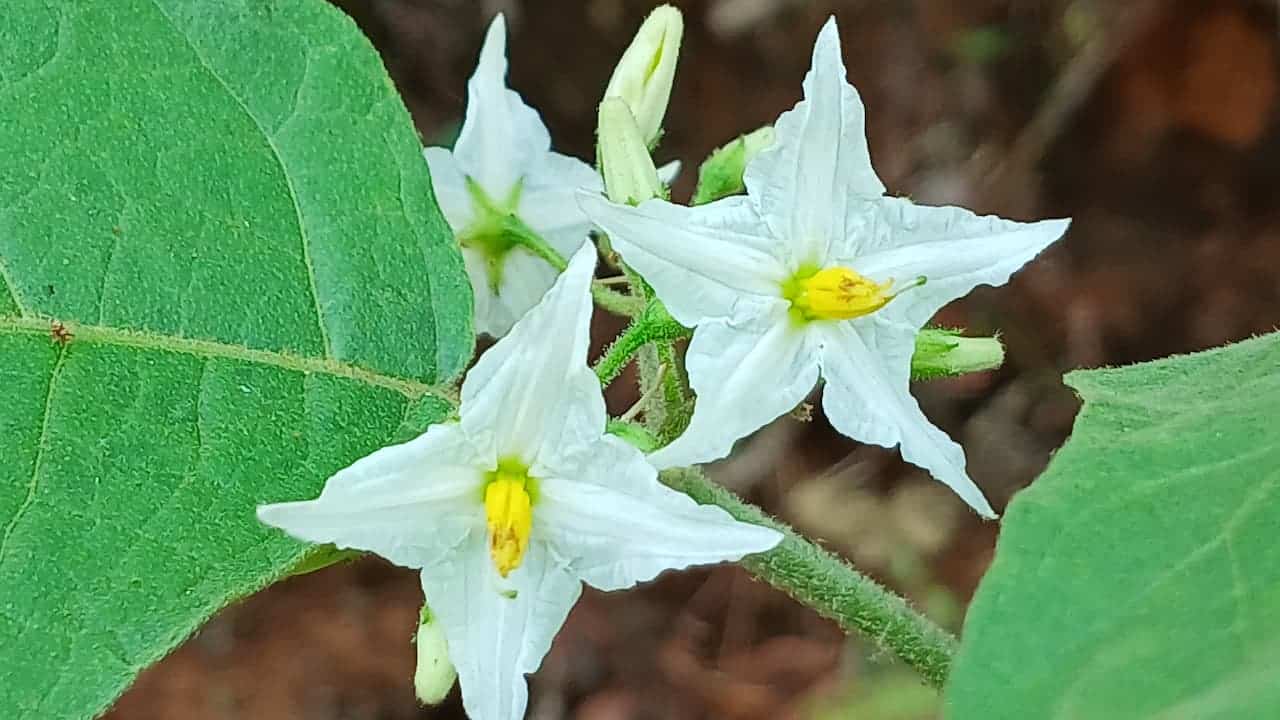
You might not realize that some common weeds provide shelter for whiteflies. These plants can let whiteflies breed and multiply before they move to your prized garden plants.
Controlling weeds like horse nettle and others around your garden helps reduce this problem. Keeping your garden free of these alternate hosts makes it harder for whiteflies to settle in.
Mulch buildup retains moisture, encouraging fungus beetles

When mulch piles up, it holds extra moisture in your garden soil. This damp environment is perfect for fungus beetles, which feed on decaying plant material.
You want to keep mulch at a moderate level to avoid creating a cozy habitat for these bugs. Light, well-spread mulch helps plants without inviting too many pests.
Ignoring regular pruning allows scale insects to proliferate

When you skip regular pruning, your plants can get crowded and stressed. This creates the perfect environment for scale insects to settle in and multiply.
Scale insects latch onto branches and leaves, feeding quietly while you might not notice. Pruning helps remove these hiding spots, making it harder for scales to spread. Keeping your plants trimmed supports their health and reduces pest issues naturally.
Poor drainage causes root rot, inviting fungus gnats

If your garden soil doesn’t drain well, it stays too wet. This creates the perfect environment for root rot, which damages your plants.
Fungus gnats are attracted to these moist, decaying roots. They lay eggs in the damp soil, and their larvae feed on roots, harming your plants further.
To prevent this, make sure your soil drains properly and avoid overwatering. Using well-draining soil can help keep fungus gnats away.
Planting a single crop in large patches attracts specific pests like cabbage worms

When you plant one crop in a big area, pests that like that plant find it easier to locate. For example, cabbage worms are drawn to large patches of cabbage or other brassicas.
This makes your garden more vulnerable to damage. Mixing different plants can help confuse pests and reduce their impact on your crops.
Nighttime watering leaves damp foliage, enticing slugs and snails
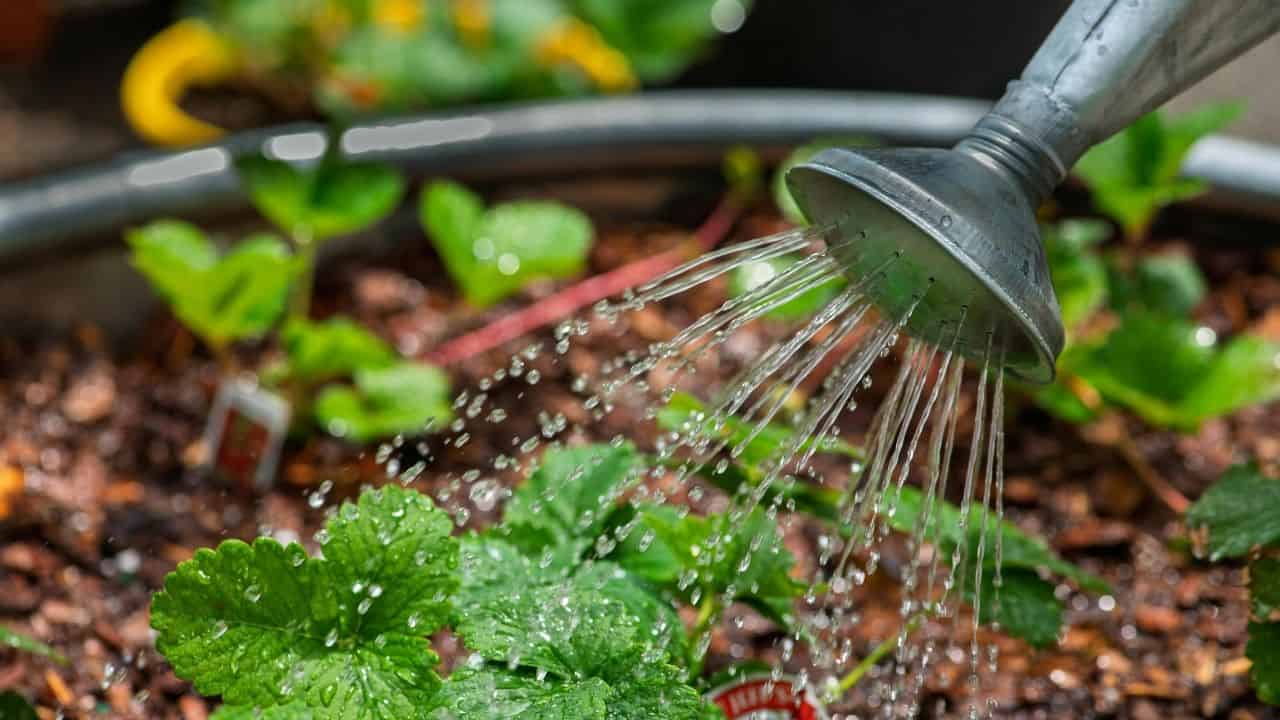
When you water your garden at night, the leaves and soil stay moist longer. This damp environment is perfect for slugs and snails, which prefer cool, wet conditions.
By watering earlier in the day, you allow plants to dry before nightfall. This helps reduce the chance of attracting these pests to your garden.