Raised beds are a great way to grow vegetables, especially if you want better soil control and easier access for tending your plants. They can help improve drainage and keep weeds at bay, making your gardening experience more manageable and rewarding.
Choosing the right vegetables that thrive in raised beds can make all the difference for a successful garden. With the right picks, you’ll get healthier plants and a better harvest without too much hassle.
Advertisement
Lettuce
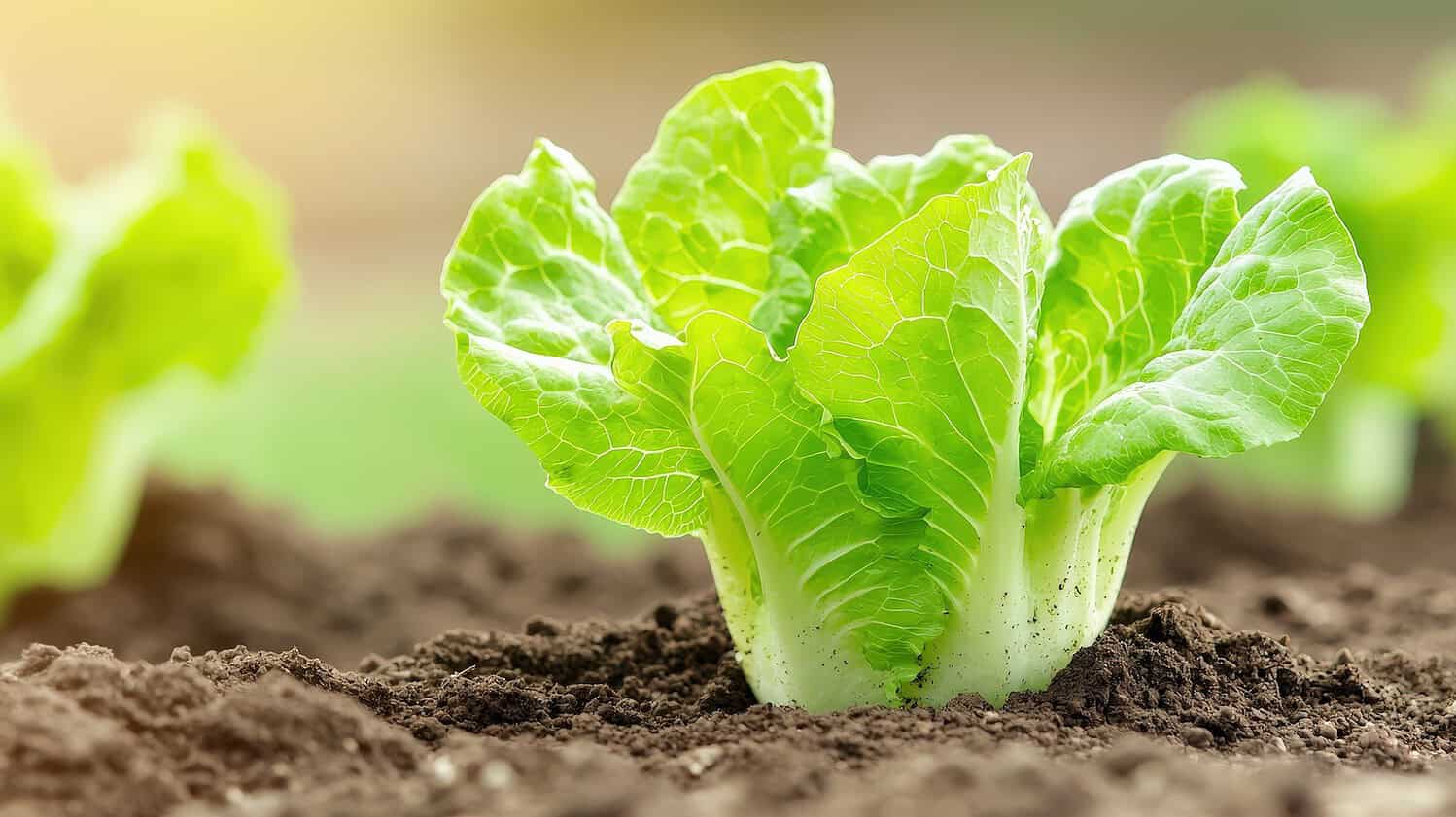
Lettuce is perfect for raised beds because it loves the loose, well-drained soil. You can start harvesting leaves early with varieties like cut-and-come-again.
Since lettuce grows fast, you can plant it early and replace it with summer crops later. It’s a great way to keep your garden productive all season.
Radishes
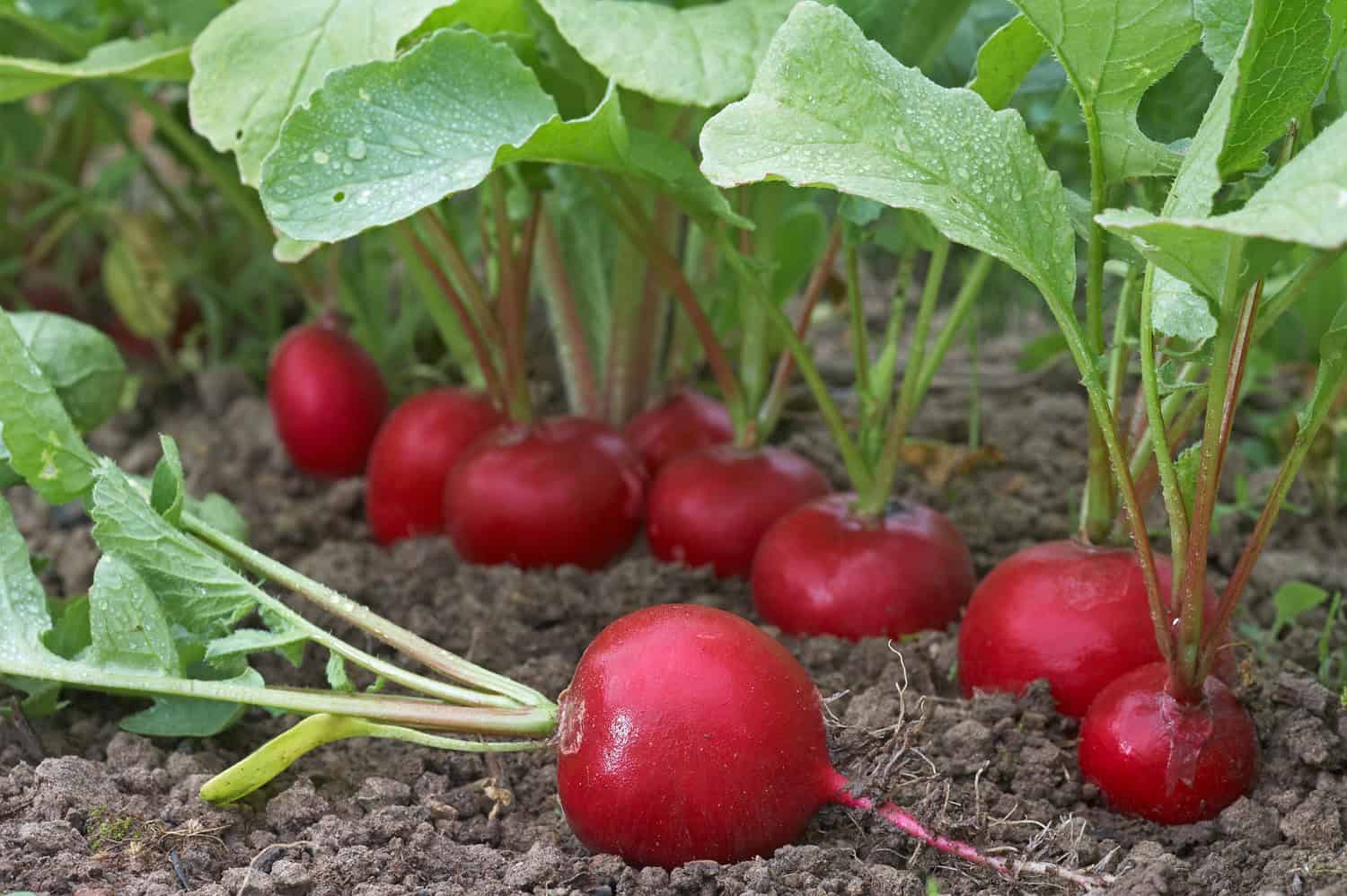
Radishes grow quickly, making them great if you want fast results. You can plant them multiple times in a season for several harvests.
Raised beds give radishes loose, well-drained soil, which helps their roots develop nice and round. They’re pretty low maintenance and almost foolproof to grow.
Carrots
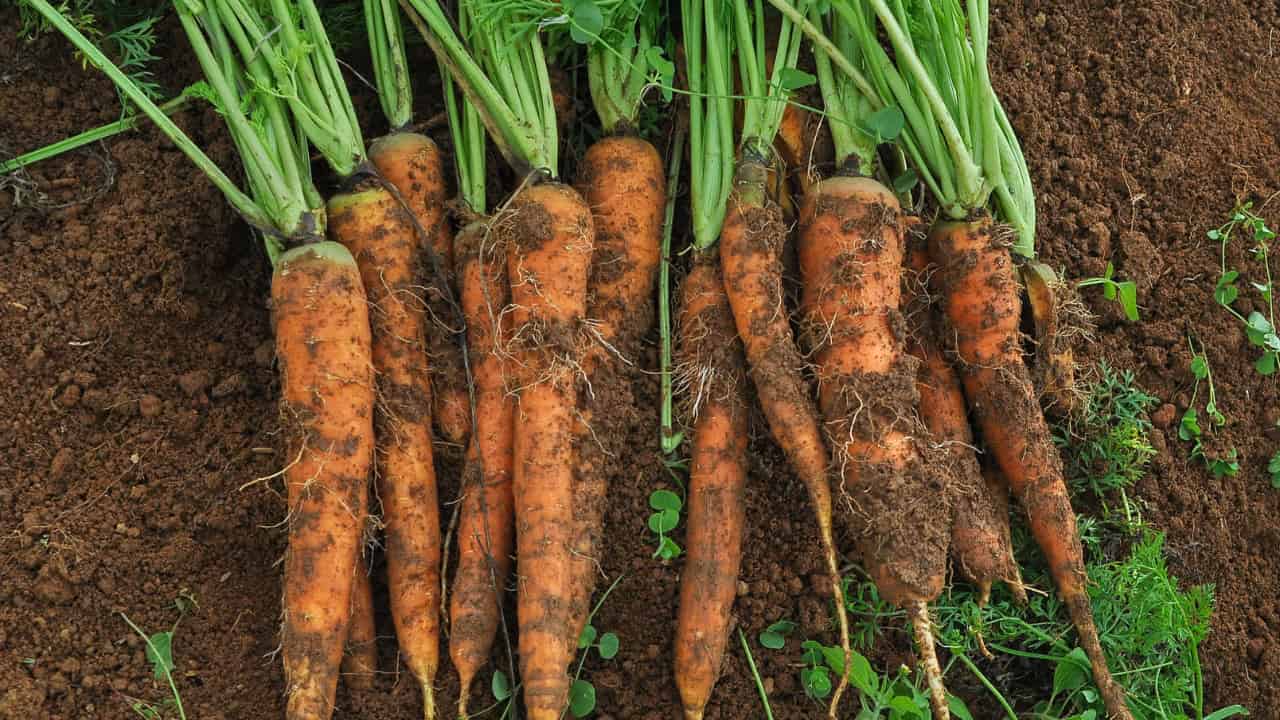
Carrots do well in raised beds as long as your soil is deep and free of stones. You’ll want at least 12 inches of loose soil to help their roots grow straight and long.
If your bed isn’t that deep, consider growing shorter varieties or early carrots, which don’t need as much space. Keep the soil consistently moist to get the best results.
Bush Beans
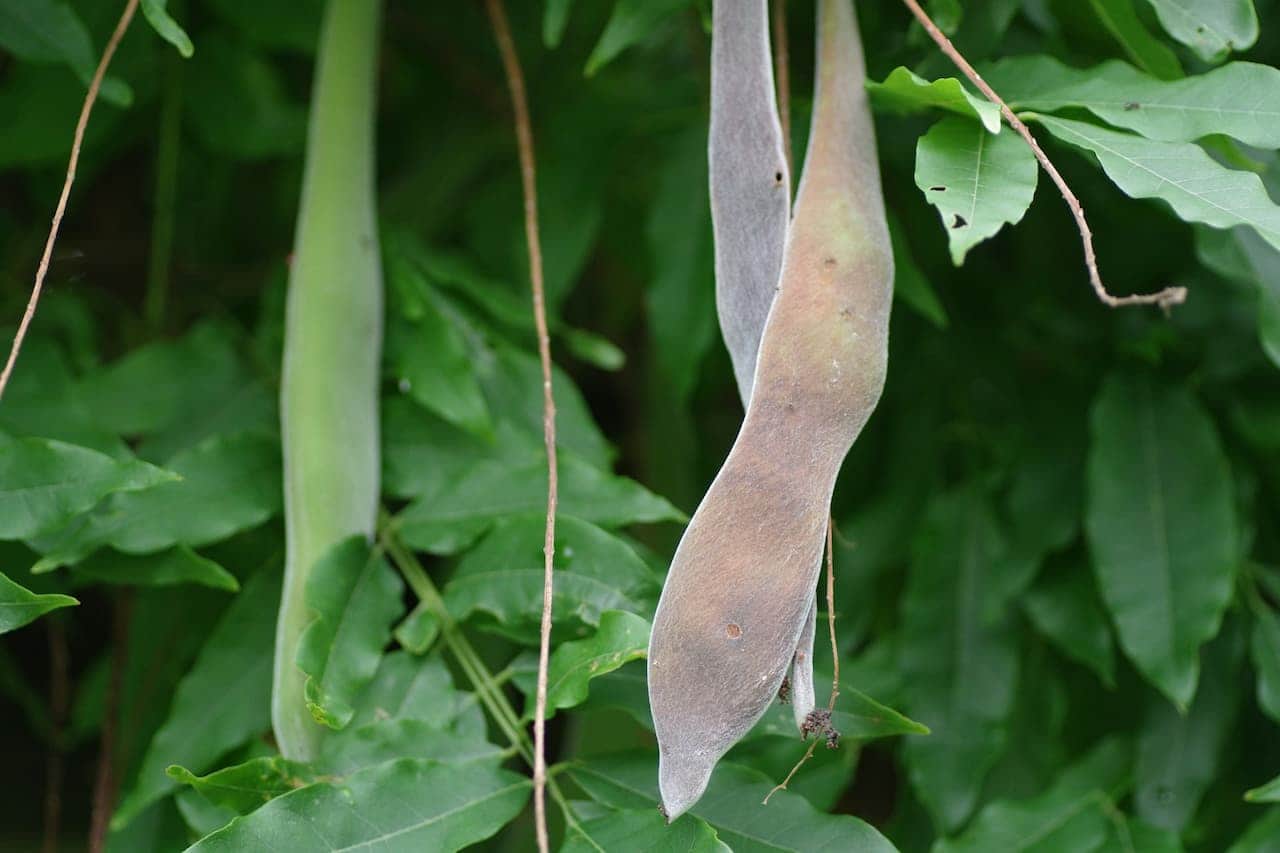
Bush beans are great if you want something quick and easy in your raised bed. They don’t need much space because they grow compactly.
You can expect a harvest in about 50 to 55 days, which is pretty fast. They work well alongside other veggies like carrots and green onions. Growing bush beans in raised beds is straightforward and rewarding.
Spinach

Spinach grows well in raised beds because the soil warms up quickly, letting you plant early. You can choose from different types like curly, flat-leaf, or baby spinach depending on your taste.
It’s a cool-season crop, so you’ll get the best results in spring or fall when temperatures are mild. Spinach is easy to grow and harvest, making it great for beginners.
Swiss Chard

Swiss chard is a great choice for your raised bed because it’s pretty easy to grow. You can plant it alongside carrots, onions, or beans to help keep pests away and improve growth.
It tolerates less light better than many veggies, so it works if your spot isn’t super sunny. Plus, it adds a nice pop of color with its vibrant stems.
Peas
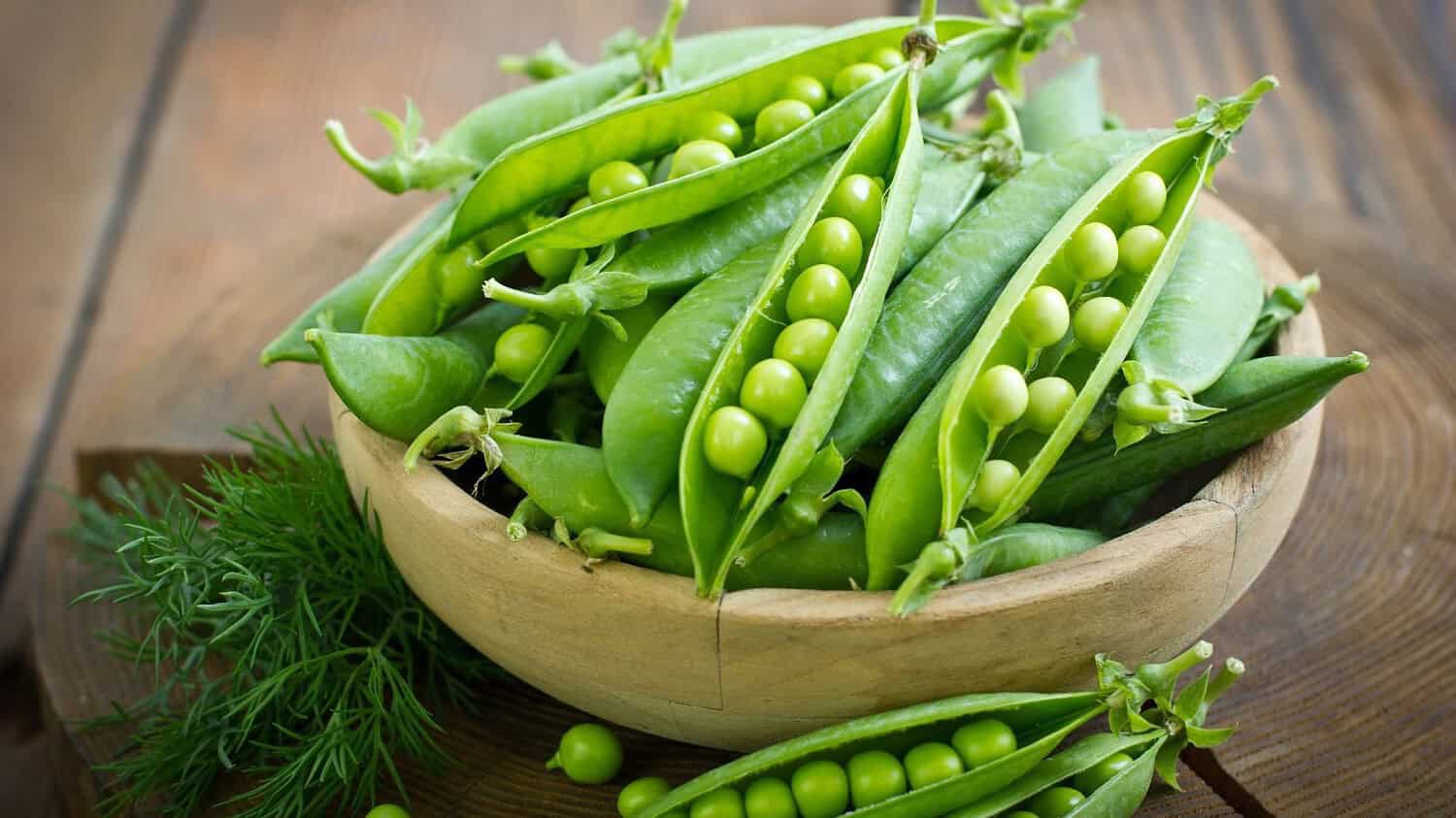
You’ll find peas grow really well in raised beds because the soil stays loose and drains nicely. They prefer cooler weather, so plant them early spring or late summer for a fall harvest.
Try varieties like Champion of England for an easy-to-grow option that’s been popular for years. Peas also don’t need much space, making them great for smaller raised beds.
Green Beans
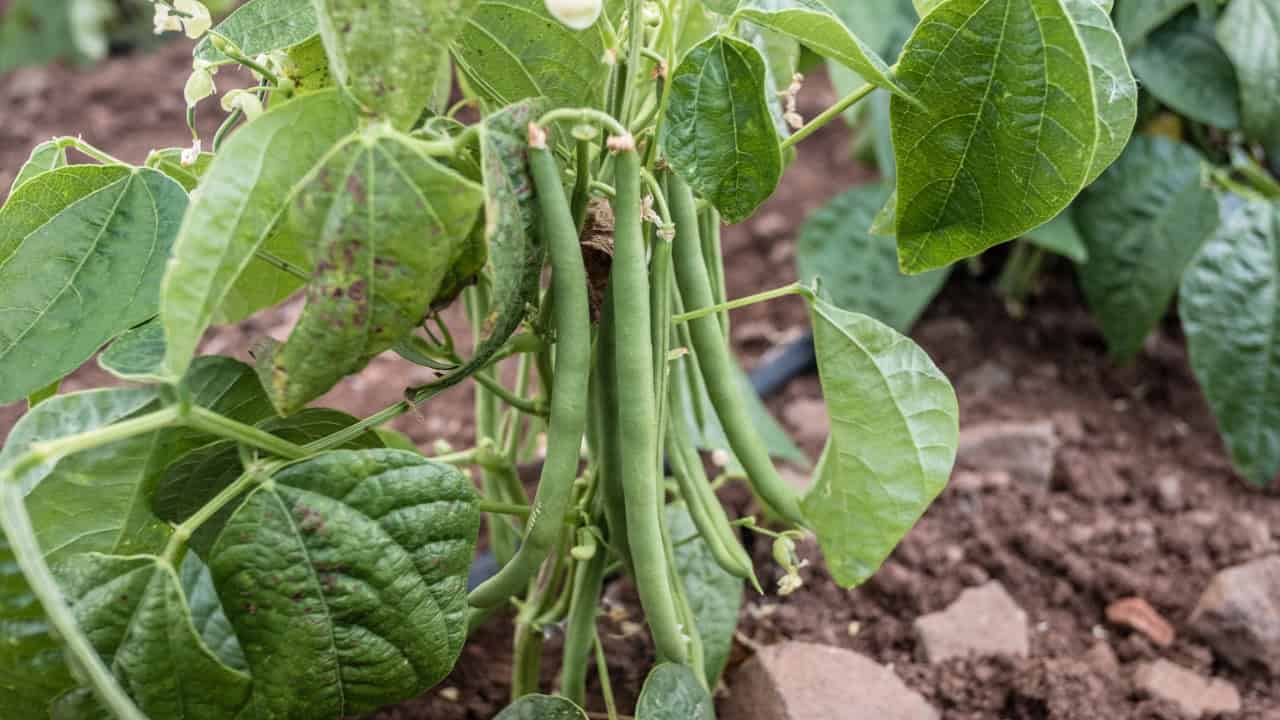
Green beans are a great choice for raised beds because they don’t take up much space. You can expect a quick harvest, often within 50 to 55 days.
They grow well next to plants like beets, tomatoes, and herbs such as mint and dill, which can help improve their growth. Try bush varieties if you want something compact and easy to manage in your raised garden.
Onions
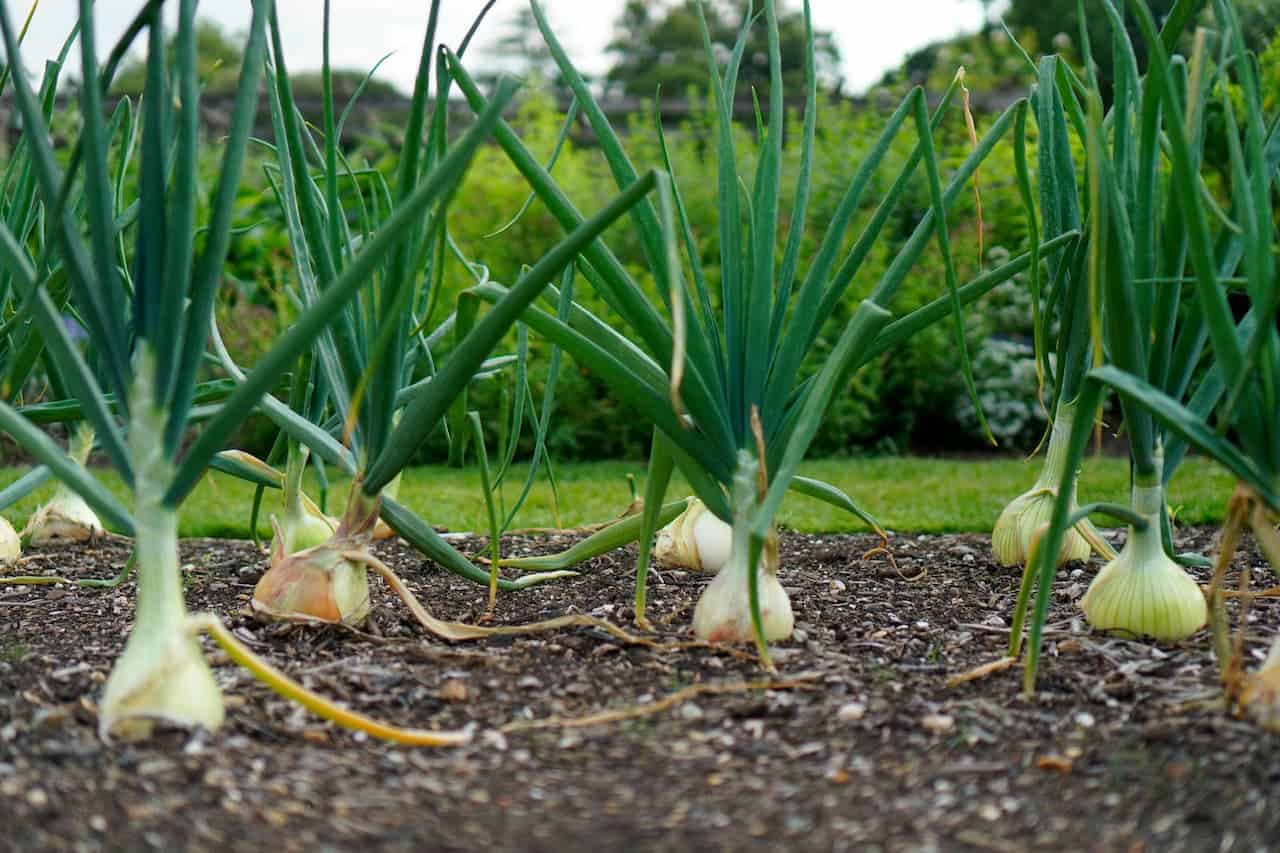
Onions do best in loose, well-draining soil, which raised beds provide. You’ll avoid compacted soil issues that stunt their growth.
In raised beds, your onions get good air circulation and drainage, helping prevent rot and pests. They’re low maintenance and a solid choice for your garden setup.
Garlic

Garlic is a great choice for raised beds because it doesn’t need deep soil to grow well. You’ll want to plant it in spots where the soil pH is between 5.5 and 7.5 for best results.
Keep in mind, garlic releases sulfur compounds that can affect nearby plants like peas. It’s best to give it some space to avoid stunted growth in your garden.
Turnips
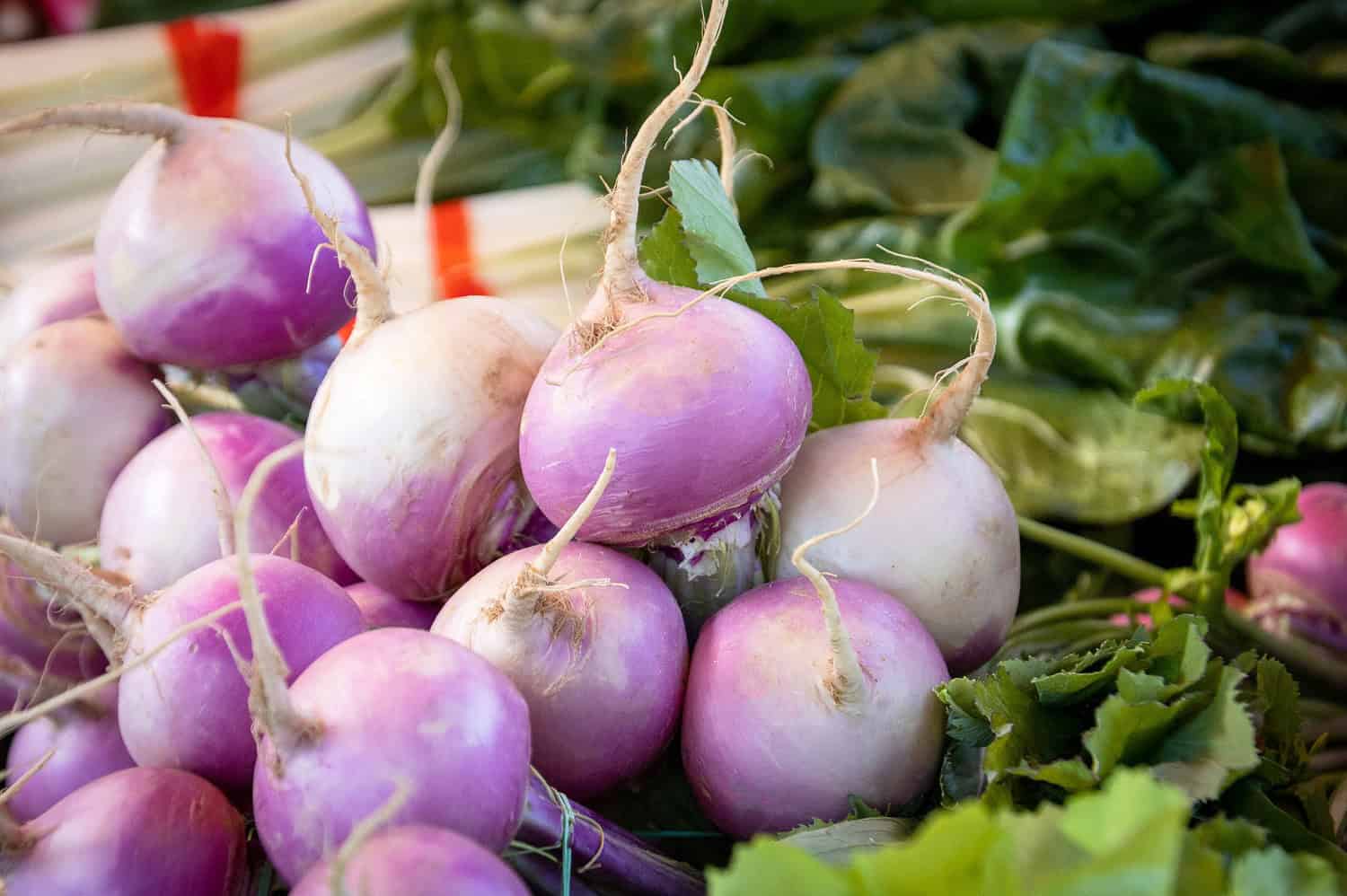
Turnips are pretty easy to grow in raised beds. They handle cooler weather well, so they’re great for early spring or fall planting.
You’ll like that they don’t take long to mature—about two months until harvest. Raised beds also help keep their roots loose and healthy, which makes a big difference.
Kale
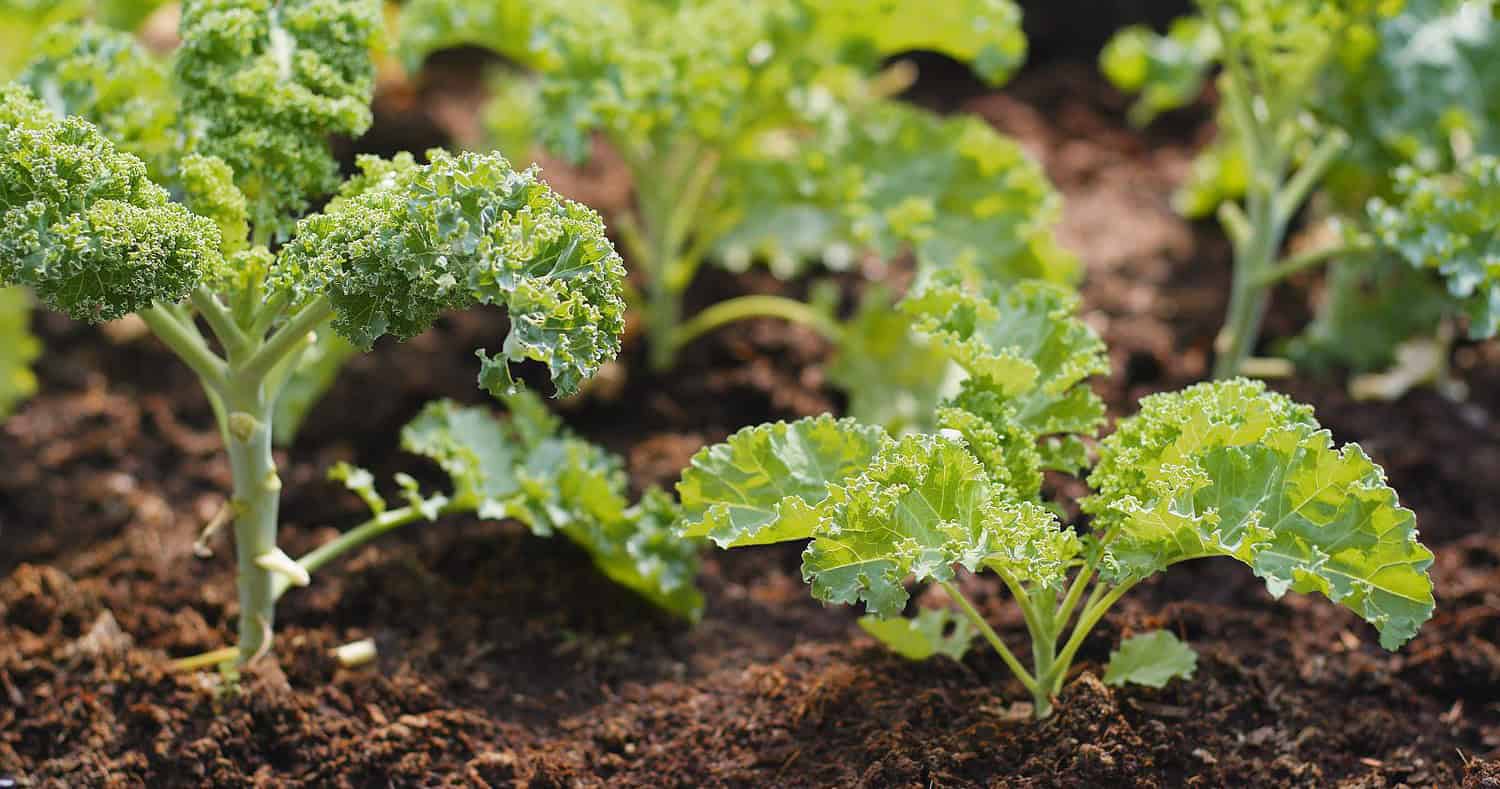
Kale is a great choice for raised beds because it handles cooler weather well. You don’t need a lot of space—one plant can provide plenty of leaves for your meals.
There’s a bunch of kale varieties to try, from curly green to Russian and even scarlet. You can pick a few leaves at a time to keep your plants producing longer.
Potatoes

Potatoes do really well in raised beds because the soil is loose and drains well. This gives the tubers plenty of room to grow without getting waterlogged.
You’ll want to plant them alone or with companions that don’t compete for nutrients. This helps your potatoes get the best start and grow strong. Raised beds make it easier to keep the soil loose, which is key for healthy potatoes that spread out nicely as they grow.
Tomatillos
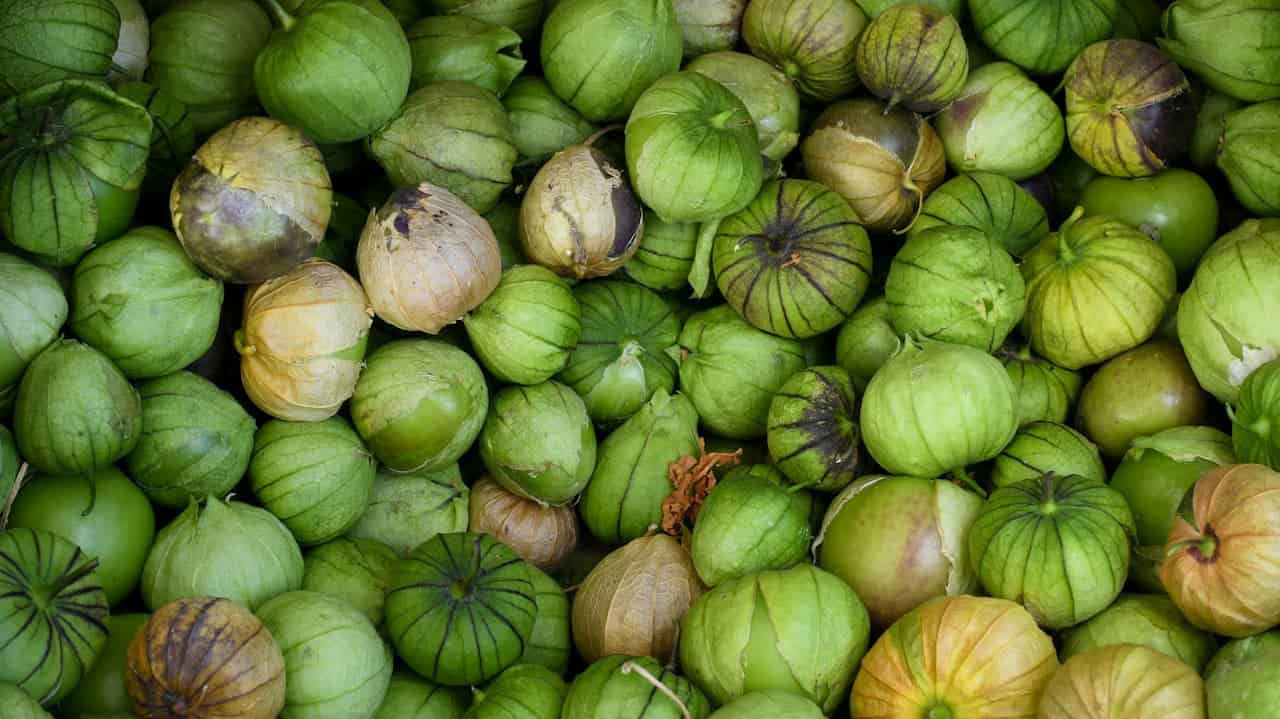
If you have a raised bed, tomatillos are a solid pick. They grow tall, often reaching 6-8 feet, so you’ll want to give them some support.
They spread out quite a bit, so make sure they don’t take over your whole bed. They need regular watering but won’t do well if the soil stays too wet.