When it comes to boosting your home’s resale value, not all landscaping choices work in your favor. While trends often influence your design decisions, some popular features can actually detract potential buyers and lower your property’s appeal.
Knowing which landscaping elements can hurt your home’s value helps you avoid costly mistakes and make smarter improvements. This article will guide you through 14 trendy landscape features that might seem appealing but could end up tanking your resale prospects.
Advertisement
Overly themed garden decorations
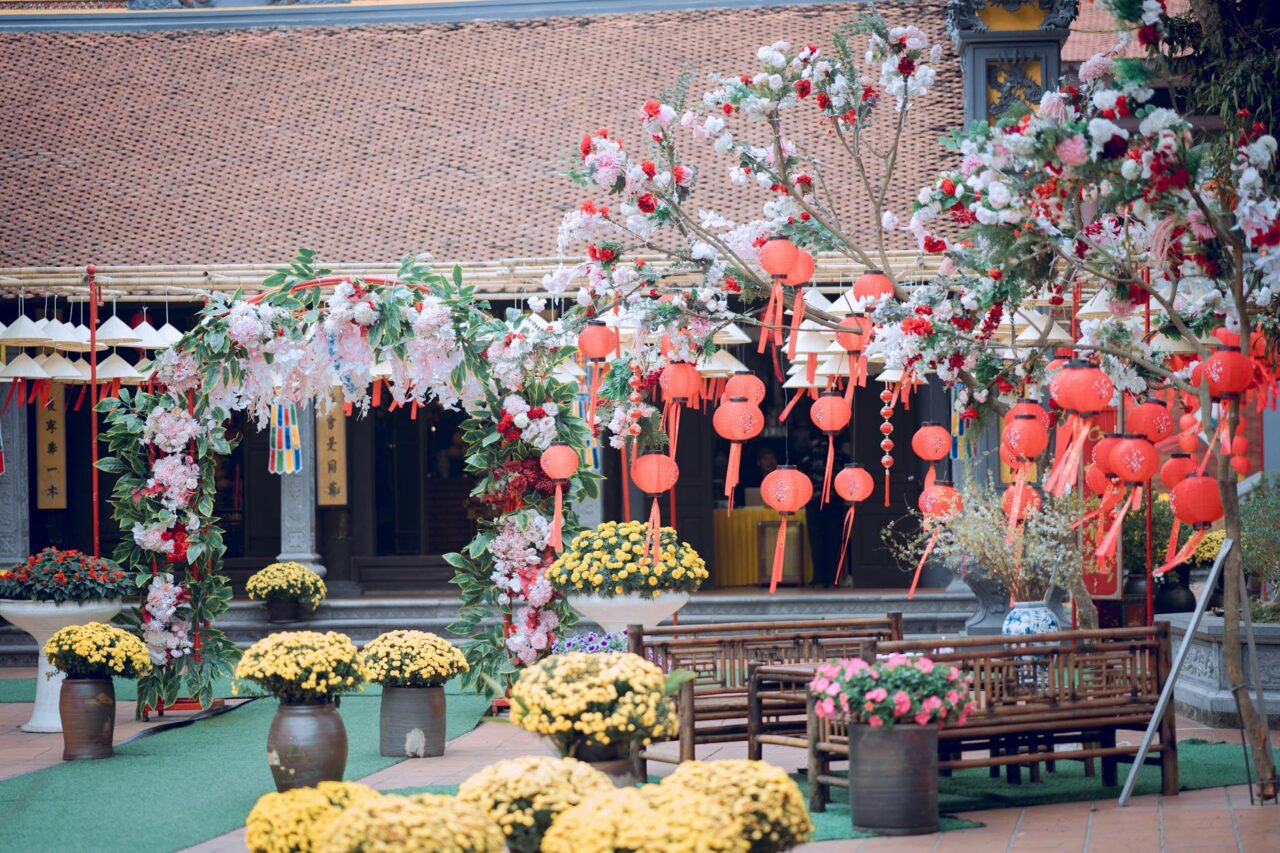
You might think a strong theme makes your garden stand out, but too much can turn buyers away. Overly themed decorations often feel dated or clash with the natural surroundings.
Keep your garden style flexible and simple. This makes it easier for potential buyers to imagine their own ideas in the space. Avoid heavy use of specific colors or niche decor that limits appeal.
Brightly colored artificial turf
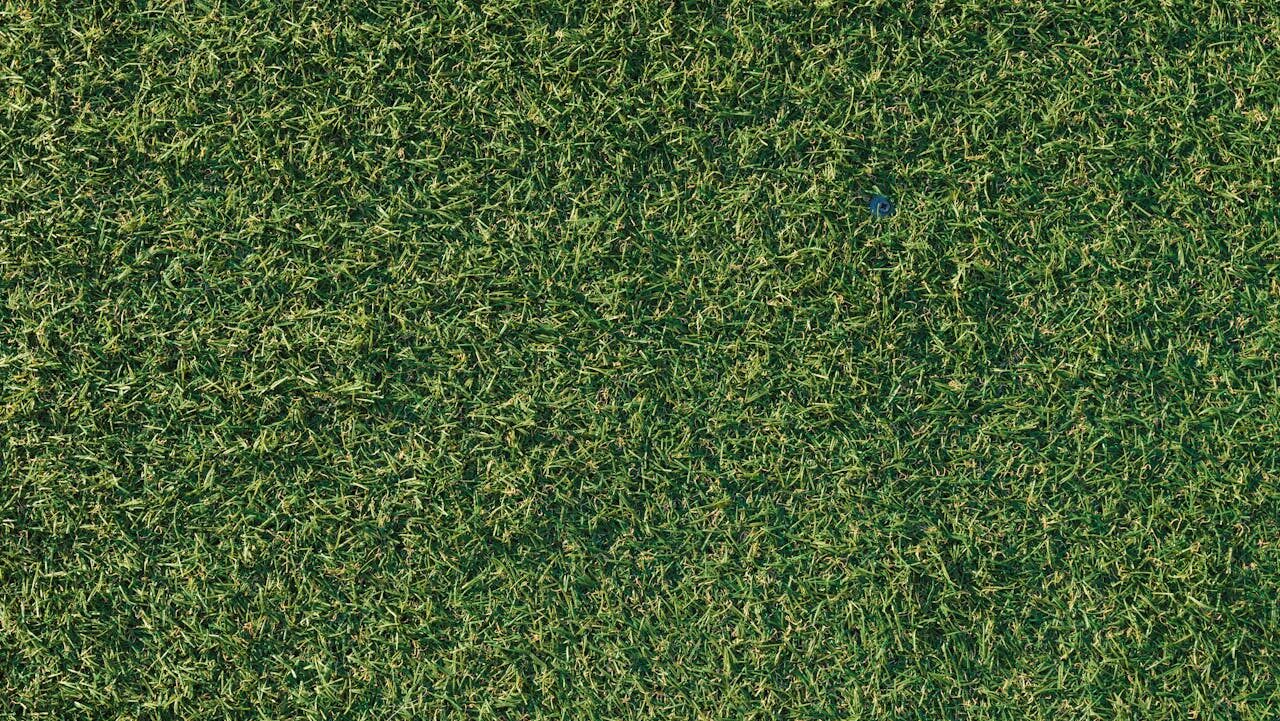
Using brightly colored artificial turf can make your yard stand out, but it often turns off buyers. Unnatural shades may feel too bold or gimmicky for many people looking at your home.
While colorful turf offers a unique look, it can clash with the overall landscape and reduce curb appeal. If you want artificial grass, sticking to natural shades is usually safer.
Remember, not all buyers appreciate flashy design choices. Bright turf might limit your home’s market potential and make it harder to sell.
Geometric garden layouts

Geometric garden layouts use shapes like squares, circles, and diamonds to create clean lines and order. While neat, these designs might feel too formal or rigid for some buyers.
You may find it hard to personalize such precise patterns, which can limit appeal. Also, maintaining sharp edges and symmetry often requires significant upkeep.
If your style prefers structure and symmetry, geometric layouts work well. But if you want broader buyer interest, more relaxed designs might be safer.
Excessive use of non-native plants

When you fill your landscape with mostly non-native plants, you risk losing appeal for buyers who prefer local, eco-friendly options. Non-native plants often require more water and care, which can be seen as high maintenance.
Native plants support local wildlife and fit better with the natural environment. Using them can make your yard feel more inviting and sustainable. Balancing native and non-native plants carefully helps avoid an unnatural look that might turn buyers away.
Invasive exotic species
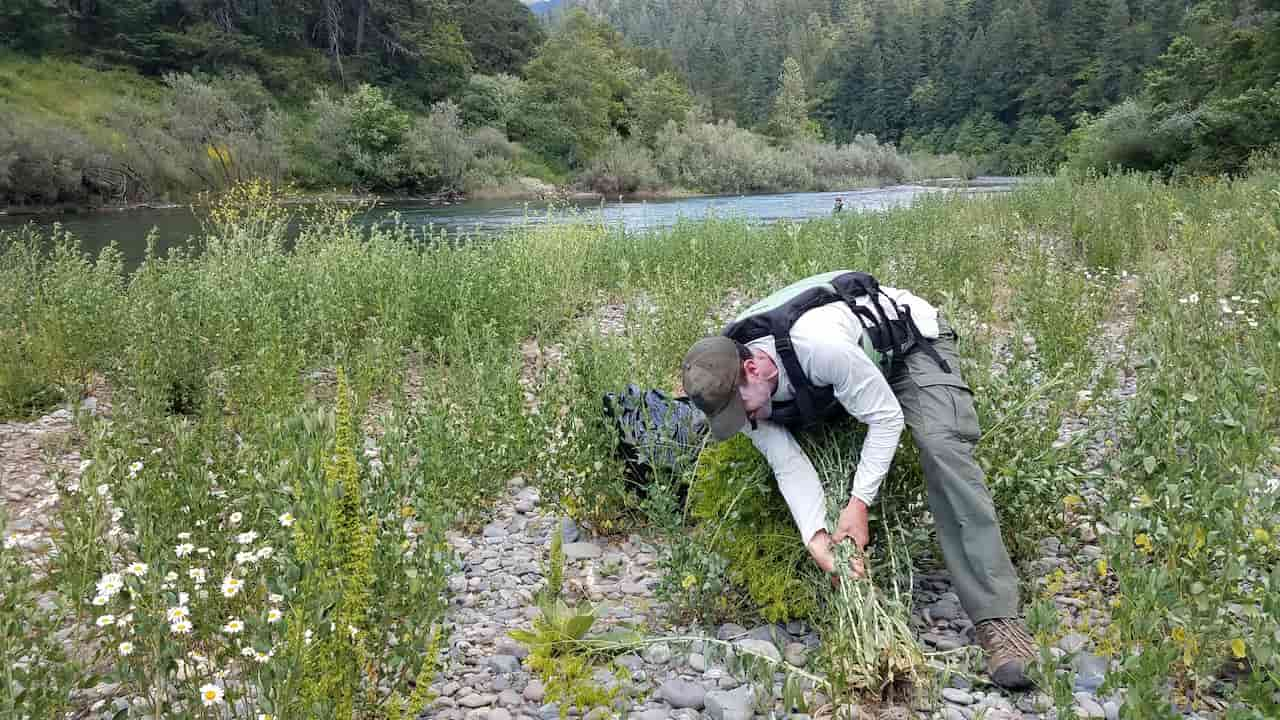
Invasive exotic plants may look attractive at first, but they can seriously harm your landscape’s health. These species spread quickly and crowd out native plants, reducing biodiversity in your yard.
If you have invasive vines or shrubs, they can be tough to control because they regrow from roots or cut stems. Removing them often requires ongoing effort.
Choosing native plants instead helps maintain a balanced ecosystem and keeps your landscape appealing to local wildlife. This choice can also protect your home’s value over time.
Plastic lawn ornaments
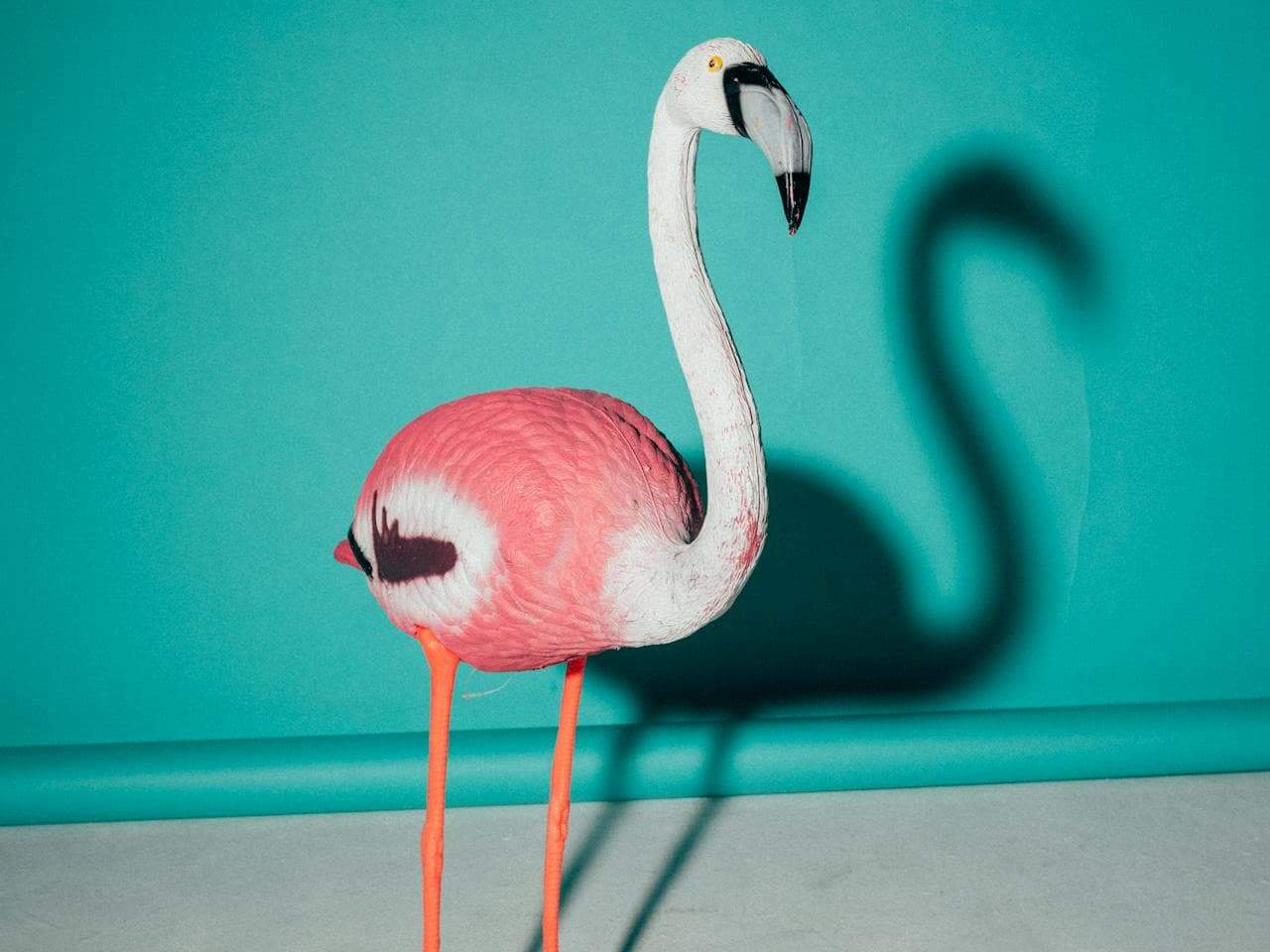
Using plastic lawn ornaments may seem like an easy way to add personality to your yard. However, they can often look cheap or out of place. This might turn off potential buyers who prefer a clean, natural landscape.
You want your outdoor space to feel inviting and well-maintained. Plastic decorations, especially if faded or worn, can give the opposite impression. Keep in mind that subtle and simple designs tend to appeal to more people.
Oversized water features
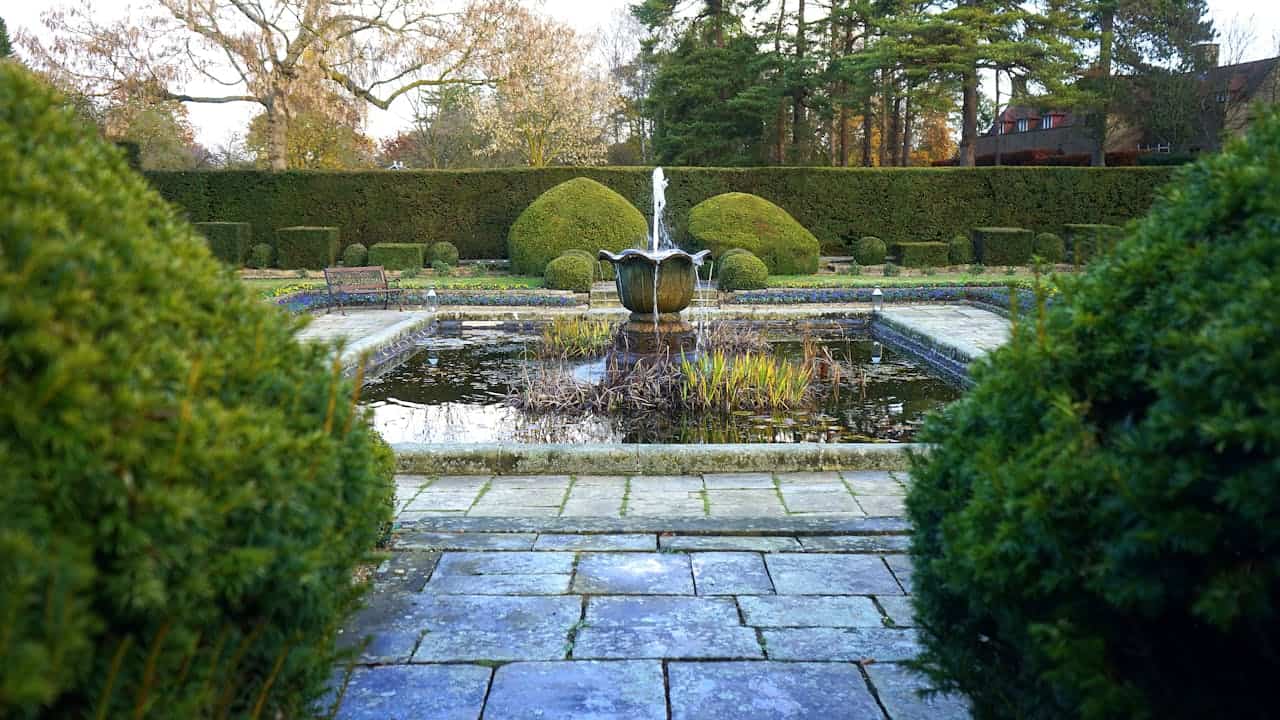
You might think a large water feature adds luxury, but it can be a turnoff for many buyers. Big ponds or fountains often require high maintenance and can raise safety concerns, especially for families with young children.
These features can also limit usable yard space. Smaller, simpler water elements usually appeal to a broader range of buyers and keep your landscape easier to manage.
Unnatural topiary shapes

You might think quirky topiary shapes add charm, but overly complex or unnatural designs can put buyers off. Shapes like animals or objects often feel gimmicky and may not appeal to everyone.
Simple geometric forms like cones or pyramids generally work better. They offer structure without overwhelming your outdoor space or reducing its resale appeal. Keep your topiary natural and neat to please potential buyers.
Neon garden lighting
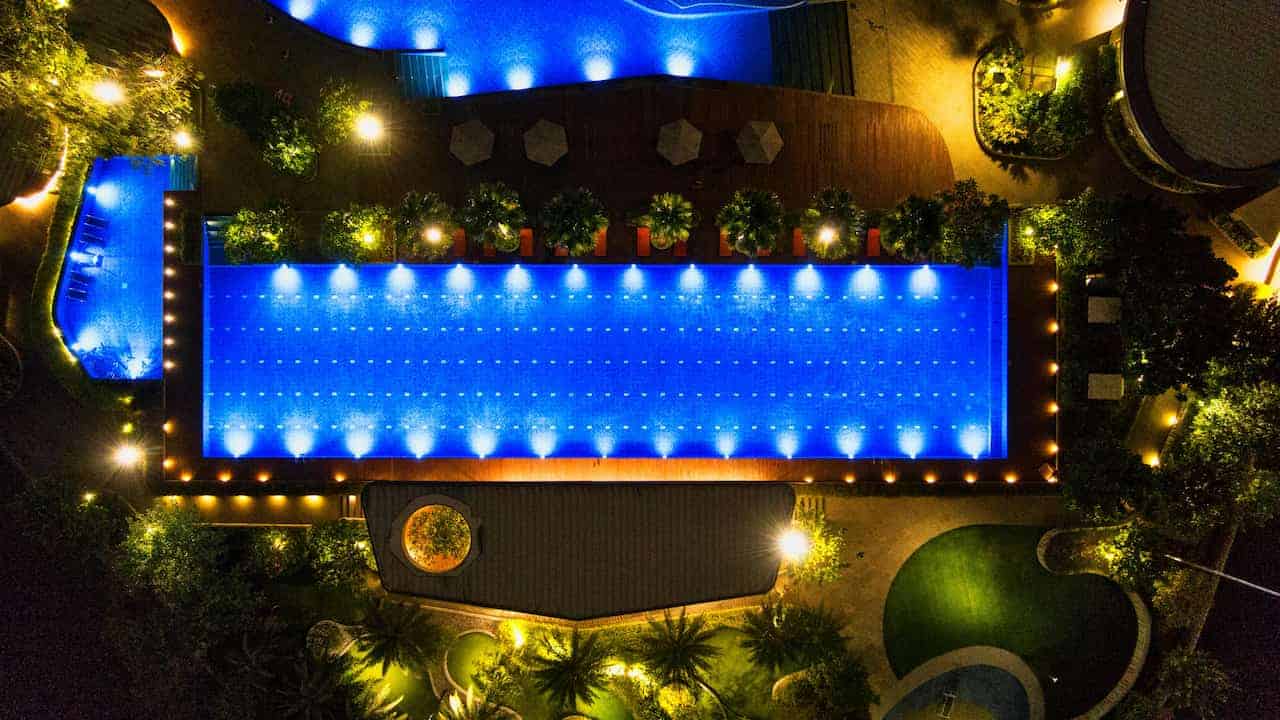
Neon garden lighting can look bold, but it often feels out of place in many landscapes. If your lighting is too bright or colorful, it may turn off potential buyers.
These lights may appeal to some, but they usually don’t match classic or natural garden styles. Choosing softer, more neutral lighting can help keep your garden inviting to a wider audience.
Overly complex irrigation systems

You might think adding a high-tech irrigation system will impress buyers. However, overly complex setups can confuse future homeowners and increase maintenance costs.
Simple, easy-to-use irrigation often appeals more because it saves time and trouble. Systems with too many features can also have higher repair costs, which may turn buyers away.
Focus on reliability and efficiency rather than extra bells and whistles. A straightforward system that keeps your lawn healthy is usually the best investment for resale.
Excessive gravel beds
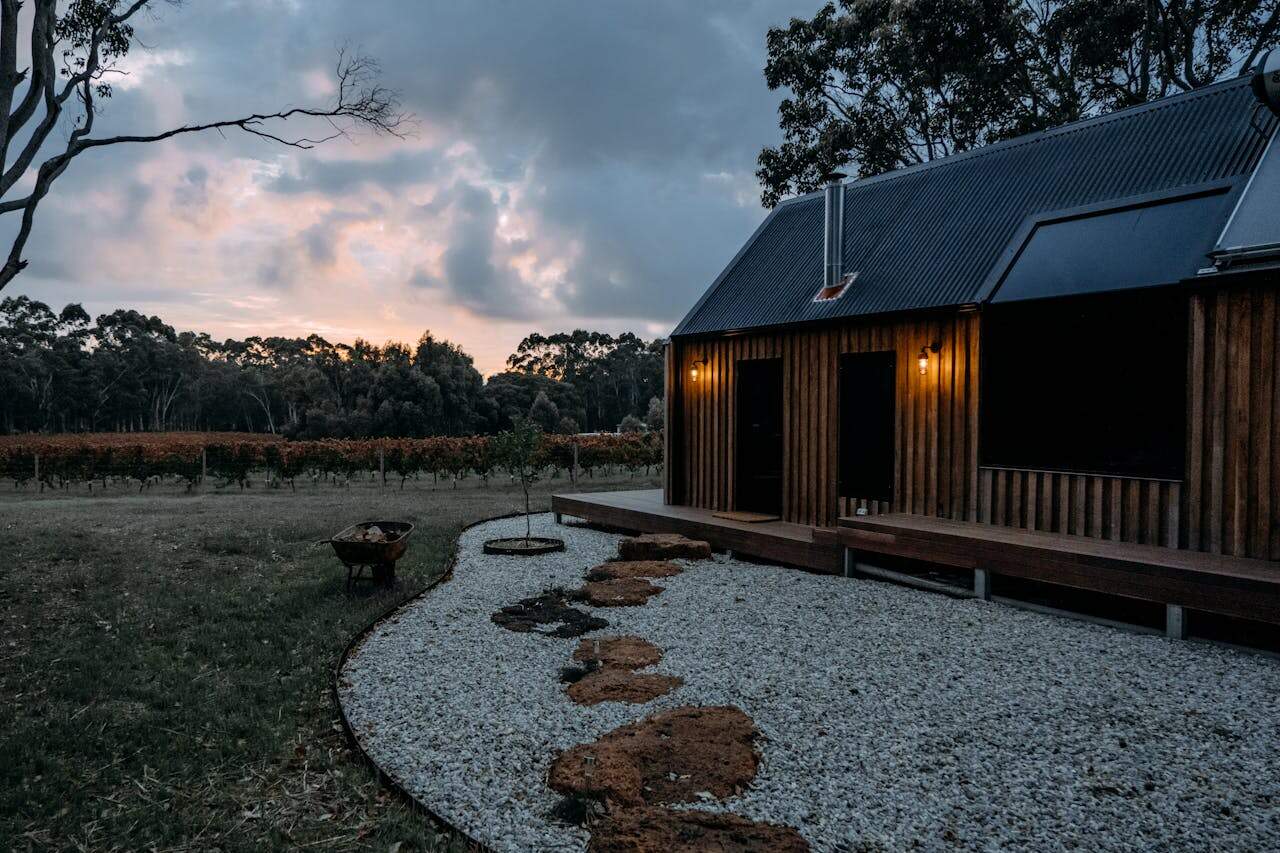
If your yard is full of large gravel beds, it might turn off potential buyers. Too much gravel can make your landscape feel harsh and less inviting.
Gravel also tends to trap heat and dust, which can affect your home’s curb appeal. Keeping gravel areas balanced with some greenery helps create a more welcoming look.
Unmaintained bonsai collections
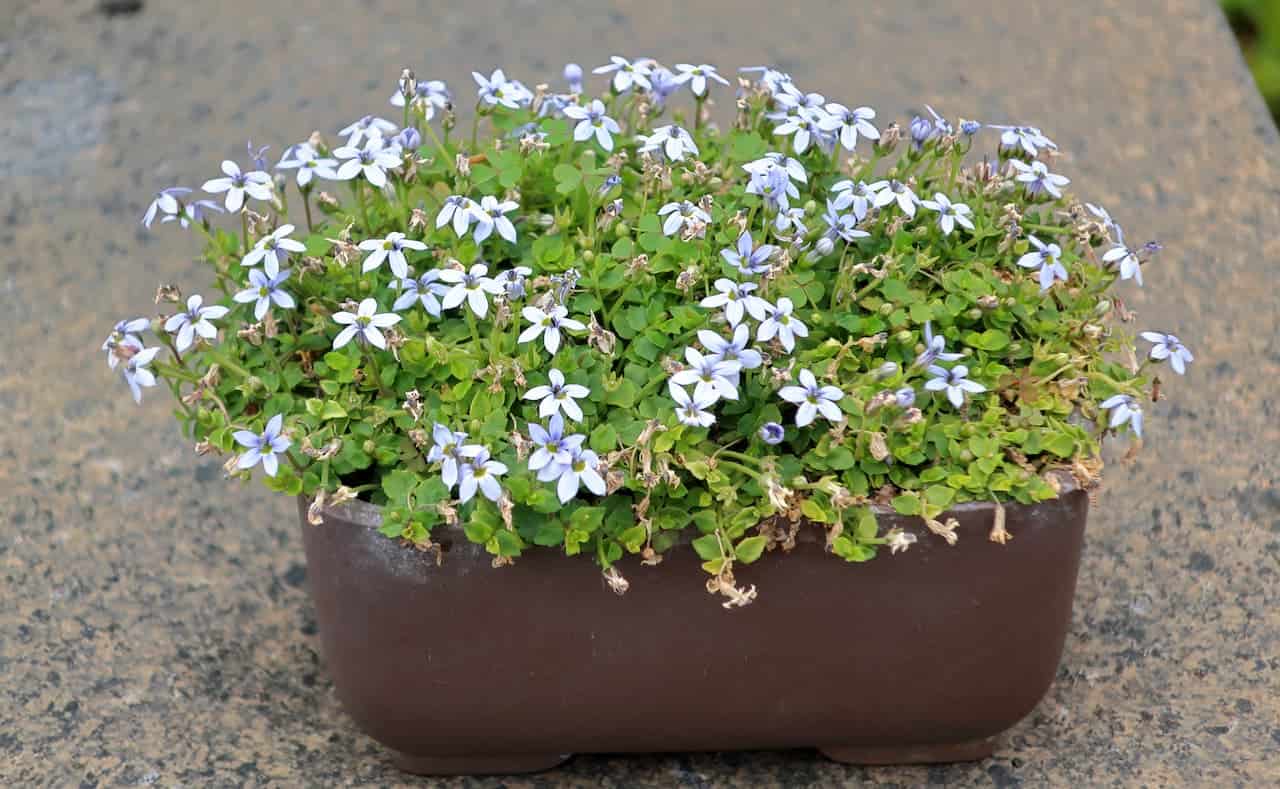
If you have a bonsai collection, keeping it well cared for is key. Unmaintained bonsai can look neglected and may give your landscape a tired appearance.
Your potential buyers might see this as extra work or a sign the overall yard is not cared for. Regular trimming, watering, and cleaning help bonsai trees stay healthy and appealing.
Even a small, neat bonsai setup can add charm. But if left unattended, it could lower your tank’s appeal and resale value.
Loud and clashing plant color schemes

When your garden has too many bright, conflicting colors, it can feel overwhelming to potential buyers. Loud color schemes often disrupt the overall harmony of the landscape.
You want your garden to feel inviting and balanced. Sticking to a simpler palette or variations of one color helps create a calm, cohesive look. This makes your outdoor space more appealing to a wider audience.
Overuse of synthetic mulch
Using synthetic mulch might seem like a low-maintenance option for your garden. However, too much can look unnatural and may turn off potential buyers.
It doesn’t break down like natural mulch, which can affect soil health over time. Plus, it might not provide the same benefits for moisture retention or weed control.
If you want a cleaner look, try combining synthetic mulch with natural materials to keep your landscape inviting and balanced.
Understanding Landscape Features and Home Value
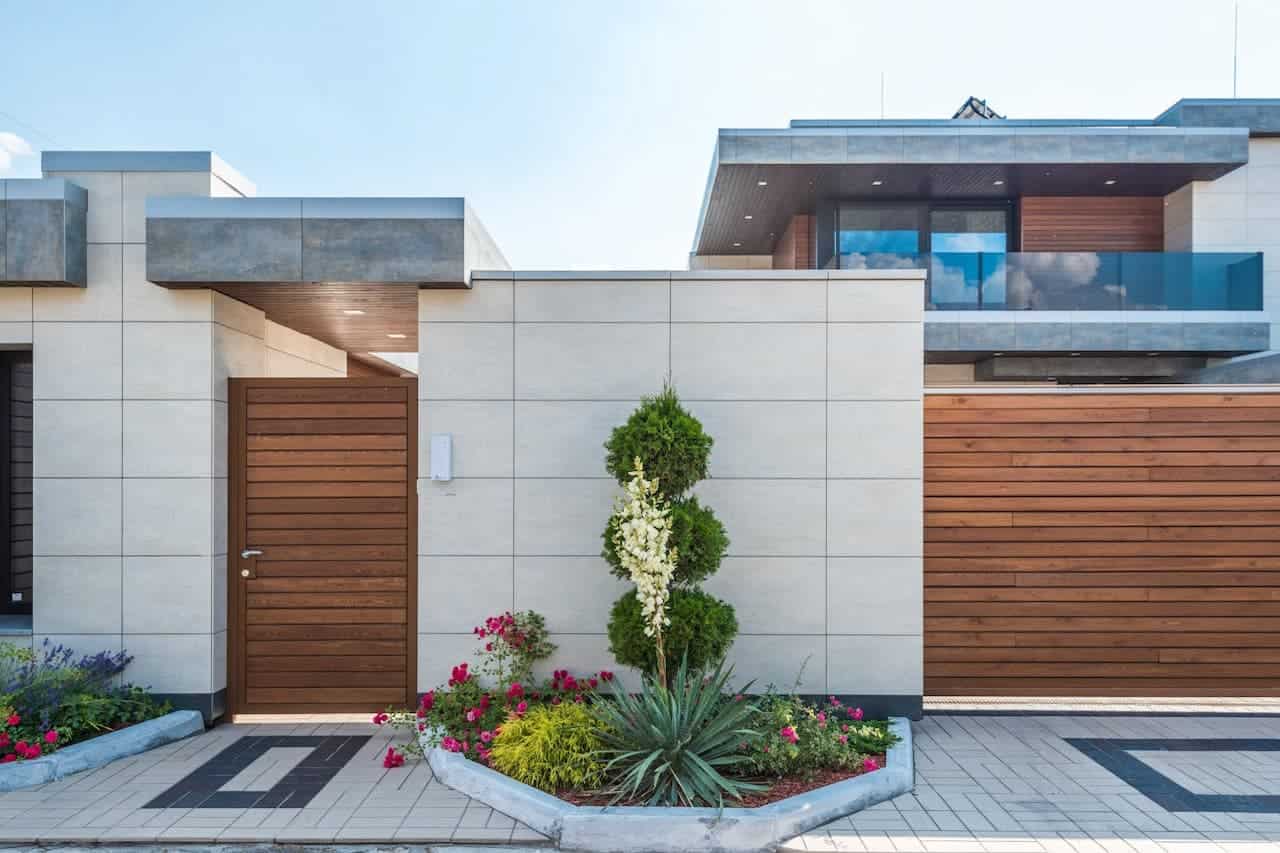
Your landscaping can either add to or take away from your home’s resale value. Elements like plant selection, layout, and maintenance affect curb appeal and buyer interest.
How Landscape Choices Impact Resale

Poorly chosen features can reduce your home’s value by making it look cluttered or difficult to maintain. For example, invasive plants or overgrown bushes can give the impression of neglect.
Using durable materials and a cohesive design helps your property feel well cared for. Simple, clean landscaping usually appeals to more buyers, while overly personalized or complex designs may limit interest.
Investments in landscaping typically yield a return, but the type of plants and features you pick matter. Avoid flashy trends that require constant upkeep or large expenses, as these can deter buyers.
Common Buyer Preferences

Most buyers look for low-maintenance yards with clear, functional spaces. They often prefer native plants, tidy lawns, and straightforward garden beds.
Features like excessive hardscaping or extravagant water elements can signal higher costs and time investment, which many buyers want to avoid.
Focus on creating a welcoming entry with healthy greenery and well-defined pathways. Simple landscape lighting and fresh mulch also help make a positive first impression.
Avoiding Costly Landscaping Mistakes

Making thoughtful choices in your landscaping can protect your home’s value and avoid unnecessary expenses. Focus on practical design changes and seek professional insight to create an attractive, market-friendly yard.
Redesigning for Market Appeal
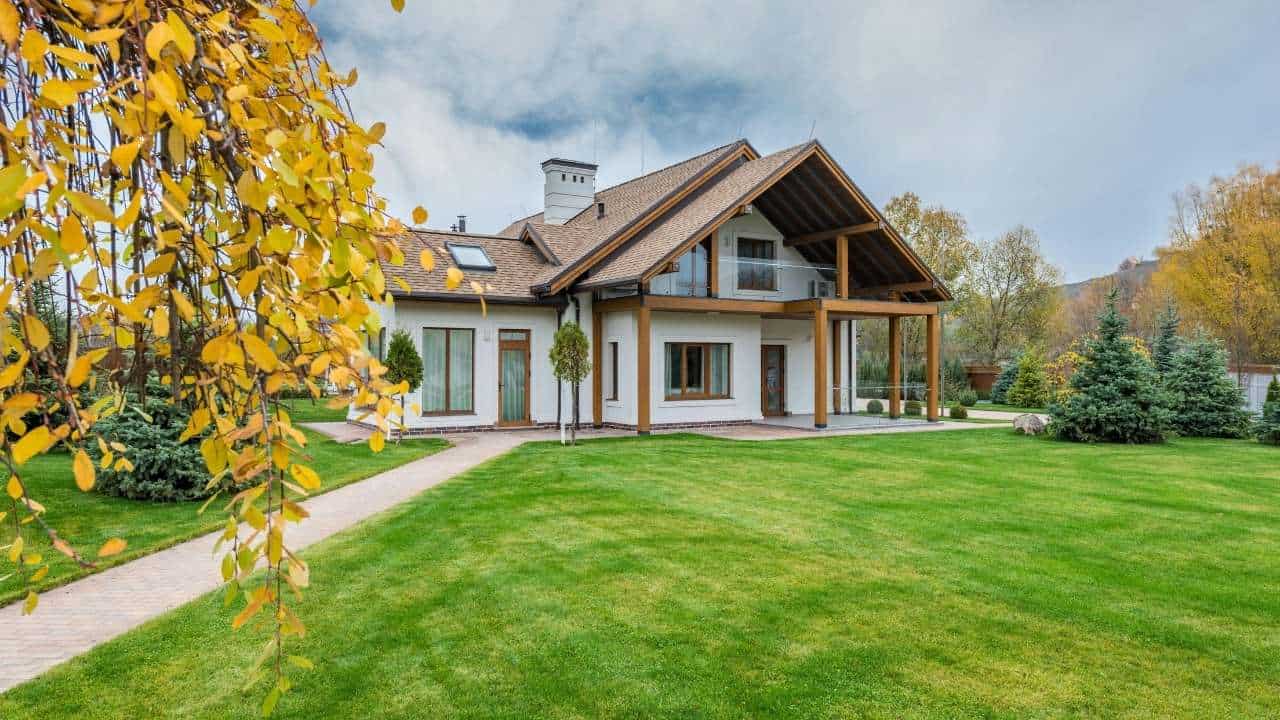
When redesigning your landscape, aim for simplicity and flexibility. Overly trendy or personalized features often don’t appeal broadly, so choose plants and structures that suit a wide range of tastes.
Prioritize low-maintenance plants, proper irrigation, and clear pathways. Avoid complex or high-upkeep installations like intricate water features or exotic plant species that may scare off buyers due to cost or care demands.
Use a list like this to guide your choices:
- Native and drought-resistant plants
- Durable, neutral hardscape materials
- Clear zones for outdoor activities or gatherings
This approach makes your space functional and inviting, boosting its appeal to potential buyers.
Consulting Local Real Estate Experts

Connecting with real estate agents or appraisers in your area can offer vital insights. They understand what local buyers value and what landscaping features might detract from your home’s price.
Ask these experts about current neighborhood trends and common buyer preferences. They can point out if certain popular choices in your region are actually drawbacks, such as plants that don’t thrive locally or garden elements that complicate maintenance.
Keep a list of questions handy:
- What outdoor features attract or discourage buyers here?
- Are there trends in landscaping that impact resale negatively?
- How do local climate and soil types affect ideal landscaping choices?
These insights help you make smarter, targeted decisions that save time and money while enhancing your home’s resale potential.