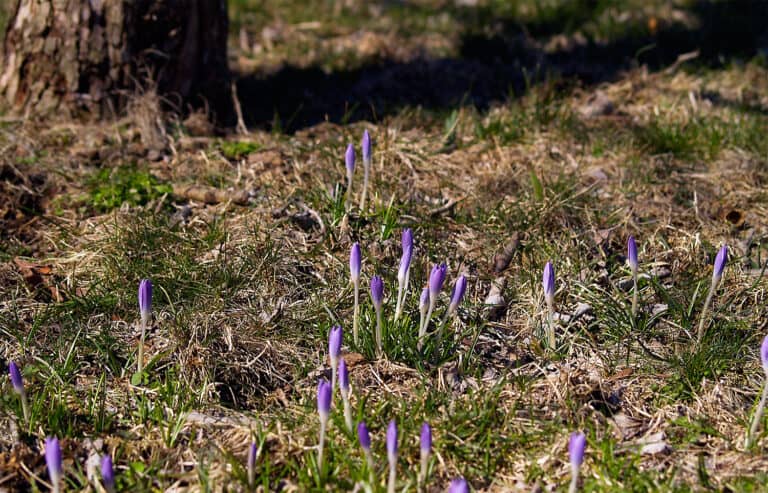
Companion planting is popular among gardeners looking to boost growth and reduce pests naturally. You might expect it to always help, but sometimes it can cause problems instead of solutions.
Knowing when companion planting backfires is important so you can avoid common mistakes and protect your garden’s health. Learning about these pitfalls helps you make better choices for your plants and your space.
Advertisement
Planting cucumbers next to potatoes causing poor growth
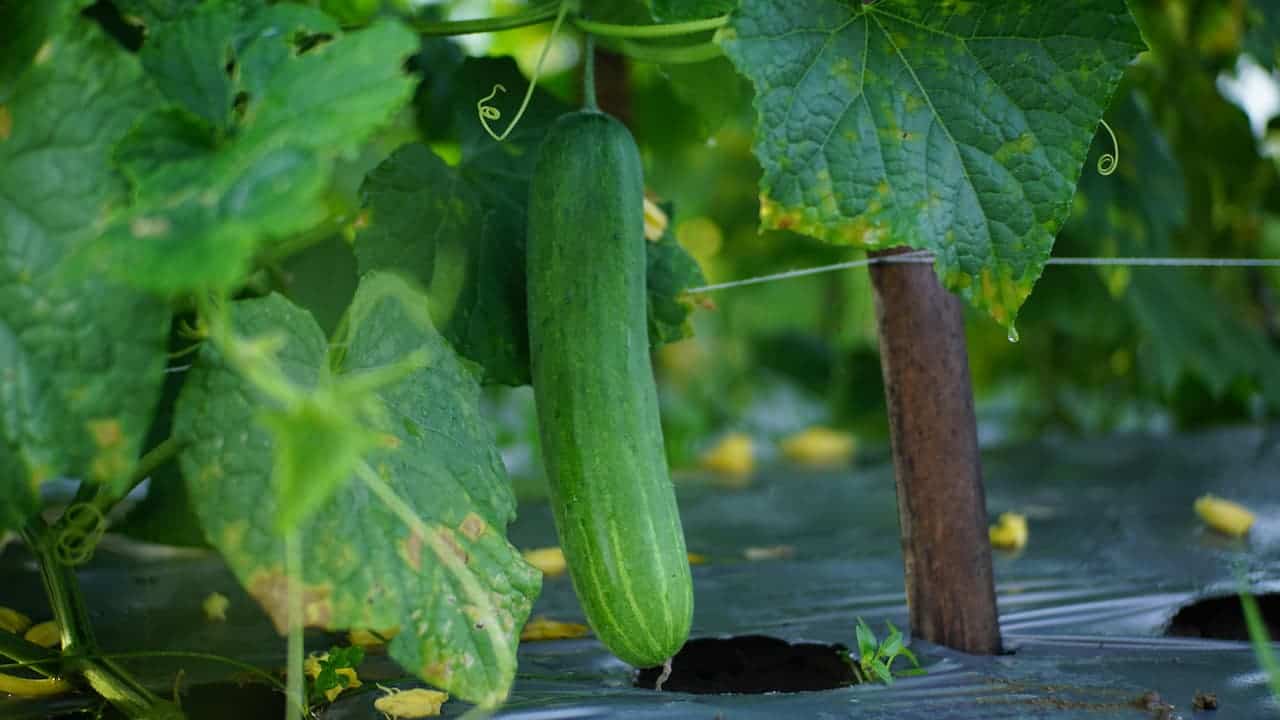
If you plant cucumbers next to potatoes, you might notice slower growth in your cucumber vines. Both plants compete for the same nutrients and water, which can lead to weaker development.
Potatoes also attract certain diseases that can spread to cucumbers, affecting their health. To help your garden thrive, it’s better to keep these two plants apart.
Tomatoes overshadowing basil and stunting its growth

When you plant tomatoes too close to basil, the tall tomato plants can block sunlight from reaching your basil. This lack of light can cause basil to grow slowly or become weak.
Tomatoes also need a lot of sun, so basil under shade might struggle. You might notice your basil leaves turning yellow or not developing their usual strong aroma.
To help both thrive, give basil enough space and light away from tomato shade.
Marigolds planted with all vegetables leading to unexpected pest issues
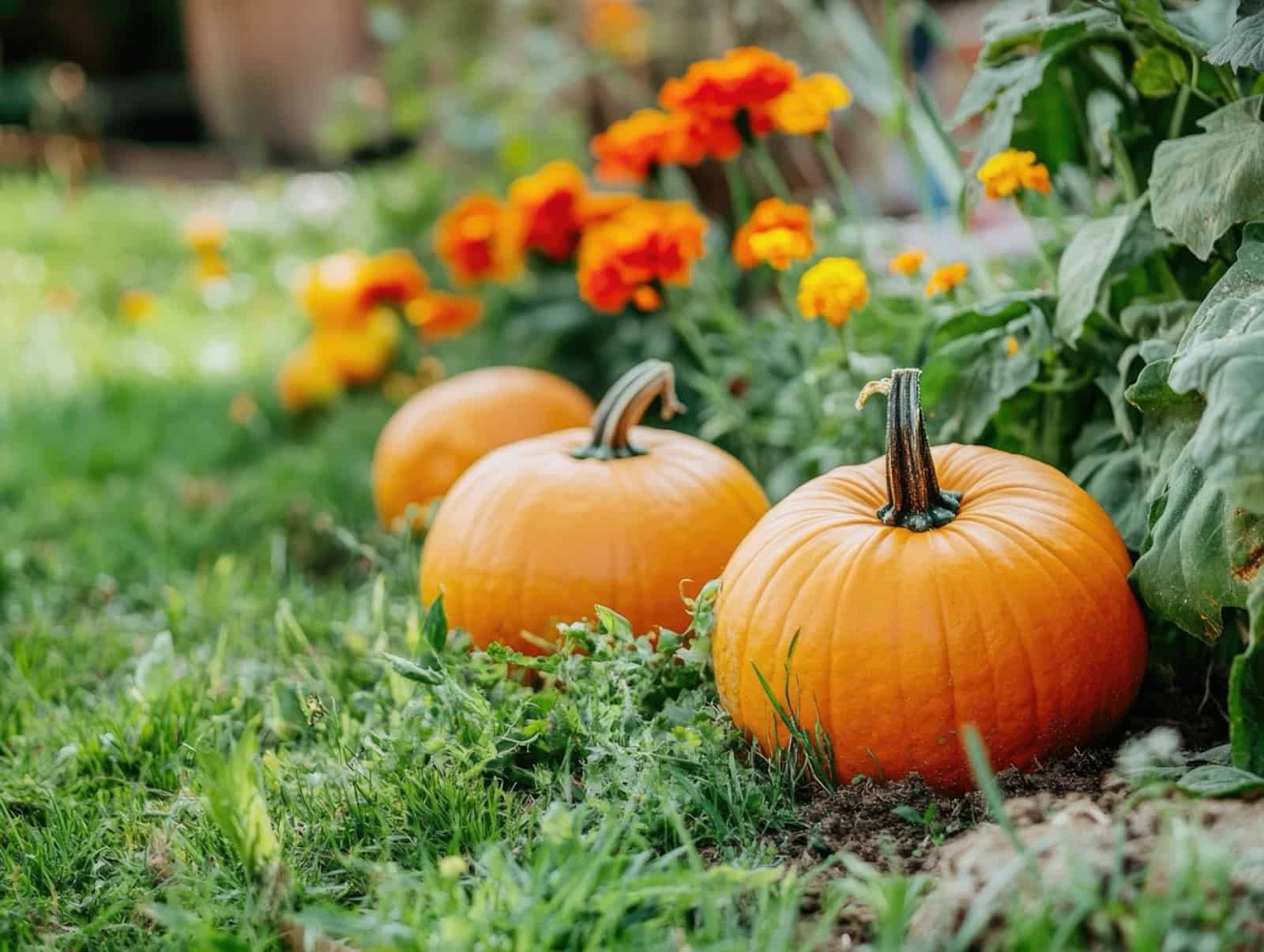
You might think marigolds protect every vegetable, but sometimes they attract pests instead. For example, certain moths and cabbage pests are drawn to marigolds’ scent, which can harm your cabbage and related plants.
If you plant marigolds too close to vegetables needing full sun, like cabbage, they may shade them. This causes weak, leggy plants that struggle to grow well.
Be cautious about using marigolds everywhere in your garden. Pay attention to how your plants react to avoid these unexpected problems.
Growing beans too close to onions resulting in lower bean yields

If you plant beans too close to onions, you might notice your bean plants don’t grow as well. Onions release chemicals that can slow legume growth, which means your beans may produce fewer pods.
This doesn’t stop beans from growing completely, but it can reduce their overall yield. To give your beans the best chance, try to keep some distance between them and your onions.
Corn and tomatoes paired causing nutrient competition
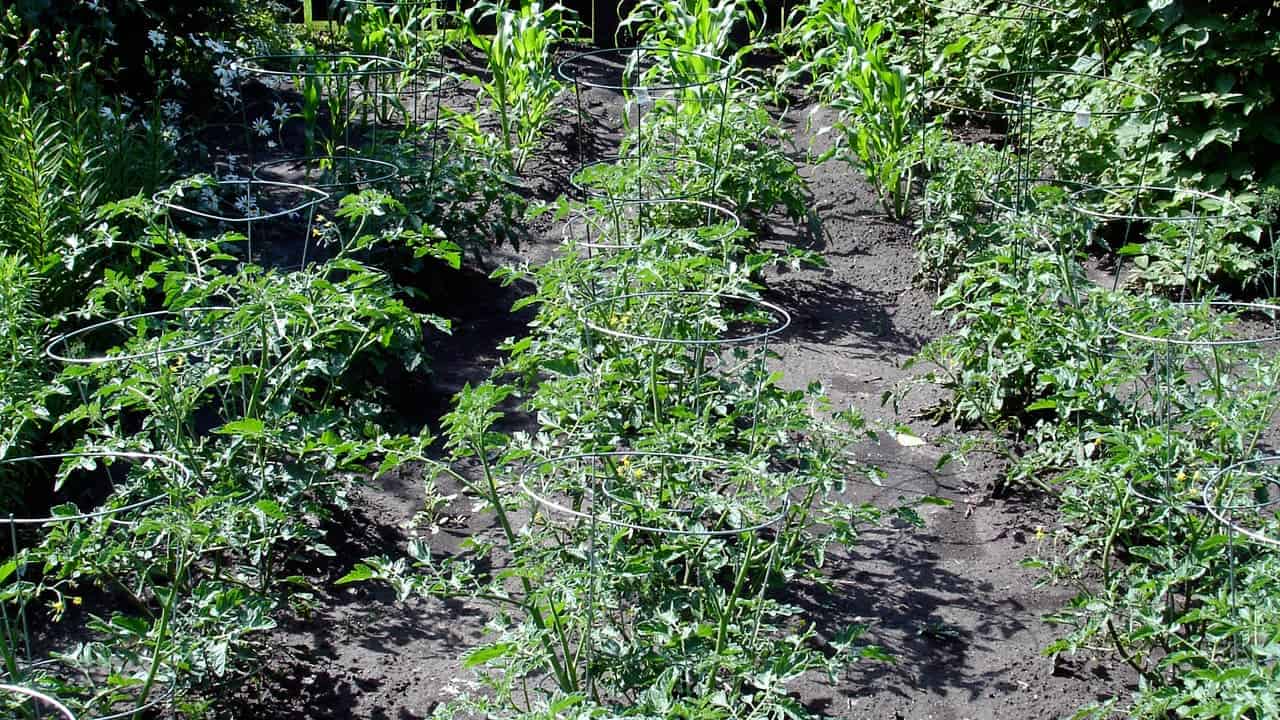
When you plant corn and tomatoes together, they both compete for the same nutrients in the soil. Since both are heavy feeders, your tomatoes may not get enough nutrients to thrive.
You might notice slower growth or smaller fruits in your tomato plants. To avoid this, give them plenty of space or enrich the soil with extra compost before planting.
Sunflowers shading nearby smaller plants excessively
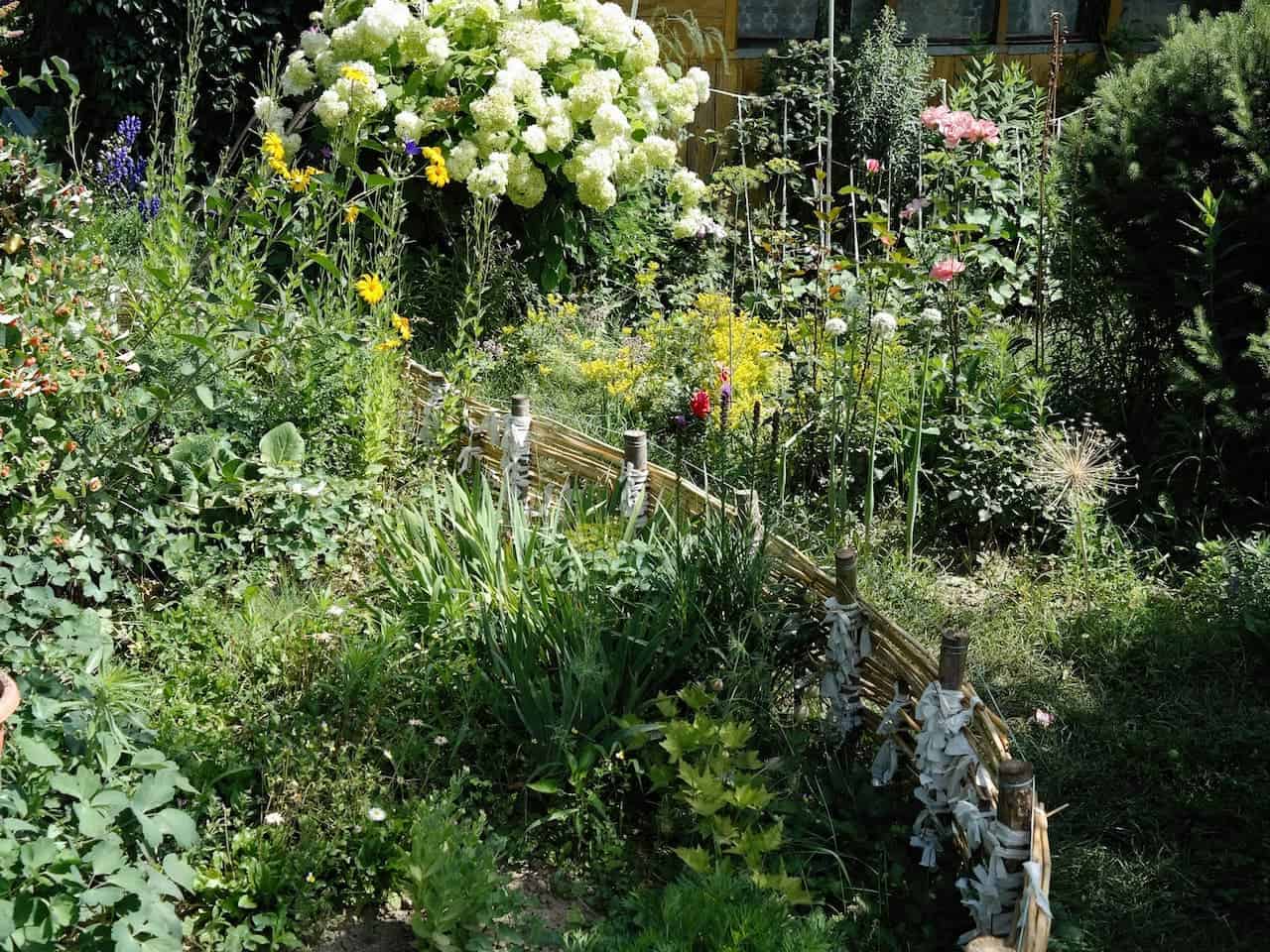
When you plant sunflowers near smaller plants, their tall stalks can block sunlight. This shading may limit your smaller plants’ growth by reducing the light they need.
If your garden space is tight, consider how much sun your other plants require. You might want to keep sunflowers at a distance to avoid stunting nearby veggies or flowers.
Planting carrots near dill attracting unwanted pests
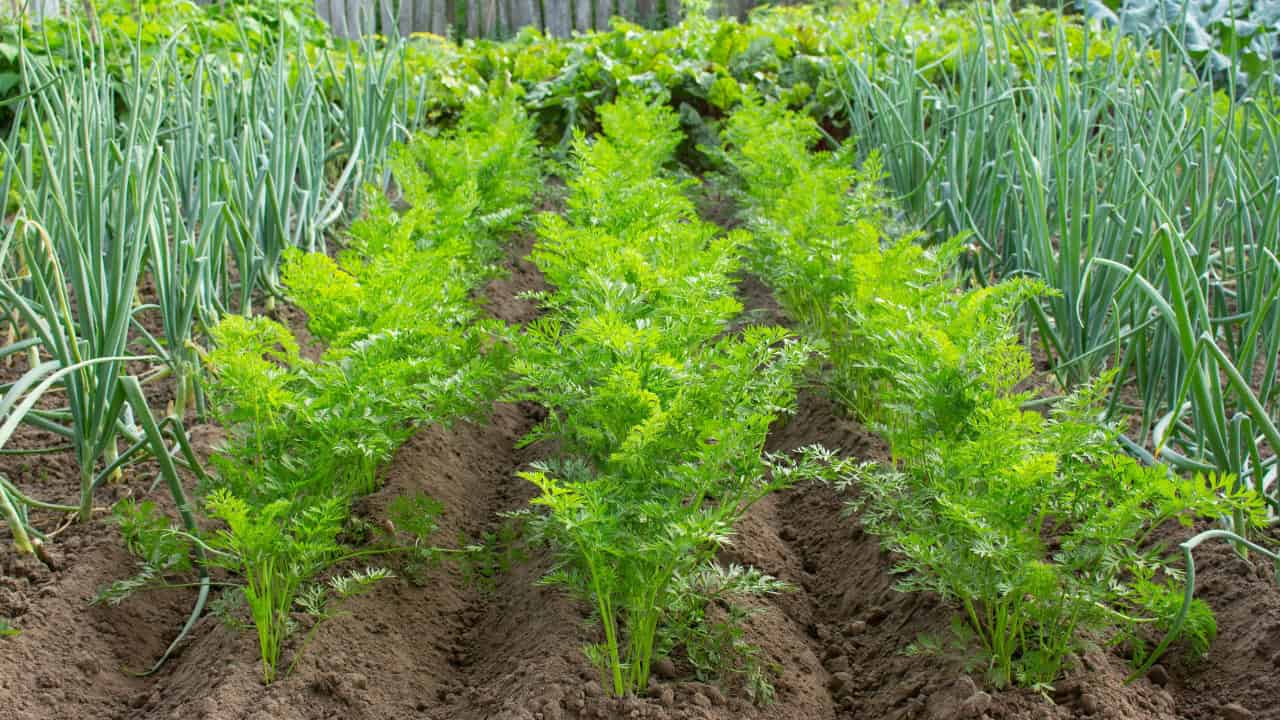
If you plant carrots near dill, you might attract pests like aphids and spider mites. These insects are drawn to dill’s strong scent and can harm your carrot plants.
Dill also produces chemicals that negatively affect carrots. To keep your garden healthy, it’s best to give these two some space. This prevents pest problems and helps your carrots grow better.
Basil too close to rue reducing its aromatic benefits

When you plant basil too close to rue, you might notice that your basil’s aroma weakens. Rue’s strong bitterness seems to interfere with basil’s natural oils.
This can make your basil less fragrant and less flavorful in your dishes. To keep your basil happy and aromatic, it’s best to give rue some space in the garden.
Peas planted next to onions causing reduced pod production
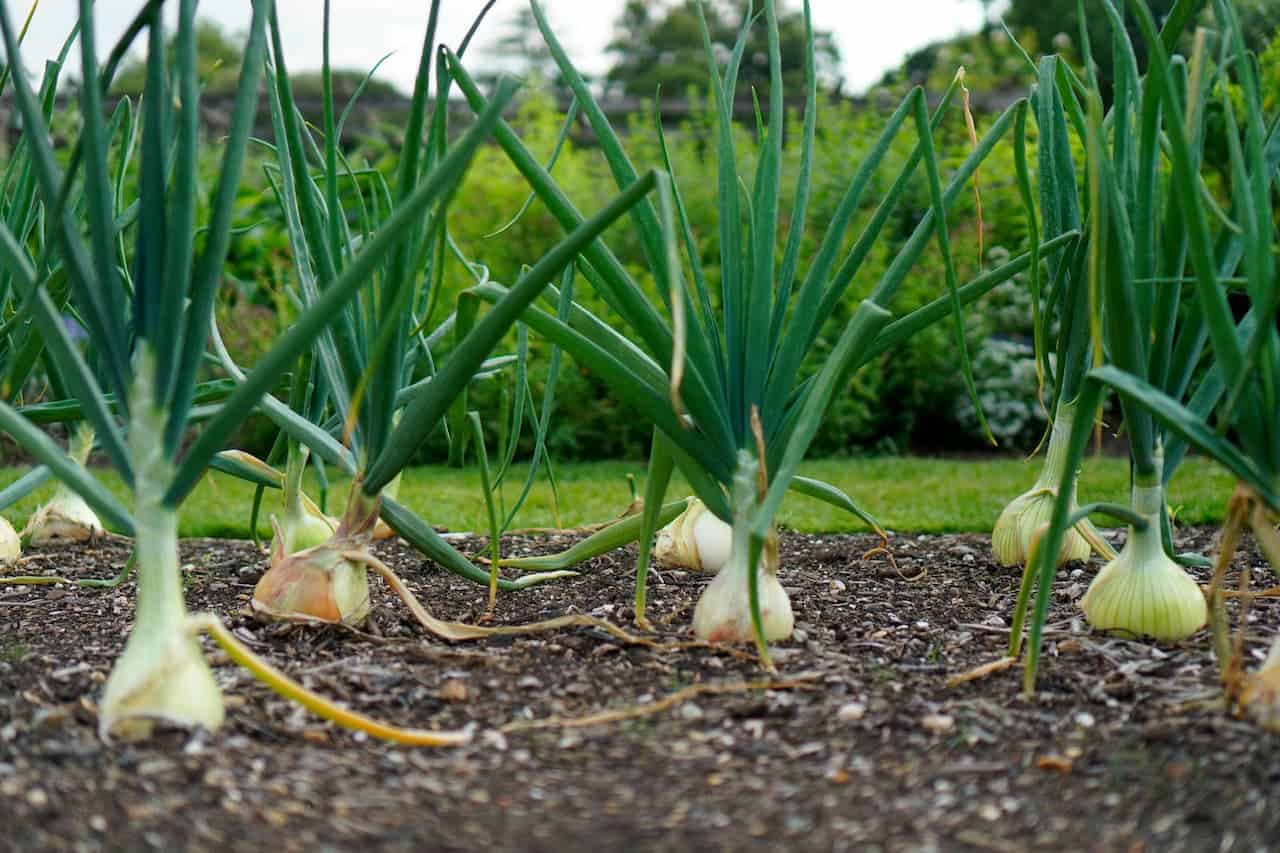
If you plant peas too close to onions, you might see fewer pods. Onions release sulfur compounds that can limit pea vine growth.
Your peas may struggle to reach their full potential when onions are within 12 to 16 inches. This spacing issue can reduce the number of peas you harvest.
Be aware that onions can also attract pests like root maggots, which could affect your peas indirectly. Keeping some distance helps both plants grow better.
Cabbage family members planted together increasing disease risk
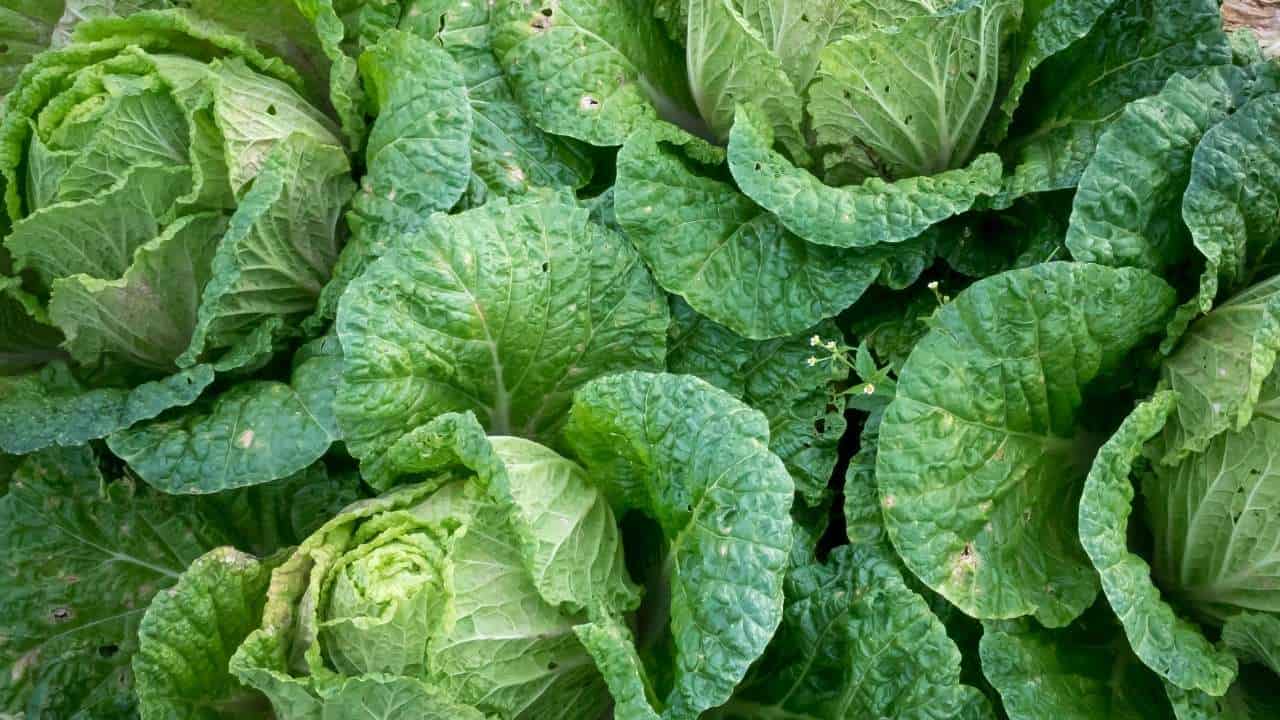
When you plant cabbage with other members of its family, like broccoli, kale, or cauliflower, you might increase the chance of diseases spreading. These plants share similar vulnerabilities, so pests or fungal infections can easily jump from one to another.
Keeping them too close together can create a favorable environment for problems like clubroot or mildew. It’s better to space them out or rotate their planting spots to protect your garden’s health.
Strawberries overcrowded with tomatoes leading to fungal problems
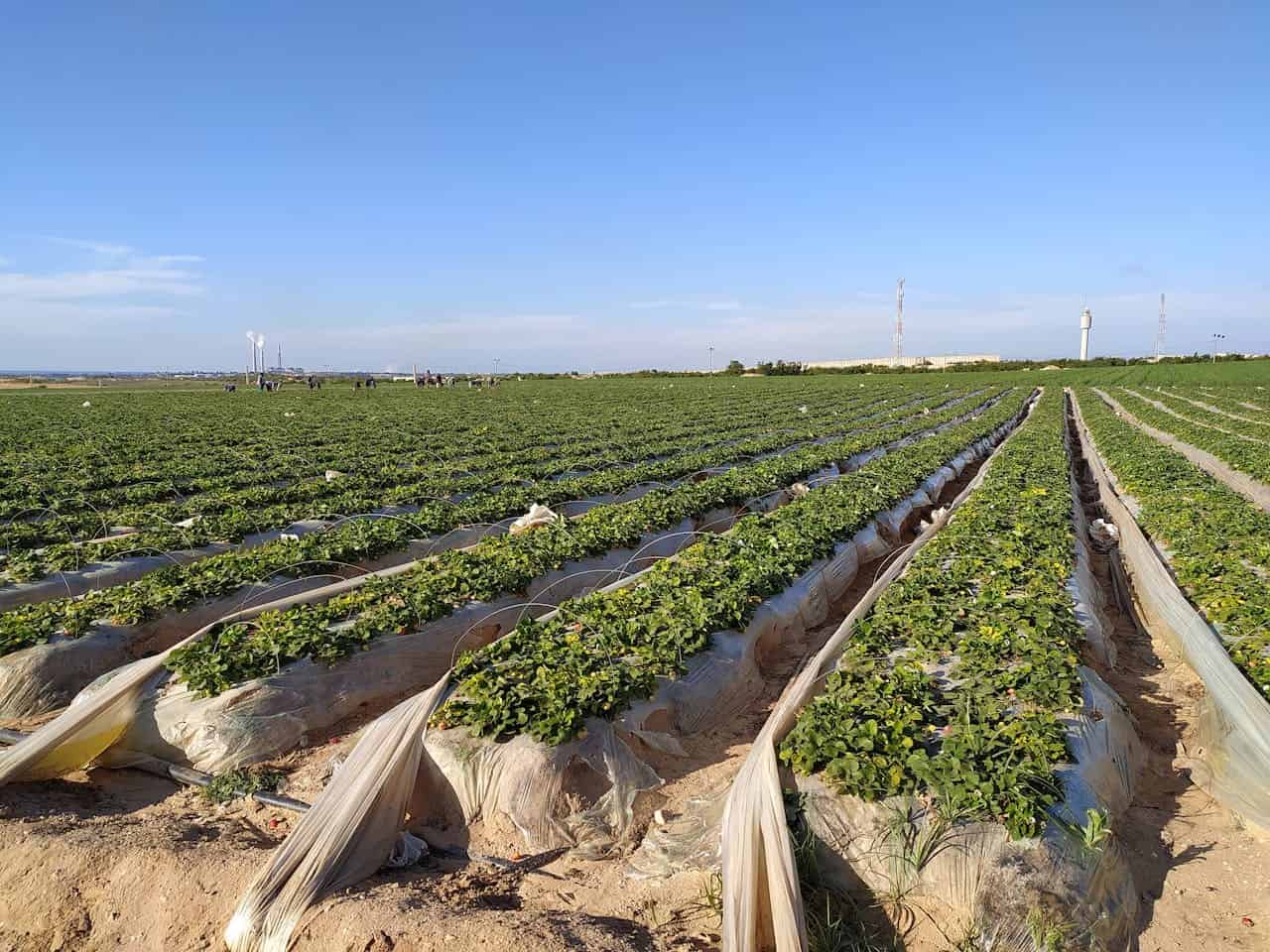
If you plant strawberries too close to tomatoes, overcrowding can happen quickly. This limits airflow around your plants, creating a damp environment.
That dampness encourages fungal diseases, such as anthracnose, which affects both strawberries and tomatoes.
To avoid this, give each plant enough space and monitor moisture carefully. Good spacing helps keep fungal risks down and your garden healthy.
Planting eggplants near fennel inhibiting growth
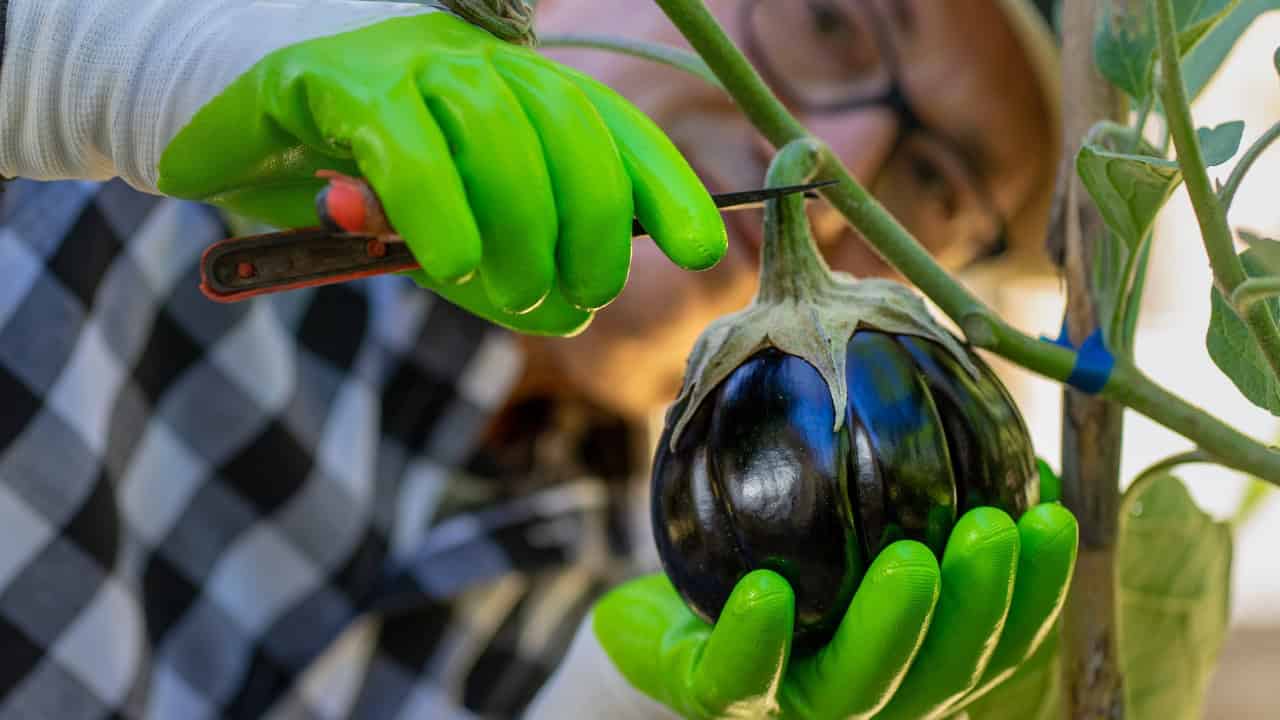
If you plant eggplants next to fennel, you might notice your eggplants growing poorly. Fennel releases chemicals that can stunt the growth of many plants, and eggplants are especially affected.
To help your eggplants thrive, it’s best to keep fennel away from them in your garden. This small change can improve the health and yield of your eggplants.
Garlic near peas decreasing pea health
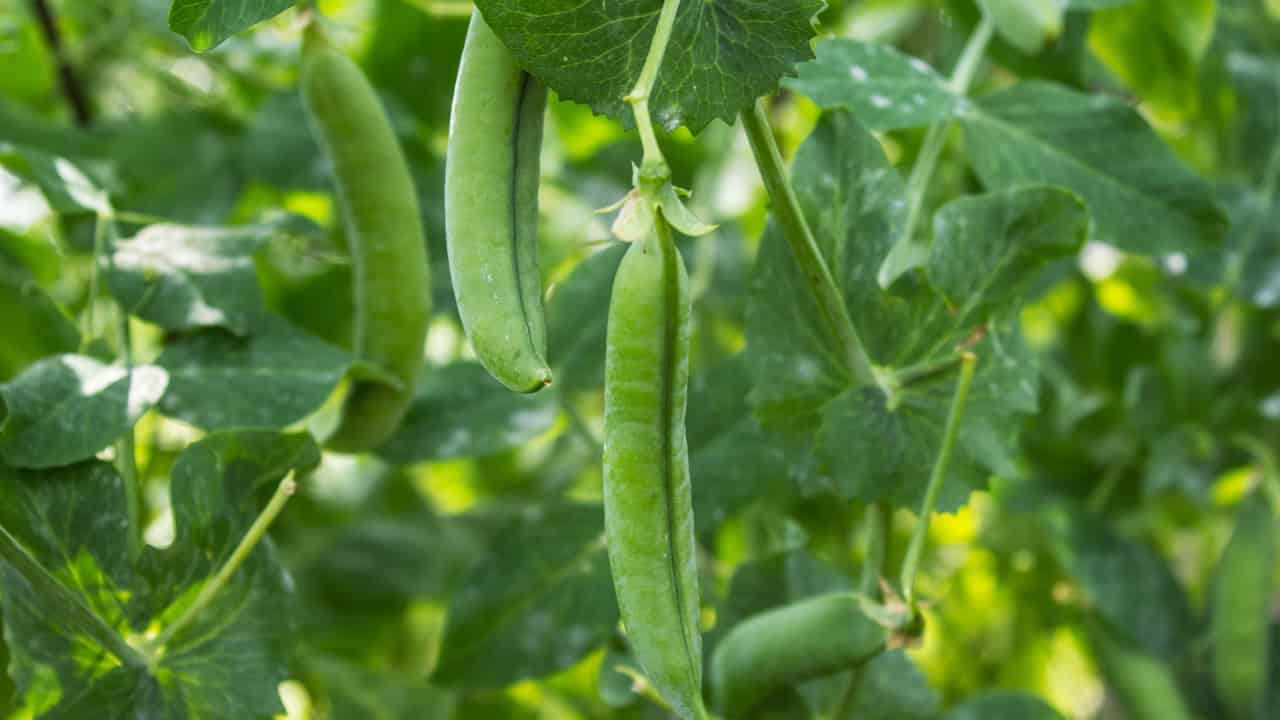
If you plant garlic too close to your peas, you might notice your pea plants struggle. Garlic releases compounds that can interfere with the beneficial bacteria peas rely on for nitrogen fixation.
This can stunt pea growth and lower yields.
Also, garlic’s strong root system competes with peas for space and nutrients. For better results, give these two plants some distance in your garden.
Planting peppers next to fennel causing poor pepper development
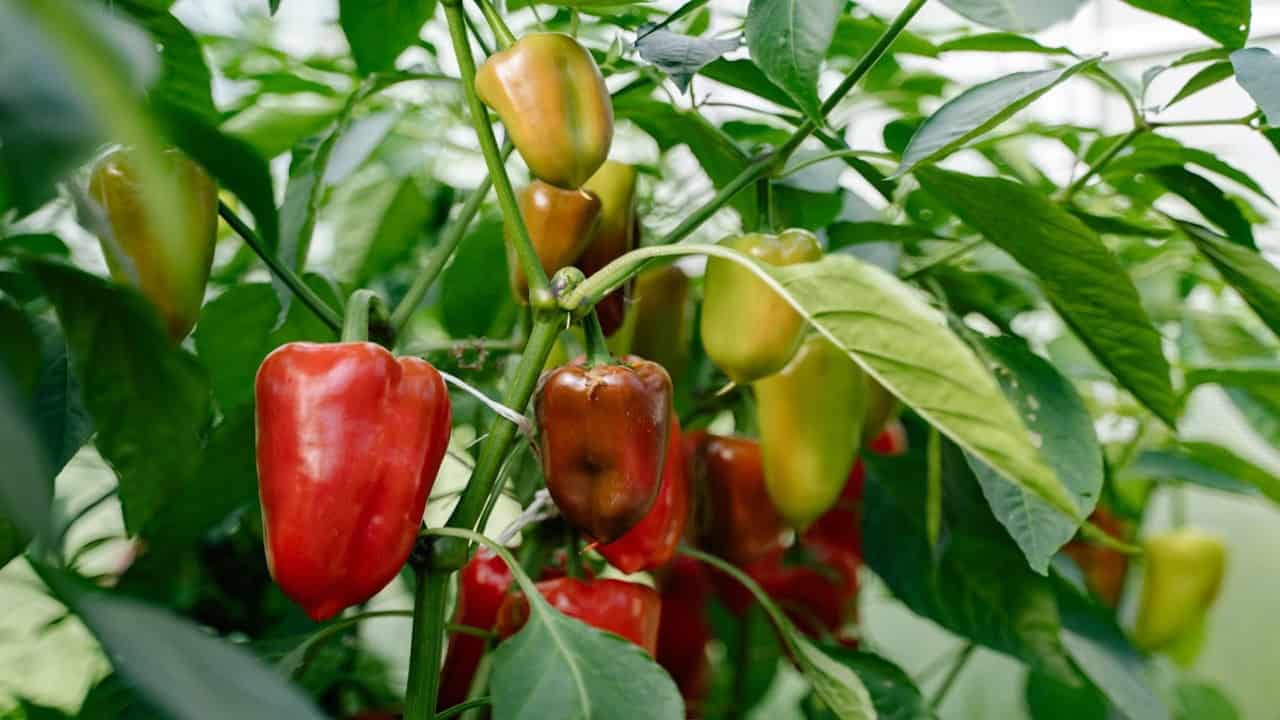
If you plant peppers next to fennel, you might notice your peppers aren’t growing well. Fennel releases a chemical called anethole that can stunt pepper growth.
This chemical affects the root development of peppers, leading to weaker plants. For healthier peppers, it’s best to keep fennel at a distance in your garden. Avoid planting these two close together to help your peppers thrive.