We all love a lush, green lawn. It’s the perfect backdrop for barbecues, a safe play area for kids and pets, and it can significantly boost your home’s curb appeal. However, attaining that perfect green carpet is not as simple as it seems, and many of us unknowingly do things that hinder our lawns from reaching their full potential. Here are 14 things I stopped doing that, to my surprise, made my lawn greener than ever.
1. Overwatering
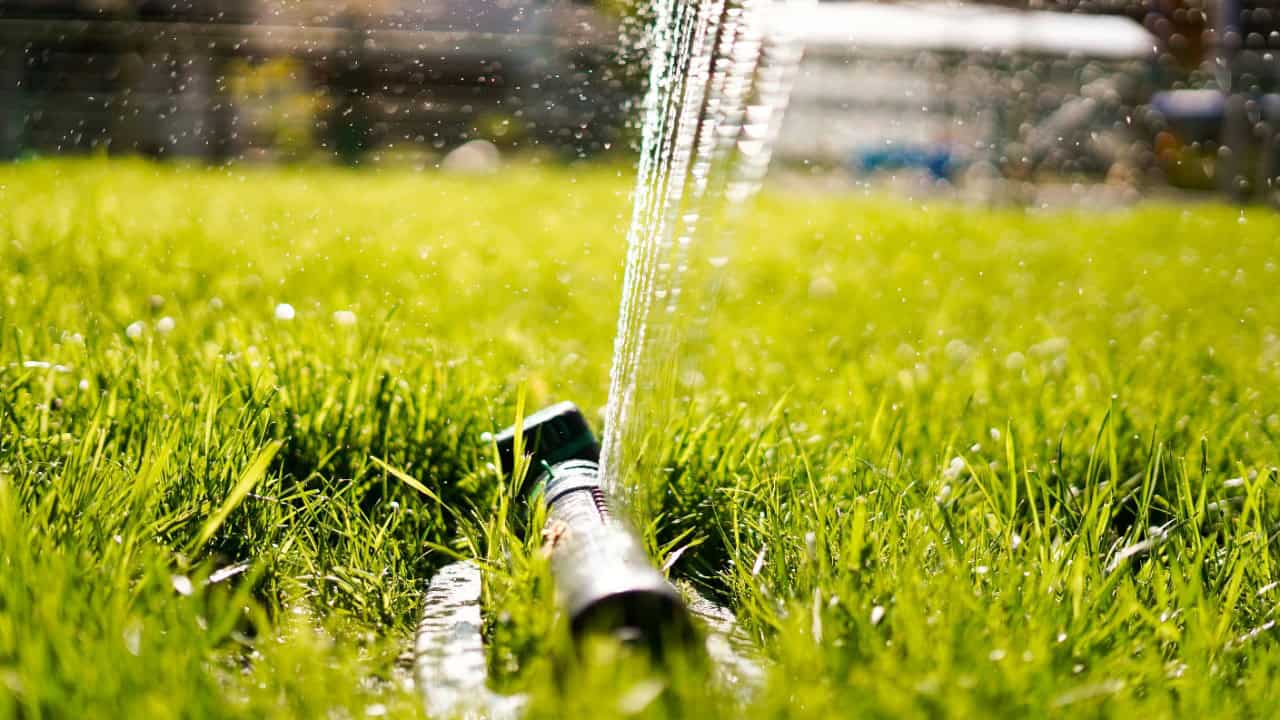
Water is essential for your lawn, but too much can be harmful. Overwatering can lead to shallow root growth, making your grass susceptible to drought and disease. It can also create a soggy environment that encourages the growth of moss and other lawn pests.
Advertisement
Instead of daily watering, aim to water your lawn deeply but infrequently. This encourages the grass roots to grow deeper, making them more drought-resistant. The amount of water your lawn needs will vary depending on the type of grass, soil, and climate, but a good rule of thumb is to water until the top six to eight inches of soil is moist.
2. Mowing Too Short

Many homeowners make the mistake of cutting their grass too short, thinking that it will save them time and effort. But mowing your grass too short can stress it and make it more susceptible to pests and diseases.
When you mow your lawn, you should never remove more than one-third of the grass blade at a time. This will allow your lawn to recover more quickly, and the longer grass blades will shade the soil, reducing water evaporation and preventing weed growth.
3. Ignoring Soil pH

The pH level of your soil has a significant impact on the health and color of your lawn. If your soil’s pH is too high (alkaline) or too low (acidic), it can prevent your grass from absorbing the essential nutrients it needs to thrive.
To maintain a healthy lawn, it’s crucial to test your soil’s pH regularly and adjust it as necessary. Most types of grass thrive in slightly acidic soil with a pH between 6 and 7. If your soil’s pH is outside this range, you can use lime to raise it or sulfur to lower it.
4. Neglecting Aeration

Over time, your lawn can become compacted, especially in high-traffic areas. This compaction makes it difficult for air, water, and nutrients to penetrate the soil and reach the grass roots.
Aerating your lawn can help relieve this compaction. It involves removing small plugs of soil from your lawn to create channels for air, water, and nutrients to reach the roots. You can rent an aerator or hire a professional to do the job. It’s best to aerate your lawn in the spring or fall, when the grass is actively growing.
5. Using the Wrong Fertilizer
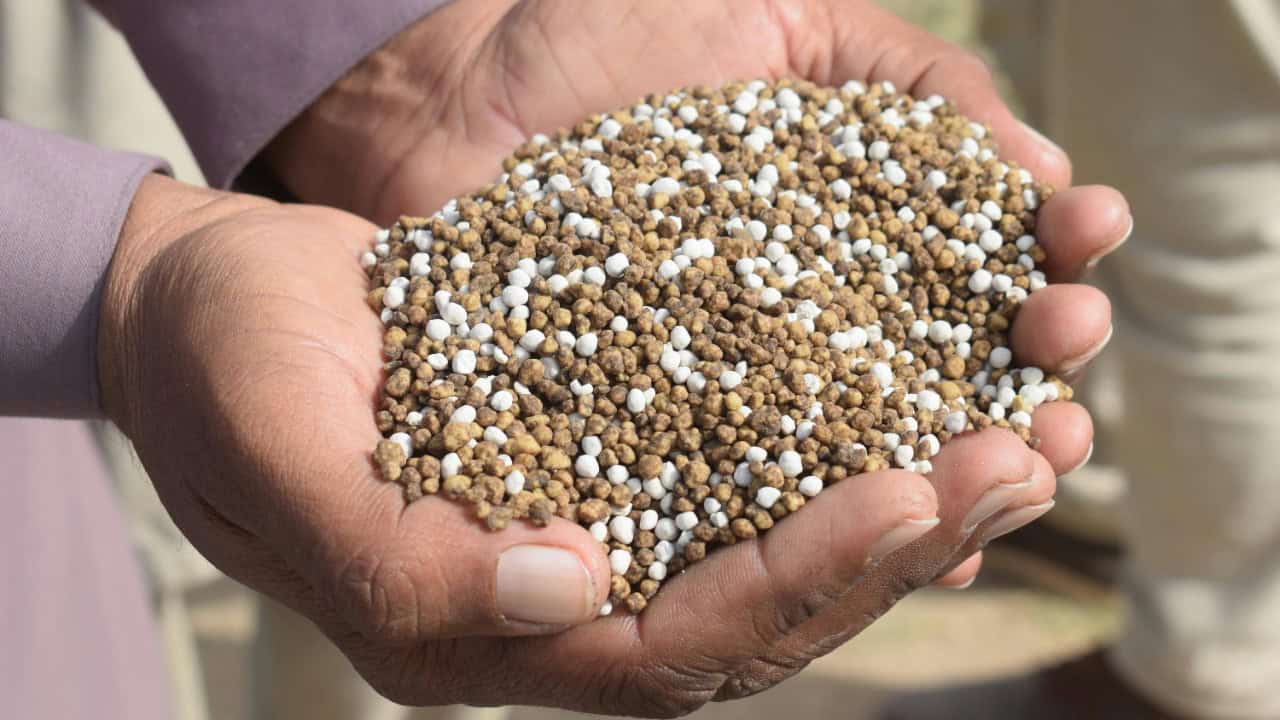
Fertilizer can provide your lawn with the nutrients it needs to grow lush and green. But using the wrong type or applying it incorrectly can do more harm than good.
When choosing a fertilizer, consider your grass type, soil condition, and the time of year. Also, make sure to follow the manufacturer’s instructions regarding how much to apply and how often. Over-fertilizing can burn your grass and lead to rapid, weak growth.
6. Ignoring Weeds

Weeds can be a major problem for lawns. They compete with your grass for space, light, water, and nutrients, and they can quickly take over if not controlled.
To keep weeds at bay, maintain a healthy, dense lawn that can outcompete weeds. If you do notice weeds, remove them as soon as possible before they have a chance to spread. You can also use a pre-emergent herbicide in the spring to prevent weed seeds from germinating.
7. Leaving Clippings on the Lawn
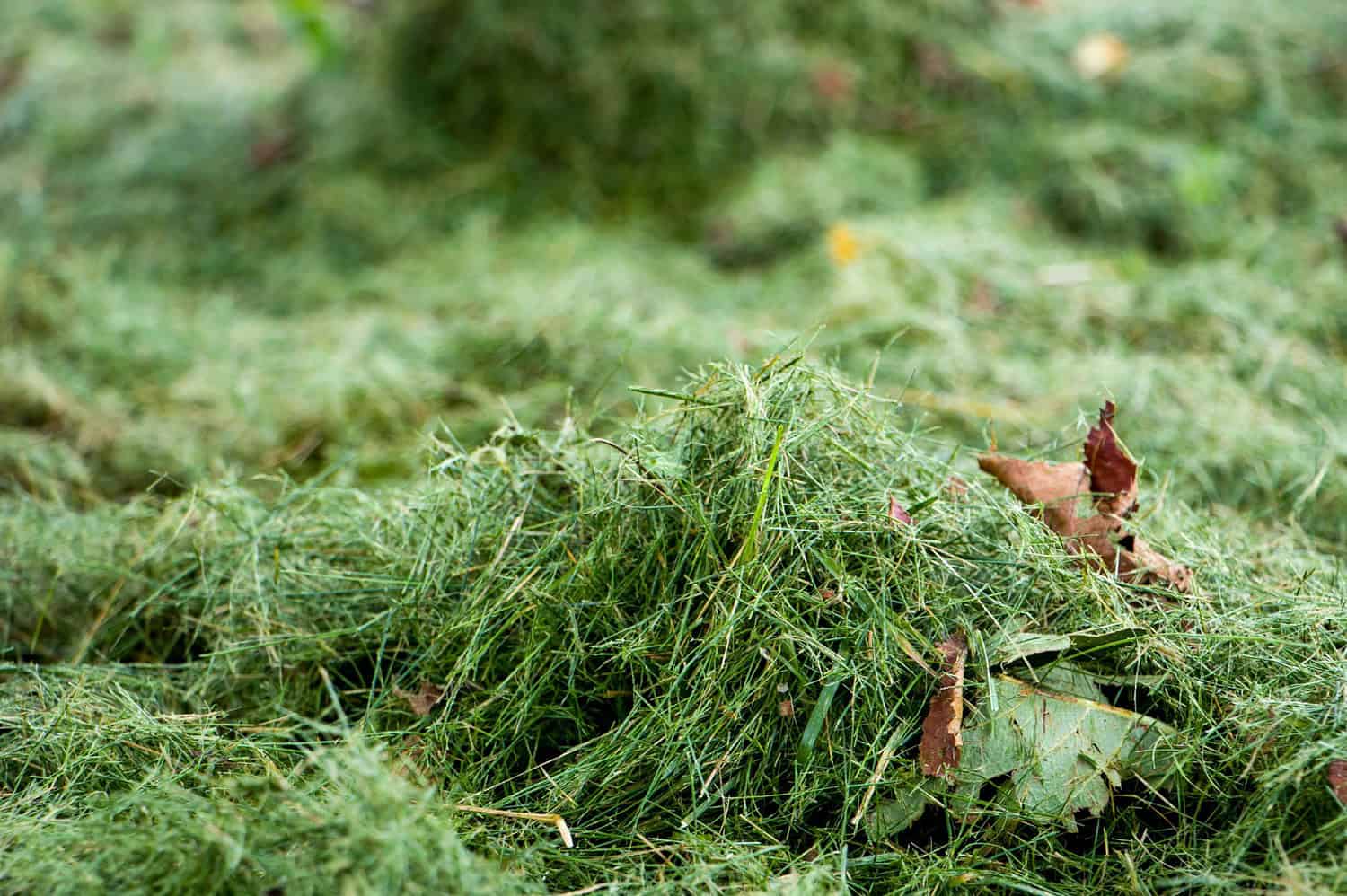
Many people believe that leaving grass clippings on the lawn can lead to thatch buildup. But this isn’t true. Grass clippings are mostly water and decompose quickly, returning valuable nutrients to the soil.
Instead of bagging your clippings, consider mulching them. Mulching mowers cut the grass into fine pieces that fall back onto the lawn and decompose quickly. This not only saves you the time and effort of bagging, but also reduces waste and provides your lawn with a free source of nutrients.
8. Not Raking Leaves

Leaves can smother your lawn and create a moist, dark environment that encourages disease and pests. But raking leaves is a chore that many of us would rather avoid.
If you have a small number of leaves, you can mow over them and mulch them into your lawn. But if you have a heavy leaf cover, it’s best to rake them up and compost them or dispose of them properly.
9. Never Changing Mower Blades

Dull mower blades can tear the grass, leading to a ragged cut that looks brown and unattractive. It can also make your grass more susceptible to pests and diseases.
To keep your lawn looking its best, sharpen your mower blades at least once a year or more often if you mow frequently. A sharp blade will cut the grass cleanly, resulting in a healthier, more attractive lawn.
10. Overlooking Pest Problems
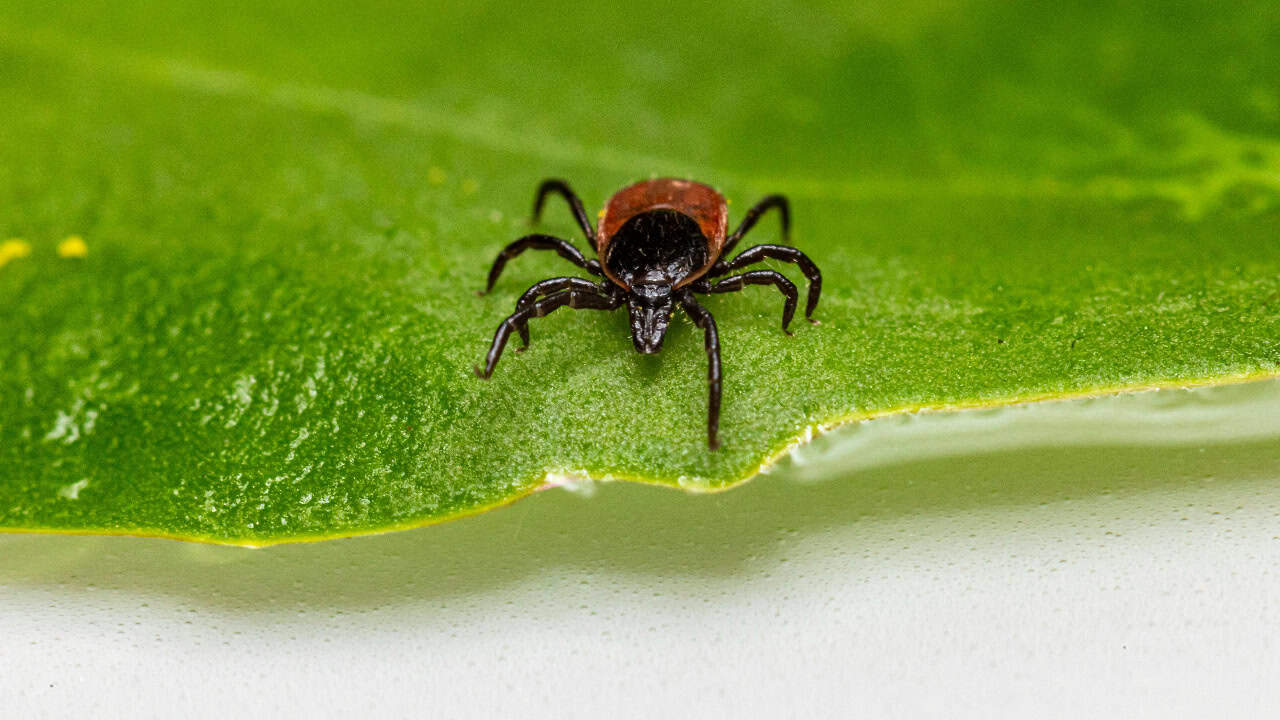
Lawn pests can cause significant damage to your lawn if left unchecked. Common lawn pests include grubs, sod webworms, and chinch bugs.
If you notice irregular brown patches in your lawn, or if your grass pulls up easily, you may have a pest problem. There are numerous products available to treat lawn pests, but it’s crucial to correctly identify the pest before applying any treatment.
11. Misusing Herbicides
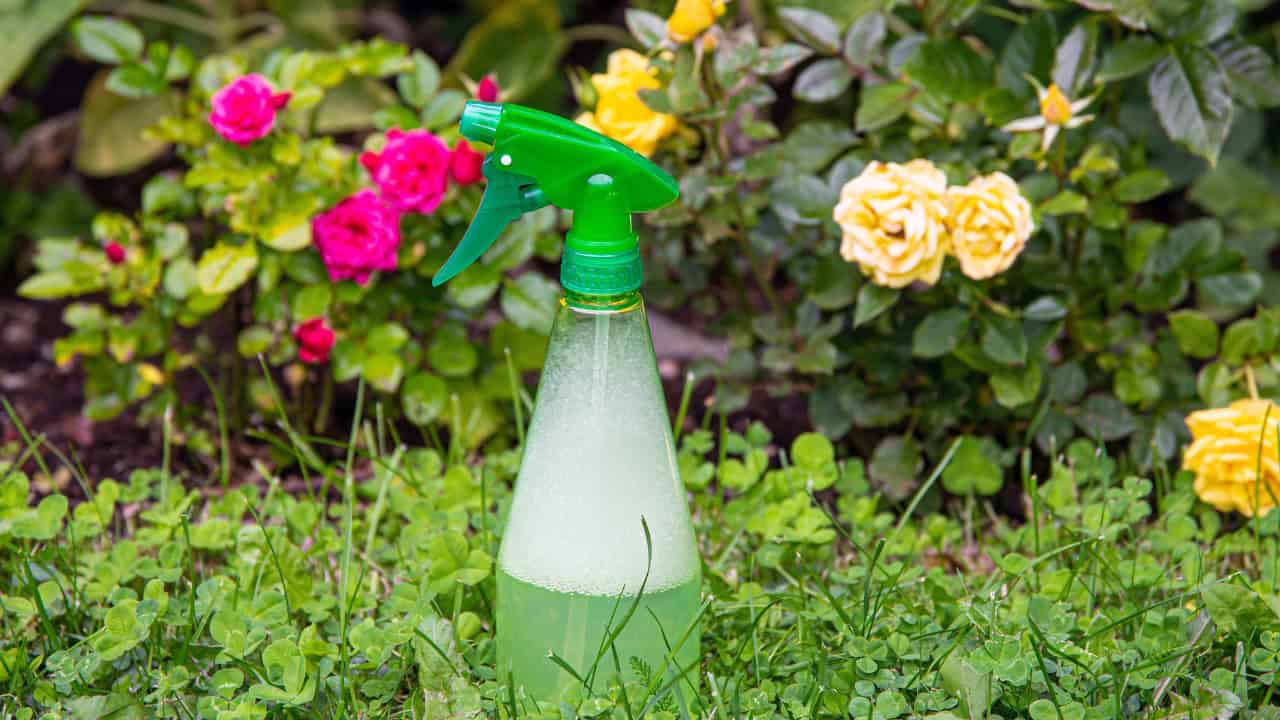
Herbicides can be an effective tool for controlling weeds in your lawn. However, misuse of these chemicals can harm your lawn and the environment.
Always read and follow the label instructions on any herbicide product. Apply the correct amount at the right time, and avoid applying if rain is forecast, as this can wash the herbicide into nearby waterways.
12. Not Seeding Bare Patches

Bare patches in your lawn not only look unsightly, but they also provide an opportunity for weeds to take hold.
If you have bare patches in your lawn, reseed them as soon as possible. Prepare the soil by raking it lightly, then spread the grass seed and lightly rake it in. Keep the area moist until the new grass is established.
13. Ignoring Disease Signs

Lawn diseases can cause significant damage if left untreated. Common signs of disease include irregular patches of discolored grass, yellowing, wilting, and a thinning lawn.
If you suspect a disease, it’s important to identify it correctly and apply the appropriate treatment. A lawn care professional can help with this.
14. Not Adapting to the Climate

Your local climate has a significant impact on your lawn. What works in one region may not work in another.
Understand the climate in your area and choose grass varieties that are well-suited to it. Adjust your watering, mowing, and fertilizing practices to suit the local conditions. By working with your climate, rather than against it, you can have a greener, healthier lawn.