When you schedule a home inspection, the inspector quickly focuses on key areas that reveal the condition of the property. These initial observations help highlight potential issues that might need your attention before moving forward.
Knowing what home inspectors notice immediately can give you an advantage when buying a home. Understanding their priorities helps you be more prepared and ask the right questions during the process.
Advertisement
Electrical wiring and outlet conditions
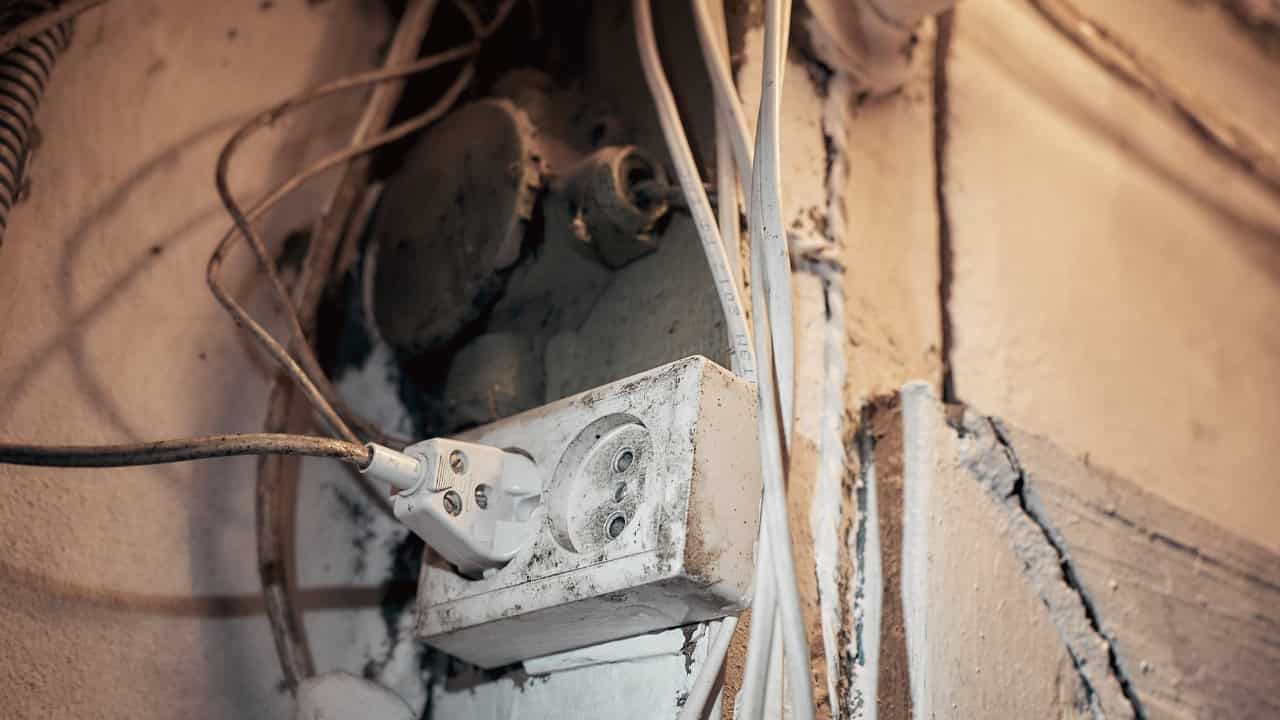
You’ll want to check if the wiring is outdated, especially in homes built before 1990. Old wiring can be a safety hazard and might not meet current standards.
Inspectors often notice when extension cords are used like permanent wiring—this means you probably need more outlets in your home.
Look for outlets that are warm, discolored, or emitting a burning smell, as these can be signs of trouble.
Unprotected cables within reach should be inside walls or conduit to prevent damage and ensure safety.
Signs of water damage on ceilings and walls
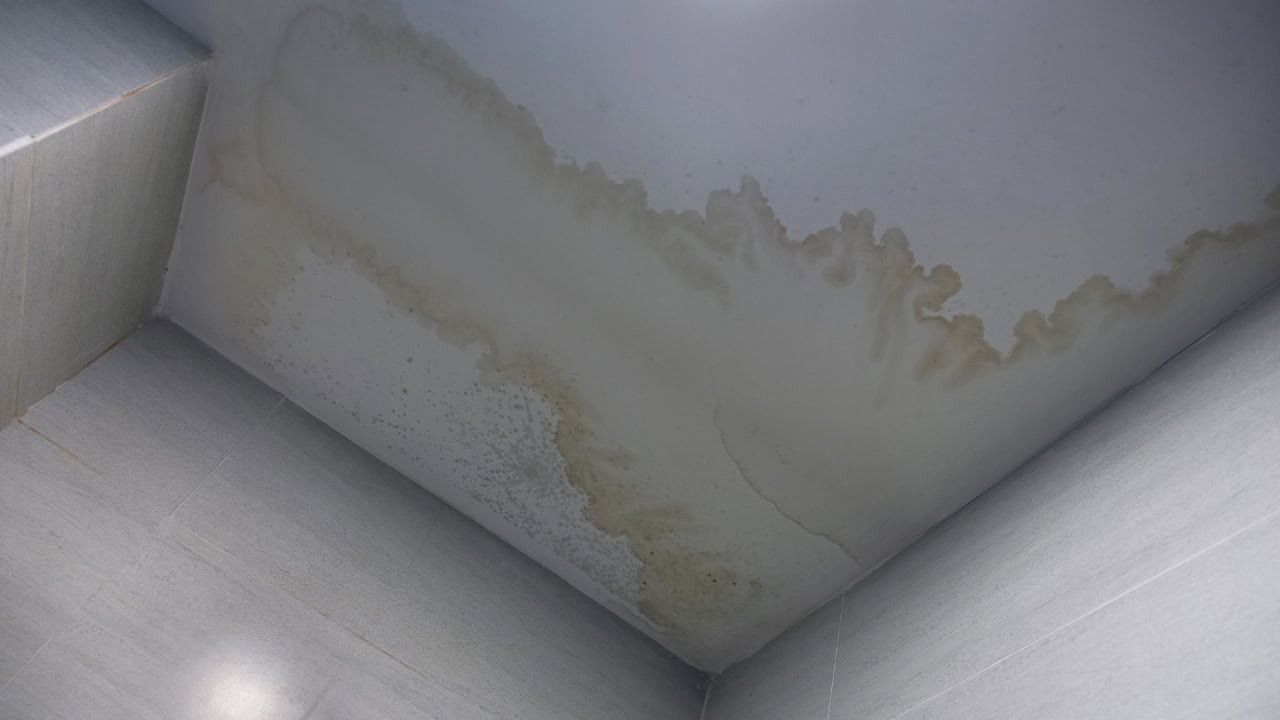
You might notice discoloration or stains on your ceilings and walls. These often appear as yellow, brown, or faded patches that don’t wash off.
Check for peeling paint or wallpaper, which can mean moisture is trapped behind the surface. Sometimes, walls feel soft or spongy when you press them, hinting at hidden damage.
A musty smell or visible mold growth is a clear warning you shouldn’t ignore. Using tools like moisture meters can help confirm if water is present where you can’t see it.
Roof issues like loose shingles
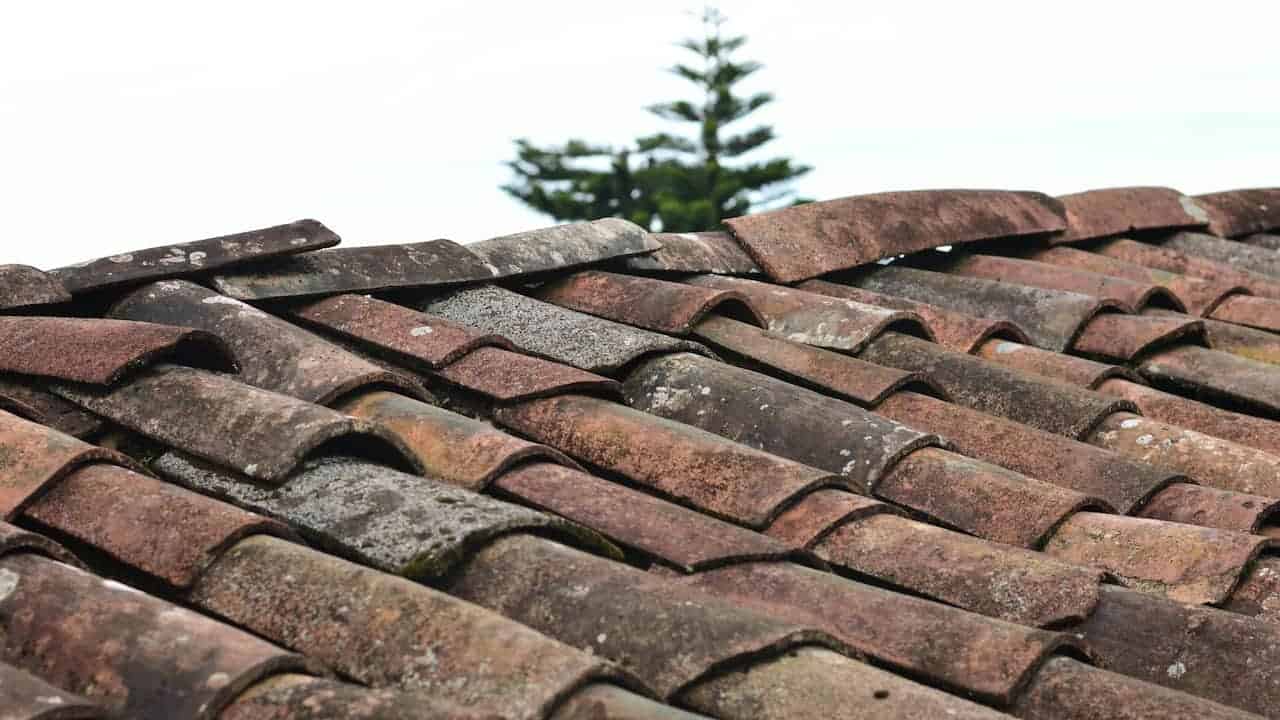
When you have loose or missing shingles, it’s an immediate red flag for home inspectors. These can allow water to seep in, causing damage to your roof and the structure beneath.
You might notice curled or cracked shingles, which often indicate wear and tear or poor installation. Addressing these early can save you from costly repairs down the line.
Inspectors also look for granule loss on shingles, a sign your roof is aging and may need attention soon.
Clogged or damaged gutters
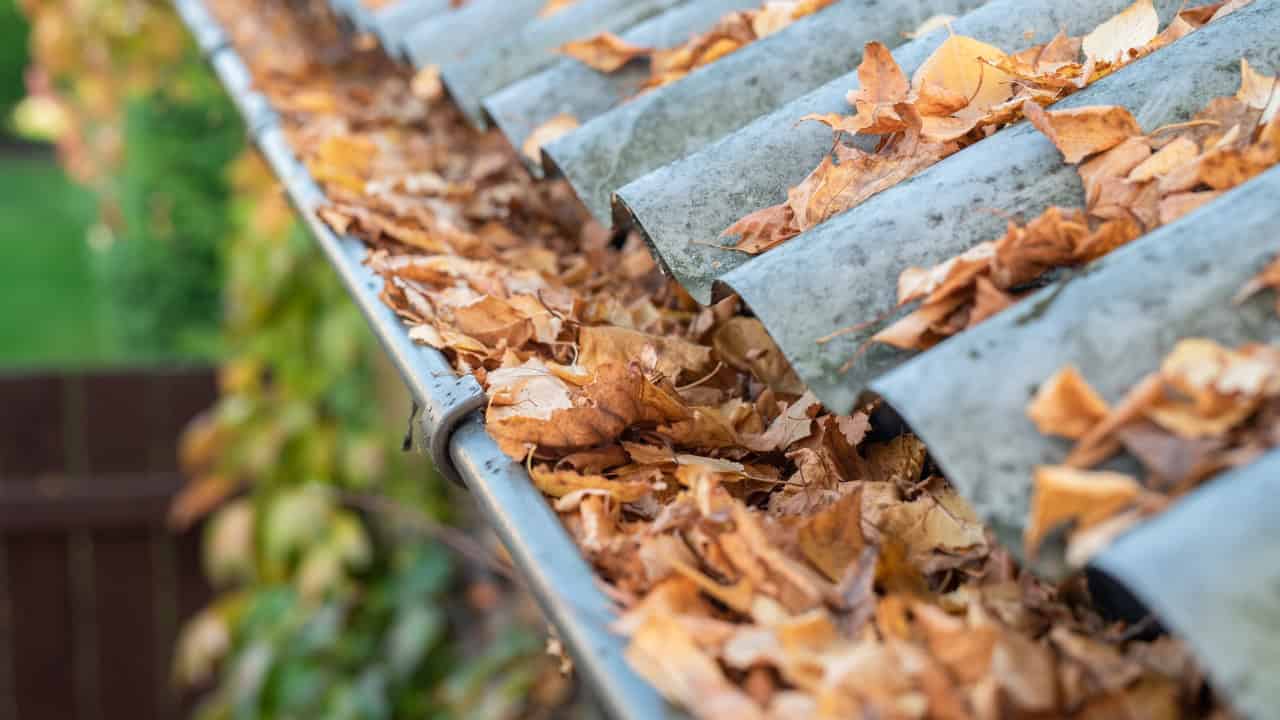
You’ll want to keep an eye on your gutters because clogged or damaged ones can cause water to pool near your home. This might lead to foundation problems, basement flooding, or even mold growth.
If you notice leaks, cracks, or gutters pulling away from your house, it’s a good sign they need attention. Regular checks help prevent costly repairs and keep water flowing properly away from your home.
Cracks or holes in exterior walls
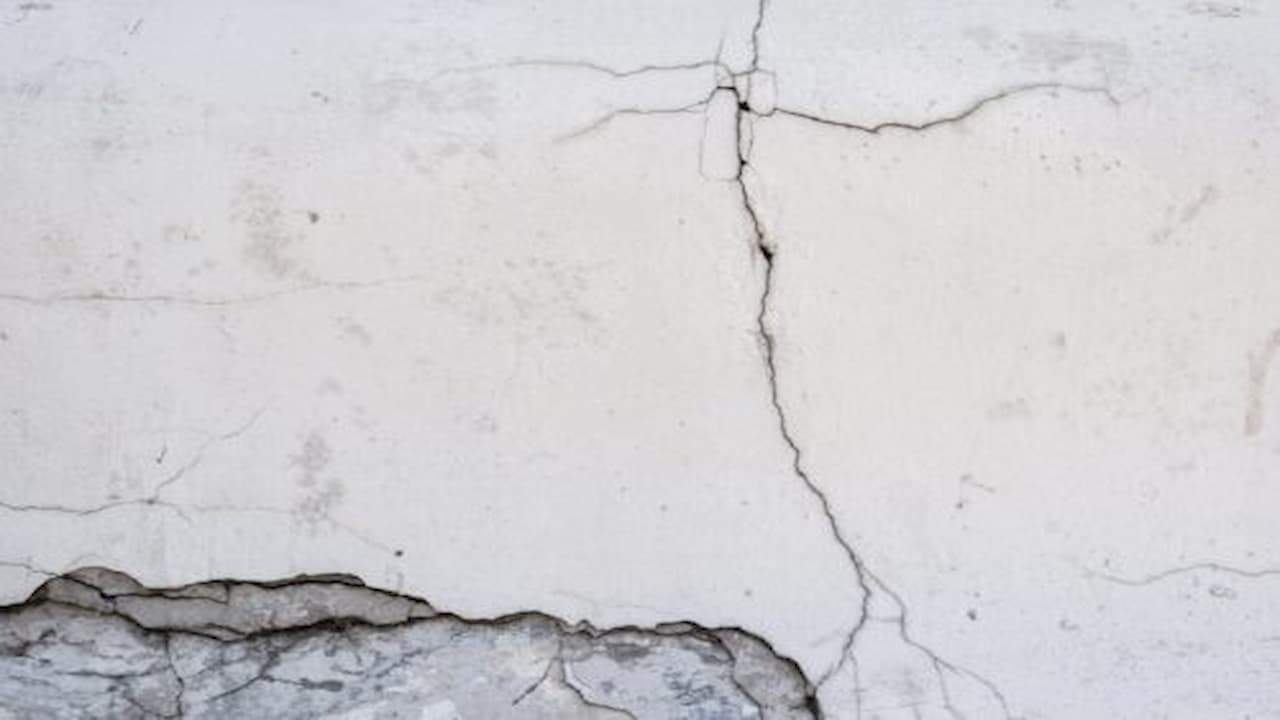
When you spot cracks or holes in your exterior walls, they can let water sneak inside. This can cause damage over time if not addressed quickly.
Small cracks might seem harmless, but they can signal shifting or settling of your home’s foundation.
It’s a good idea to keep an eye on these areas and get them checked during your home inspection. Catching issues early helps you avoid bigger repairs later.
Warped floors or damp carpets
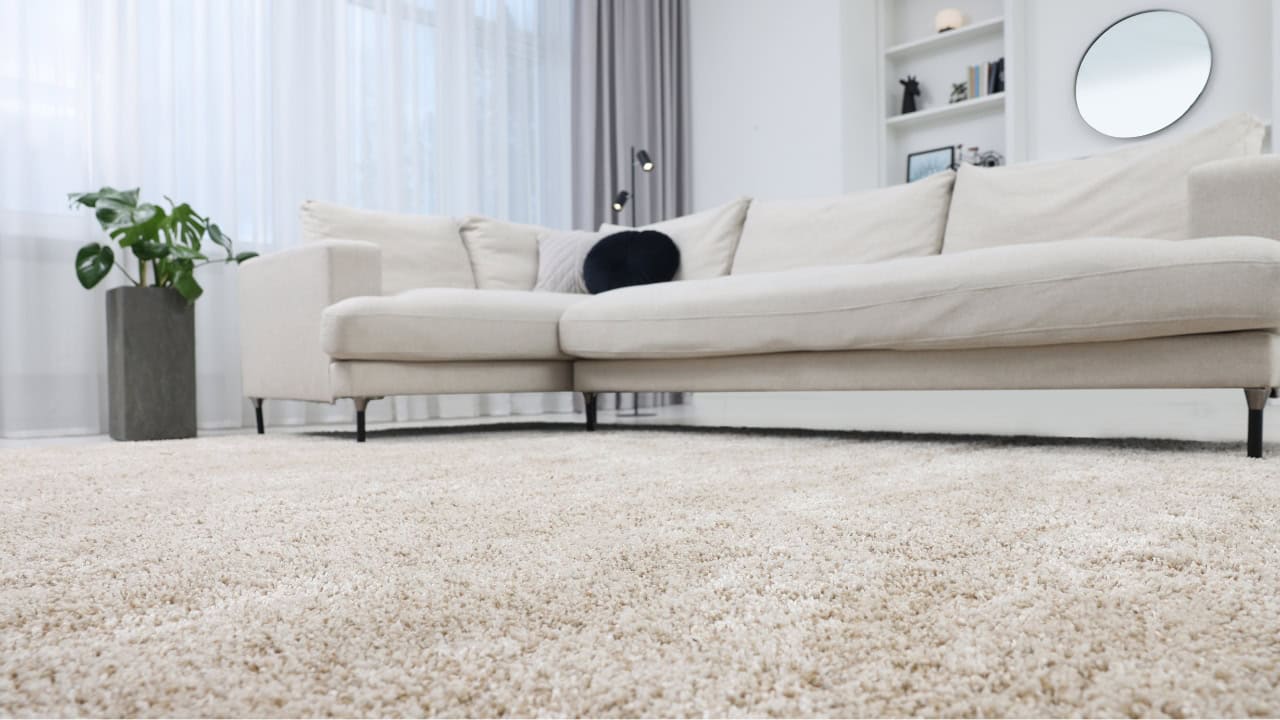
If you notice uneven or warped floors, it could be a red flag for water damage beneath the surface. Inspectors often spot this right away because it affects the home’s structure.
Damp carpets may also signal leaks or moisture issues. You might not see the cause immediately, but the smell or texture can clue you in.
These signs are important because they often point to hidden problems you’ll want to address before buying or repairing your home.
Mold or mildew presence
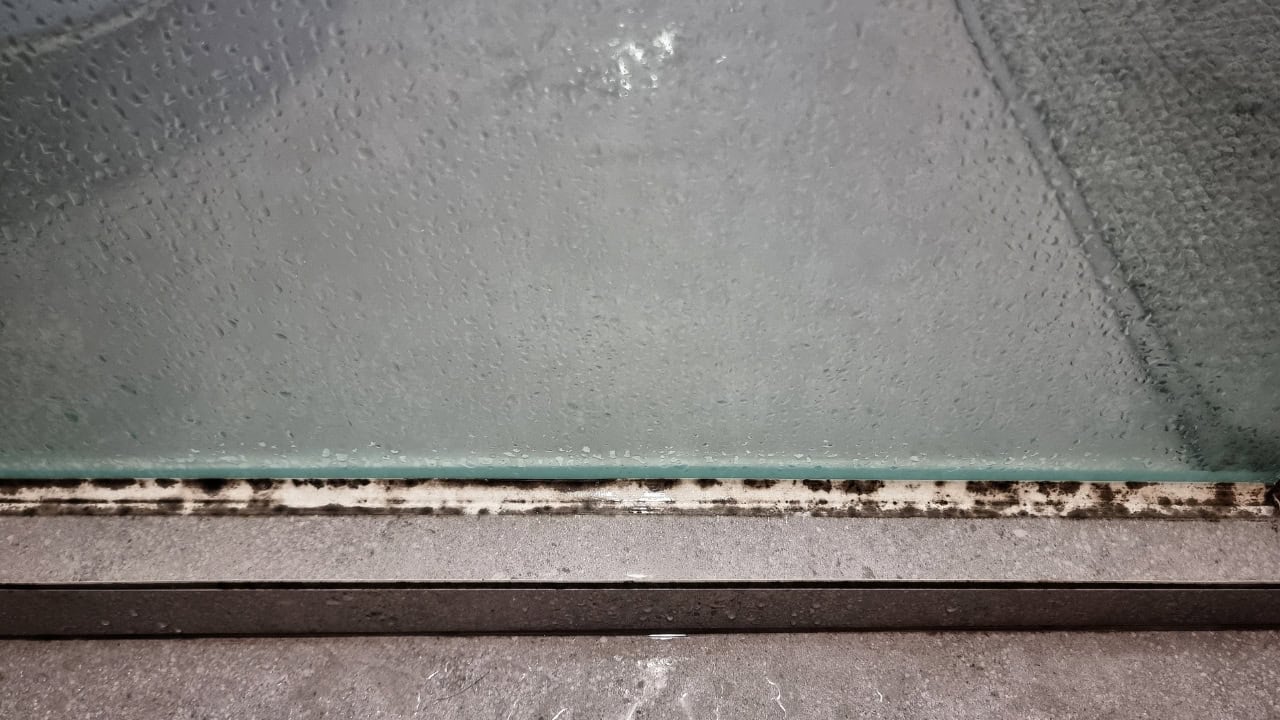
When you have a home inspected, mold or mildew often catches the inspector’s eye right away. They look closely at areas where moisture tends to build up, like bathrooms, kitchens, and basements.
You might notice musty odors or visible spots on walls or ceilings. These signs suggest mold could be growing, which is a concern for both your home’s condition and your health.
If mold is found, the inspector will recommend that you bring in a specialist to assess and handle the issue properly.
Peeling paint or wallpaper
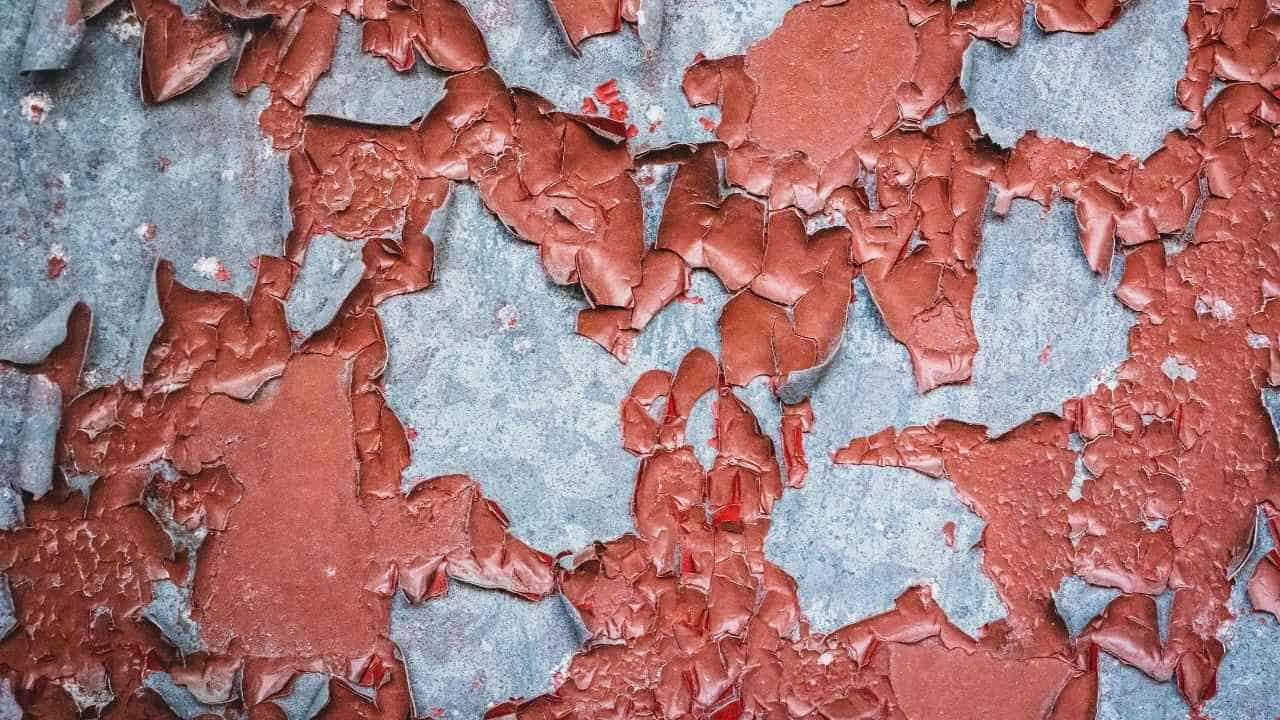
When you see peeling paint or wallpaper, it often signals moisture problems behind the surface. This could mean a leak from plumbing or the roof that needs attention.
As a homebuyer or owner, you should know inspectors pay close attention to these signs. They can reveal hidden water damage that might lead to mold or structural issues later.
Older homes with peeling paint might also raise concerns about lead-based paint, especially if built before 1978. This is something you want to be aware of during an inspection.
Functionality of plumbing fixtures
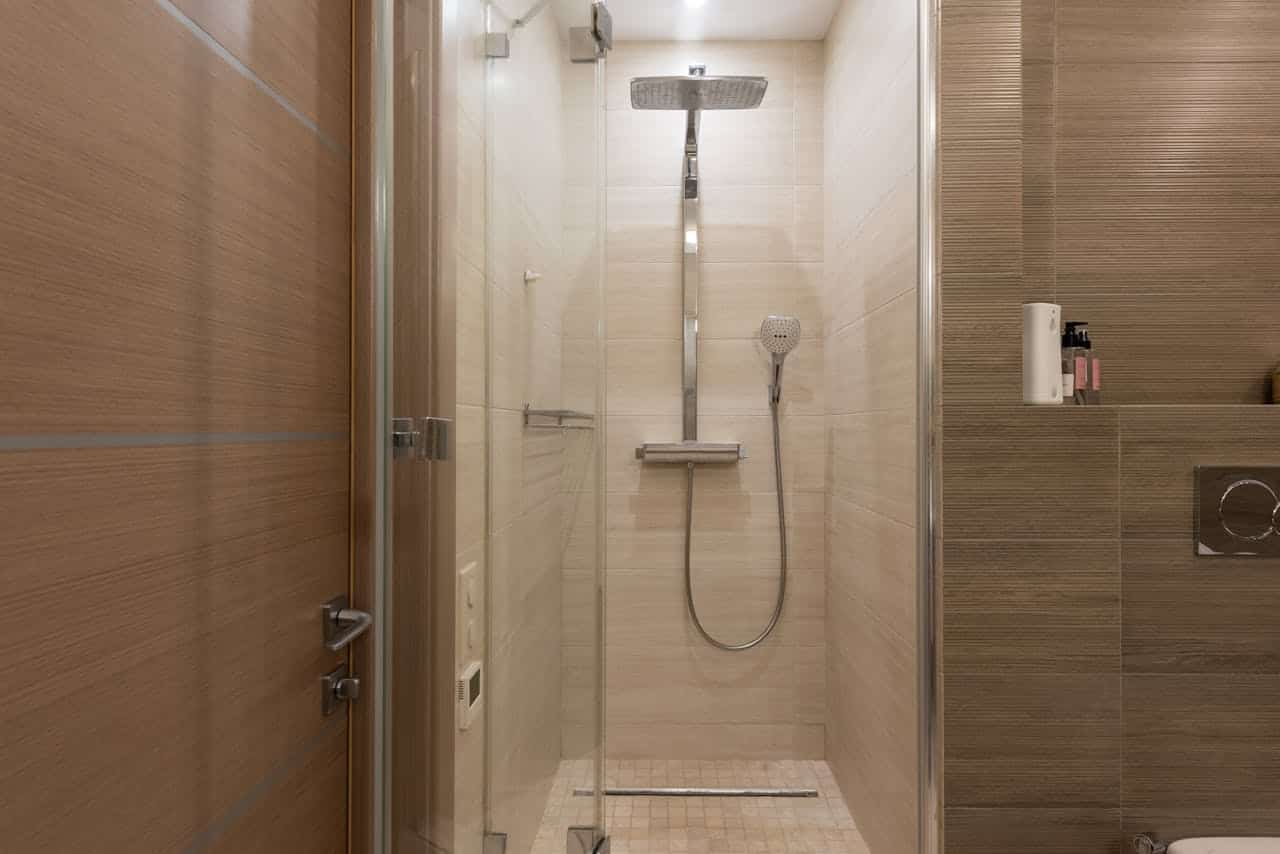
When inspectors check your plumbing fixtures, they test how well faucets, showerheads, and valves work. They watch for leaks, drips, or slow drainage that could signal problems.
You’ll want all fixtures to operate smoothly without strange noises or weak water flow. Inspectors also confirm that shut-off valves are accessible in case you need to stop the water quickly.
If anything seems off, they may suggest getting a qualified plumber to look closer. This helps prevent minor issues from turning into costly repairs later.
Condition of circuit breakers
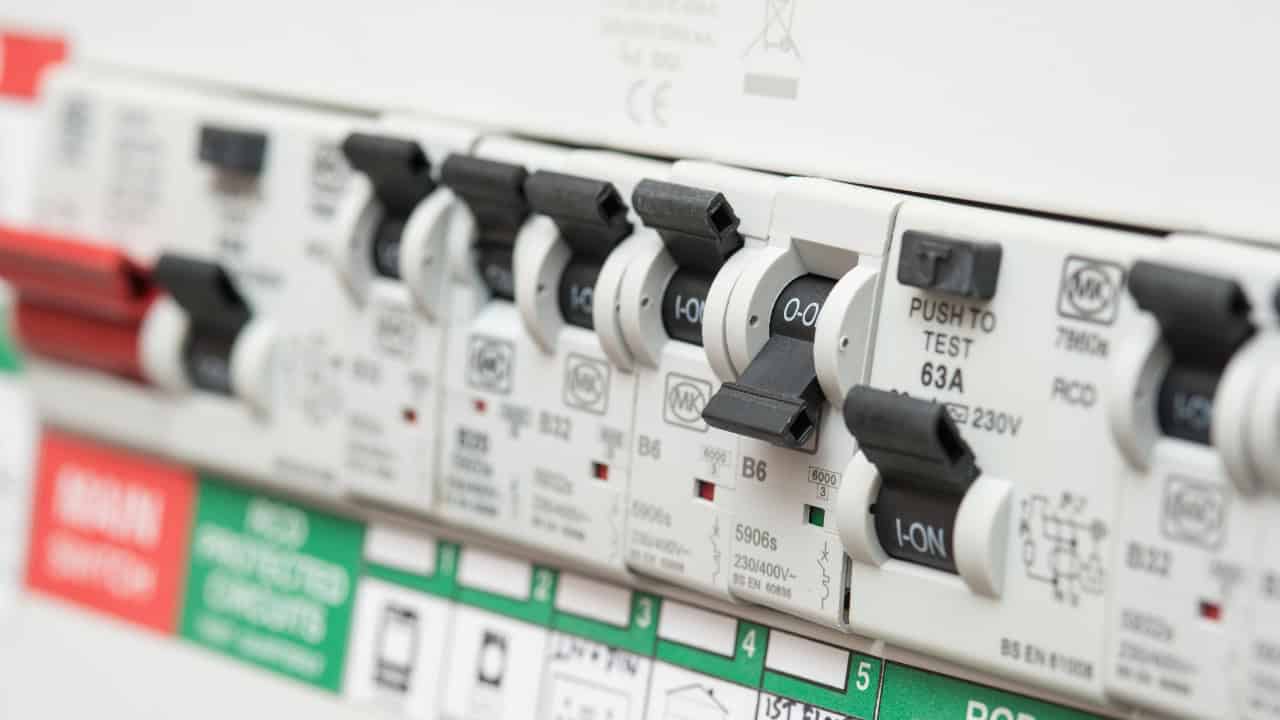
When inspecting your home, the condition of your circuit breakers is important. You’ll want to check if any breakers are hot to the touch, which could mean they are overloaded or malfunctioning.
Also, look for breakers that frequently trip or won’t reset properly. These can indicate underlying electrical issues.
If your breakers are tandem type, make sure they are installed correctly and not overloaded beyond their capacity. Regular inspections can help keep your system safe.
Leaky pipes or low water pressure
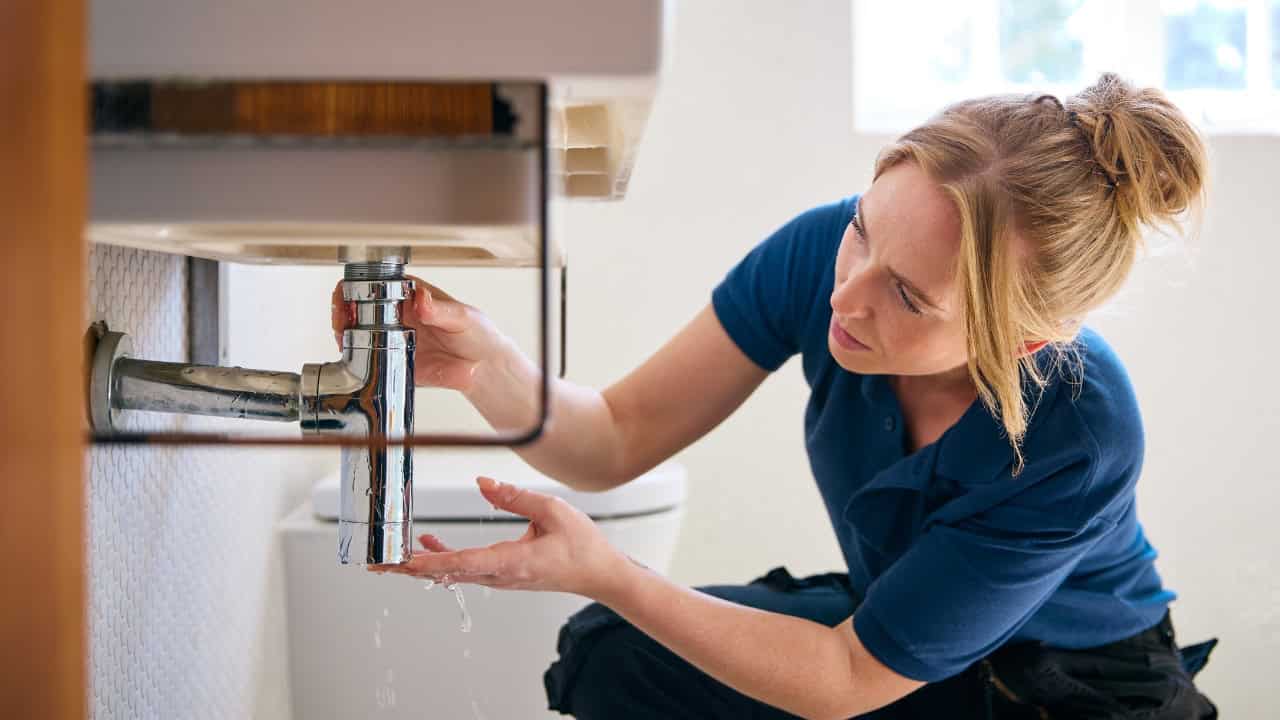
If you notice low water pressure in your home, it might be more than a minor annoyance. It can signal leaks or blockages in your plumbing system.
Leaky pipes often cause water damage and higher bills, which home inspectors spot quickly.
Keeping an eye on water flow and fixing issues early helps avoid bigger problems. A professional inspection is a good idea if you suspect leaks or weak pressure.
Basement moisture or signs of pests

When you walk into a basement, inspectors look closely for moisture problems. Damp walls, soggy wood, or a musty smell can mean water issues that need fixing.
Pests are another sign of trouble. Basements often attract insects like termites or millipedes, especially where it’s damp. If you spot damaged wood or crawling bugs, these are important red flags your inspector will note.
Condition of HVAC systems
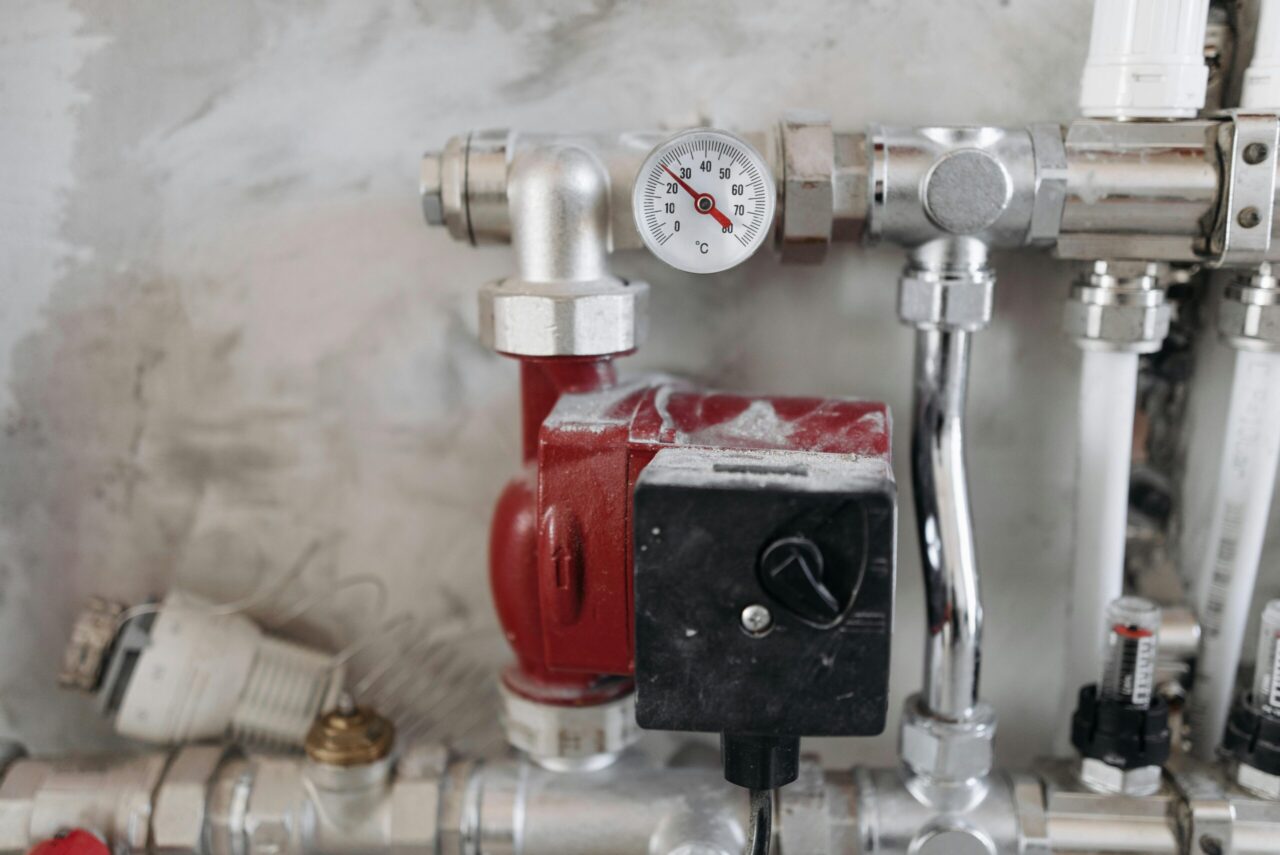
When a home inspector checks your HVAC system, they look for obvious issues like broken vents or missing covers. Inadequate airflow or uneven heating and cooling are common signs they’ll notice right away.
Dirty filters and blocked ducts can reduce efficiency and comfort in your home. Inspectors may also spot worn components or leaks that could lead to bigger problems if not addressed.
Smoke and carbon monoxide detectors
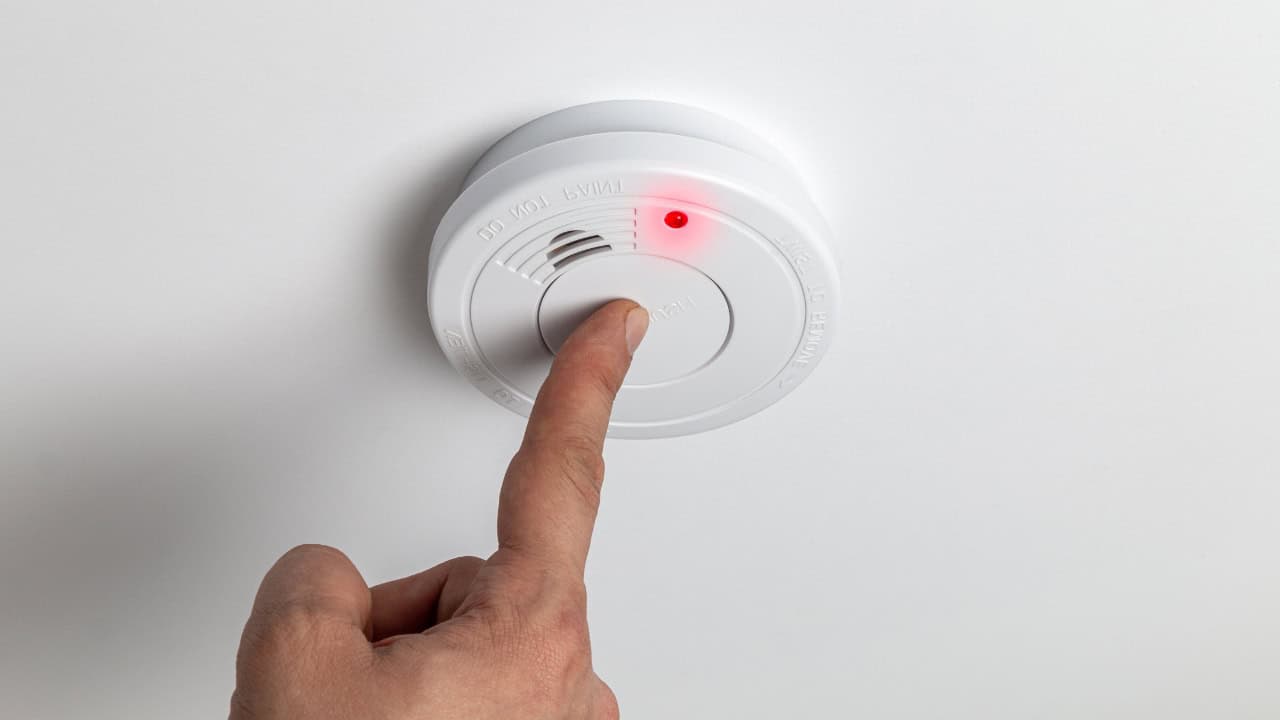
When your home inspector checks your house, they’ll look closely at your smoke and carbon monoxide detectors. They want to make sure these devices are present, properly installed, and working.
You might not realize it, but missing or malfunctioning detectors are a safety risk. Your inspector will report on their location and condition to help keep you safe.
If detectors are outdated or recalled, your inspector may advise you to replace them. Having reliable detectors is a simple way to protect your family.