Preparing your garden for drought is an important way to protect your plants and conserve water during dry periods. Taking a few thoughtful steps can help your garden stay healthy and reduce stress on the environment.
By following practical guidelines, you can make sure your garden is better equipped to survive drought conditions while still looking its best. This article will guide you through simple actions that improve soil, choose the right plants, and manage water efficiently.
Advertisement
Water deeply once a week to promote deep root growth
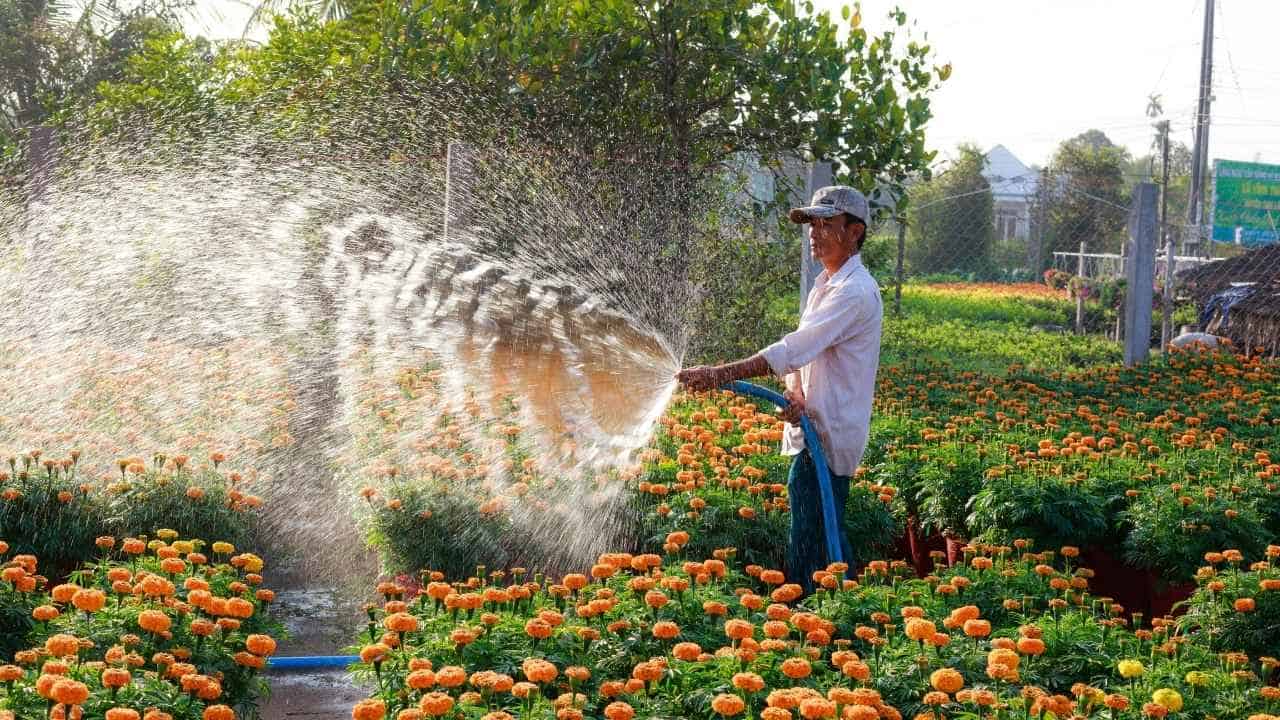
Watering deeply encourages your plants to develop strong roots below the surface. These deeper roots can reach moisture that shallow roots can’t during dry spells.
Instead of frequent shallow watering, give your plants a slow, thorough soak once a week. This helps the soil retain moisture longer and supports healthier growth.
Use a hose or watering wand to deliver water slowly to the base, allowing it to soak in well. Morning watering is best to avoid leaf fungus.
Apply 2-3 inches of mulch to retain soil moisture

You should spread 2 to 3 inches of mulch over your garden beds. This thickness helps keep the soil cool and reduces water evaporation.
Keep the mulch a few inches away from plant stems or tree trunks to avoid rot. After spreading, lightly water the mulch to help it settle and start retaining moisture.
Add compost or well-rotted manure to improve soil water retention
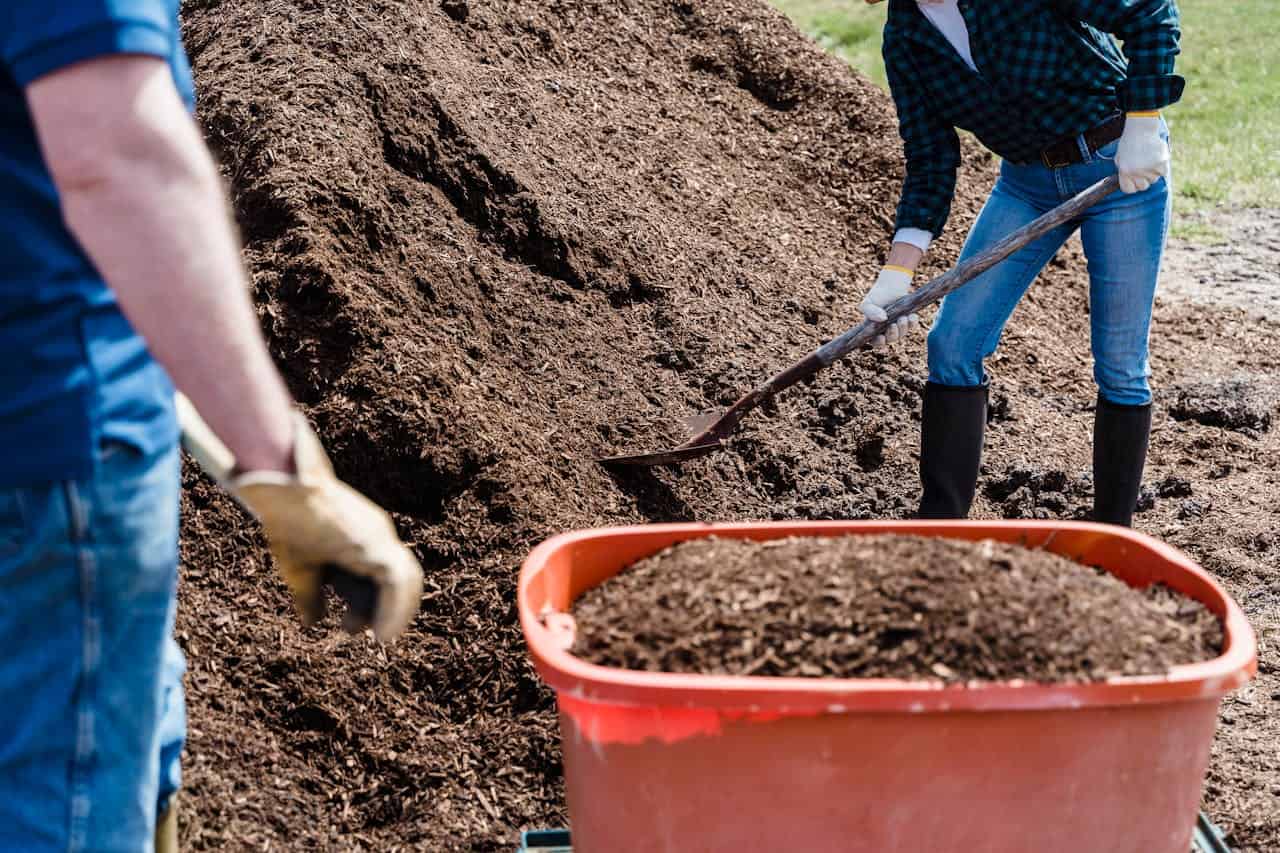
Adding compost or well-rotted manure to your soil can help it hold water better. Mix 2-4 inches of these materials into the top 6-12 inches of soil before planting.
This improves soil structure, making it easier for roots to access moisture. It also supports beneficial microbes that help keep the soil healthy and fertile.
Choose drought-tolerant plants like lavender or succulents
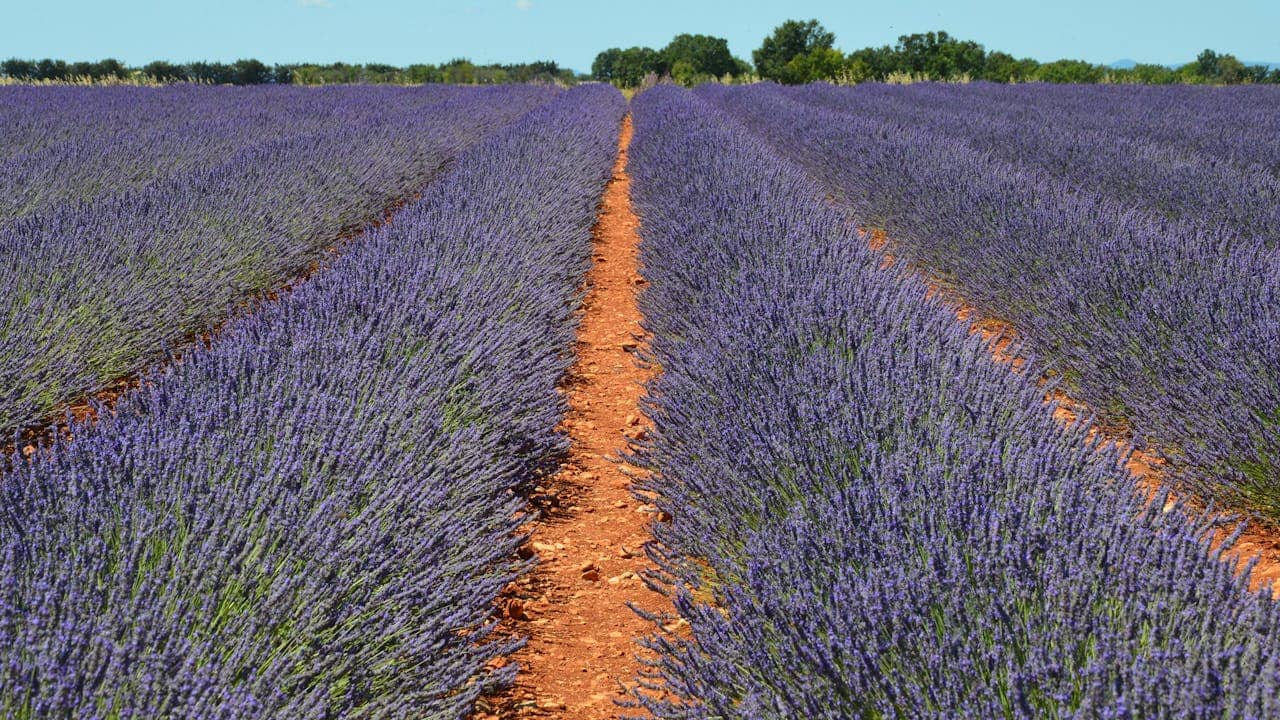
You can save water by selecting plants that handle dry conditions well. Lavender is a great choice because it thrives in dry climates and adds lovely color to your garden.
Succulents are another smart option. They store water in their leaves, so they need less frequent watering and are low maintenance.
Both plants help create a garden that stays healthy during drought without much extra effort from you.
Install drip irrigation for efficient watering

Installing a drip irrigation system helps you deliver water directly to your plants’ roots. This reduces water waste and keeps your garden hydrated more efficiently during droughts.
Start by connecting your system to a reliable water source. Use filters to prevent clogs in the tubing and emitters.
You can set timers to water your plants at optimal times, saving both water and effort. This way, your garden stays healthy with less water.
Collect rainwater with barrels for garden use

You can save a lot of water by collecting rain in barrels. Set up a barrel under your downspout to catch runoff from your roof.
Make sure your barrel has a screen or cover to keep debris and insects out.
Using a faucet at the bottom lets you easily attach a hose or soaker hose. This helps you water your plants without wasting water.
Choose a barrel size that fits your garden’s needs, usually between 50 to 100 gallons.
Check and repair leaks in outdoor faucets
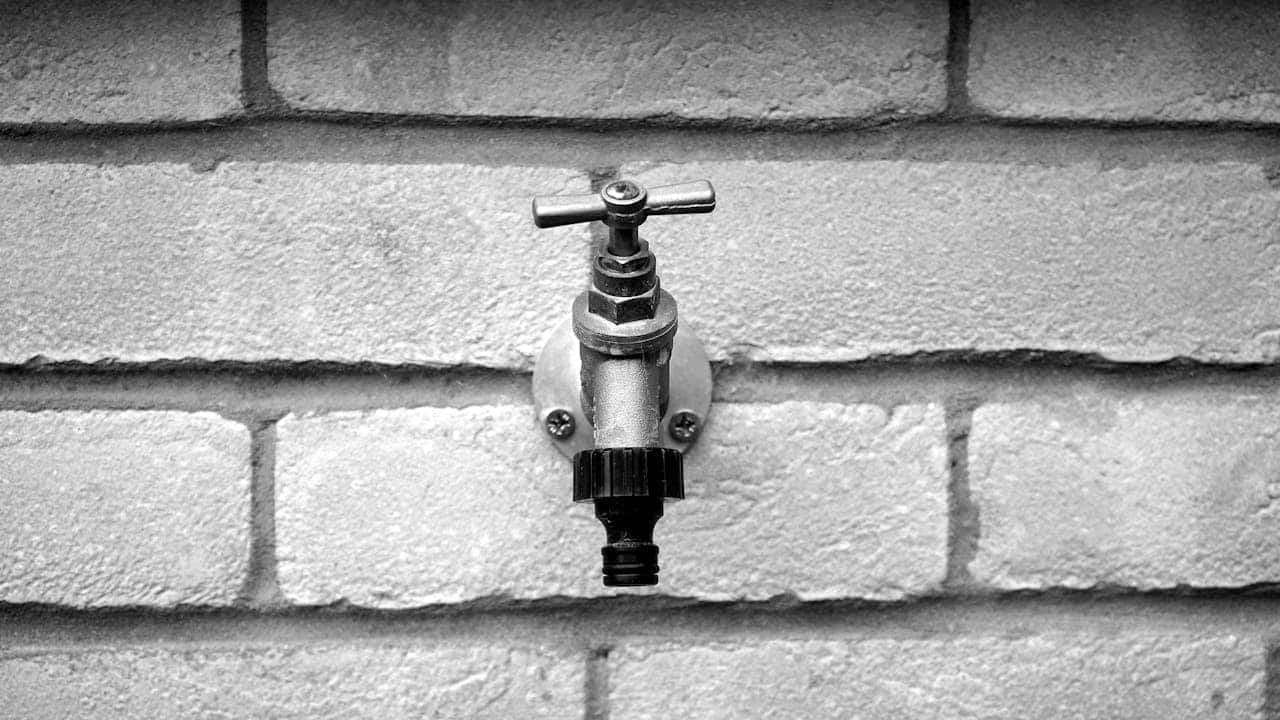
Start by inspecting your outdoor faucets for leaks. Even small drips can waste a surprising amount of water over time.
Turn off the water supply before you begin any repairs to avoid flooding. Then, open the faucet to release any remaining pressure.
Often, a loose packing nut causes leaks. Tighten it gently with a wrench, but don’t overtighten.
If the leak persists, you may need to replace washers or seals. Fixing leaks helps save water and keeps your garden healthy during drought.
Use shade cloth or plant shade trees to reduce evaporation

You can use shade cloth to protect your garden from intense sun, which helps lower water evaporation. Choosing the right shade percentage matters; lighter cloths offer partial shade, while denser ones provide more coverage.
Planting shade trees also reduces sunlight exposure and cools the soil naturally. Both methods create a cooler microclimate, helping your plants stay hydrated longer during drought conditions.
Plan companion planting to help plants support each other

When you plan companion planting, you arrange plants that benefit each other close together. Some plants provide shade, while others repel pests or improve soil health.
This approach can make your garden more resilient during drought by maximizing space and encouraging natural support. Avoid placing incompatible plants, like onions near legumes, so they don’t stunt each other’s growth.
Including herbs and flowers among your vegetables can also help attract beneficial insects and keep your garden thriving with less water.
Water early in the morning to minimize evaporation
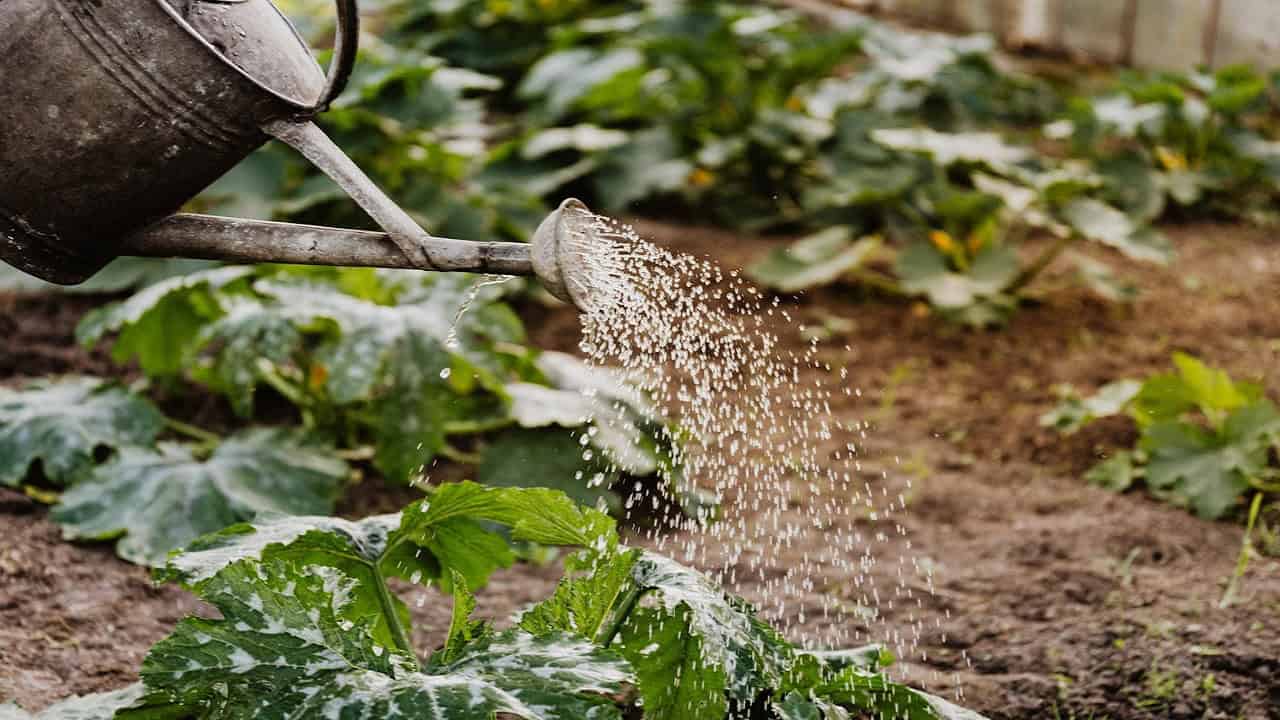
Watering in the early morning helps your garden make the most of every drop. Cooler temperatures mean less water evaporates before reaching the roots.
This simple change can save you a significant amount of water over time. Your plants will also absorb moisture better, supporting stronger growth.
Try to avoid watering during midday when heat causes more evaporation. Early morning watering makes your efforts more efficient and keeps your garden healthier.
Avoid frequent shallow watering that wastes water

If you water your garden too often with light sprays, the roots stay near the surface. This makes your plants weaker and less able to handle dry conditions.
Instead, water deeply but less often. This encourages roots to grow downwards where they can access more moisture.
Try watering thoroughly once or twice a week. It helps your garden use water more efficiently and stay healthier during drought.
Use organic mulch like bark or straw for better insulation

Using organic mulch such as bark or straw helps keep your soil cooler and retains moisture longer. This insulation protects your plants’ roots during hot, dry periods.
These materials break down slowly, adding nutrients to your soil over time. Choose thicker mulches like wood chips or straw for the best moisture retention and temperature control.
Apply a 2- to 3-inch layer to avoid suffocating your plants. This simple step gives your garden a better chance to thrive during drought.
Aerate soil to improve water penetration
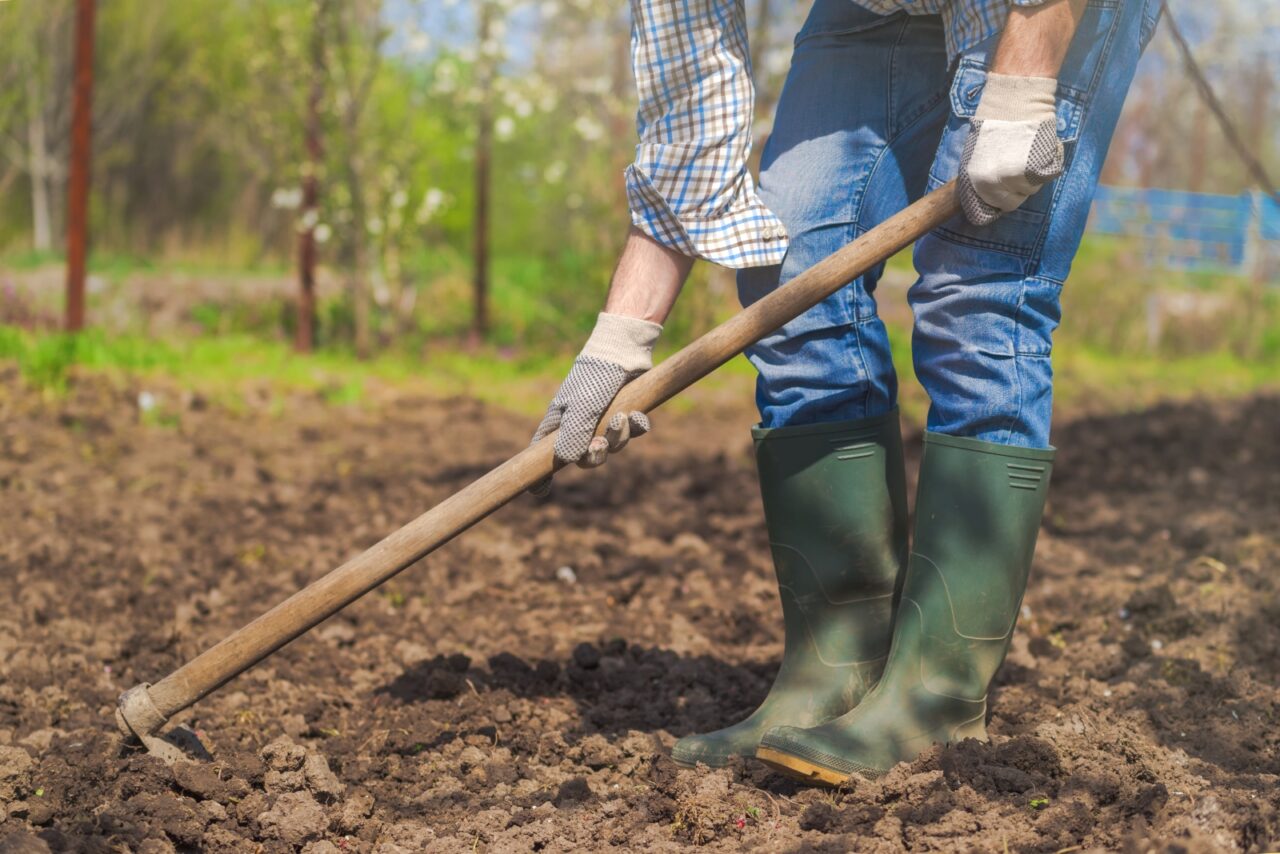
Aerating your soil helps water reach deeper layers more easily. When soil is compacted, water tends to pool on the surface instead of soaking in.
You can use tools like a garden fork or a core aerator to create small holes in the soil. This lets air, water, and nutrients move through better.
Doing this before a dry season helps your plants access moisture longer. It also encourages roots to grow strong and deep.
Plant native species suited to your region’s climate
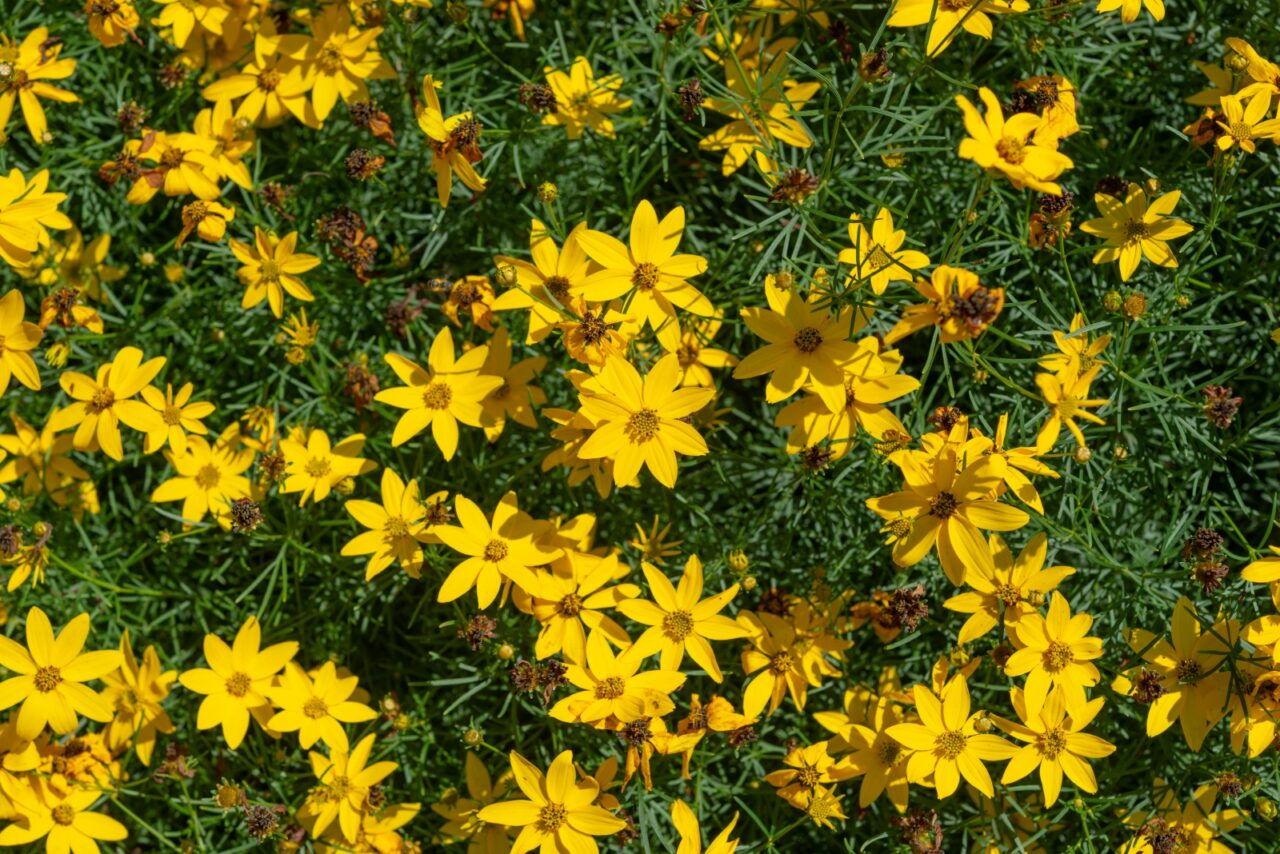
Choosing native plants is one of the best ways to prepare your garden for drought. These plants are naturally adapted to your local climate, so they need less water and care.
You can find native species by checking with local extension services or botanical gardens. Planting them supports local wildlife and helps your garden thrive even in dry conditions.