Spring is the perfect time to give your garden the attention it needs to thrive throughout the year. By focusing on key tasks early on, you can set the stage for a healthier and more productive outdoor space.
Taking care of specific spring garden tasks helps you enjoy a beautiful and bountiful garden all year long. With a little planning and effort, your garden will reward you through every season.
Advertisement
Clean up winter debris from flowerbeds and shrubs

Start by removing leaves, fallen branches, and any dead plant material from your flowerbeds and around shrubs. This helps prevent pests and disease by allowing air and sunlight to reach your plants.
Clearing debris also reduces the risk of mold and creates space for new growth to emerge. Take care not to disturb overwintering beneficial insects while cleaning up.
Prune winter-damaged branches to promote new growth
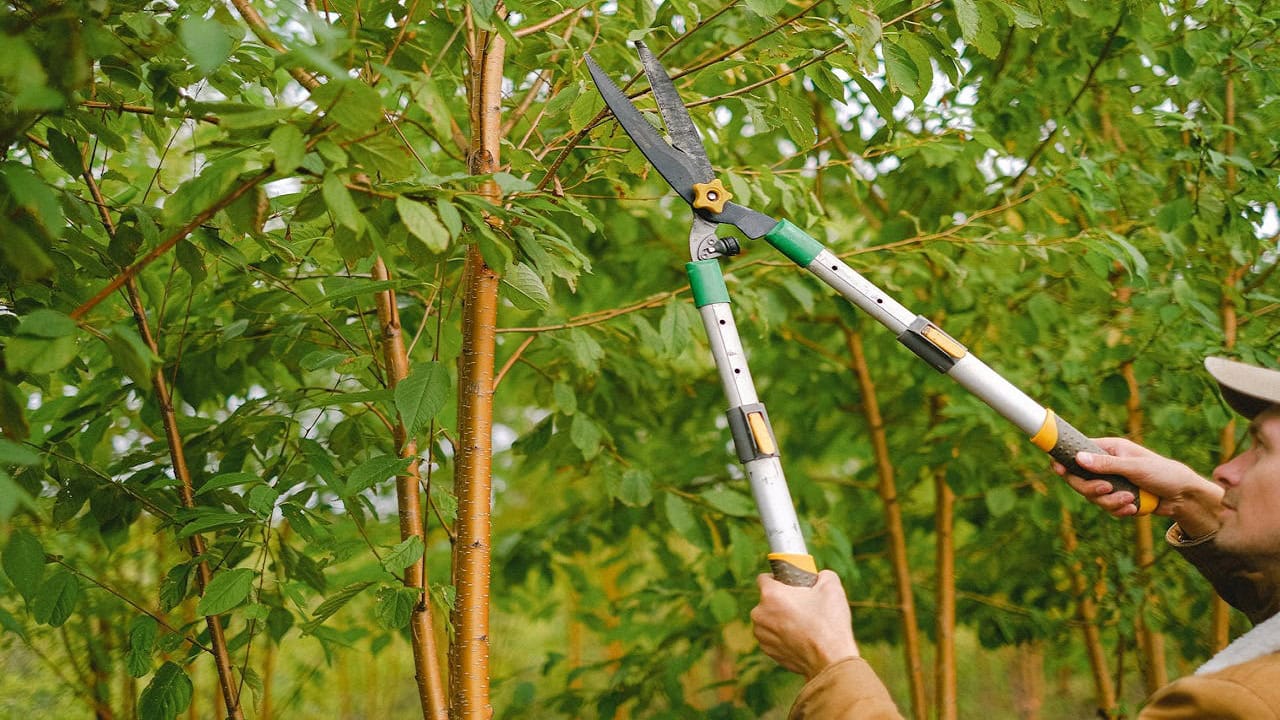
You should remove branches that were damaged by winter as early as spring. This helps your plant focus energy on healthy parts.
Look for branches that are dead or cracked. Cut them back carefully, but don’t remove more than one-third of the plant at once.
Wait until the plant shows signs of growth to be sure which branches are alive. This way, you avoid cutting too much and give your garden a fresh start.
Prepare and amend soil with compost and organic matter
Start by loosening the top few inches of your garden soil. This helps the compost mix in better. Add plenty of plant-based compost to boost nutrients and promote healthy soil life. This will improve drainage and soil texture.
Incorporate organic matter like compost or bark chips to break up heavy clay soil. Doing this in early spring gives your plants a better start.
Start planting cool-weather flowers like pansies and sweet alyssum

You can boost your garden’s color early by planting cool-weather flowers like pansies and sweet alyssum. These flowers handle chilly temperatures well, brightening containers and garden edges.
Pansies are especially hardy and can even tolerate light frost. Sweet alyssum adds a delicate fragrance and keeps blooming lightly through summer, then picks up again in cooler weather. Plant them now for lasting beauty.
Harden off seedlings before transplanting outdoors

You should start hardening off seedlings about one to two weeks before planting them outside. This helps your plants adjust to outdoor conditions gradually.
Begin by placing your seedlings in a sheltered spot for a few hours each day. Increase their outdoor time daily, watching for any signs of stress.
If your seedlings are cold-hardy, you can start the process earlier, especially if temperatures stay above 45°F. This step improves their chances of thriving once transplanted.
Aerate your lawn to improve soil and root health

Aerating your lawn means creating small holes in the soil to help air, water, and nutrients reach the roots. This is especially helpful if your soil feels hard or compacted.
You should aerate when your grass is actively growing, usually in spring for cool-season grasses. Avoid doing it in extreme heat or when the soil is very wet.
Doing this once a year is usually enough, but you might need to aerate twice if your lawn gets heavy traffic or has clay soil.
Plant early spring bulbs for summer blooms
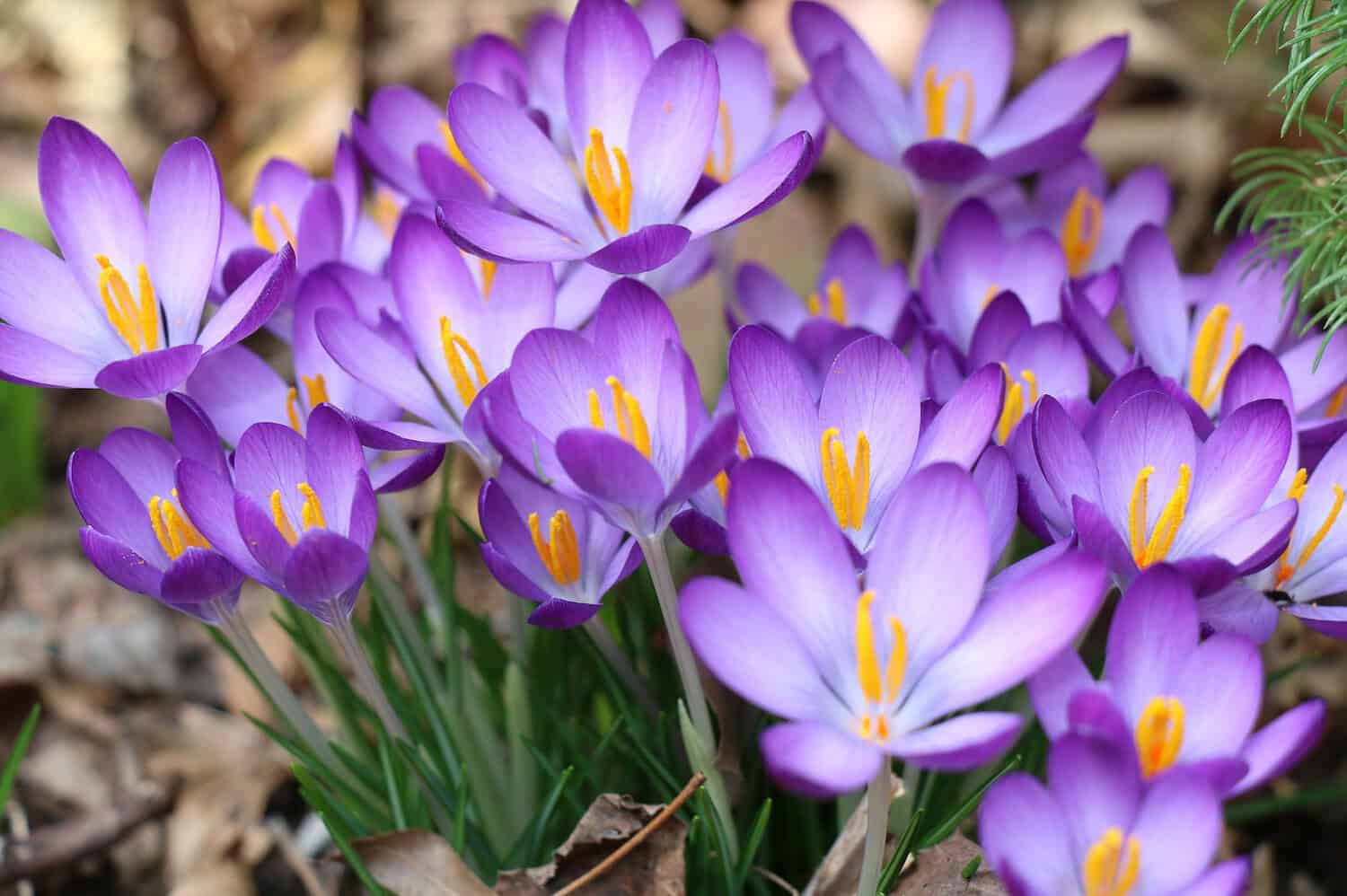
You can plant bulbs like dahlias, gladiolus, and freesias in early spring once the soil warms. These bulbs will reward you with vibrant flowers all summer long.
Choose a spot with good sunlight and well-draining soil to help your bulbs thrive. Plant them after frost risk has passed to avoid damage.
With a little care, your garden will stay colorful and lively through the warm months. It’s a simple way to enjoy continuous blooms.
Set up raised beds for better drainage and soil control
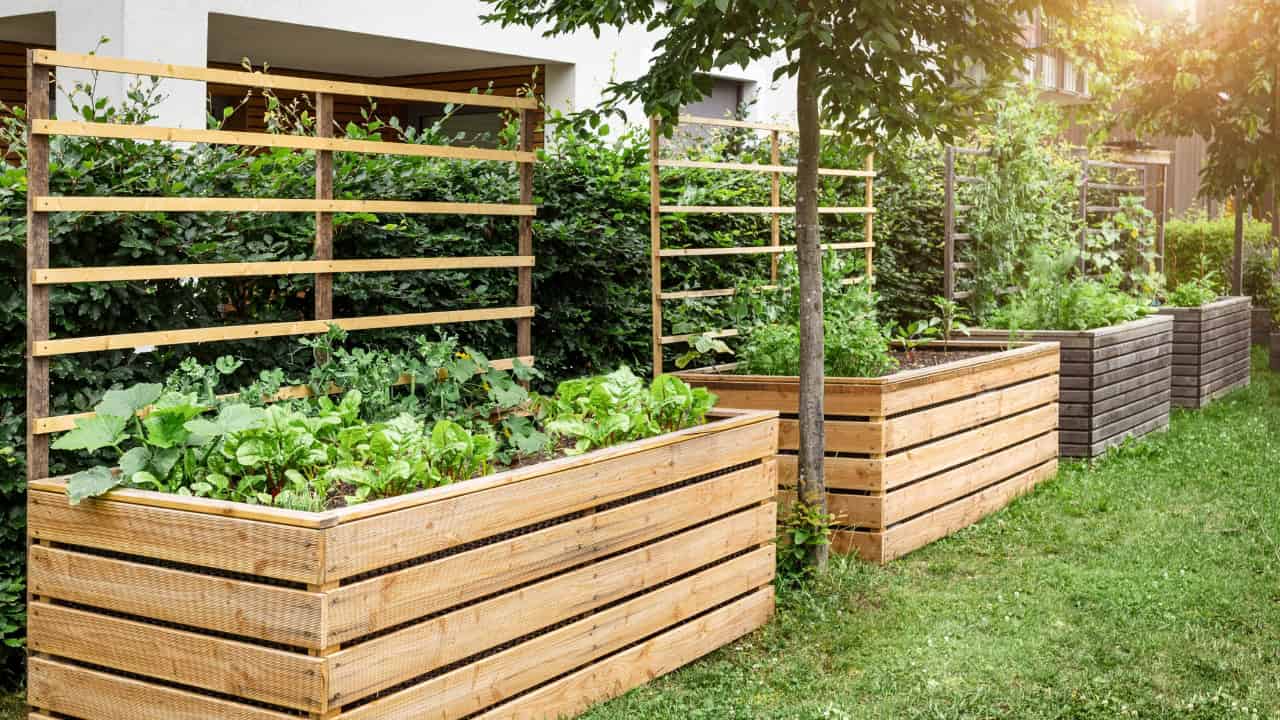
Setting up raised beds helps improve drainage, especially if your garden soil tends to be heavy or clayey. You control the soil quality by adding compost, perlite, or vermiculite, which keeps water flowing well.
Raised beds also make it easier to manage pests and reach your plants without bending over too much. Make sure your bed is at least 12 inches deep for root vegetables and roomy enough for leafy greens. This simple setup helps your garden thrive throughout the year.
Divide perennials to encourage healthy growth
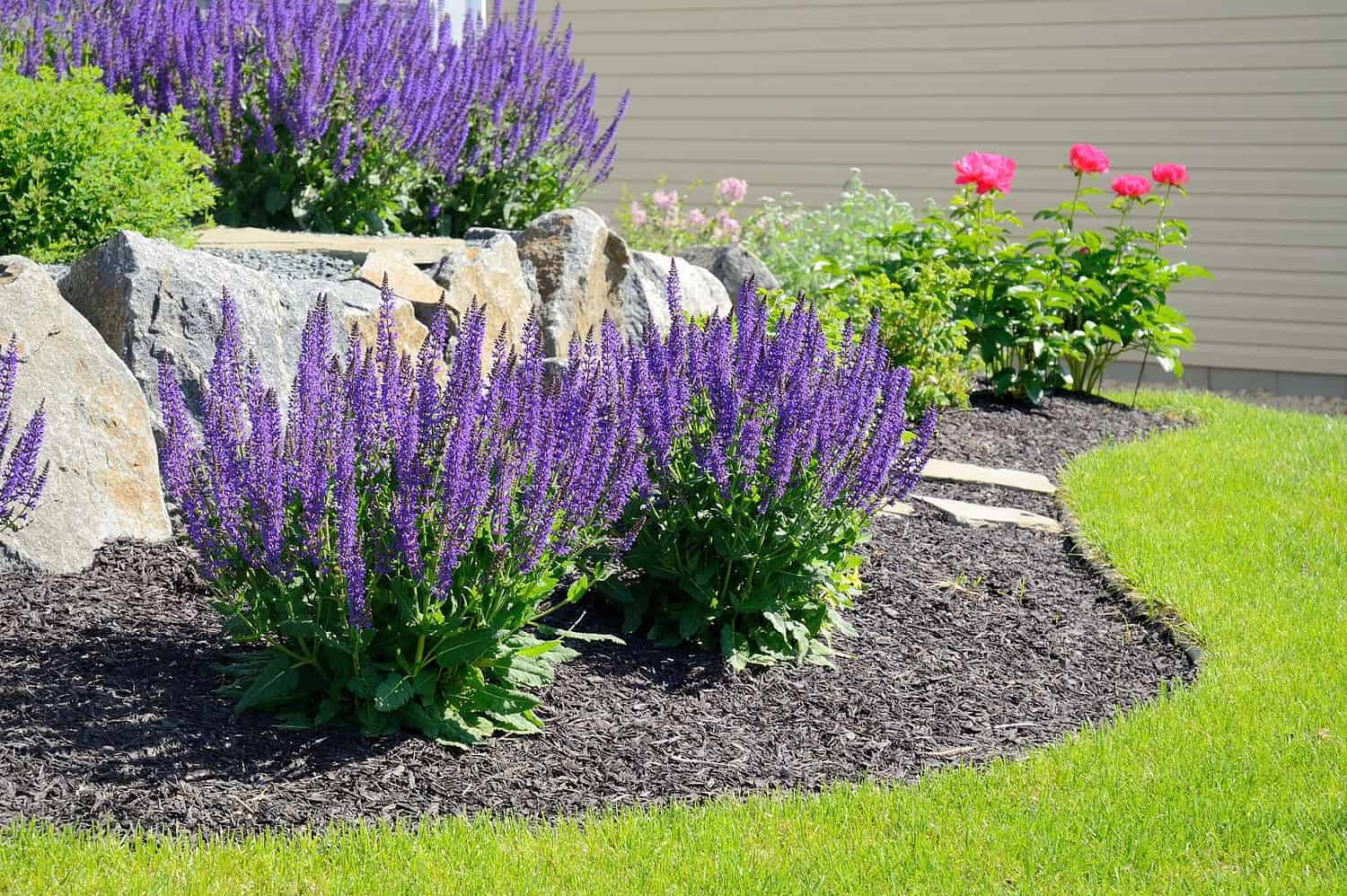
Dividing your perennials in spring helps keep them healthy and vigorous. When plants grow too large, they can become overcrowded and less productive.
Splitting clumps gives your plants more room to grow and can improve blooming. It also helps prevent disease and keeps your garden looking tidy.
You’ll find dividing easy to do with just a garden fork or spade. After dividing, replant the sections promptly and water them well for the best results.
Install mulch to retain moisture and suppress weeds

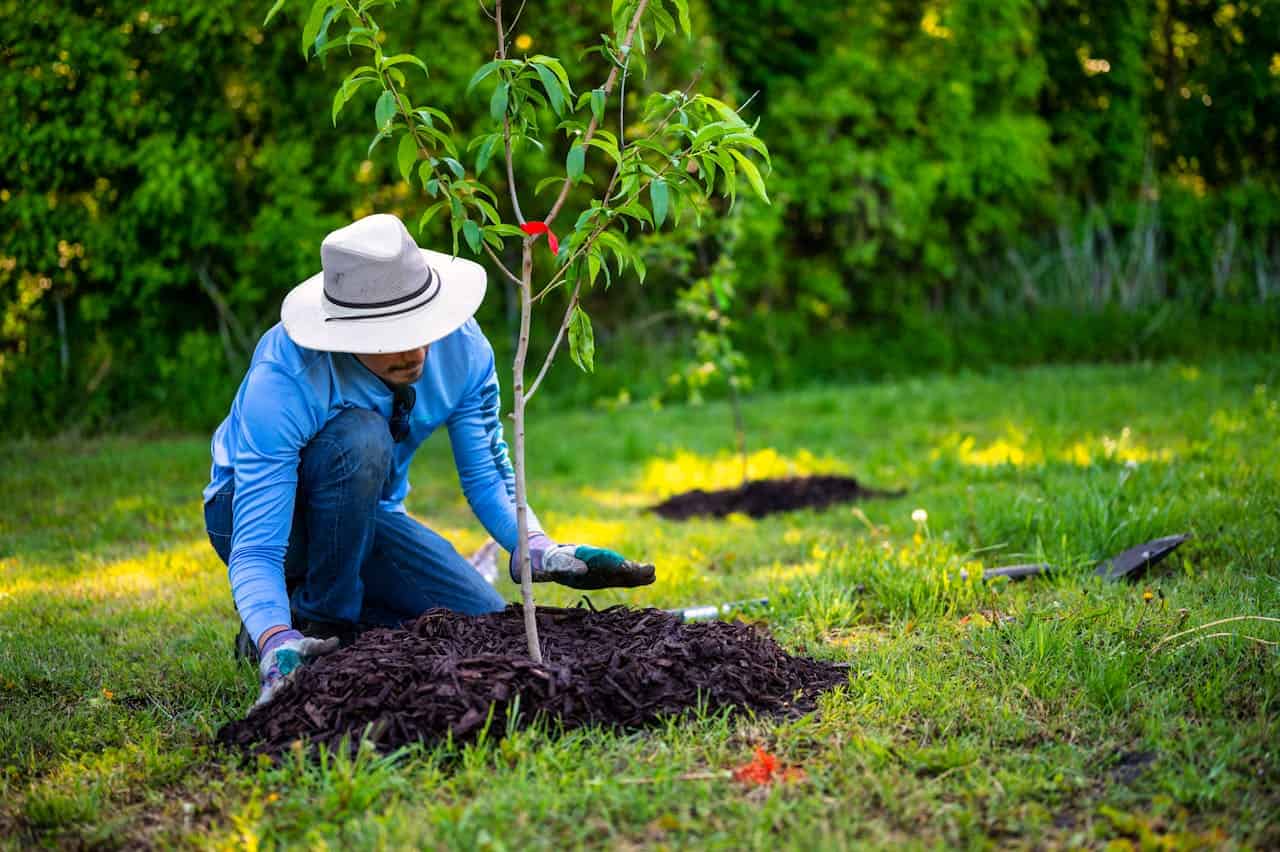
You should spread mulch evenly over your garden beds to help keep soil moist and reduce weed growth. Applying a 2-4 inch layer works well without suffocating your plants’ roots.
Keep mulch a few inches away from plant stems to prevent rot and pest problems. Mulching also cools the soil, which protects roots during warmer spring days.
Inspect and repair garden tools before heavy use

Before you dive into your spring gardening, take time to inspect your tools carefully. Check for rust, loose handles, or damaged blades.
Clean dirt and old sap from your tools with soap and a stiff brush. If rust appears, soaking metal parts in a vinegar and water solution can help remove it.
Sharpen blades and tighten bolts to keep everything working smoothly. This simple upkeep will make your tasks easier and prevent issues later.
Sow seeds for cool-season vegetables like spinach and lettuce
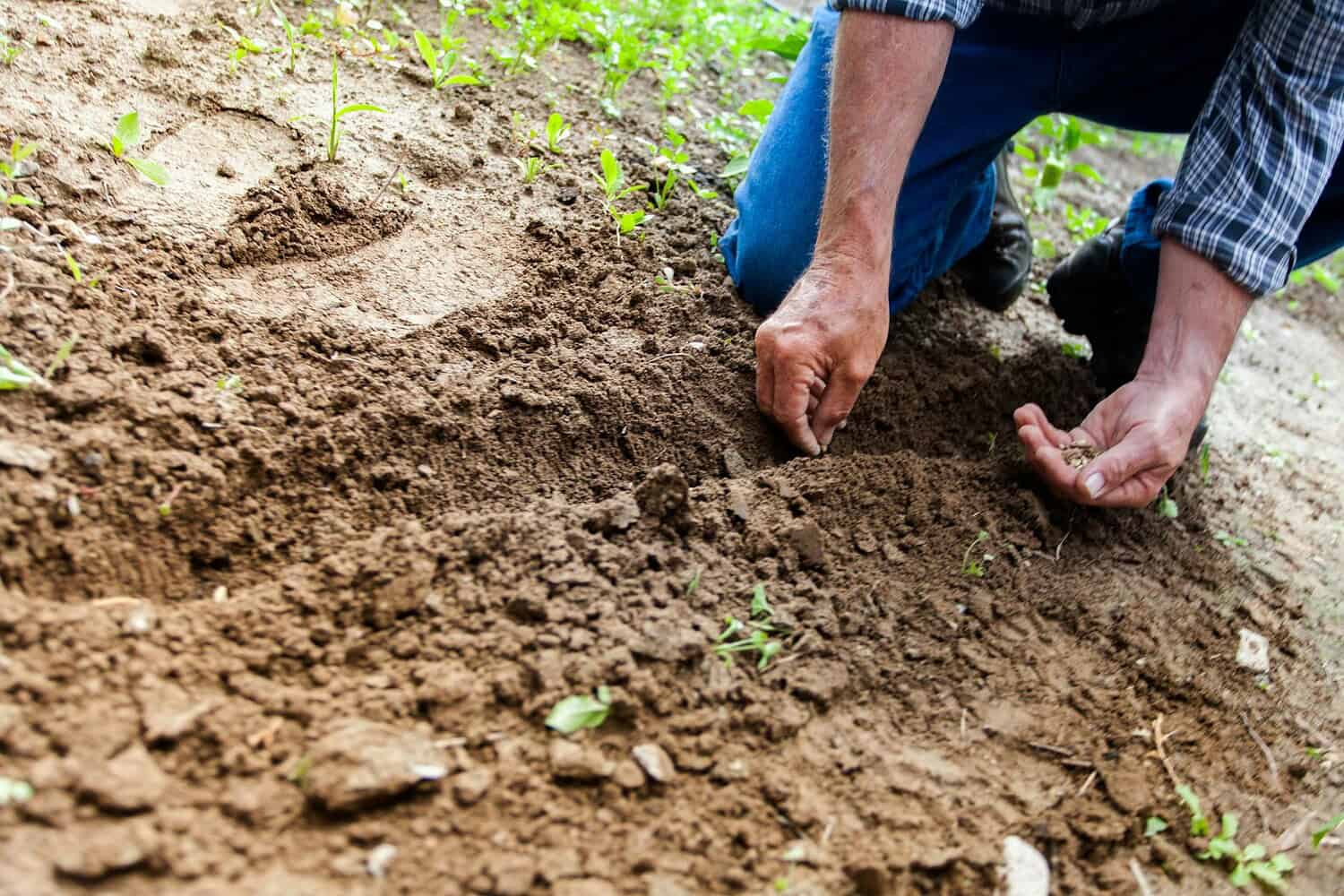
You can start sowing seeds for cool-season vegetables as soon as the soil reaches around 50°F. Spinach and lettuce thrive in cooler soil and will grow best before temperatures rise too much.
Plant spinach seeds about ½ inch deep and space them according to the type you want—closer for baby leaves, farther apart for full heads. Lettuce seeds can be scattered lightly on the soil and covered thinly.
These crops grow quickly and can be harvested multiple times, giving you fresh greens early in the season.
Refresh container plants with new soil and fertilizers

Start by removing your plants gently and loosening the old soil around the roots. Add fresh potting soil to the container, covering the roots and pressing lightly to remove air pockets.
Mix in a balanced fertilizer to give your plants a steady nutrient boost. Water thoroughly after repotting to help the soil settle.
Refreshing your soil each spring helps keep your container plants healthy without replacing all the soil every year. This simple step supports steady growth throughout the season.
Apply organic pest control to protect emerging plants

You can keep your young plants safe by using organic pest control methods. These options avoid harsh chemicals and help maintain a healthy garden environment.
Try natural sprays like neem oil mixed with water and a bit of soap to manage pests gently. Attract beneficial insects such as ladybugs and lacewings by planting flowers nearby—they will help keep harmful bugs away.
Using organic solutions lets you protect your plants while supporting the garden’s natural balance.