If you have a shady spot in your garden, you might think it’s impossible to find plants that bloom beautifully there. Many plants struggle without direct sunlight, but there are several options that actually thrive and produce flowers even in low light.
You don’t have to sacrifice color and life just because your garden is mostly in the shade. With the right selection, you can enjoy vibrant blooms and add interest to those darker areas without extra effort.
Advertisement
Hellebores
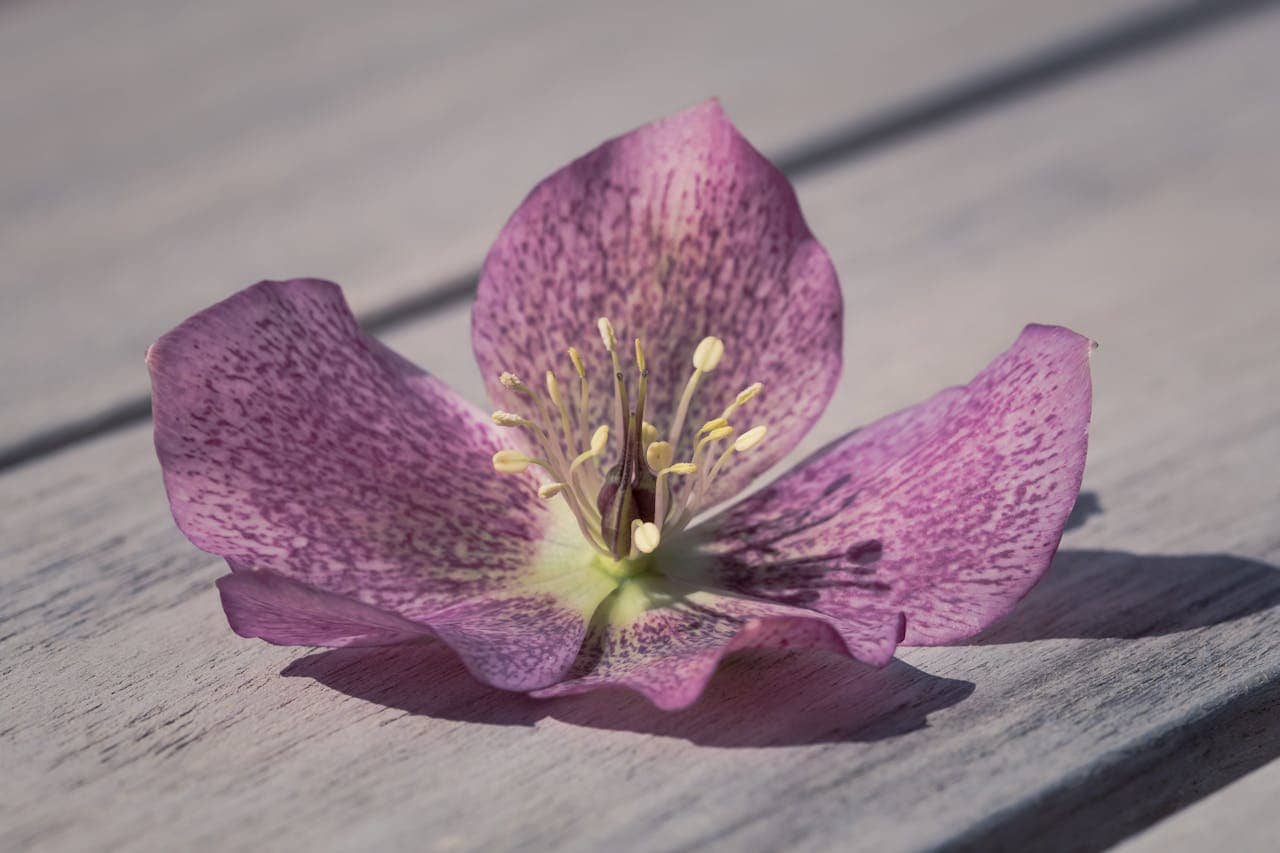
Hellebores are great for your shady garden because they bloom early, often starting in late winter. You’ll enjoy flowers that last 8 to 10 weeks, brightening dull spots.
These plants stay evergreen, giving your garden year-round interest. Plus, deer usually leave them alone, making your life easier.
Hosta
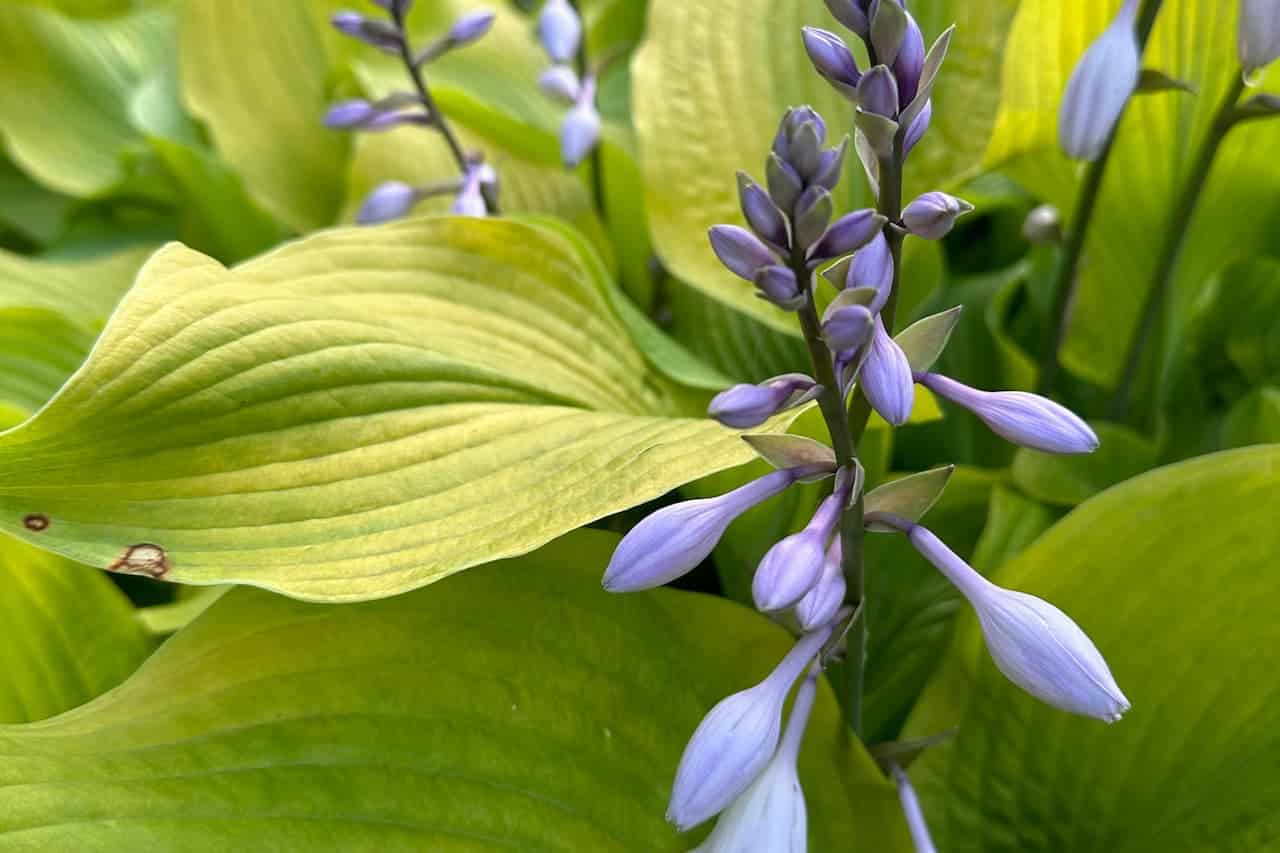
Hostas are a popular choice for shade gardens. You’ll appreciate their lush foliage that comes in various shapes and colors.
They bloom with tall spikes of delicate flowers in summer, adding subtle beauty.
Hostas prefer moist, rich soil and can handle full shade to partial sun. Pair them with other shade-loving plants like ferns for a harmonious look.
Bleeding Heart
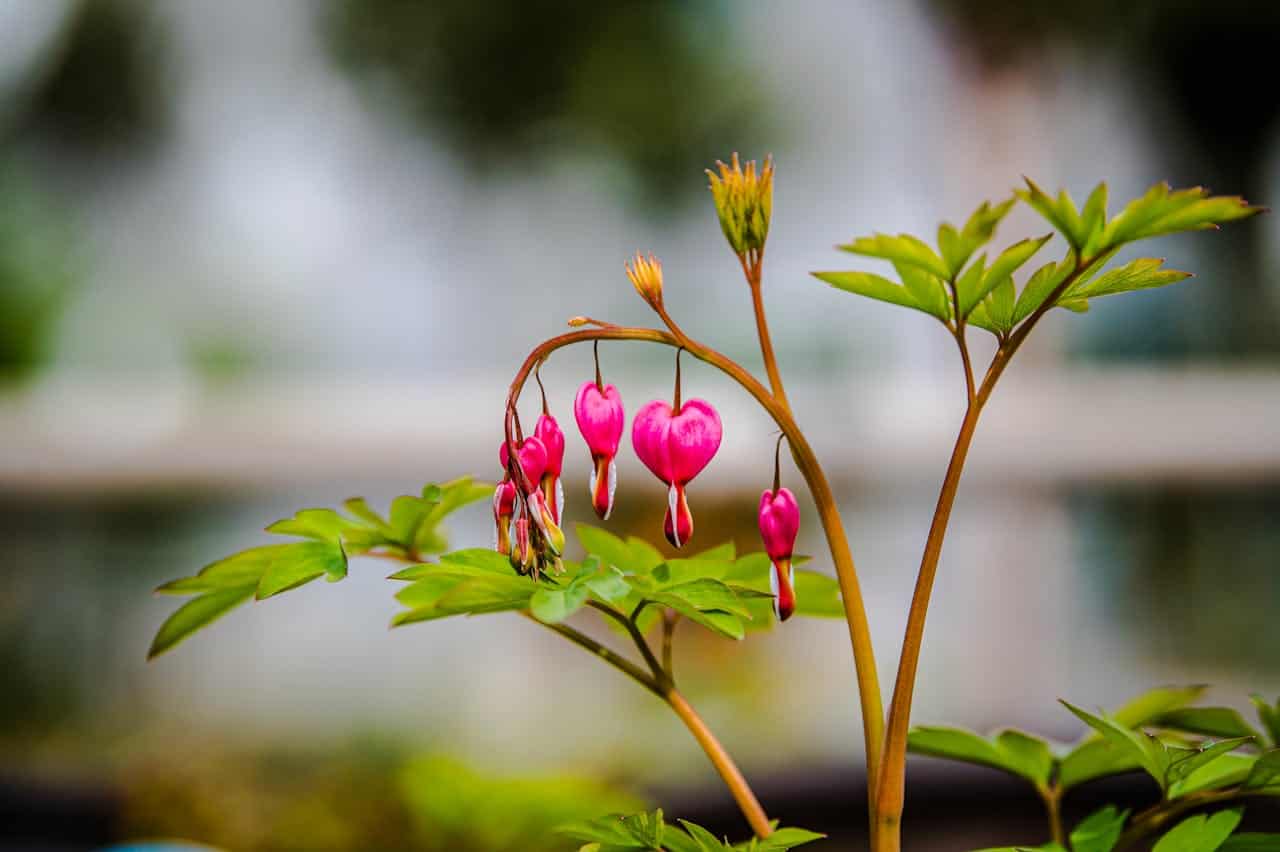
If you have a shady spot, Bleeding Heart is a great choice. You’ll enjoy its unique, heart-shaped flowers that add charm to your garden.
It prefers light shade or morning sun with afternoon shade. Keep the soil moist and rich in organic matter for best results.
This plant blooms mostly in spring but can continue flowering in cooler climates throughout summer. It’s easy to grow and makes a lovely statement.
Hydrangea
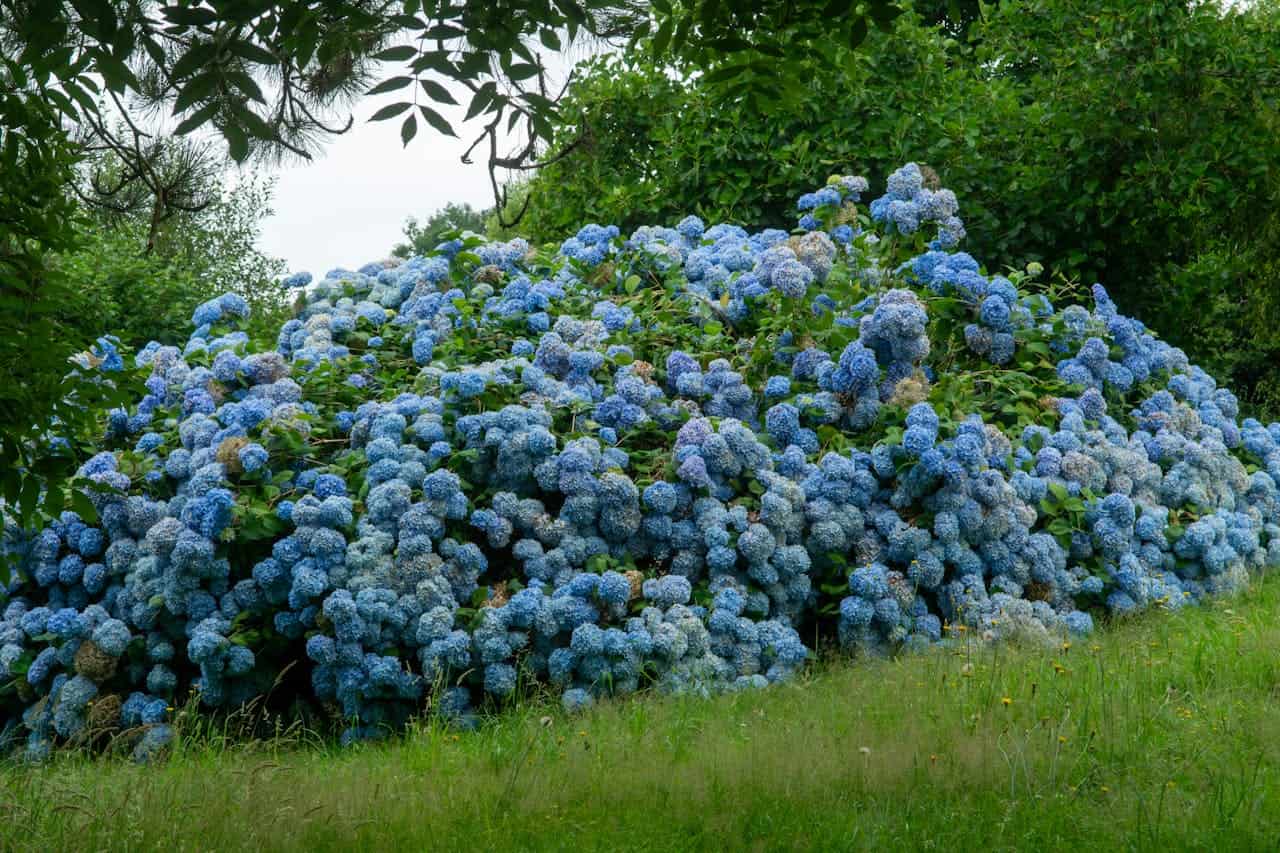
If you have a shady spot, hydrangeas can add a lovely splash of color. You’ll find varieties like Annabelle with big, round blooms that brighten darker areas.
Some types, like climbing hydrangeas, tolerate deep shade well and can cover walls or ground. Just make sure they get some indirect light to thrive.
Astilbe
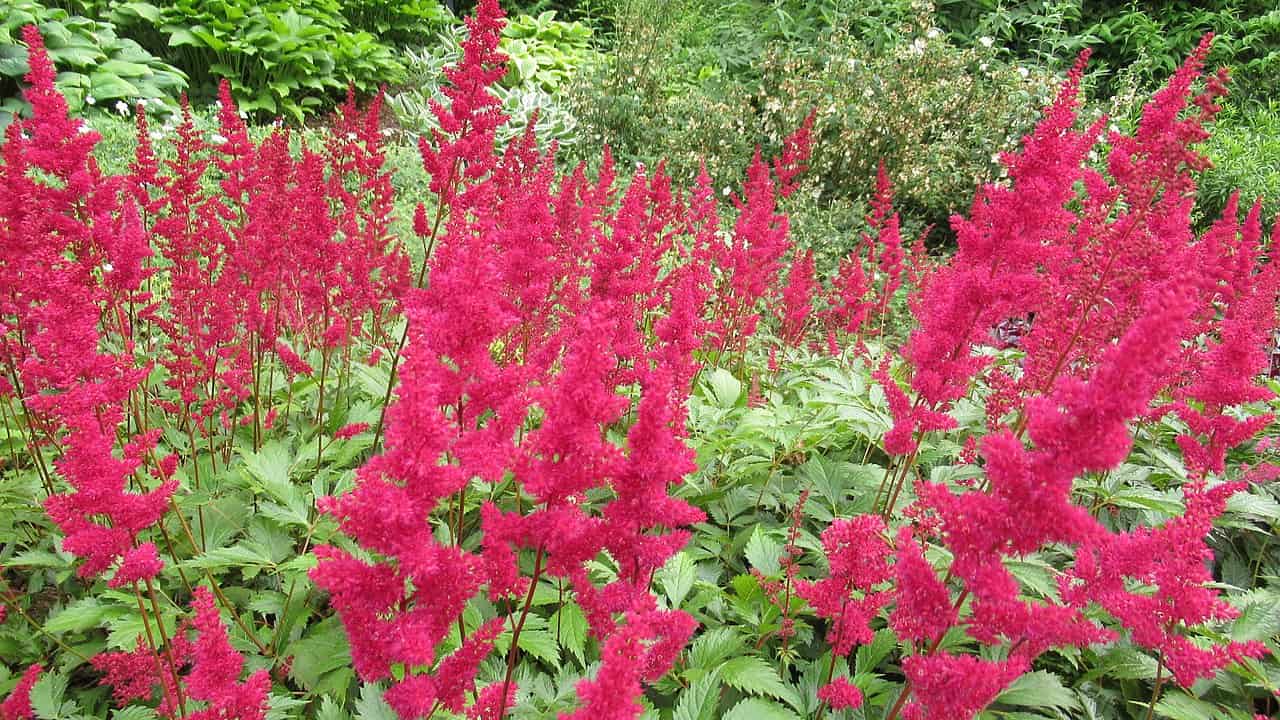
Astilbes thrive in shady spots with moist soil. You’ll notice their fluffy flower plumes add a soft touch to your garden.
They prefer a bit of morning sun but mostly enjoy dappled or partial shade. If they get too much direct sun, they might not bloom as well.
You can count on astilbes for color and texture, especially in areas where many plants struggle to bloom.
Virginia Bluebells

Virginia Bluebells bring a soft touch of color to your shady garden. You’ll notice their pink buds gradually turning into delicate blue flowers in early spring.
These perennials bloom for about three weeks before disappearing until the next season, giving your garden a brief but lovely spotlight. They pair well with plants like columbine and woodland phlox to create a natural, woodland feel.
Solomon’s Seal
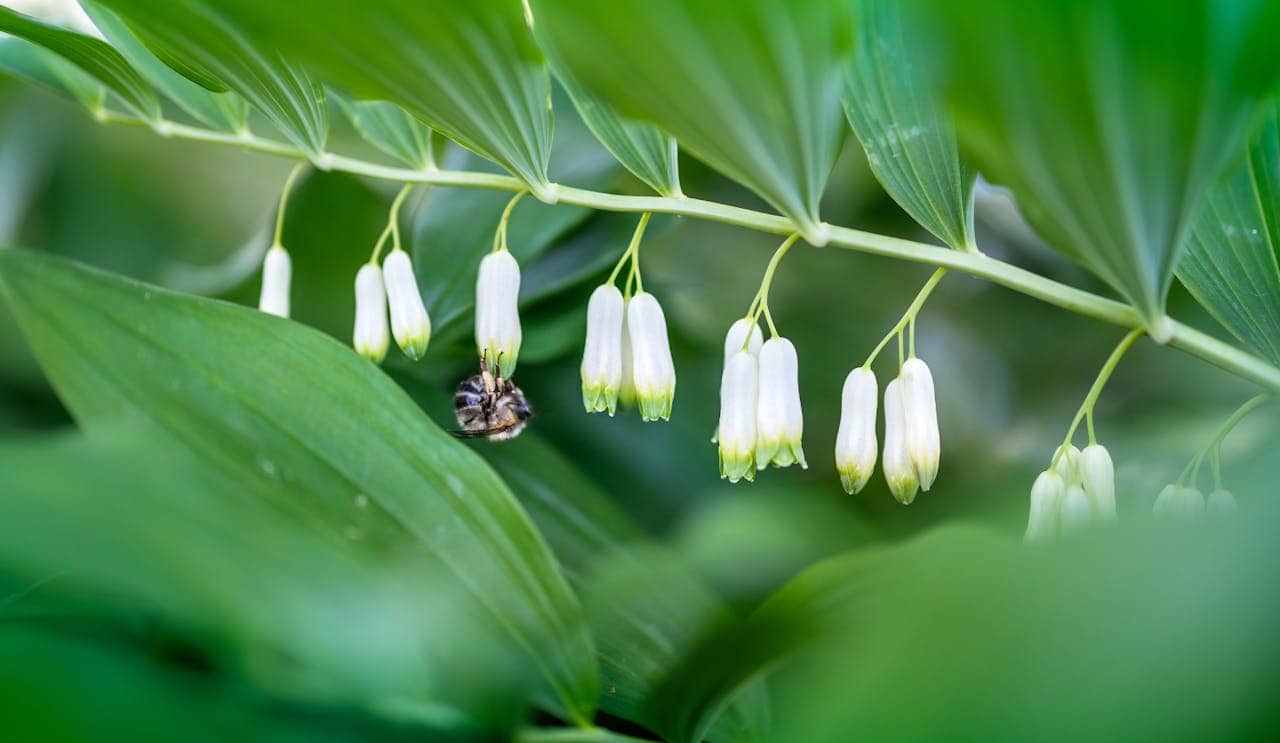
Solomon’s Seal thrives in part to full shade, making it ideal for shaded gardens. Its arching stems produce small, bell-shaped flowers that add subtle charm.
You can grow it in various soil types, from sandy to clay, as long as the soil stays moist. It also does well in pots if you want to keep it contained.
Lamium ‘Chequers’
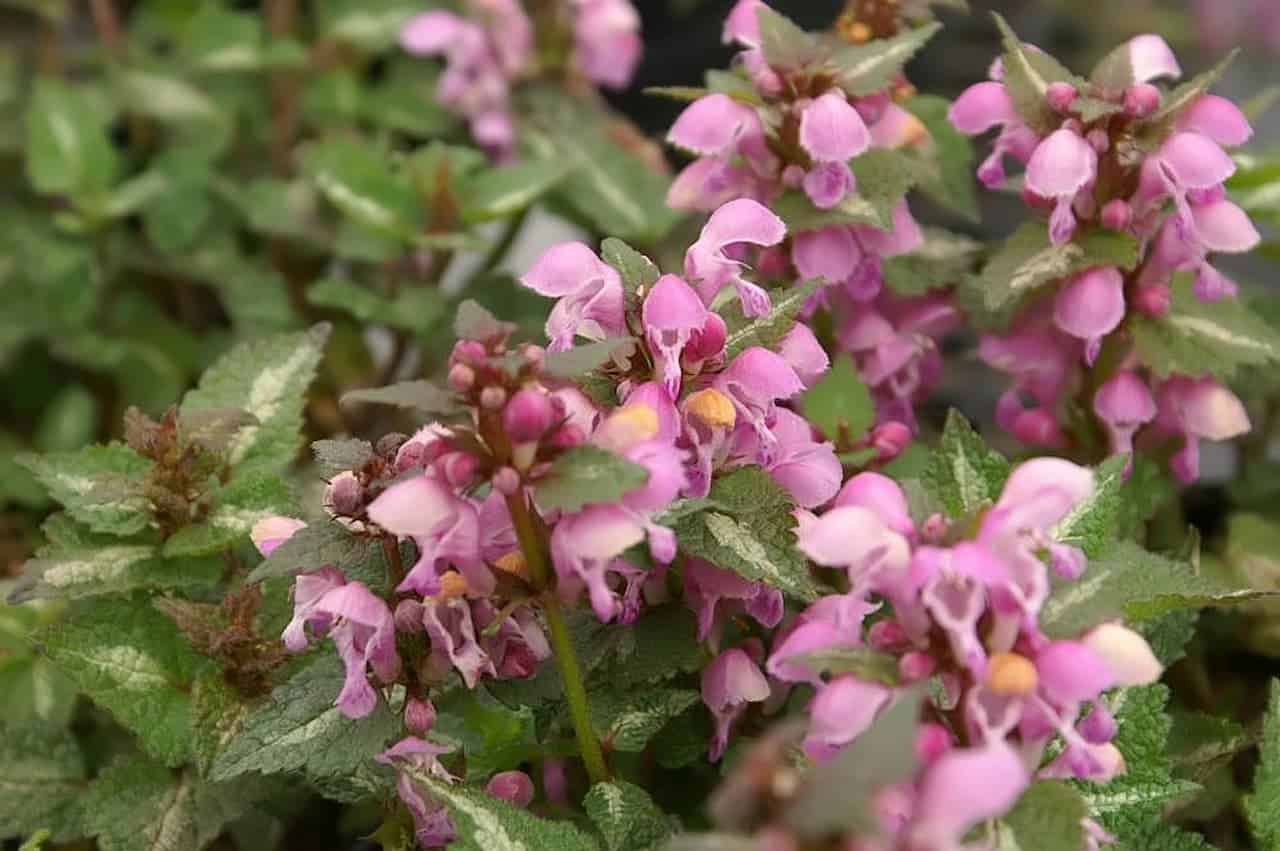
If you have a shady spot, Lamium ‘Chequers’ is a great choice. It has attractive blue-green leaves with a white center that brighten up dark areas.
You’ll enjoy its mauve-pink flowers from mid-spring to early fall. This plant does well in partial to full shade and prefers moist, well-drained soil. It’s low maintenance and helps cover the ground nicely.
Gentiana ‘True Blue’
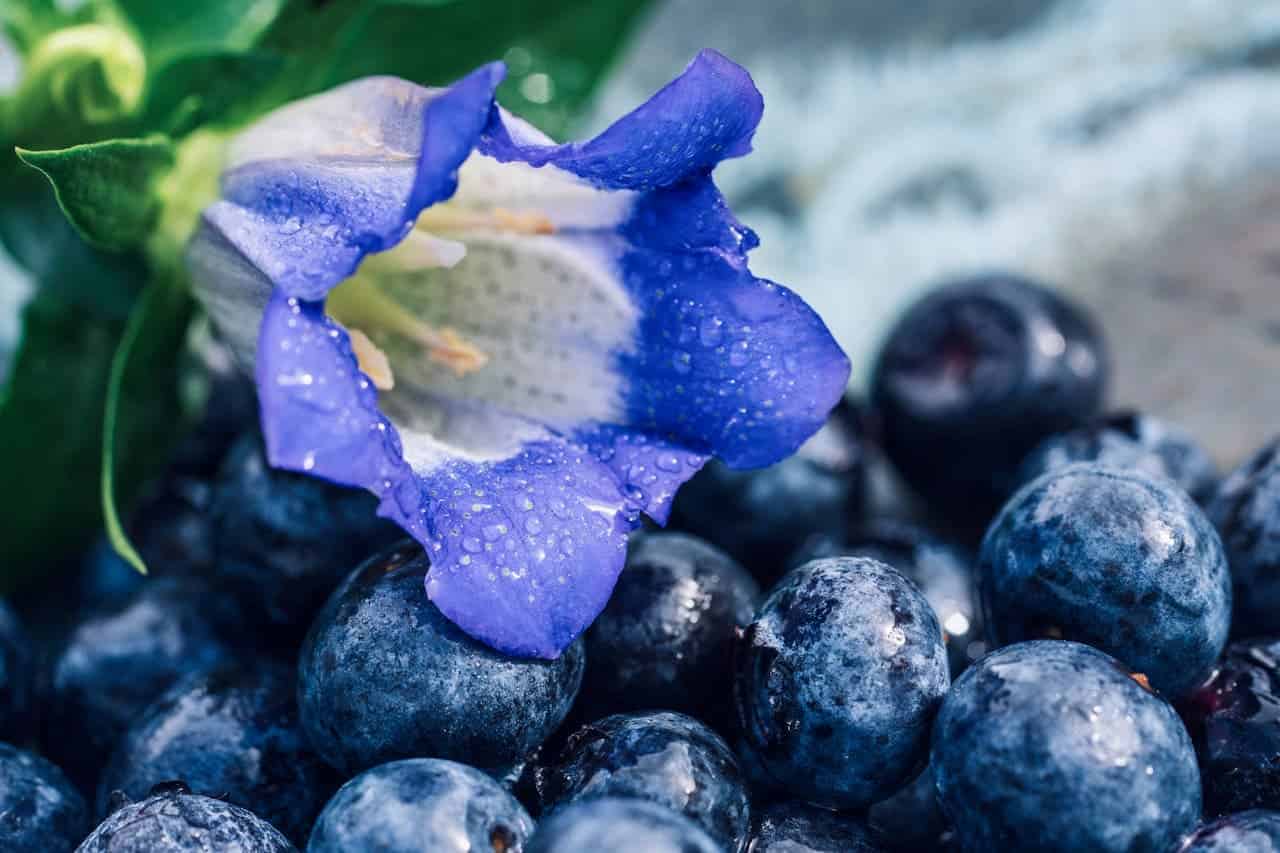
You’ll enjoy Gentiana ‘True Blue’ for its bright blue flowers that bloom from mid-summer to early fall. It prefers bright shade but can handle a few hours of sun.
This plant grows 24-30 inches tall and needs well-drained soil. It’s sturdy with shiny leaves and flowers that bloom from the bottom up, making your shaded spots more colorful.
Phlox procumbens ‘Variegata’
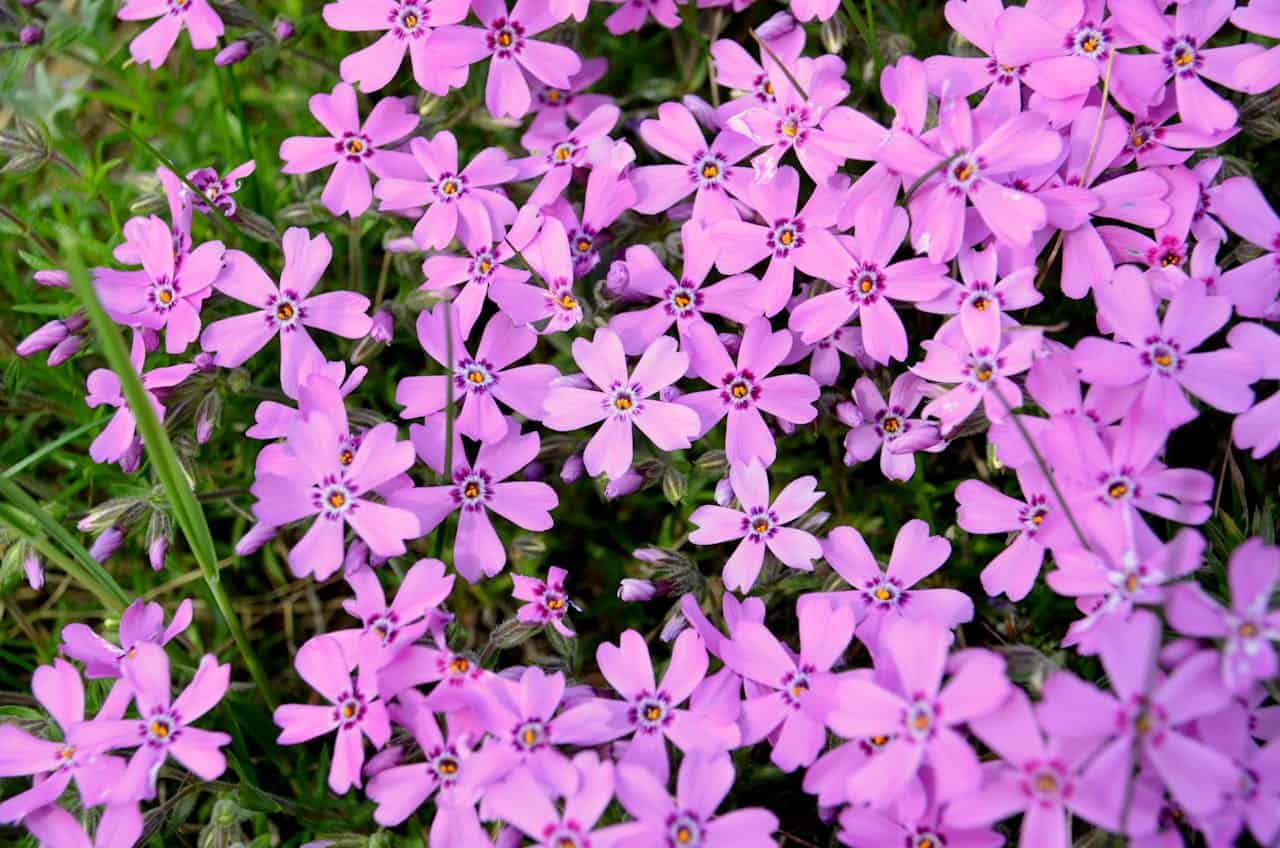
You’ll love Phlox procumbens ‘Variegata’ for its evergreen, glossy leaves with cream-colored edges. This plant forms a low, spreading mat that brightens shady areas in your garden.
In cooler weather, its foliage may show a soft pink tint. It produces lightly fragrant, mauve-pink flowers in late spring, adding gentle color without needing full sun.
Meehania cordata
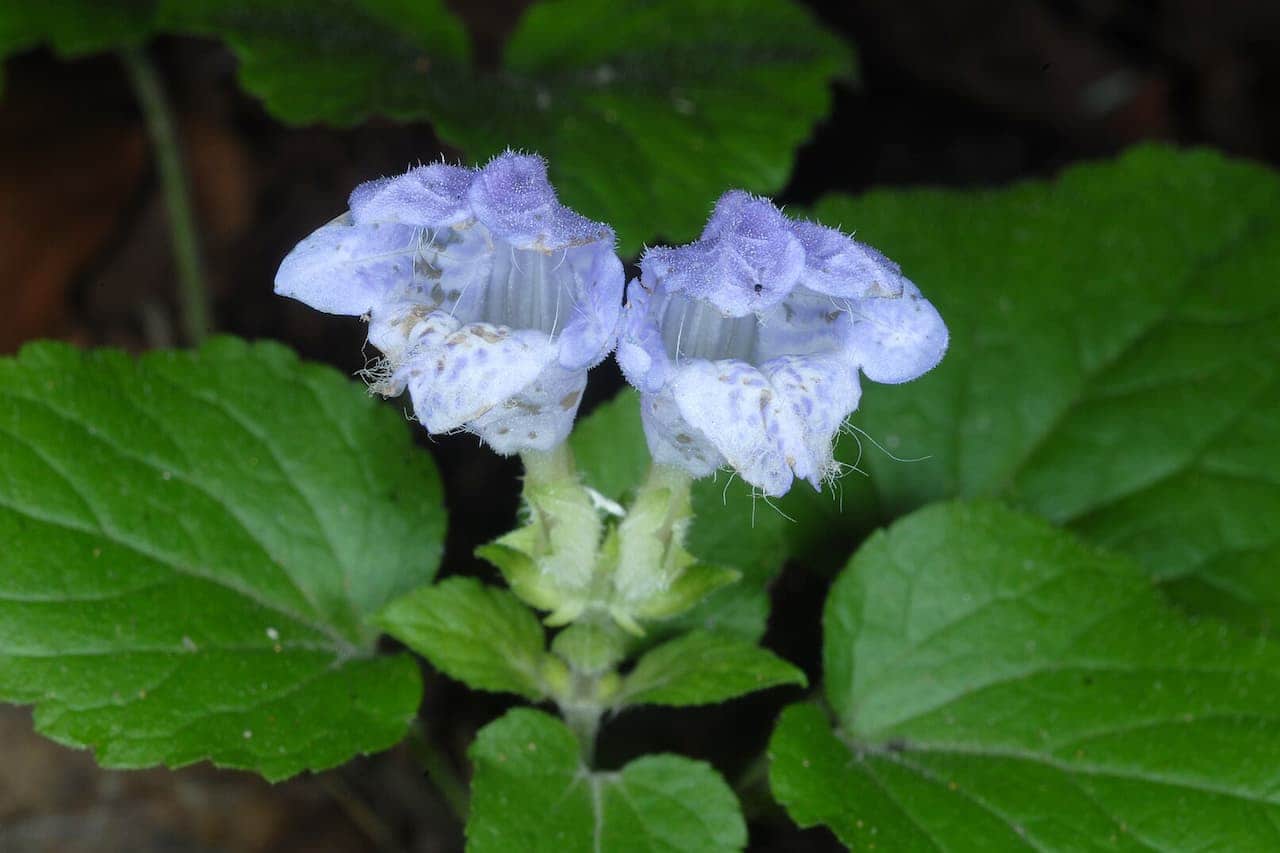
Meehania cordata is a great choice if you want a low-growing, shade-loving plant that blooms. You’ll find it forming a dense mat of dark green, heart-shaped leaves.
In late spring, delicate purple flowers appear, adding subtle color to shaded spots. It’s drought tolerant and works well in woodland or shady garden areas.
Ajuga Black Scallop Bugleweed
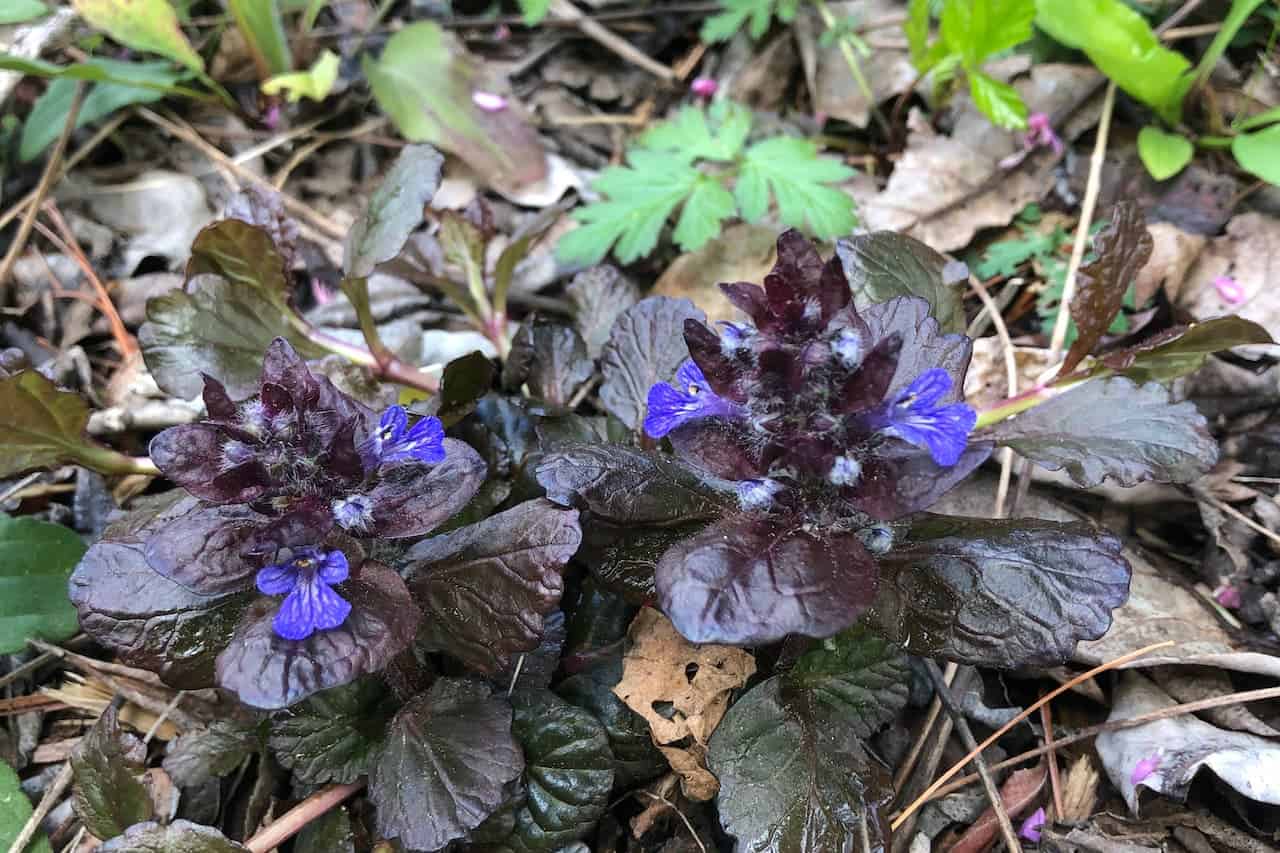
If you want a low-maintenance groundcover, Ajuga Black Scallop is a great choice. Its dark, shiny leaves turn almost black by fall, adding color even when it’s not blooming.
You’ll enjoy deep purple flowers in late spring that brighten shady spots. This plant thrives in partial to full shade, making it perfect under trees or in shadowy garden corners.
Coral Bells (Heuchera)
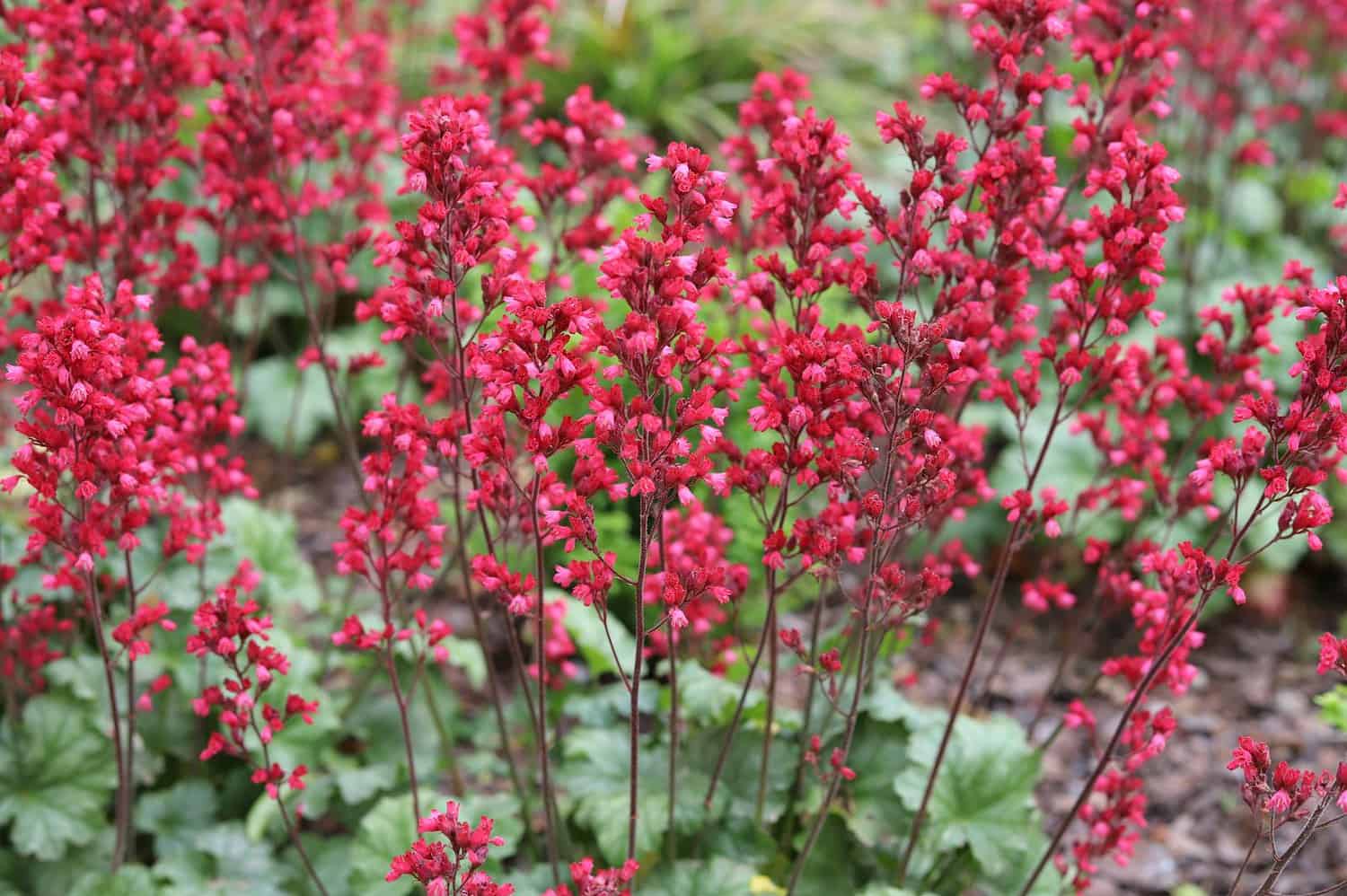
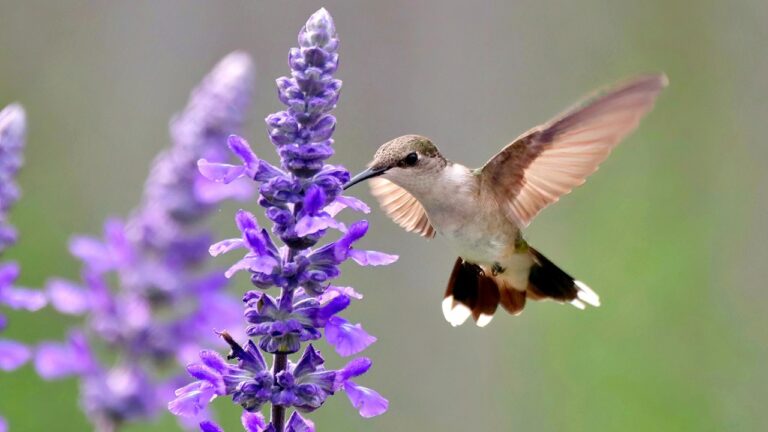
If you want a vibrant addition to your shady garden, coral bells are a great choice. Their colorful leaves brighten up dark corners, and they produce delicate blooms that attract hummingbirds.
You don’t need to worry much about care. Coral bells thrive in part to full shade with moist, well-drained soil. They fit well in most gardens, especially in Zones 4-9.
Ferns

Ferns bring lush greenery to shady spots in your garden. While most ferns don’t produce flowers, their delicate fronds add texture and color.
You can try varieties like the Japanese Painted Fern, which offers subtle color variations. Southern maidenhair ferns are also lovely and easy to care for. They thrive in moist, shady environments, making them perfect for darker garden corners.