Open floor plans have been a popular choice in home design for decades, offering a sense of spaciousness and flow between rooms. However, many people are starting to rethink this style as lifestyles and needs evolve.
You might be wondering why open floor plans are losing favor and what factors are driving this shift in home design preferences. Understanding these reasons can help you decide if an open layout still fits your lifestyle or if other options make more sense for your space.
Advertisement
Reduced privacy in open spaces
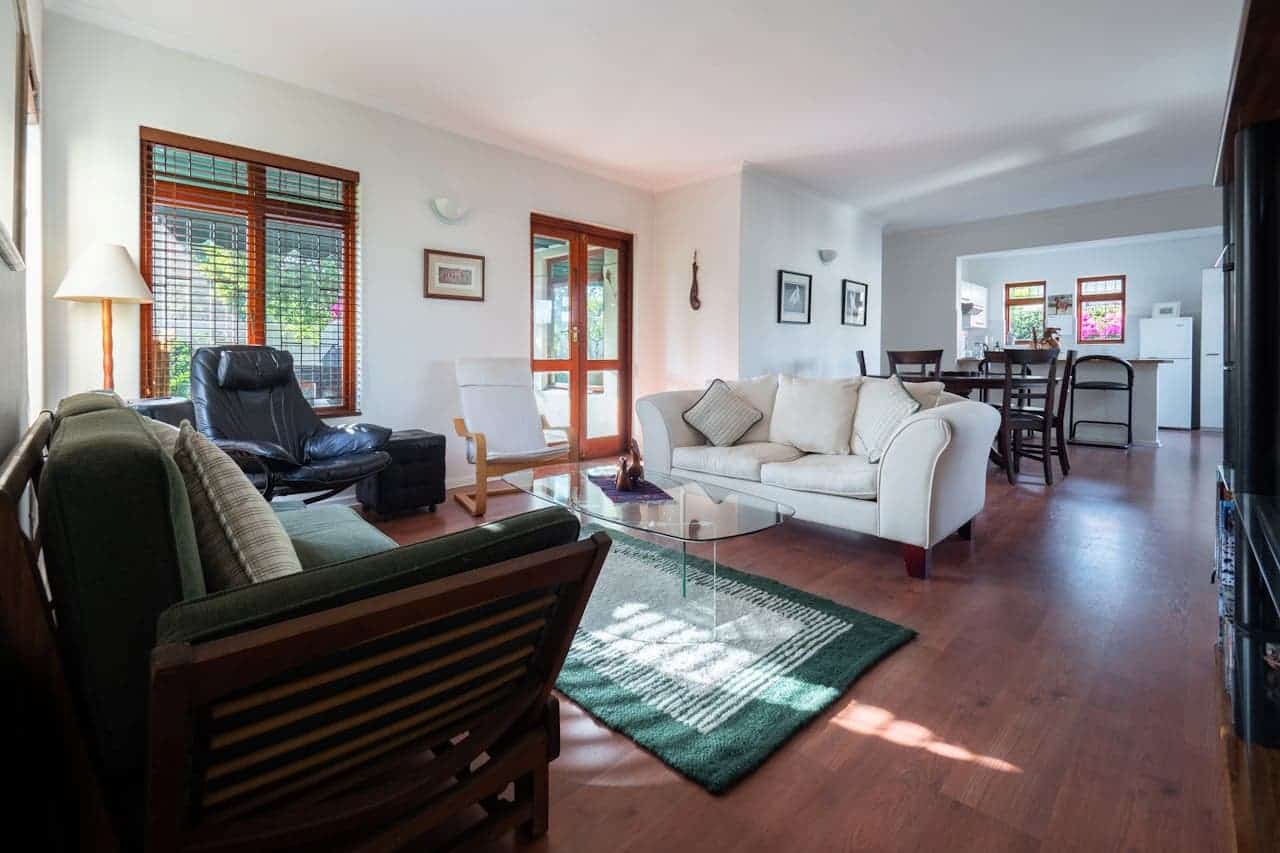
When you have an open floor plan, it’s harder to find quiet moments. Noise travels easily, whether it’s from conversations, TVs, or kids playing.
This lack of separation makes it tough to work, relax, or focus without distractions. You might notice that personal activities feel more exposed.
If you value privacy, open spaces can feel limiting. Walls provide boundaries that help create distinct areas for different needs.
Increased noise levels

In an open floor plan, sounds travel easily without walls to block them. This means your conversations, TV noise, and kitchen sounds can fill the entire space.
If you value quiet or need to focus, this lack of sound control can be frustrating. It’s harder to create separate zones for different activities. You might find yourself constantly adjusting to the noise around you.
Limited space for remote work
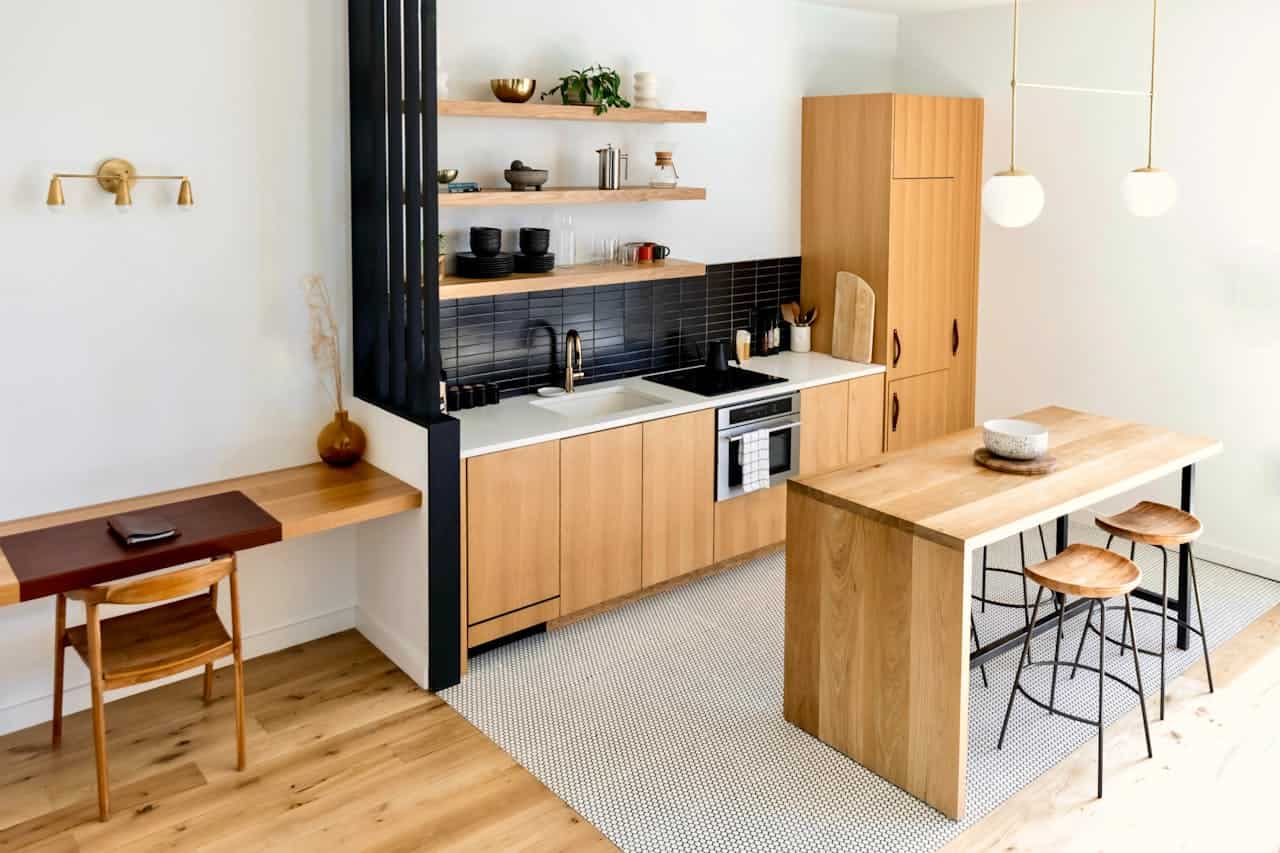
When you spend more time working from home, the need for large office spaces decreases. Your company might find it unnecessary to keep big open floor plans.
With more remote work, office layouts shift to support occasional visits instead of daily use. This means less room is dedicated to crowded workstations.
You likely need spaces designed for collaboration, not rows of desks. Open floor plans don’t always fit this new style of working, where flexibility matters more.
Difficulty in organizing clutter
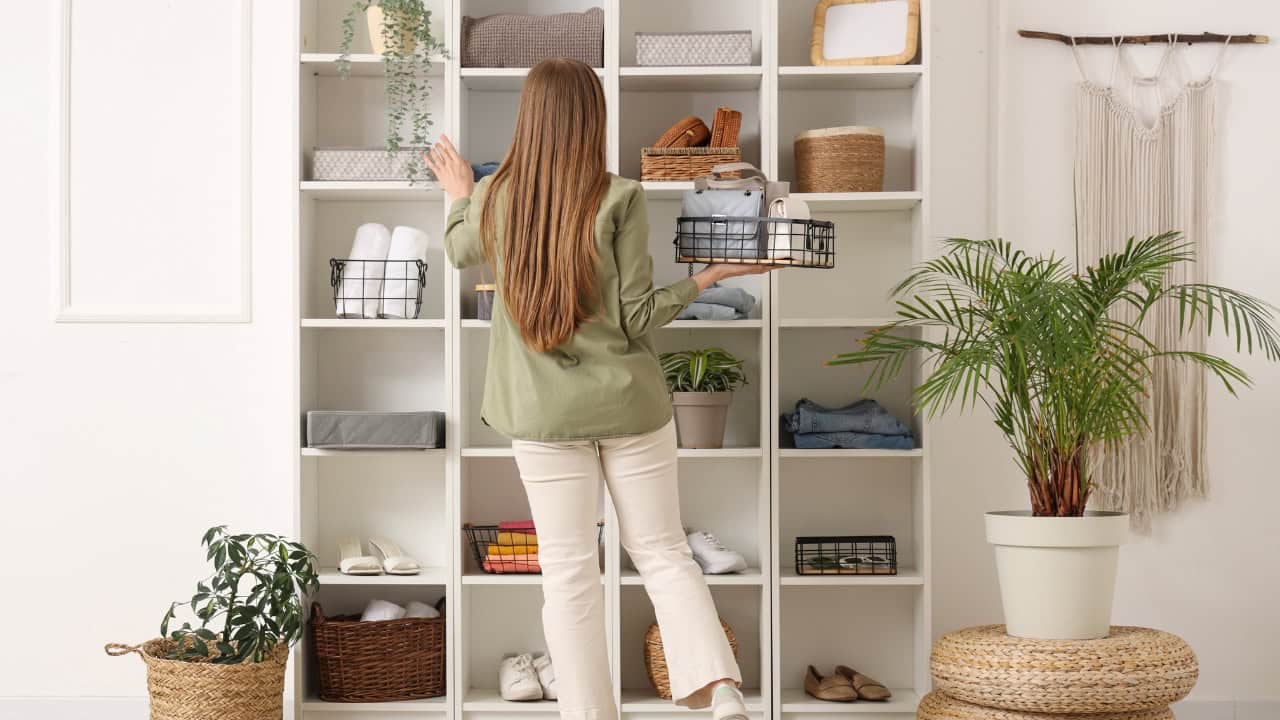
In an open floor plan, your belongings are more visible because there are fewer walls and separate rooms to hide mess. This means clutter can quickly make your space look untidy.
You might find it harder to store items out of sight, which can create a constant need for tidying. Without defined zones, keeping your space organized requires extra effort.
Less defined room functions
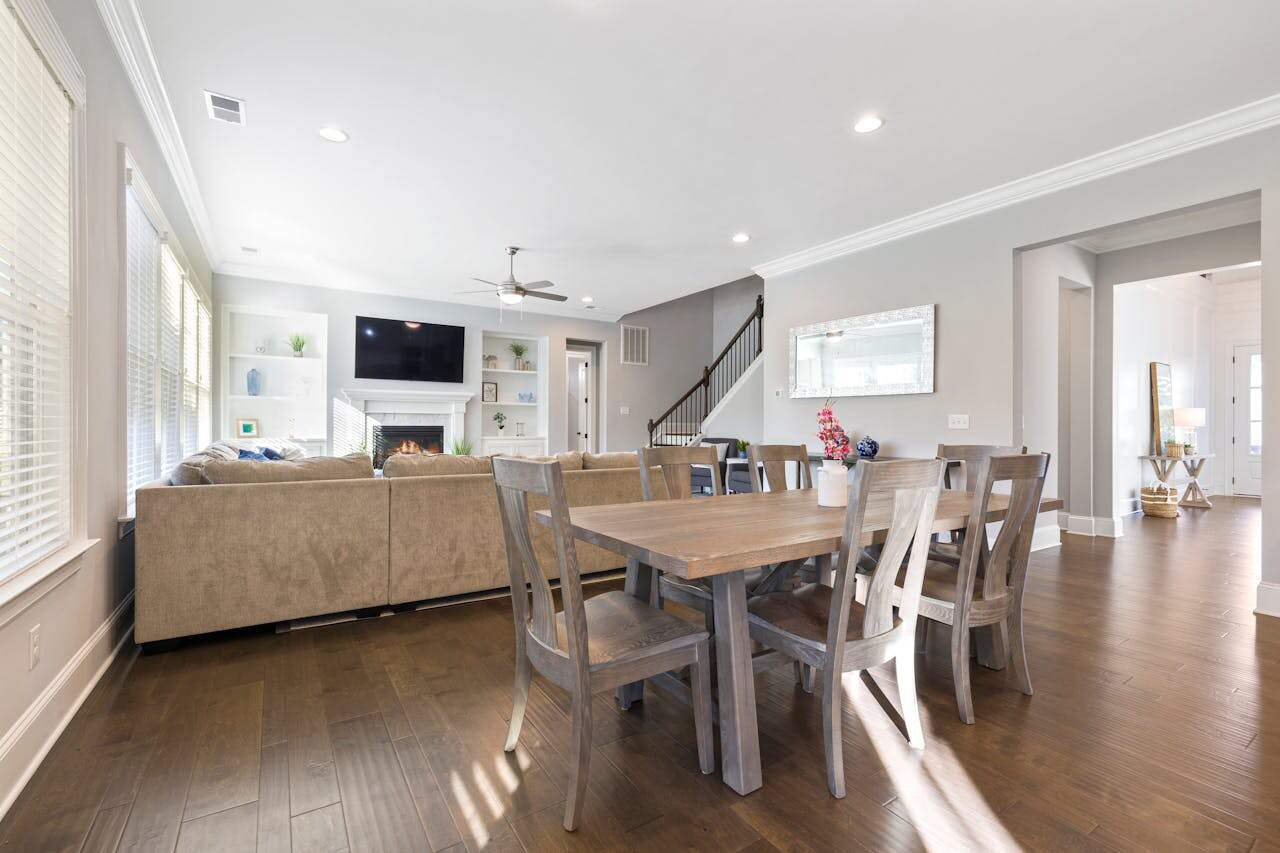
When you have an open floor plan, it can be hard to clearly separate spaces for different activities. Your living, dining, and kitchen areas often blend together.
This lack of defined rooms makes it tricky to give specific areas a clear purpose. It can leave you feeling like your home is less organized.
You might also find it challenging to create cozy spots or quiet corners since the space flows without walls. This can affect how you use your rooms daily.
Growing need for personal retreat areas
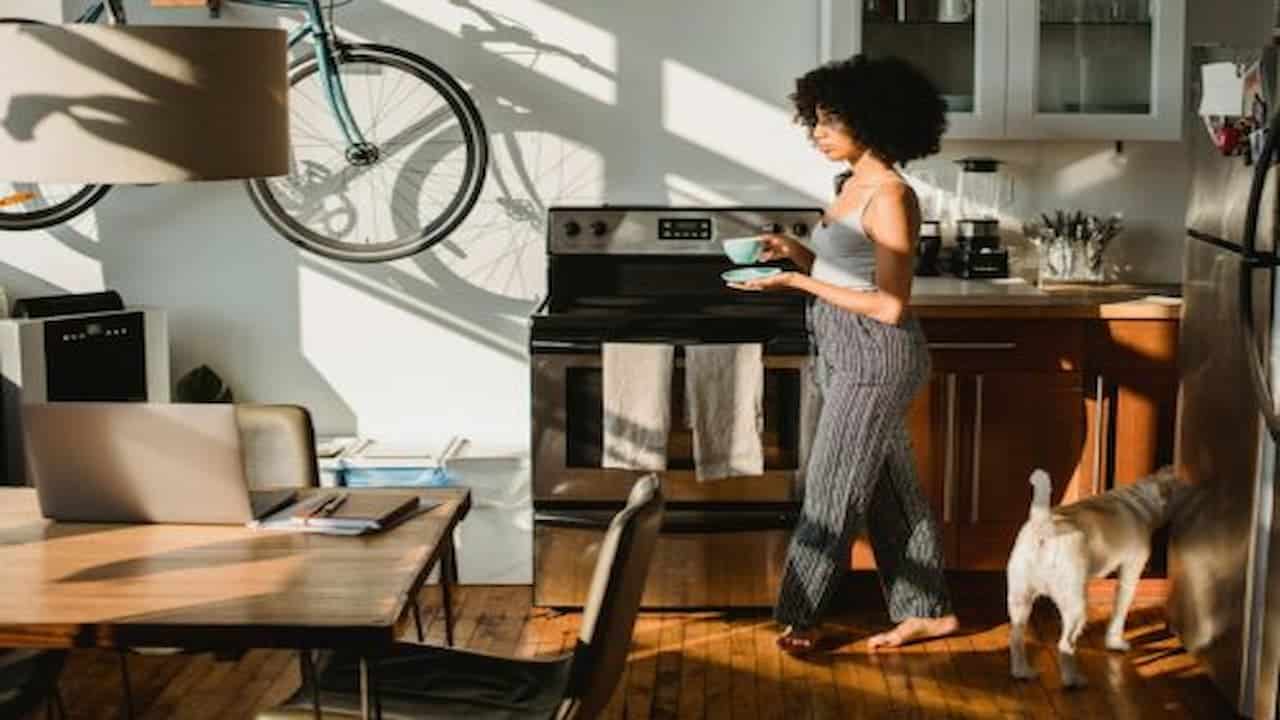
You might find that open floor plans leave little room for quiet or privacy. As life gets busier, having a personal space to unwind or focus becomes important.
Your home should offer areas where you can escape noise or distractions. Separate retreat spots help balance social time with moments of calm.
Creating these personal zones supports your mental well-being and daily routines. It’s about making your home work for all your needs.
Challenges in managing children’s activities

With open floor plans, it can be hard to create dedicated spaces for your children’s different activities. Noise levels may rise, making it tough to focus on homework or quiet play.
You might find it difficult to keep toys and supplies organized since everything is in one shared area. This can lead to clutter that’s more visible.
Though you can easily supervise your kids, the lack of clearly defined zones may make managing multiple activities at once more challenging.
Demand for distinct dining areas
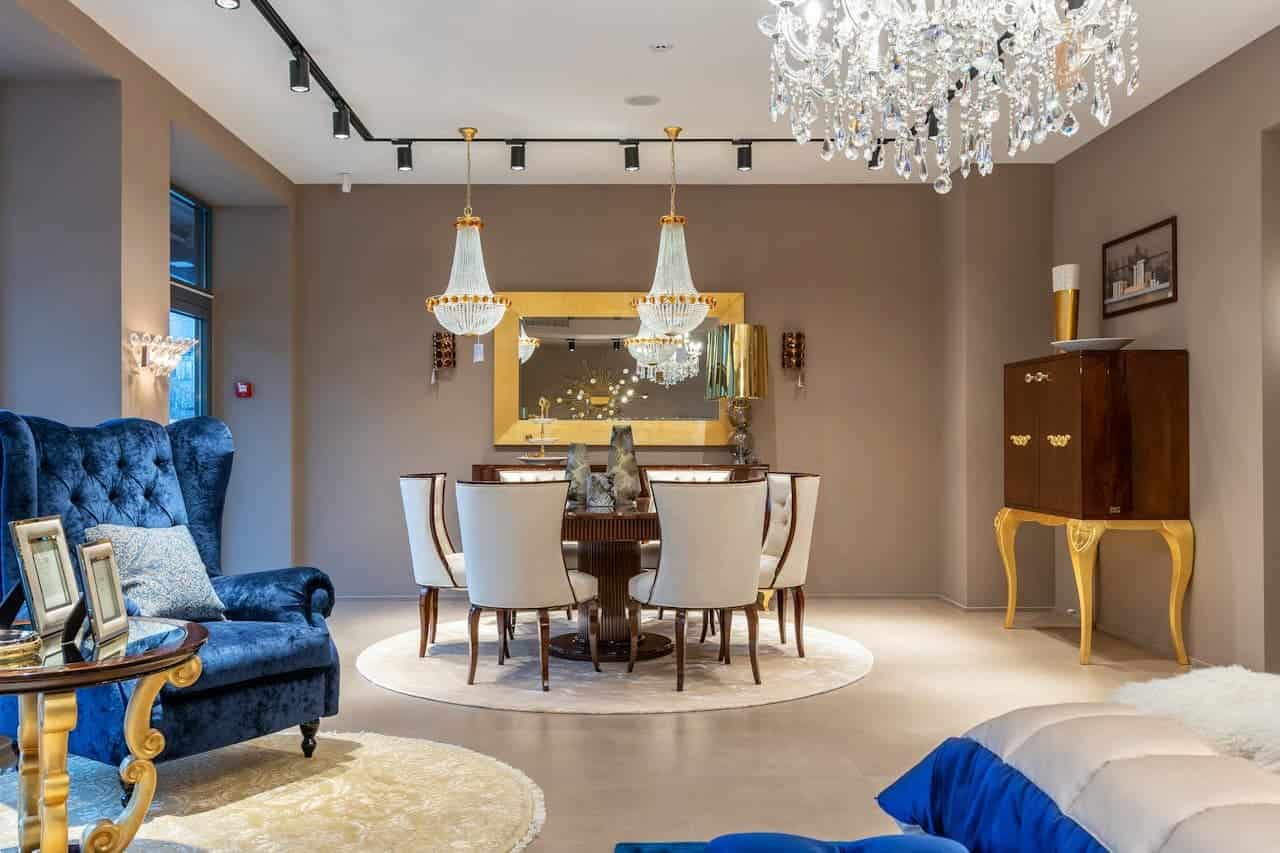
You might find yourself missing a clear space for meals. Open floor plans often blend the dining area with the kitchen or living room, which can feel less special.
Having a separate dining area helps create a dedicated spot for family time or entertaining. It lets you enjoy meals without distractions from other activities happening nearby.
This shift reflects a desire for more defined spaces that support different daily routines in your home.
Increased distractions during work or study
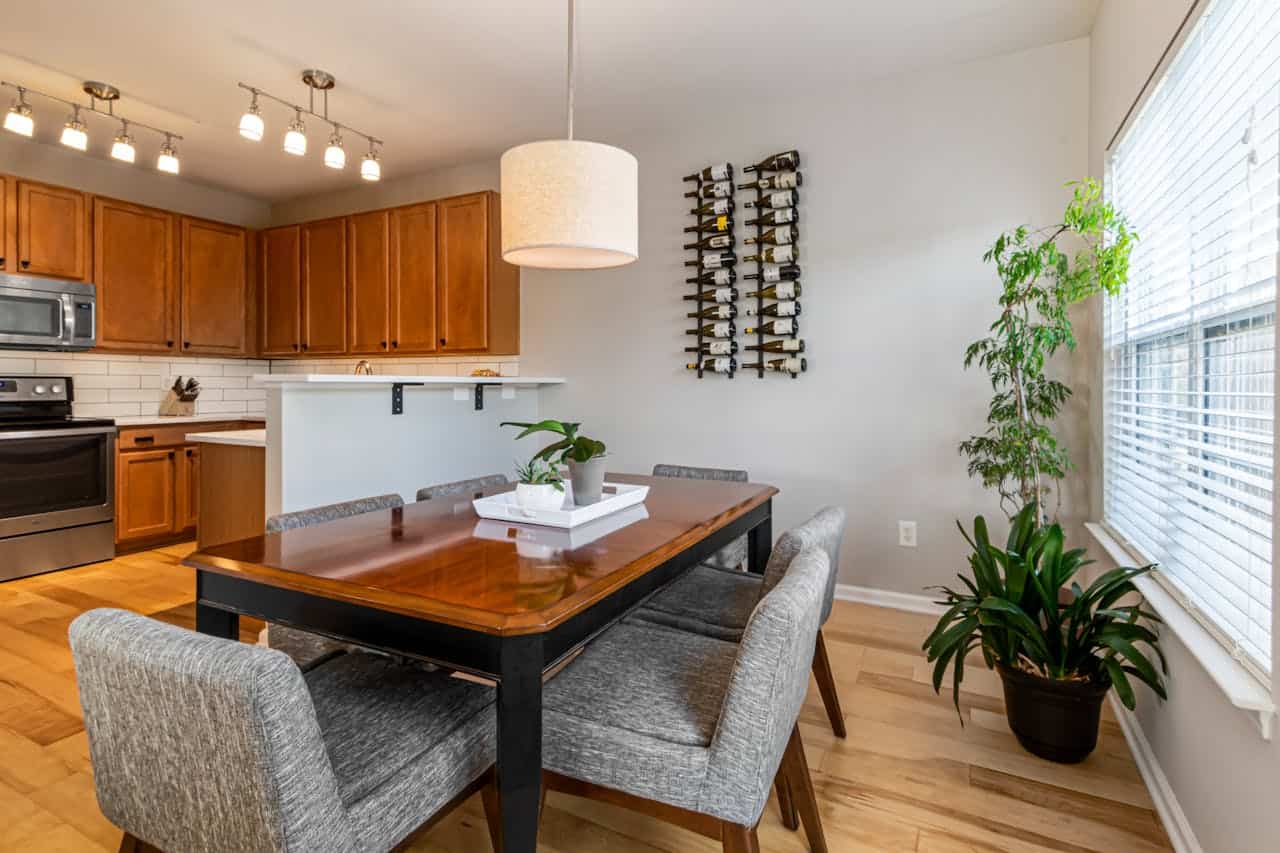
In open floor plans, you are often surrounded by noise and movement. This can make it hard to focus on your tasks.
People nearby might be talking, typing, or moving around, which breaks your concentration. You may find yourself needing to work harder just to stay focused.
Because of these distractions, your productivity and the quality of your work might decline. Quiet, private spaces can help you concentrate better.
Desire for cozy, intimate spaces
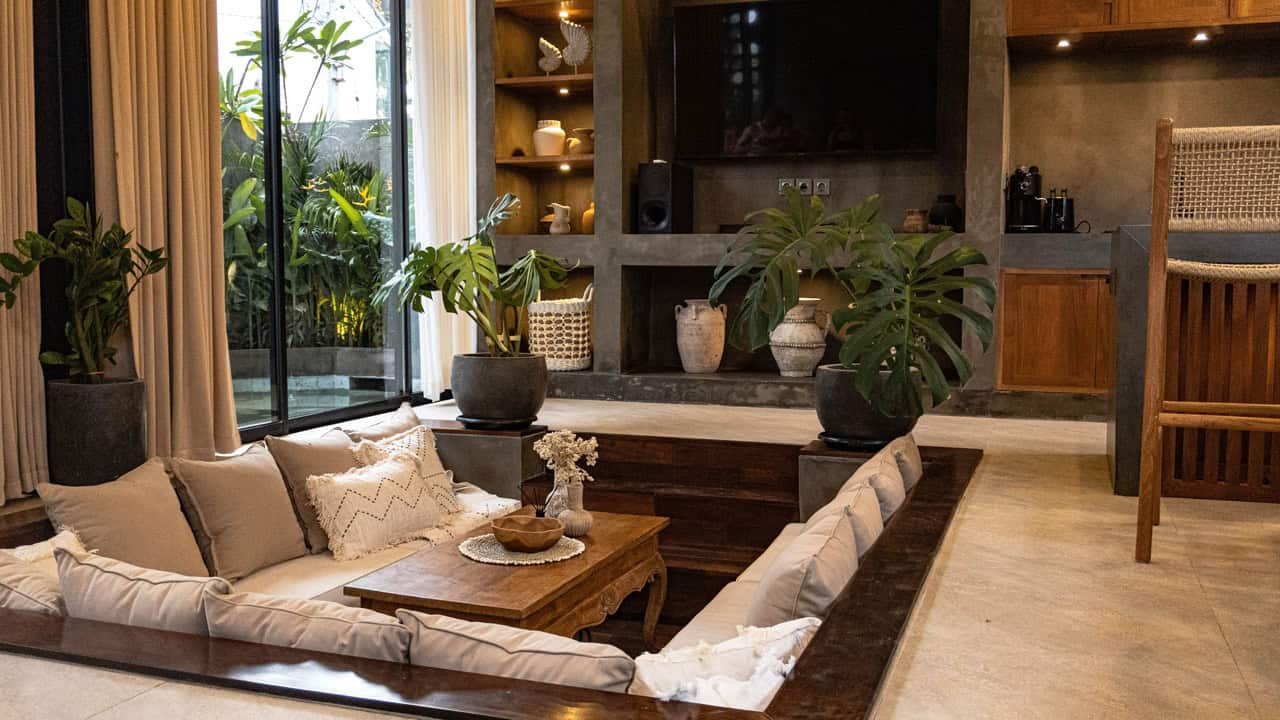
You might find that open floor plans can feel too vast or impersonal. They often lack the small, defined areas where you can relax quietly or connect closely with family and friends.
Creating cozy corners or private rooms helps you unwind without distractions. These spaces make your home feel warmer and more inviting, giving you a break from constant openness and noise.
Need for more wall space for storage and decor

With an open floor plan, you often lose the walls that are perfect for shelves, cabinets, or art. This means less space to display your favorite items or tuck away clutter.
You might find it harder to organize your belongings without enough built-in storage. Adding furniture designed for storage can help, but it can also interrupt the open flow you wanted.
If you enjoy decorating with pictures or wall hangings, less wall space limits your options. Walls offer a chance to add personality, which can feel missing in open layouts.
Difficulty controlling temperature zones

In an open floor plan, keeping your entire space comfortable can be tricky. Large, connected areas often have uneven heating or cooling, resulting in hot or cold spots.
You might find yourself adjusting the thermostat more often or wasting energy trying to balance temperature. Without separate zones, it’s hard to control comfort in different parts of your home efficiently.
Less flexibility for future remodeling

When you have an open floor plan, adding walls later can be tricky and costly. The absence of defined spaces means you might need major changes to create separate rooms.
Your options for future updates may feel limited. Open layouts often don’t allow for easy partitioning without sacrificing flow and natural light.
If you want to adapt your home as your needs change, a more segmented layout could offer greater flexibility. This can make remodeling smoother and less expensive.
Preference for compartmentalized living
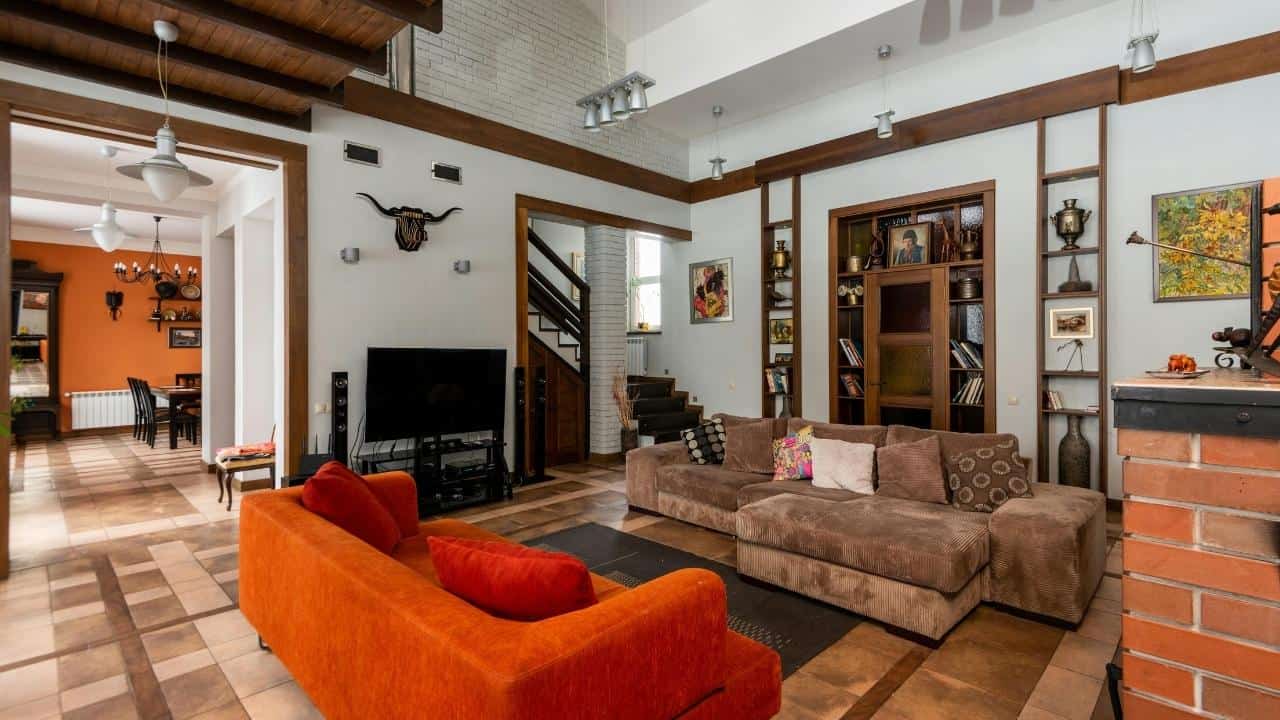
You might find that having separate rooms helps create boundaries between different activities. This can make it easier to focus when working or studying at home.
Individual spaces also give you more privacy and reduce distractions. You can decorate each room to fit its unique purpose and your personal style.
Many people prefer this setup after experiencing open layouts during lockdowns. It offers a sense of calm and control in busy household environments.
How Changing Lifestyles Influence Floor Plan Trends

Your daily routines and priorities shape how your living space fits your needs. Changes like working from home and the desire for personal space are steering designs away from wide open areas toward more defined rooms.
Impact of Remote Work on Home Design
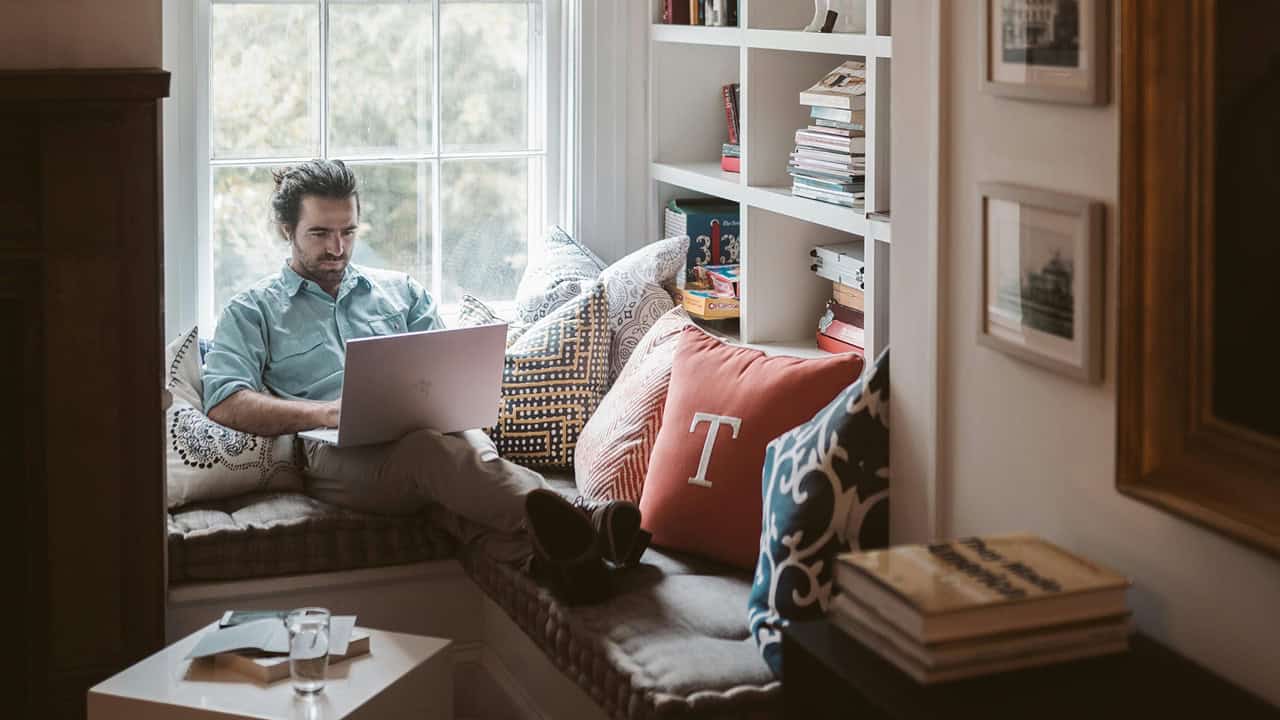
With remote work becoming more common, you need spaces that support productivity and focus. Open floor plans can make it hard to concentrate due to noise and distractions.
Many people now add dedicated home offices or quiet nooks. These areas often have walls to block sound and clearly mark work zones separate from living spaces.
Creating these functional zones helps you switch between work and relaxation without the lines blurring. You’ll find that privacy and minimizing interruptions are driving trends in new home layouts.
Privacy Needs in Modern Households
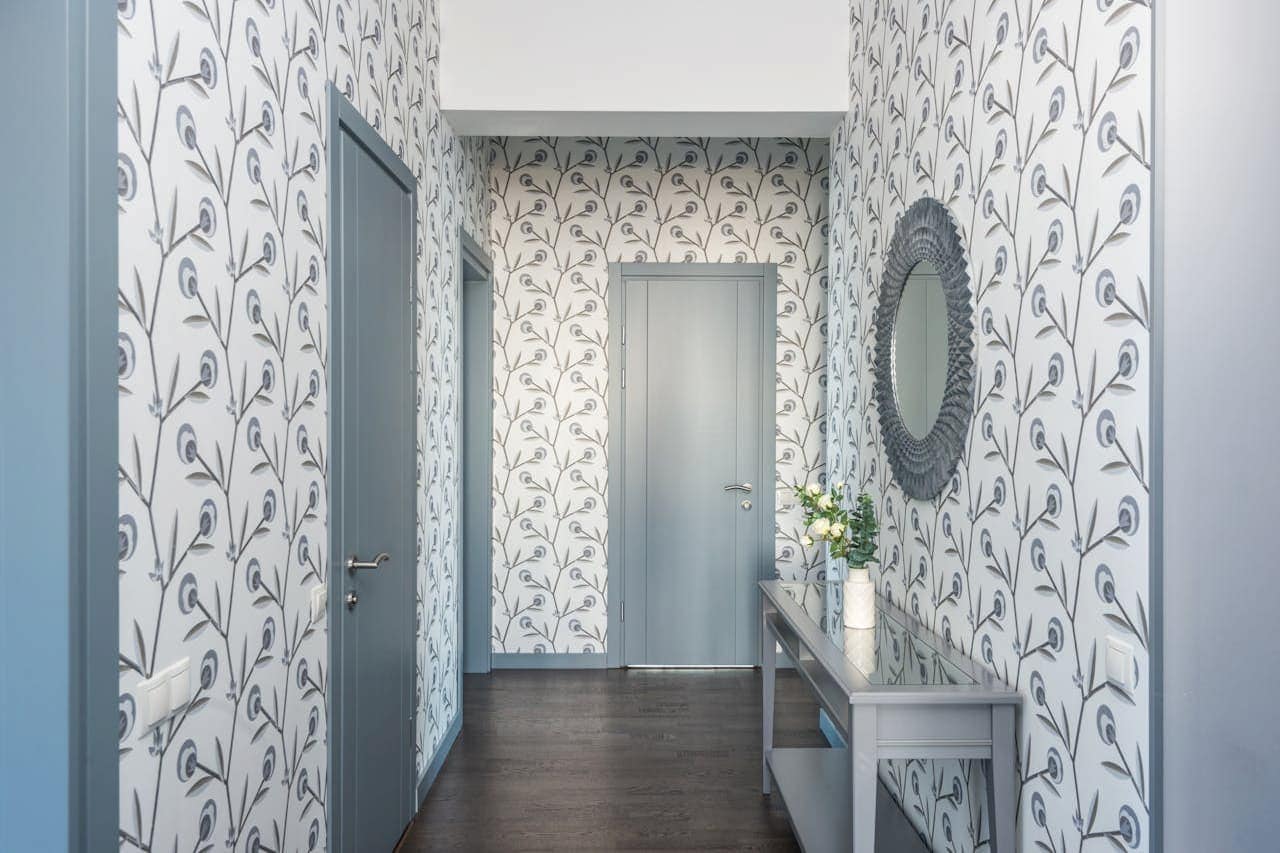
You need more privacy than before, especially with multiple people sharing a home throughout the day. Open floor plans offer social benefits but limit personal space and alone time.
Walls and doors allow everyone to have their own retreat. This is helpful for managing noise, clutter, and different activities happening simultaneously.
Having private rooms also supports changing family dynamics, like kids needing study areas or adults wanting quiet spots for hobbies. Your home becomes more adaptable when designed for privacy.
Emerging Alternatives to Open Floor Plans
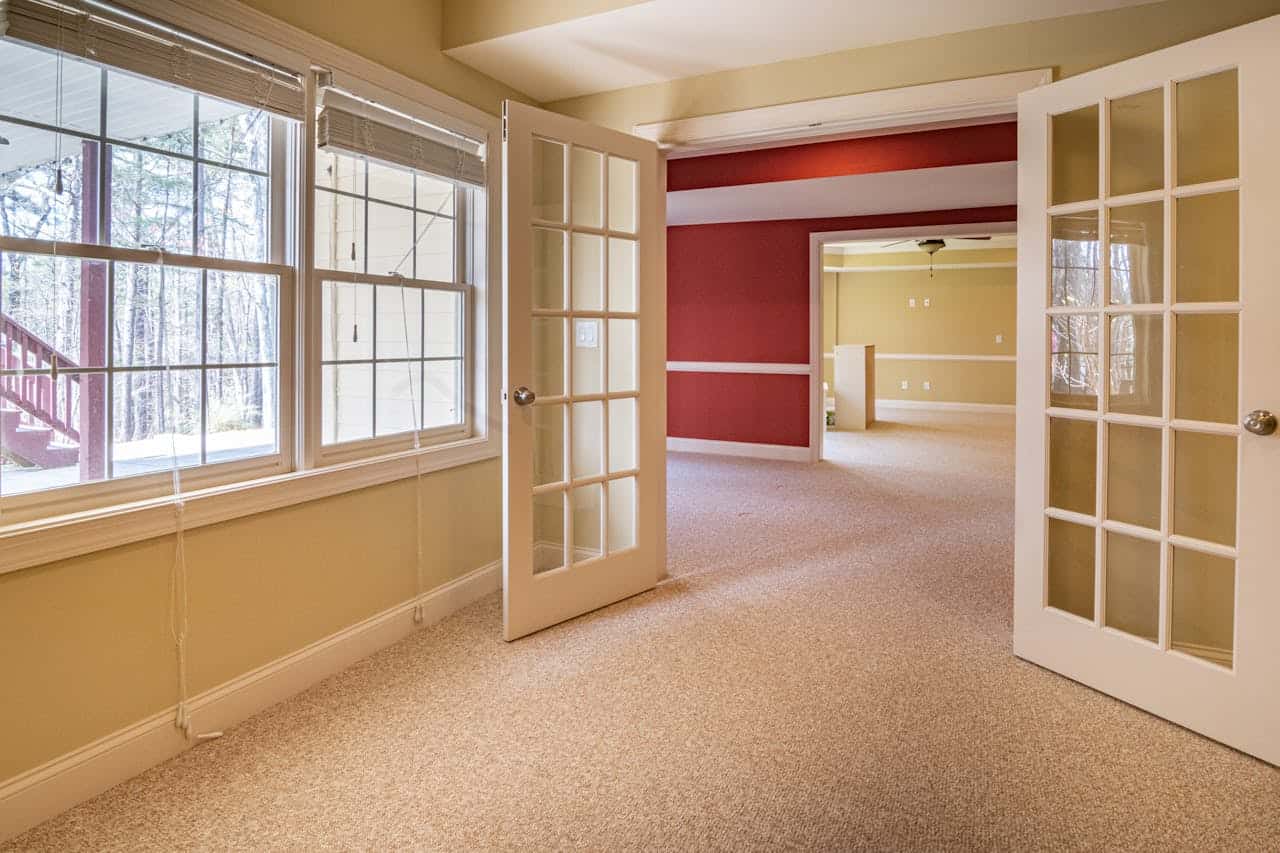
You’re seeing a shift toward designs that offer more flexibility and separation without feeling closed off. New layouts let you customize your space for different needs, balancing openness with defined areas.
Rise of Flexible and Multi-Use Spaces
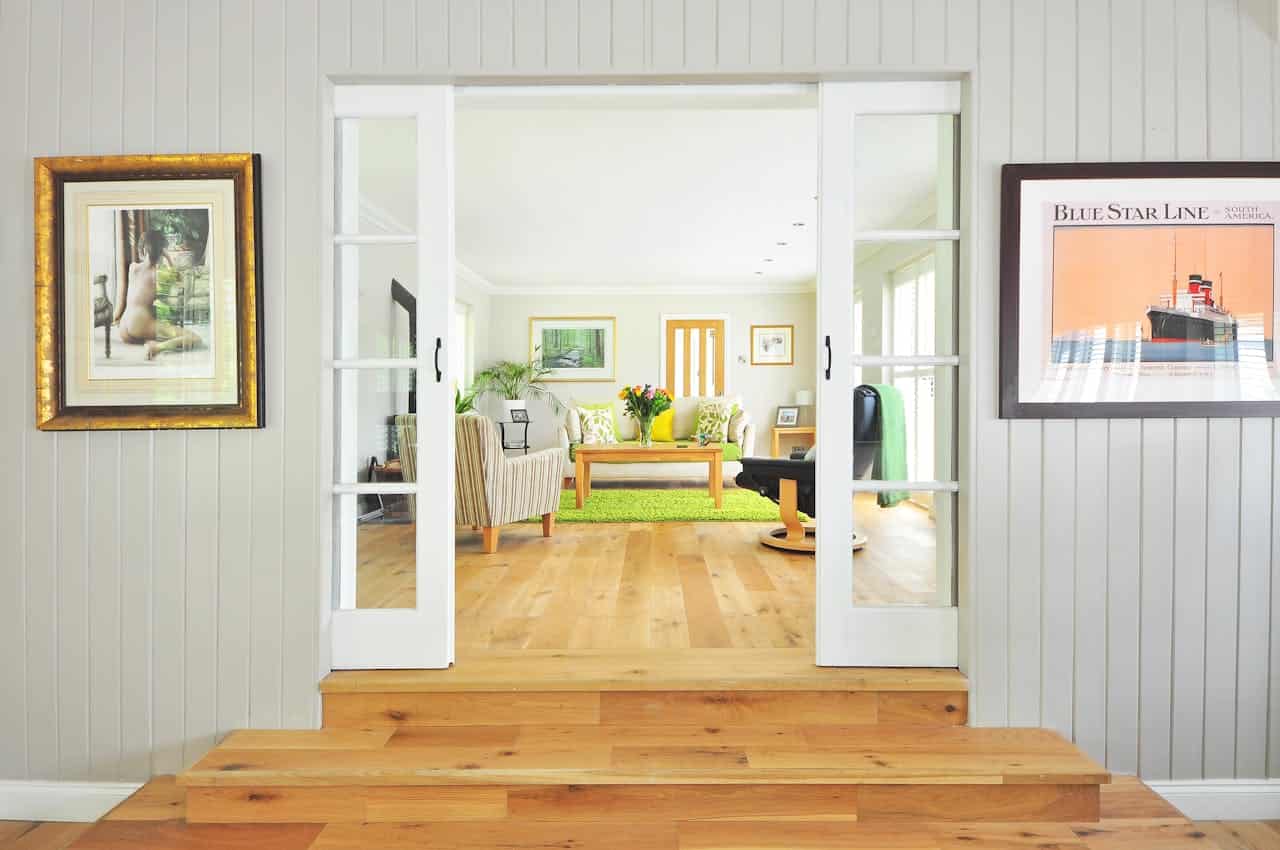
Flexible spaces let you adapt your home easily. Instead of one big room, you get zones that can transform based on what you need—like a home office that doubles as a guest room or a dining area that also works as a homework station.
This approach uses movable furniture, sliding panels, and partial walls. These tools create boundaries while keeping the flow open when you want it. It’s perfect if your lifestyle changes regularly or you want rooms that serve multiple purposes.
Popularity of Broken-Plan Living
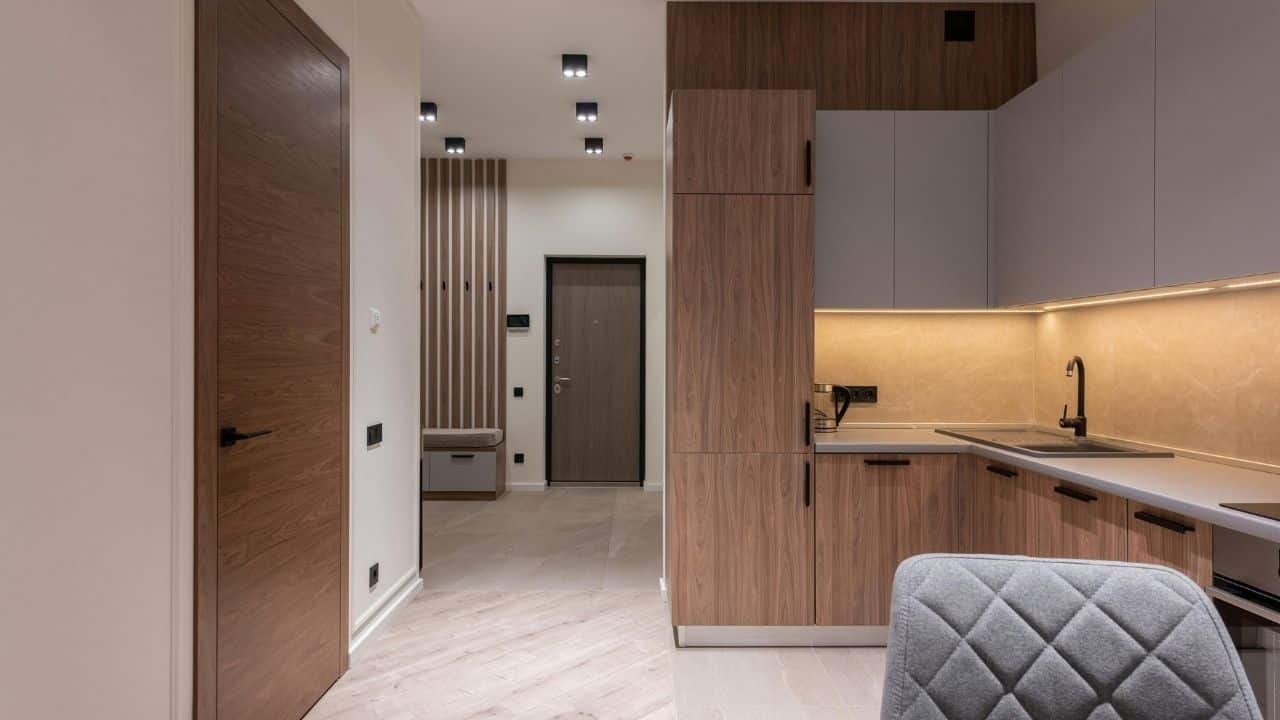
Broken-plan living breaks up large open areas with subtle divisions. You might see low walls, shelving, or changes in floor levels separating rooms but still maintaining sightlines and a sense of connection.
This style gives you privacy without fully closing spaces off. It helps cut down noise and visual chaos, making your home feel more organized. Plus, it’s easier to hide clutter or unsightly areas while keeping rooms light and airy.