
Gardening can be a rewarding hobby, but it often takes time and effort to keep your outdoor space looking its best. Whether you’re new to gardening or have some experience, finding ways to work smarter can make your tasks easier and more enjoyable.
This article shares 14 proven landscaper hacks that help you save time and get better results in your garden. These practical tips are designed to improve your gardening routine, making maintenance less of a chore while boosting the health and appearance of your plants.
Use a tarp to easily move leaves, weeds, and brush without making a mess
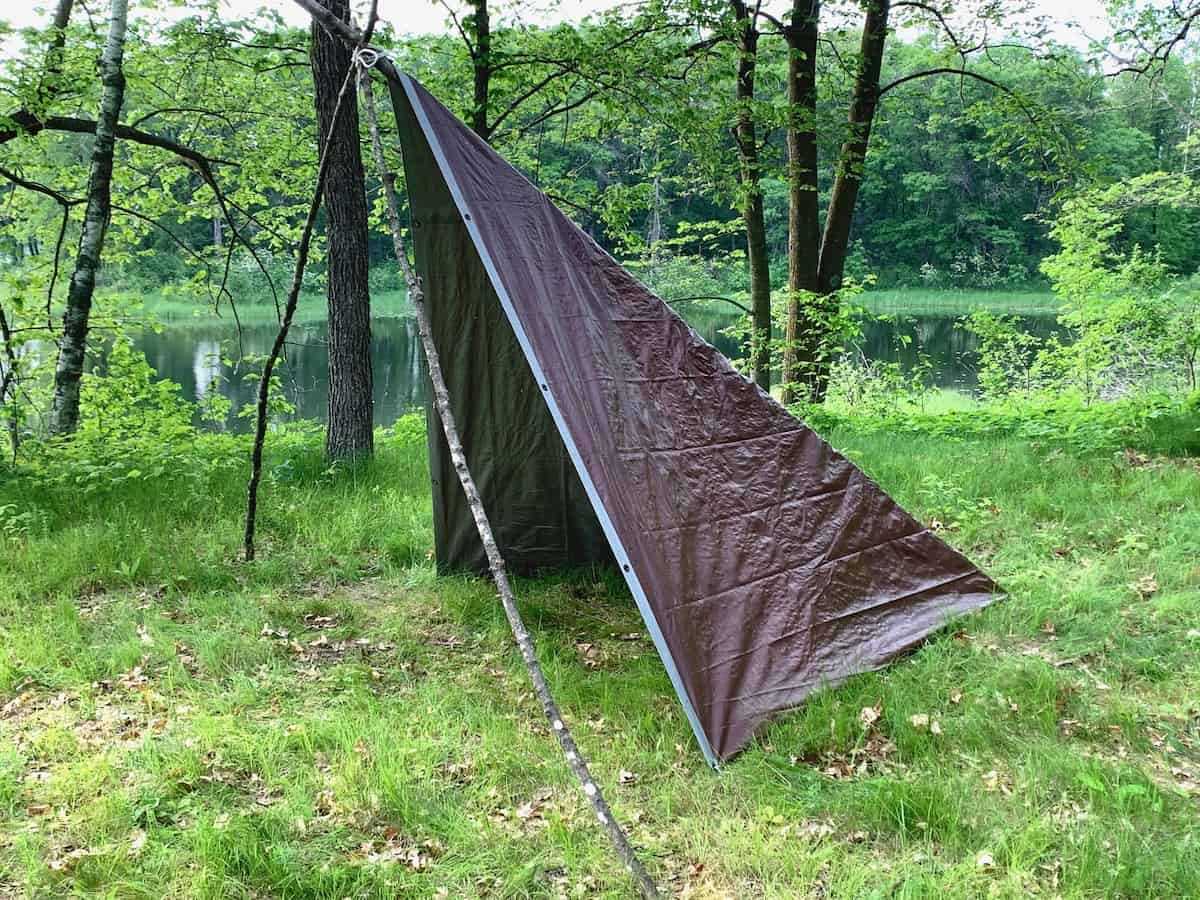
You can use a tarp as a simple way to gather and transport garden debris. Just rake or pile leaves, weeds, and brush onto the tarp.
Then, drag the tarp to your compost pile or disposal area. This method keeps your yard clean and saves you from making multiple trips.
It’s an easy trick that helps you manage garden waste quickly and with less effort.
Test your soil with an at-home soil test kit before planting

You can easily check your soil’s health using an at-home soil test kit. Just collect samples from different parts of your garden to get a clear picture.
Mix your soil with distilled water and use the test strips to measure pH and nutrient levels. This quick step helps you know what your plants really need before you start planting.
Add natural compost regularly to enrich your soil organically

You can boost your garden’s health by adding natural compost regularly. Compost improves soil structure and adds essential nutrients slowly over time.
Try to compost kitchen scraps, yard waste, and other organic material. This creates a rich, nutrient-dense soil amendment that supports plant growth.
Using compost also encourages beneficial microbes in your soil. These microbes help break down organic matter and make nutrients more available to your plants.
Group plants in clusters to make watering and maintenance simpler

When you group plants with similar water needs together, you can save time and avoid overwatering. It helps you focus your watering efforts where they are needed most.
Clustering also makes it easier to apply mulch, which retains moisture and keeps weeds down. Plus, it simplifies pruning because you can care for plants in one go rather than moving all around the garden.
Embrace vertical gardening to maximize small spaces

You can save a lot of room by growing plants vertically. Using walls, fences, or specially designed racks lets you fit more into a small garden.
Vertical gardening works well for vegetables, herbs, and flowers. It also makes watering and harvesting easier since plants are within reach.
Try containers, pockets, or trellises to help your plants climb. This method keeps your garden organized and visually appealing without crowding your space.
Install drip irrigation systems for efficient, targeted watering
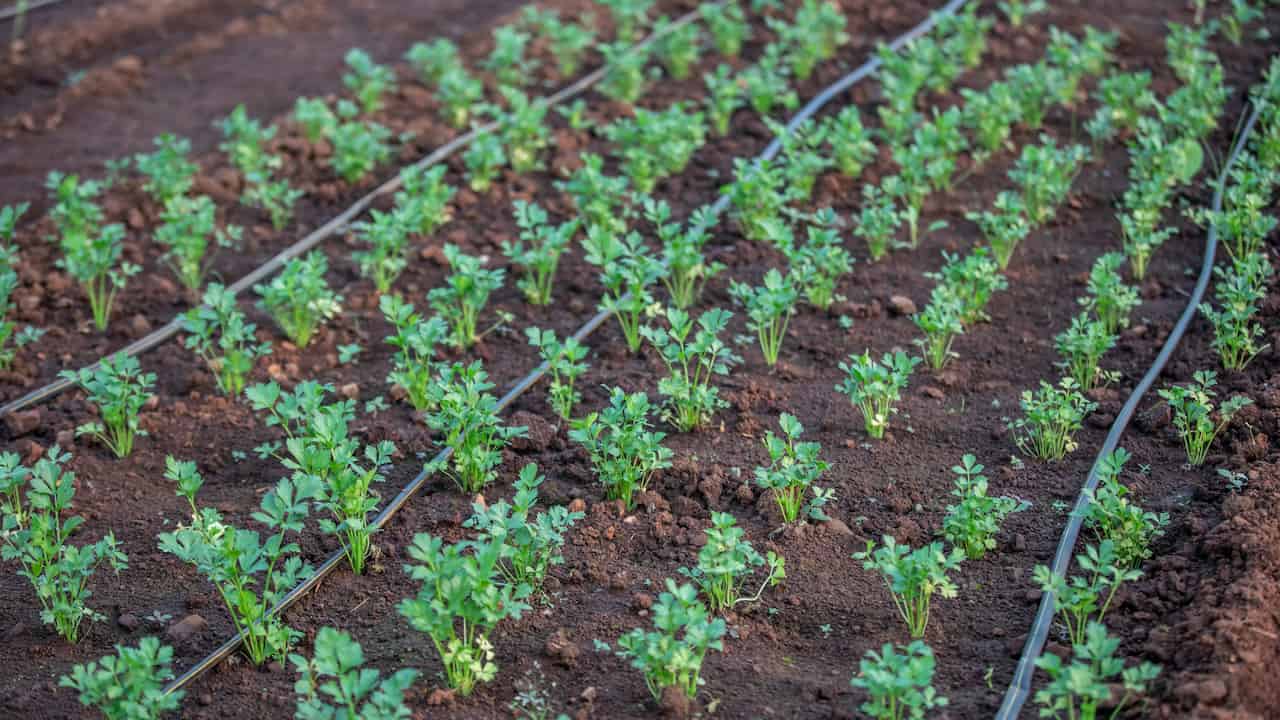
You can save time and water by installing a drip irrigation system in your garden. It delivers water directly to each plant’s roots using small emitters, reducing waste and evaporation.
Start by planning your irrigation grid to cover all plants evenly. Mark spots for each emitter to ensure every plant gets enough moisture without overwatering.
Setting it up might take some time, but once in place, your garden stays healthier with less effort from you.
Avoid landscape fabric and dyed mulch to improve soil health

You might think landscape fabric stops weeds, but it can block water and air from reaching your soil. This reduces helpful microorganisms and slows down natural decomposition.
Dyed mulch can look nice but sometimes contains chemicals that affect soil health. Using natural mulch lets your soil breathe and supports beneficial life below the surface.
For a thriving garden, choose breathable, natural materials that keep your soil lively and balanced.
Build raised beds for better drainage and soil control

Raised beds give you complete control over your soil mix. This means you can improve drainage and avoid soggy roots.
You can build them with wood, stone, or even repurposed items like animal troughs. Just make sure to add drainage holes if needed.
With raised beds, your plants get healthier roots and better growth, making gardening easier and more enjoyable for you.
Use mulch to retain moisture and reduce weeds naturally

You can use mulch to keep your garden soil moist and cool. This helps your plants stay healthy, especially in hot weather.
A thick layer of mulch, about 2-3 inches, blocks sunlight from reaching weed seeds. This limits weed growth without using chemicals.
Organic mulches also improve your soil over time as they break down. They are an easy and natural way to care for your garden.
Incorporate native plants to reduce maintenance and support local wildlife

Using native plants in your garden means choosing species that naturally thrive in your area. This reduces the need for extra watering, fertilizers, and pest control.
Native plants also provide food and shelter for local insects, birds, and small animals. Your garden becomes a lively habitat while staying low-maintenance.
Plus, native plants can create a beautiful, natural look without extra effort. They help you save time and support the environment at once.
Turn on garden automation like smart sprinklers and timers

You can save time and water by using smart sprinklers and timers in your garden. These devices let you control watering schedules from your phone, so you don’t have to do it manually.
Smart timers adjust based on weather, so your plants get exactly what they need. This helps prevent overwatering or drying out. Setting them up is usually simple and can fit any garden size.
Place plants with similar water needs together to save time

You can save time by grouping plants based on how much water they need. This way, you water each zone efficiently without overwatering some plants.
It also helps your garden stay healthier since plants won’t compete for the wrong amount of water. Setting up zones like this makes your watering routine simpler and more effective.
Prune regularly to promote healthy growth and increase airflow

You should prune your plants regularly to remove dead, weak, or crossing branches. This helps keep your garden healthy by improving airflow around the plants. Better air circulation reduces the risk of disease.
Trimming also encourages new growth and can make your plants stronger. Just be careful not to over-prune, as removing too much can stress your plants. Regular, light pruning is usually the best approach.
Use organic pest control methods like neem oil or ladybugs
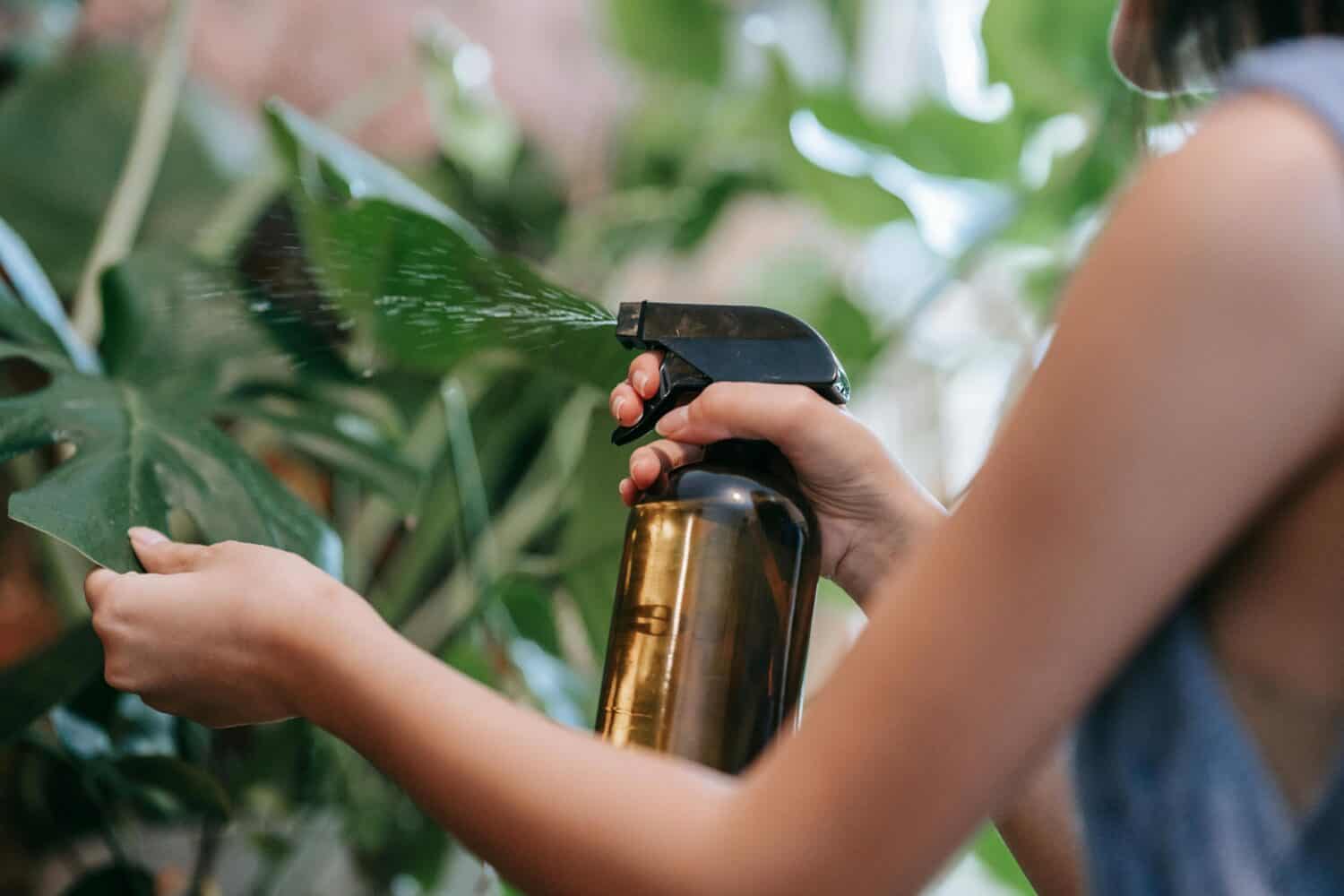
You can protect your garden naturally by using neem oil. Mix a small amount with water and a mild soap, then spray it on your plants to manage pests gently.
Introducing ladybugs is another helpful trick. They eat harmful insects like aphids, keeping your plants safe without chemicals.
These methods support a healthy garden and are safe for pollinators like bees. Try them to keep your garden thriving naturally.