When you pick plants for your garden, you might not realize that some of them attract animals and bugs you don’t want around. These unwanted visitors can cause damage or make your outdoor space less enjoyable. Knowing which plants bring in unwanted wildlife can help you avoid those problems.
Understanding which plants attract certain animals or pests lets you make smarter choices for your garden. This way, you can enjoy your yard without dealing with too many uninvited guests.
Advertisement
Azaleas
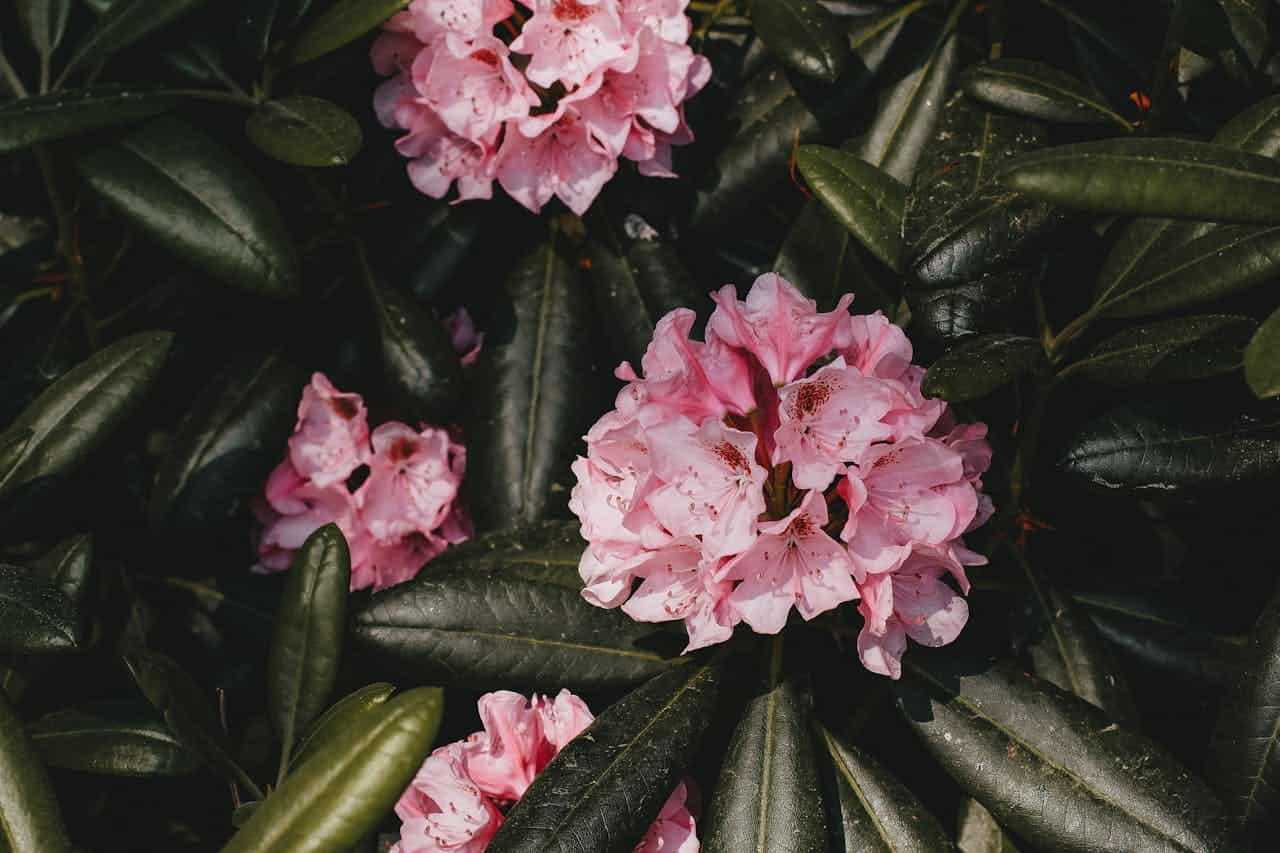
If you plant azaleas, you might notice more rabbits around. They like to nibble on the leaves and stems.
Butterflies also visit azaleas, but they are usually just gathering nectar without causing much harm.
Keep an eye on your garden if you want to avoid these visitors, especially during blooming season.
Milkweed
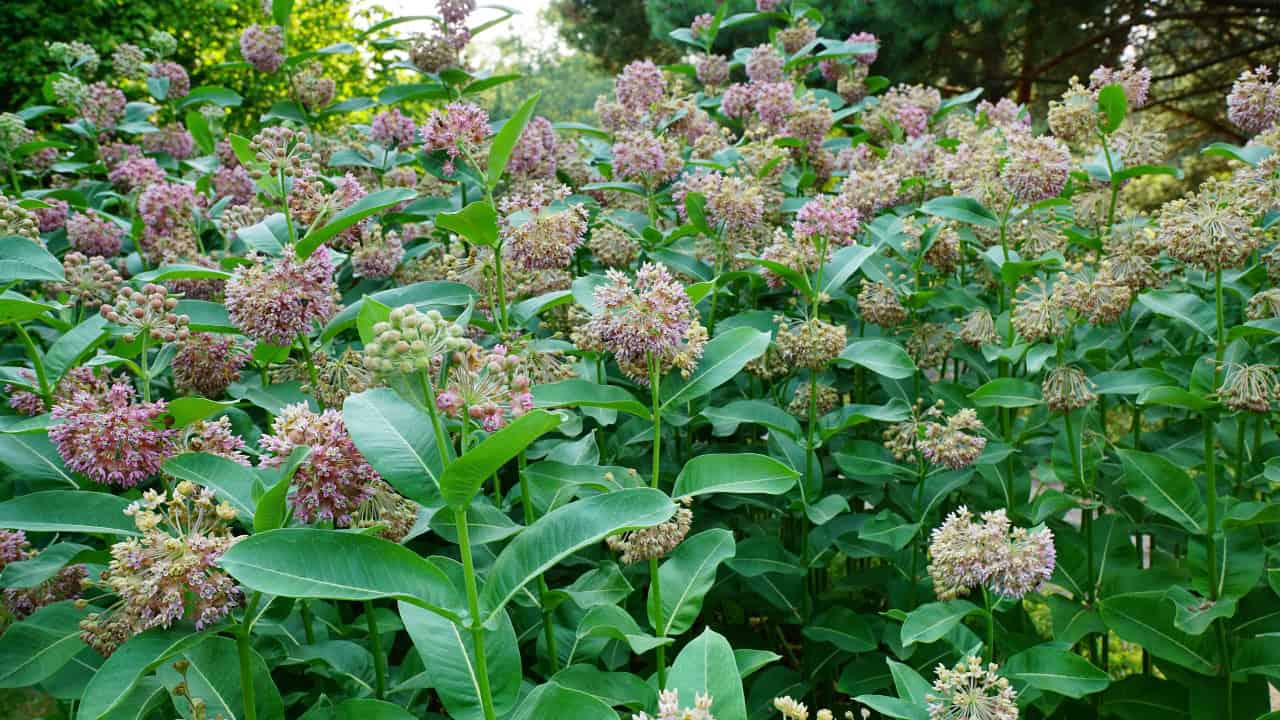
Milkweed is great for butterflies, but it can also attract pests you don’t want in your garden. Bugs like aphids and other insects often show up on these plants.
If you plant milkweed, try spreading out different types in your garden. This helps reduce the chance of pests taking over your whole patch. Keep an eye on your plants and remove any bugs you see early.
Fig trees
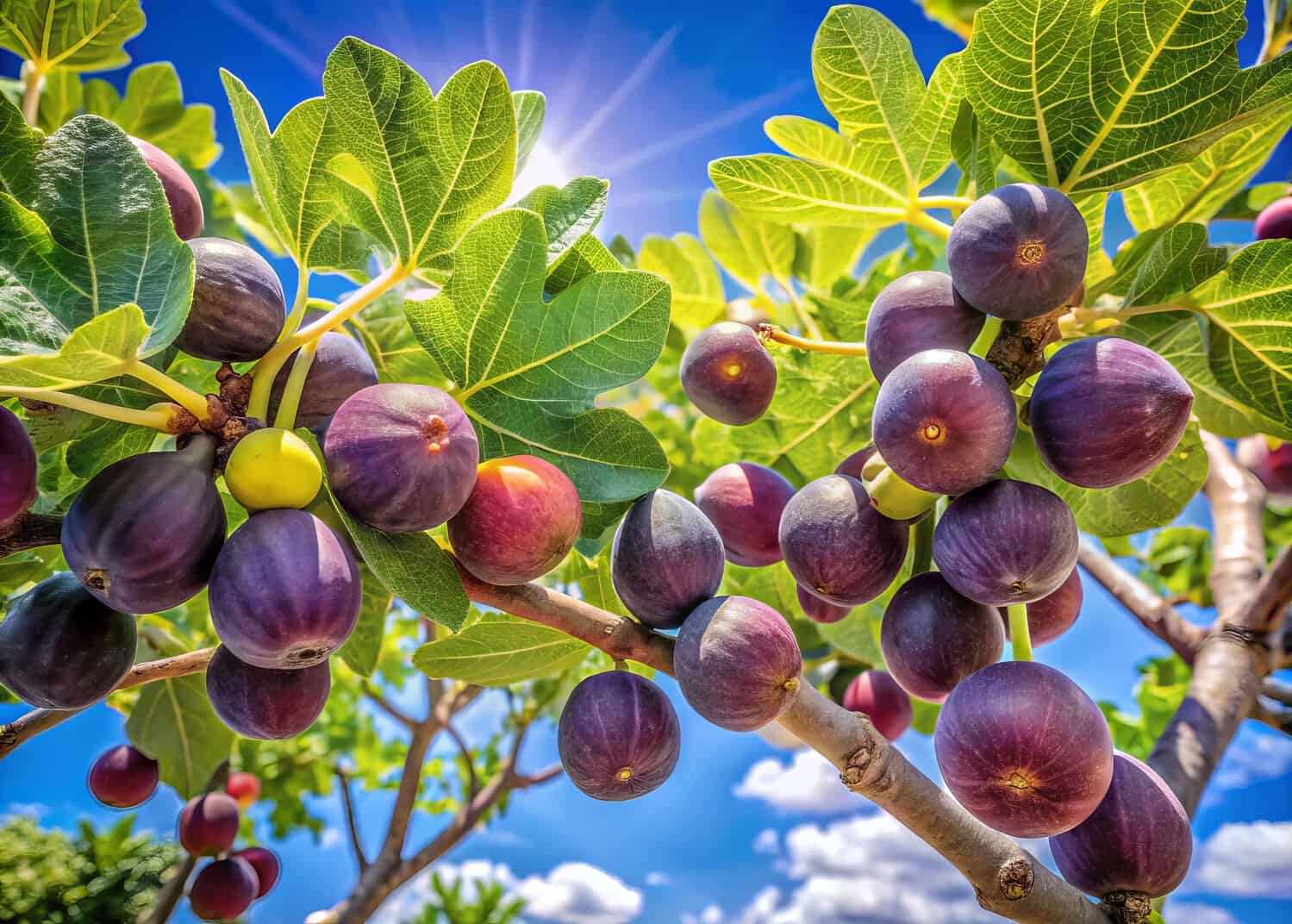
If you have fig trees, you might notice they attract a lot of wildlife. Birds and insects often come to feast on the figs. Some insects, like caterpillars, can harm the fruit or tree by eating many of the figs.
Fig trees also drop fruit, which can attract rodents and other animals you might not want nearby. So, while figs are tasty, they can bring some unwanted visitors to your yard.
Pear trees
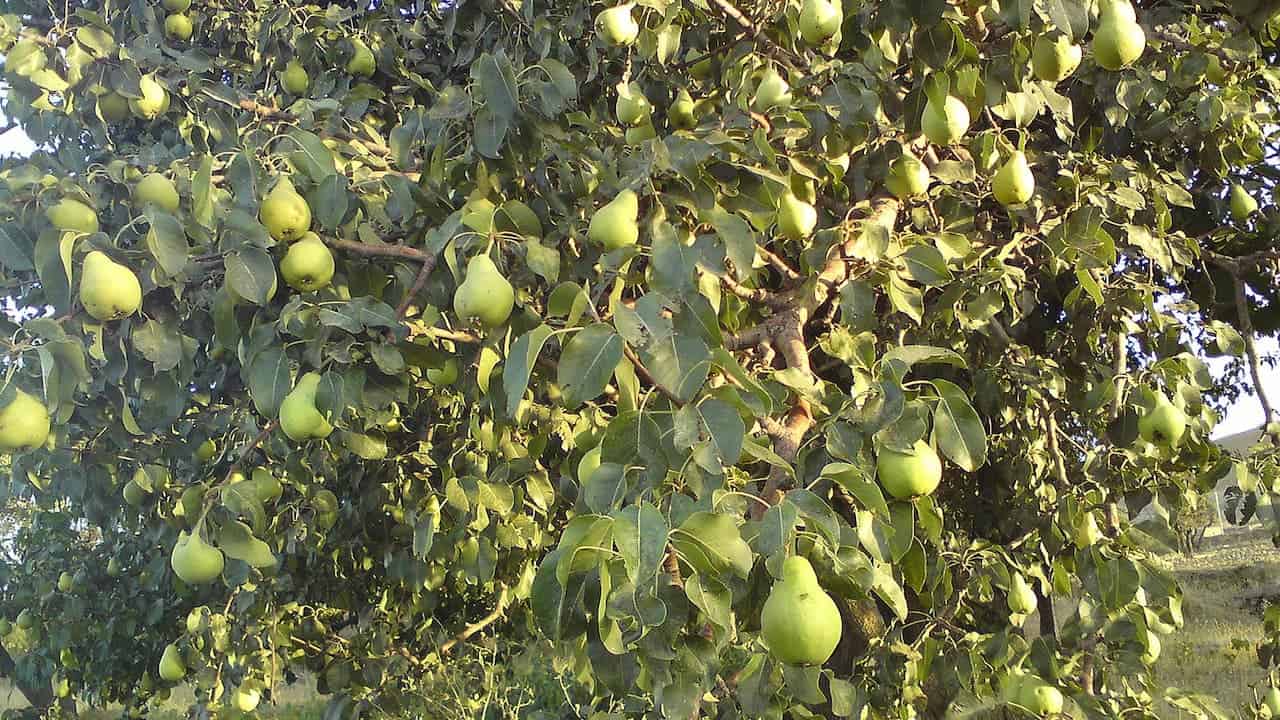
If you grow pear trees, be ready for some unexpected visitors. The sweet fruit can attract animals like deer, raccoons, and birds. They often come for the fruit, especially when it drops to the ground.
You might find pests like aphids or spiders as well. These can cause problems for your tree if you’re not careful. Keeping an eye on your pear tree helps you catch issues early.
Grape vines

If you grow grape vines, watch out. They can attract unwanted animals like deer and rabbits that love snacking on the leaves and fruit.
Some gardeners use companion plants to keep these visitors away. Planting certain flowers or herbs nearby might help protect your grapes.
Still, keep an eye on your vines. If you spot pests or animals, take action quickly to avoid damage.
Plum trees
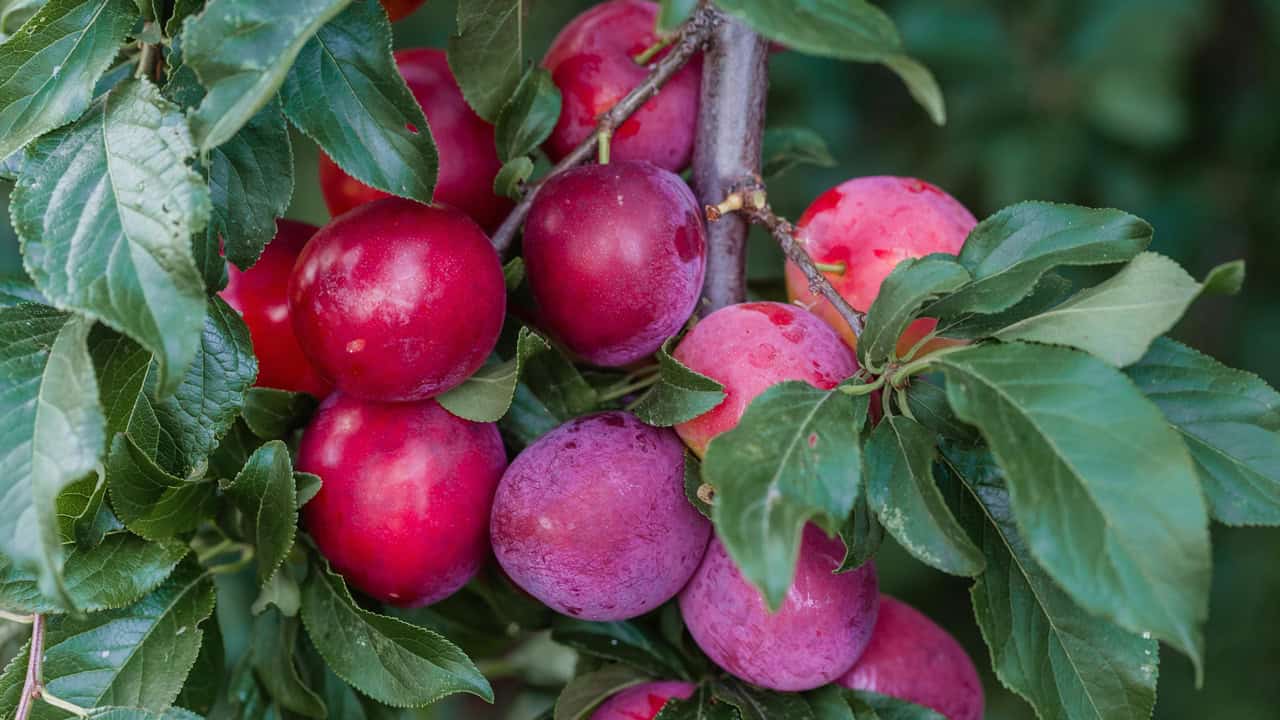
If you plant plum trees, expect to attract a lot of wildlife. Birds and deer love the fruit, so you might see more animals near your yard.
This can be fun, but it can also bring unwanted pests. Be ready for critters that may cause damage or carry diseases.
Plum trees do well with some sun and good soil, but keep in mind they could create more work for you with the extra wildlife visits.
Cabbage

If you grow cabbage, watch out for cabbage white butterflies. They lay eggs that turn into caterpillars, which can eat your leaves and heads.
These pests cause holes and damage that ruin your crop. You might also see small greenish-brown droppings on your plants.
To help, you can plant herbs like sage or marigolds nearby. They can keep some pests away.
Eggplant
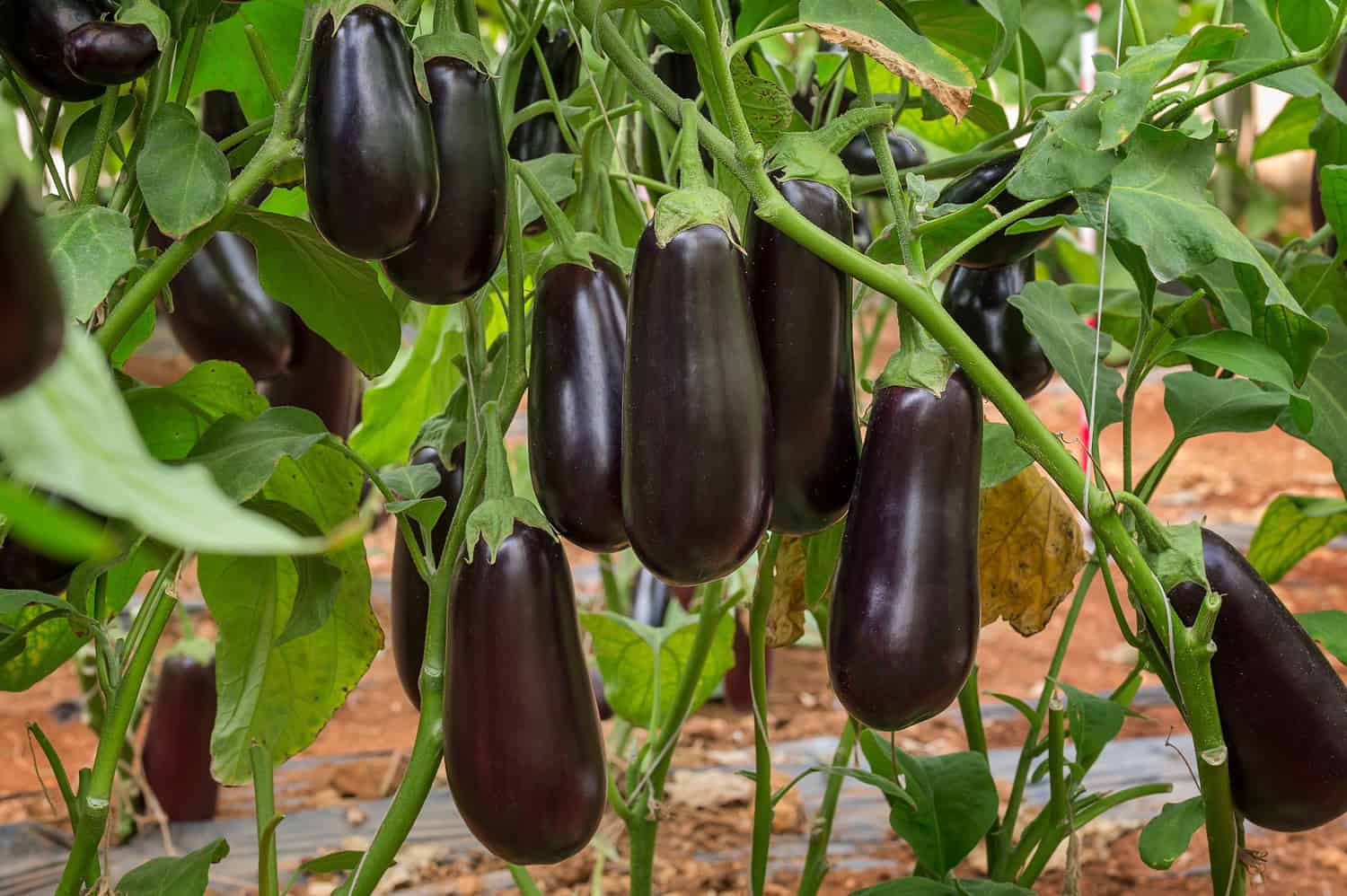
If you grow eggplant, be ready for some unwanted visitors. Deer, rabbits, squirrels, and birds all like to snack on your plants and fruit.
You might also find smaller pests like rodents or groundhogs causing trouble. These animals can damage your harvest before you even notice.
To protect your eggplants, try planting marigolds nearby. They attract helpful bugs that can keep pests away.
Cucumber
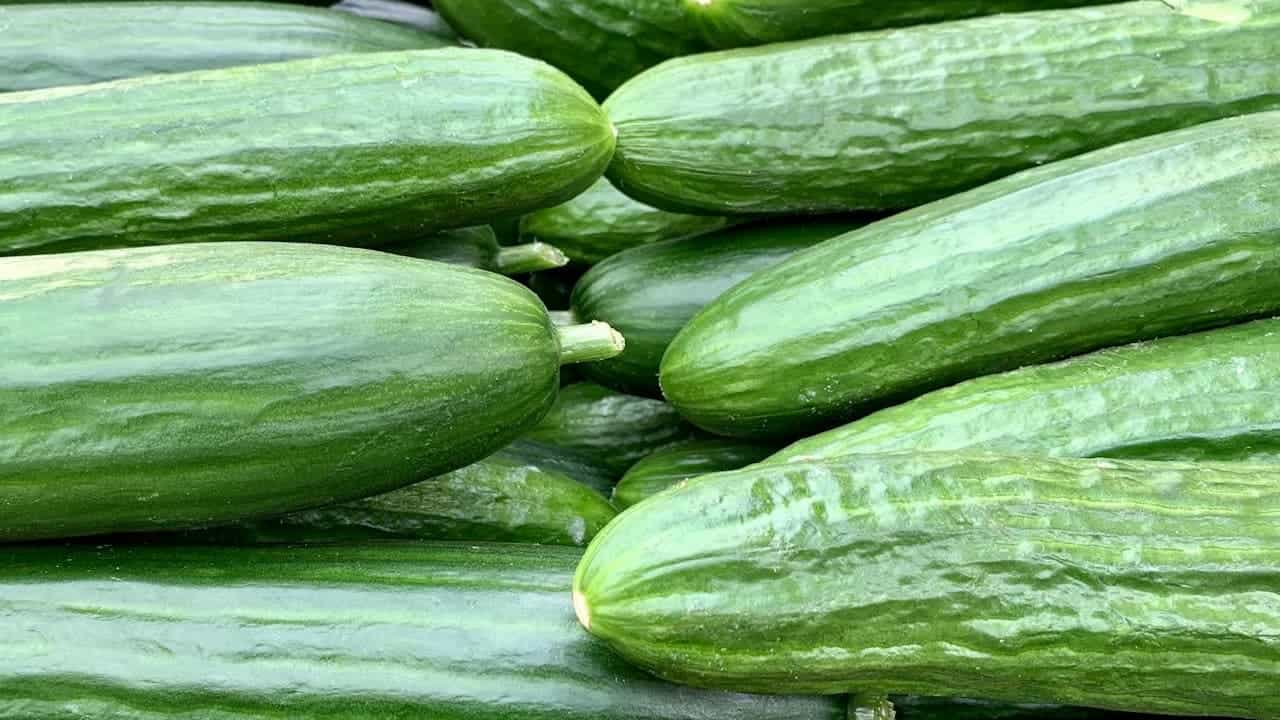
If you grow cucumbers, you might notice they attract pests like cucumber beetles and aphids. These bugs can harm your plants and spread diseases.
You can plant nasturtiums nearby to help keep some pests away. But be ready to deal with unwanted bugs that enjoy hanging out on your cucumber vines.
Watermelon

If you grow watermelon, you might notice animals like birds and raccoons coming around. They are drawn to the sweet fruit and can cause damage.
You can protect your watermelons with nets or fences to keep unwanted wildlife away. Remember, watermelon patches also attract insects, so keep an eye out for pests.
Squash
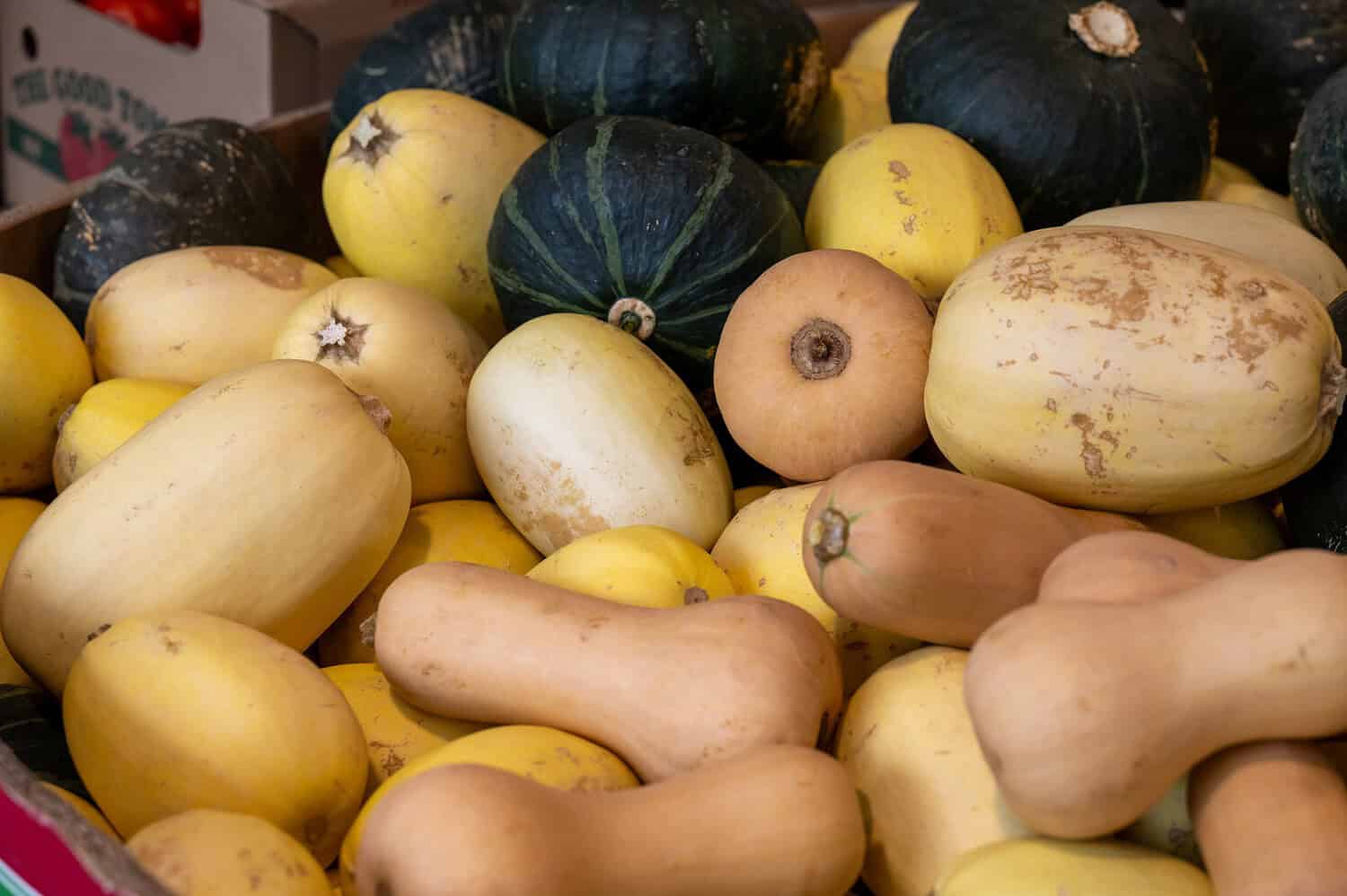
If you grow squash, you might notice more animals visiting your garden. Deer, rabbits, and squirrels love to nibble on the leaves and fruit.
These critters can cause damage if you’re not careful. You might want to watch your squash plants closely to protect your harvest.
Mint (repels some insects but attracts others)
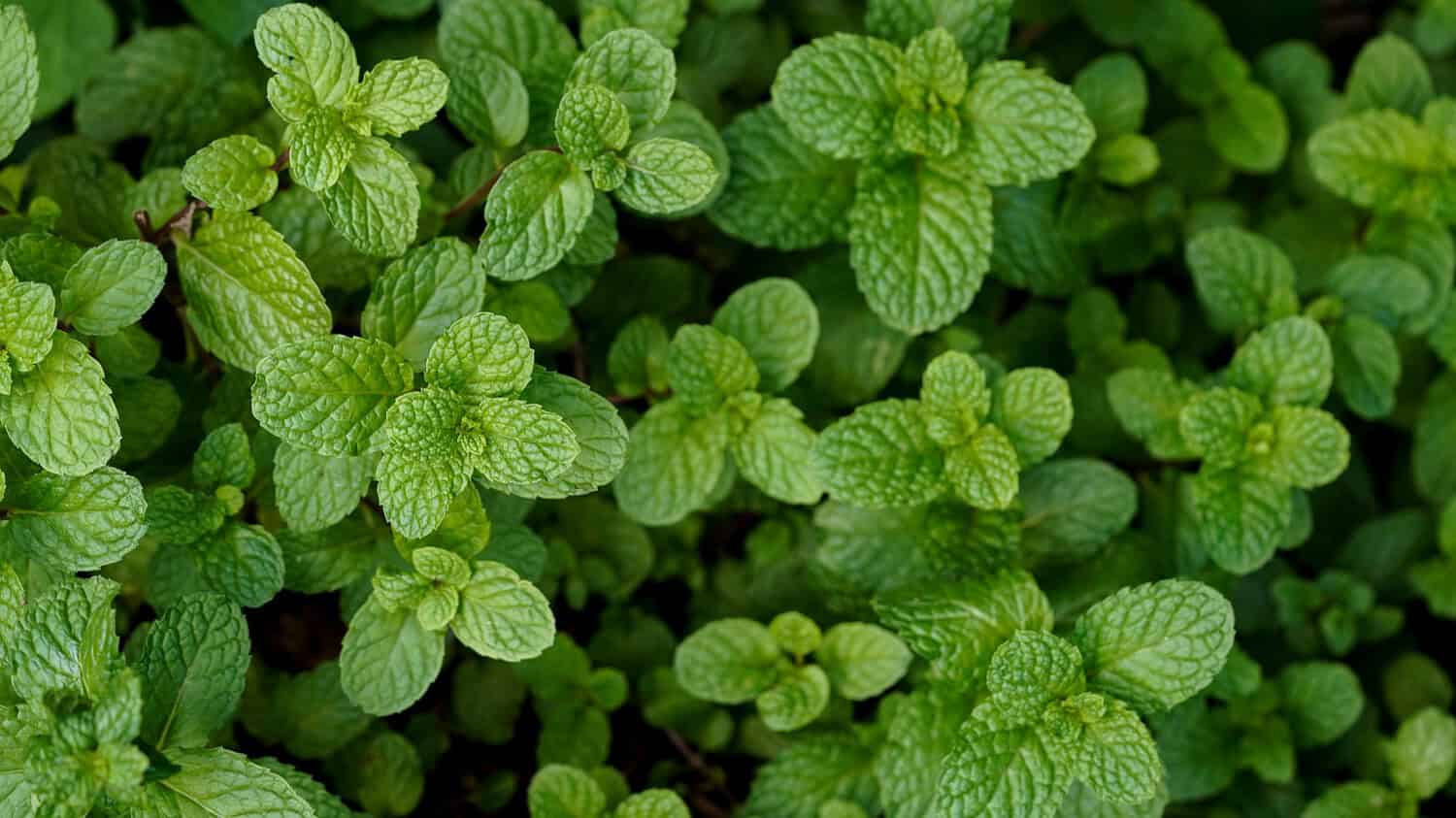
If you plant mint, it can help keep away pests like ants, flies, and spiders. The smell of peppermint and spearmint often drives these bugs off your garden.
But be careful—mint doesn’t repel all insects. Bees, for example, are often attracted to mint flowers. So, you might get more bees buzzing around your plants.
Plants that attract rabbits

If you want to avoid rabbits, watch out for plants like lettuce, peppers, and asters. Rabbits really enjoy munching on these in your garden.
You might also notice rabbits nibbling on tulips and phlox, especially woodland phlox. These plants tend to draw them in more than others.
Knowing what rabbits like helps you pick plants that won’t invite them to your yard.
Water plants that attract snakes
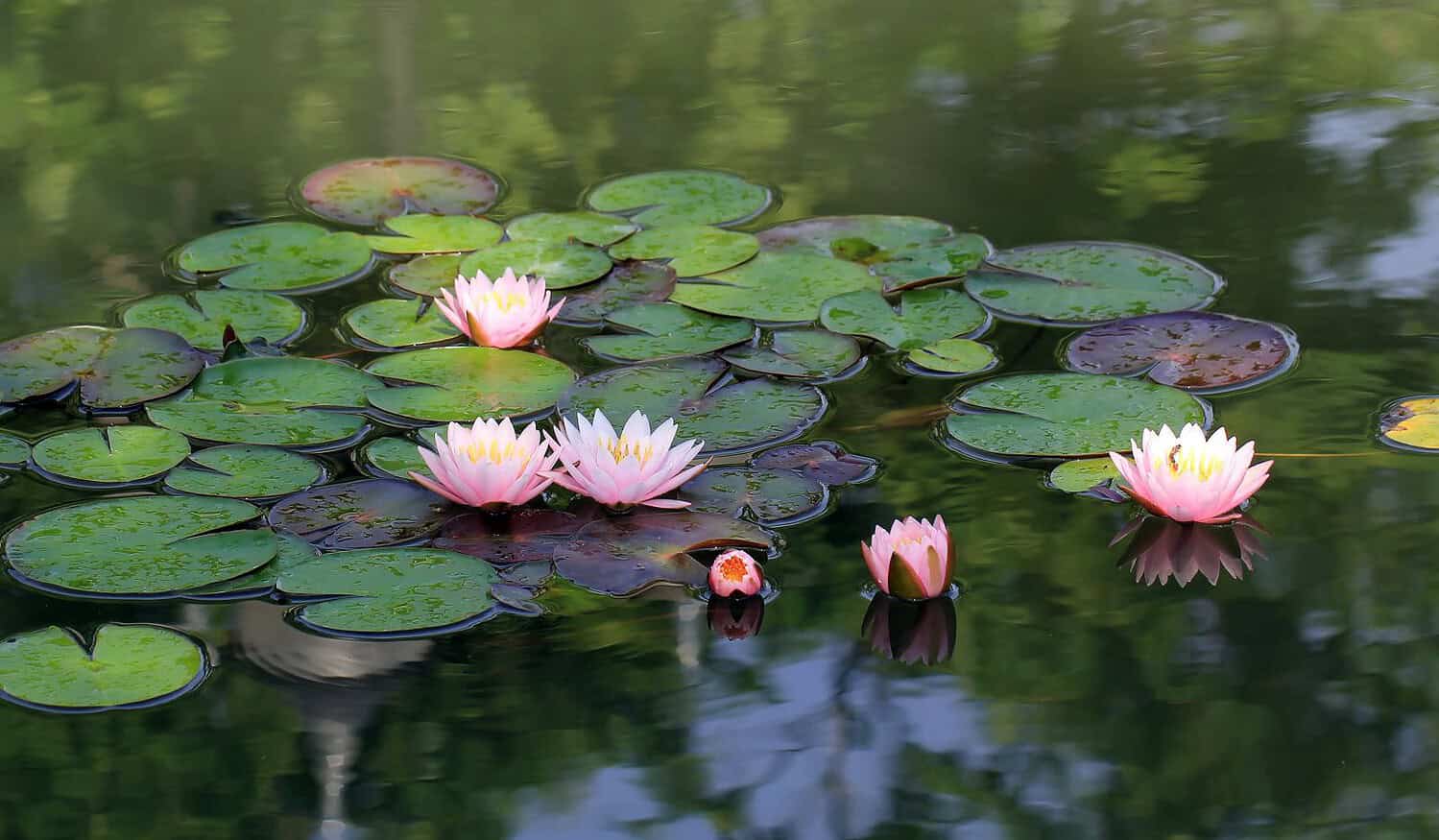
If you have water plants like water lilies or reeds near ponds, they can draw snakes. These plants give snakes places to hide and stay cool.
Snakes come because water attracts frogs and other small animals they like to eat. So, if your garden has a pond with plants, snakes might visit more often.