Maintaining a yard free of weeds can feel like a constant battle, but there are time-tested methods you can use to make the process easier. These old-time secrets have been trusted by gardeners for generations and can help you keep your outdoor space clean and healthy.
By understanding and applying these simple, natural techniques, you can reduce weed growth and enjoy a more manageable yard. With a bit of patience and consistency, you’ll find it’s possible to stay on top of weeds without relying solely on modern chemicals.
Advertisement
Mulch liberally with organic materials to block weed seeds from sprouting
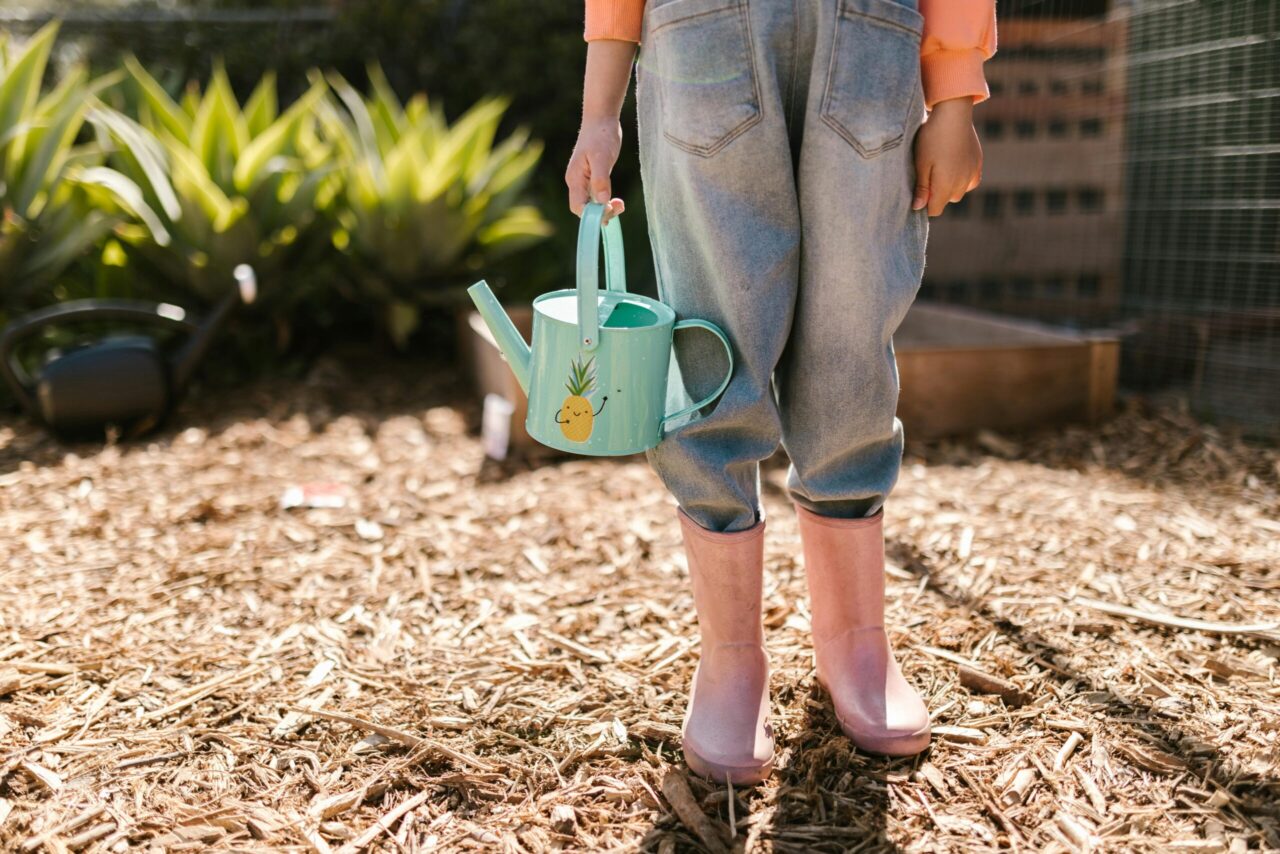
You can keep weeds at bay by spreading a thick layer of organic mulch over your soil. Mulch blocks sunlight, which weed seeds need to start growing.
Use materials like straw, wood chips, leaves, or grass clippings. These break down over time and add nutrients to your soil.
Aim for 2 to 4 inches of mulch to create a strong barrier. This simple step reduces the need for constant weeding and helps your plants thrive.
Weed immediately after watering while soil is moist for easy root removal

You’ll find it easier to pull weeds when the soil is moist. Water your yard lightly the day before or the morning of weeding to soften the ground.
Moist soil allows you to remove the entire root system, which helps prevent weeds from growing back quickly.
Avoid waiting until the soil is dry. Wet roots stick less to the ground, making the job quicker and less frustrating for you.
Plant thick ground covers like Geranium sanguineum to crowd out weeds
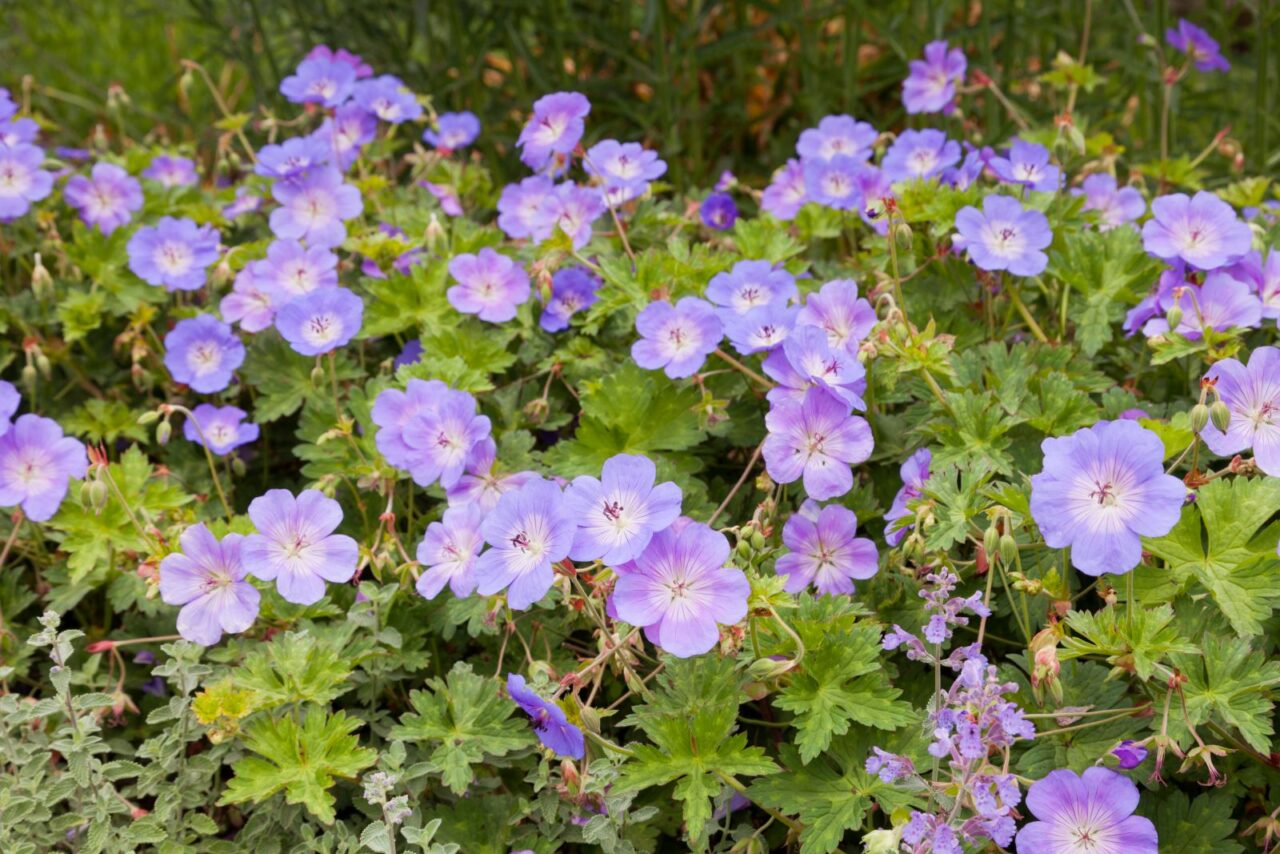
Using dense ground covers, such as Geranium sanguineum, helps reduce weeds naturally. This perennial spreads with rhizomes and trailing stems, creating a thick mat that blocks weed growth.
You’ll enjoy clusters of pink or white flowers in summer, adding color while suppressing unwanted plants. It’s a simple, low-maintenance way to keep your yard tidy and healthy without extra work.
Avoid over-digging garden beds to prevent bringing dormant weed seeds to the surface
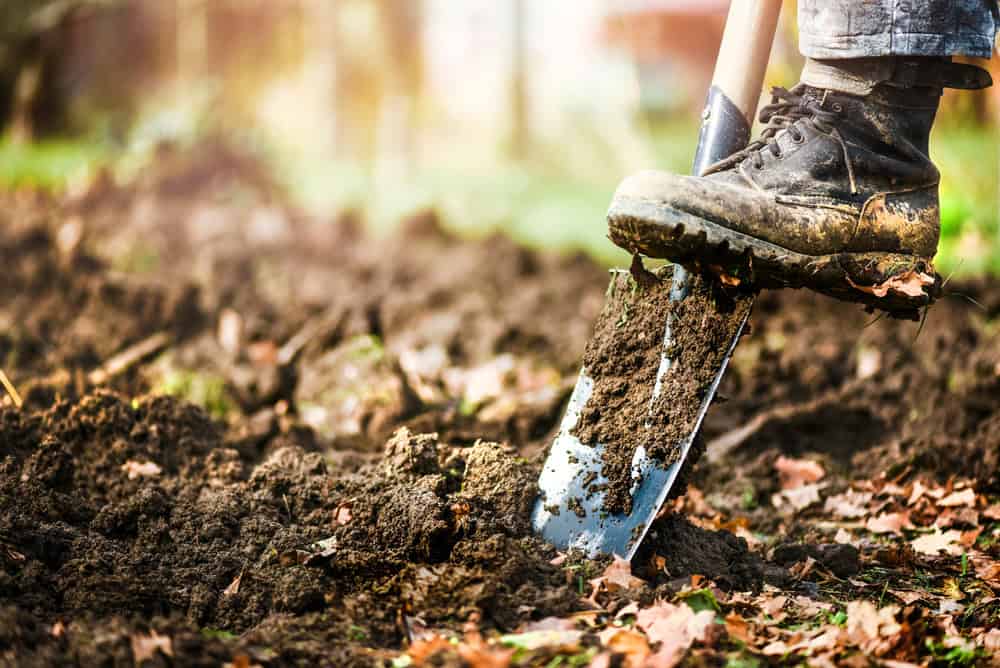
When you dig too much, you can bring weed seeds buried deep in the soil up to the surface. These seeds can then sprout and cause new weeds to grow.
Try to disturb your soil as little as possible. Lightly turning the top layer is enough to keep your plants healthy without encouraging weed growth.
By limiting how much you dig, you keep those dormant seeds where they are and reduce the chance of weeds popping up.
Regularly pull young weeds before they flower and drop seeds

You want to catch weeds early, before they have the chance to flower. Pulling them while still young stops them from spreading seeds throughout your yard.
Removing weeds before they bloom also helps reduce future weed growth. It prevents seeds from dispersing and taking root nearby.
Try to make weeding a regular habit. This keeps your garden healthier and saves you time by stopping problems before they grow.
Use natural barriers like newspaper or cardboard under mulch to suffocate weeds

You can place layers of newspaper or flattened cardboard under your mulch to block sunlight from reaching weed seeds. This stops them from growing by suffocating their ability to sprout.
Make sure to use enough layers to prevent weeds from poking through. Cover the barrier with mulch, leaves, or rocks to keep the materials in place and improve your garden’s appearance.
These natural barriers will break down over time, adding nutrients to your soil while keeping weeds at bay.
Incorporate crop rotation to disrupt weed growth cycles

You can use crop rotation to keep weeds from settling in your yard. By changing the types of plants you grow in the same spot each season, you interrupt weed life cycles and make it harder for weeds to spread.
Rotating crops creates different conditions in the soil, which can reduce weed growth. It also helps keep your soil healthy, which benefits your plants while limiting weeds.
Apply pre-emergent organic herbicides in early spring when weeds first emerge

You want to apply pre-emergent organic herbicides in early spring, just as weeds begin to sprout. This timing helps stop weed seeds from growing and keeps your yard cleaner.
Make sure to do this before the soil warms too much—around 55 degrees Fahrenheit is a good guide. Using organic options means you’re treating your yard gently and safely.
Practice consistent weeding to break the cycle of seed production over time

You can reduce weeds by pulling or cutting them regularly during the growing season. This stops them from storing food in their roots and producing seeds.
Try to weed before plants go to seed. Doing this repeatedly weakens weeds year after year. Consistency makes a real difference in controlling annual and biennial weeds.
Limiting seed production helps prevent new weeds from popping up next season. Your patience will pay off with fewer weeds to manage over time.
Add a thick layer of straw mulch around vegetable plants to reduce weed growth

You can control weeds by adding a thick layer of straw mulch around your vegetable plants. Straw blocks sunlight from reaching weed seeds, slowing their growth.
Make sure the straw is free of weed seeds to avoid introducing new weeds. Apply about 6 to 10 inches of straw over the soil.
Besides reducing weeds, straw mulch helps keep soil moist and protects your plants from soil-borne diseases. It also breaks down over time, improving your soil’s health.
Start garden beds completely weed-free to win 95% of the battle early

You want to begin with a clean slate. Removing every weed and root from your garden bed before planting stops weeds from competing with your plants.
Turning soil or using a layer of chopped leaves can help smother any lingering weed seeds. Adding mulch after weeding keeps new weeds from taking hold.
Starting weed-free means less time pulling and more time enjoying your garden as it grows.
Use homemade compost tea to promote healthy plant growth that competes with weeds

You can make compost tea at home by steeping compost in water and straining out solid particles. This liquid is packed with nutrients and beneficial microbes that help your garden plants grow stronger.
Applying compost tea encourages deeper roots, making your plants better at holding moisture and nutrients. Healthier plants compete more effectively with weeds for space and resources.
Spraying compost tea on your plants also adds helpful microbes to their leaves, supporting overall plant health without using harsh chemicals.
Plant dense perennials that self-clean in spring to reduce maintenance

You can cut down on weeding by choosing dense perennials that fill space quickly. These plants crowd out weeds naturally, making your yard easier to manage.
Look for self-cleaning varieties that shed old foliage on their own in spring. This means less raking and cutting back for you.
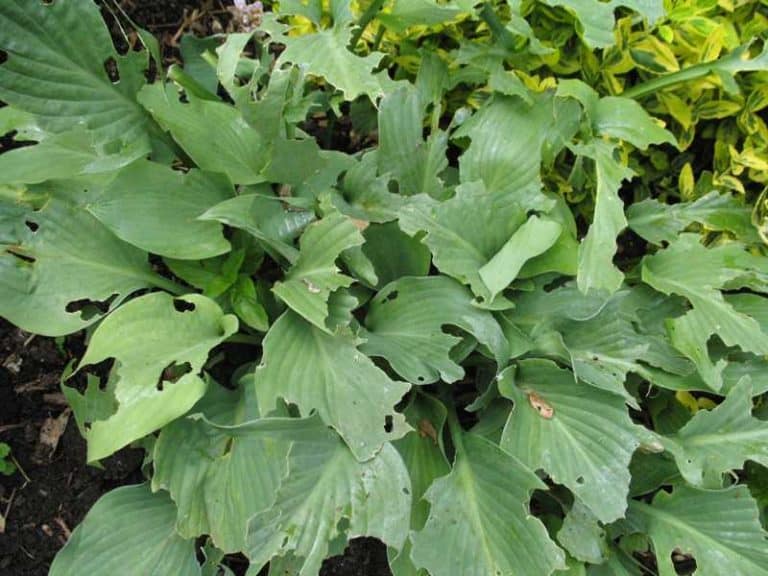
Plants like Euphorbia and some hostas are great choices. They return year after year and keep your garden tidy with minimal effort.
Try vintage hacks like using eggshell halves as biodegradable seed starters

You can use empty eggshell halves to start your seeds. They are natural and break down easily in the soil once planted.
Just fill the shells with soil and place your seeds inside. When seedlings grow large enough, plant the whole shell directly in your yard.
This method reduces waste and adds nutrients to your soil as the shells decompose. It’s a simple, eco-friendly way to help your garden grow.