Choosing the right plants for your garden can make a big difference in how well your space thrives. While exotic varieties might look appealing, native plants often offer benefits that suit your local environment better.
Native plants tend to outperform exotic varieties by adapting more naturally to the climate and supporting local wildlife. This makes them a smart choice if you want a garden that is both beautiful and sustainable.
Advertisement
Virginia Bluebell

Virginia Bluebells brighten your garden with soft blue flowers in early spring. They thrive in moist woodlands, floodplains, and along streams, making them perfect for shady, damp spots.
You’ll appreciate how these plants emerge quickly, bloom, and then fade back naturally, letting other plants grow later. They also support local pollinators, adding life and color to your outdoor space.
Monarda (Bee Balm)
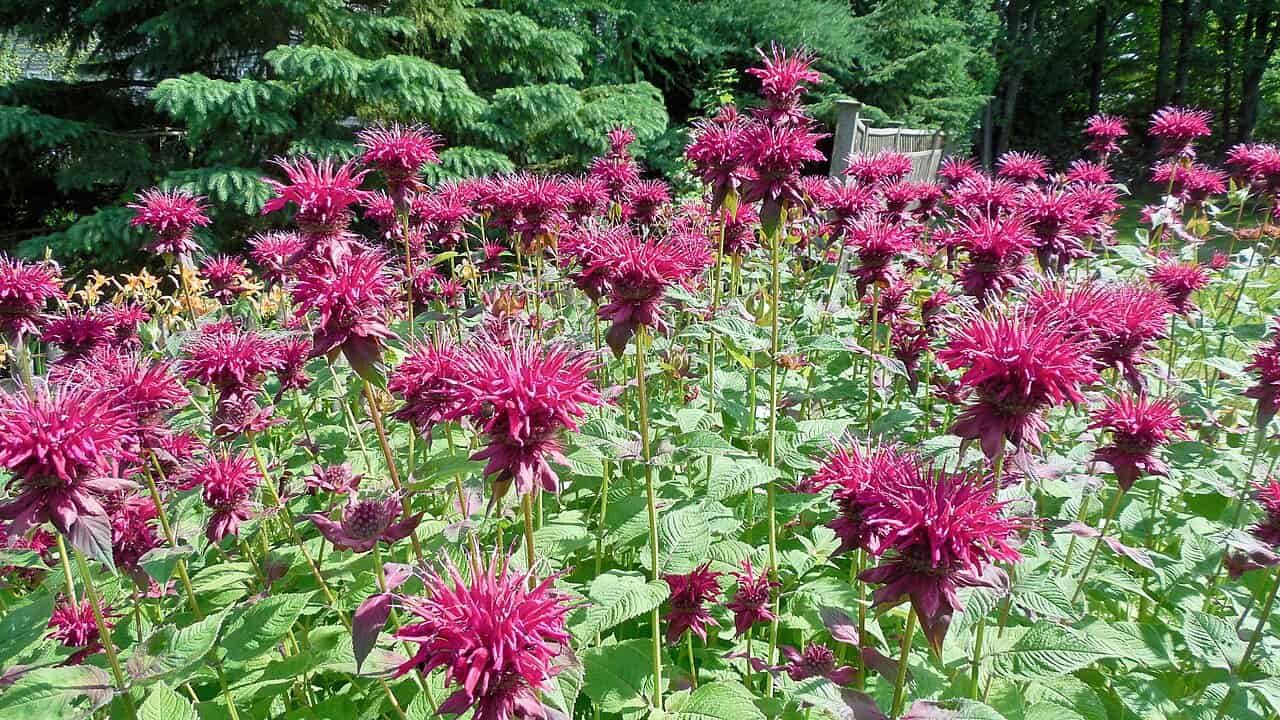
Monarda, also called Bee Balm, is a great choice for your garden if you want bright, pollinator-friendly flowers. You’ll find many native varieties that do well in different regions, especially the mid-Atlantic.
Some native Monarda types are more disease resistant and tend to perform better than hybrids. They attract bees, butterflies, and hummingbirds, adding life to your outdoor space.
Planting native Bee Balm helps support local ecosystems. Plus, their unique blooms make your garden colorful and inviting.
Baptisia (False Indigo)
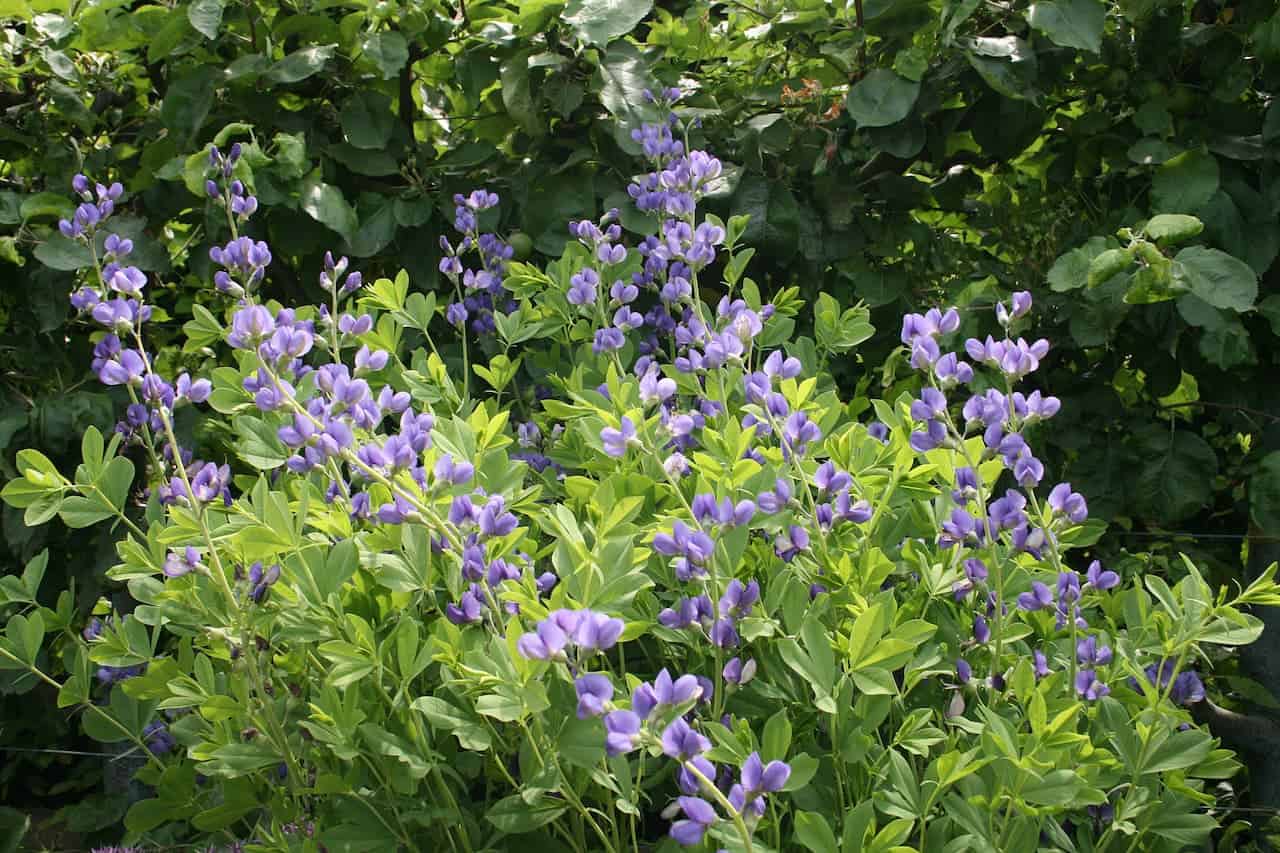
Baptisia, also known as false indigo, is a great choice for your garden. It grows well in both full sun and partial shade, reaching 2 to 4 feet tall.
You’ll enjoy its dense clusters of blue flowers, which add nice color and texture. These plants are tough and low-maintenance, making them easier to grow than some exotic options.
Liatris (Blazing Star)

If you’re looking for a striking native plant, Liatris, or Blazing Star, is a great choice. It grows tall, often reaching 3 to 5 feet, with vibrant flower spikes that add vertical interest to your garden.
You’ll find it adapts well to different soil types and is drought tolerant. Plus, it attracts pollinators like butterflies, making your garden lively and healthy. With its narrow, hairless leaves and easy care, Liatris fits well in native plant gardens.
Penstemon (Beardtongue)
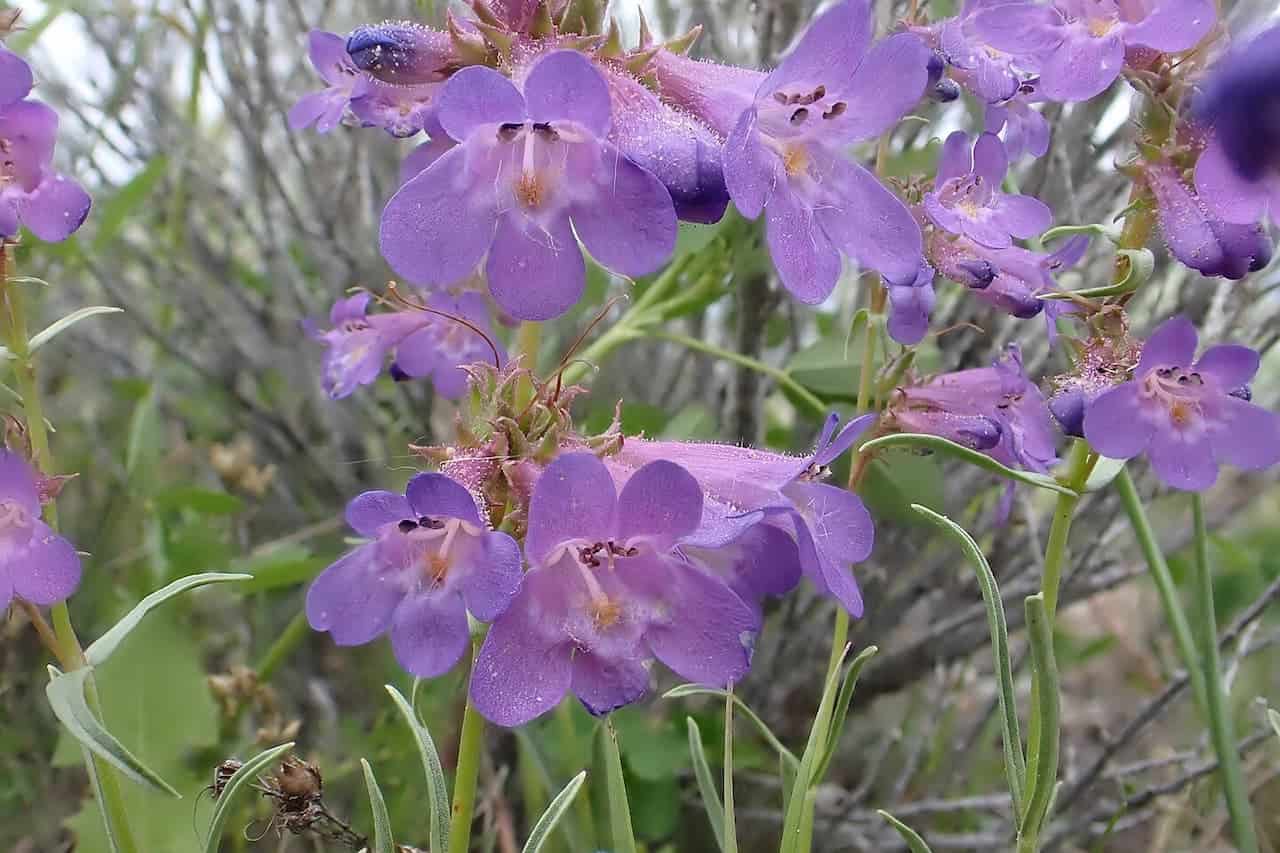
You’ll find Penstemons are great for adding color with their tubular flowers. They attract bees, butterflies, and hummingbirds, helping your garden thrive naturally.
These native perennials are tough and adaptable, making them easy to grow in many settings. Their nectar-rich blooms support local pollinators throughout the season.
Rudbeckia (Black-eyed Susan)
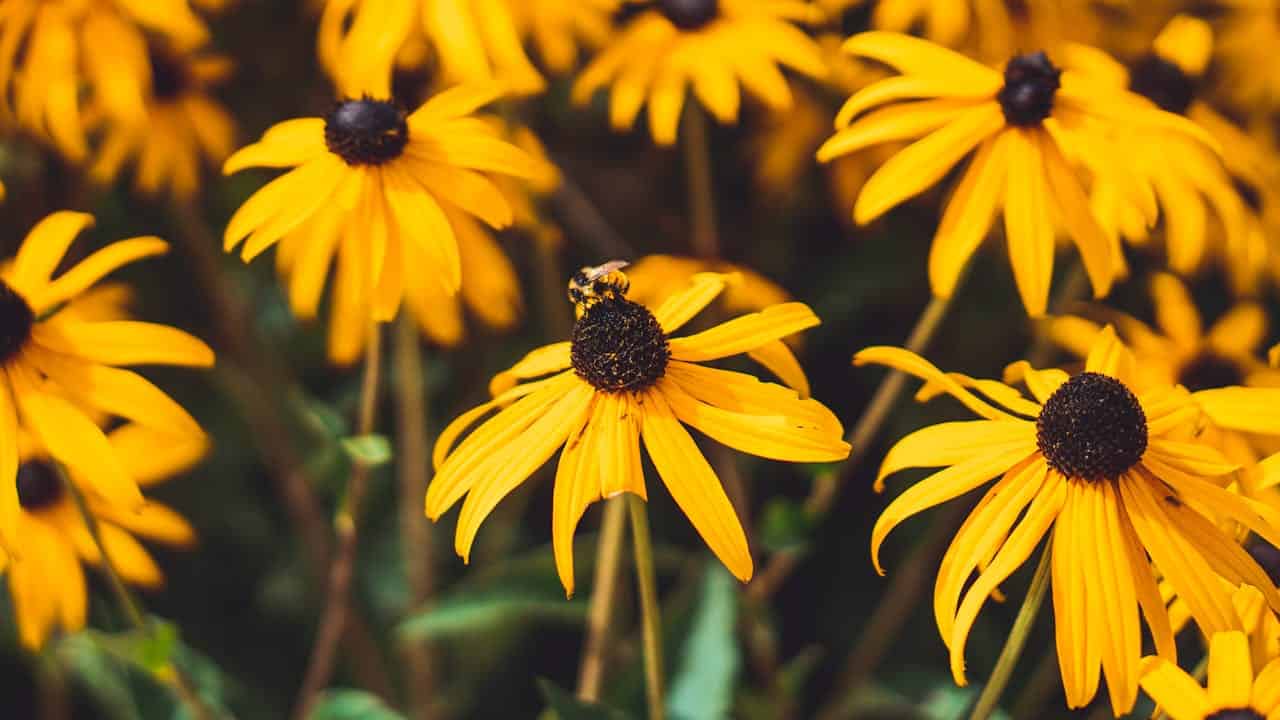
If you want a reliable native flower, Rudbeckia, or Black-eyed Susan, is a great choice. It produces abundant yellow blooms that brighten your garden from summer into fall.
This plant is low maintenance and drought-resistant, making it easy to grow. Just watch out—it can spread quickly if conditions are perfect, so some competition helps keep it in check.
Echinacea (Coneflower)

You’ll find Echinacea, or coneflowers, easy to grow and great for your garden. They thrive in full sun or partial shade and prefer well-drained, rich soil.
These native plants attract pollinators like bees and butterflies, supporting your local ecosystem. Plus, their bright petals add vibrant color throughout summer.
Choosing Echinacea means you get beautiful, low-maintenance flowers that help wildlife thrive right in your yard.
Native Viburnums
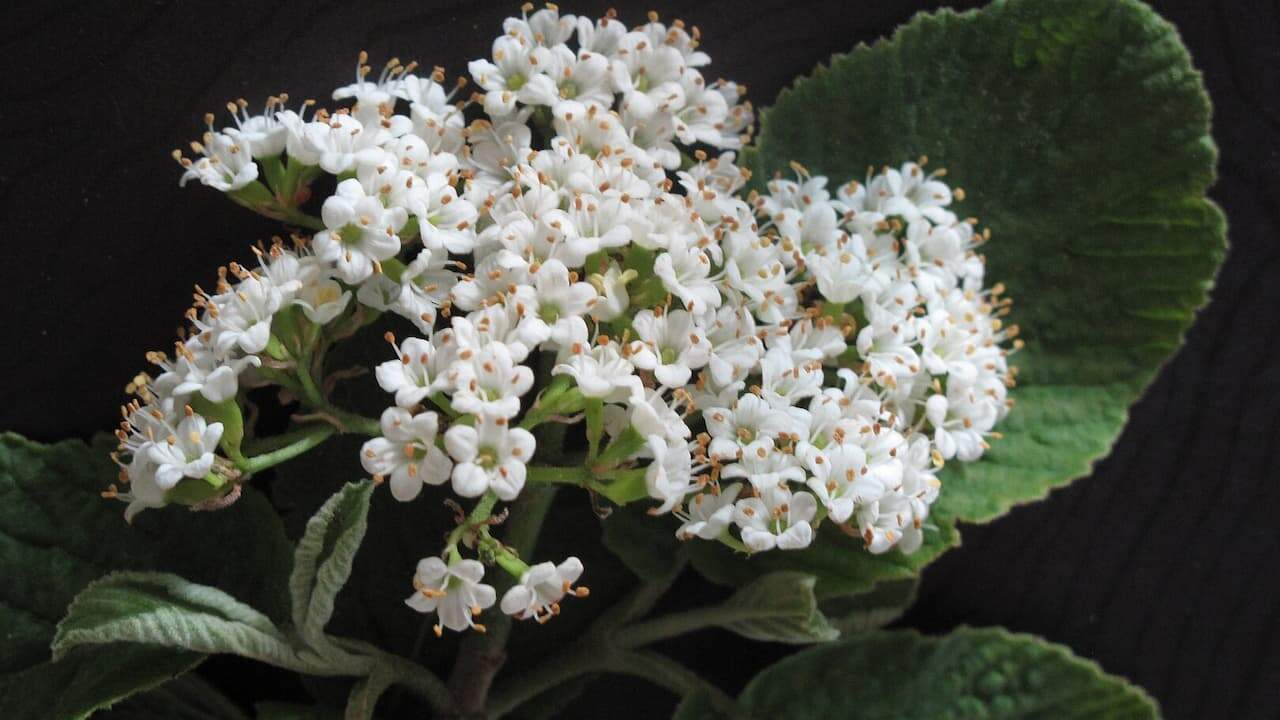
Native viburnums are a great choice for your garden if you want plants that are easy to care for. They adapt well to local soil and climate, which means you’ll spend less time watering and fertilizing.
You’ll enjoy their beautiful flowers and berries, and many types grow well in both sun and shade. Plus, native viburnums support local wildlife, making your yard more vibrant and natural.
Filbert (Hazelnut)
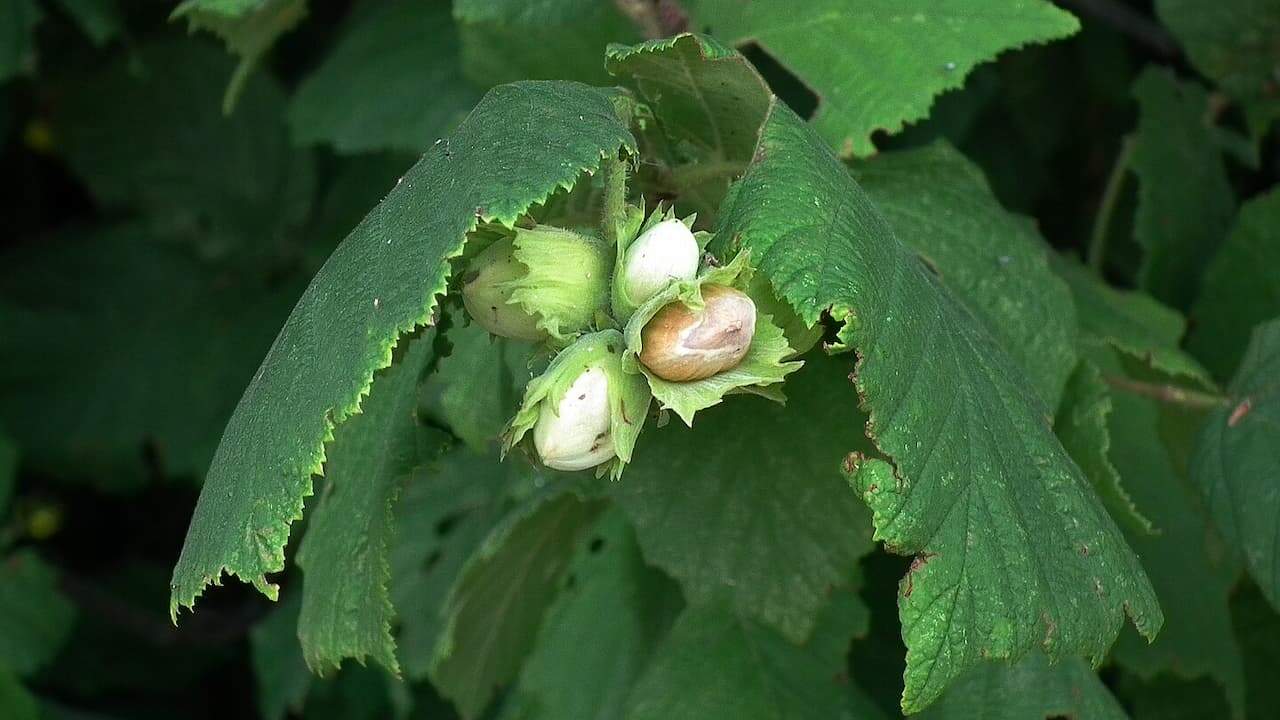
If you’re looking for a native plant that’s both useful and attractive, filbert, or hazelnut, is a great choice. These shrubs grow well in many areas and produce tasty nuts you can harvest.
Keep in mind, filberts need at least two varieties nearby to produce nuts because they are self-unfruitful. You’ll enjoy their quick growth and the way they support local wildlife.
Oak trees (Quercus alba)
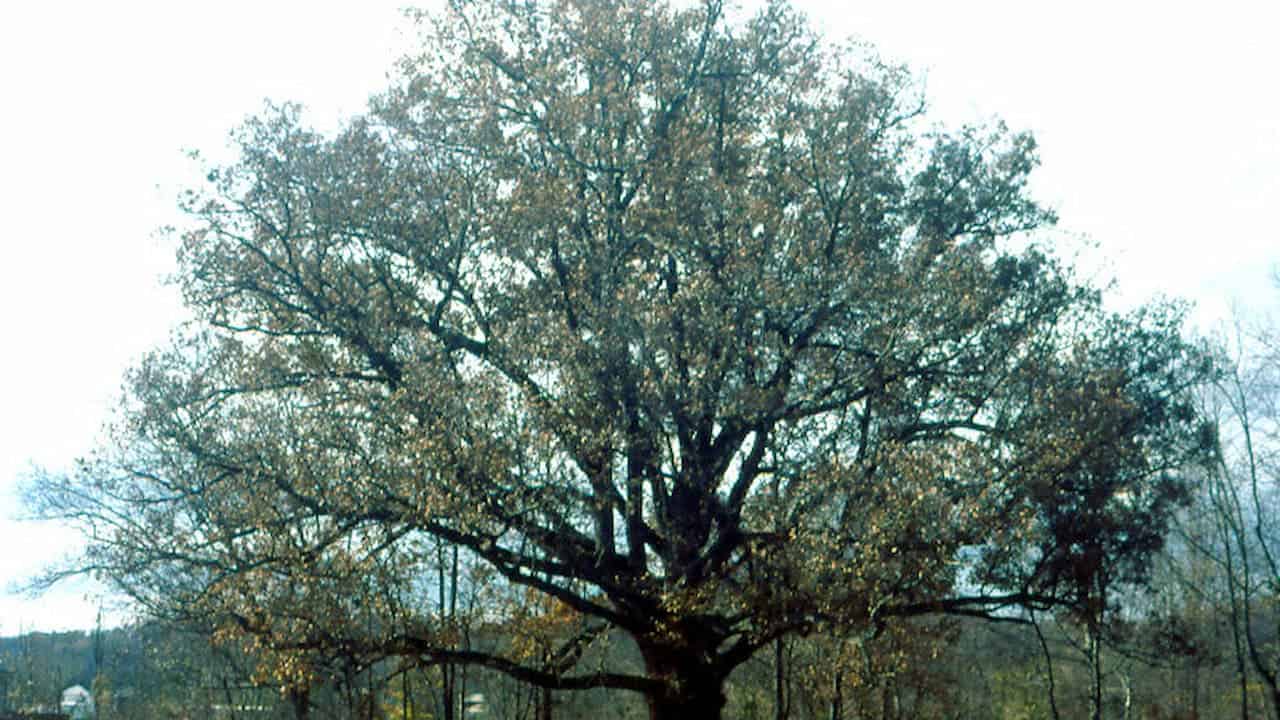
If you plant a white oak, you’ll grow a tree that’s both beautiful and beneficial. It’s a slow-growing but sturdy tree that can reach up to 100 feet tall with a broad, rounded crown.
Your oak will support many pollinators and wildlife, making it a key part of your local ecosystem. It’s native to eastern North America and adapts well to various conditions in your yard or garden.
Red Maple (Acer rubrum)
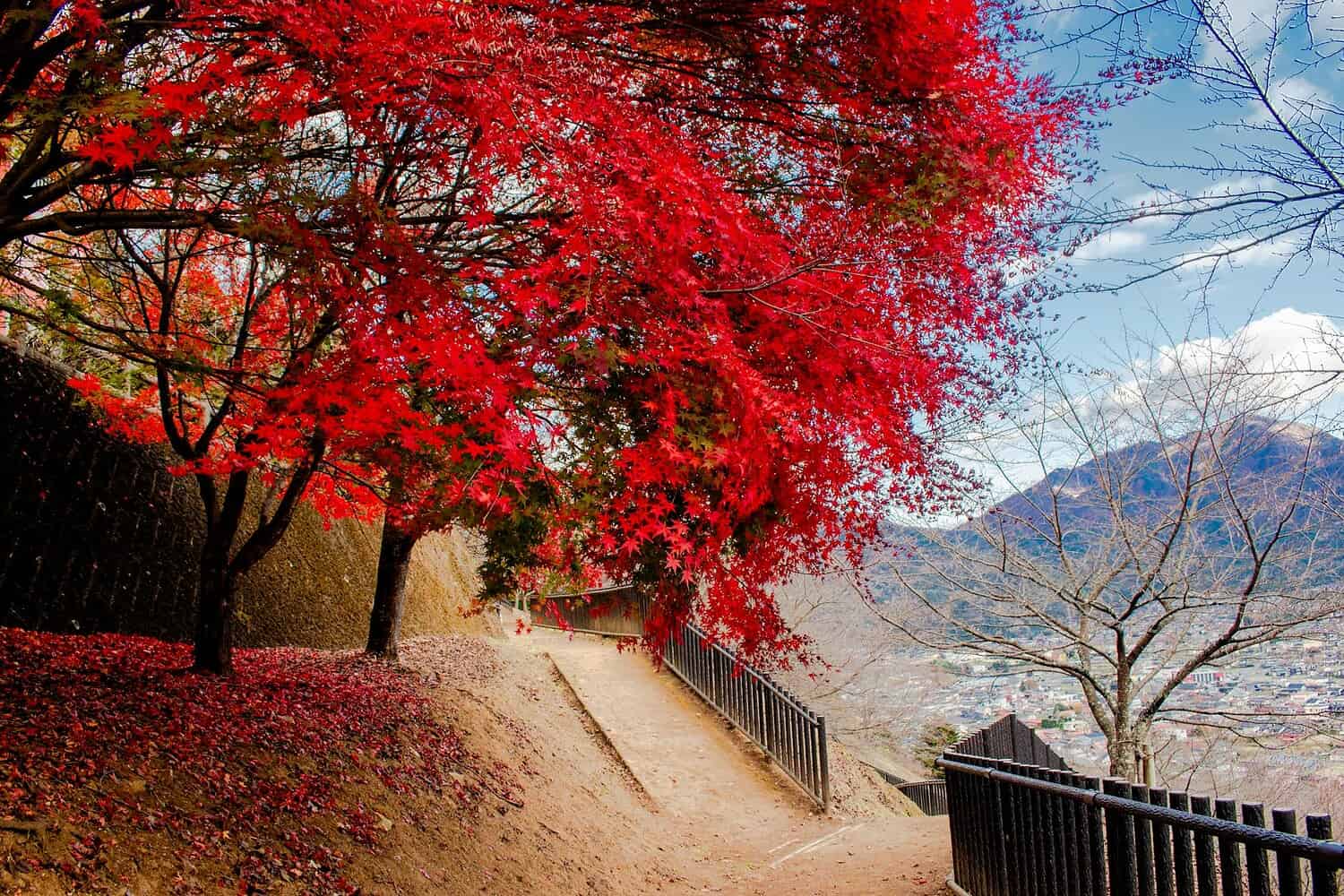
You’ll appreciate the red maple for its bright red fall leaves and adaptability. It grows quickly and can reach up to 60 feet tall, making it a great shade tree.
This tree handles many soil types, even wet ones, and thrives in various conditions. Its shade tolerance means it fits well in many landscapes without demanding too much care.
Tulip Tree (Liriodendron tulipifera)
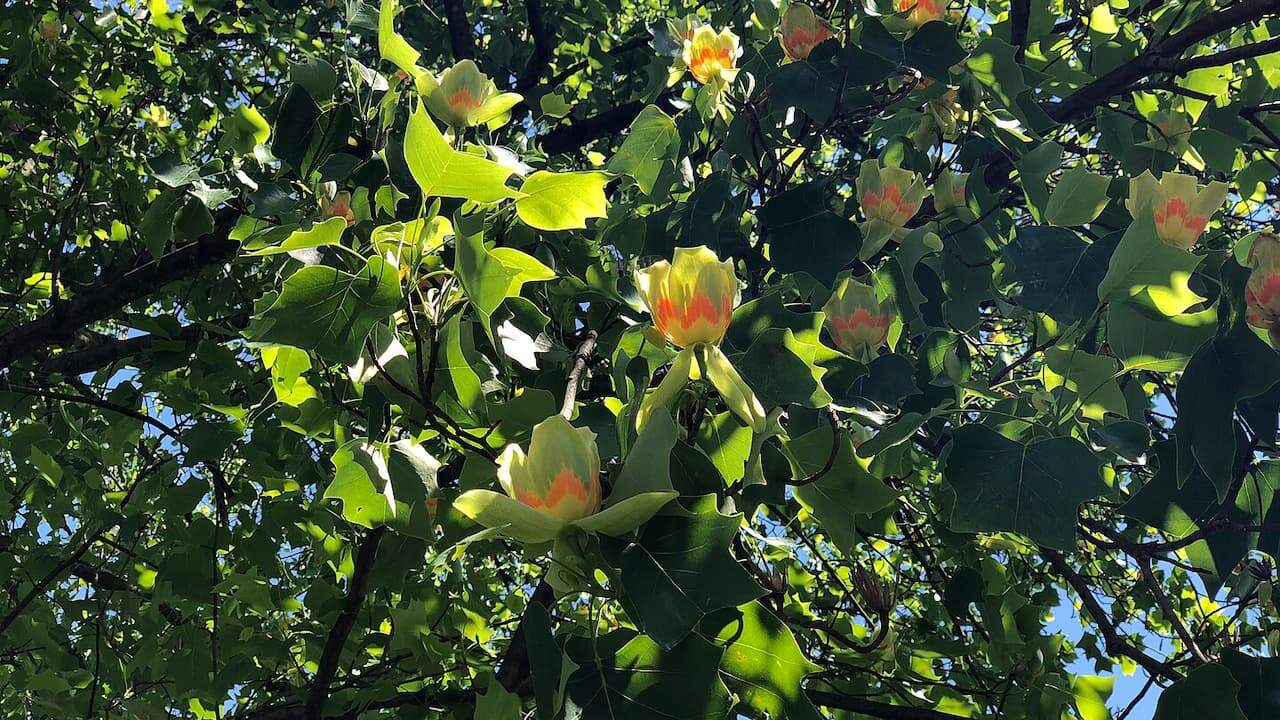
You’ll find the tulip tree is a fast-growing native that can reach impressive heights. Its straight, tall trunk makes it a great choice if you want a stately addition to your space.
The tulip-shaped flowers offer a unique look, and wildlife appreciate this tree for shelter and nesting. It handles drought by dropping some leaves, so you don’t have to worry too much in dry spells.
Mountain Laurel (Kalmia latifolia)
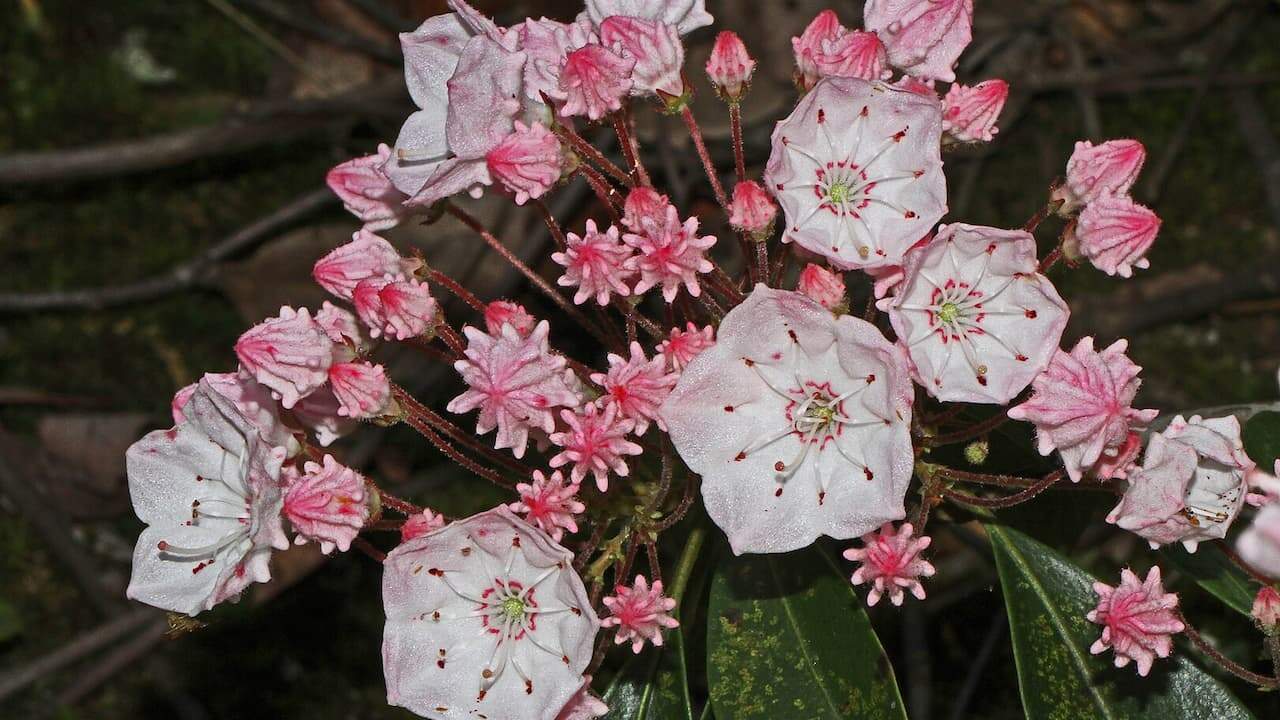
You’ll find Mountain Laurel a beautiful addition to your garden with its glossy evergreen leaves and delicate spring flowers. It thrives in shady or rocky areas, making it great for spots where other plants struggle.
Keep in mind, Mountain Laurel contains toxins, so it’s best to avoid planting it where pets or children play. It also offers shelter for some wildlife, even if it’s not the best for insects.
Rhododendron maximum
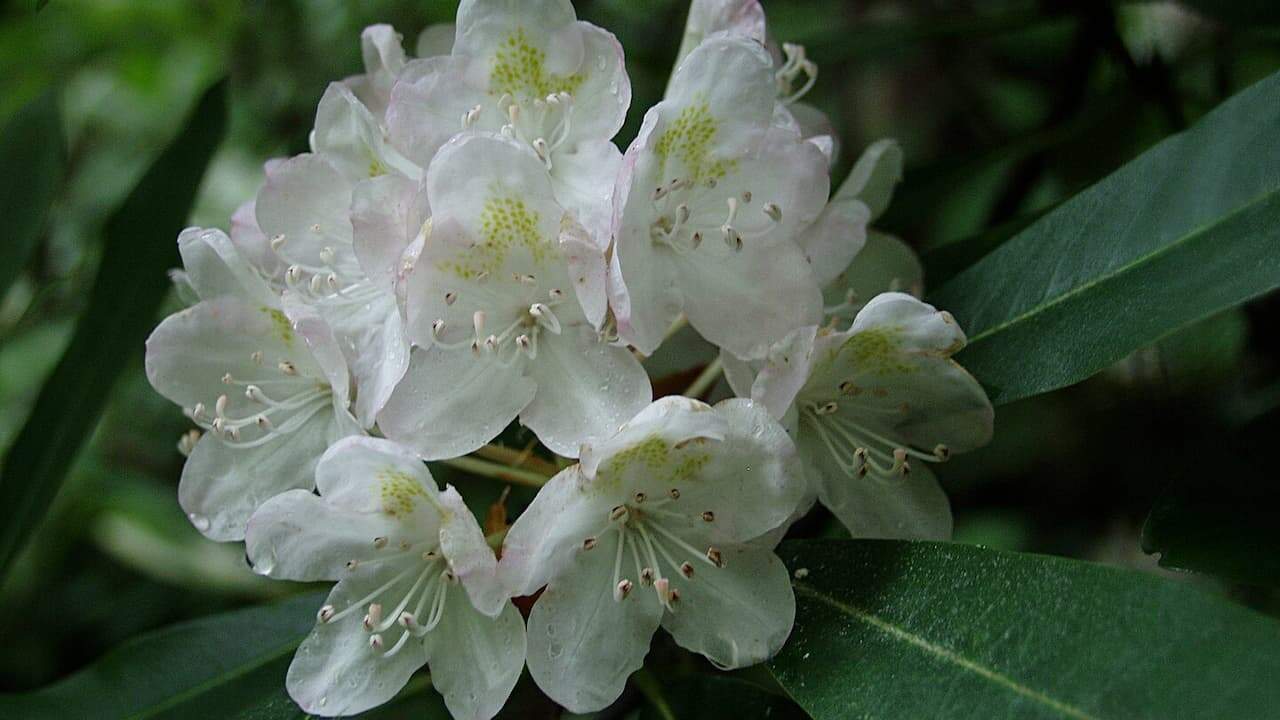
You’ll find Rhododendron maximum, or Great Laurel, is a sturdy, evergreen shrub that fits well in many garden settings. It can grow between 10 and 25 feet tall, adapting to both sun and shade.
Its leathery, dark green leaves stay attractive year-round. In late spring, clusters of white to pink bell-shaped flowers add a gentle pop of color. This plant thrives in moist or dry soil, making it a reliable choice for diverse conditions.