
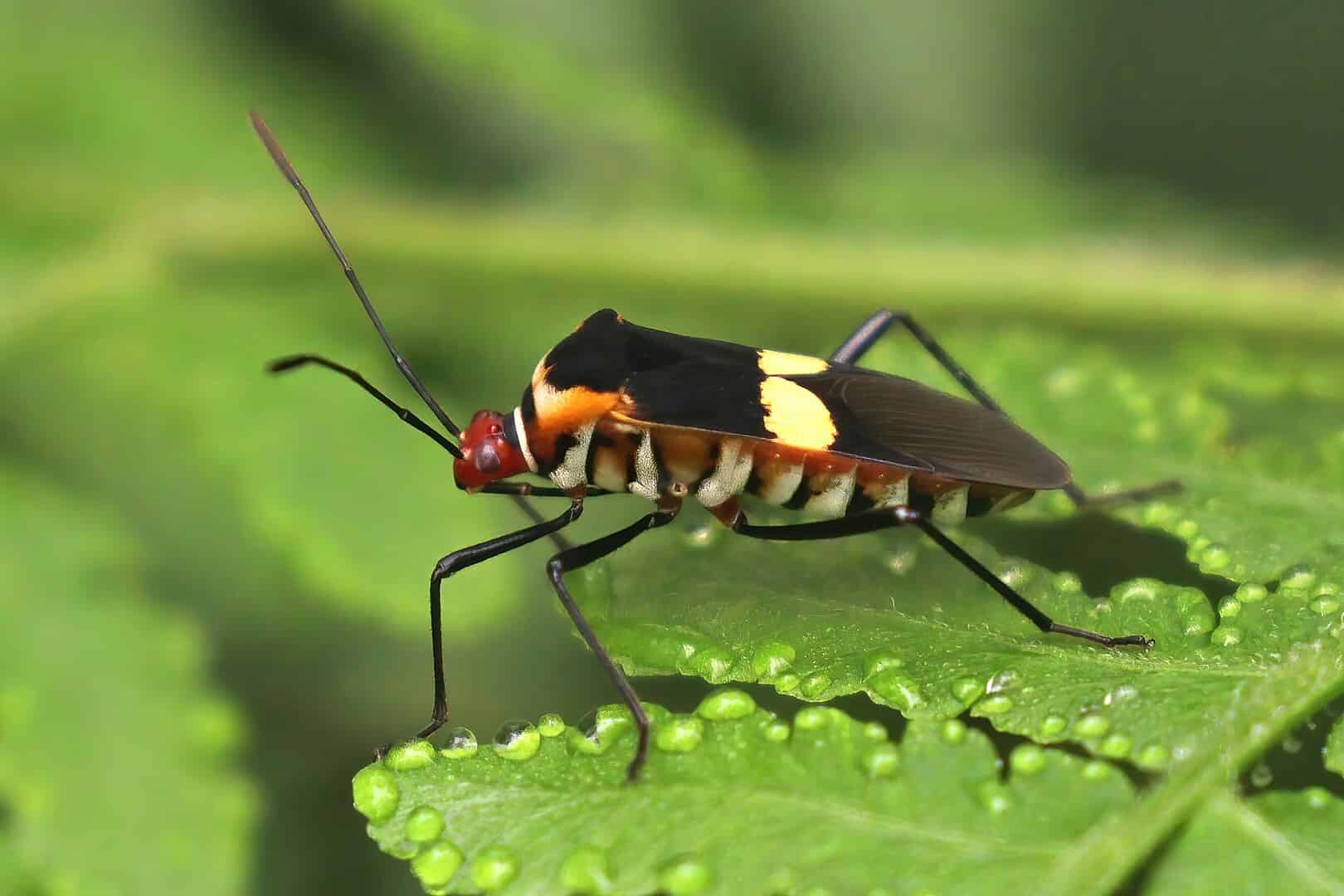
Pests can quickly become a challenge in any garden. Many common gardening habits unintentionally invite these unwanted visitors.
Understanding the mistakes that attract pests can help you create a healthier, more balanced garden. By recognizing these pitfalls, you can take simple steps to protect your plants and reduce the chances of infestation.
Overwatering plants, creating moist conditions pests love

If you overwater your plants, the soil stays too moist, which attracts pests like fungus gnats and root rot insects. These pests thrive in damp environments and can cause damage to your plants.
Try to water only when the soil feels dry a couple of inches below the surface. Good drainage also helps keep pests away by preventing excess moisture buildup.
Ignoring natural predators that keep pests in check

You might be unintentionally driving away helpful insects like ladybugs and lacewings that eat harmful pests. Avoid using broad-spectrum pesticides that can harm these natural predators.
Encourage a variety of plants that attract beneficial bugs. Supporting these natural allies reduces the need for chemical control.
Not diversifying plant types, inviting specialized pests
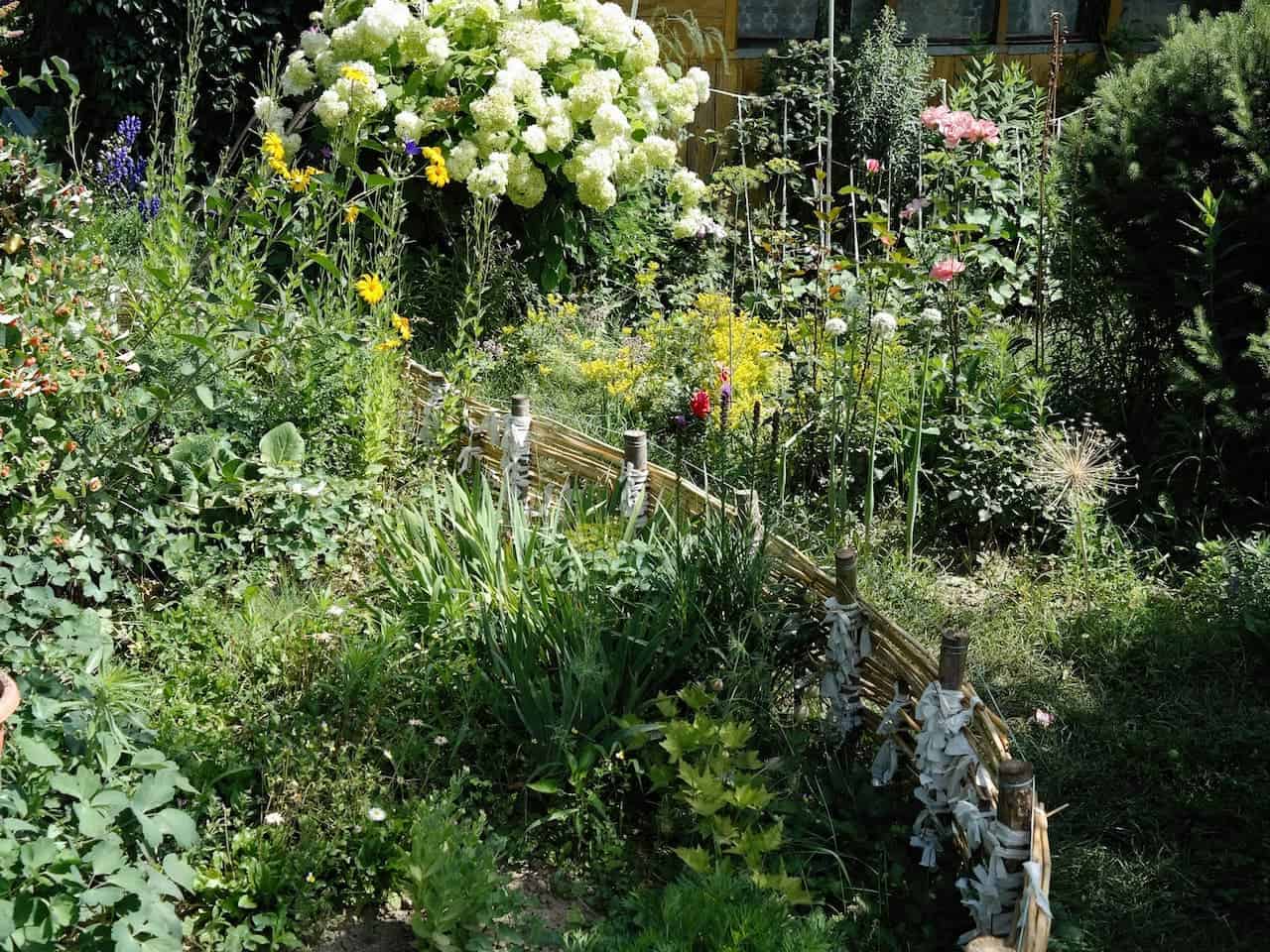
If you grow only one type of plant, specialized pests that favor that plant can quickly multiply. This makes your garden an easy target for these pests.
Adding a variety of plants can confuse pests and reduce the chance of large infestations. You’ll also encourage beneficial insects that help control harmful ones naturally.
Failing to remove decaying plant matter promptly
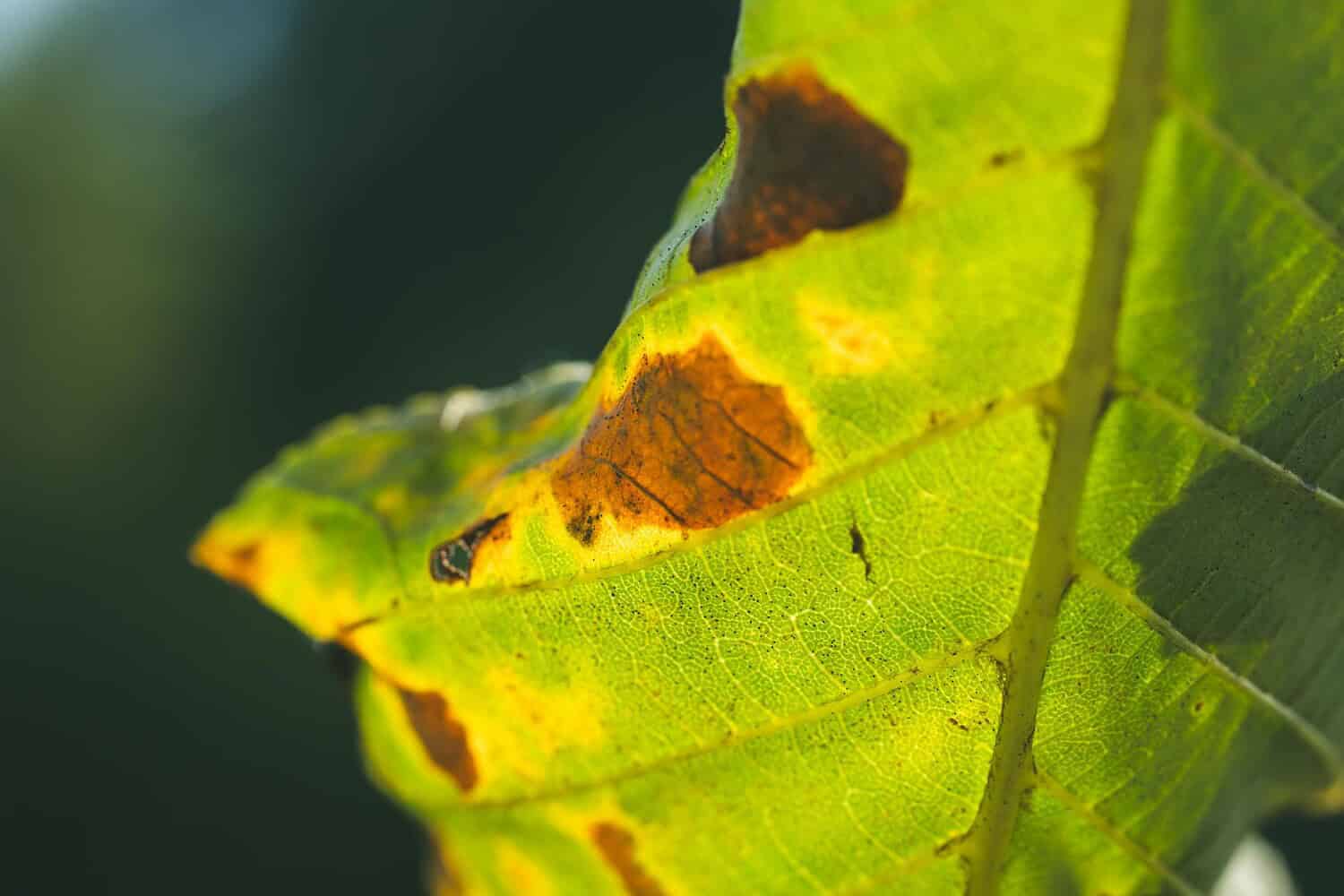
If you leave decaying leaves, stems, or fruits in your garden, they create a perfect environment for pests. These materials attract insects like slugs, beetles, and other unwanted visitors.
You can reduce pest problems by regularly cleaning up and disposing of any dead plant material. This simple habit helps keep your garden healthier and less inviting to pests.
Neglecting to maintain a clean garden and compost bin

If you don’t keep your garden and compost bin clean, pests are more likely to visit. Regularly remove debris and dead plants to reduce hiding spots.
For your compost, make sure to turn it often and avoid adding meat or oily scraps. This keeps it balanced and less attractive to rodents and insects.
Leaving standing water in pots or containers

If you leave water sitting in pot saucers or containers, it creates a perfect spot for mosquitoes to breed.
Excess moisture can also attract pests like slugs and cockroaches. To prevent this, empty saucers regularly or use self-watering pots that keep soil moist without excess water collecting.
Using ineffective or harsh chemical pest controls
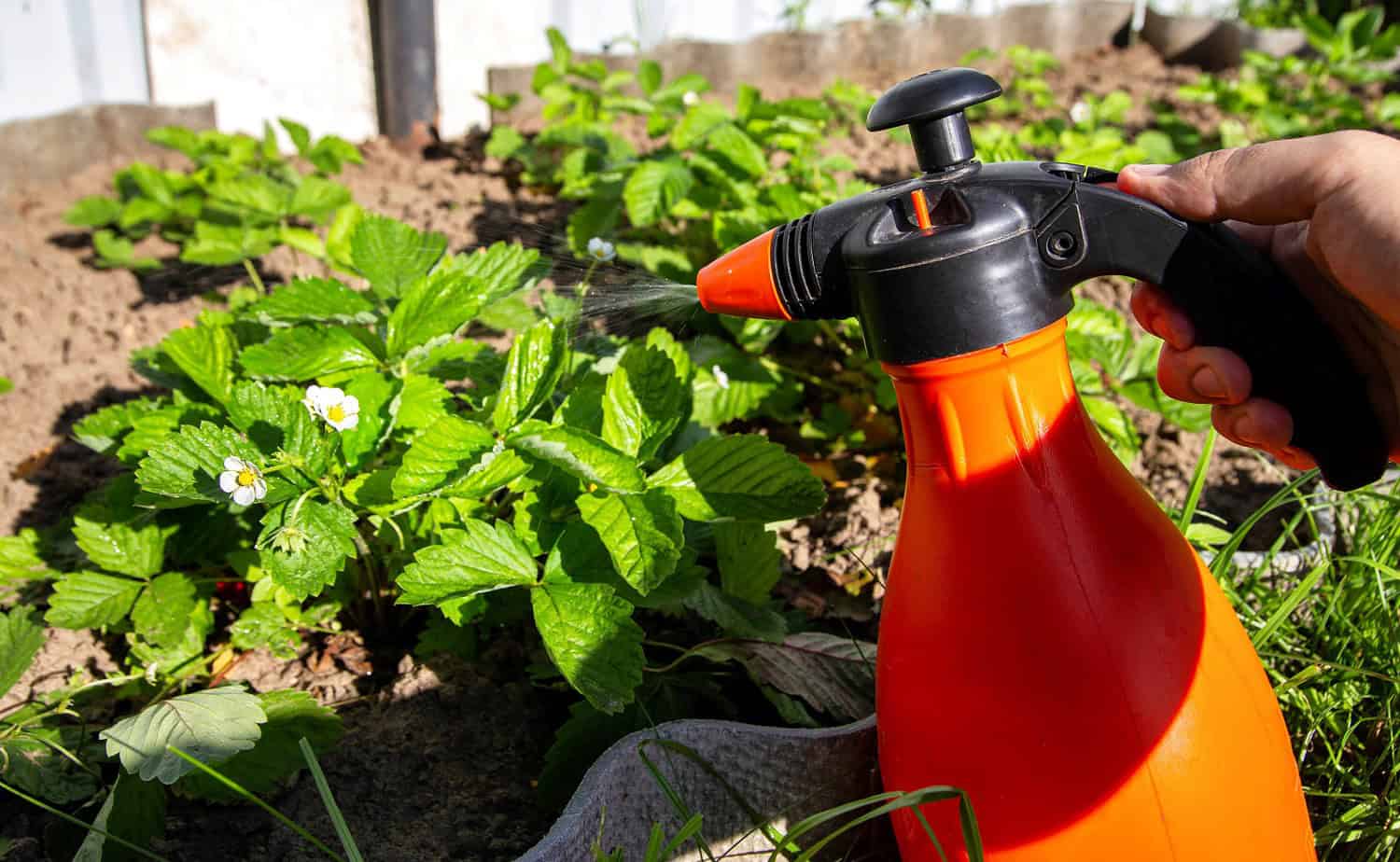
If you use chemicals incorrectly, they might not work and can even make pest problems worse. Harsh pesticides can kill beneficial insects that naturally keep pests in check.
Always follow the label instructions carefully. Using the wrong product or too much can harm your plants and soil. Choosing milder, targeted options helps protect your garden’s balance.
Neglecting seedlings during early growth stages
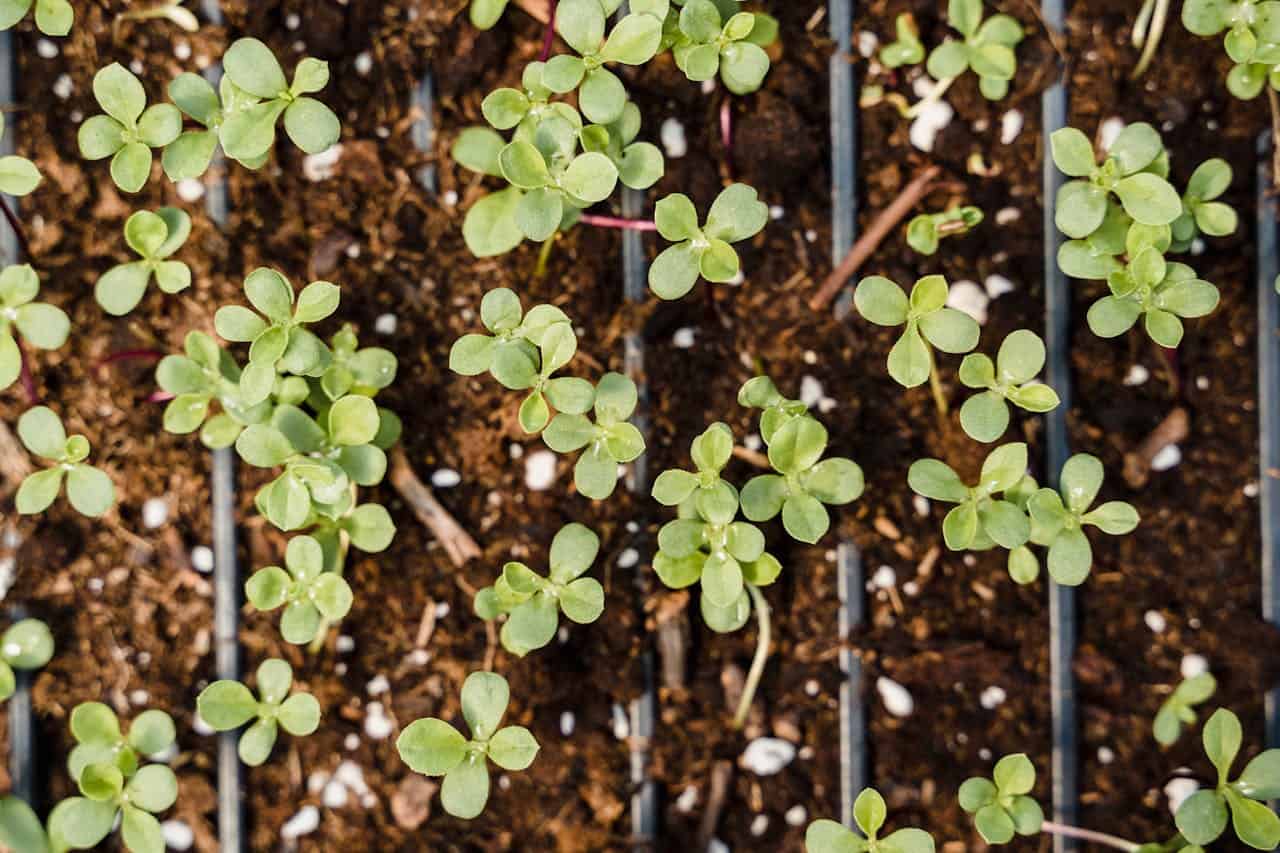
If you leave seedlings in their starting pots too long, they can become weak and more prone to pests. Once they develop their first true leaves, it’s important to transplant them into larger containers.
Pay attention to their light and water needs. Too little light or too much water can stress seedlings, making them inviting targets for insects and disease.
Allowing pest-infested plants to remain in place
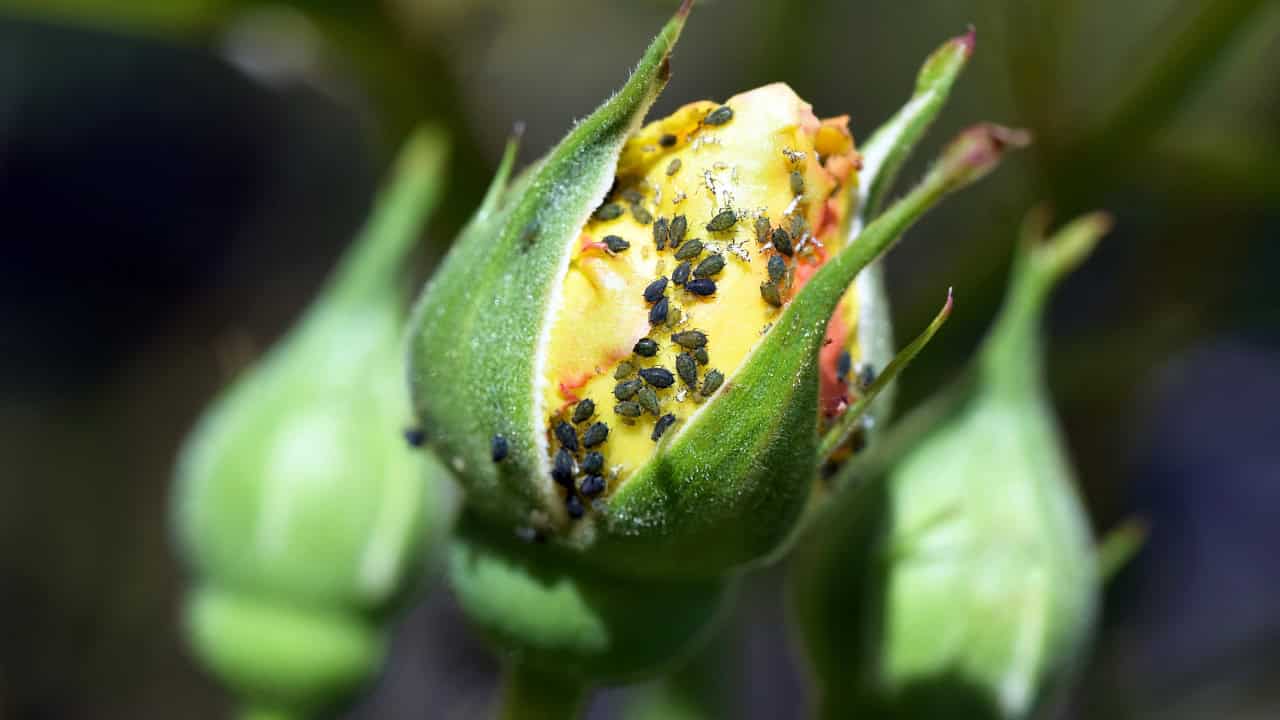
If you leave pest-infested plants in your garden, you give insects a safe place to multiply. These plants can spread pests to healthy neighbors quickly.
Removing or isolating affected plants helps control the problem early. It makes it easier to protect the rest of your garden.
Improper food storage near the garden attracting rodents
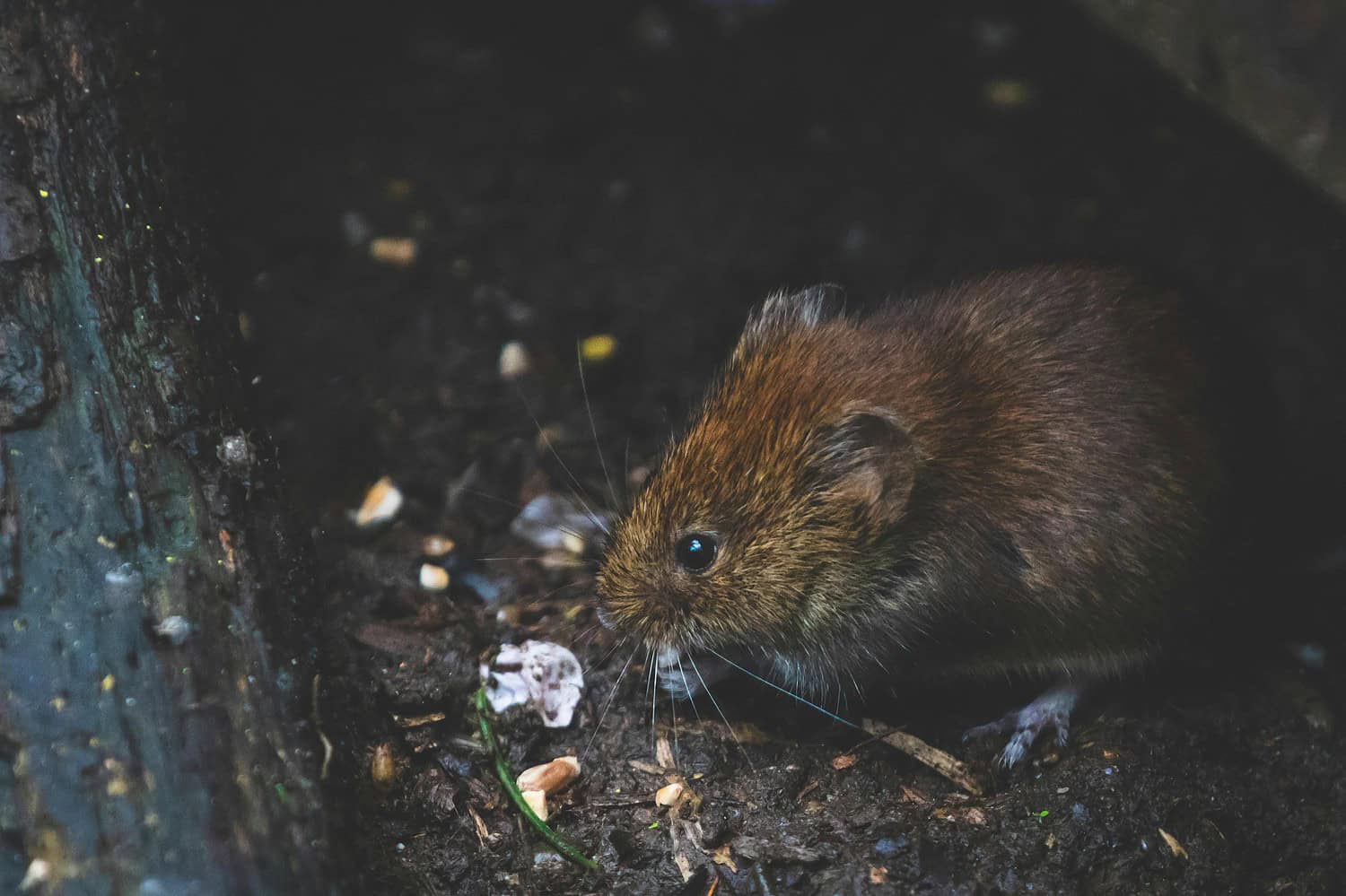
If you store food like seeds, fruits, or vegetables too close to your garden, rodents can easily find it.
Leaving food uncovered or in non-sealed containers invites pests looking for an easy meal. Use airtight containers and keep food storage areas clean.
Including meat or oily food scraps in compost piles
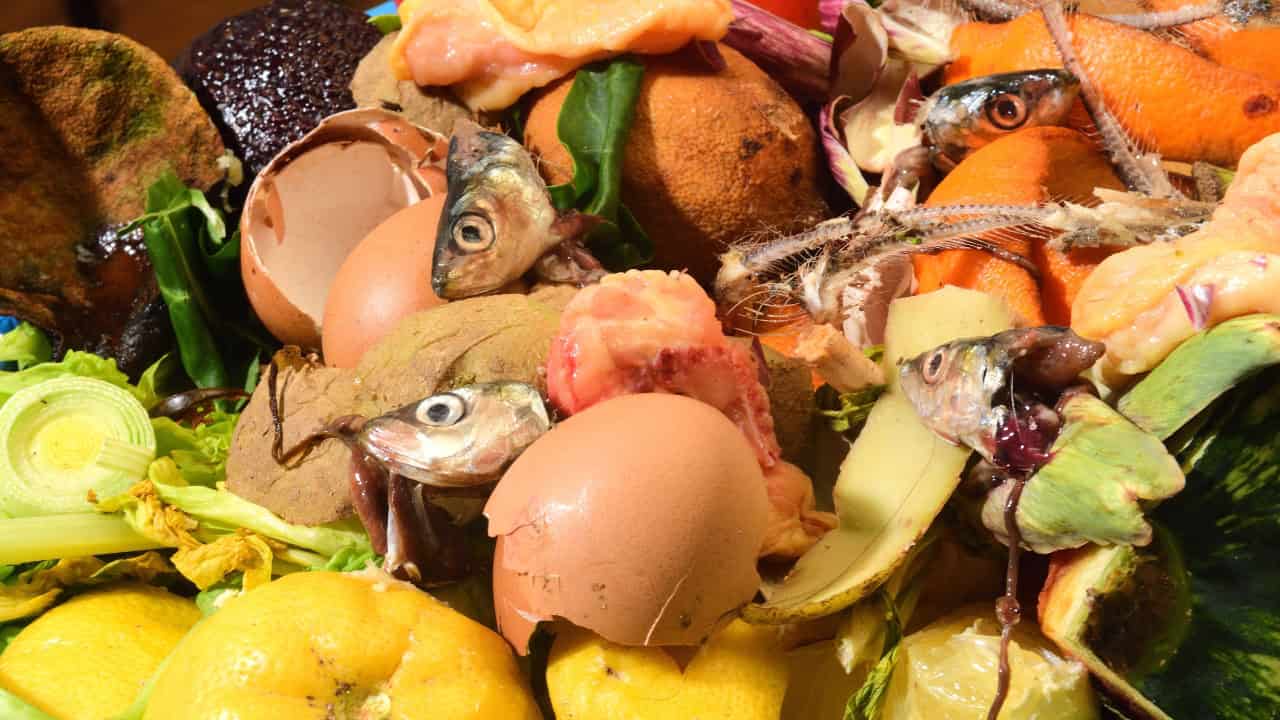
If you add meat or oily food scraps to your compost, it can attract pests like rodents and flies. These scraps also create strong odors.
Meat and oily foods don’t break down well in typical compost conditions. Keeping them out will help you maintain a cleaner, pest-free garden area.
Ignoring gaps or entry points for pests around garden beds

You should check for gaps between your garden beds and nearby structures. Small spaces can let pests in easily, making your garden vulnerable.
Leaving enough room to access these areas helps you keep weeds and pests under control. Don’t forget to seal cracks or clear debris that might give pests a place to hide.
Skipping regular garden maintenance and inspections

If you don’t check your garden often, pests can build up without you noticing. Small problems can quickly turn into bigger infestations.
Regularly inspecting your plants helps you spot pest activity early. Cleaning up dead leaves and debris also removes hiding spots for unwanted insects.
Not using proper fencing to deter voles and squirrels
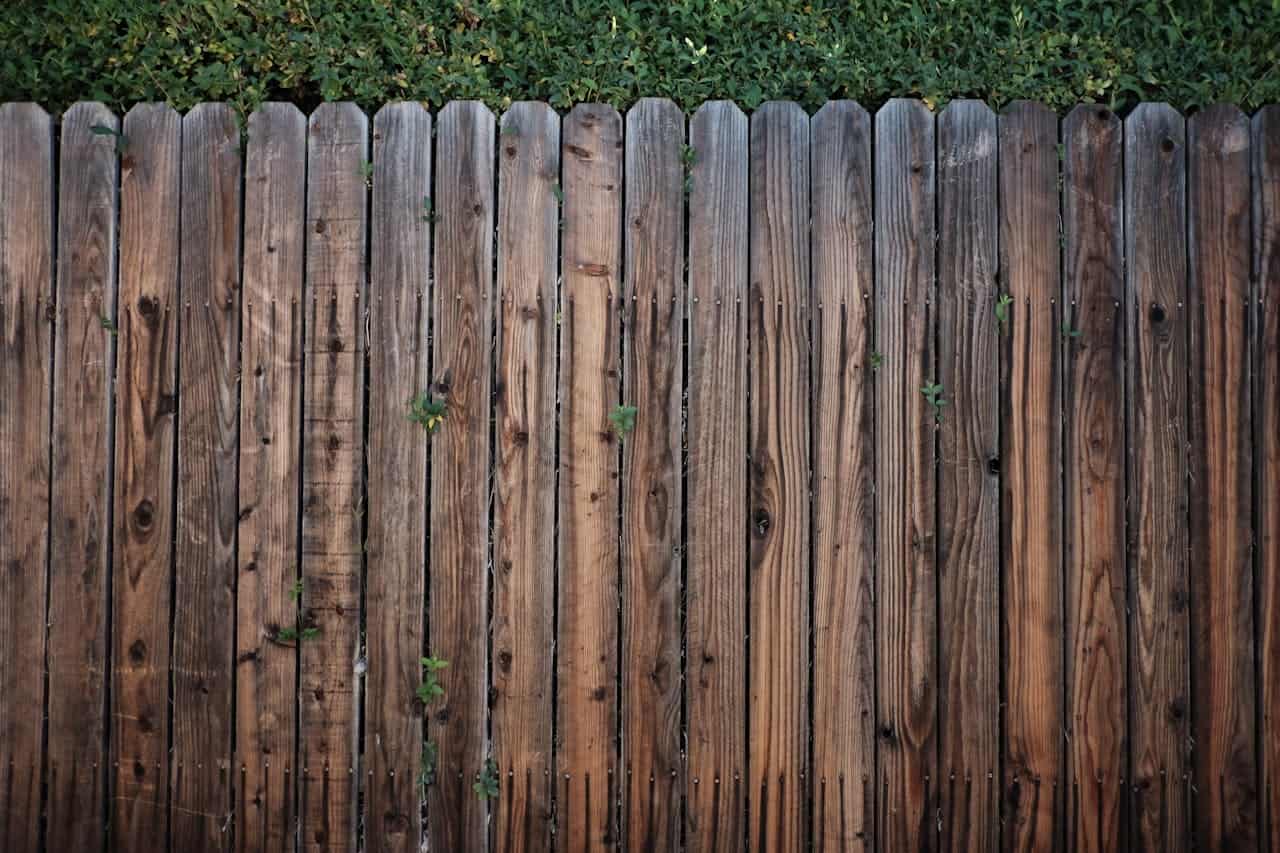
If you don’t install the right fencing, voles and squirrels can easily get into your garden.
Simple wooden fences often need extra wire mesh or electric fencing to keep these pests out. Make sure your fence extends below the ground or has a barrier to stop burrowing animals.