Victorian homes had many unique features designed for both beauty and practicality. Over time, many of these details were lost as styles and building techniques changed.
Bringing back some of these classic features can add charm, functionality, and character to your own home. Rediscovering what made Victorian homes special helps you appreciate timeless design elements worth reviving.
Advertisement
Calling Bell Systems
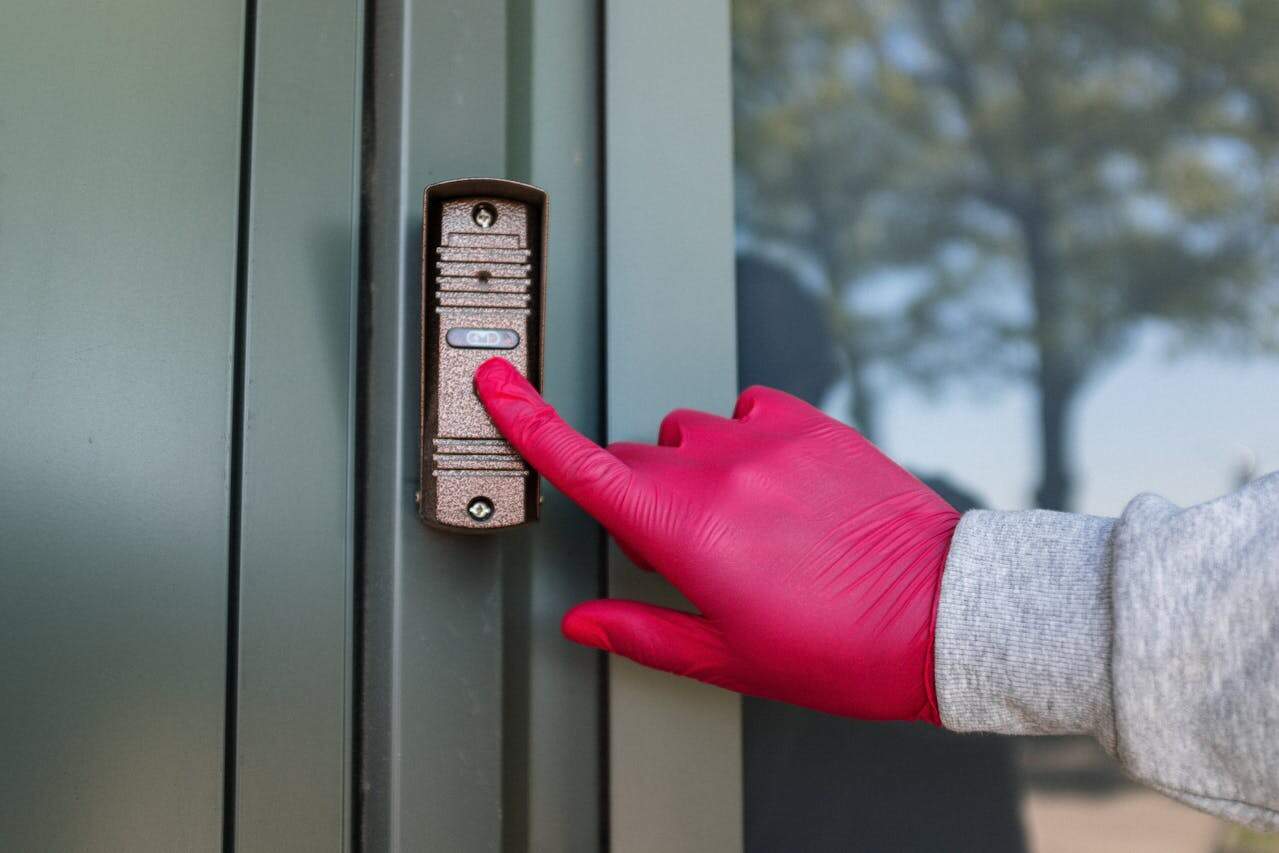
You might find Victorian calling bell systems surprisingly practical. These mechanical networks used distinct bell tones to signal which room needed attention.
In your home, a similar system could help communicate quietly and efficiently. Each bell pull was connected to an indicator, letting servants know where they were needed without disruption.
Bringing back this feature adds a touch of vintage charm while improving household communication.
Speaking Tubes
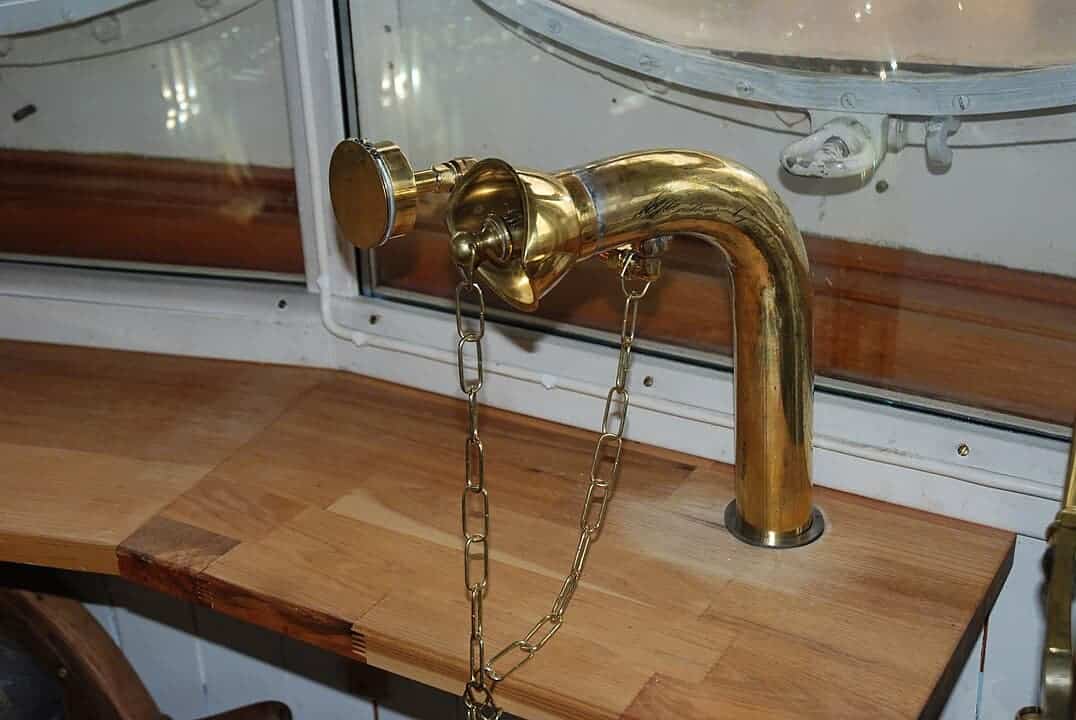
Speaking tubes were a simple way to communicate between rooms before phones existed. You could call someone in the kitchen or another part of the house without shouting or leaving your room.
If you have an old home, you might still find these tubes hidden in your walls. Restoring them can add a unique, charming touch while making everyday communication easier.
Picture Rails
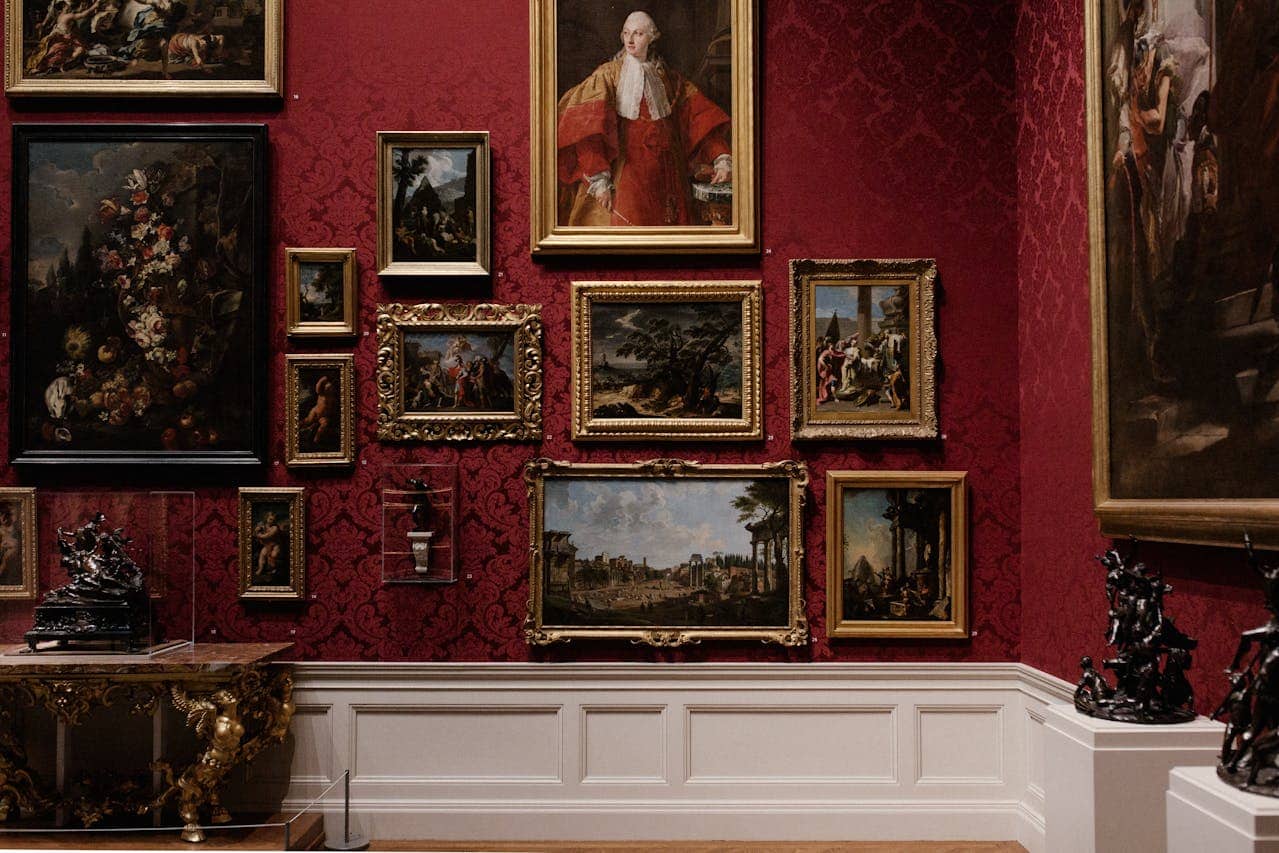
Picture rails were a common feature in Victorian homes, mounted near the ceiling to hang artwork easily. You won’t have to worry about damaging your walls when you use them.
They add a subtle, elegant detail to any room and can bring a touch of vintage charm to your space. If you have an older home, restoring or adding picture rails can keep that classic look alive.
Laundry Chutes
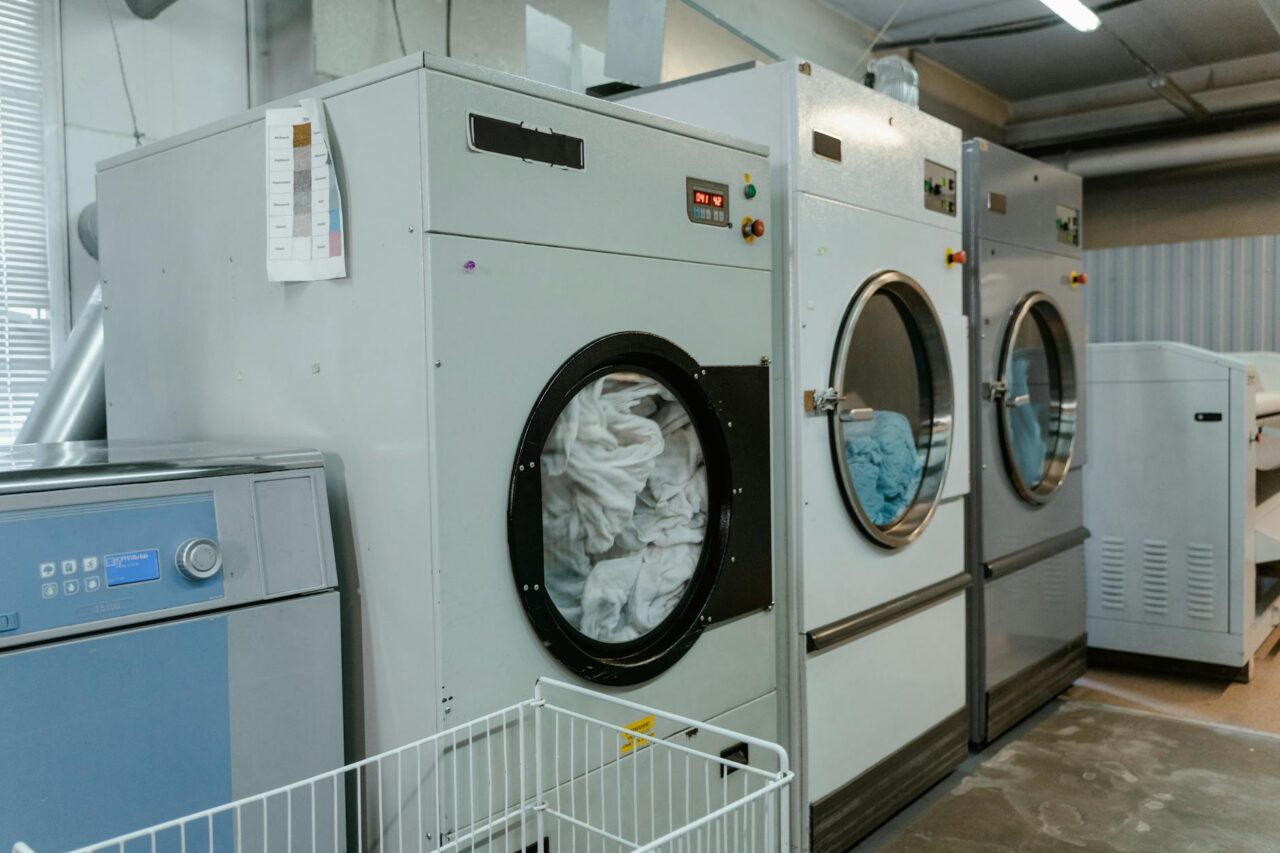
Laundry chutes are a simple way to save time and effort in your home. You can drop dirty clothes from an upper floor straight to the laundry room below. This eliminates the need to carry heavy baskets up and down stairs.
They were common in Victorian homes and helped keep things tidy. You also avoid clutter in bedrooms since there’s no need for large hampers. Adding one today can bring a bit of old-fashioned convenience to your routine.
Decorative Turrets and Towers
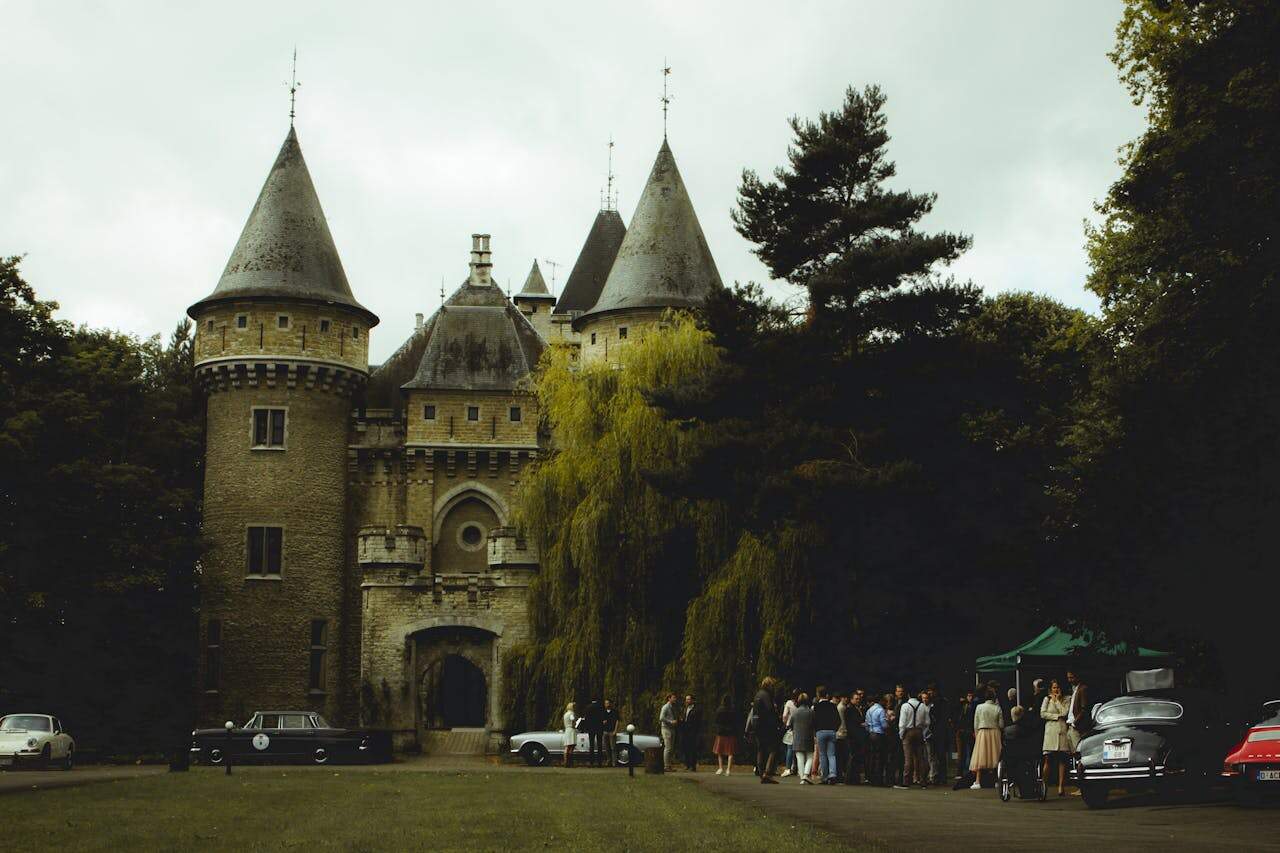
You’ll find turrets and towers add a unique charm to Victorian homes. These vertical features break up rooflines and create cozy, curved spaces inside.
They often provide great views and natural light. Adding one to your home can give it a touch of elegance and character you won’t see in modern designs.
Parlor Rooms
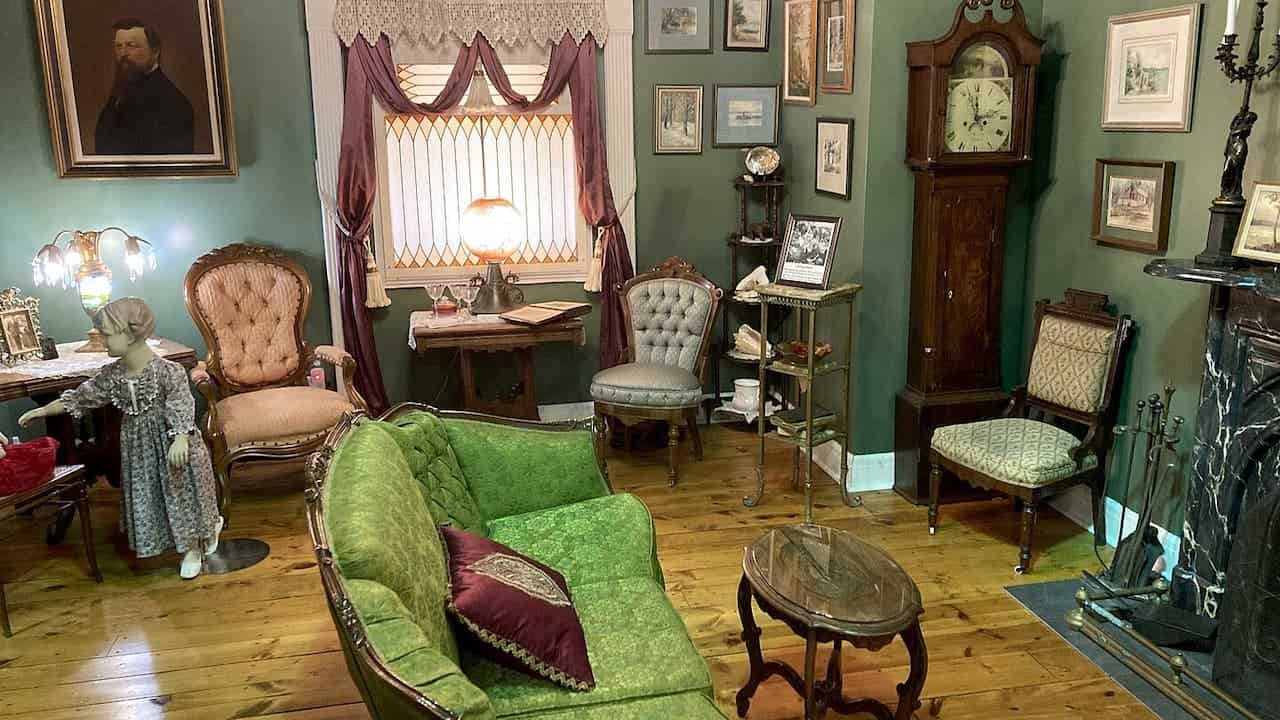
You might appreciate having a parlor room in your home. It was a special space where families kept their best furniture and welcomed guests with style.
Parlors were usually quiet and elegant, reserved for visitors, not daily family activities. You could include a piano, delicate decorations, and comfortable seating to bring back that charm.
Adding a parlor gives your home a warm, inviting spot for conversations and relaxing moments with friends.
Built-in Bookcases
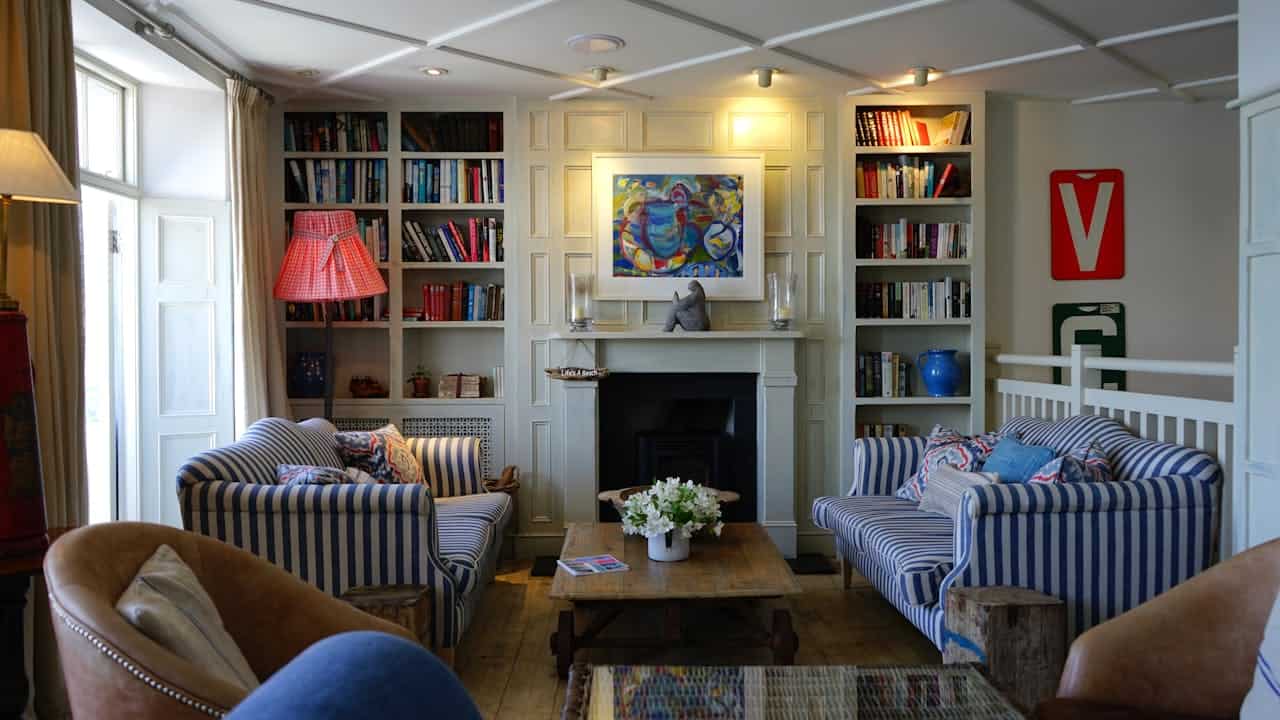
You’ll find built-in bookcases add both function and charm to your home. They make great use of space, fitting perfectly against walls or around chimneys.
These bookcases let you showcase your favorite books, photos, or decorations in a neat, organized way. They also add a custom feel, matching your room’s style effortlessly.
Bringing back built-in bookcases means more storage without clutter, plus a touch of Victorian craftsmanship that feels warm and inviting.
Fretwork Trim

Fretwork trim adds delicate, decorative details to your Victorian home’s exterior. These intricate wooden patterns, often called “gingerbread,” give porches and eaves a charming, handcrafted look.
If you’re restoring your home, replicating fretwork can bring back original character. You might find custom shops or craftsmen who match your existing designs using photos and measurements.
Adding fretwork creates unique shadows and texture, making your home stand out gently without overwhelming. It’s a small feature with a big impact on curb appeal.
Stained Glass Windows
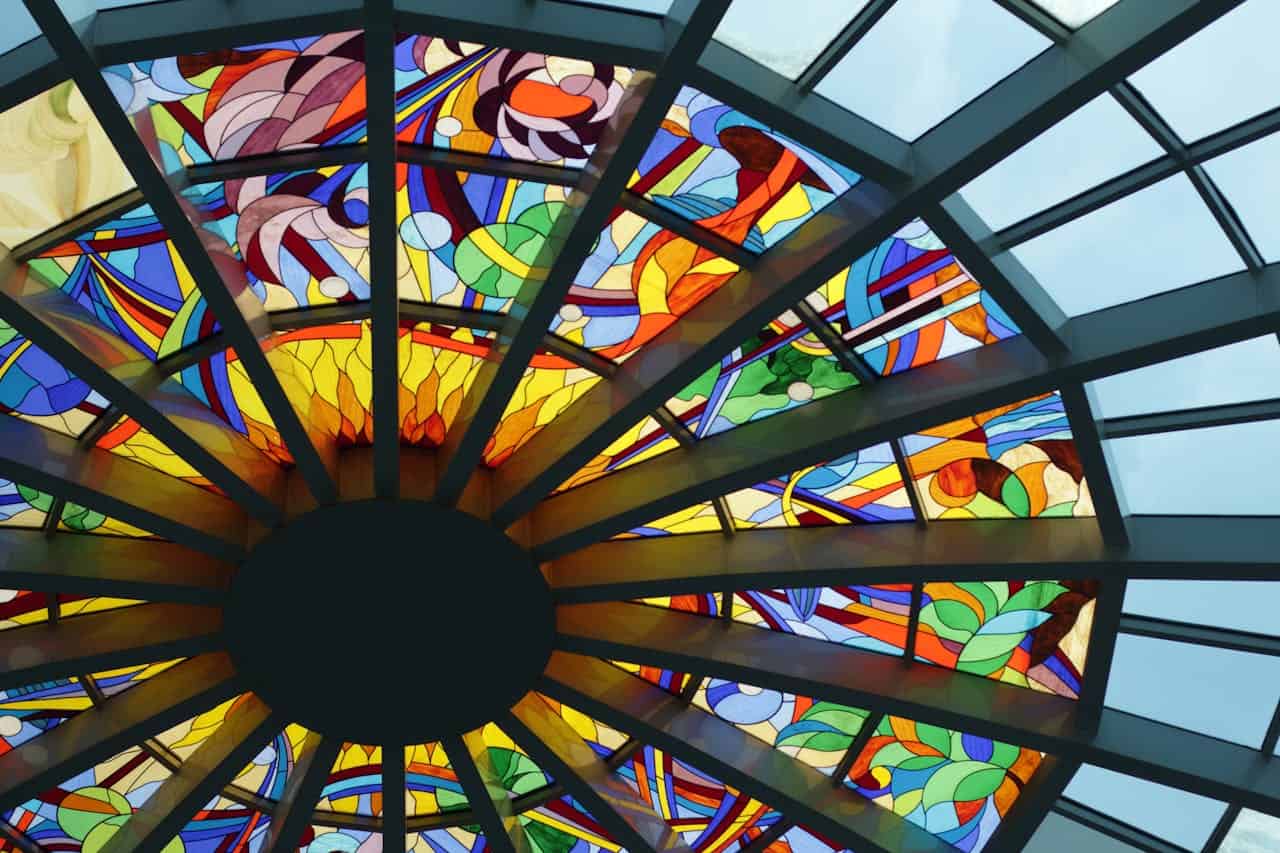
You might notice how stained glass adds a special touch to any room. These colorful panels filter sunlight, casting warm, inviting hues inside your home.
In Victorian times, stained glass was common in entryways and windows. It offered both beauty and privacy without blocking light.
Bringing stained glass back means adding character and art to your living space. It also creates a cozy atmosphere that feels unique and timeless.
Pocket Doors
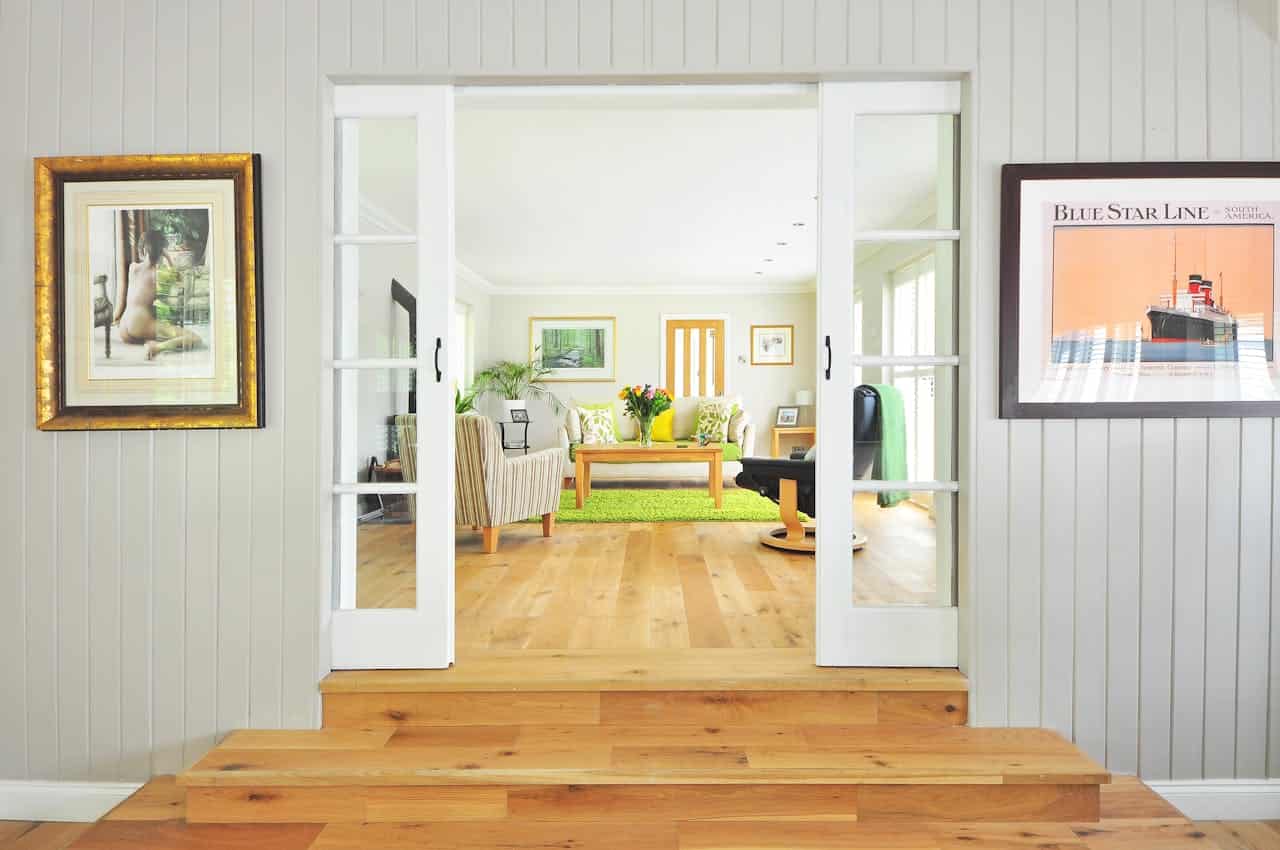
Pocket doors slide neatly into the wall, saving space and adding charm to your home. They were a popular feature in Victorian houses, often used to separate parlors, dining rooms, or studies.
Using pocket doors means you don’t lose valuable floor space to swinging doors. Plus, they can create a smooth transition between rooms while adding a touch of vintage style to your space.
Ornate Fireplace Mantels
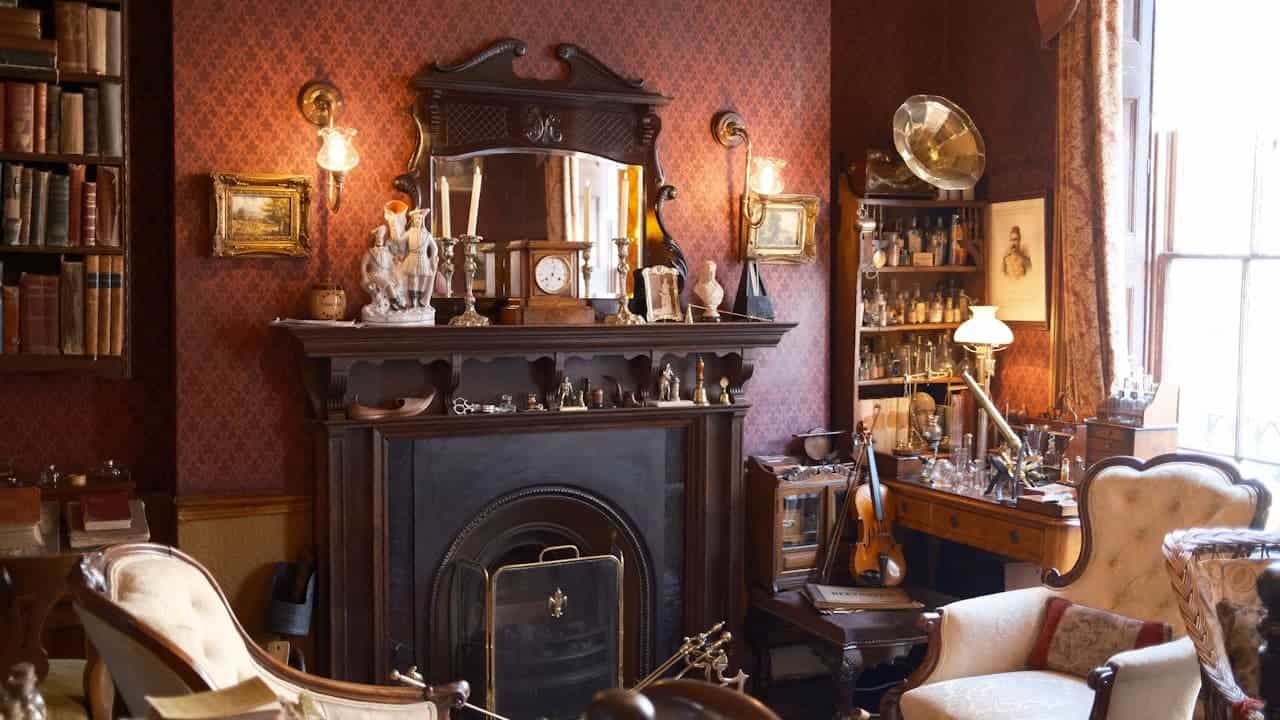
You can bring a touch of Victorian charm into your home with an ornate fireplace mantel. These mantels often featured intricate carvings, floral patterns, and rich woods like mahogany or walnut.
Their grand size and detailed craftsmanship made fireplaces focal points in Victorian rooms. Adding one to your space can create warmth and character with a classic feel.
Clawfoot Bathtubs
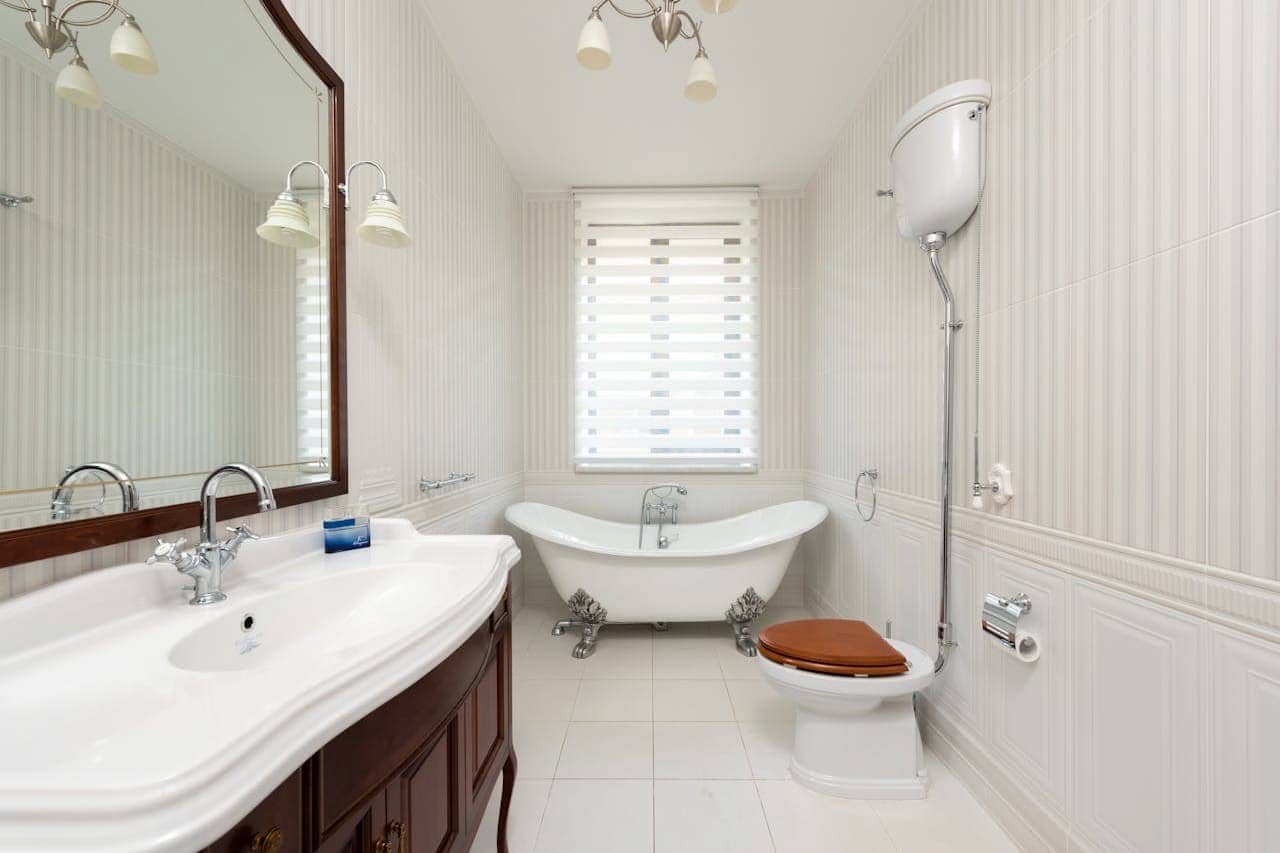
You’ll find that clawfoot bathtubs bring a classic charm that’s hard to ignore. Their elegant shape adds character and a vintage feel to any bathroom.
These tubs are often heavy, so it’s important your floor can support the weight. They usually stand alone, so you’ll want a separate shower space.
Choosing one in a bold color or with metal fixtures can make your bathroom feel unique and inviting.
Wainscoting
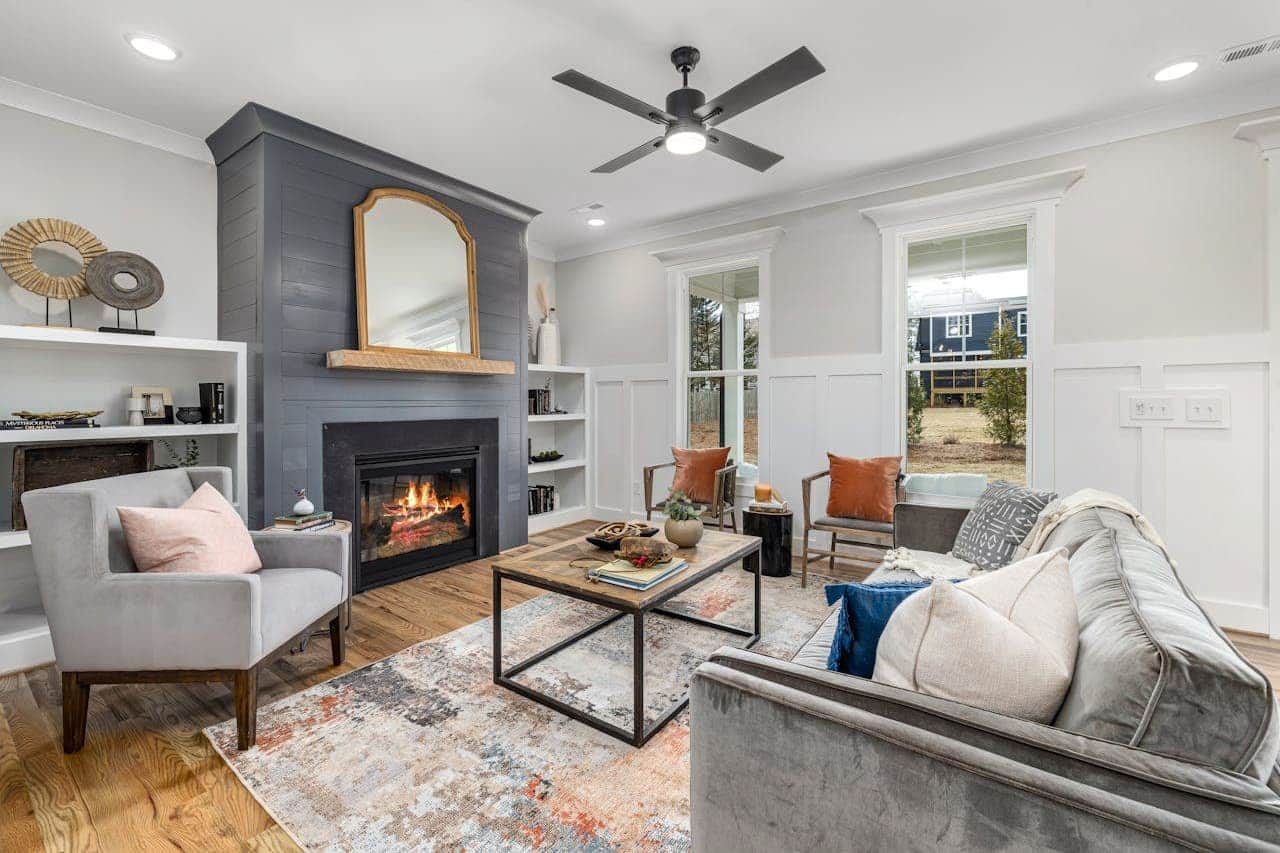
Wainscoting is a classic Victorian feature that adds character and protection to your walls. It typically covers the lower portion of a wall, combining decorative panels with practical durability.
You can choose beadboard or raised panels to create texture and depth. This detail brings warmth and charm to entryways, dining rooms, or hallways, making your home feel inviting and timeless.
Butler’s Pantries
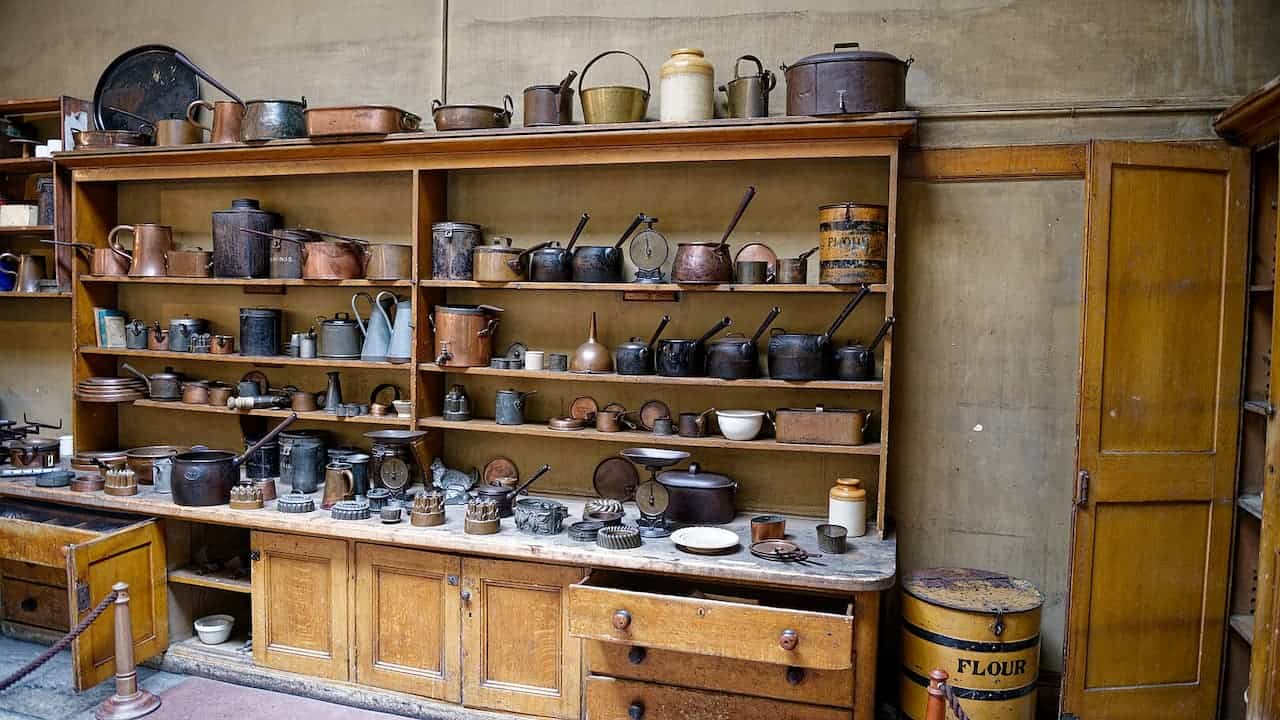
A butler’s pantry was once essential for managing household tasks smoothly. It offers extra storage and workspace, keeping your kitchen clutter-free.
You can find features like skylights to bring in natural light, making the space bright and inviting. Some even had walk-in safes to store silverware securely.
Adding a butler’s pantry can help organize meals and service without crowding your main kitchen. It’s a practical feature that fits well in modern homes, too.
How Victorian Home Features Enhanced Everyday Life
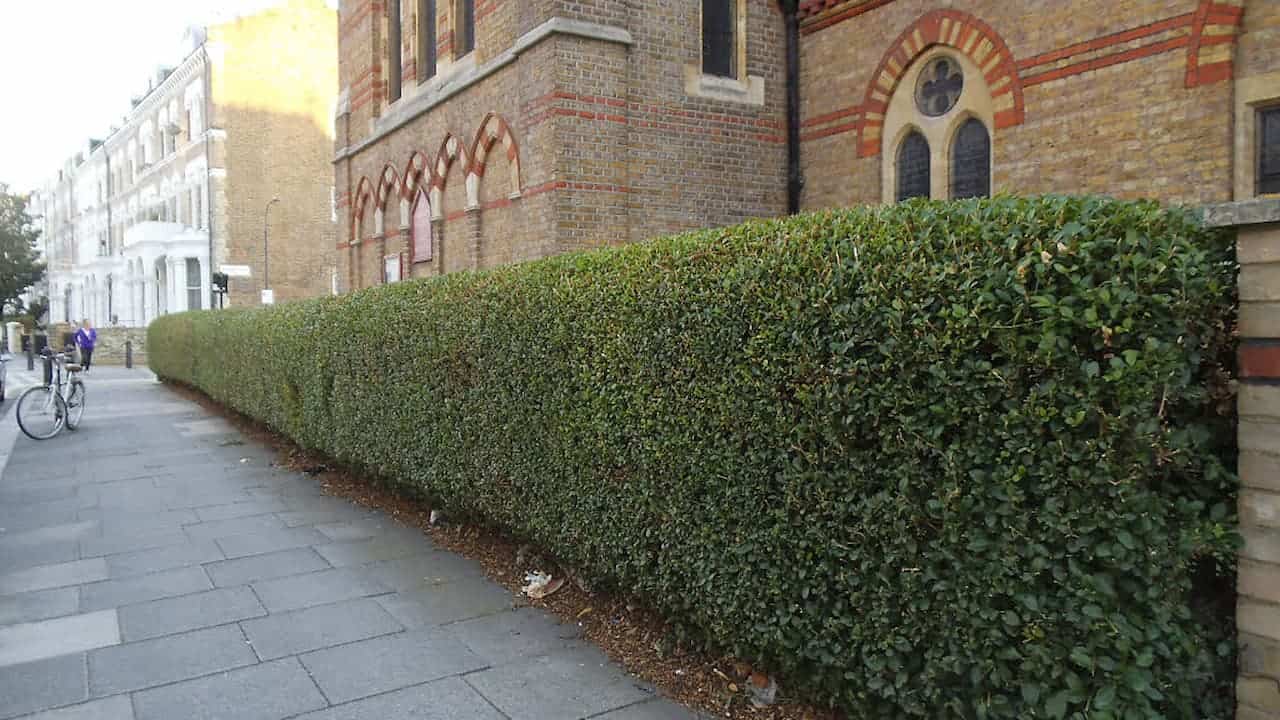
Victorian homes included details that shaped daily living for comfort and connection. From spaces designed to bring families together to intricate craftsmanship that made everyday life more pleasant, these features offered practical benefits you might not find in modern houses.
Impact on Family Gatherings

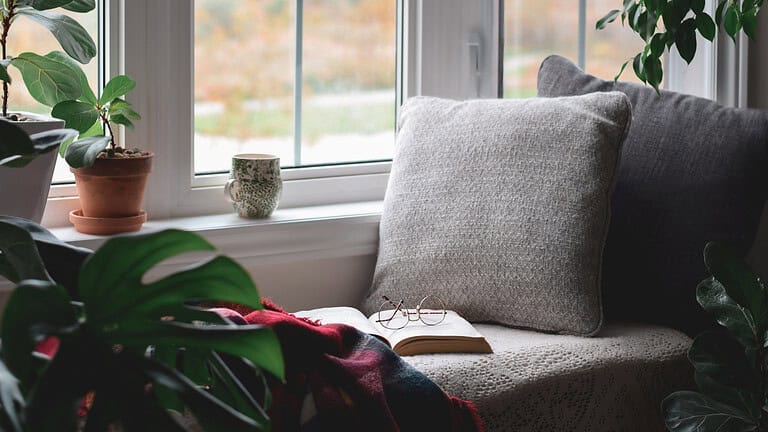
Victorian living rooms and parlors were often designed for intimate family time. Features like bay windows created cozy nooks bathed in natural light, perfect for reading or sharing stories. Built-in window seats invited everyone to relax together comfortably.
Large dining rooms centered family meals, encouraging regular gatherings. Formal yet warm, these spaces allowed for both everyday dining and special occasions. High ceilings improved airflow, keeping rooms fresh during crowded get-togethers.
You’ll also find that many Victorian homes had separate rooms for activities like music or reading, which let family members engage in different hobbies while still feeling connected. The design promoted togetherness without sacrificing personal space.
Everyday Comfort and Craftsmanship
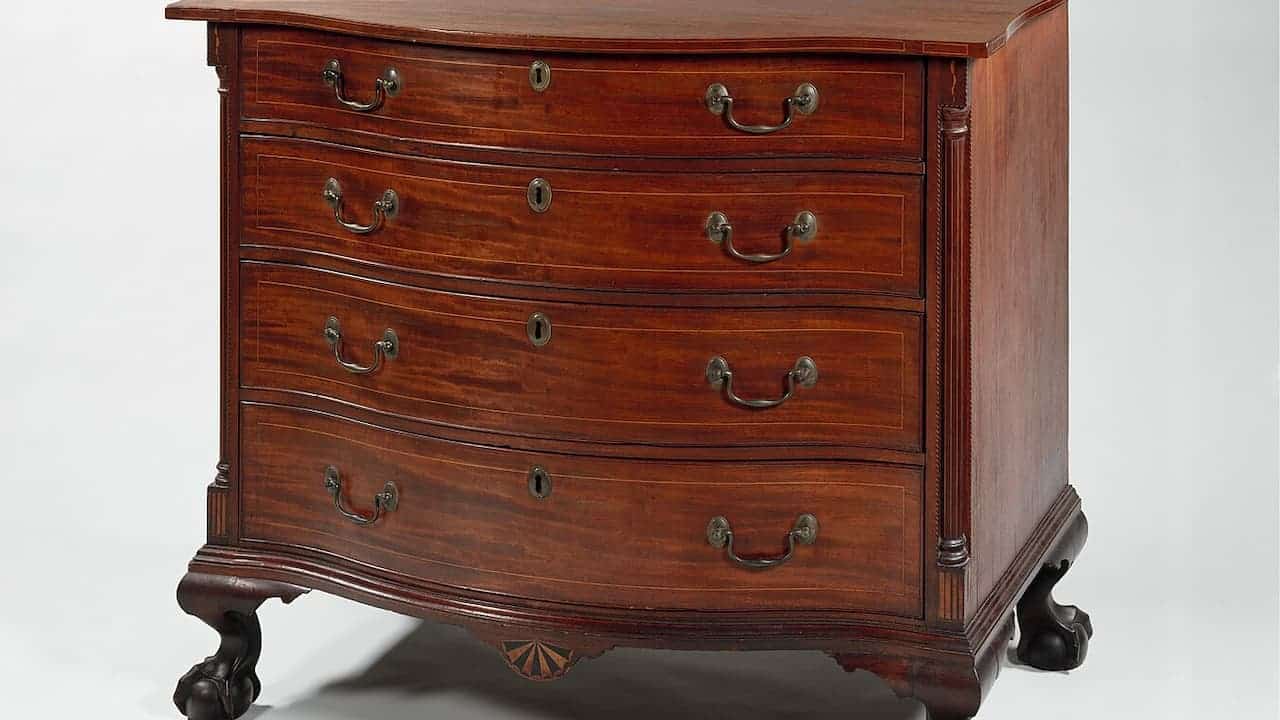
Craftsmanship was a key part of making Victorian homes pleasant to live in. Intricate woodwork like gingerbread trim wasn’t just decorative; it showed attention to detail that gave your home character and a hand-crafted feel every day.
Built-in bookcases and cabinets maximized space and organization, helping you keep things tidy without needing extra furniture. Cozy window seats and nooks made small rooms feel inviting and functional.
Before modern conveniences, features like calling bells helped families and households communicate efficiently. These mechanical systems made managing daily tasks smoother. You could summon help or call family members without shouting or running between rooms.
The careful design of these homes balanced beauty with practical living, so the details enhanced your routine rather than complicating it.
Why Victorian Details Fell Out of Favor
Victorian home features lost popularity as new design priorities emerged. Changes in taste and practicality played major roles. You’ll see how post-war shifts and modern efficiency needs pushed Victorian elements aside.
Post-War Design Trends

After World War II, home styles changed dramatically. The elaborate ornamentation of Victorian homes felt outdated compared to the clean, simple lines of mid-century modern design. People wanted fresh, bright spaces, not heavy woodwork or intricate patterns.
Mass production and suburban growth promoted uniformity and affordability. Many Victorian details were too costly or time-consuming to replicate on a large scale. This made homes with minimal decoration more common and desirable.
The 1930s to 1950s saw a cultural shift toward minimalism and functionality. Victorian style was linked to the past, while new styles suggested progress and modern living. This pushed Victorian features out of favor for decades.
Modern Efficiency Priorities
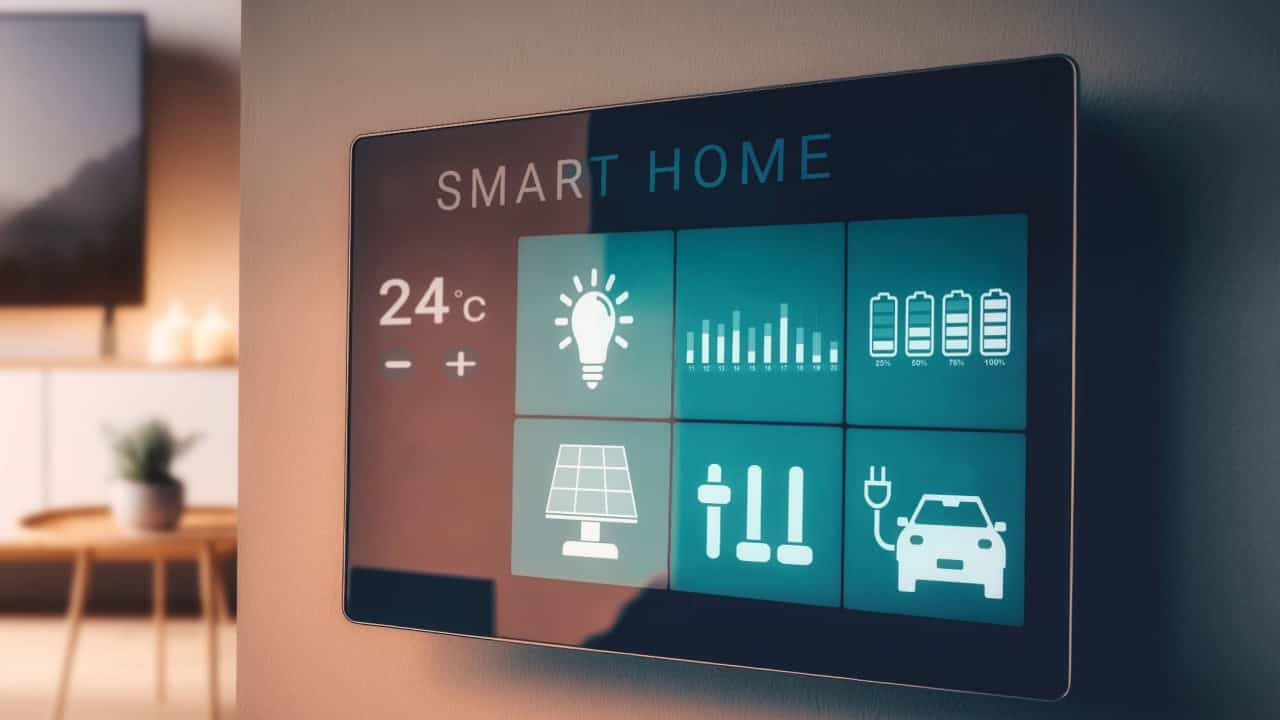
Today, your focus might be on energy efficiency and easy maintenance. Victorian homes often require more upkeep because of their detailed woodwork, decorative tiles, and aging mechanical systems.
Updating these older homes to meet current building codes or energy standards can be expensive and difficult. You might find outdated wiring, poor insulation, and complex staircases that don’t fit modern accessibility standards.
Simpler designs allow for more flexible, open layouts and easier installation of modern systems. While Victorian details add charm, they can conflict with your goals for comfort, cost, and sustainability in your home.