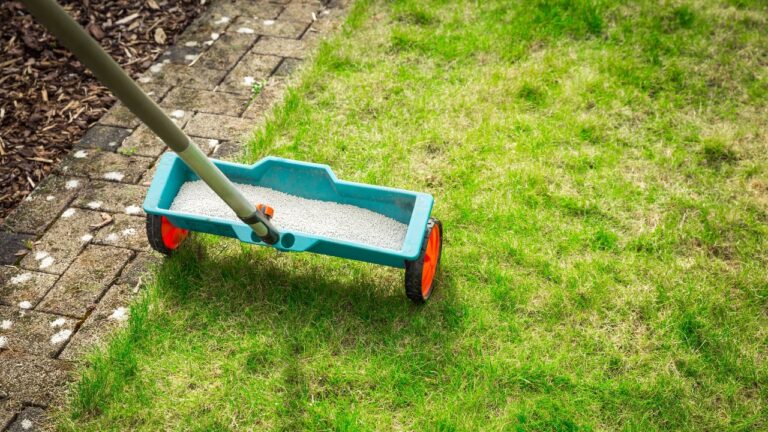
Taking care of your lawn can feel overwhelming with so much advice floating around. You might hear conflicting tips or old beliefs that don’t actually help your grass grow healthier. Knowing what’s true and what’s not is key to making your lawn care efforts count.
Understanding the facts lets you save time, money, and avoid unnecessary tasks while keeping your lawn looking its best.
Advertisement
Watering your lawn anytime of day is fine
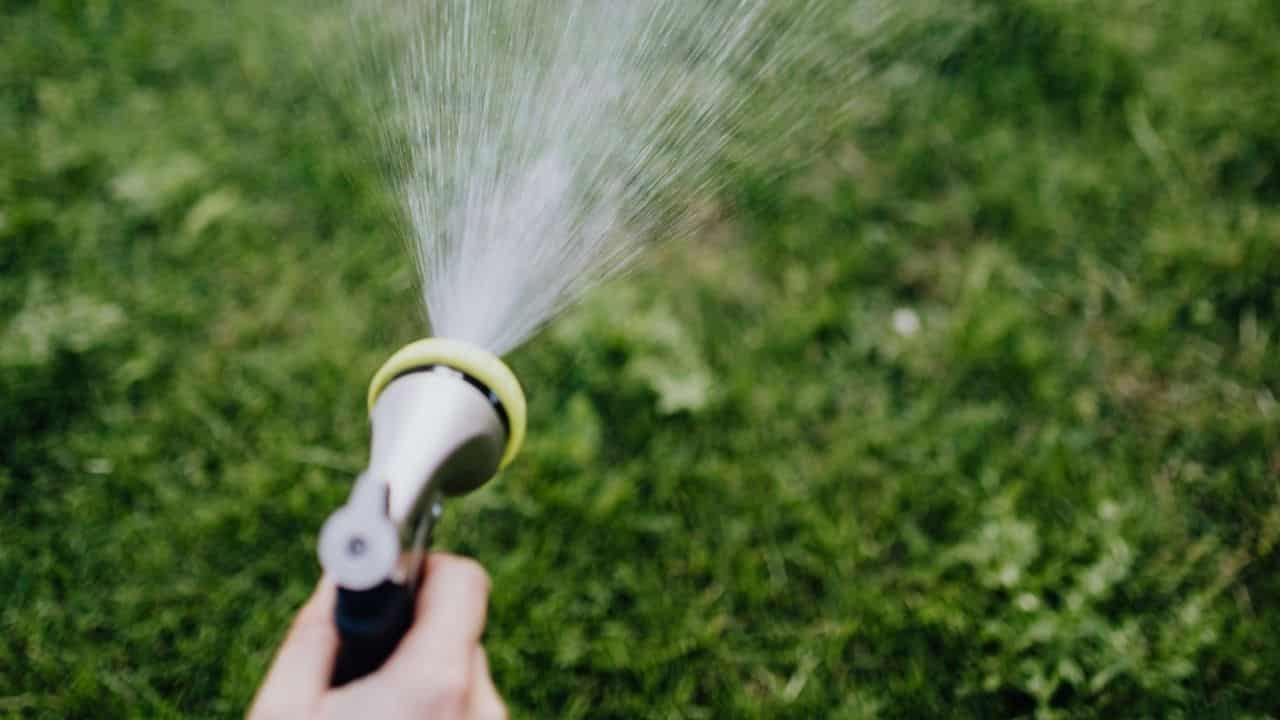
You might think watering your lawn whenever you want is okay, but timing matters. Early morning, between 4 am and 10 am, is the best time.
Watering in the evening can leave grass wet overnight, which encourages fungus and disease.
Avoid midday watering too, because the sun can cause quick evaporation, wasting water and making your lawn thirsty again.
Grass clippings cause thatch buildup
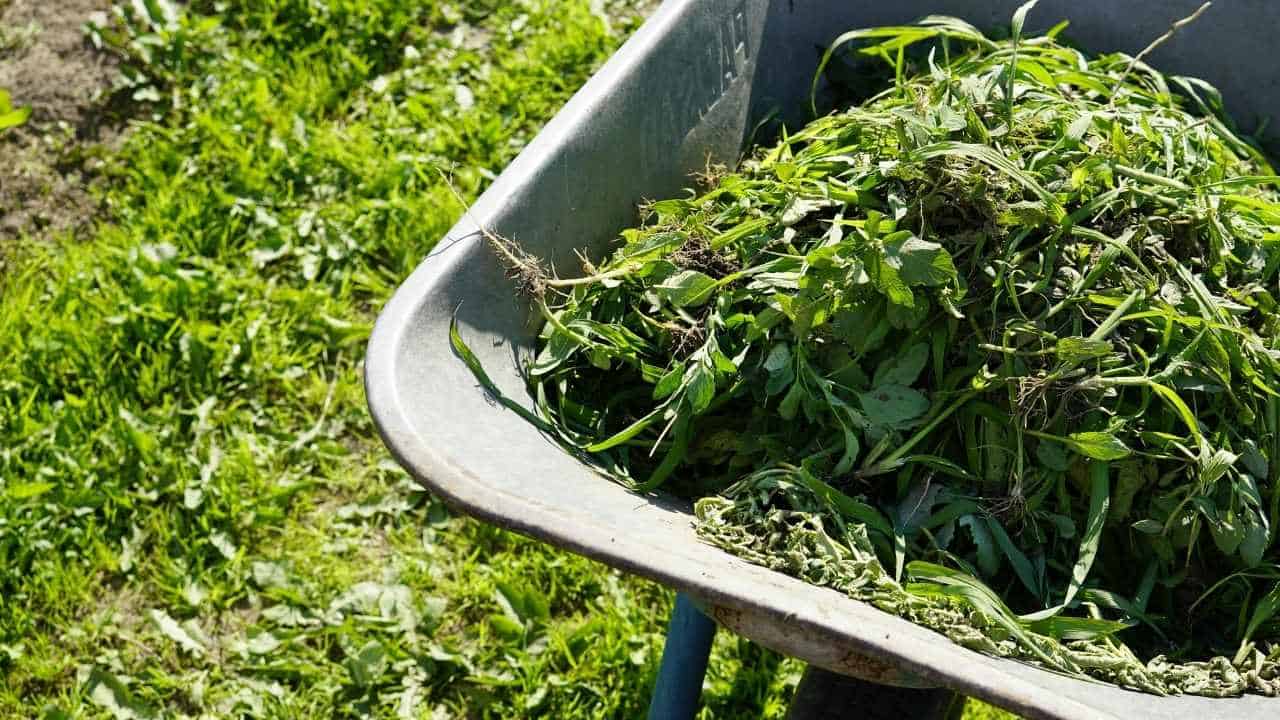
You might have heard that leaving grass clippings on your lawn causes thatch buildup, but this isn’t true. Clippings are mostly water and break down quickly, adding nutrients like nitrogen to your soil.
Thatch forms from slow decomposition of roots and stems, not from clippings. So, leaving clippings on your lawn actually helps keep it healthy and reduces waste.
You should water your lawn every day
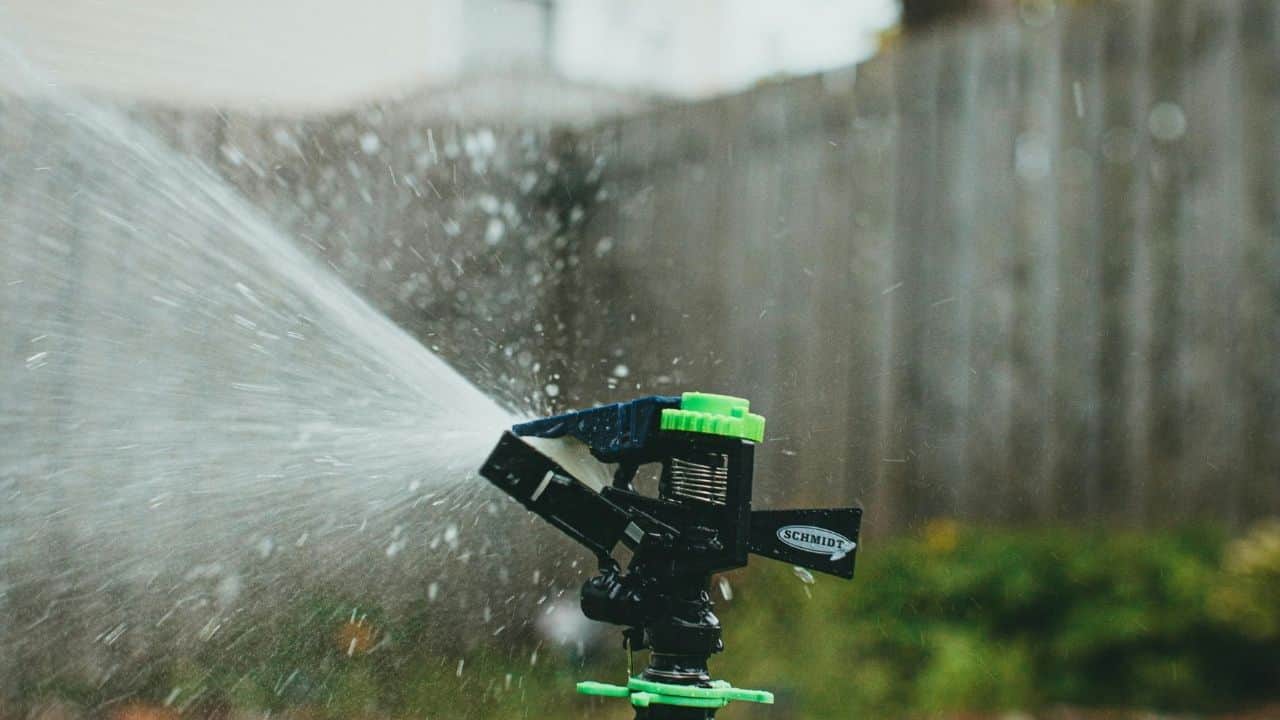
You might think watering your lawn daily keeps it healthy, but that’s not true. Watering too often can cause shallow roots, which weakens your grass.
Instead, water deeply and less frequently. This helps roots grow stronger and makes your lawn more drought-resistant.
Try watering once or twice a week, giving your lawn a good soak. Your grass will thank you!
Cutting grass very short reduces mowing frequency
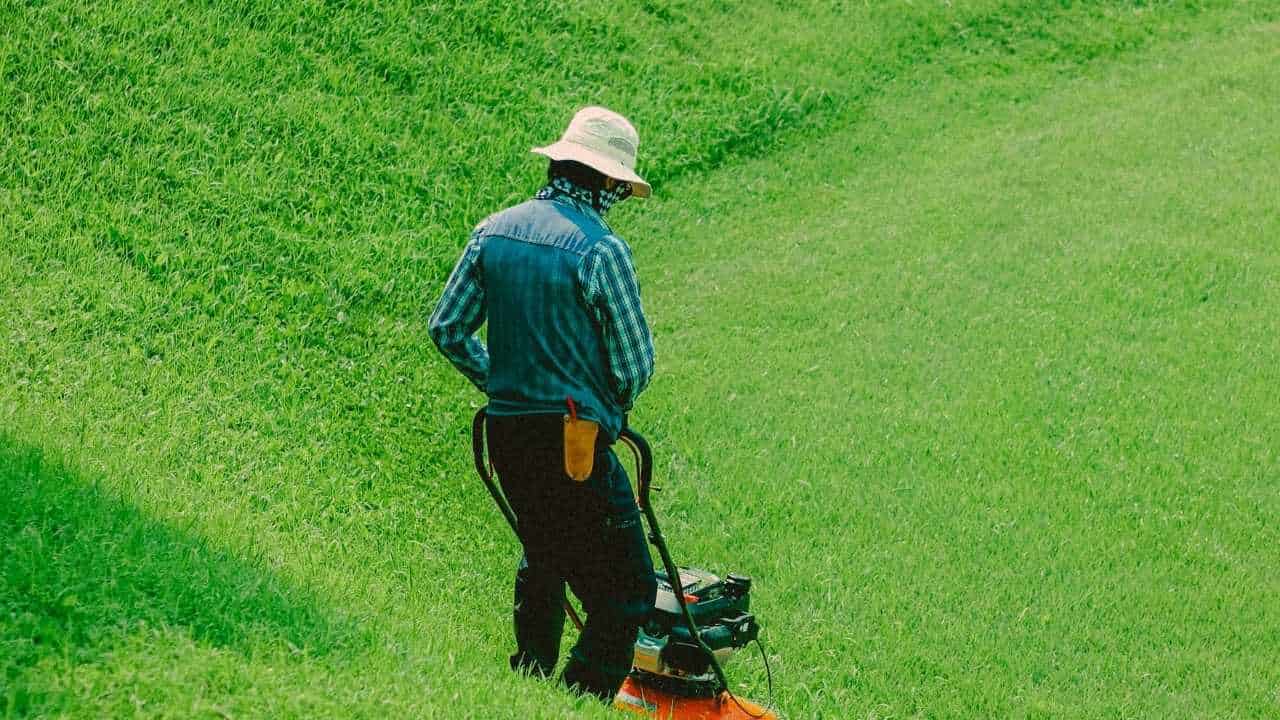
You might think cutting your grass very short means you can mow less often. Actually, cutting grass too short stresses it, causing it to grow unevenly and invite weeds.
Short grass exposes soil to sun, which can dry out roots and damage your lawn. Keeping grass at a healthy height helps it stay strong and reduces how often you need to mow.
Aerating your lawn is useless
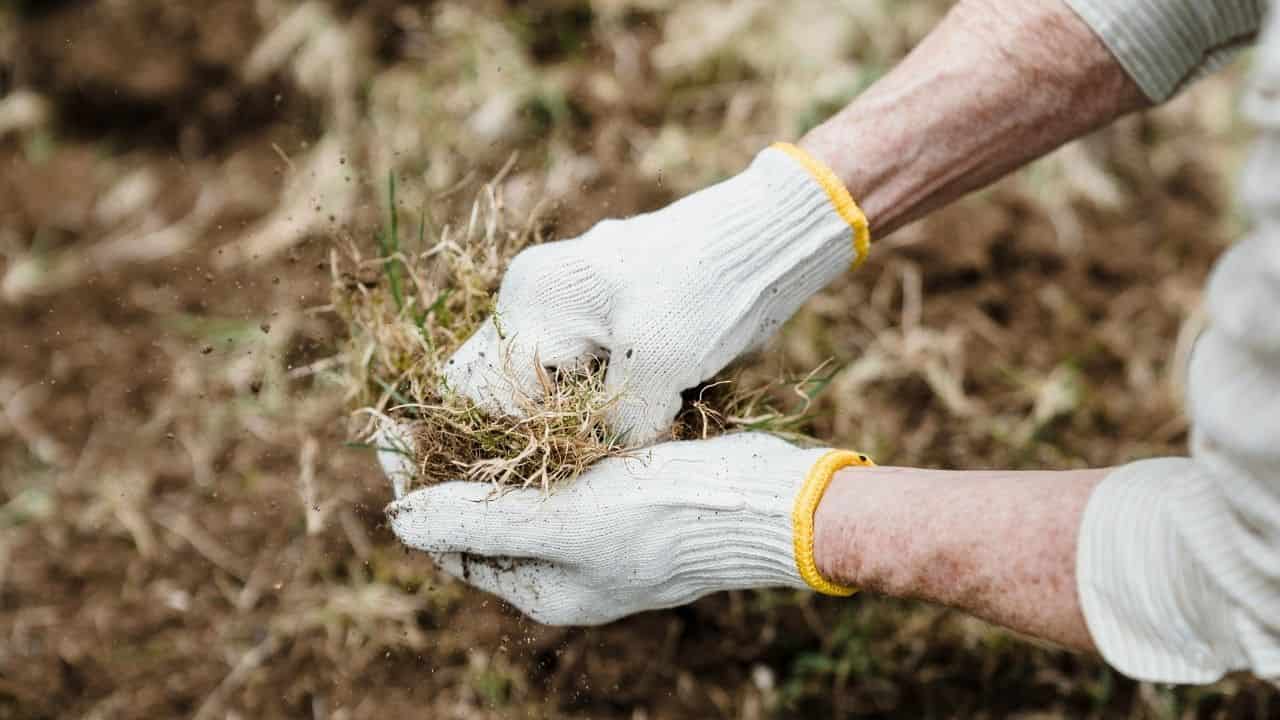
You might hear that aerating your lawn doesn’t do much, but that’s not always true. Aeration helps relieve soil compaction, allowing water, air, and nutrients to reach your grass roots better.
However, if your soil isn’t compacted, aeration might not make a big difference. It’s best to check your lawn’s condition before deciding if you need it.
Adding sugar makes grass greener
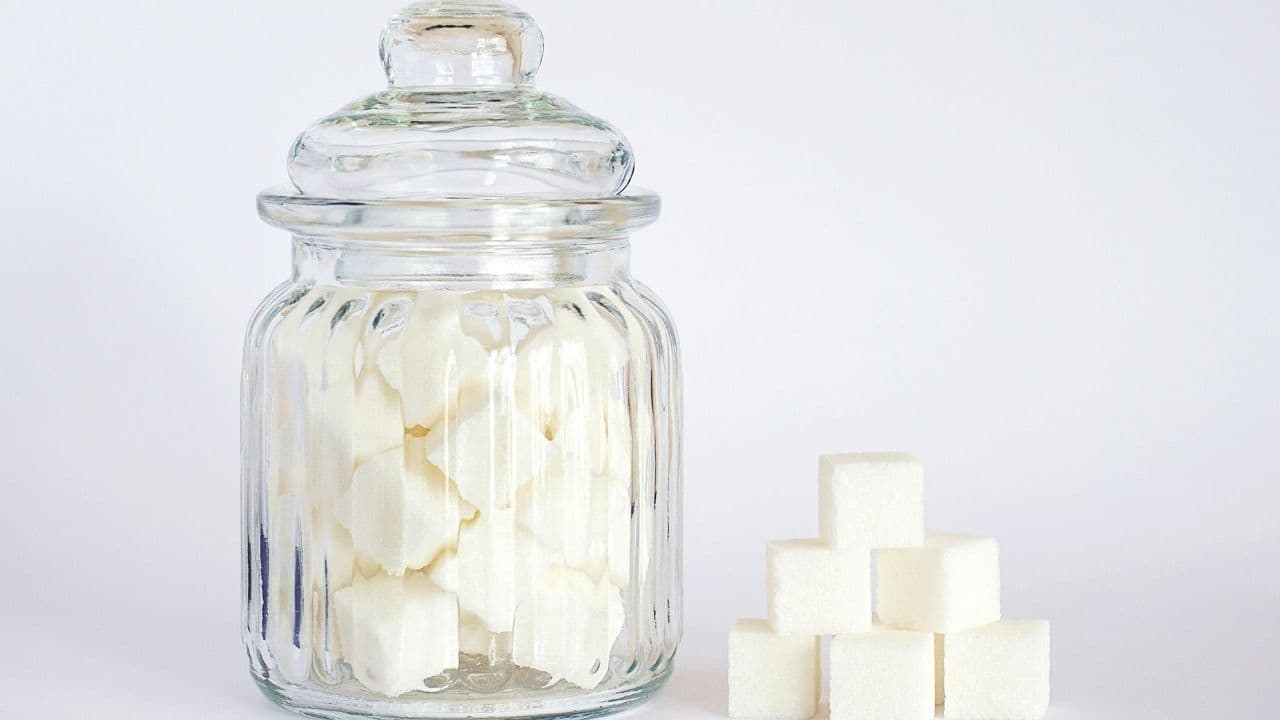
You might hear that adding sugar to your lawn will make it greener. Sugar doesn’t feed the grass directly, but it can support the microbes in the soil.
These microbes use sugar as food, which can increase their activity. This process may improve soil health but doesn’t guarantee a noticeable green boost for your grass.
Beer removes brown spots on grass

You might have heard that pouring beer on brown spots helps grass grow. This is a common myth, but beer contains sugars and alcohol that can actually harm your lawn.
Instead of fixing brown spots, beer can encourage fungal growth and make the problem worse. For healthy grass, focus on proper watering and nutrient care rather than using beer.
Salt is an effective weed killer
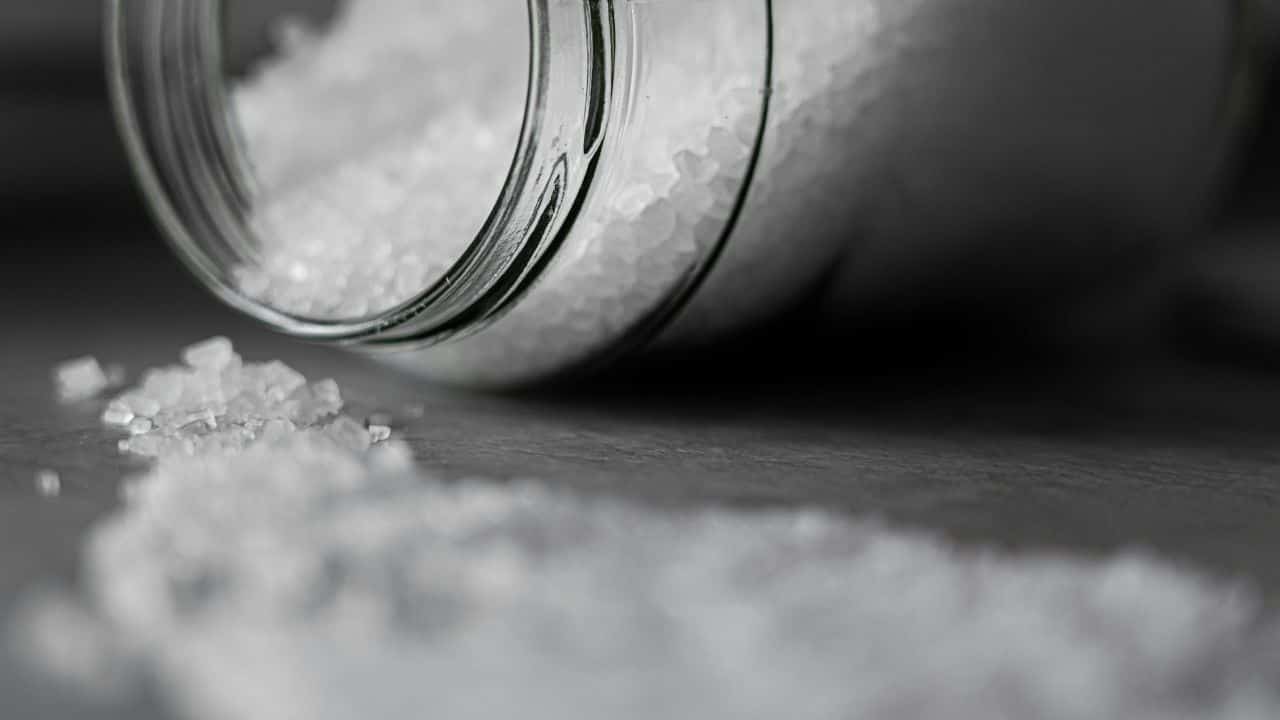
You can use salt to kill weeds by mixing it with water and spraying it on the plants. Salt works by drying out the weed’s cells, which stops their growth.
However, be careful—salt can harm your soil and make it difficult for other plants to grow in the treated area. Use it only on unwanted weeds and avoid spreading it broadly in your garden.
Watering at night won’t harm your lawn

You might have heard that watering at night causes lawn damage. The truth is, watering in the evening isn’t always bad.
What matters most is avoiding leaving your grass wet for too long. If you water right before sunset, the leaves stay wet overnight, which can encourage disease.
Try watering earlier in the evening so your lawn has time to dry before dark. That way, your grass stays healthy without wasted water.
Washing the mower deck after every mow prevents disease
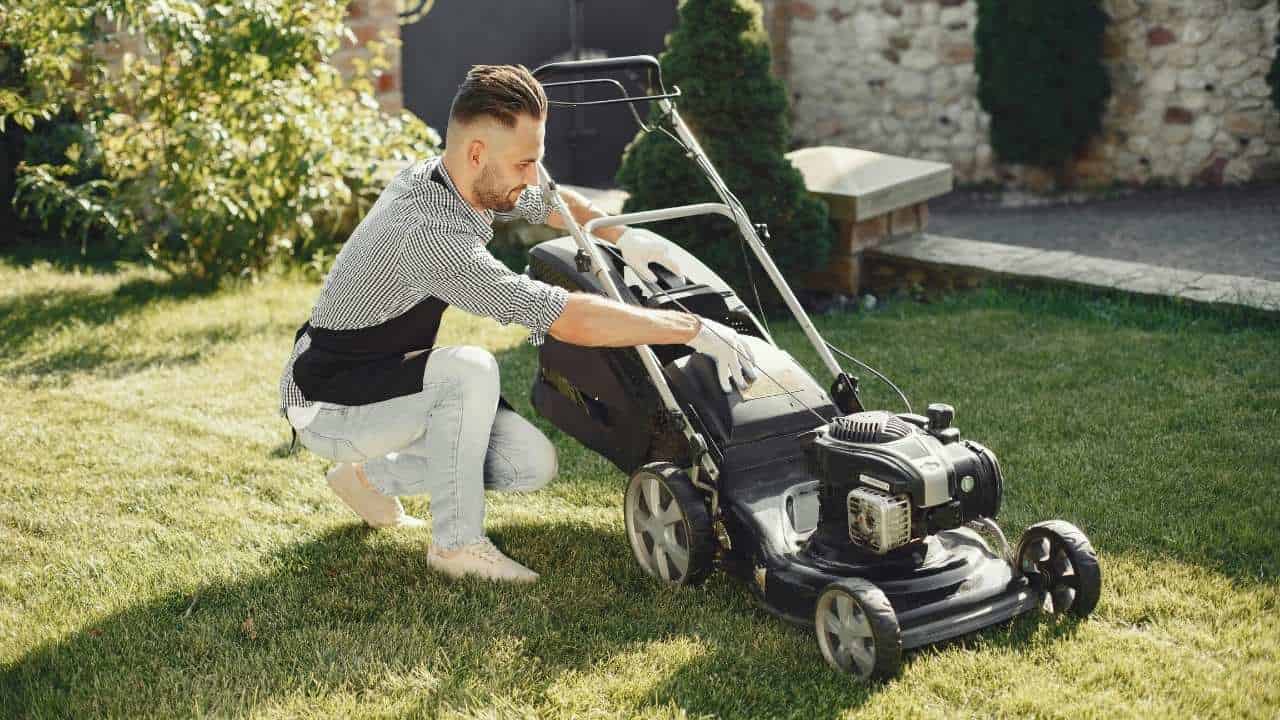
Washing your mower deck after every mow isn’t always necessary. While cleaning can help remove grass clippings, doing it too often may cause moisture buildup inside the deck. This moisture can lead to rust, shortening the life of your mower.
You should focus on cleaning the deck when you notice significant buildup or before storing your mower. This balance helps keep your mower in good condition without causing damage.
Fertilize only when stores have fertilizer available
You don’t need to wait for fertilizer to be on store shelves to care for your lawn. Fertilizing should depend on your grass type and growth cycle, not availability.
Applying fertilizer at the wrong time can harm your grass or encourage weak growth. Focus on your lawn’s needs rather than sales or stock.
Lowering blade height strengthens the lawn
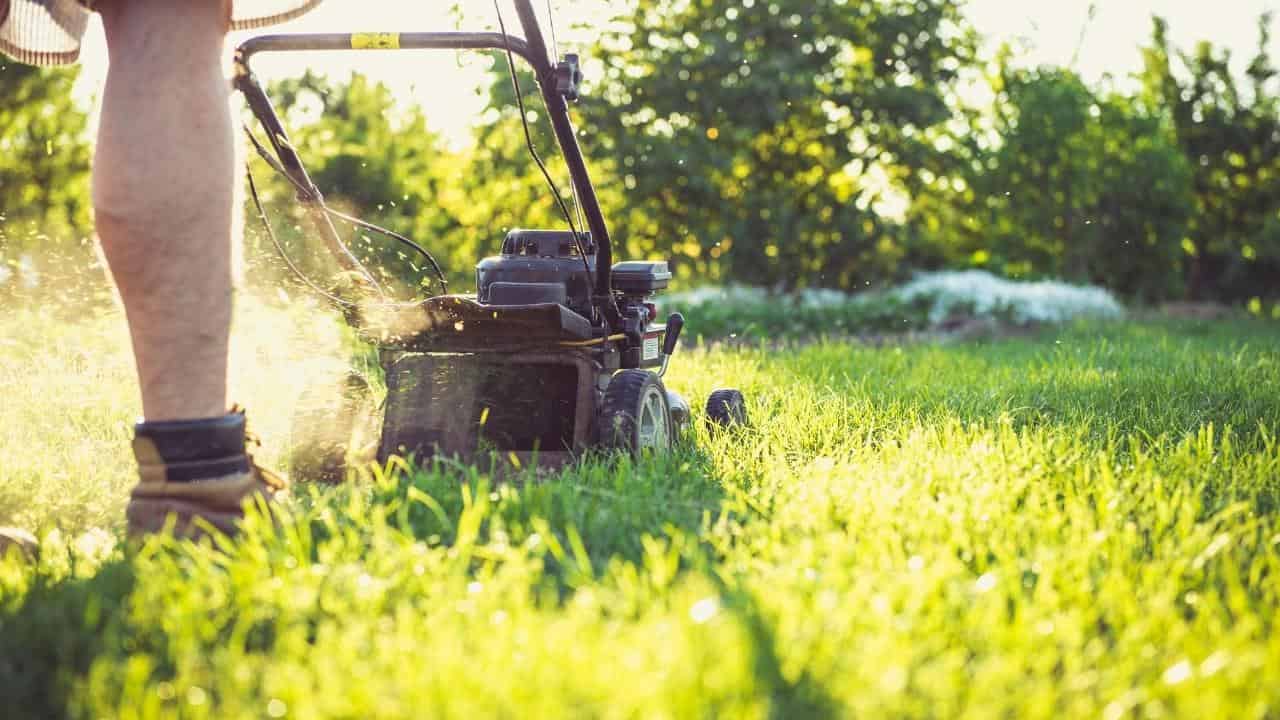
You might think that cutting your grass very short helps it grow stronger. However, lowering the blade height too much actually weakens your lawn.
Cutting grass too low exposes soil to direct sunlight, which can dry out roots and encourage weeds.
Instead, keep your mower blade at a height that removes no more than one-third of the grass blade at once. This helps promote deeper roots and a healthier lawn.
Mythical lawn care practices improve growth

You might hear that watering your lawn any time of day helps growth. In reality, watering early morning or late evening reduces water loss.
Many believe cutting grass very short means less mowing. Actually, short grass can stress your lawn and make it unhealthy.
Some think lawn treatments like beer or frequent mower washing boost growth. These don’t have proven benefits and can waste your time.
More fertilizer always means a healthier lawn

You might think adding more fertilizer will make your lawn greener and stronger. However, too much fertilizer can actually harm your grass, causing burn and stress.
Your lawn needs the right balance of nutrients at the right time. Over-fertilizing can disrupt this balance and reduce soil health.
Use fertilizer carefully and follow recommended amounts to keep your lawn healthy without causing damage.