Water is one of our most precious resources, yet many of us unknowingly waste gallons of it every single day—just by going about our normal routines at home. From overlooked leaks to outdated appliances and bad habits, the ways we waste water often go unnoticed until the bill spikes or restrictions hit.
This list highlights 14 common household habits that waste the most water, so you can spot them, stop them, and do your part to conserve without sacrificing comfort.
Advertisement
Using the toilet as a trash can
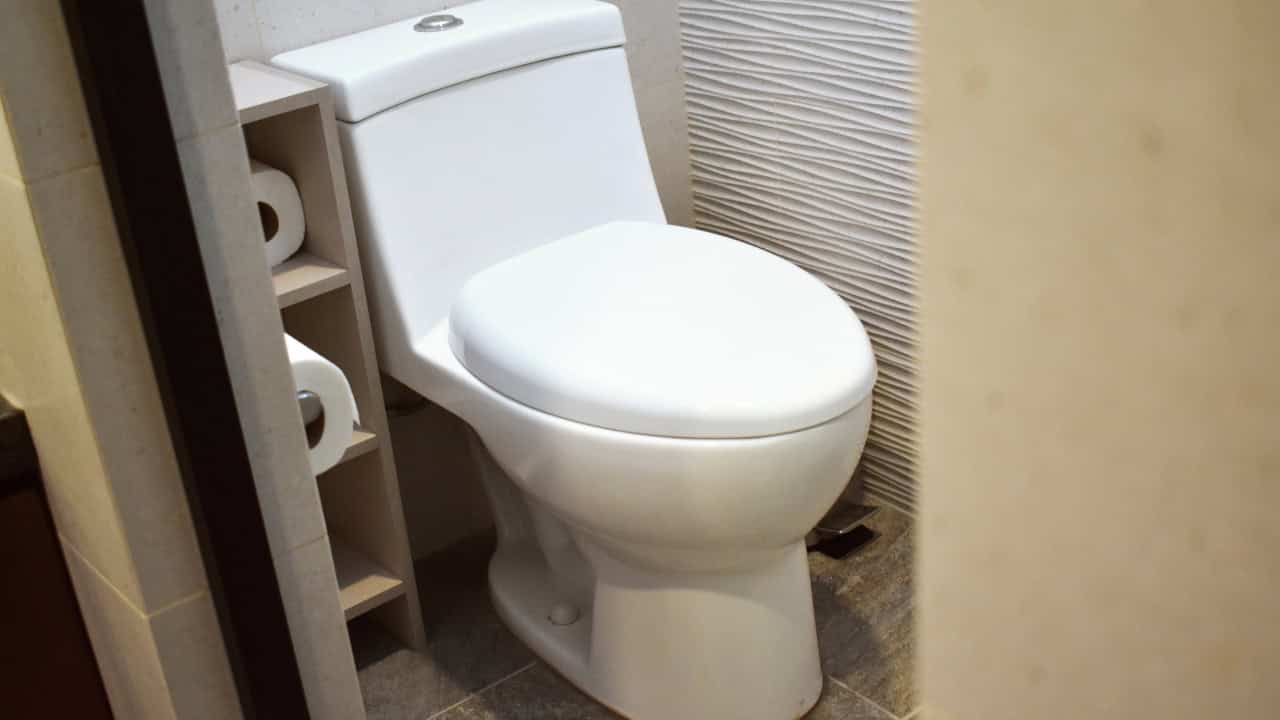
Using your toilet to dispose of trash can waste a lot of water. Every flush uses several gallons, and unnecessary flushing adds up quickly.
Items like wipes, cotton swabs, and paper towels don’t break down well. They can cause clogs and force more water use.
Stick to flushing only pee, poo, and toilet paper. This saves water and keeps your plumbing healthy.
Letting water run while brushing teeth

When you leave the water running while brushing, you waste about two to four gallons every minute. Turning off the tap can save a significant amount of water over time.
It’s a simple change that helps reduce water waste.
Taking long showers
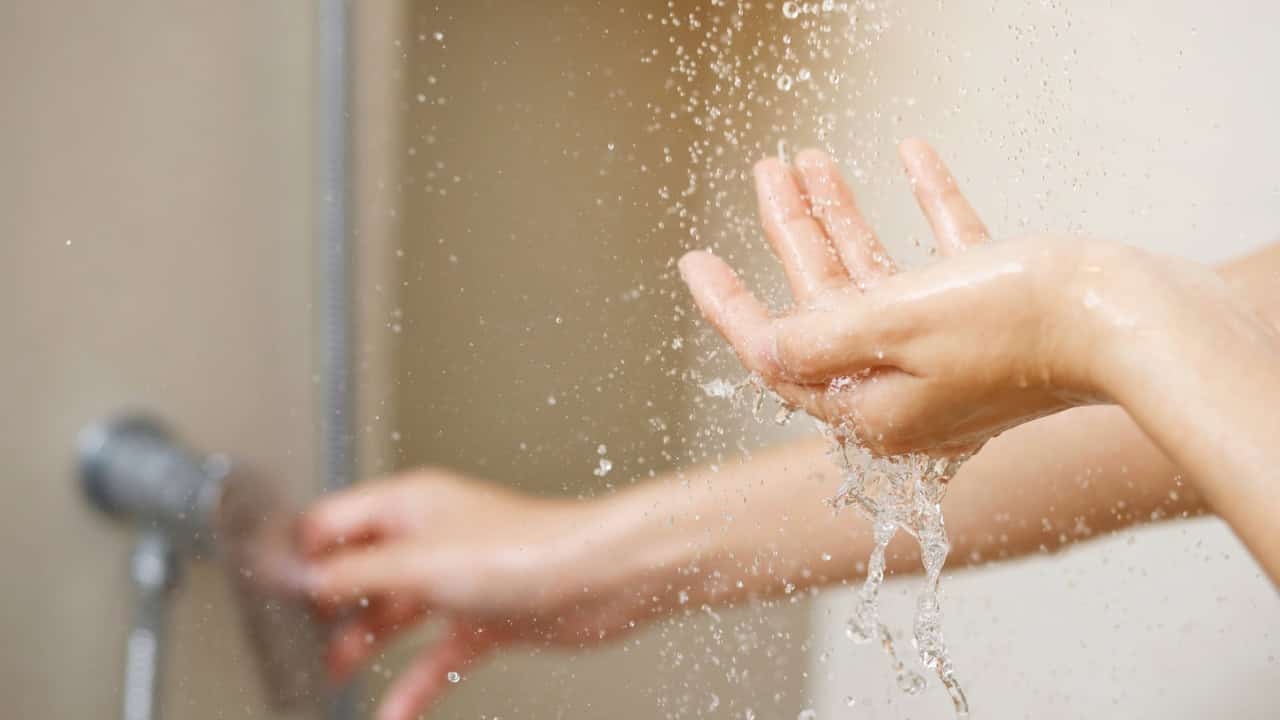
You might not realize how much water long showers use. The average showerhead flows about 2 to 5 gallons per minute, so even a few extra minutes add up quickly.
Cutting your shower by just 1 or 2 minutes can save hundreds of gallons per month. Using a low-flow showerhead also helps reduce water use.
Running water while shaving
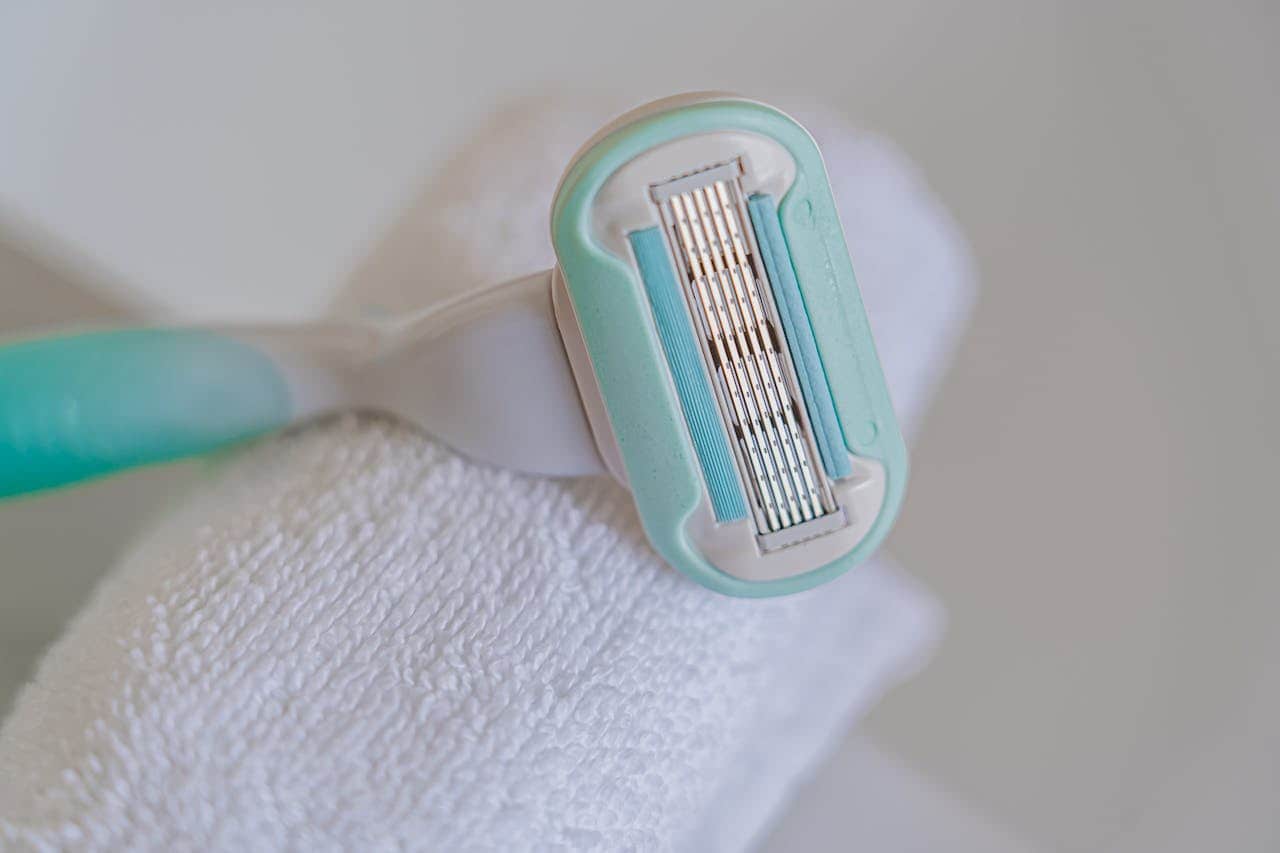
Leaving the water running while you shave wastes a lot of water. Instead, try filling the sink with a small amount of water to rinse your razor.
This simple change helps you use only what you need. It saves gallons each time you shave.
Older toilets with high flush rates
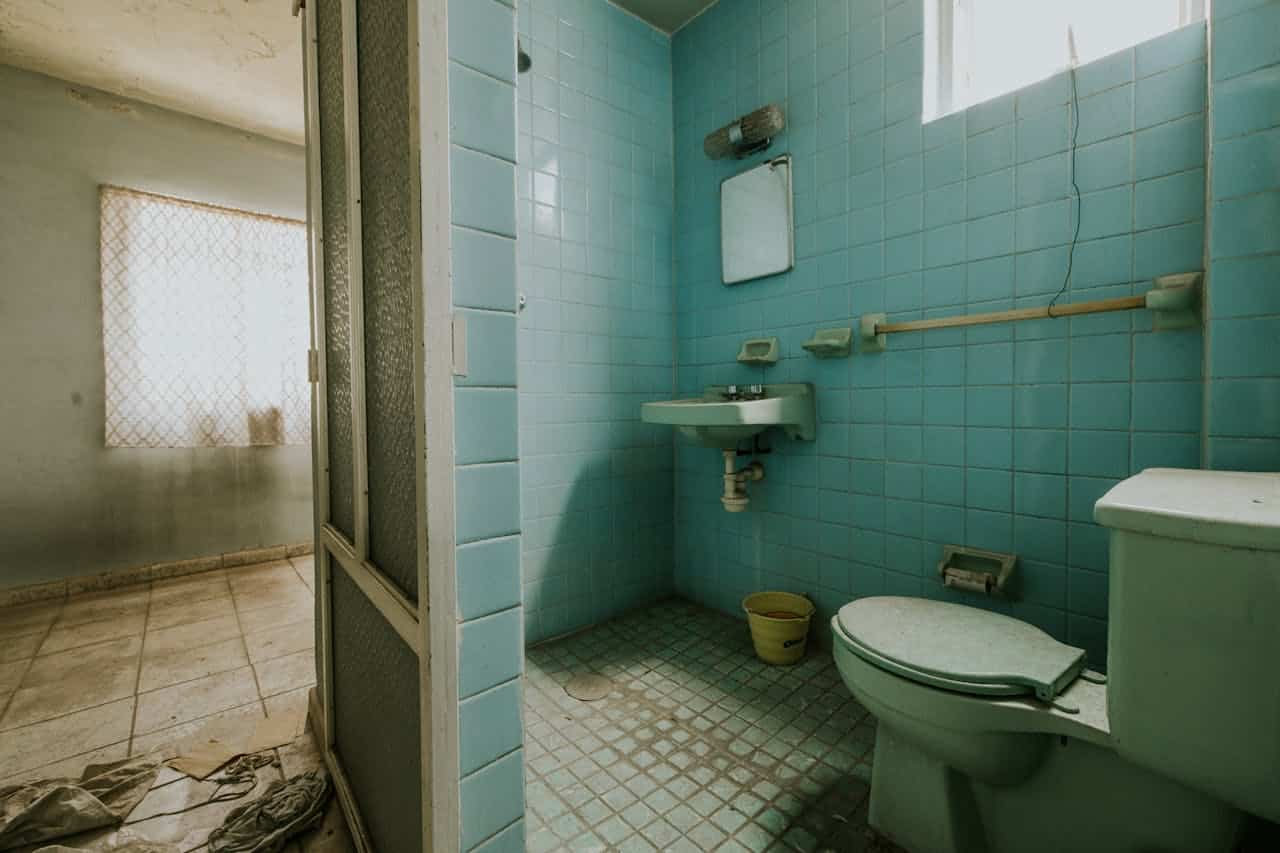
If your toilet was made before 1980, it might use between 5 and 7 gallons of water per flush. Some very old models use even more, sometimes over 8 gallons.
Modern toilets use 1.6 gallons or less. Updating your toilet can save water and reduce your bills.
Washing dishes with running water

Washing dishes with the faucet running uses a lot more water than you might expect. Instead, try filling a basin or sink with soapy water to clean and rinse your dishes.
If you’re using a spray bottle with diluted soap for greasy dishes, you can cut down on rinsing time and water use. Turning the tap off while scrubbing helps save even more water.
Ignoring dripping faucets
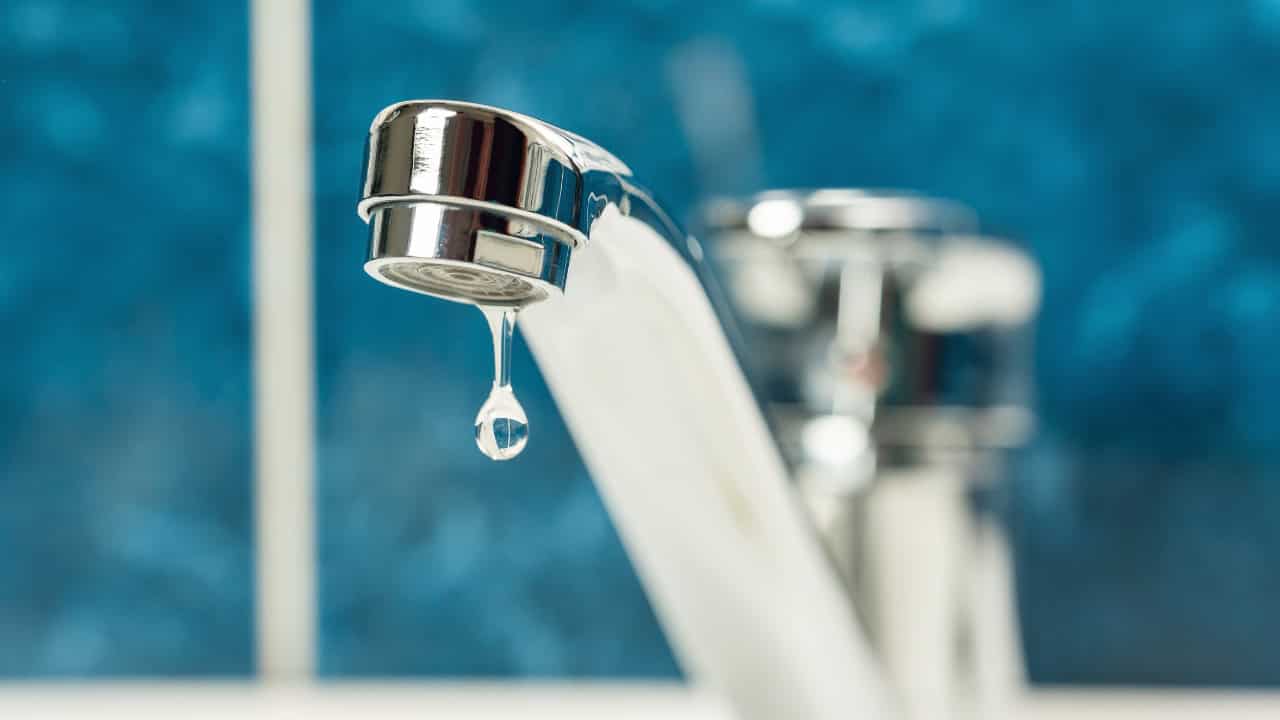
If you ignore a dripping faucet, you could waste a surprising amount of water over time. Even one drip per second adds up to thousands of gallons a year.
Fixing leaks early helps save water and reduces your water bill.
Ignoring plumbing leaks
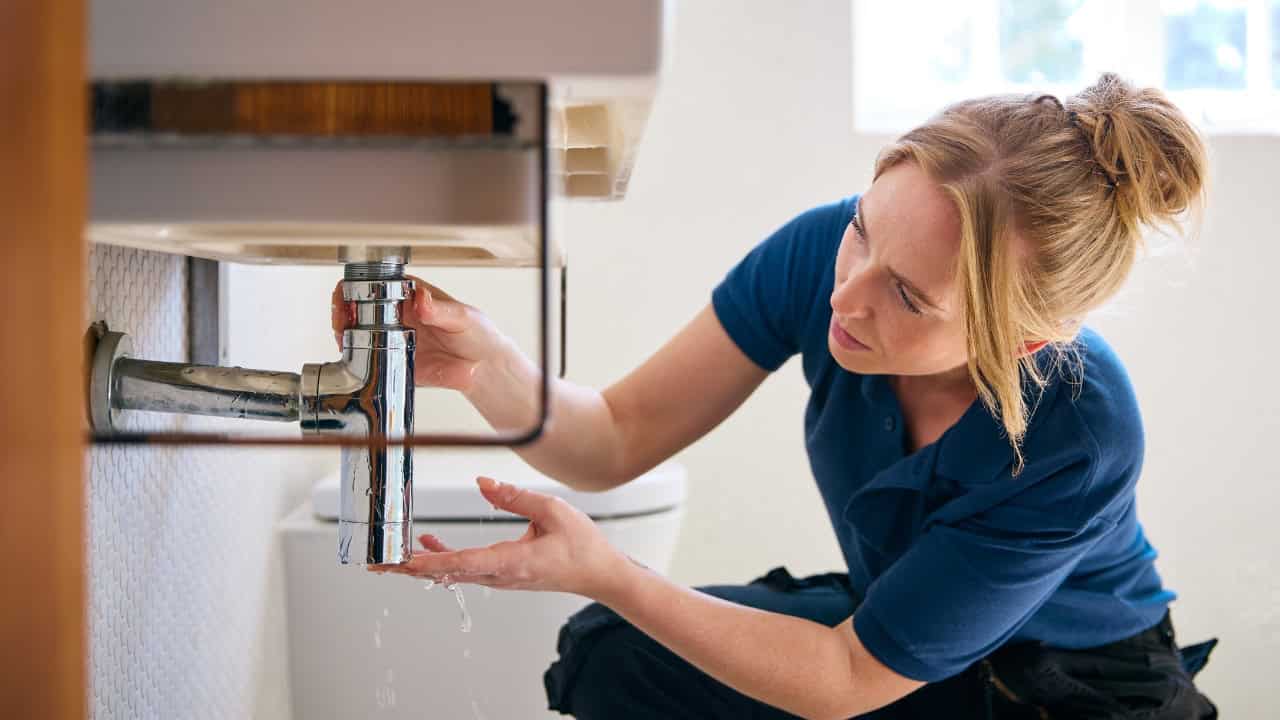
If you ignore small leaks, they can waste hundreds or even thousands of gallons of water over time. A dripping faucet or a leaking toilet flapper may seem minor, but they add up.
Checking your pipes regularly helps you catch leaks early. Fixing them quickly saves water and lowers your bills.
Bathing instead of showering
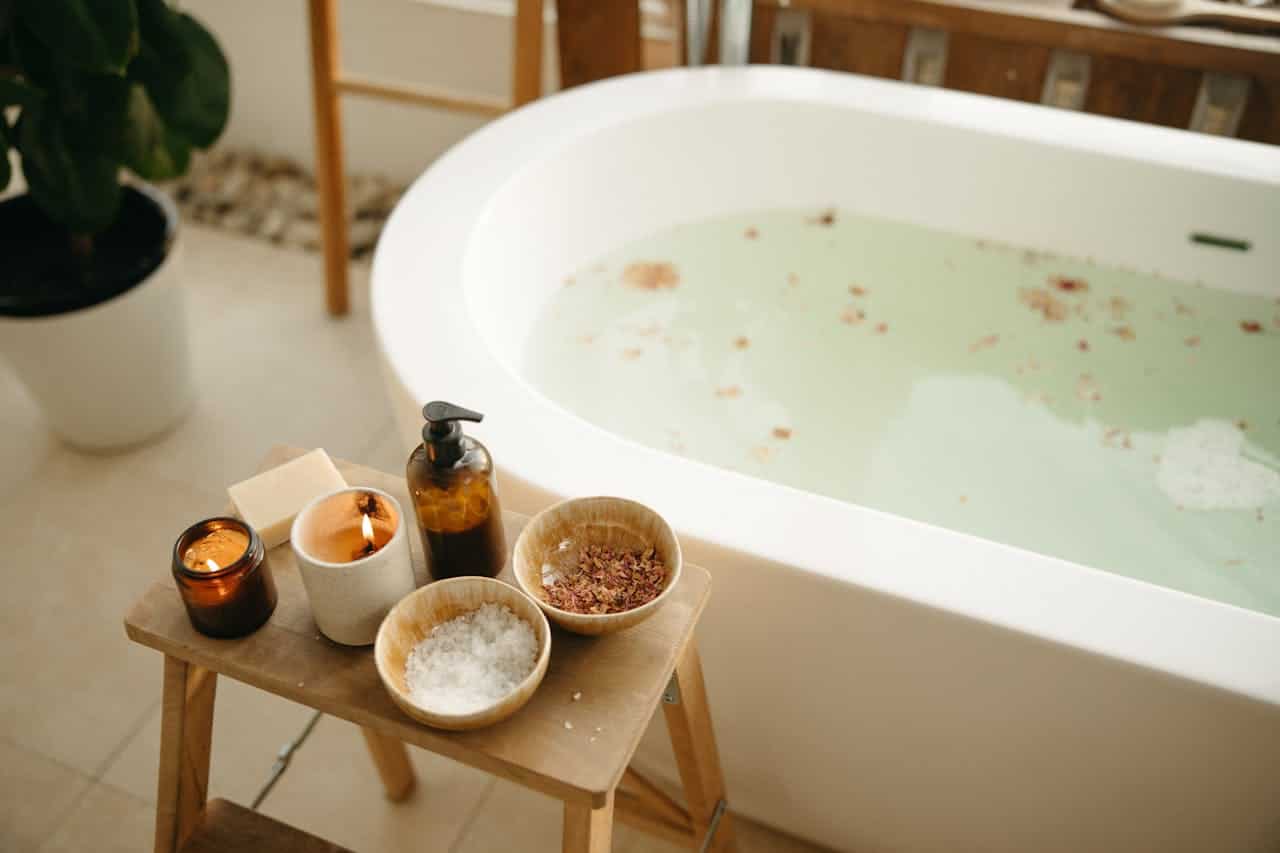
If you prefer baths over showers, be mindful that each bath uses a full tub of water every time. This can add up quickly, especially if you take baths often.
Showers can use less water if you keep them short and use a low-flow showerhead. Try to balance your routine to avoid using more water than you need.
Using excessive water for laundry
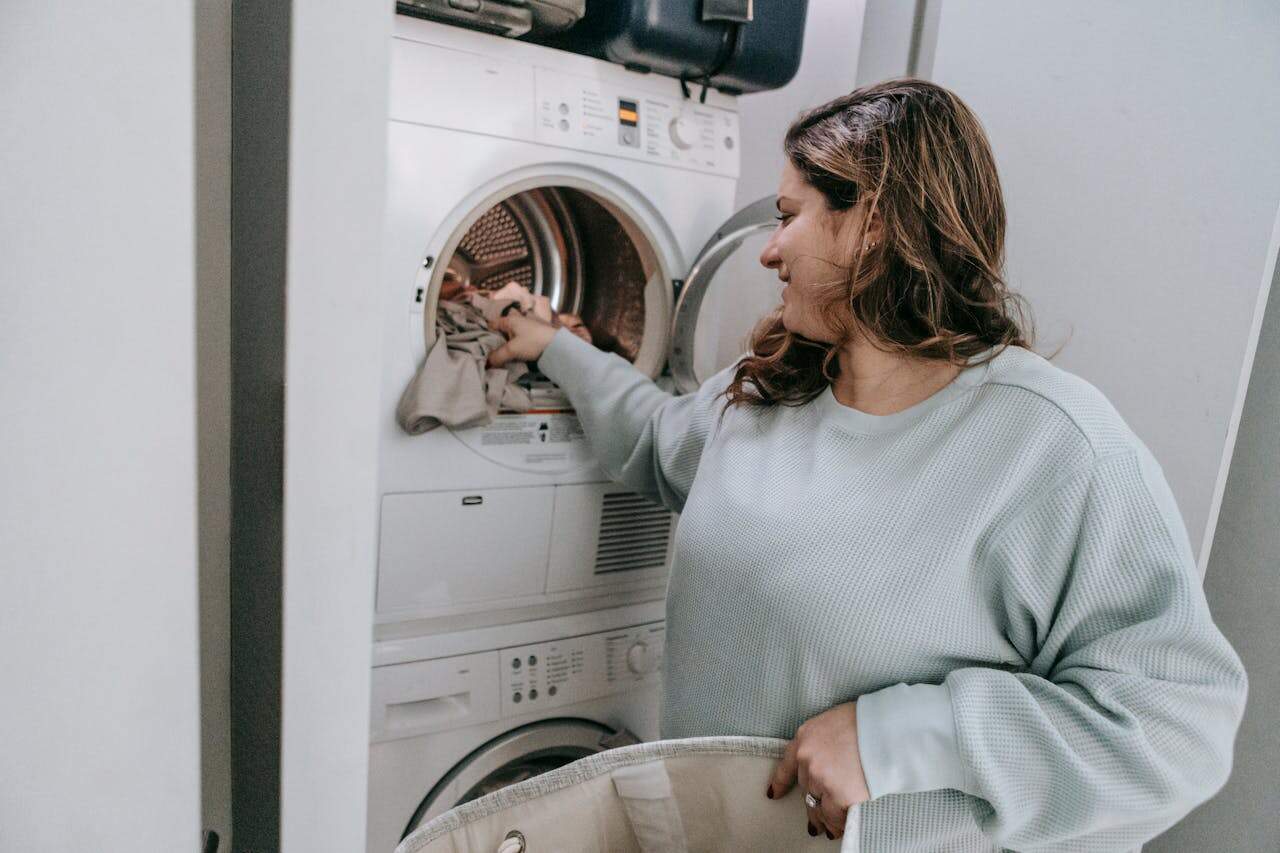
You might be using more water than necessary when doing laundry. Running small loads or half-full washers wastes almost as much water as full ones.
Try waiting until you have a full load to wash. Consider using an energy-efficient machine that adjusts water use based on the load size.
Not installing low-flow aerators
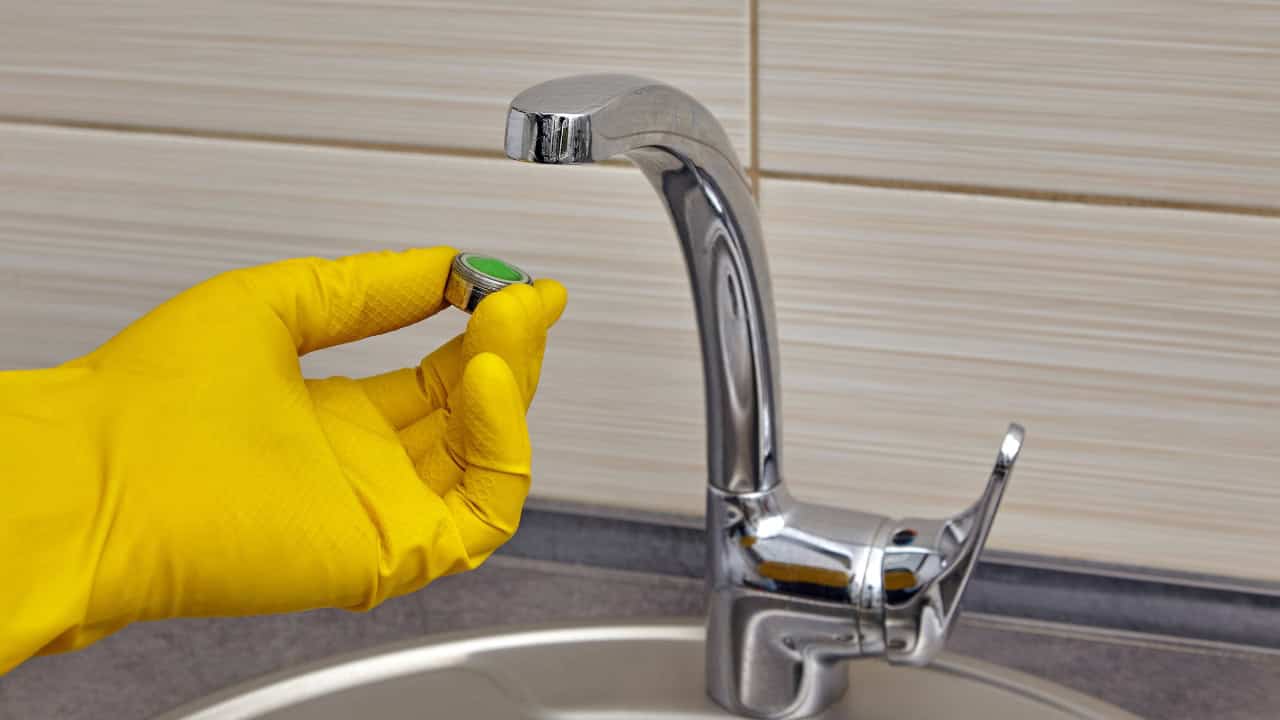
You may be using more water than necessary if you don’t have low-flow aerators on your faucets. These small devices reduce water flow while maintaining pressure.
Installing an aerator can cut water use by hundreds of gallons a year. It’s a simple and effective way to waste less water.
Using a hose to clean driveways
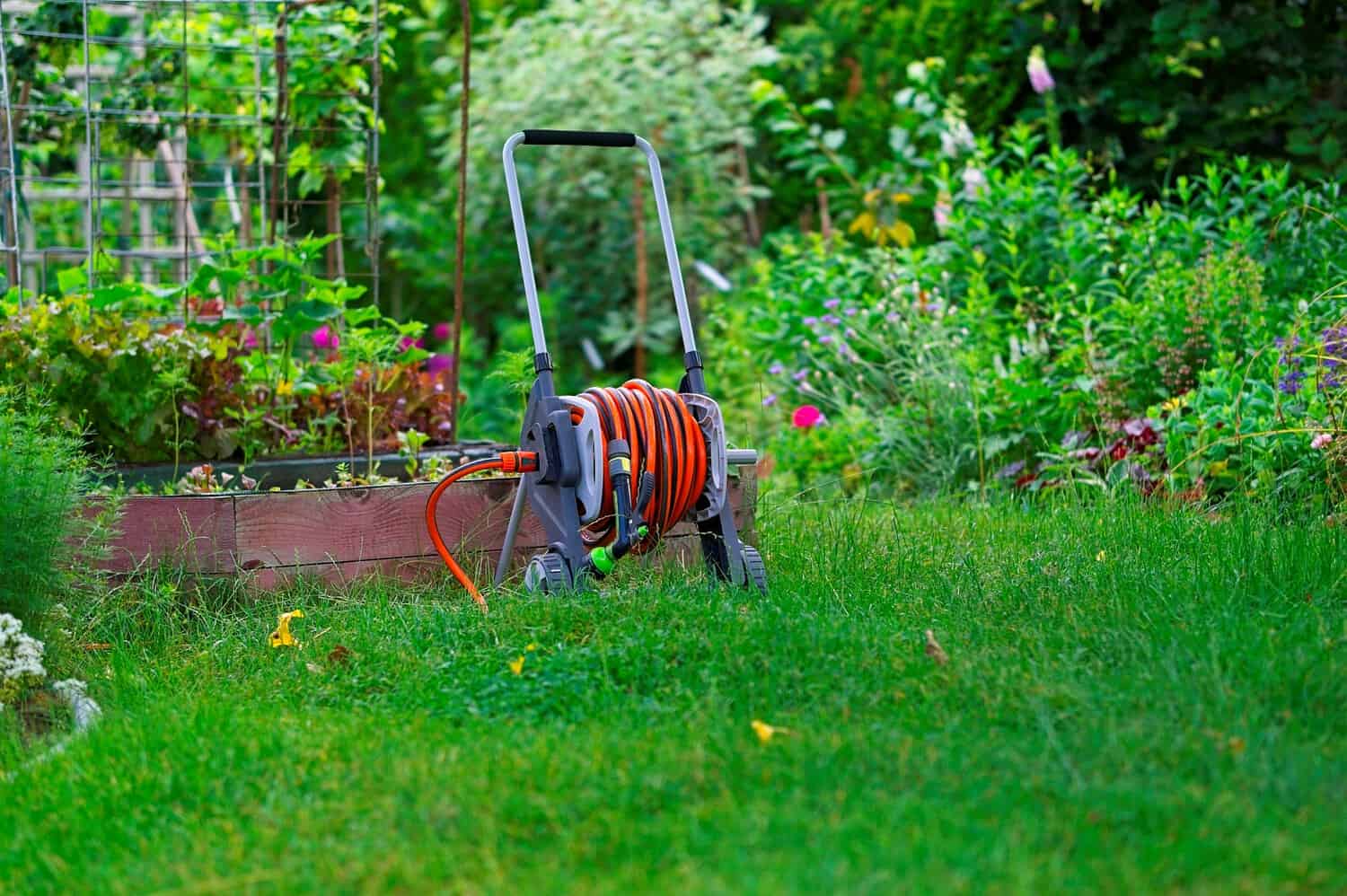
Using a hose to clean your driveway can waste a lot of water. Instead, try using a broom to sweep off dirt and debris.
This simple change saves water and still keeps your driveway looking neat. Plus, it’s easier on your water bill.
Watering the garden during midday

Watering your garden during midday often wastes water. High temperatures cause more evaporation, so much of the water never reaches the roots.
Instead, try watering early in the morning or late afternoon. This helps your plants absorb moisture better and keeps water in the soil longer. If you must water during the day, focus on the soil, not the leaves. This reduces evaporation and prevents plant stress.
Leaving sprinklers running unattended

When you leave sprinklers running without watching them, you can waste a lot of water quickly.
Your garden hose alone can use over 600 gallons in just a few hours. It’s easy to forget when watering, but staying nearby helps you catch leaks or overwatering.