Selling a home can be challenging, especially when certain features turn off potential buyers. Understanding which aspects of your property might be making it harder to sell can save you time and frustration.
Knowing which home features realtors struggle to sell helps you make informed decisions to improve your chances in the market. This article highlights common elements that often hold homes back, so you can better prepare yours for a quicker sale.
Advertisement
Homes listed over 30 days with no sale
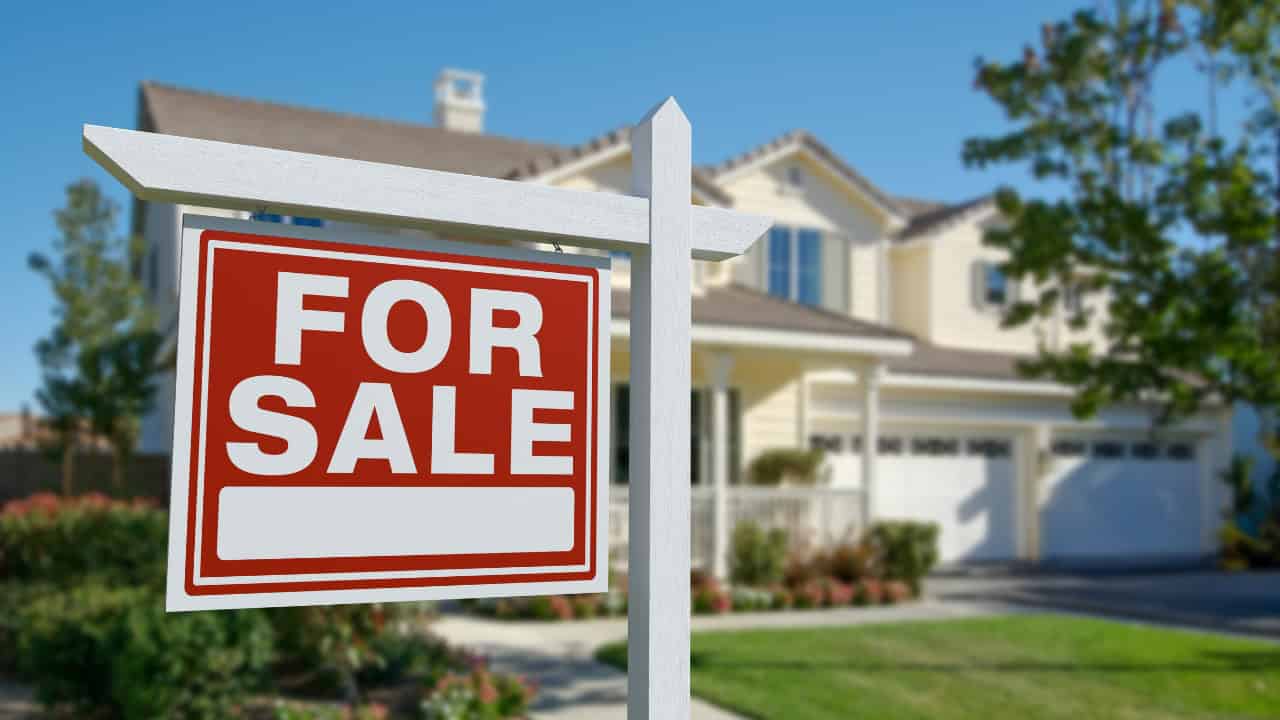
If your home has been listed for over 30 days without selling, it might be losing its initial appeal. Buyers often focus on new listings and may skip homes that feel “stale.”
Homes sitting on the market too long can signal overpricing or hidden issues. You might want to review your price or update your listing to attract more interest.
Busy streets nearby creating noise and traffic
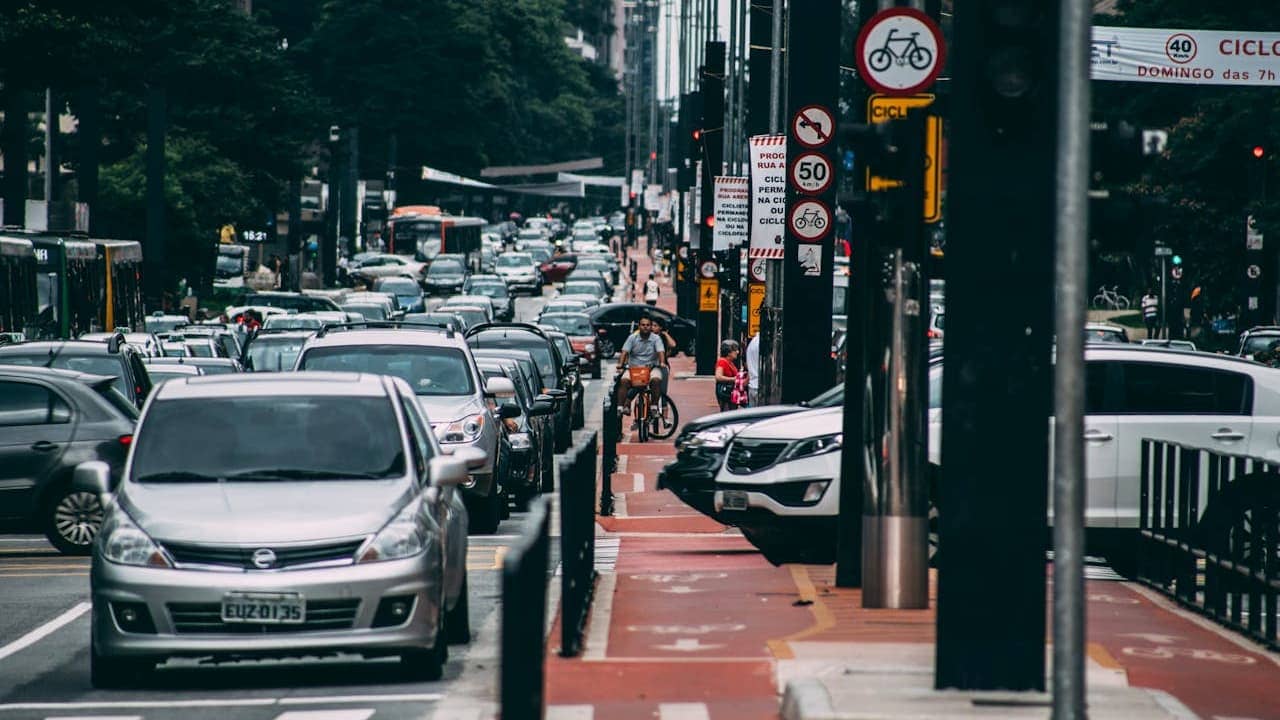
If your home is near a busy street, you might notice traffic noise affecting your space. This can make it harder to attract buyers who prefer quieter neighborhoods.
However, some buyers appreciate easy access to main roads for commuting. You can highlight convenience while addressing noise with soundproofing or landscaping.
Small improvements like planting thick shrubs or using heavy curtains can reduce the impact of traffic sounds. These changes help make your home feel more peaceful.
Outdated kitchens with old appliances
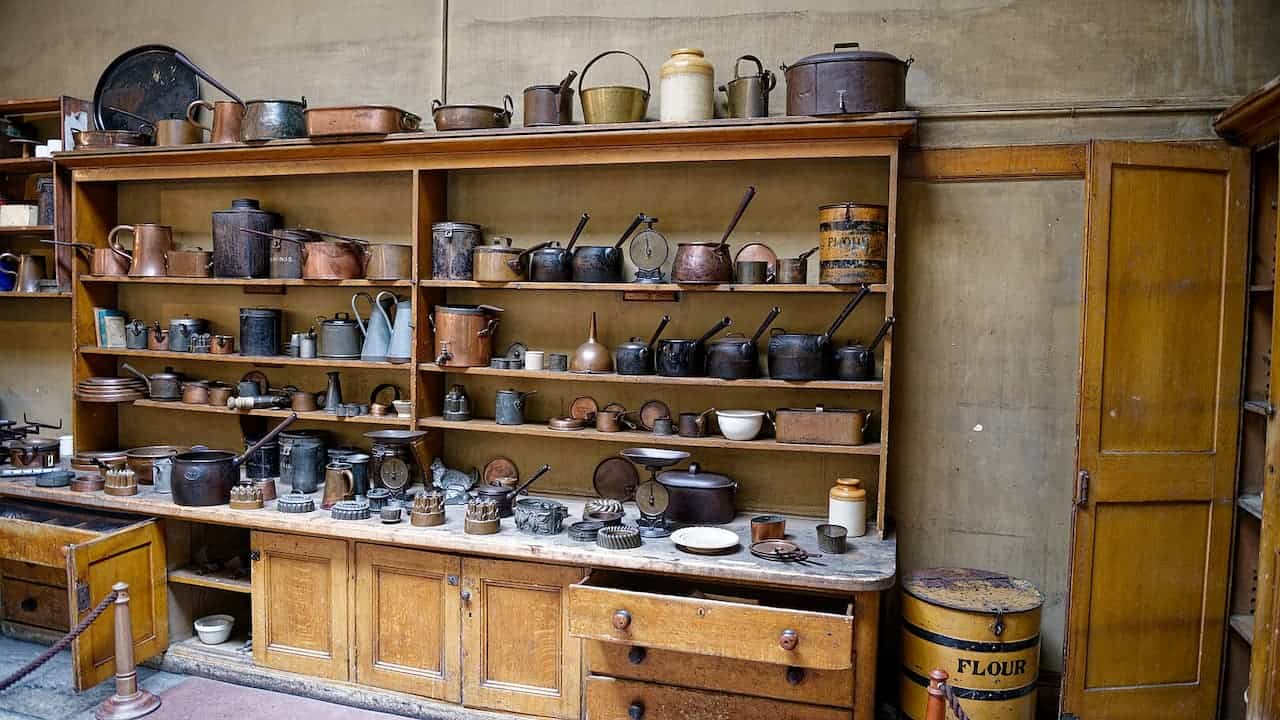
When your kitchen appliances are outdated, it can turn off many potential buyers. Old appliances often look worn and may not work efficiently, which can make your kitchen feel less appealing.
Buyers prefer kitchens with appliances that match in style and finish. Mixing old and new can create a mismatched look that hurts your home’s value. Updating your appliances can make your kitchen more attractive and easier to sell.
Lack of dedicated laundry rooms
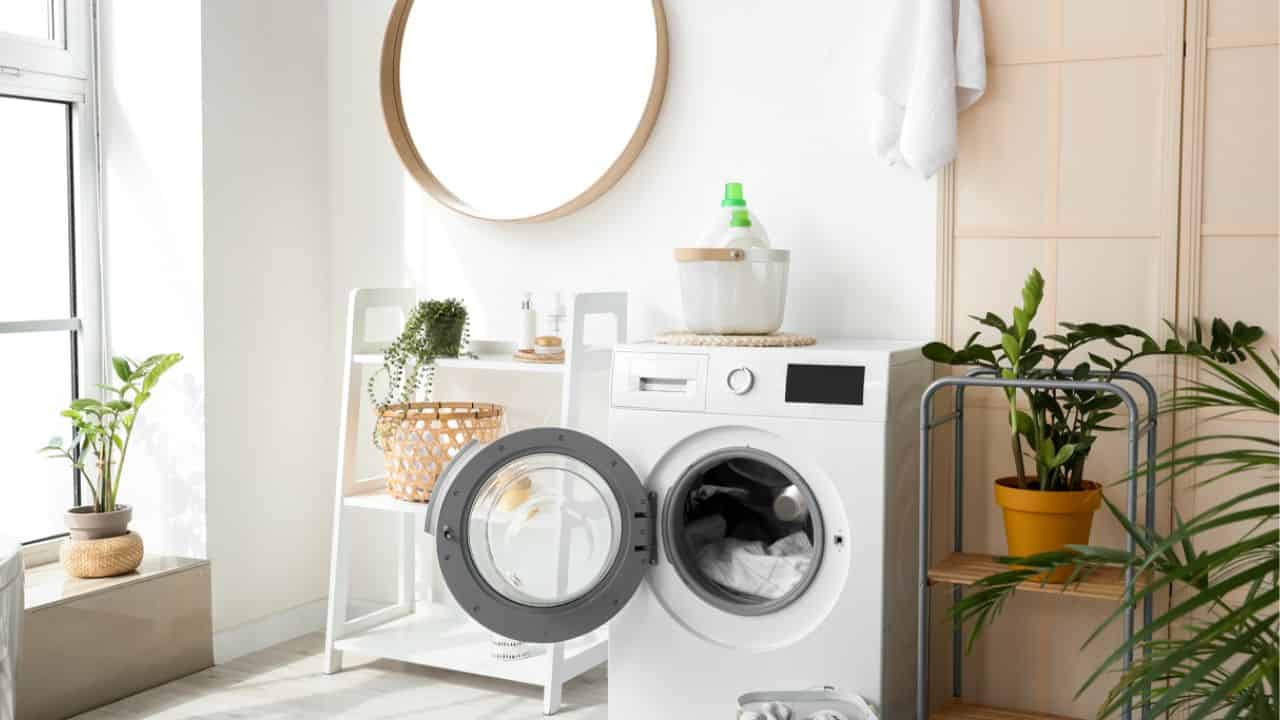
If your home doesn’t have a dedicated laundry room, you might find it harder to sell. Many buyers look for a separate space to keep laundry tasks organized and out of sight.
A laundry area with enough storage and good appliances adds value, making your home more appealing. Without this, buyers may see your home as less functional or outdated.
Cluttered or poorly staged interiors
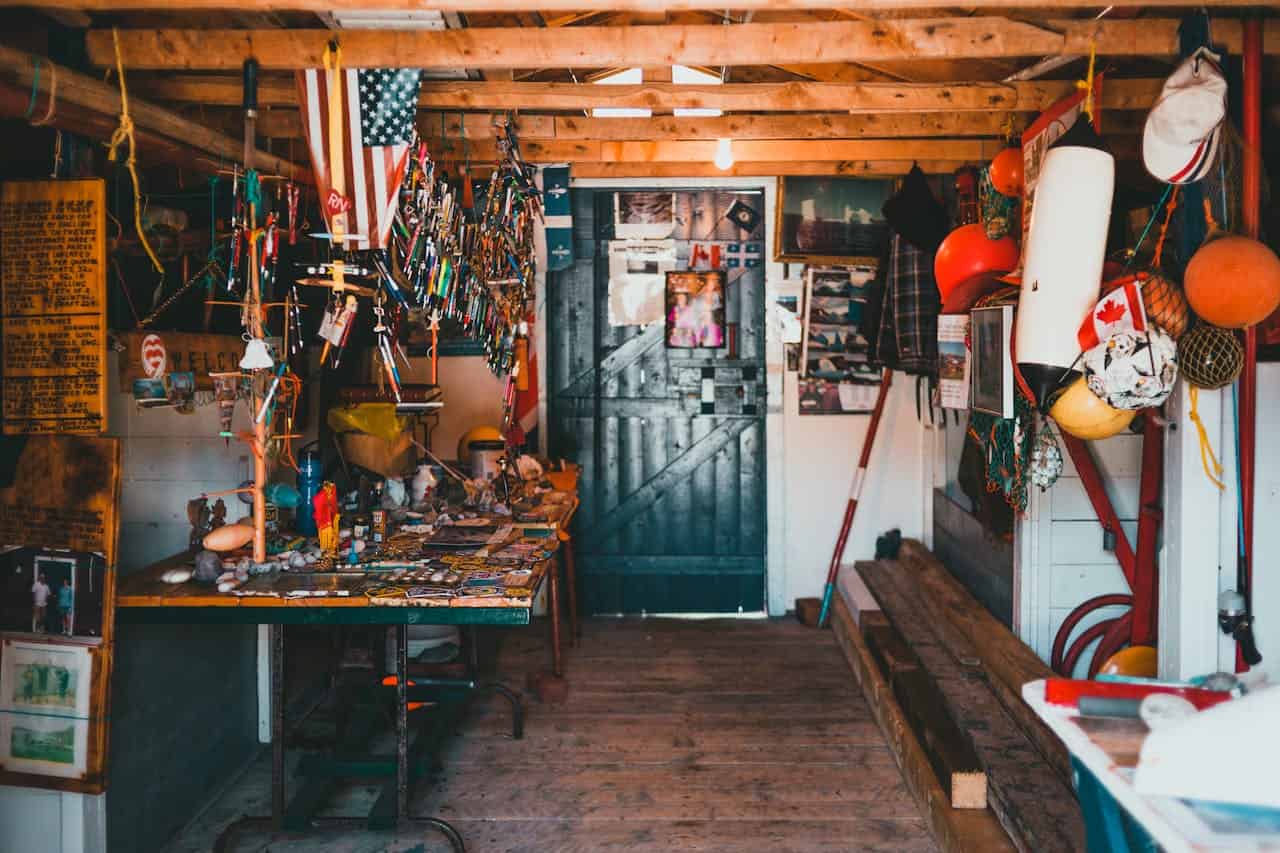
If your home feels cluttered or isn’t staged well, it can be tough for buyers to imagine themselves living there. You want your space to feel open and inviting without distractions.
Poor staging can make your home look smaller and less appealing. Taking the time to tidy up and highlight your home’s best features helps create a better first impression.
When your home is clean and thoughtfully arranged, you increase the chance that buyers will see its true potential. It’s a simple step that can make a big difference.
Overpriced listings compared to market

If your home is priced above what buyers expect, it can sit on the market much longer. Properties that sell below or at list price tend to move faster.
When your listing is too high, potential buyers may simply scroll past it. This lowers buyer interest and can make your home feel “stale.”
Finding the right price is key. It helps attract the right buyers and speeds up the sale process.
Homes with dated flooring and fixtures
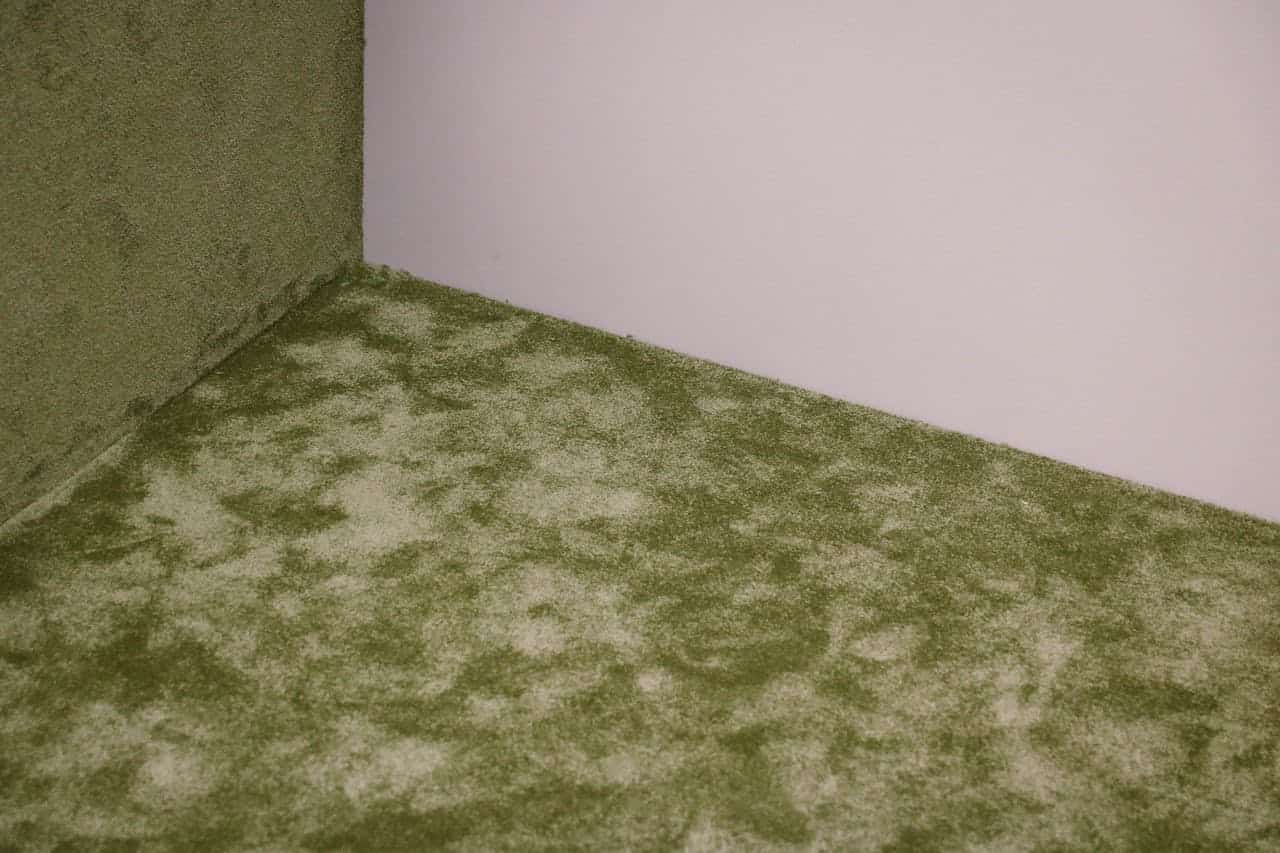
If your home still has old carpeting, especially bold patterns or shag, it might be turning buyers away. Most people prefer modern, neutral flooring like hardwood or tile instead.
Outdated fixtures and hardware can make your home feel stuck in the past. Simple updates like new cabinet handles or light fixtures can make a noticeable difference.
Refreshing worn walls with neutral paint helps your space feel brighter and more inviting to potential buyers.
Lack of curb appeal or poor landscaping
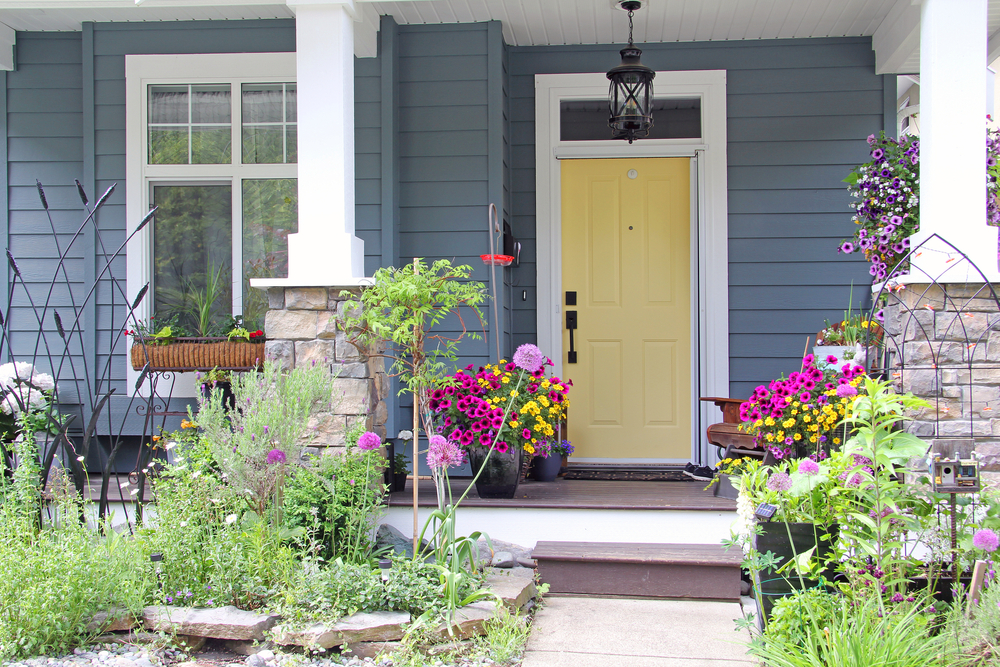
If your home’s exterior doesn’t look inviting, it can be tough to attract buyers. Overgrown plants, dead flower beds, or uneven lawns send a signal that the property hasn’t been cared for.
Simple fixes like trimming bushes or planting fresh flowers can make a big difference. Keep walkways clear and fix obvious damage like cracked driveways. These small steps help your home make a better first impression.
Homes near high-traffic bars and restaurants

If your home is close to busy bars or restaurants, you might face some challenges selling it. Noise and crowds can put off many buyers who prefer quiet neighborhoods.
On the plus side, some people enjoy being near nightlife and dining options. However, consider that the constant activity may not suit everyone’s lifestyle, which can limit your pool of potential buyers.
Unappealing or blank walls with no color
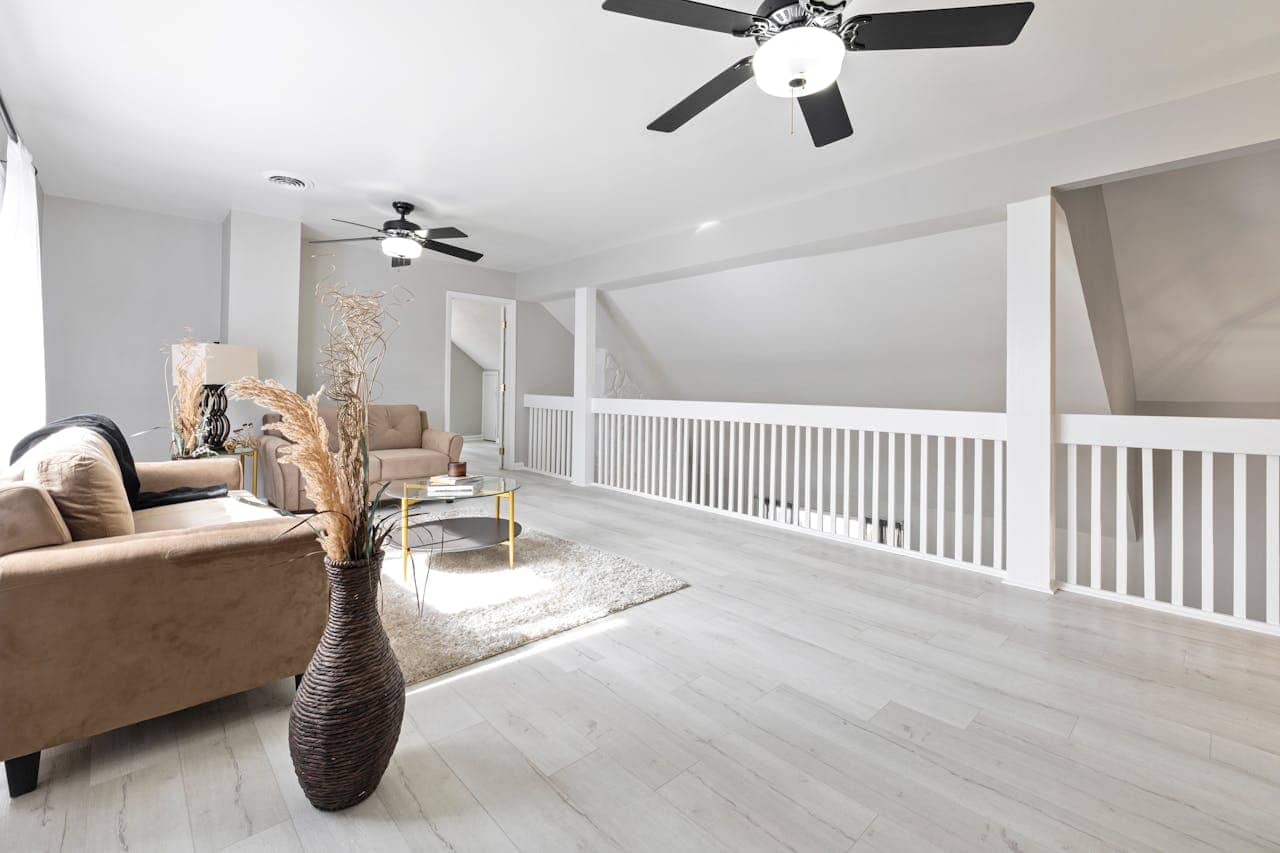
When you leave your walls completely blank or too neutral, it can feel cold or lifeless to buyers. While neutral colors like off-white or light gray work well, walls with zero color might make your home less inviting.
Buyers want to imagine their life there, and a splash of warmth or personality can help them connect. Too plain can sometimes make spaces harder to remember or less appealing. Adding soft, neutral tones can create a balanced, welcoming feel without overwhelming anyone.
Small or dark bathrooms without natural light
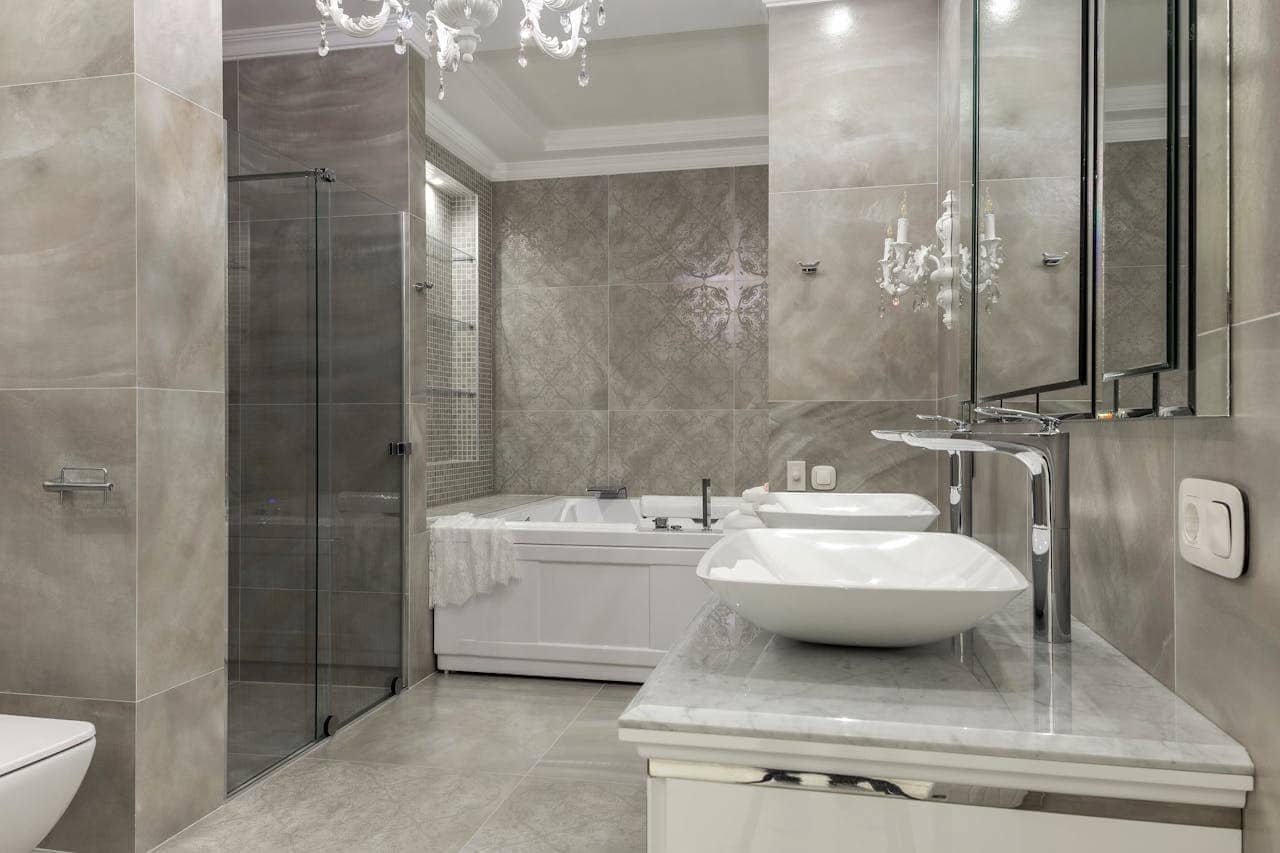
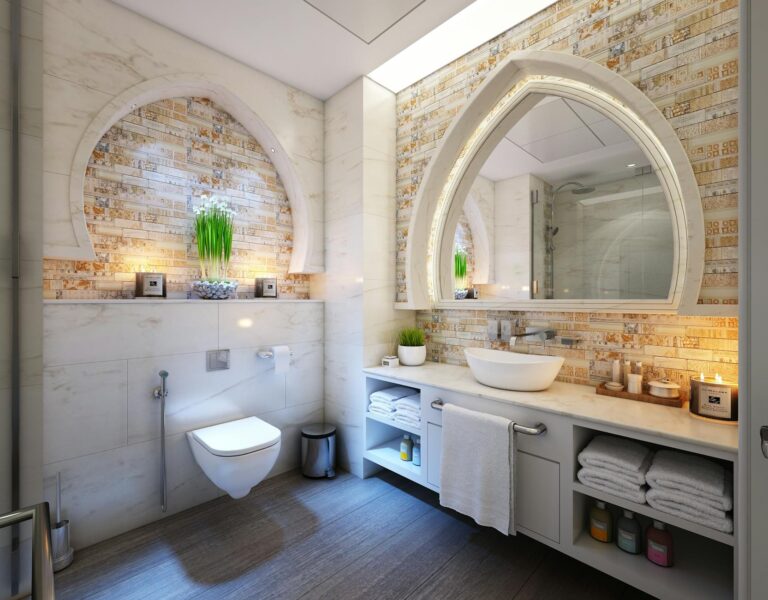
If your bathroom lacks windows, it can feel cramped or gloomy. Using light colors like soft whites or pale neutrals helps reflect artificial light and makes the space feel bigger.
Adding multiple mirrors can brighten the room by bouncing light around. You might also try colors like teal to add interest while keeping the space fresh.
Good lighting and smart paint choices will make your bathroom more inviting, even without natural light.
Properties with limited storage space
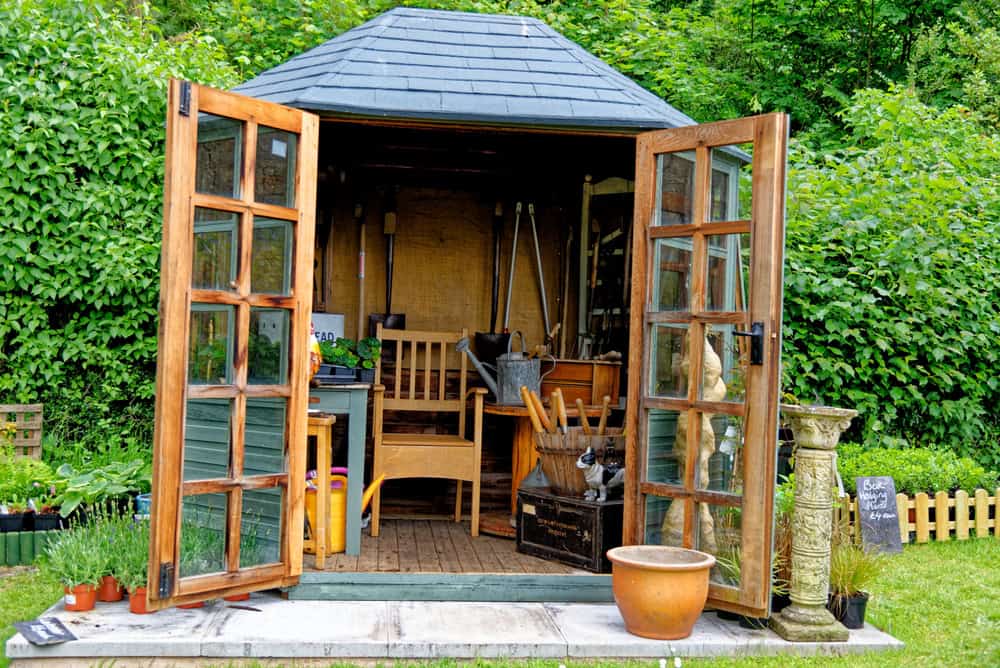
If your home has limited storage, it can feel cramped to buyers. They often look for closets, cabinets, or a garage to keep things organized.
You can highlight how you’ve made the most of your space, like built-in shelves or clever storage solutions. Being upfront about storage limits helps buyers see the possibilities.
Adding extra storage, like a shed or storage unit nearby, can make your property more appealing without costly renovations.
Houses with unusual layouts or odd room placements
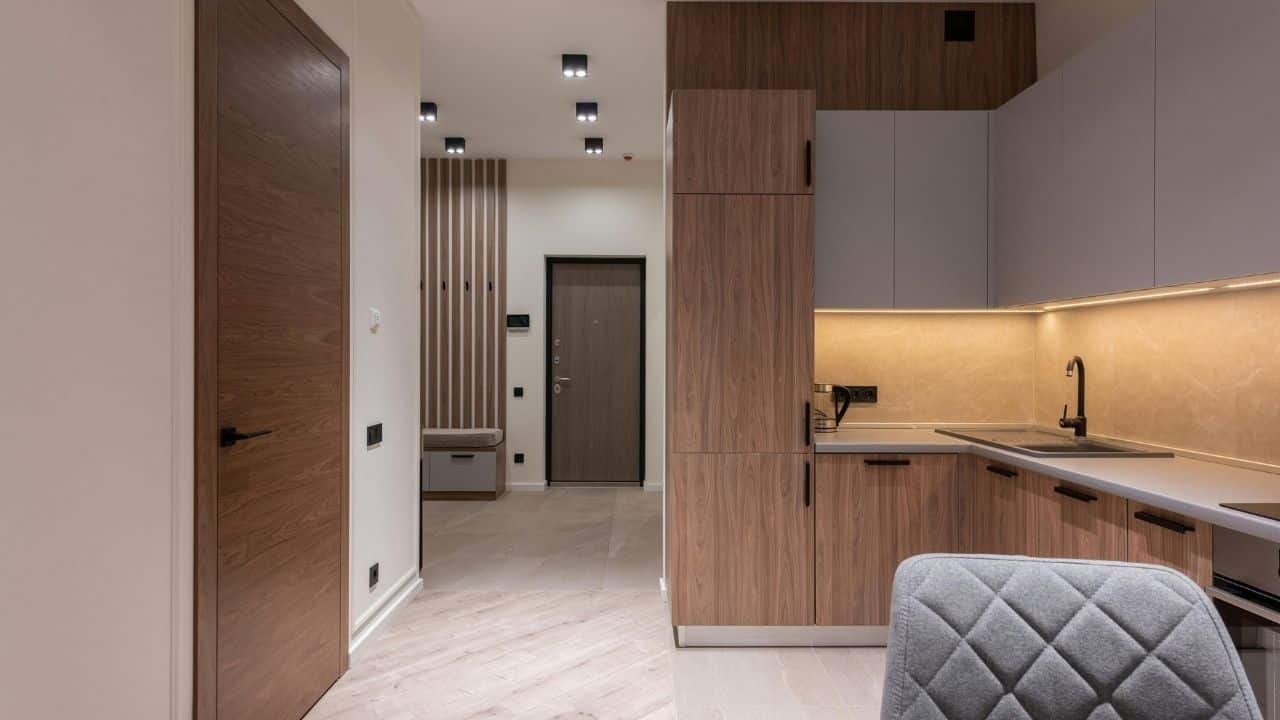
When rooms are oddly placed or the layout feels confusing, it can make your home harder to sell. Buyers often prefer spaces that flow naturally and make sense for everyday living.
If your kitchen opens directly into a bedroom, or hallways lead nowhere, these quirks might turn people away.
You can highlight unique features, but buyers usually want practical, flexible spaces they can easily arrange and use.
Homes lacking modern upgrades like smart devices

If your home doesn’t have smart devices, it can feel outdated to many buyers. Features like smart thermostats or security systems are becoming expected, not just nice extras.
Without these upgrades, you might find it harder to attract interest. Buyers today often want homes that save energy and offer convenience through technology.
Updating your home with smart features doesn’t have to be complicated. Even small additions can make your property more appealing in a crowded market.