When you start gardening, it’s easy to accumulate tools that seem useful but end up unused. Over time, these tools can just sit in your shed or greenhouse, taking up space and collecting dust.
Knowing which garden tools you actually need and which ones you can skip can save you time, effort, and storage space. Understanding this helps you focus on the tools that truly make gardening easier and more enjoyable for you.
Advertisement
Pruning Shears

You might have pruning shears sitting unused, but they’re great for keeping plants healthy. These tools help you trim leaves, flowers, and small branches with clean cuts.
If your shears are dull, they can damage your plants and make cutting harder. Regular cleaning and sharpening make your pruning easier and extend the tool’s life.
Try to disinfect your shears weekly if you use them often. This prevents the spread of plant diseases and keeps your garden thriving.
Garden Fork

A garden fork is handy for breaking up soil and turning compost. You might find it sitting unused if you prefer a shovel or spade instead.
It’s especially useful for loosening compacted ground but can be overlooked if you don’t garden deeply. If yours is just collecting dust, consider using it for aerating tough patches in your garden.
Leaf Rake

You probably have a leaf rake sitting unused in your shed. These rakes have flexible, fan-shaped tines designed to gather leaves and light debris easily.
The handles are often lightweight and comfortable to hold, making raking less tiring. Despite their simple design, leaf rakes are mostly helpful during fall but tend to get forgotten the rest of the year.
Soil Rake
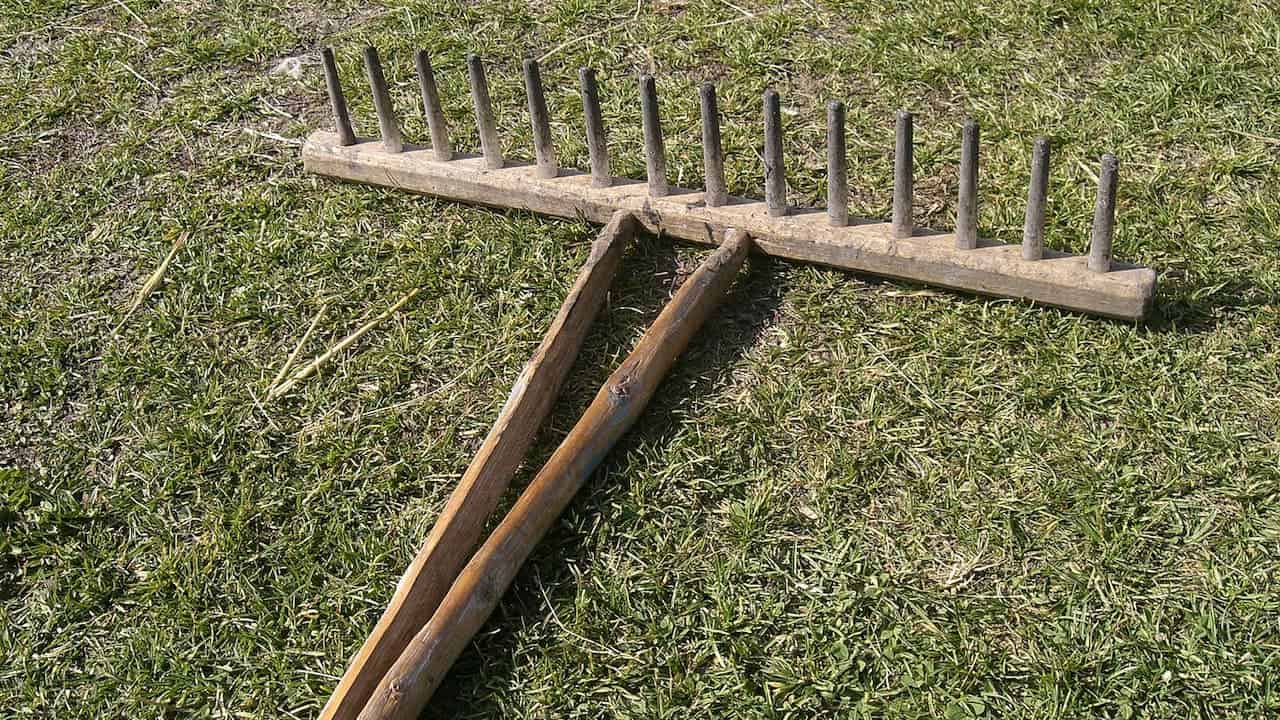
You might have a soil rake with its sharp 14 tines sitting unused. It’s designed to dig into and loosen soil efficiently, which is helpful for garden beds.
If you rarely do heavy soil work, this tool often ends up collecting dust. It’s sturdy but mainly useful when you need to break up tough ground or spread soil evenly.
Hand Trowel
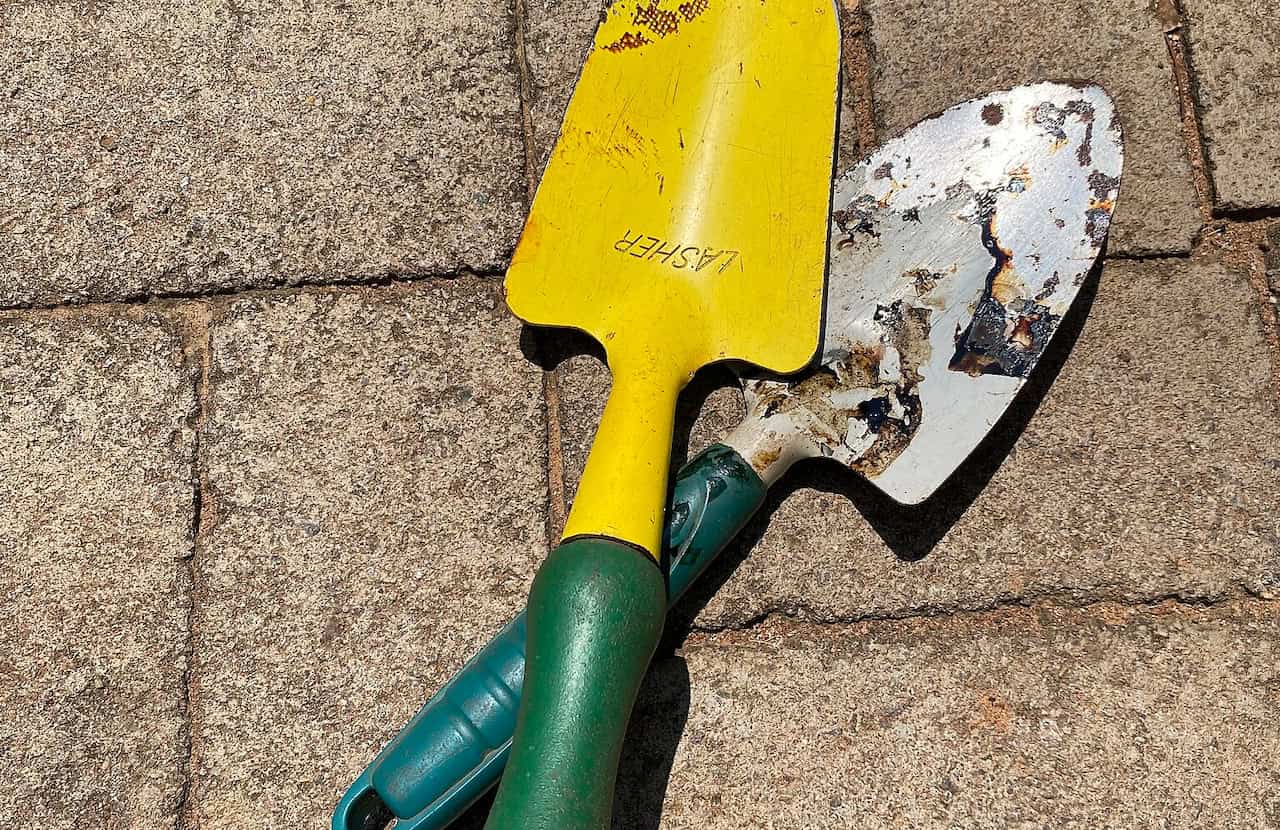
You probably have a hand trowel sitting unused in your garden shed. It’s designed for digging small holes, transplanting seedlings, and loosening soil.
If yours is old or bent, it might not work well, but newer models with ergonomic handles can make these jobs easier. You might find it handy when you need precision work in tight spots.
Hori Hori Knife
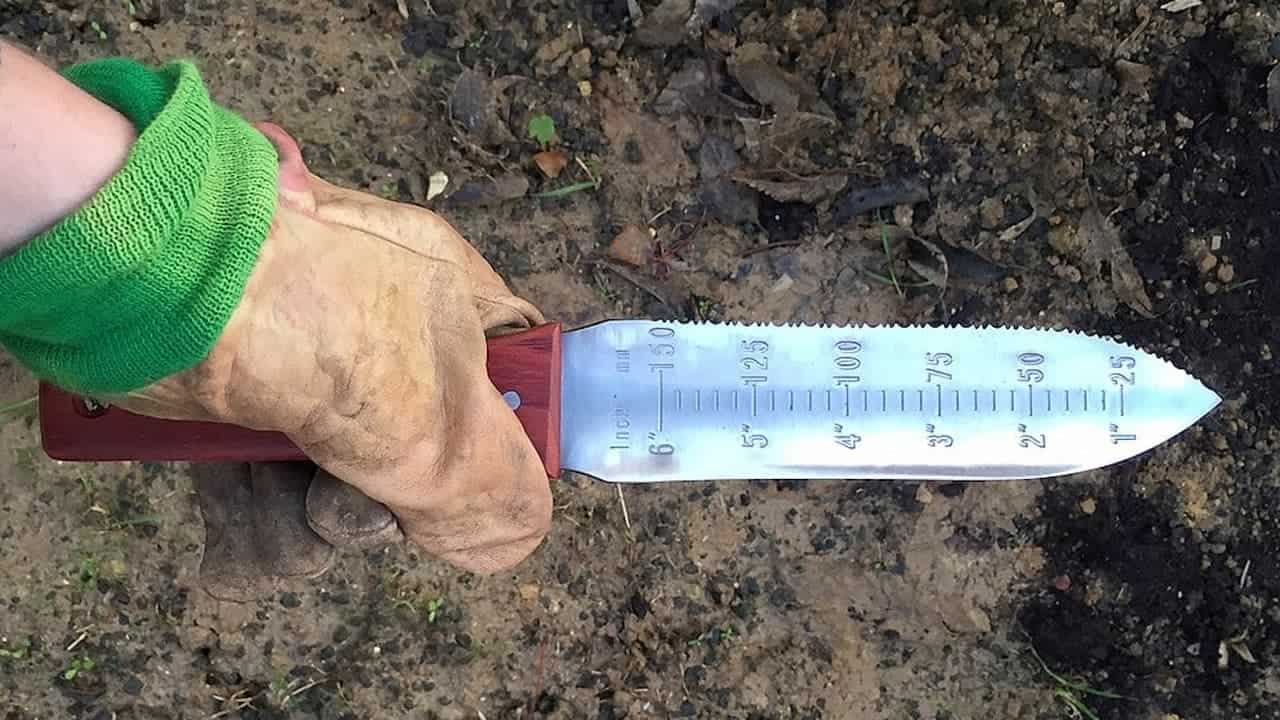
You might find the hori hori knife surprising if it’s been sitting unused. This Japanese gardening tool combines a sharp, serrated edge with a concave, trowel-like shape.
It’s perfect for digging, weeding, and cutting roots all in one tool. If you haven’t given it a chance, your other hand tools might soon feel forgotten.
Garden Hoe

A garden hoe is designed for weeding and breaking up soil around your plants. You might find the sturdy handle and sharp blade helpful for making your gardening tasks easier.
If you have an old hoe sitting unused, it could be because it’s not comfortable or the blade is dull. Keeping it clean and sharp makes a big difference in how well it works for you.
Watering Can
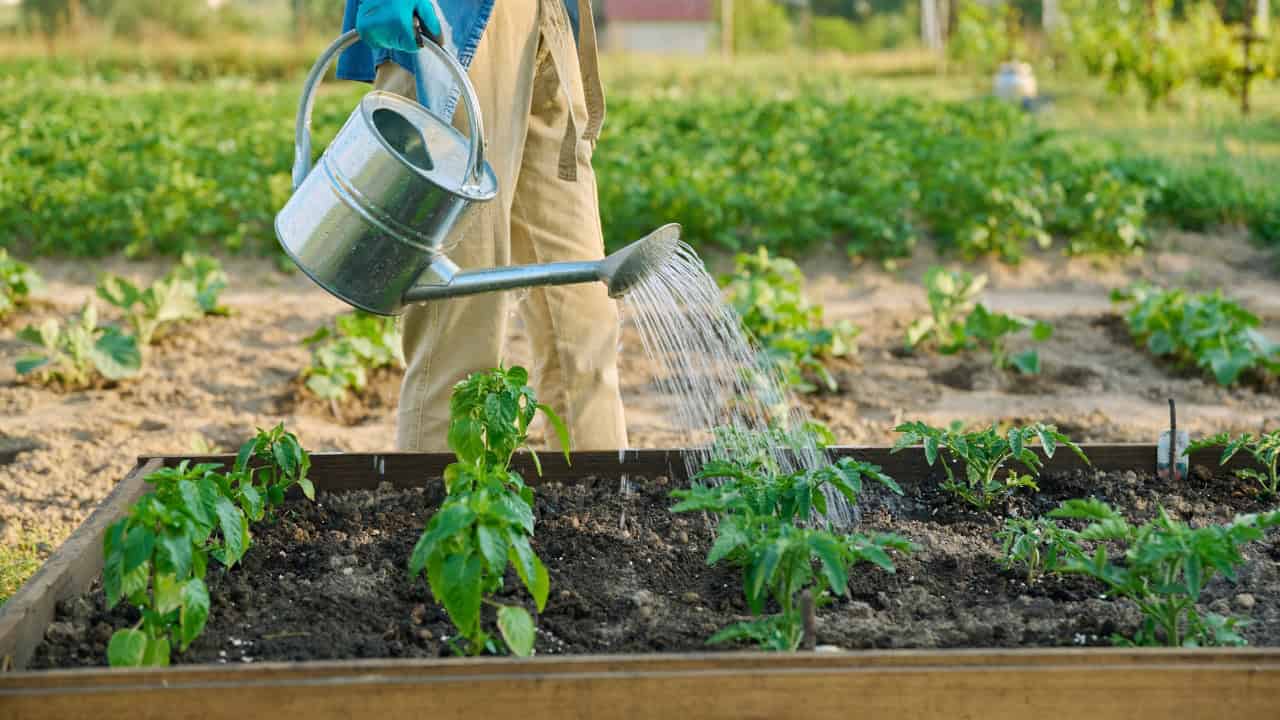
You bought a watering can to keep your plants happy, but it’s probably sitting unused. Many people prefer quick hose watering or automatic systems instead.
If your can is old or rusty, you might avoid it, even though a good one lasts years. A lightweight, easy-to-carry watering can makes daily watering less of a chore.
Try keeping it handy where you water most. You might find yourself reaching for it more often than you think.
Wheelbarrow

You might have a wheelbarrow sitting in the corner of your garden shed, rarely used. It’s great for moving heavy soil or mulch, but sometimes it ends up just gathering dust.
If yours is old or broken, consider repurposing it. A wheelbarrow can become a charming planter or garden feature with a little creativity.
Garden Gloves

You might have a pair of garden gloves tucked away that you rarely use. Sometimes, they sit idle because they don’t fit well or aren’t comfortable.
Choosing breathable, flexible gloves can make a big difference. Gloves that offer good dexterity help you handle tools and plants with ease. If yours feel stiff or worn out, it could be time to find a better fit for your gardening needs.
Garden Kneeler

A garden kneeler is designed to make gardening more comfortable by cushioning your knees. It often doubles as a seat, so you can switch between kneeling and sitting easily.
Many models have a sturdy frame and soft padding to protect your joints. Some include tool pouches, so your tools stay within reach while you work. If you haven’t used one lately, it might just be collecting dust in your shed.
Loppers
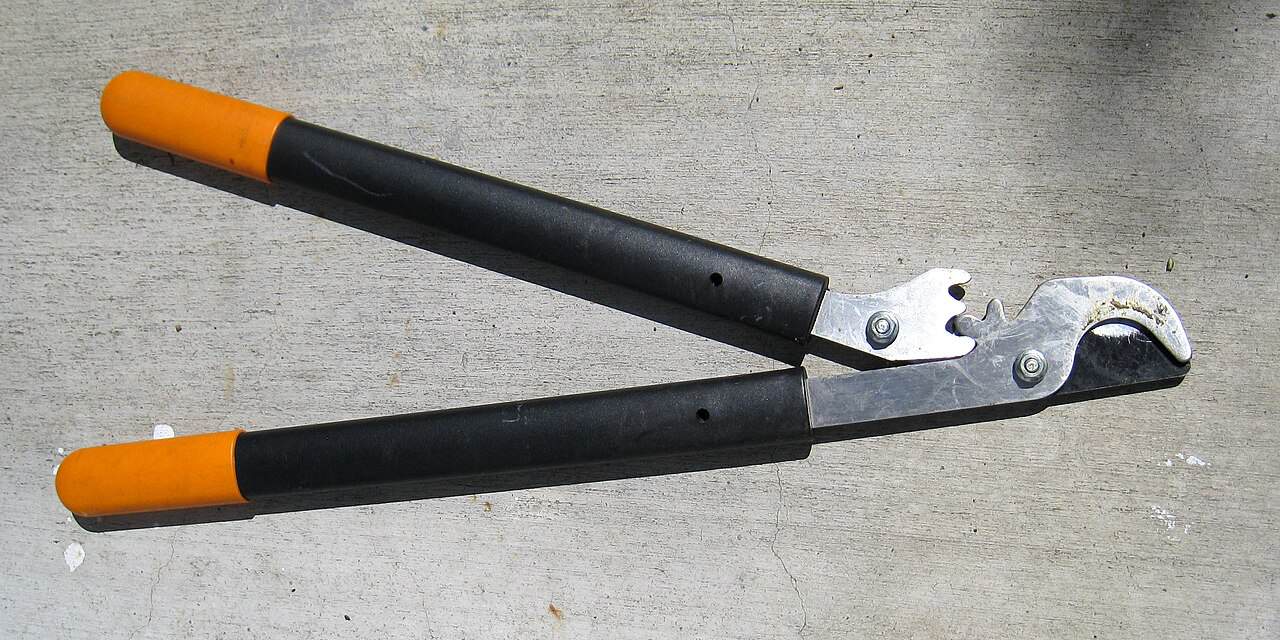
You might have a pair of loppers tucked away, but they rarely get used. These tools are great for cutting thicker branches that hand pruners can’t handle.
If your loppers have become dull or rusty, they won’t work well and may discourage you from using them.
Keep them clean and sharp, and you’ll find they make yard work much easier when you do need to tackle bigger pruning jobs.
Weed Puller

A weed puller helps you remove weeds without bending or kneeling, which can make gardening easier on your back. Many models have long handles and claw-like ends that grab weeds by the root.
You save time by pulling stubborn weeds quickly instead of digging. If you’ve got a few overgrown patches, this tool can be one you reach for less often than expected.
Garden Twine
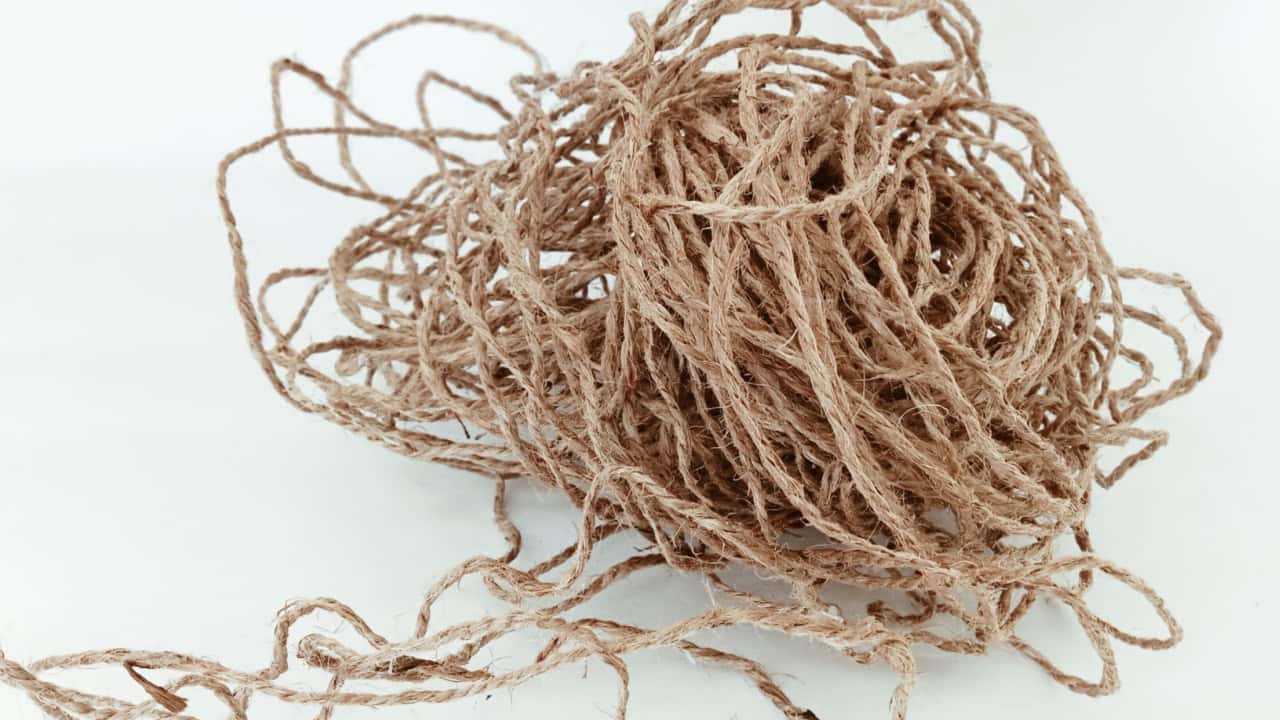
Garden twine is one of those tools you might buy with good intentions but rarely use. It’s handy for tying plants, making supports, or bundling garden waste.
You might find it sitting unused in a stylish tin or a dusty drawer. If you do need it, strong three-ply jute twine can be perfect for small tasks, but often other tools take priority in your routine.