When you think about your garden, the last thing on your mind might be how it affects your home’s foundation. However, certain gardening choices can lead to slow damage, causing costly repairs down the road.
Understanding the common garden mistakes that can harm your foundation helps you protect your home and maintain a healthy landscape. Being aware of these issues lets you take simple steps to avoid problems before they start.
Advertisement
Planting trees too close to the foundation

You should avoid planting trees too close to your house’s foundation. Tree roots can grow wide and sometimes interfere with your foundation or underground pipes.
Certain trees, like weeping willows, have roots that actively seek water and can cause more damage.
Even if your tree looks healthy now, consider how large it will get. Allow enough space for roots to spread safely to protect your home.
Overwatering plants near the home

If you water plants too much near your house, it can cause soil to stay wet for too long. This extra moisture may weaken your foundation over time.
You might also see higher water bills without realizing the damage overwatering can cause. Make sure your drainage is working well to avoid water pooling around your home.
Keeping plants at least 18 inches from your foundation helps reduce moisture problems and protects your home from pests.
Improper gutter maintenance causing water pooling
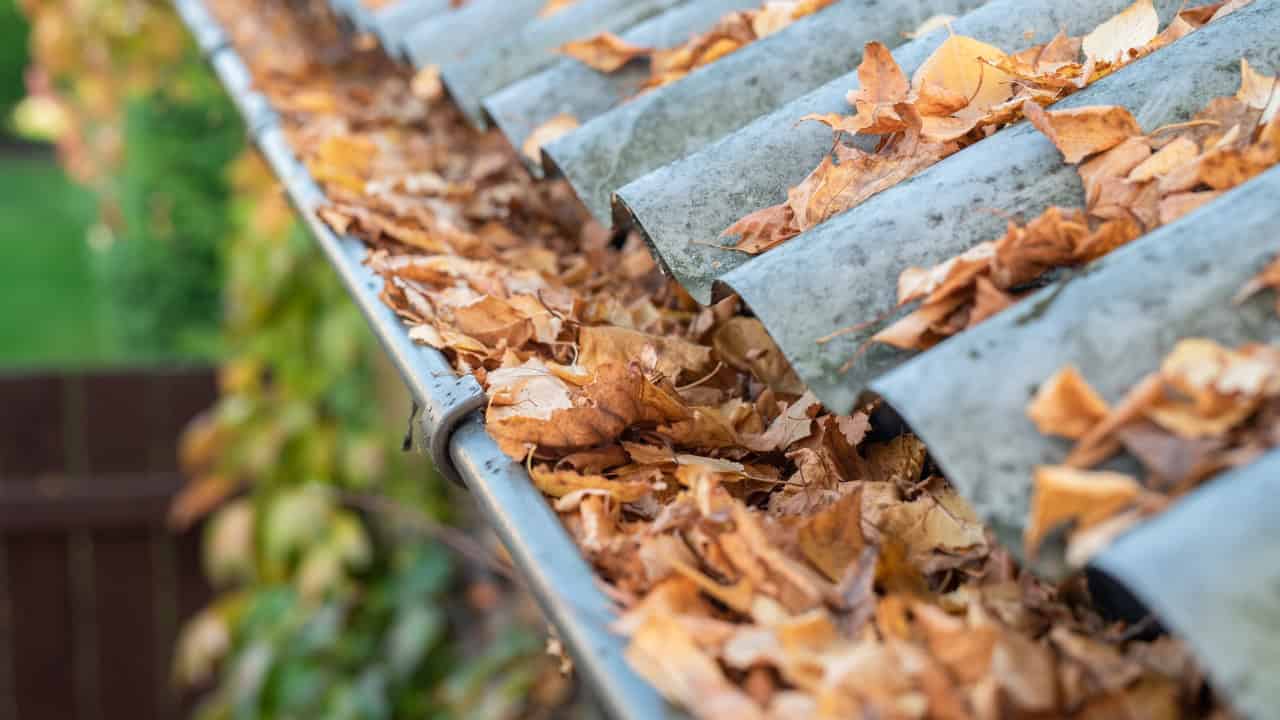
If your gutters are clogged or poorly maintained, water can spill over and pool near your foundation. This standing water increases the risk of soil erosion and foundation weakening.
You should regularly clear debris from gutters to ensure water flows away from your home. Proper gutter drainage helps protect your foundation from unnecessary moisture damage.
Pay attention to gutter placement and repair leaks promptly to prevent water from seeping into your foundation or basement areas.
Failing to slope yard away from foundation

You need to make sure your yard slopes away from your foundation. Water that pools near your house can cause moisture problems and damage over time.
A good rule is to have at least a one-inch drop per foot for about 10 feet. This helps keep water flowing away and protects your foundation.
If your yard slopes toward your house, it’s an easy fix that can save you major headaches later.
Using large trees with invasive roots near house
If you plant large trees with invasive roots close to your house, those roots can grow toward and under your foundation.
They often seek moisture, which can cause soil to dry out unevenly, leading to soil shrinkage and gaps near your foundation.
This can create opportunities for cracks or damage. To protect your home, consider planting trees with less aggressive root systems further away from your foundation.
Planting shrubs within 18 inches of walls
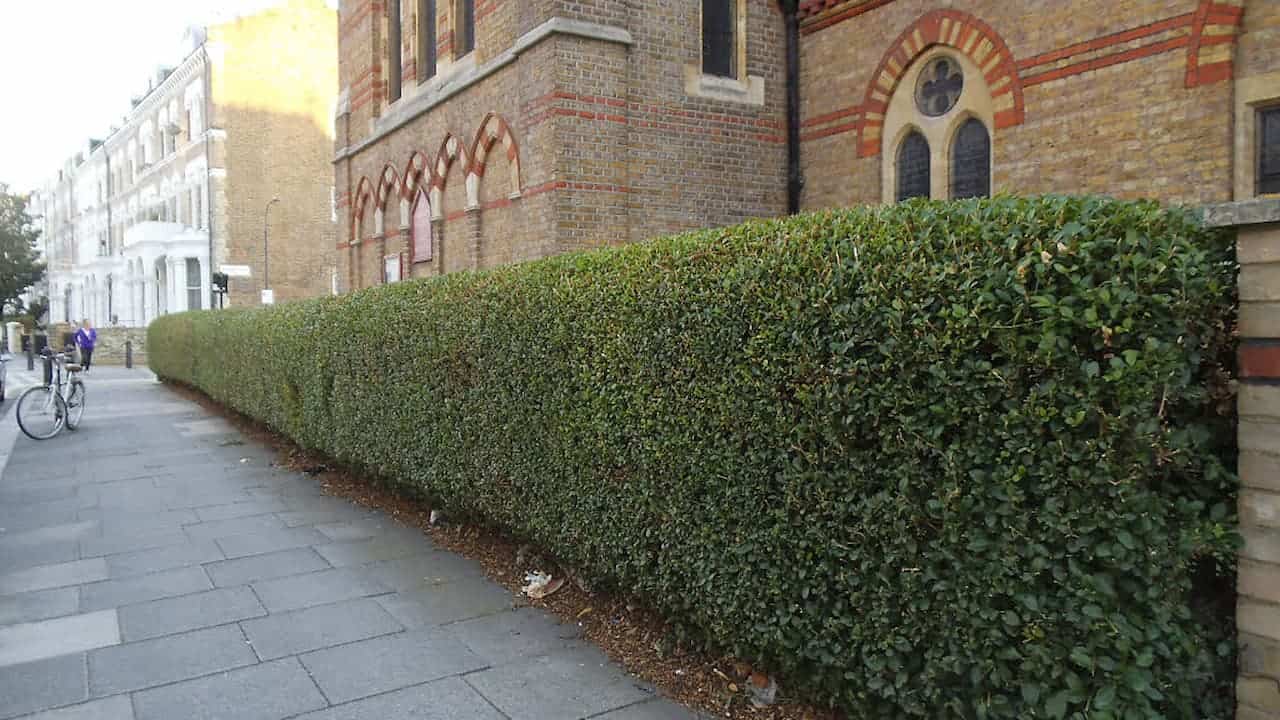
You should avoid planting shrubs too close to your house, especially within 18 inches of the walls. Roots can grow under your foundation, potentially causing damage over time.
Shrubs close to your home also create ideal spots for pests like insects and mice. Keeping some space helps protect both your foundation and your home’s structure.
Ignoring signs of soil erosion around foundation
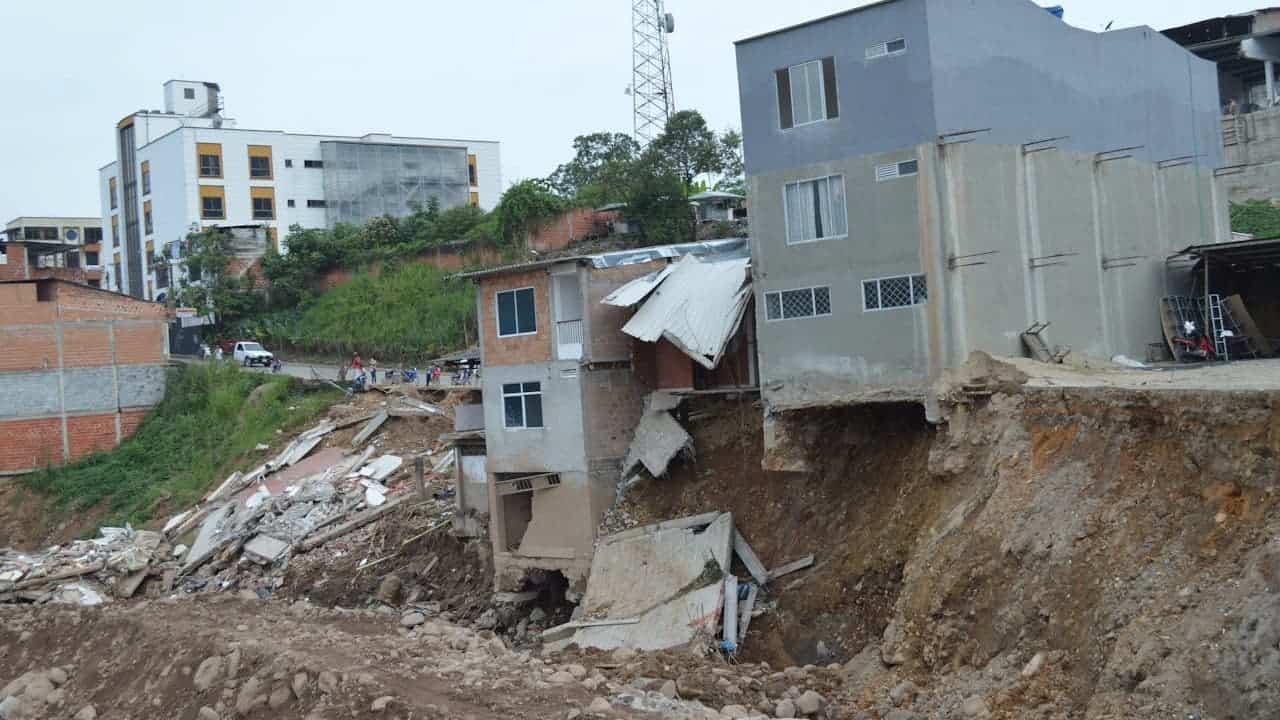
If you notice soil washing away near your foundation, don’t ignore it. Erosion can weaken the ground that supports your home.
Small changes like cracks in walls or uneven floors may indicate soil shifting.
Taking action early, such as improving drainage or adding plants that hold soil, helps protect your foundation. Watching for these signs keeps your home stable and safe.
Allowing roots to grow under the foundation
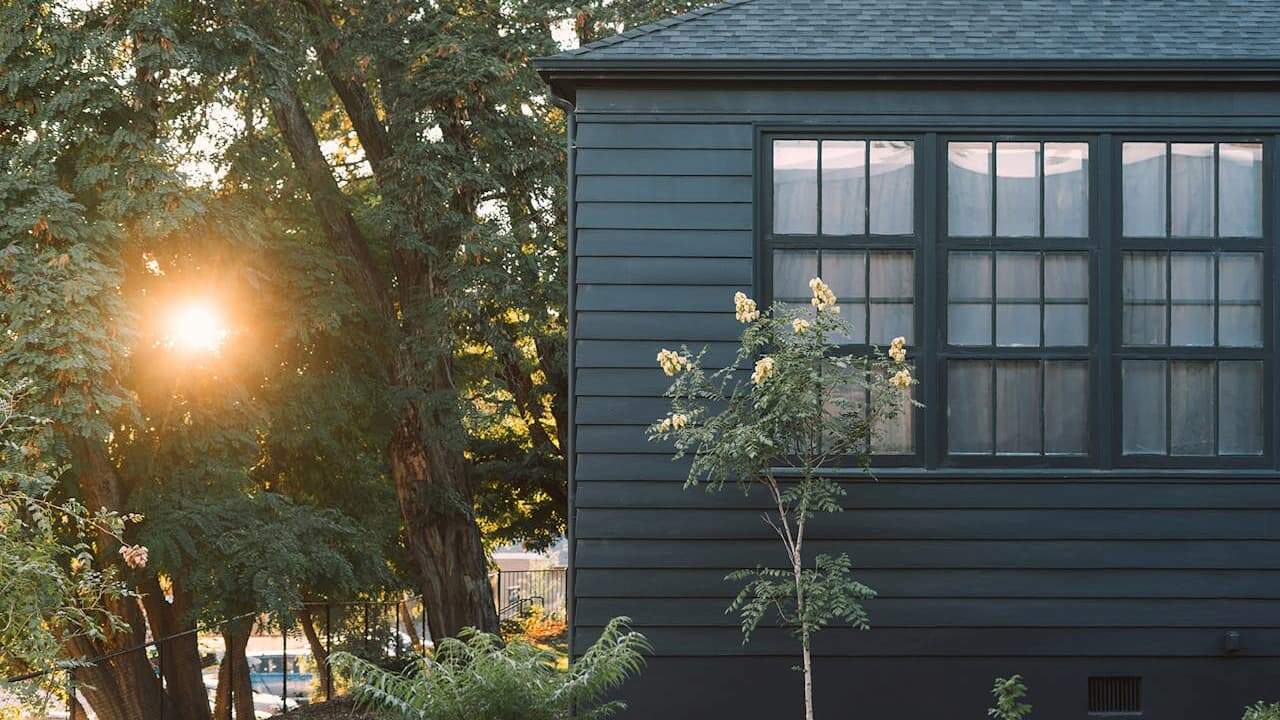
If you let tree roots grow beneath your foundation, they can cause damage over time. Roots look for moisture and will penetrate any cracks or soft spots they find.
You might not notice small cracks at first, but roots can widen them as they grow. This can lead to shifting or weakening of your foundation.
To protect your home, keep a safe distance between large trees and your foundation. Regularly check for signs of root intrusion around your house.
Poor drainage around downspouts
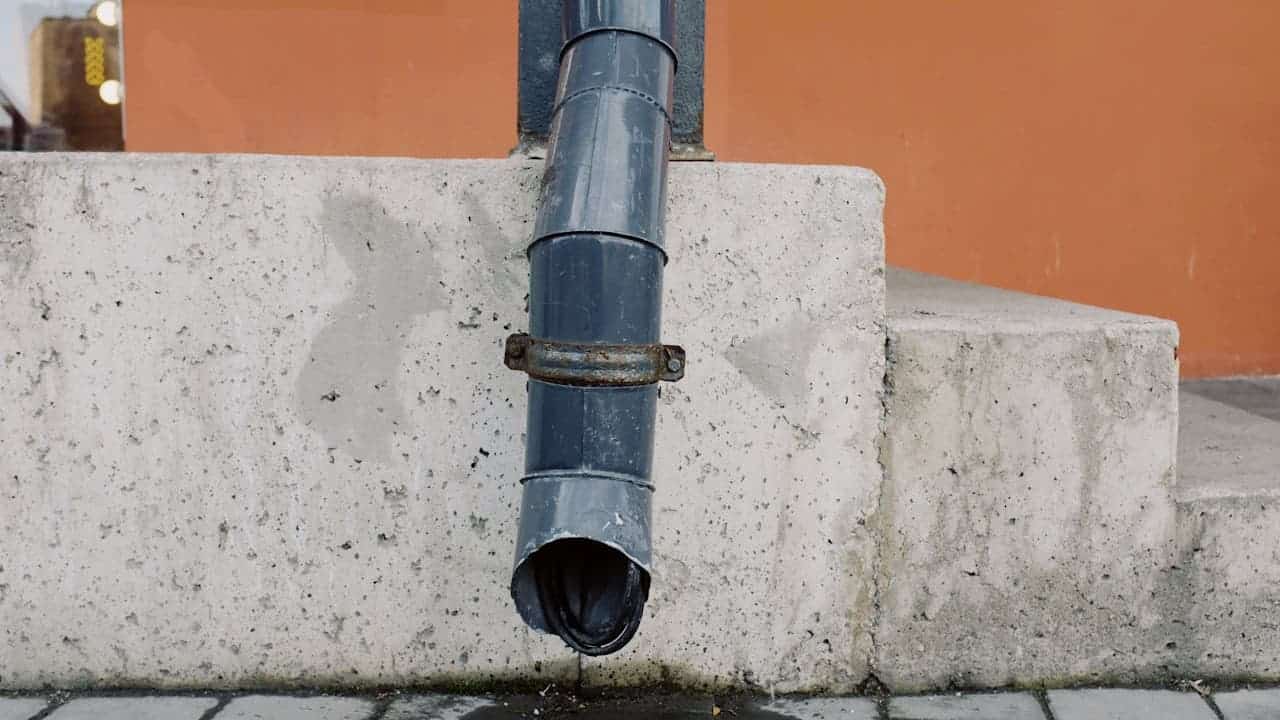
If water pools near your downspouts, it can soak into the soil around your foundation. This extra moisture may cause the soil to expand and contract, leading to cracks or shifts.
Make sure your downspouts direct water at least several feet away from your house. Adding extensions or splash blocks can help move water away and protect your foundation.
Regularly check that gutters slope correctly toward downspouts. This prevents overflow and erosion near your home’s base.
Building garden beds against foundation walls
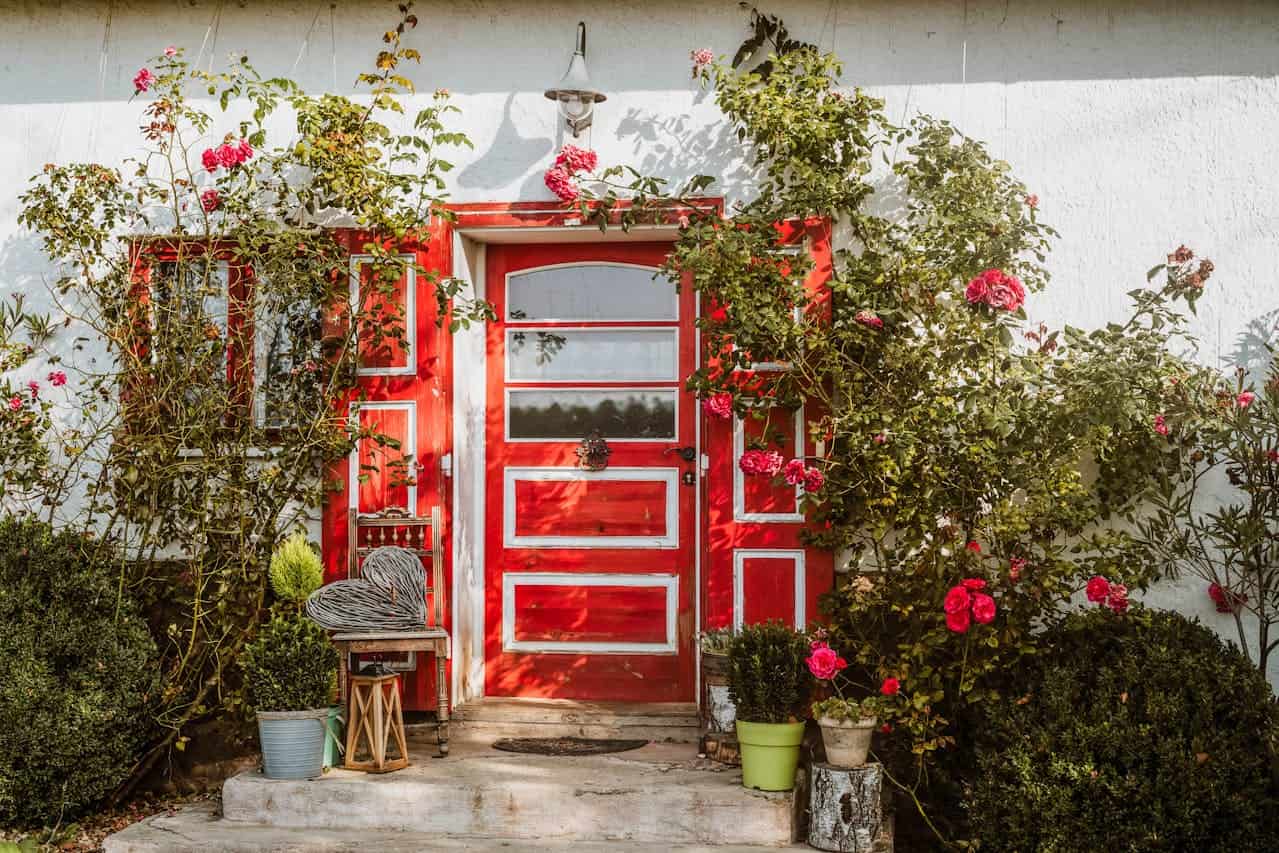
You should avoid placing garden beds directly against your foundation walls. Moisture from watering can collect near the foundation, increasing the risk of damage.
Leaving at least 1-2 feet of space helps keep water away and allows for proper airflow. Make sure the soil slopes away from your house to prevent water pooling near the foundation. This simple step protects your home and keeps your garden healthy.
Not maintaining swales to direct water away
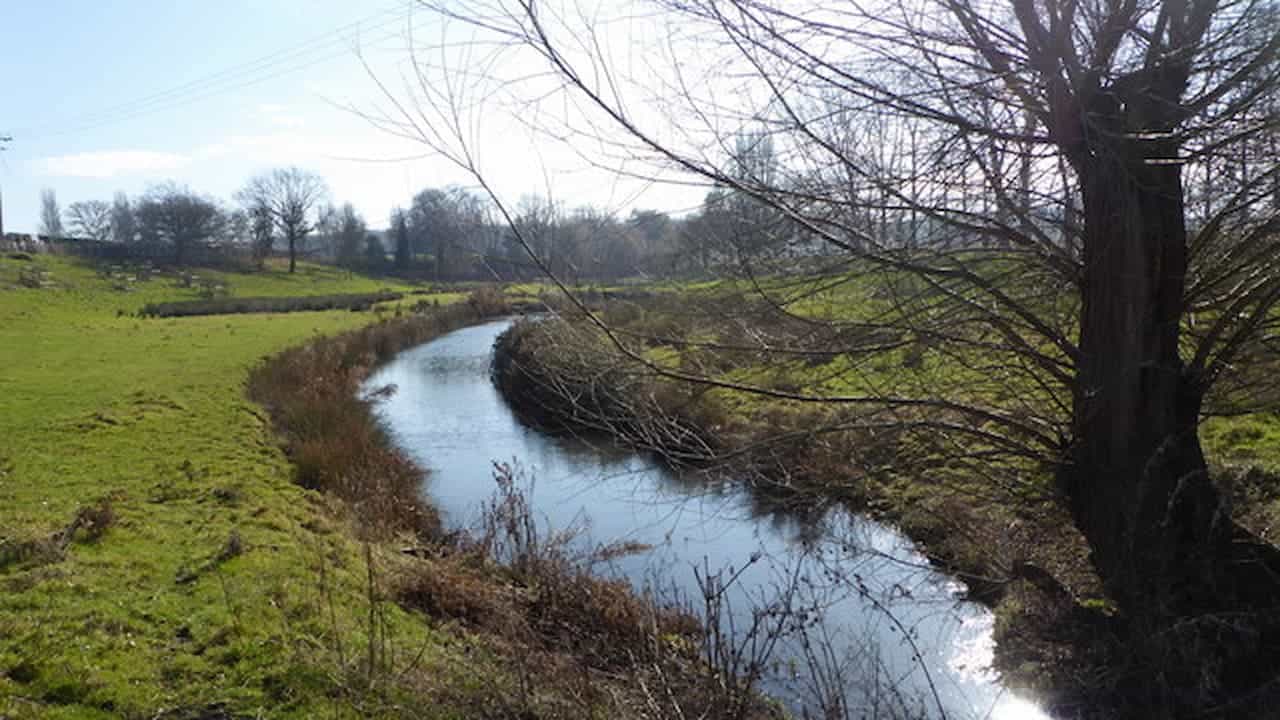
If you have swales in your garden, keeping them clear is important. Swales are designed to channel water away from your foundation and prevent water pooling.
When swales get clogged or overgrown, water can build up near your home. This increases the risk of soil erosion and foundation damage.
Check your swales regularly. Clearing debris and maintaining proper water flow helps protect your foundation from water-related issues.
Leaving mulch piled against house walls
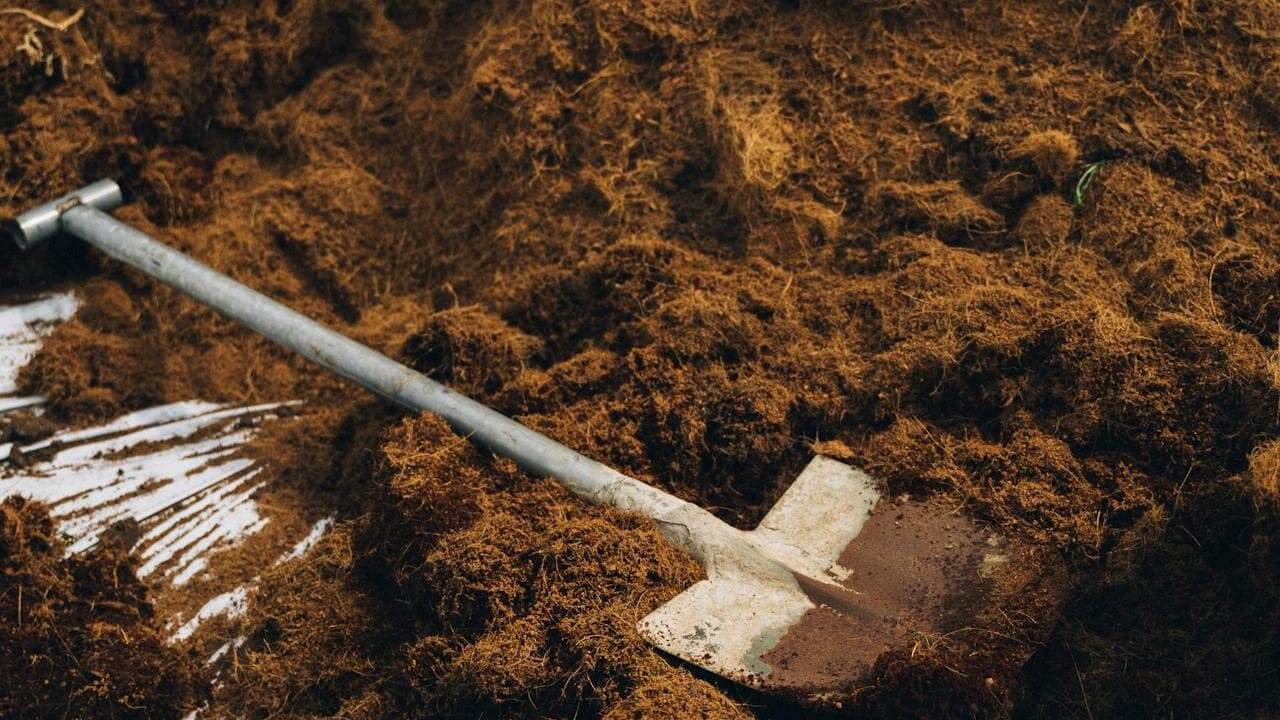
Leaving mulch piled against your house walls can trap moisture near the foundation. This can lead to dampness issues over time.
Mulch also attracts termites, which may cause damage to wood structures in your home.
You want to keep mulch a few inches away from your walls to allow airflow. This helps prevent moisture buildup and termite problems.
Ignoring pest prevention around foundation plantings
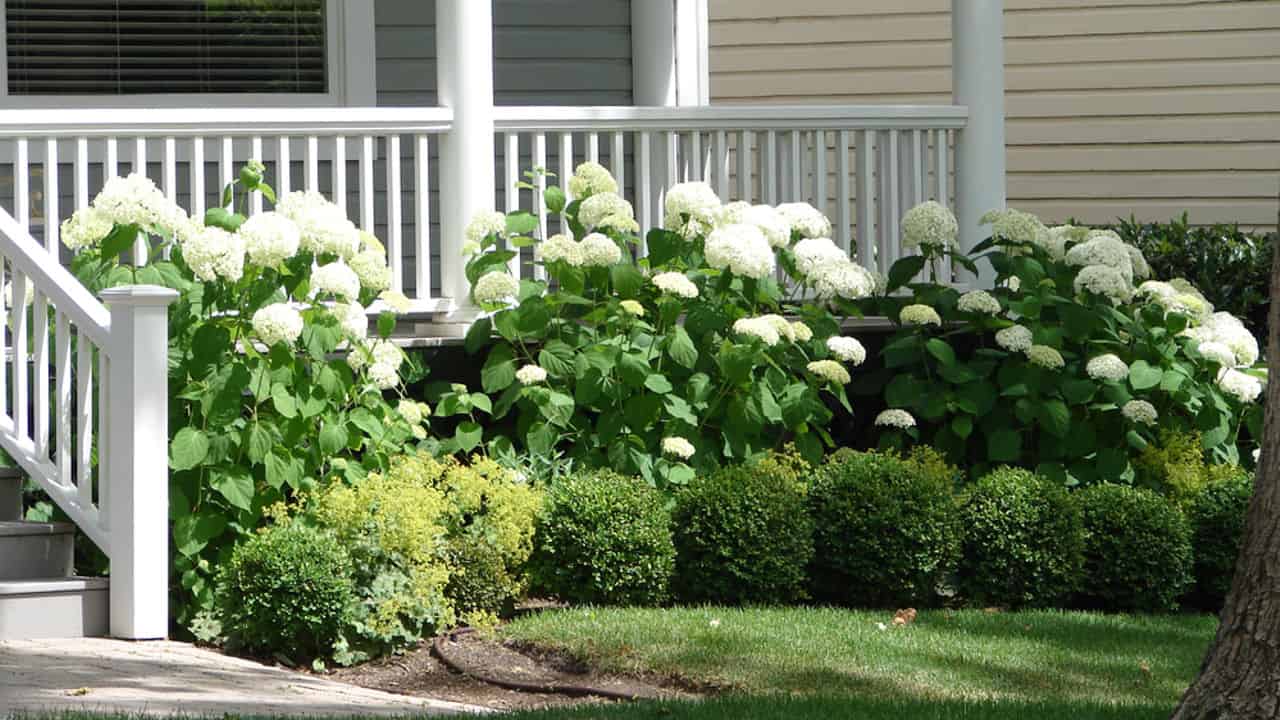
You should keep soil and mulch at least six inches away from your foundation walls. Moist soil and thick mulch attract pests that can invade your home through cracks.
Prune trees and shrubs regularly to increase distance from your house. This makes it harder for pests to travel from plants into your foundation.
Choosing the right plants is important to avoid attracting unwanted insects. Proper pest prevention helps protect both your garden and your foundation.
Allowing water to consistently collect near foundation
If water pools near your foundation, it can cause serious problems over time. You want to avoid this by directing water away from your home.
Check your gutters and downspouts to make sure they aren’t clogged or leaking. This helps stop water from spilling near your foundation.
Plant bushes and set irrigation at least three feet away from the foundation. This keeps soil moisture balanced and protects your home’s base.