Your garden adds charm and value to your home, but some features can affect your insurance premiums. Understanding which elements might increase your costs helps you manage your policy better and avoid surprises.
Knowing what garden features raise insurance premiums can save you money and protect your investment. This article covers 14 common garden aspects that insurers often consider higher risk, so you can make informed decisions about your outdoor space.
Advertisement
Swimming Pools

If you have a swimming pool, expect your insurance premiums to go up. Pools increase the building cost and raise your liability risk.
Your insurer might suggest increasing your liability coverage significantly to protect against accidents.
Be sure to include your pool in your policy to avoid surprises if you need to make a claim. Keeping safety measures can help manage costs.
Trampolines

If you have a trampoline in your garden, expect your homeowners insurance to go up. Trampolines are seen as high-risk because injuries happen fairly often.
Some insurers may exclude trampoline-related accidents from coverage, which means you might need extra protection. A personal umbrella policy could help cover those risks if you want added security.
Large Ponds

If you add a large pond to your garden, your home insurance premiums may go up. Ponds can increase liability risks because of potential accidents or injuries.
Water features also pose a risk of damage to your property, which insurers take into account. Be sure to notify your insurance provider if you install a pond to keep your coverage accurate.
Unfenced Water Features

If your garden has ponds, fountains, or small pools without fences, your insurance premiums could rise. These features increase the risk of accidents, especially for children and pets.
Insurance providers see unfenced water as a liability concern. Adding a secure fence or barrier can help reduce these risks and may lower your rates.
Wooden Pergolas

If you have a wooden pergola in your garden, it might increase your insurance premiums. This is because wooden structures can pose fire risks and may be damaged by storms or pests.
Your insurer may also consider the pergola’s size and location. Larger or freestanding pergolas usually require more coverage.
Using durable wood like cedar can help reduce maintenance issues, but it won’t eliminate insurance costs. Keep your pergola well maintained to avoid extra risks.
Outbuildings and Sheds
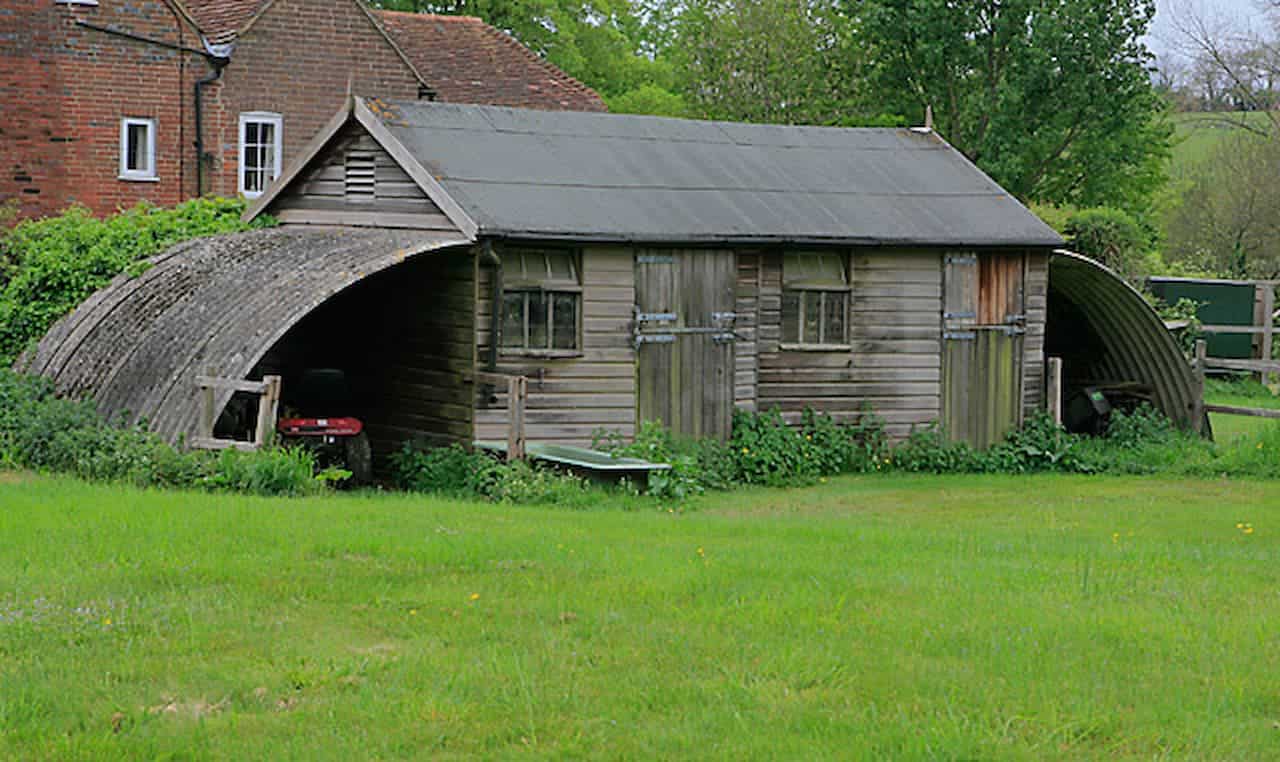
If you have sheds or other outbuildings on your property, they can affect your insurance premiums. These structures usually fall under a separate coverage category in your policy.
Because they add value and risk, insurers may charge more to cover potential damage or theft. Make sure your policy explicitly includes these buildings to avoid gaps in coverage.
Trees Close to the House

Having trees close to your house can increase your insurance premiums. Large roots may damage your foundation or underground pipes, causing costly repairs.
If a tree falls during a storm and hits your home, the damage is usually covered—but insurers see this as a higher risk.
Keeping trees trimmed and planting them a safe distance away can help lower your chances of damage and reduce your insurance costs.
Unsecured Play Equipment
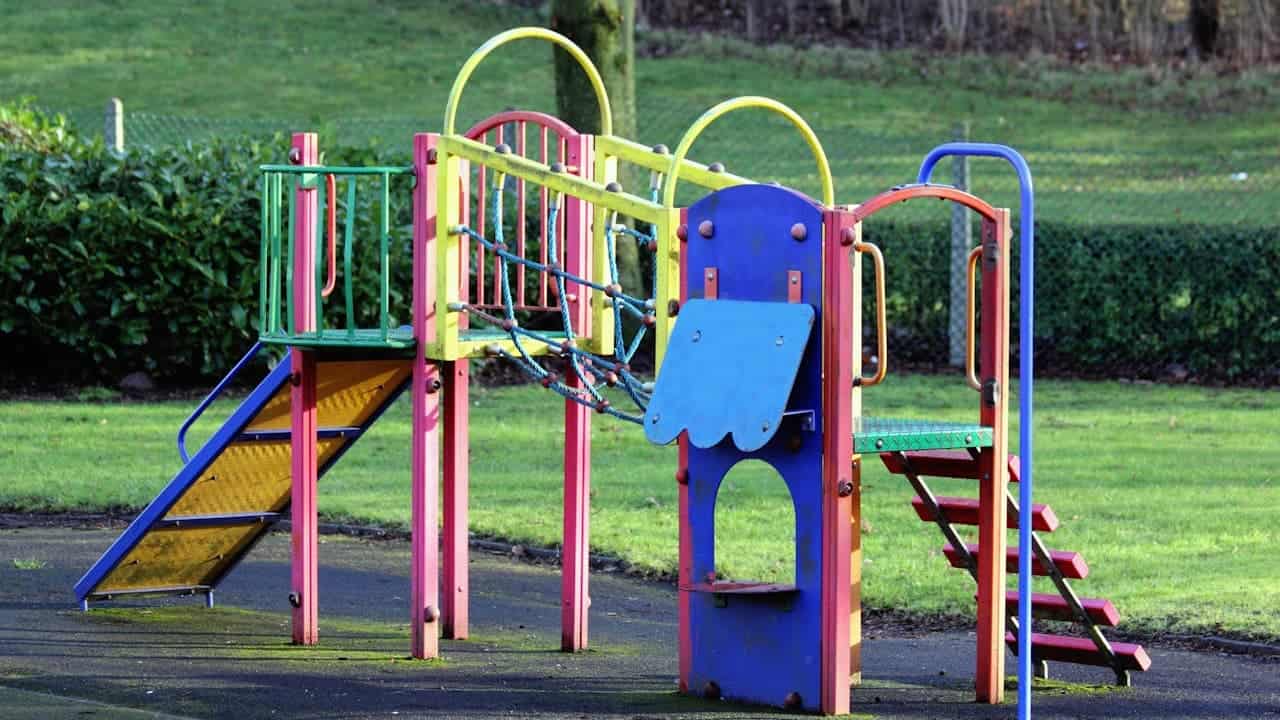
If you have trampolines, swing sets, or tree houses in your yard, they can increase your insurance premiums. These items are seen as higher risk because injuries may happen more easily.
To keep costs down, make sure your play equipment is securely anchored and well-maintained. Adding safety features or getting extra coverage can also help protect your home and lower insurance concerns.
Glass Greenhouses
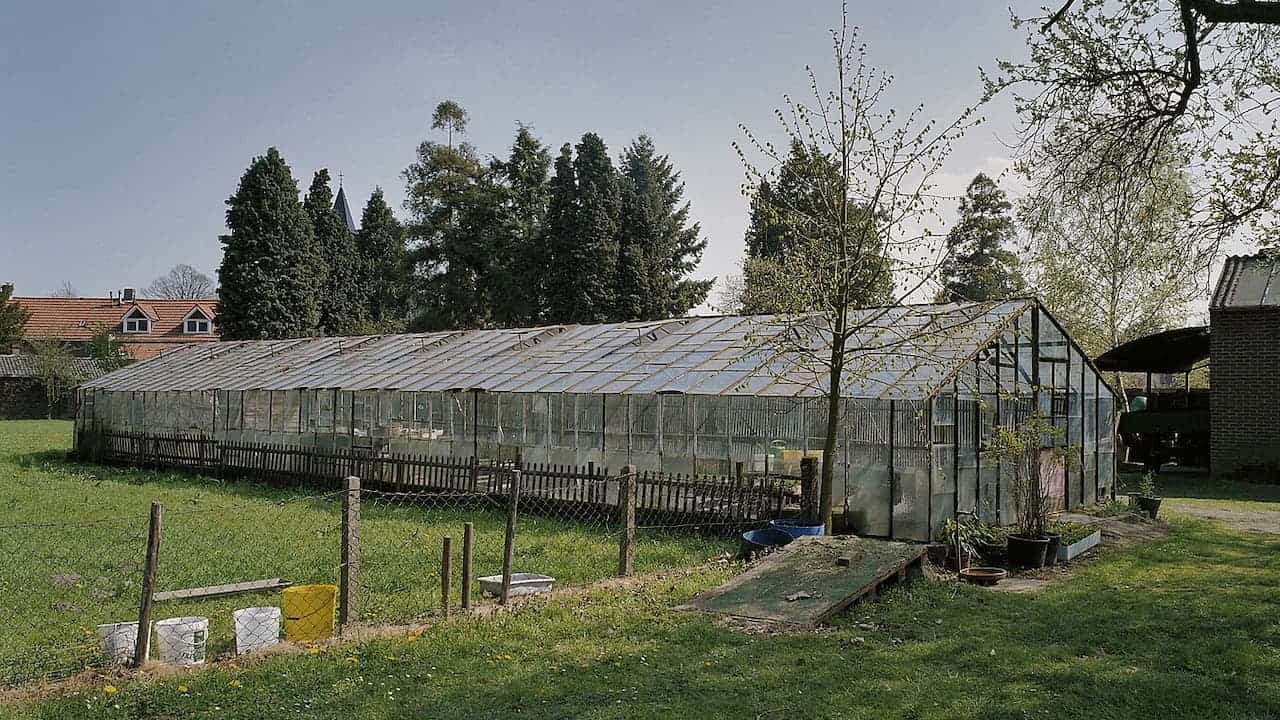
If you have a glass greenhouse, your insurance premiums might be higher. Glass structures are more prone to damage from storms or accidents, increasing repair costs.
You’ll also want to consider risks like broken panes or structural issues. Proper maintenance and protective measures can help, but insurers often see glass greenhouses as a greater risk than plastic or polycarbonate alternatives.
Solar Panel Installations

If you add solar panels to your garden or roof, your insurance premiums may go up. Solar systems can increase the replacement cost of your home.
Insurers may see solar panels as added risk due to fire or weather damage. This can cause rates to rise by 15% to 45% in some cases.
Make sure to inform your insurance provider about your panels. Updating your policy helps ensure proper coverage and avoids surprises if you need a claim.
Fire Pits and Outdoor Fireplaces
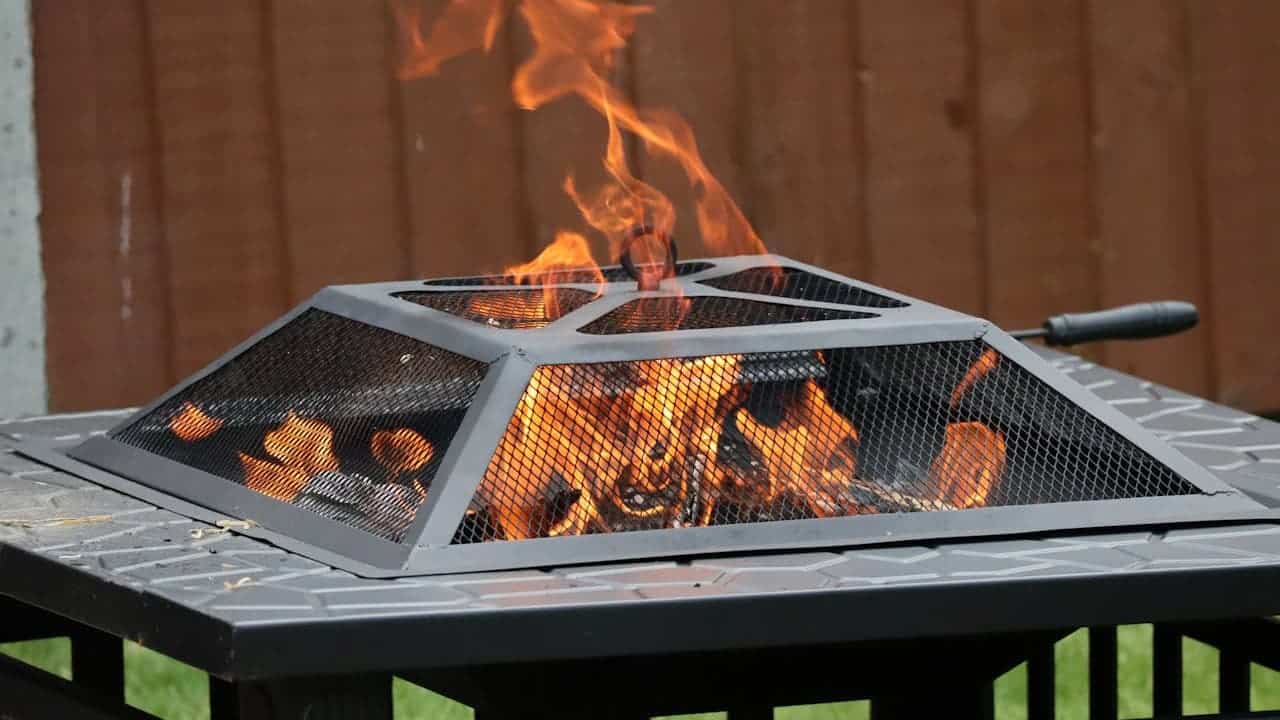
If you have a fire pit or outdoor fireplace, your insurance premium may go up. These features increase the risk of fire damage, which insurers consider when setting rates.
Permanent fire pits count as unattached structures, so coverage limits often apply. It’s a good idea to check your policy and possibly increase your coverage for these additions.
Tall Hedges Blocking Visibility
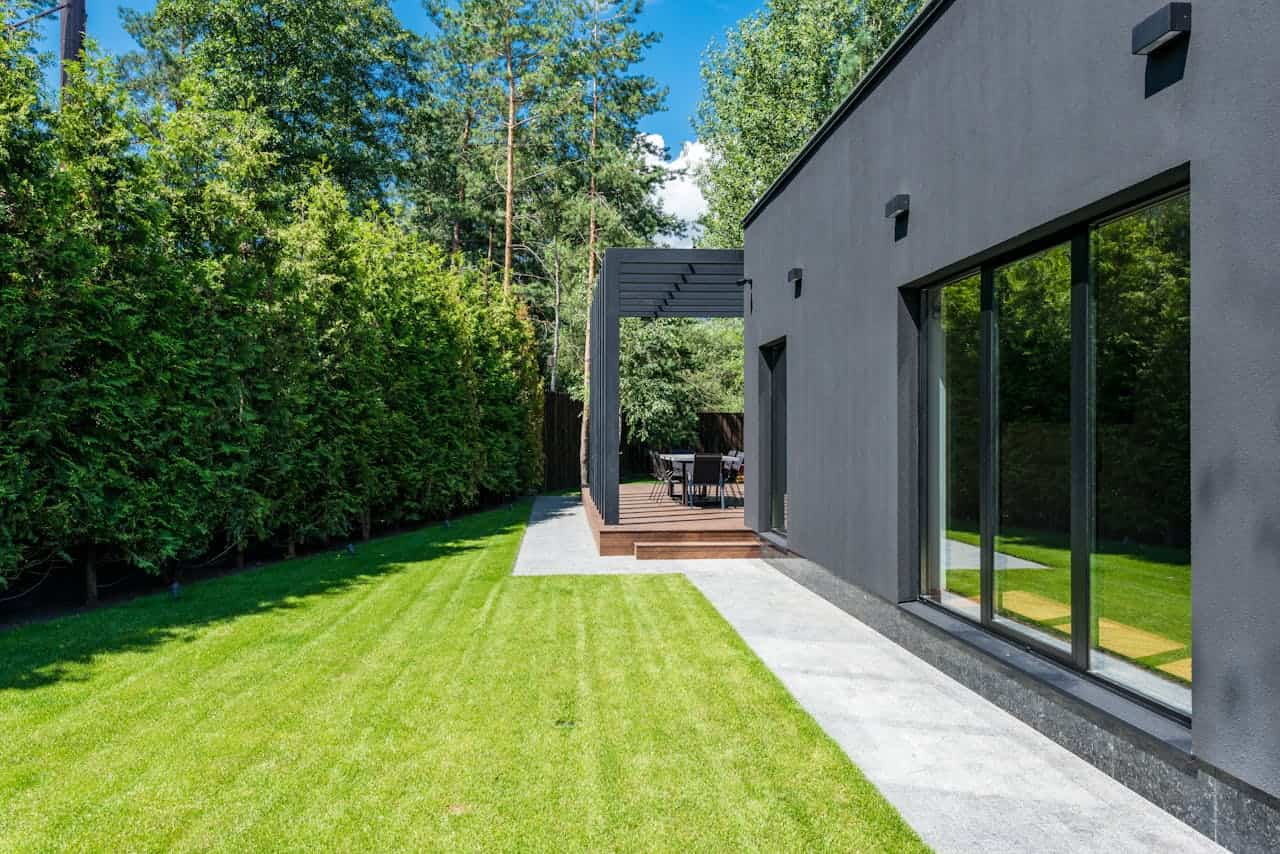
If your tall hedges block the view of driveways or street corners, it can raise safety concerns. This limited visibility may increase the risk of accidents on your property.
Insurance companies might see this as a higher liability risk. You could face increased premiums because they consider it a potential hazard.
Check local rules about hedge height. Keeping plants at a reasonable height helps avoid disputes with neighbors and may keep your insurance costs lower.
Rock Gardens with Loose Stones
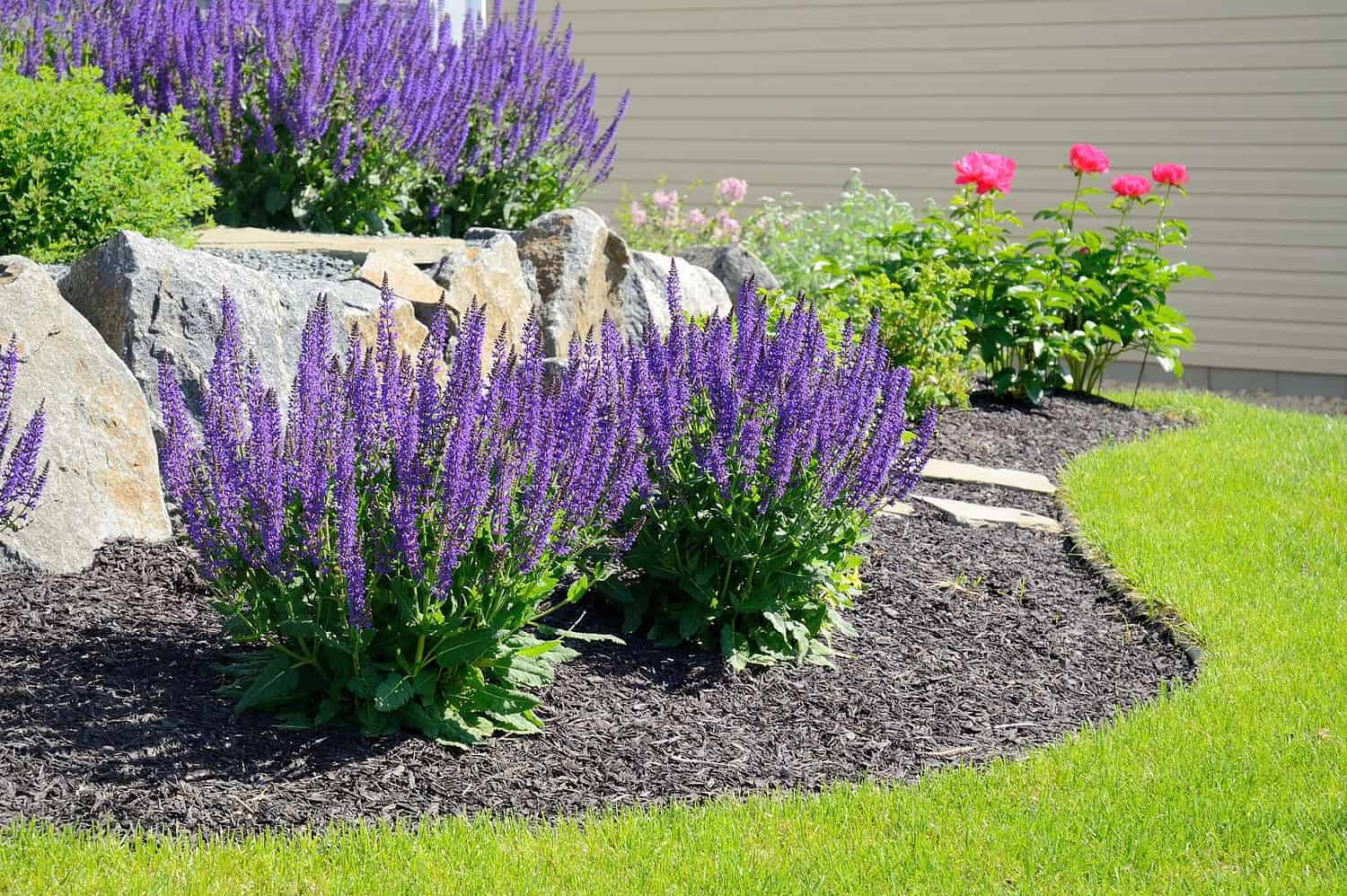
If you have a rock garden with loose stones, it could affect your insurance premiums. Loose stones may pose a risk of injury or damage if they shift or fall, which insurers consider when setting rates.
Keeping stones secure and regularly maintained helps reduce these risks. You might want to check with your insurer about how your rock garden impacts your coverage.
Extensive Decking Areas
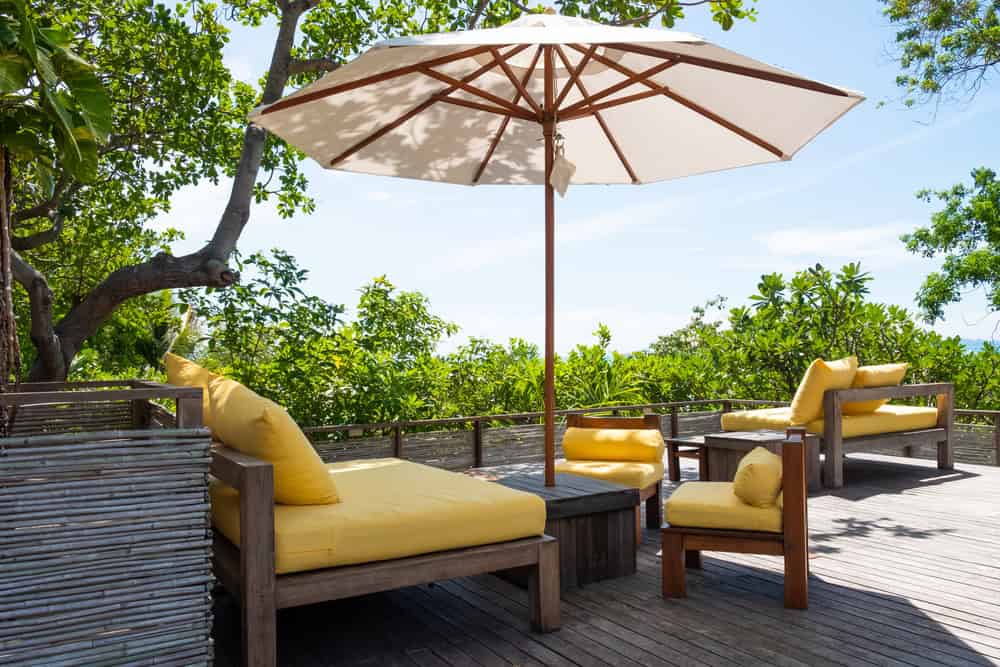
If you have a large wooden deck, it could increase your home insurance premiums. Decks are prone to fire, rot, and termite damage, which raises the risk for insurers.
Regular maintenance can help reduce these risks. Adding fire-resistant treatments and keeping it well-sealed may lower potential costs.
Your insurer might also consider the deck’s size and materials when setting your rates. It’s good to review your coverage if you plan to expand your decking.