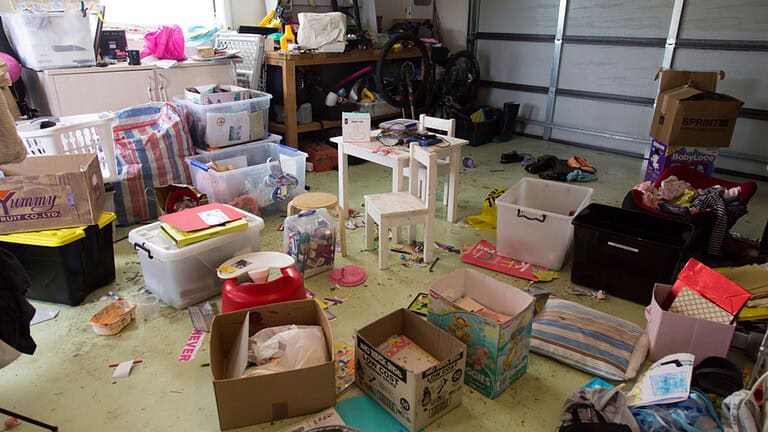
Your front yard is the first thing people notice about your home, and it plays a big role in the overall impression your property gives. Small mistakes or overlooked details can easily make your home look less inviting or cared for.
Understanding common errors in front yard design and maintenance can help you improve your home’s curb appeal and value. Paying attention to these issues allows you to create a welcoming space that reflects well on your home.
Advertisement
Ignoring curb appeal basics
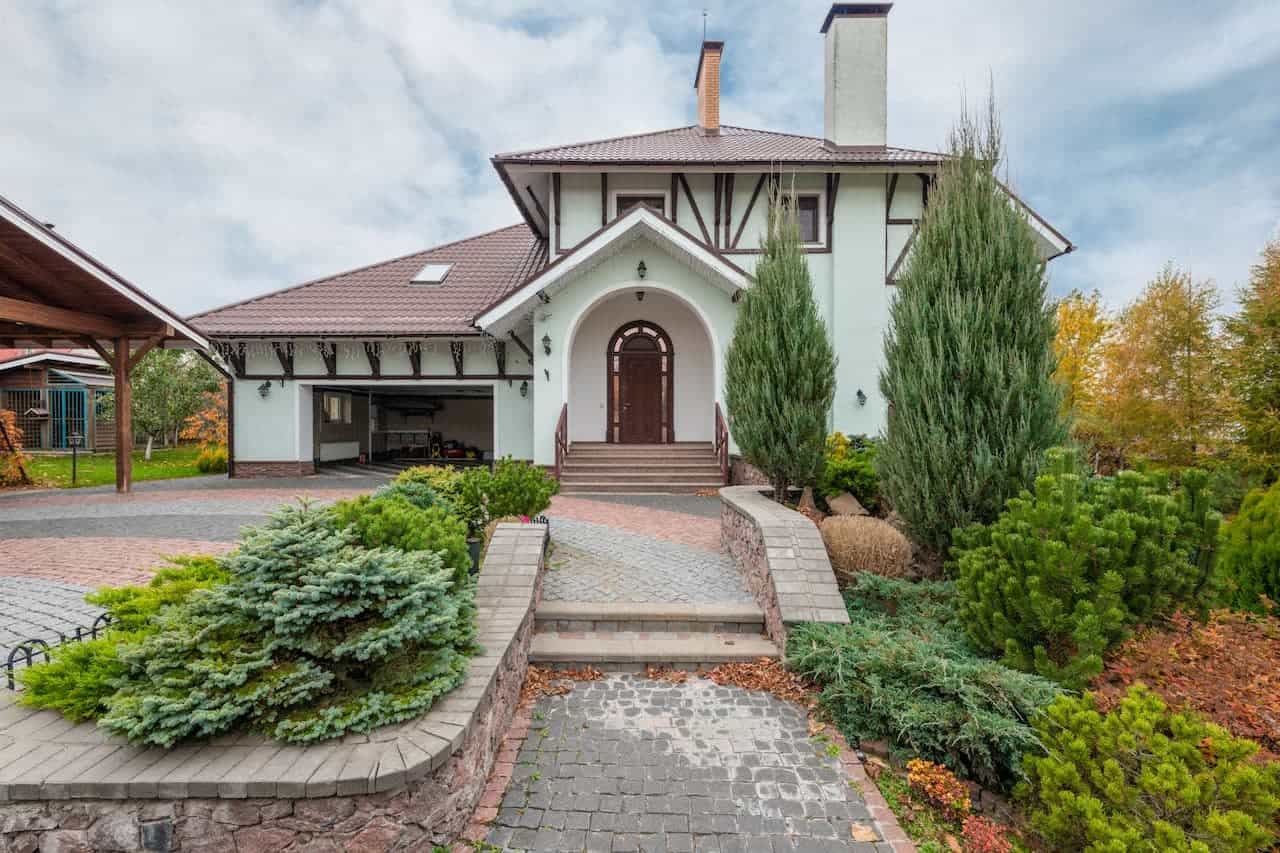
If you overlook simple curb appeal elements, your front yard can feel uninviting. Small things like a clean walkway, fresh paint on the door, or well-kept grass make a big difference.
You don’t need expensive upgrades to improve your home’s look. Focus on neatness and balance to create a welcoming space that makes a good first impression.
Prioritizing backyard over front yard
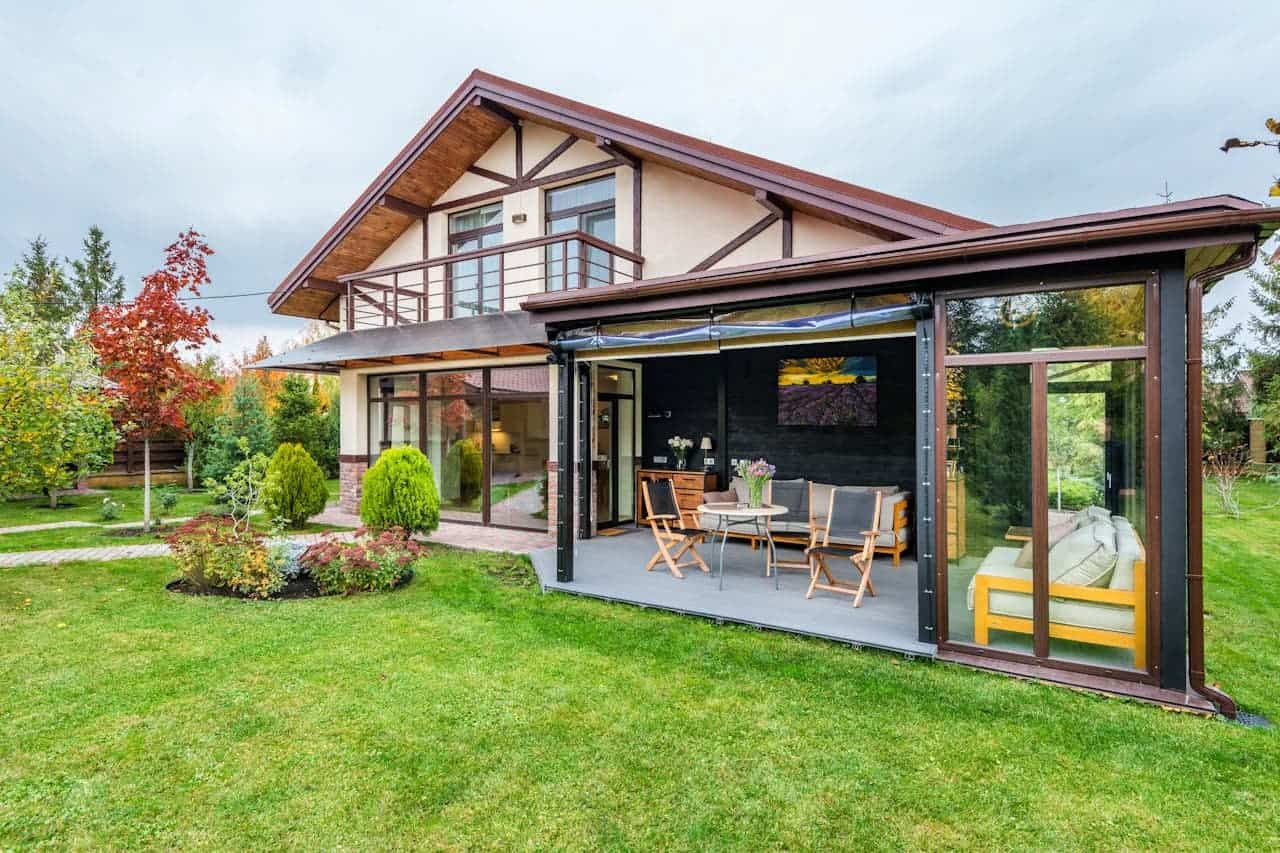
You might spend more time improving your backyard, but don’t forget your front yard. It creates the first impression for visitors and passersby.
Neglecting the front yard can make your home look less inviting. Small updates there often have bigger visual impact than you expect.
Balancing care between both yards helps your home look well-maintained. A neat front yard shows pride in your property before anyone steps inside.
Overcrowding plants

You might think filling every inch with plants makes your yard lush, but overcrowding can create problems. When plants are too close, they compete for sunlight, water, and nutrients, which can stunt their growth.
Overcrowded beds can also make maintenance harder, leading to trimming and replacing plants more often. Leave enough space to allow each plant to thrive and keep your yard looking neat and healthy.
Planting wrong species for the climate

Choosing plants that don’t suit your climate can cause frustration and extra work. If your plants aren’t adapted to local conditions, they may struggle to grow or even die.
You’ll end up spending more time watering or protecting them, which defeats the purpose of easy landscaping.
Stick to native or climate-appropriate species to save time and help your yard thrive naturally. Your front yard will look healthier and more inviting.
Skipping regular yard maintenance

If you skip regular yard upkeep, your front yard can quickly look untidy. Overgrown grass, weeds, and dead plants give a neglected impression.
Keeping your lawn mowed and trimmed helps maintain a clean appearance. Take time to remove weeds and prune shrubs regularly.
Seasonal maintenance, like clearing fallen leaves and refreshing mulch, also keeps things looking neat year-round. Your effort shows and improves curb appeal.
Neglecting tree placement

When you plant trees without thinking about their location, it can create problems later. Trees too close to your house may block sunlight or damage foundations.
You also want to avoid placing them where they crowd other plants or block walkways. Good tree placement enhances your yard’s look and makes your space feel more open and inviting.
Unbalanced color choices

When choosing colors for your front yard, too many contrasting hues can create visual chaos. Stick to a simple palette that complements your home’s exterior.
Using colors that clash or overwhelm can distract from your home’s curb appeal. Try to balance bright and neutral tones for a harmonious look.
Remember, consistency helps your landscaping feel intentional and inviting. Subtle color coordination can make a big difference in how your yard is perceived.
Using too many plant varieties

Using too many types of plants can make your yard look cluttered and unfocused. It’s easier to create a pleasing look when you stick to a few complementary varieties.
Too many different plants can compete for space and attention. This can also make maintenance harder and cause some plants to struggle.
Choose plants that work well together in color, shape, and size. This helps keep your yard looking neat and balanced without feeling overwhelming.
Leaving landscape beds undefined
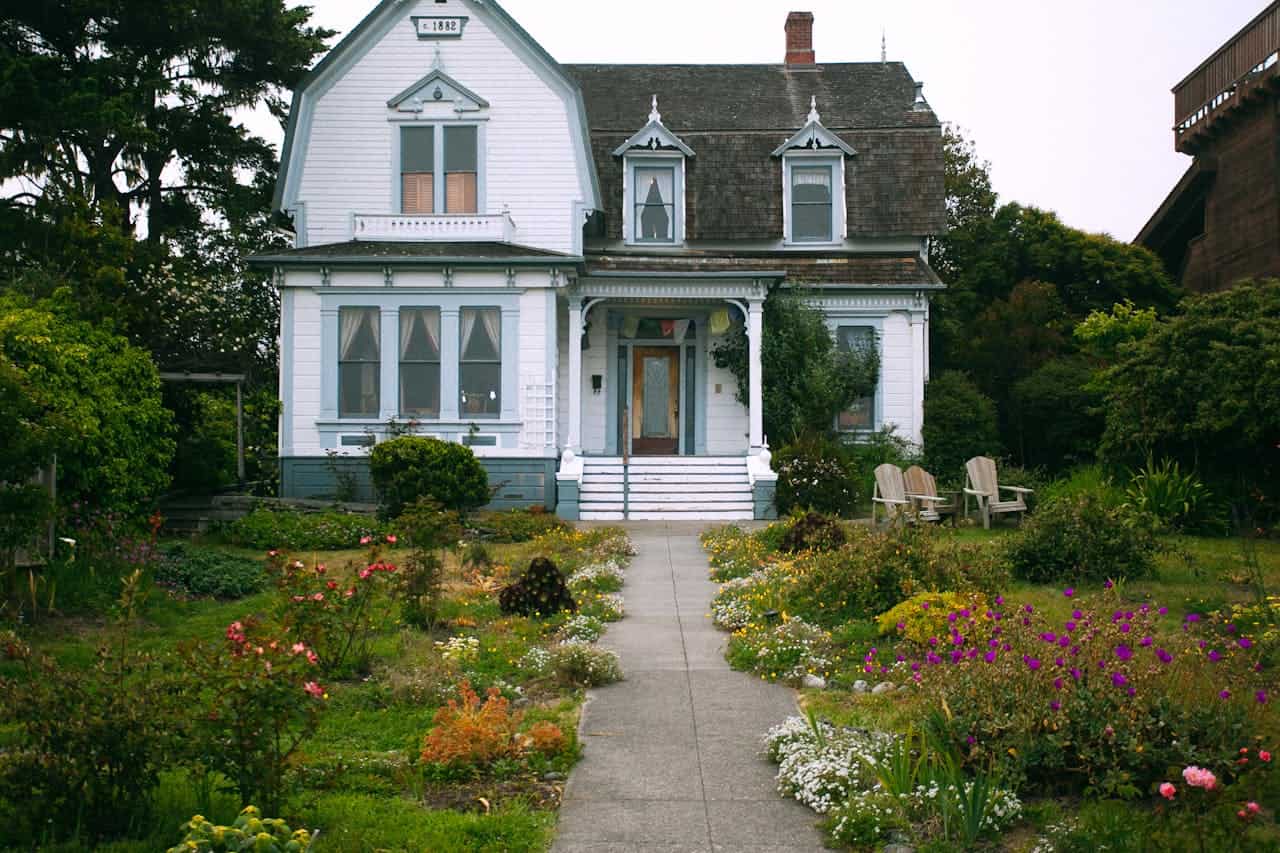
If you don’t clearly define your landscape beds, your yard can look messy and unfinished. Edging creates clean lines that separate grass from planting areas, making everything appear tidy.
Without defined beds, you risk grass creeping into flower beds, which leads to extra maintenance. Simple borders or edging materials can improve the overall look and keep your garden neat.
Over-pruning shrubs
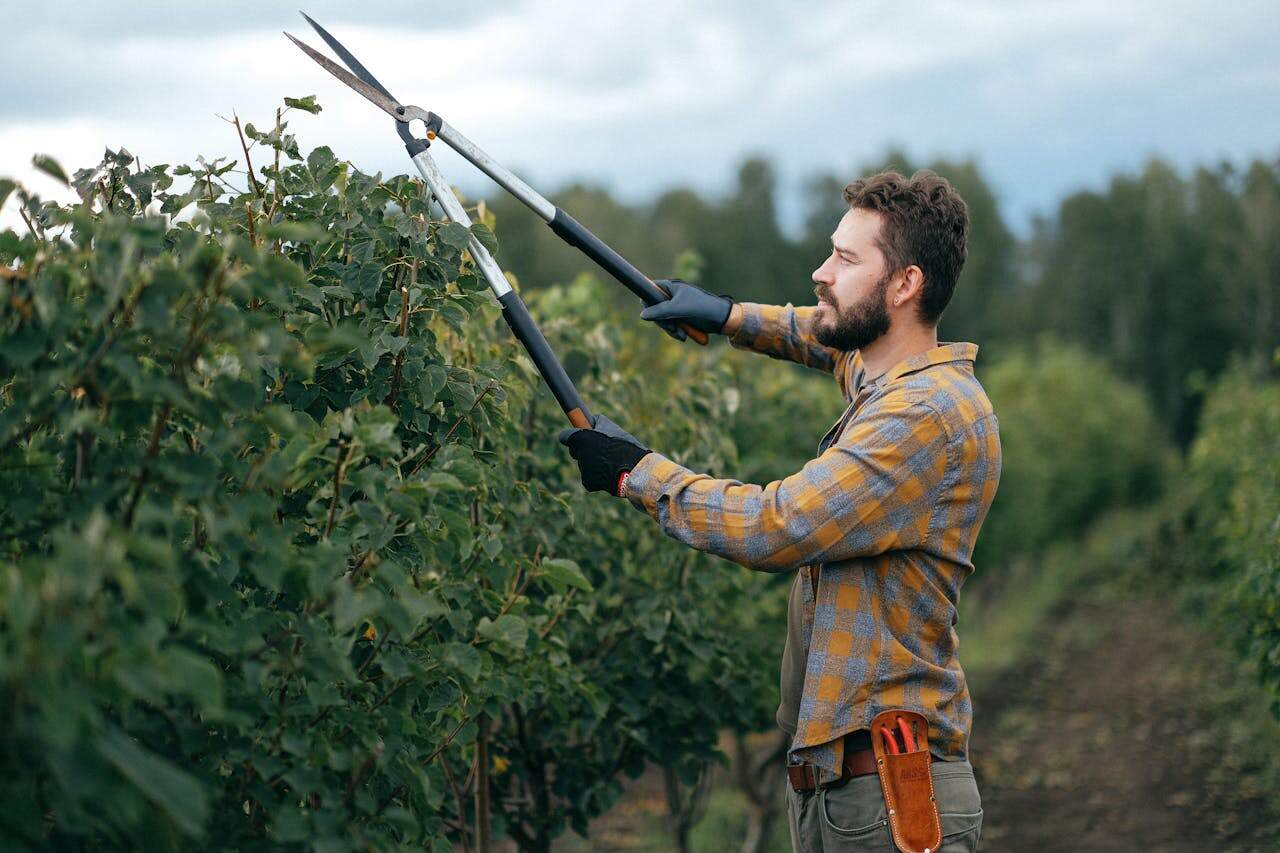
If you trim your shrubs too much, they can lose their natural shape and look unhealthy. Over-pruning can also stress the plants, making them more vulnerable to pests and diseases.
Try to prune only what’s necessary to maintain shape and remove dead branches. This helps your shrubs stay full and attractive without risking damage.
Letting weeds and overgrowth take over

If you let weeds grow unchecked, your yard can quickly look neglected. Overgrown grass and plants make your home seem uncared for and less inviting.
Weeds also compete with your plants for nutrients, making your garden less healthy. Keeping the growth under control helps your yard look tidy and well-maintained.
Regular trimming and weeding are simple steps you can take to improve your home’s first impression.
Disjointed design elements

When your front yard has design elements that don’t match, it can feel confusing and uninviting. You want your plants, hardscape, and decor to work together, creating a balanced look.
Avoid mixing too many styles or colors that clash. Instead, choose a clear theme and stick with it to make your yard feel intentional and welcoming.
Relying heavily on annual flowers
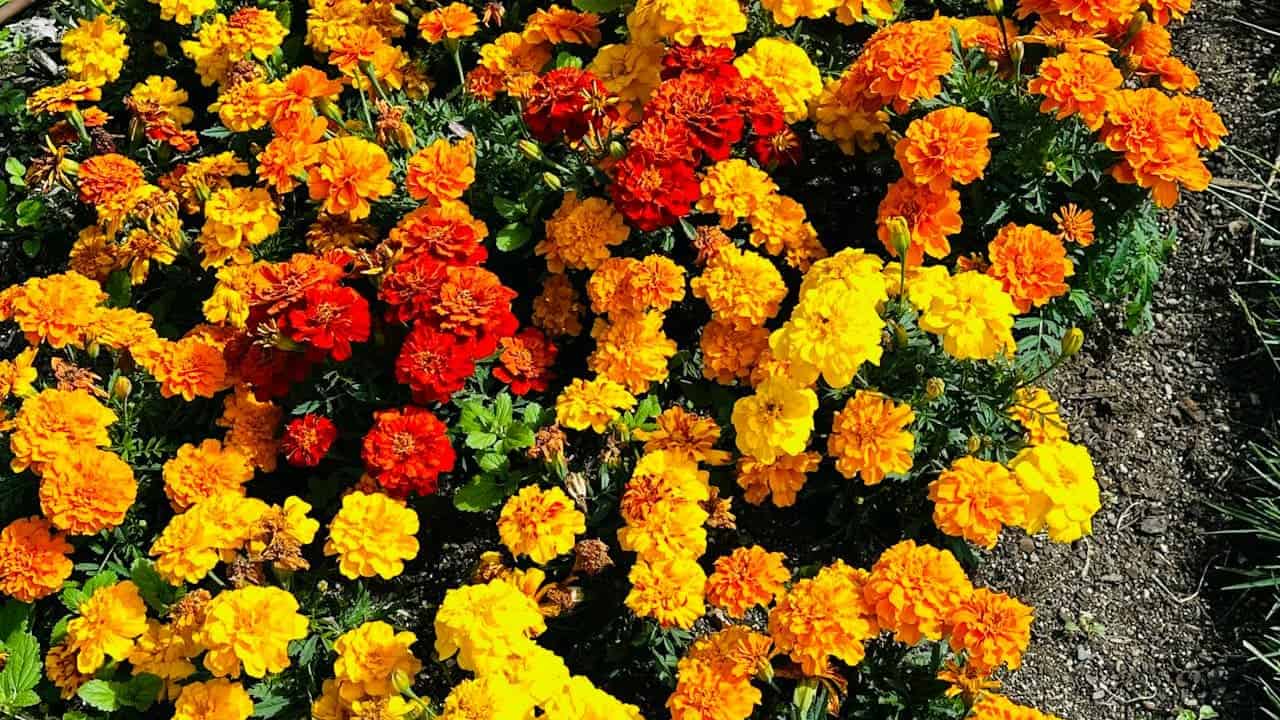
Using only annual flowers can make your front yard look temporary and less vibrant over time.
Annuals need to be replaced every season, which can get costly and time-consuming.
Mixing perennials with annuals gives your yard more structure and long-lasting color.
This balance keeps your garden looking fresh without the constant need for replanting.
Not planning for seasonal interest

If you only choose plants that look good in one season, your yard can feel dull the rest of the year. To keep your front yard attractive year-round, include a mix of evergreens and seasonal blooms.
Think about adding plants that change color or produce berries in fall and winter. This helps your front yard stay lively and inviting no matter the season.