If you’ve ever cleaned out a drawer or box, you know how many old cords and chargers can pile up. These items often get tossed without a thought, but many of them can actually be recycled instead of thrown away. Knowing which cords and chargers you can recycle helps keep harmful waste out of landfills and lets you do your part for the environment.
You might not realize how many types of old cables are still useful to recycle, even if they look outdated or broken. There are simple ways to get rid of these items responsibly, so you don’t have to keep them just taking up space. This article will guide you through some of the cords and chargers you might’ve forgotten about but can recycle safely.
Advertisement
Old USB charging cables
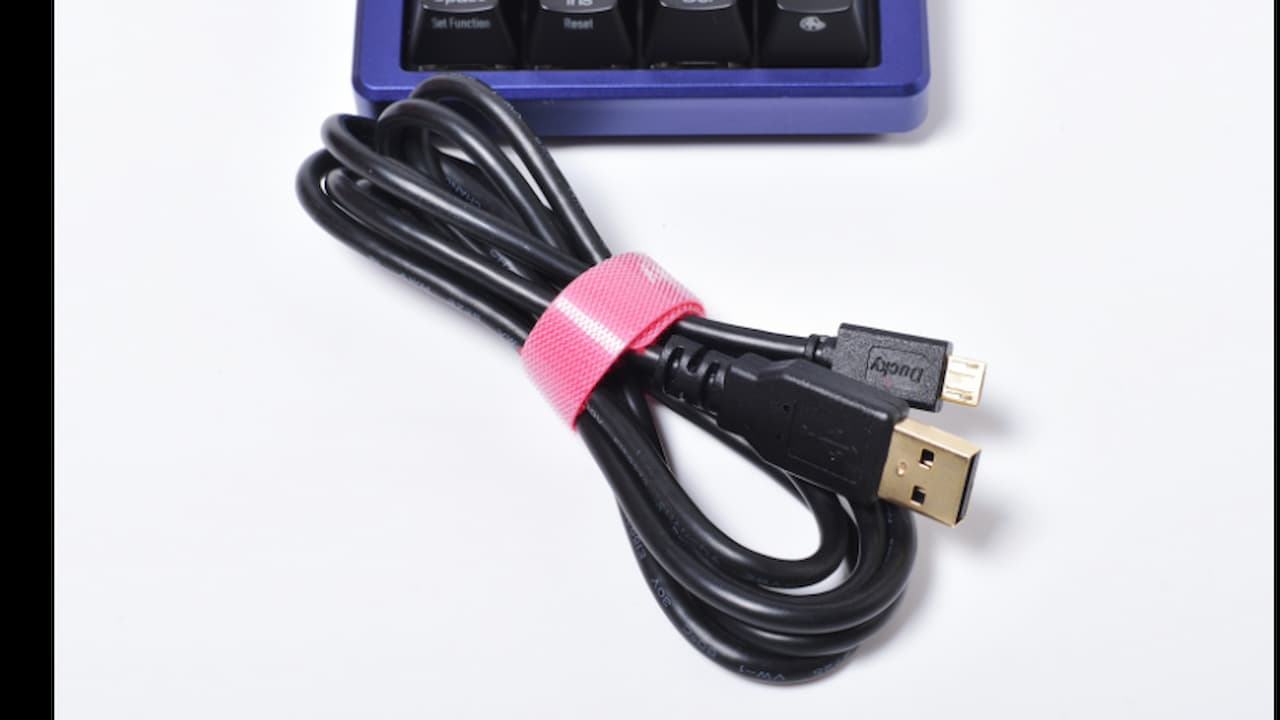
You probably have a bunch of old USB cables lying around. They might still work, but if you don’t use them, it’s better to recycle them.
These cables contain metals that can be harmful if thrown in the trash. Find local electronic recycling spots where you can drop them off safely. If you want to keep some for backup, organize them in a box or ziplock bags to avoid clutter.
iPhone Lightning cables
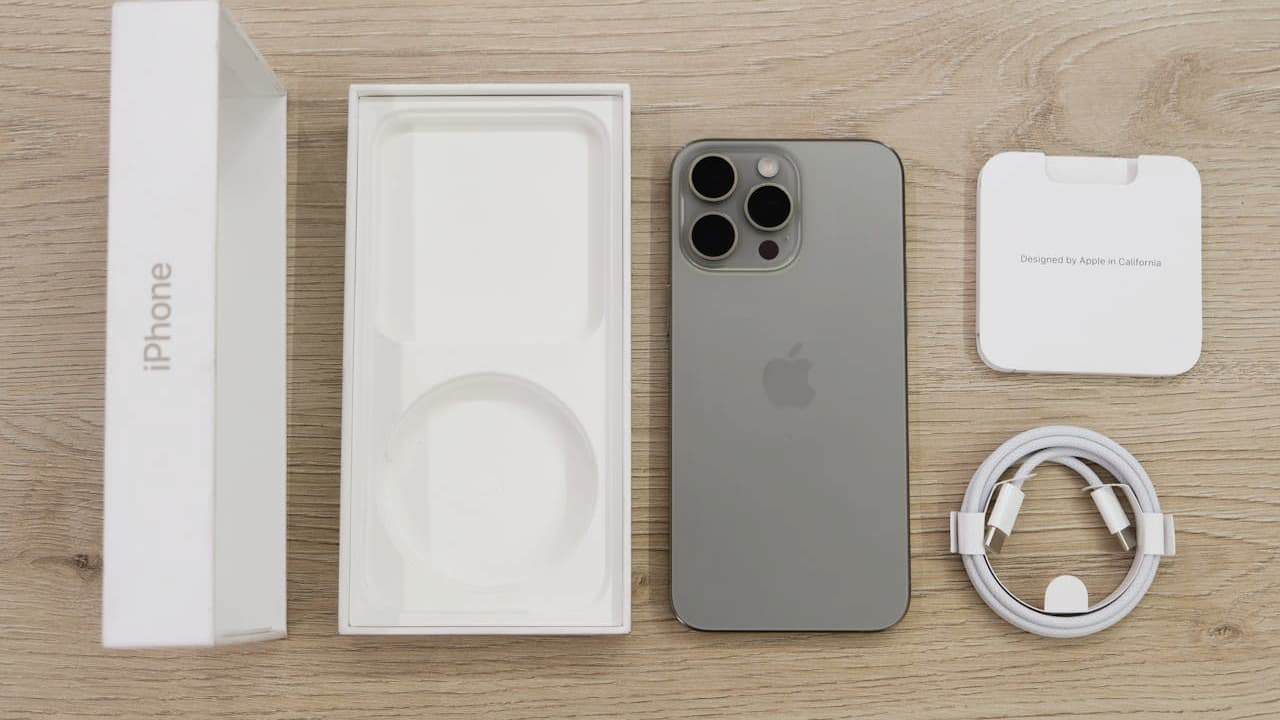
If you have old iPhone Lightning cables, don’t toss them in the trash. You can keep using them if they still work or give them to friends or family who might need one.
When they stop working, look for places like Best Buy to recycle them. You can also check if your local stores have e-waste recycling programs to drop off cables safely.
Micro-USB cables
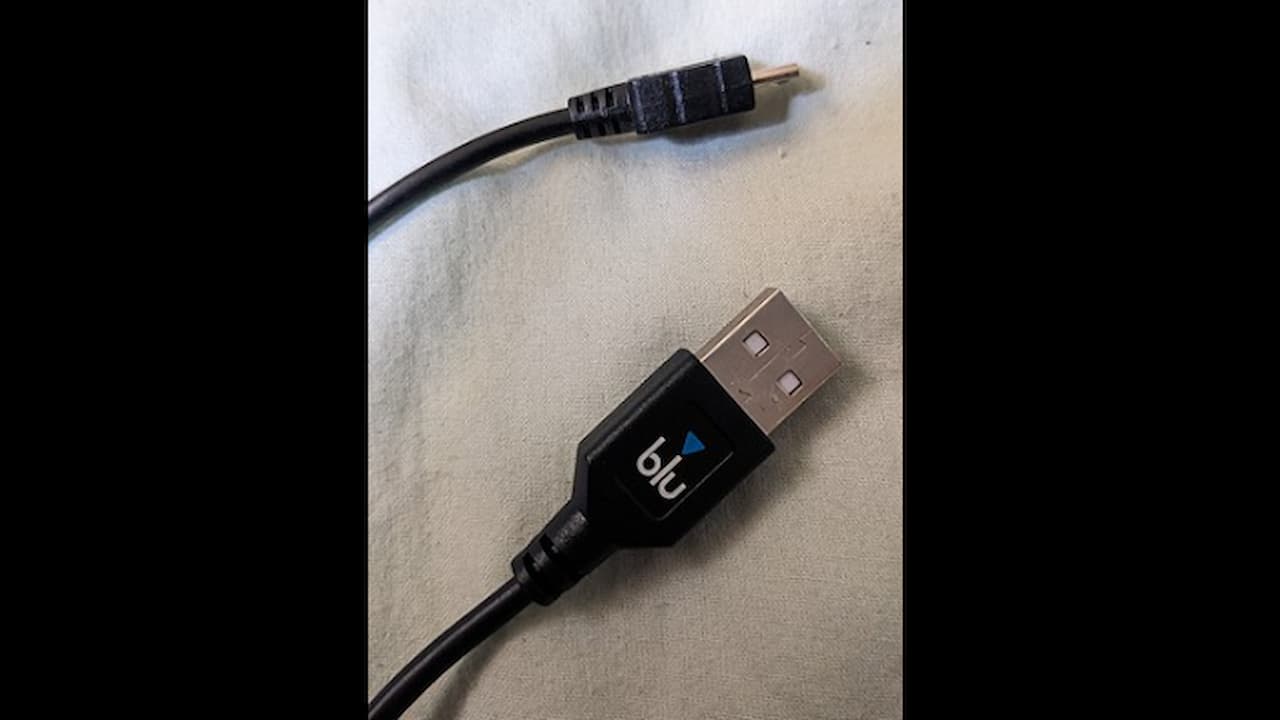
You probably have a bunch of old micro-USB cables lying around. These cables were once super common for charging phones and other gadgets.
If your devices don’t use micro-USB anymore, it’s a good idea to recycle these cables. You can take them to electronics recycling spots near you. Recycling helps keep metals like copper out of the trash and lets them be reused. Don’t just toss them in the bin.
USB-C charging cords
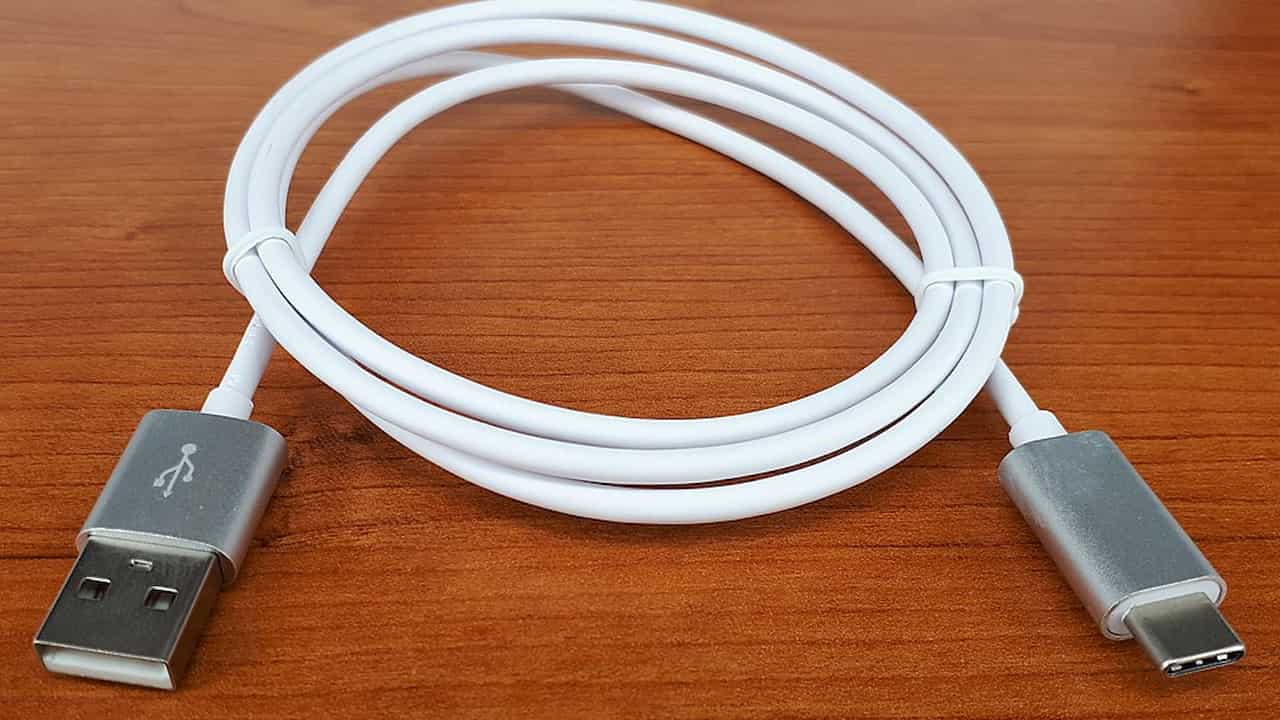
You probably have a few USB-C cords lying around from old phones or gadgets. These cords can still cause e-waste if thrown in the trash.
Instead, take them to stores like Best Buy or use recycling programs online. This keeps the materials out of landfills and helps reuse valuable parts. Even if your cord looks old or worn, recycling is a better choice than tossing it.
Laptop power adapters
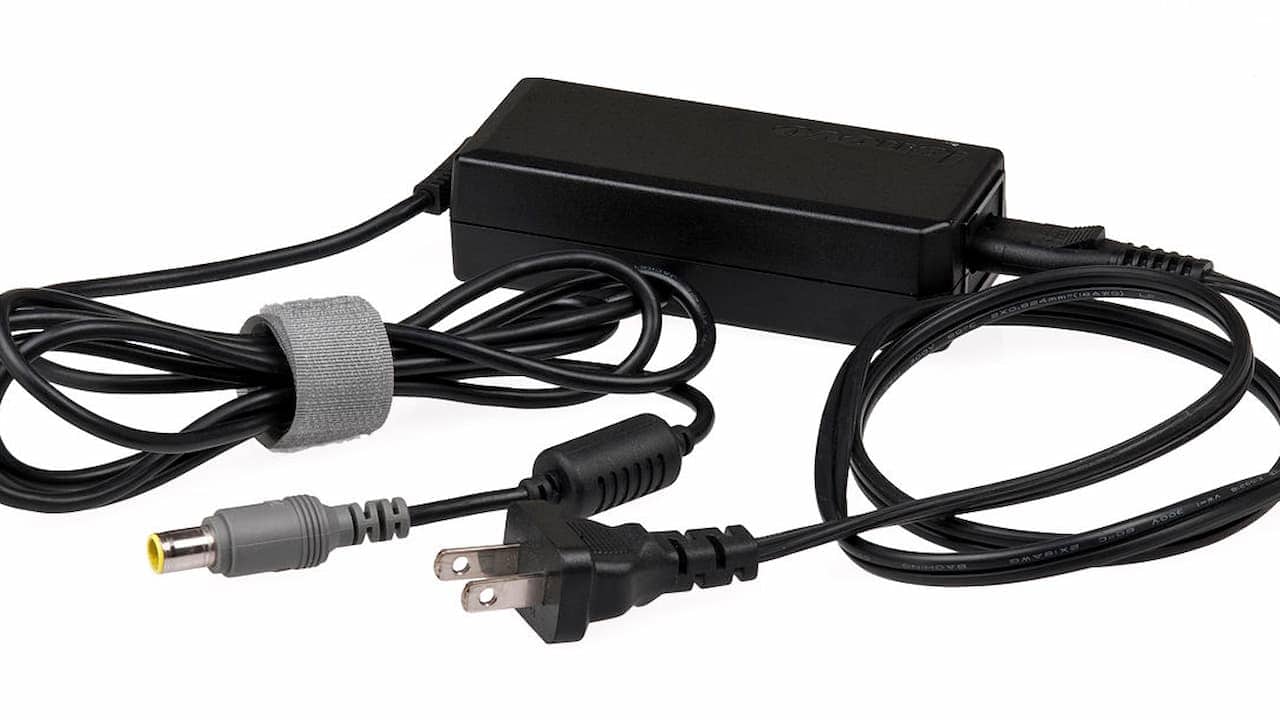
You might have old laptop power adapters lying around. These chargers have electronic parts inside that can be recycled. Don’t just throw them in the trash. Many places, like electronics stores or recycling centers, take them for proper recycling.
Recycling helps keep harmful materials out of landfills and lets valuable parts get reused. So, next time you find a charger you don’t need, recycle it.
Tablet chargers
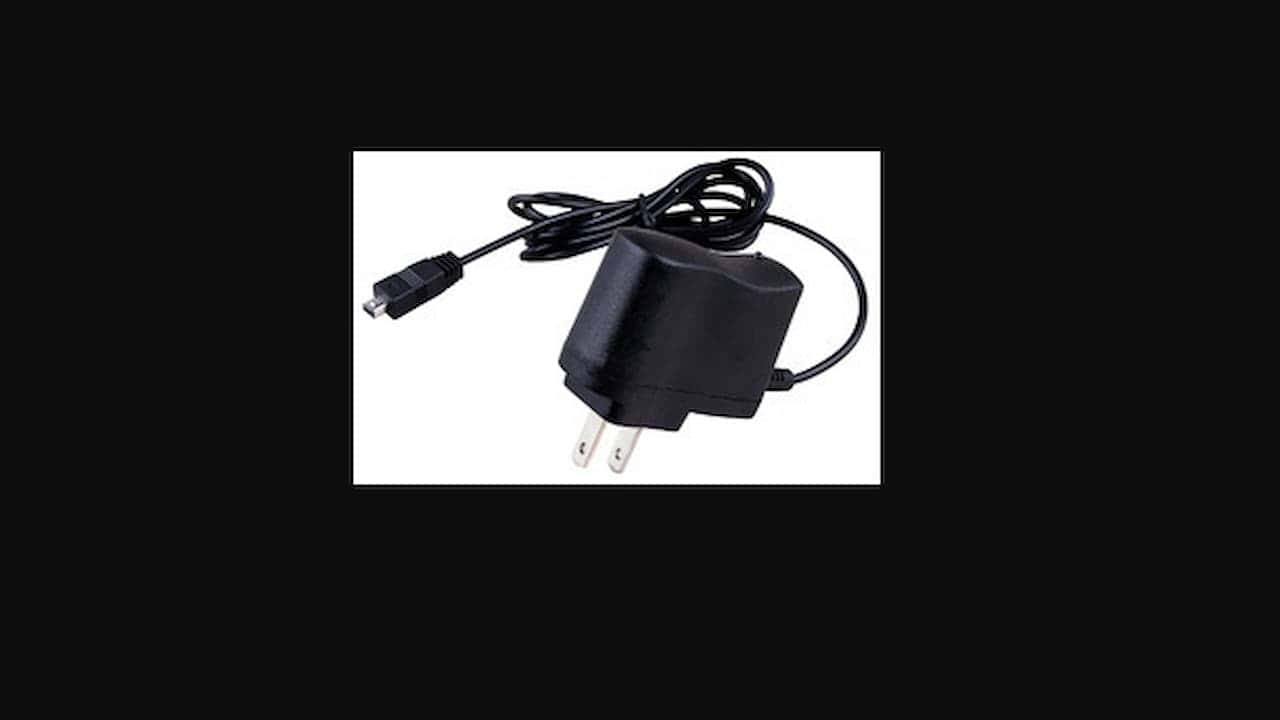
You probably have old tablet chargers sitting around. Even if they look fine, they might not work well or be safe anymore.
Instead of throwing them in the trash, take them to a recycling spot. Stores like Best Buy often take these cords and recycle them properly for you. This helps keep harmful materials out of the landfill.
Wireless charger pads
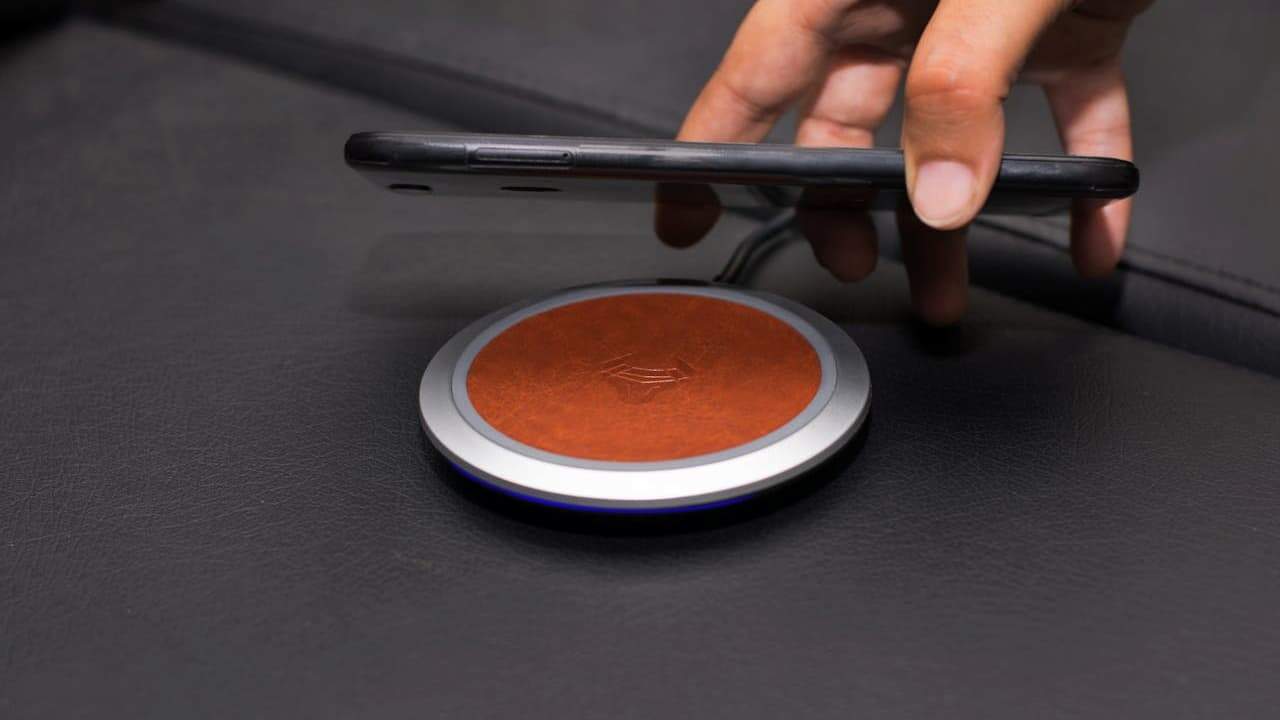
If you have old wireless charger pads, don’t toss them in the trash. These devices contain materials that can be recycled safely.
You can find wireless charging pads made from recycled aluminum, which helps reduce waste. Recycling your old pads keeps harmful parts out of landfills. Look for local e-waste programs or stores that accept wireless chargers. It’s an easy way to keep your tech eco-friendly.
Headphone charging cables
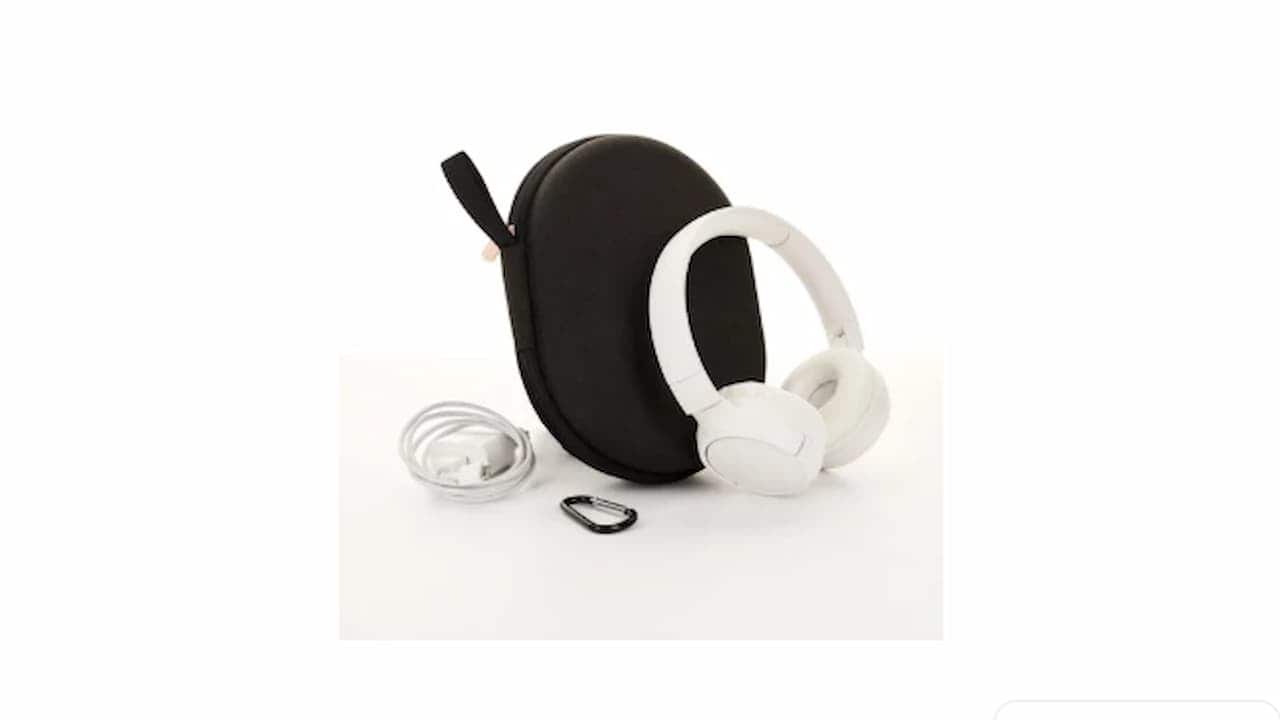
You probably have a bunch of headphone charging cables lying around. These cords don’t last forever and can pile up fast.
Instead of throwing them away, you can take them to electronics stores like Best Buy for recycling. This helps keep cords out of landfills and makes sure the materials get reused. Keep an eye on your cords and recycle the ones you no longer need.
E-reader chargers
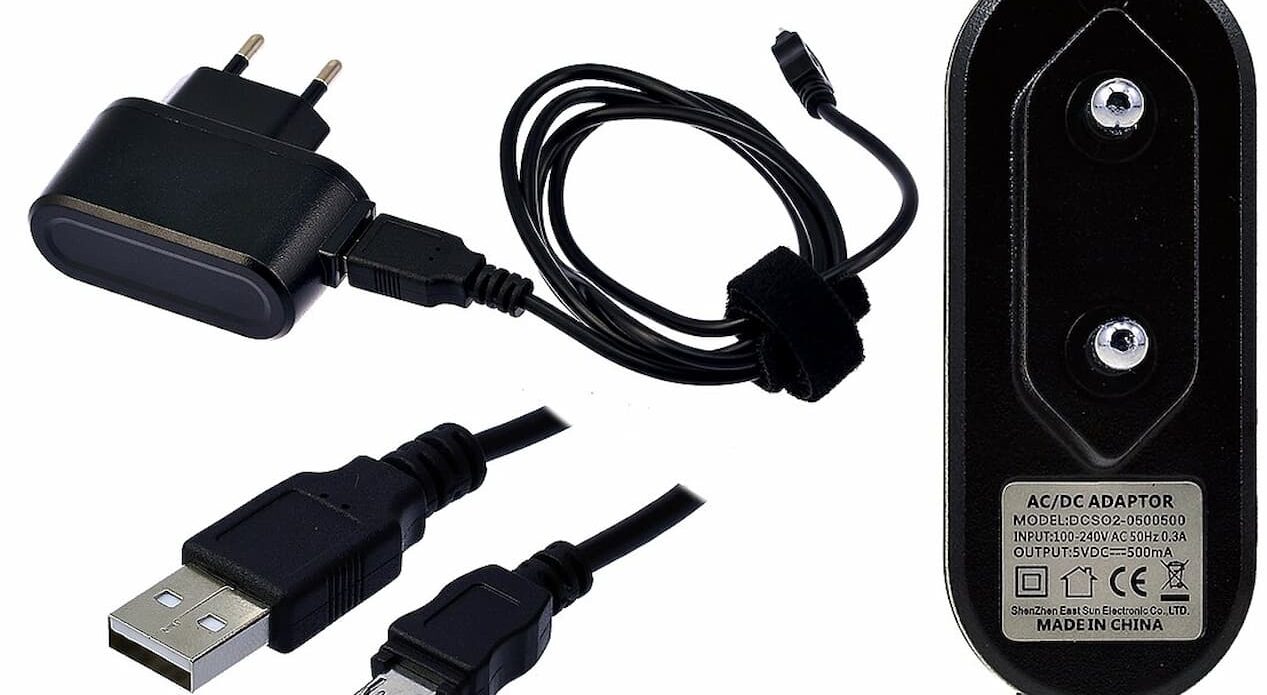
You might not think much about your old e-reader chargers. But they can take up space and stop working over time.
Instead of tossing them, try to recycle these chargers. Many places that take electronics will accept them. It’s an easy way to clear clutter and keep harmful materials out of the trash. Check local stores or recycling centers for drop-off spots.
Camera battery chargers
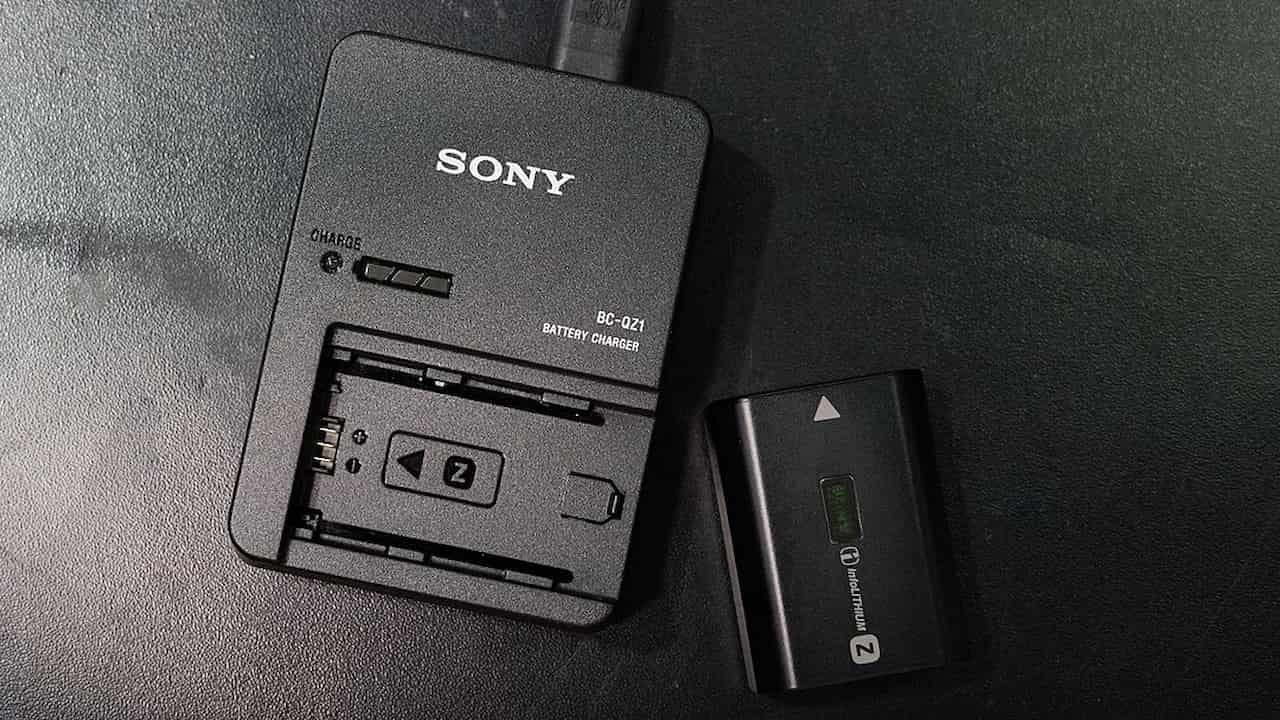
If you have old camera battery chargers lying around, don’t just toss them. These chargers contain materials that can be harmful to the environment if thrown in the trash.
You can take them to electronic stores or recycling centers that accept small electronics. Some camera shops also offer recycling options for old chargers. Recycling your camera chargers helps keep harmful waste out of landfills and supports using valuable parts again.
Old phone charging bricks
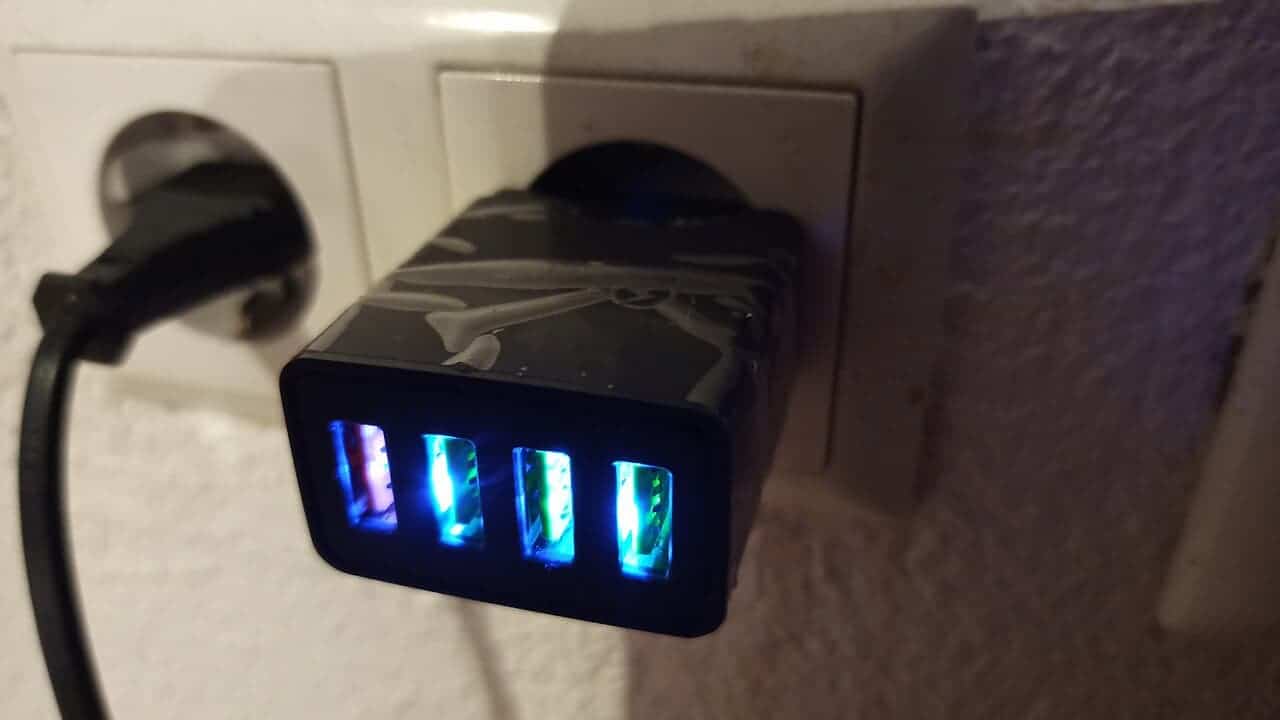
You might have a bunch of old charging bricks lying around from phones you no longer use. These bricks still contain valuable materials that shouldn’t go in the trash.
You can take them to electronics stores or recycling centers that accept chargers. Some places even have special bins just for cords and chargers to keep them out of landfills.
Game controller chargers
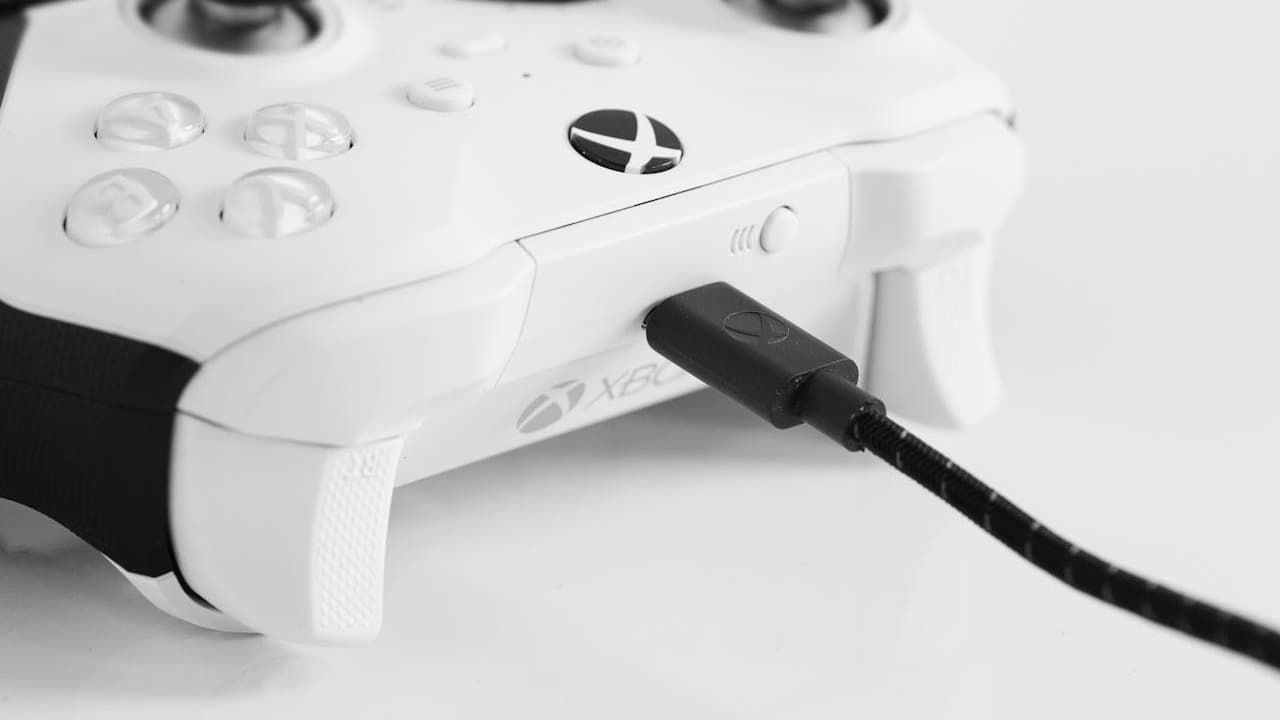
You might have old game controller chargers lying around that no longer work or fit your devices. Instead of tossing them, consider recycling them.
Many stores, like Best Buy, take these chargers for free. Recycling helps keep cords out of landfills and can give materials a second life. If you’re not near a store, look for local electronic recycling centers. They’ll usually accept game controller chargers too.
External battery pack cables
You might have a bunch of cables from old external battery packs. These cords often get forgotten but can be recycled.
Don’t toss them in the trash. Many cables have valuable metals like copper inside. Look for e-waste recycling spots near you to drop them off. It’s an easy way to help the planet and clear clutter.
Car charger cords
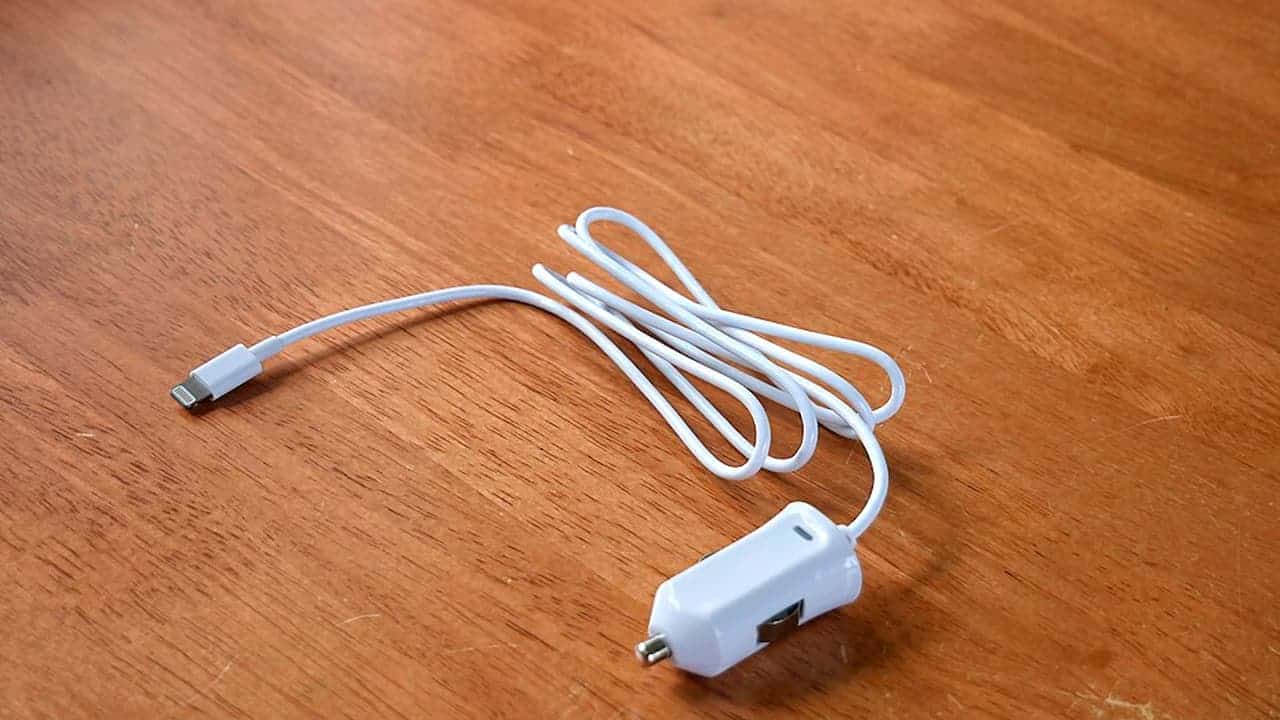
You might have old car charger cords lying around. These cords can wear out or stop working over time.
Instead of tossing them in the trash, try recycling them. Some stores and e-waste centers accept old cables like these for proper recycling. If you can’t find a recycling spot, consider keeping them organized in case you need one later. This way, you reduce clutter and avoid waste.