
If you’re looking for a natural way to keep pests out of your garden, flowers can be a simple and effective solution. Many types of flowers have properties that repel insects and other unwanted visitors without the need for harsh chemicals.
Using flowers to deter pests can help protect your plants while making your garden look beautiful at the same time. This approach lets you enjoy a more balanced outdoor space by combining pest control with vibrant blooms that fit right into your garden.
Lavender – repels mosquitoes, moths, fleas, and flies

If you want to keep bugs away naturally, lavender is a great choice. You can plant it near your patio or garden to help repel mosquitoes, moths, fleas, and flies.
Its scent masks other smells that attract pests, making your outdoor space more enjoyable. Plus, lavender adds a nice touch of color and fragrance to your yard.
Chrysanthemums – contain pyrethrum, a natural insect repellent
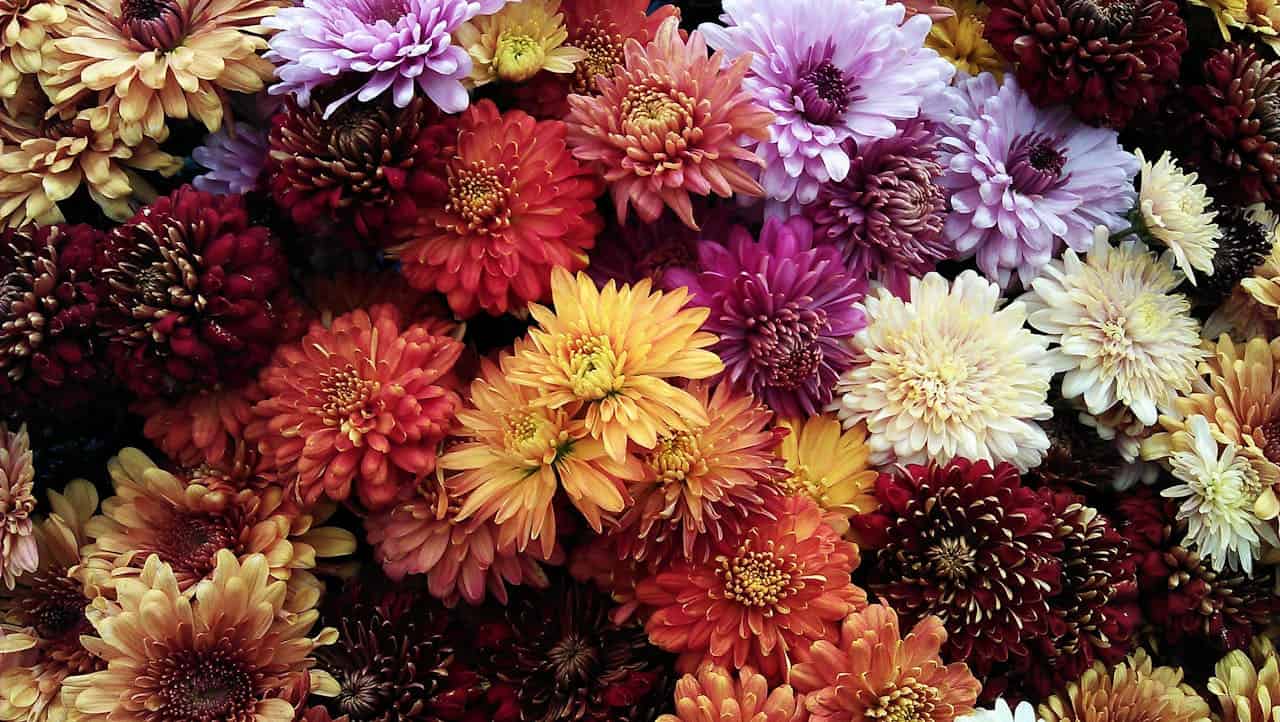
You can use chrysanthemums in your garden to help keep bugs away. They naturally produce pyrethrum, which is a chemical that insects find harmful.
This means you don’t have to rely on synthetic sprays as much. Plus, they come in lots of colors, so your garden can look nice while staying pest-free. Growing chrysanthemums near your plants can help reduce mosquitoes, ticks, and other pests around your space.
Marigolds – drive away cabbage worms and mosquitoes
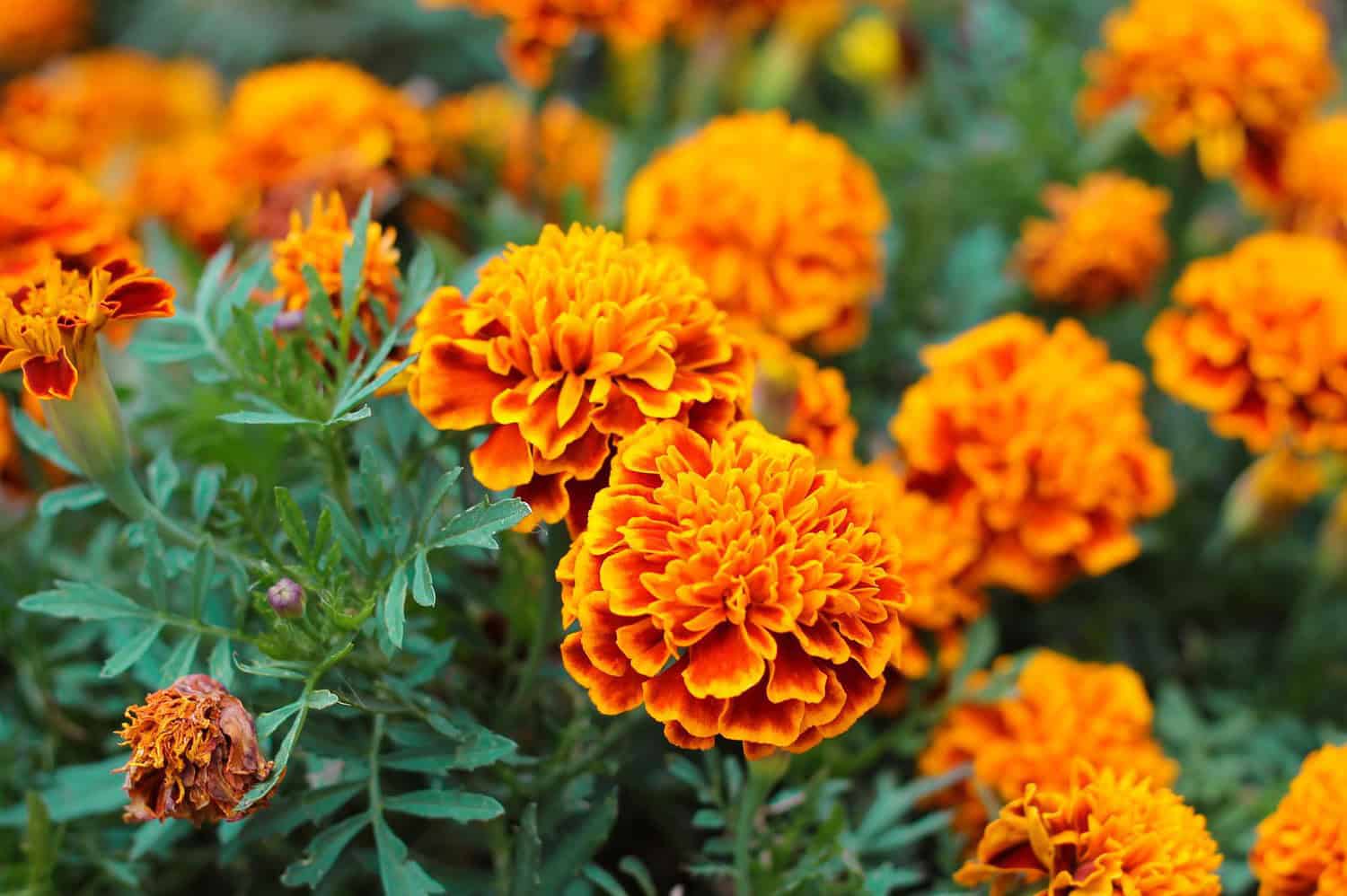
If you want to keep cabbage worms and mosquitoes off your plants, marigolds can help. Their strong scent acts as a natural barrier that some pests don’t like.
You might notice fewer aphids and cabbage worms near marigolds. They won’t keep all bugs away, but they do offer some natural protection for your garden.
Basil – keeps flies and mosquitoes at bay

If you want a simple way to keep flies and mosquitoes away, basil can help. The strong scent of basil leaves naturally deters these pests.
You can place basil pots near windows, doorways, or outdoor seating areas to enjoy fresher air without bugs. It’s also handy since you can use it in cooking.
Calendula – deters pests with its bright flowers

You can plant calendula to add a splash of color and potentially keep some pests away. Its bright, cheerful flowers are said to repel insects, though this isn’t fully proven by science. Still, gardeners often use calendula near vegetables to help protect their crops naturally.
Catnip – repels mosquitoes effectively

If you’re looking for a natural way to keep mosquitoes away, catnip is worth trying. The plant produces an oil called nepetalactone, which is known to repel mosquitoes better than some chemical options.
You can grow catnip in your garden or keep a pot nearby to reduce mosquito bites. It’s easy to care for and adds a nice green touch.
Petunias – known to repel aphids and leafhoppers

If you’re dealing with aphids or leafhoppers, petunias can help. These colorful flowers act like a natural bug barrier around your garden.
You can plant petunias near vegetables or other flowers to keep pests away without chemicals. Plus, they add a nice pop of color to your space.
Nasturtium – discourages whiteflies and aphids

You can plant nasturtiums near your veggies to help keep whiteflies and aphids away. These flowers act as a trap, attracting pests so they don’t bother your main plants.
They work especially well with brassicas like cabbage and kale, making your garden less inviting for common bugs. Using nasturtiums in this way is an easy, natural pest control method you might want to try.
Mint – helps keep mosquitoes away

If you want to keep mosquitoes at bay, try planting mint around your outdoor space. Its strong smell can repel mosquitoes, flies, and even ants.
Just be careful—mint spreads quickly and might take over your garden if you don’t keep it in check.
Rosemary – repels mosquitoes and other biting insects
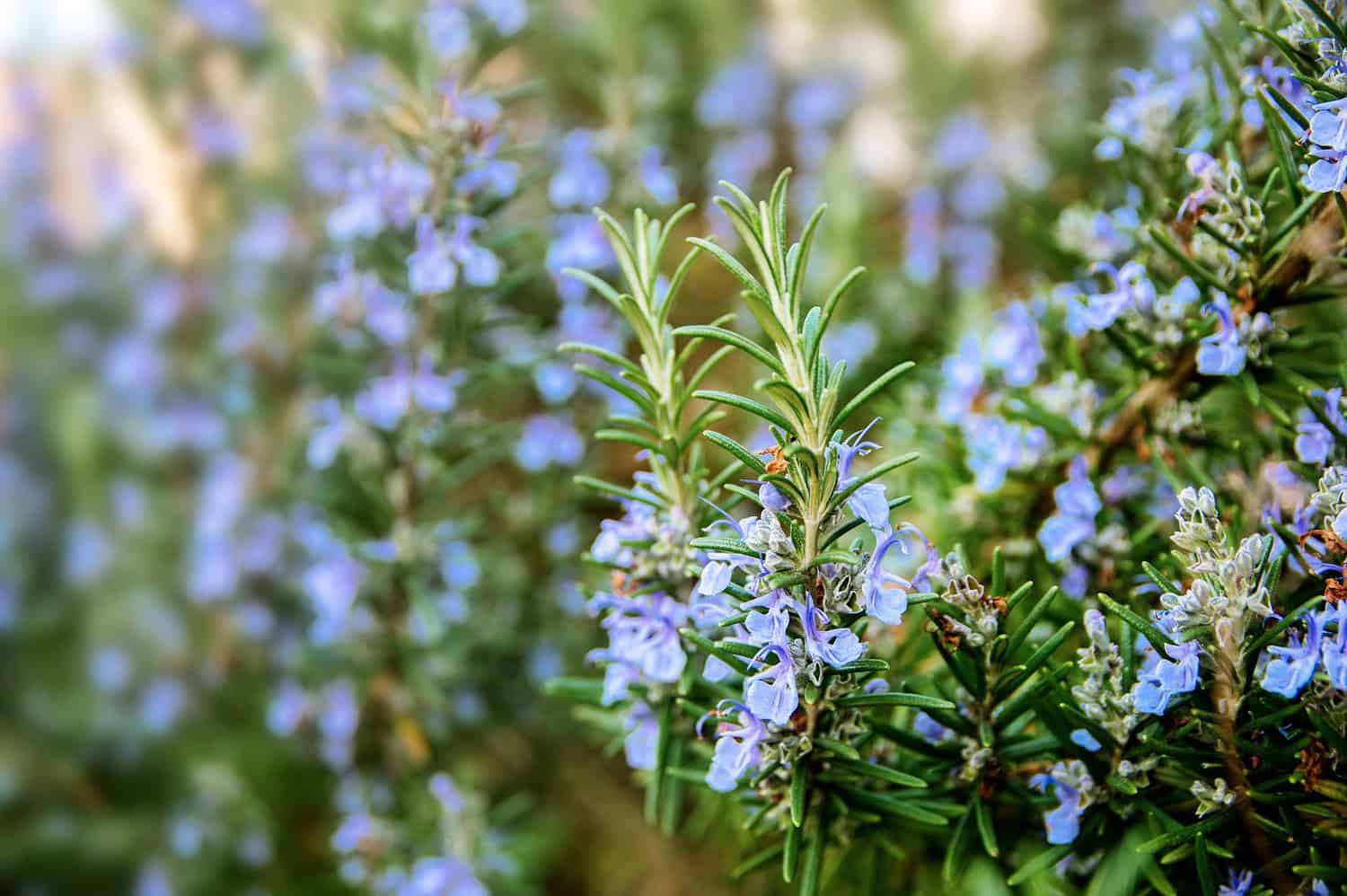
If you want a simple way to keep bugs off, rosemary is a good pick. Its strong scent helps repel mosquitoes and other biting insects naturally.
You can grow it in your garden or keep a potted rosemary plant on your patio. Plus, it’s useful in the kitchen too.
Scented Geraniums – deter flies and mosquitoes

You can use scented geraniums to help keep flies and mosquitoes away. They give off a lemony scent that many bugs don’t like.
These plants are easy to grow in pots or garden beds. Just place them near windows or outdoor seating areas to enjoy their natural bug-deterring effects.
Snapdragons – known to keep certain bugs away

Snapdragons can help attract helpful bugs like ladybugs and bees to your garden. These insects pollinate your snapdragons and can keep pest populations down.
Sometimes, spider mites can bother snapdragons, so keep an eye out for tiny webs on the leaves. Adding snapdragons is a nice way to support natural bug control around your plants.
Alliums – repel aphids and carrot flies

If you want to keep aphids and carrot flies away, alliums are a solid choice for your garden. Plants like chives, leeks, and shallots naturally discourage these pests.
They’re easy to grow and can work well alongside your veggies. Plus, they help with other bugs, making them a handy all-rounder for pest control.
Feverfew – keeps away mosquitoes and other insects

If you want a simple way to keep bugs at bay, feverfew is a good pick. You can grow it in your garden, and it naturally deters mosquitoes, flies, ants, and more.
Its small flowers bloom from June to August, giving you a nice little pest shield during the warmer months. Adding feverfew to your outdoor space can help keep those pesky insects away without chemicals.

