Creating a vibrant garden can bring joy not only to you but also to important pollinators like bees and butterflies. By choosing the right flowers, you can attract these beautiful creatures, enhancing both your garden’s beauty and its ecological health.
Incorporating a variety of plants improves biodiversity and supports vital ecosystems. Understanding which flowers appeal to these pollinators will help you create a lively and engaging outdoor space.
Advertisement
Bee Balm
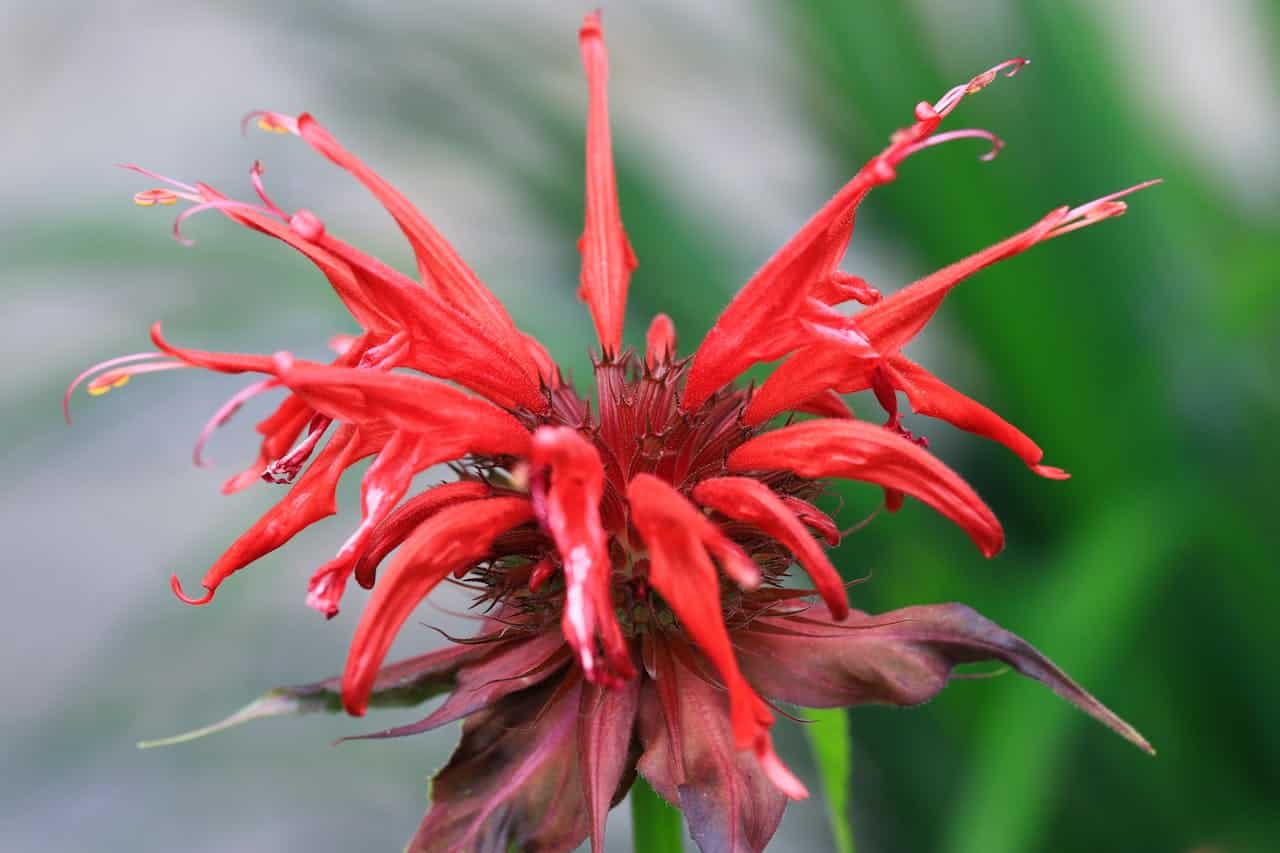
Bee balm, or Monarda, is a fantastic addition to your garden if you want to attract bees and butterflies. These vibrant flowers thrive in sunny spots and add a splash of color to your landscape.
You’ll love how they bloom from summer to fall, providing a continuous food source for pollinators. With their fragrant leaves and tubular flowers, bees find them irresistible. Plant bee balm and watch your garden come alive with activity!
Echinacea
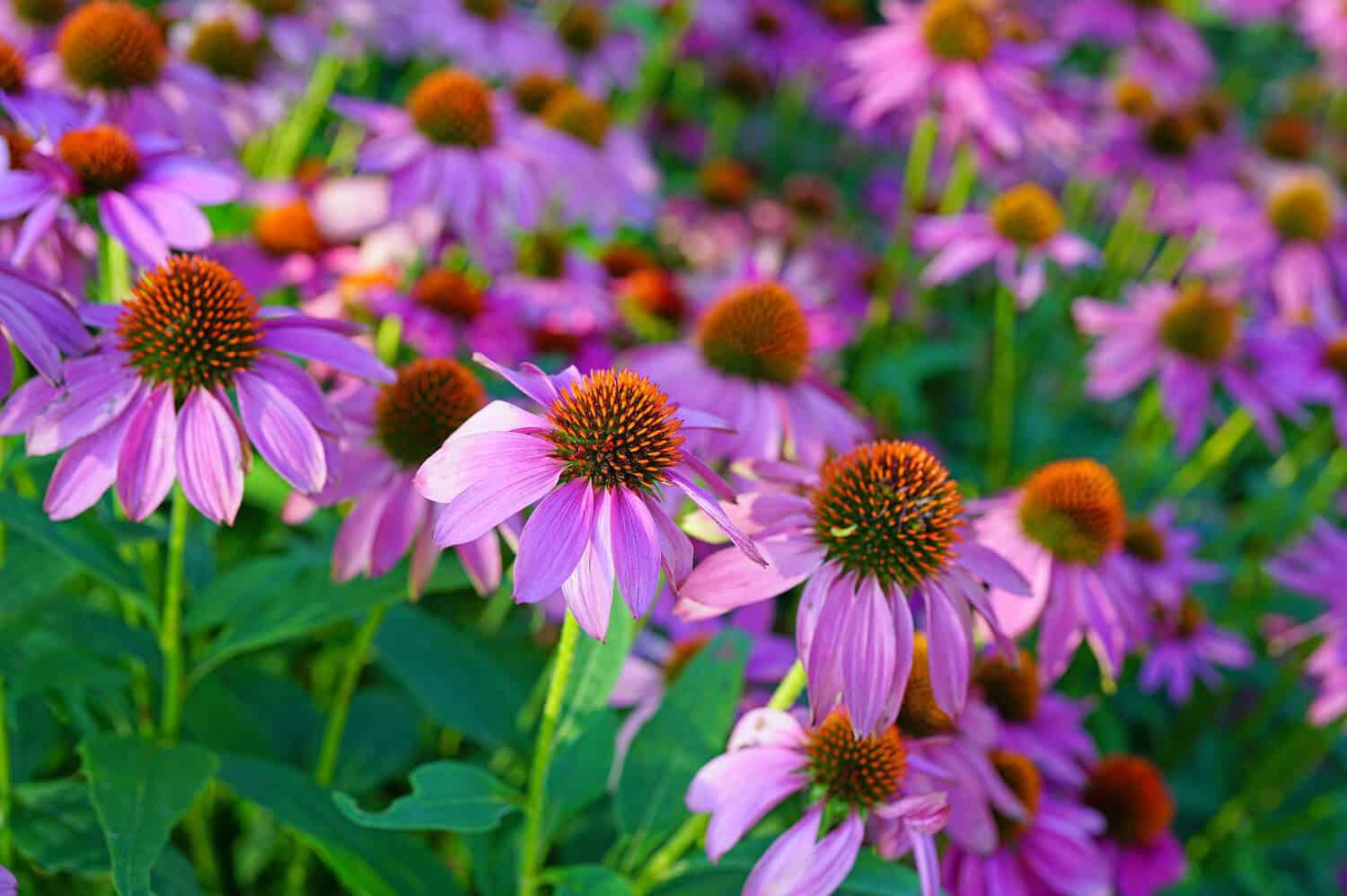
Echinacea, also known as coneflower, is a fantastic addition to your garden. It attracts a variety of beneficial insects, including bees and butterflies.
These vibrant flowers come in different colors, adding beauty to your landscape. With their sturdy petals and central cones, they are easy to grow and thrive in many conditions.
Planting Echinacea ensures that your garden remains lively and full of pollinators during the summer months. Enjoy watching these charming creatures visit your blooms!
Sunflowers

Sunflowers are wonderful additions to any garden. Their bright yellow blooms not only bring cheer but also attract bees and butterflies.
These plants are known for their abundant nectar and pollen, making them popular among pollinators.
Growing sunflowers can help create a vibrant and lively garden while supporting local wildlife. Plus, they are relatively easy to care for and thrive in full sun.
Lavender
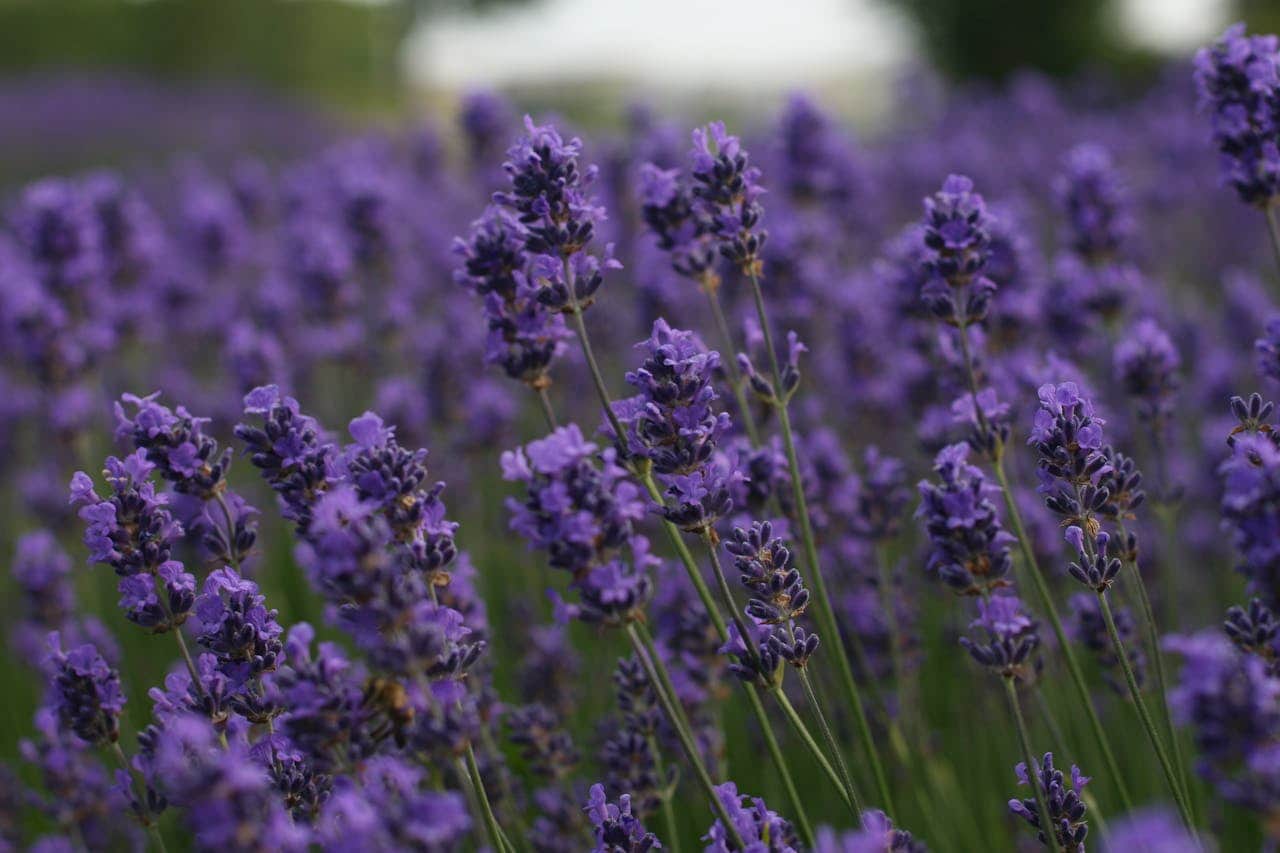
Lavender is a fantastic choice for attracting bees and butterflies to your garden. Its fragrant blooms not only look beautiful, but they also provide a rich source of nectar.
You’ll find that bees are especially drawn to lavender in full bloom. This plant thrives in well-drained soil and loves sunny spots, making it easy to care for while enhancing your garden’s appeal.
Coreopsis
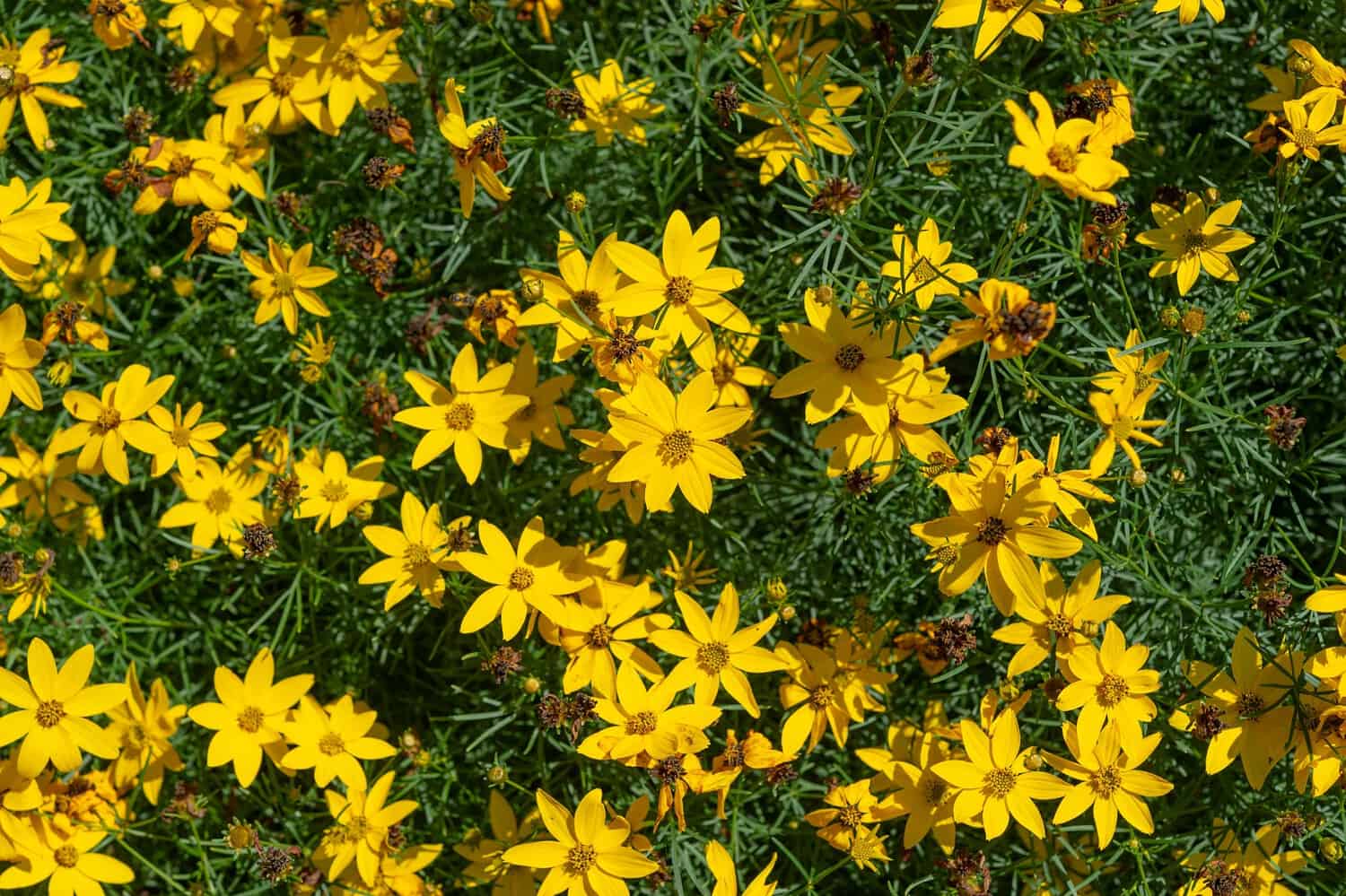
Coreopsis is a cheerful flower that can brighten up your garden. Its vibrant blooms attract bees and butterflies, making it a great choice for pollinator-friendly spaces.
These low-maintenance plants thrive in sunny spots and tolerate drought well. You can add varieties like ‘Firefly’ for unique colors that will delight both you and the local wildlife.
Asters
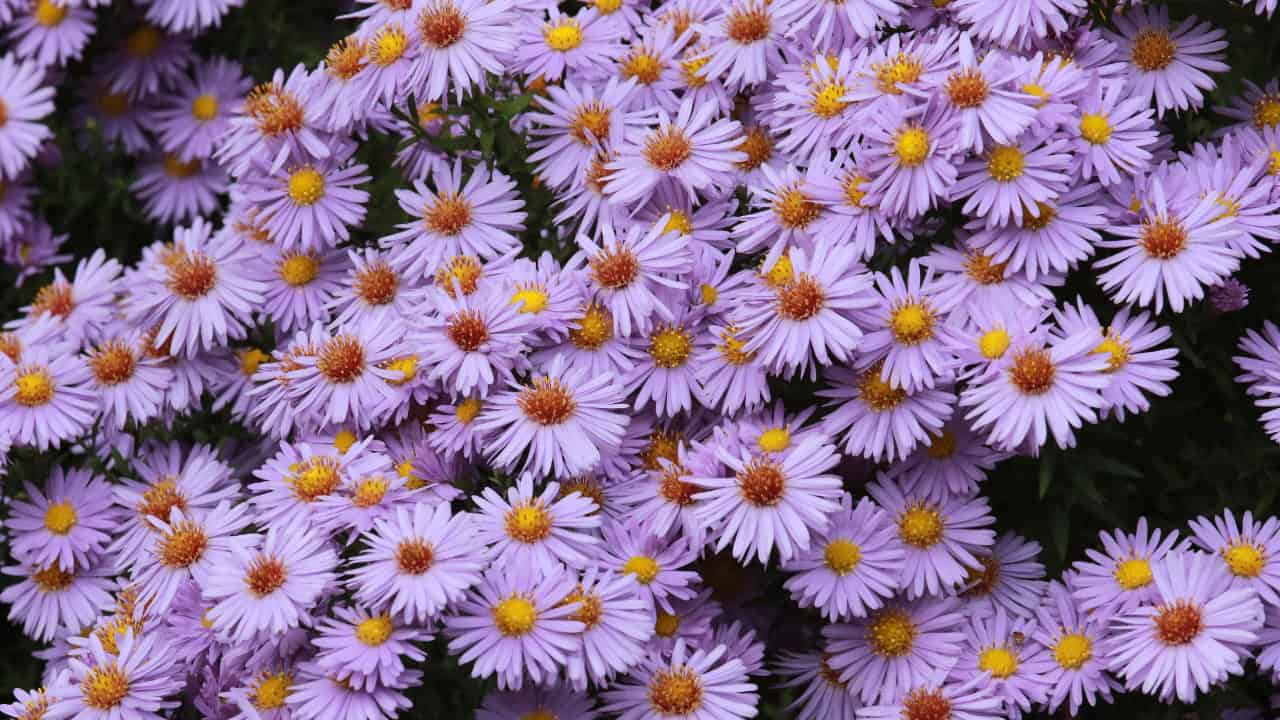
Asters are a fantastic addition to your garden if you want to attract bees and butterflies. These vibrant flowers bloom late in the season, providing essential nectar and pollen for pollinators as the weather cools.
You can enjoy their lovely colors, which include purple, blue, and white varieties. Their long-lasting blooms make them a favorite for many garden enthusiasts looking to support local wildlife.
Yarrow

Yarrow is a wonderful addition to your garden, especially if you want to attract bees and butterflies. Its clusters of small flowers provide a rich source of nectar, making it a popular choice among pollinators.
Easy to care for, yarrow tolerates dry conditions well and can thrive in various soil types. Plant it in sunny spots, and you’ll enjoy a vibrant display that enhances your garden’s beauty while supporting local wildlife.
Salvia
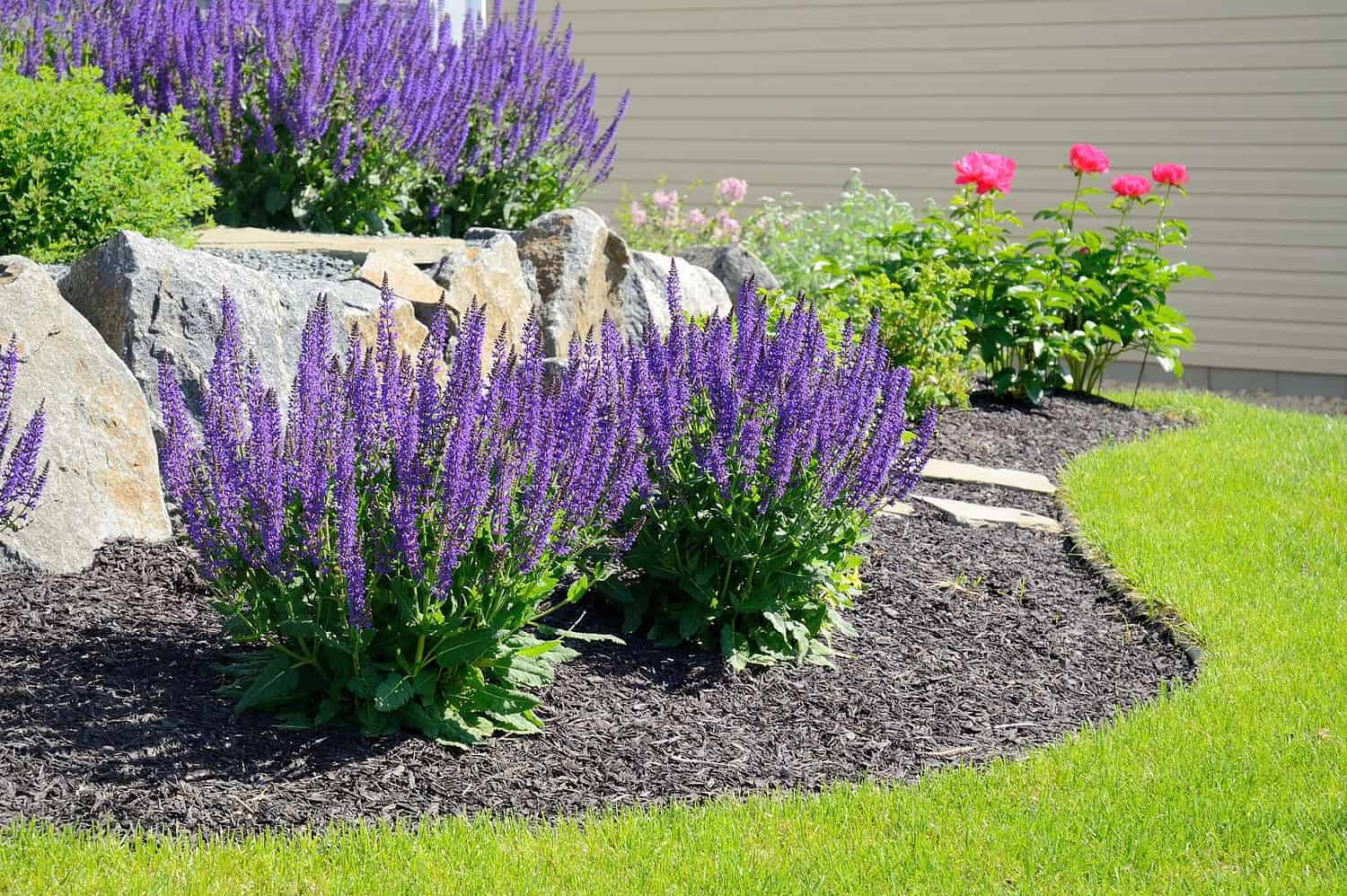
Salvia is a fantastic choice for attracting bees and butterflies to your garden. These vibrant flowers come in various colors, making your garden lively and beautiful.
They’re easy to grow and thrive in many conditions, ensuring a bountiful display. Many salvias, like those that create dense, bushy clumps, are pollinator favorites and can enhance your garden’s ecosystem.
Nepeta
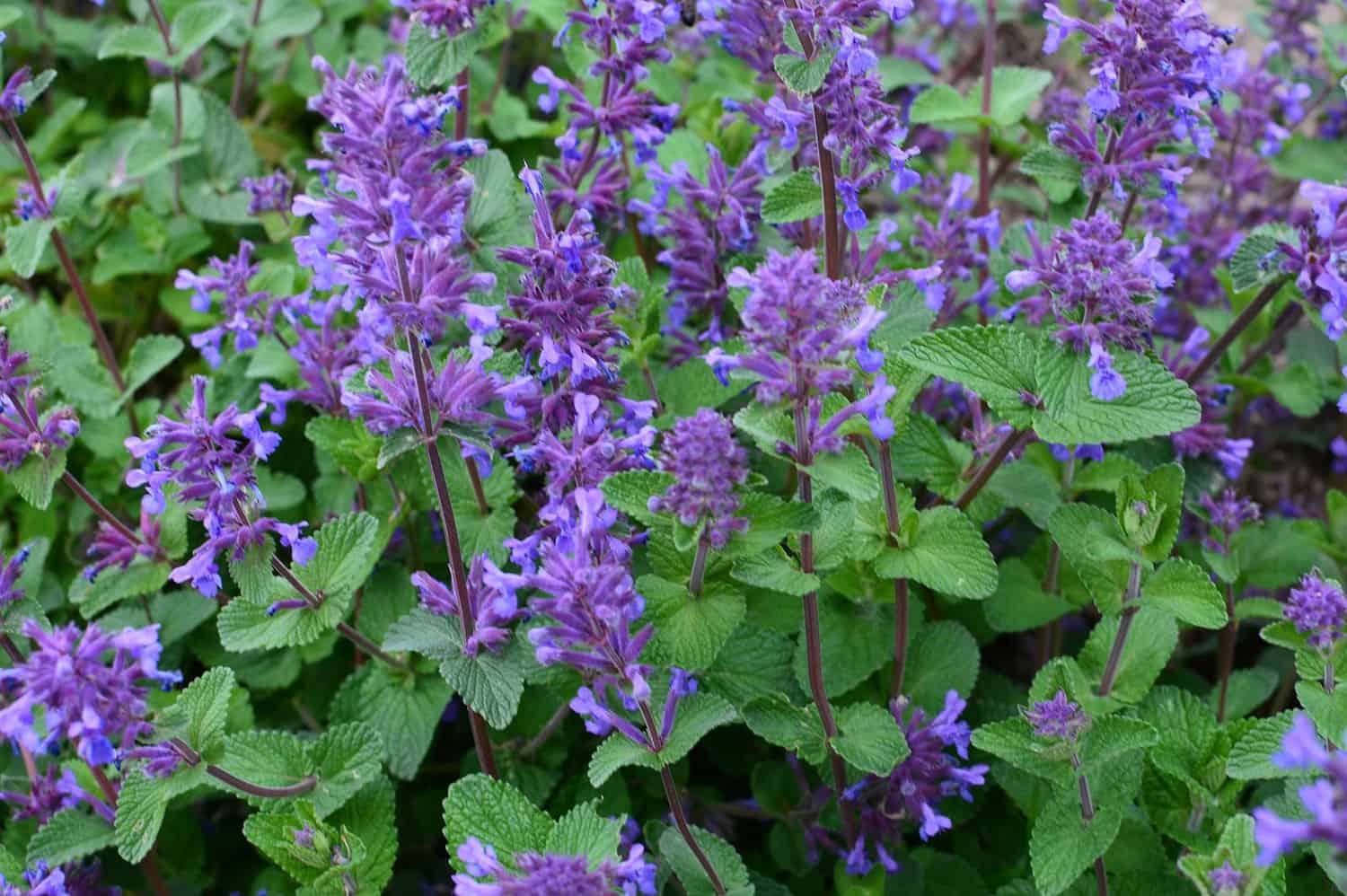
Nepeta, commonly known as catmint, is a wonderful addition to your garden. It attracts bees and butterflies, providing them with essential nectar.
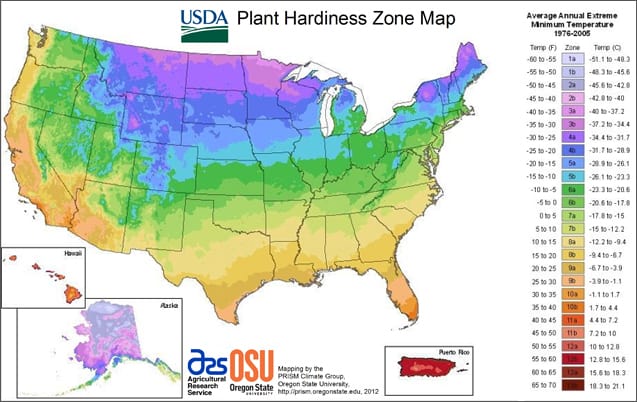
This hardy perennial thrives in zones 3-9, making it suitable for a wide range of climates. Popular varieties, like “Cat’s Pajamas,” not only enhance your garden’s beauty but also support local pollinators.
Monarda
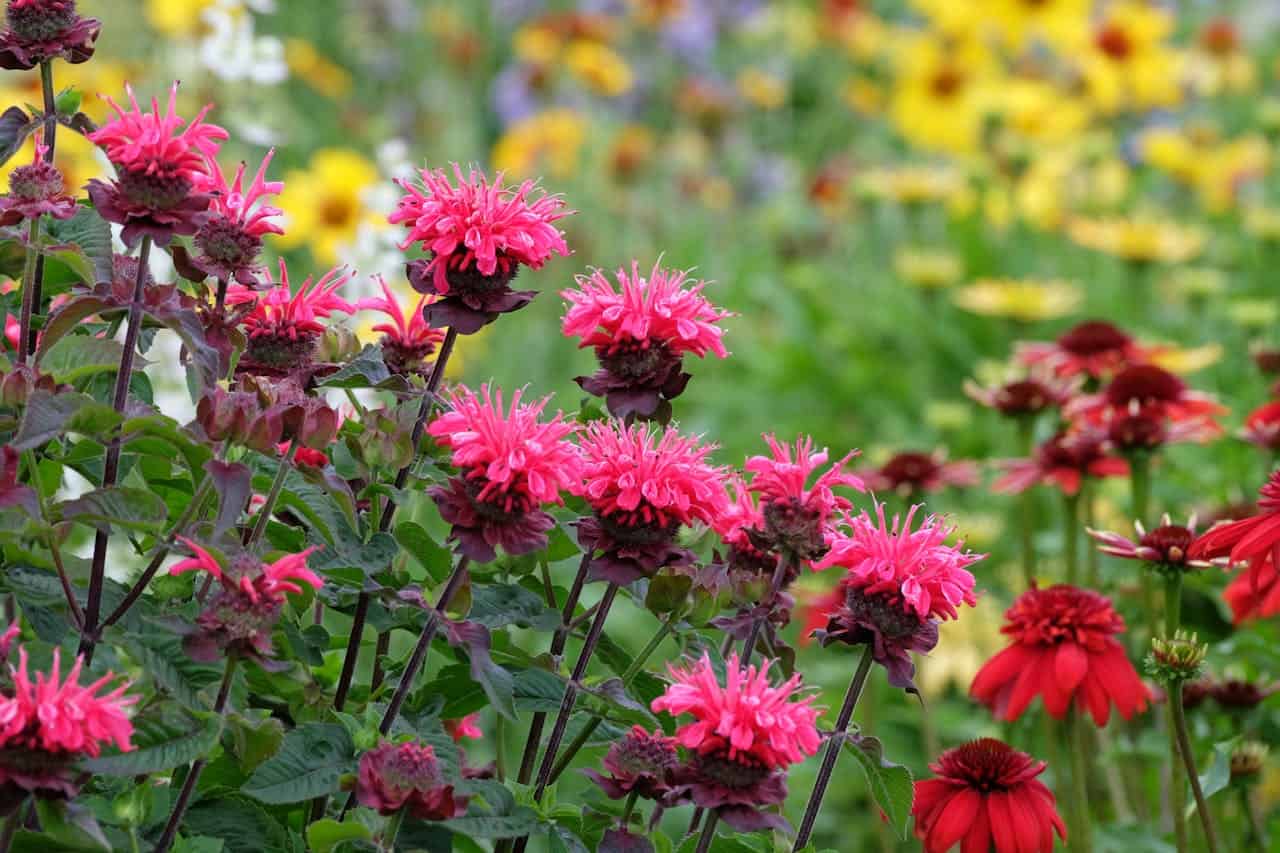
Monarda, commonly known as bee balm, is a fantastic addition to your garden. This perennial plant thrives in zones 4 to 8 and loves full sun. It attracts not only bees but also butterflies and hummingbirds, making it a true pollinator magnet.
You can expect vibrant, firework-like flowers during the summer. Planting bee balm in a well-drained spot ensures it flourishes beautifully. Enjoy the lively activity it brings to your garden!
Pineapple Sage
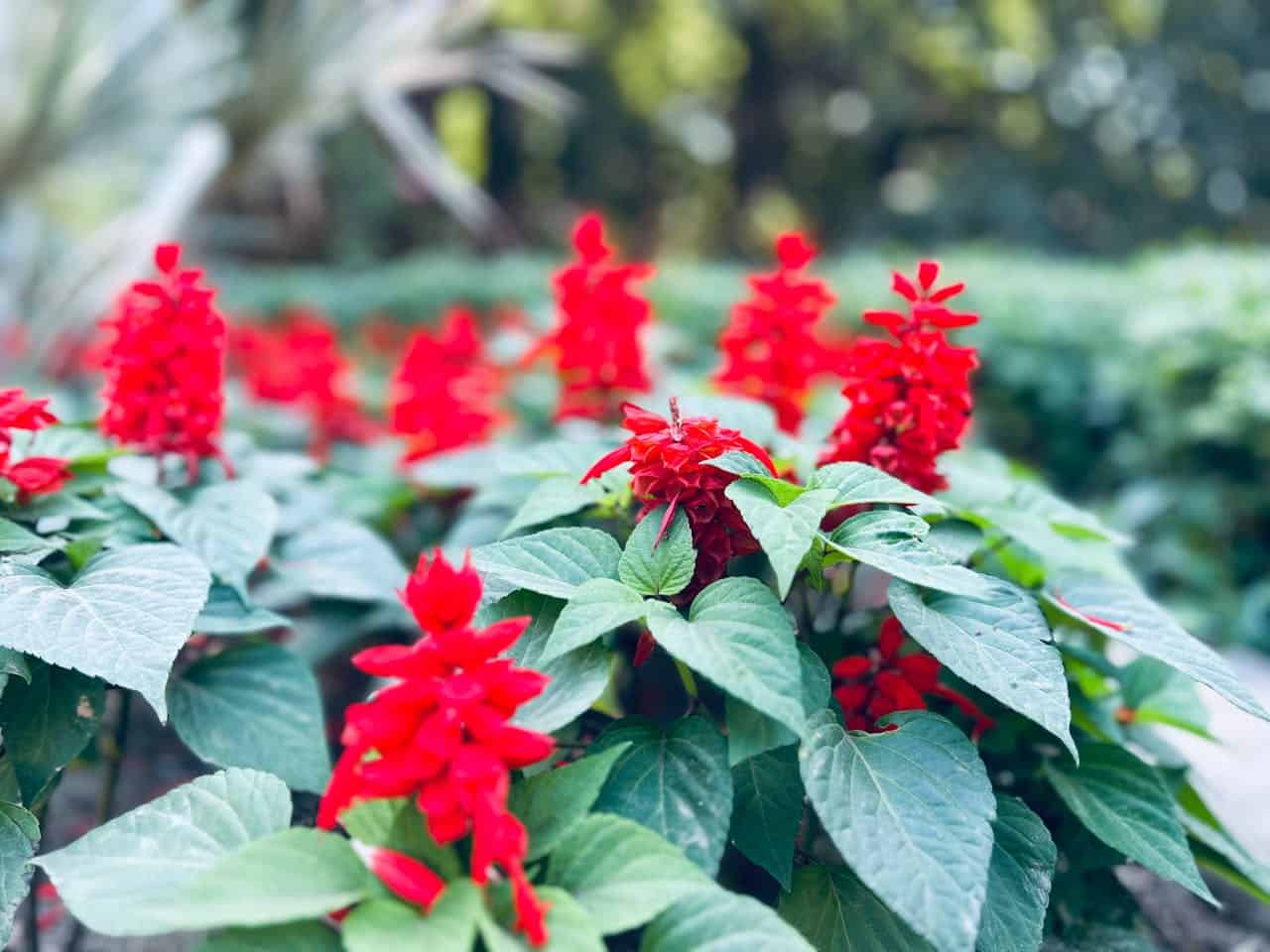
Pineapple sage is a fantastic addition to your garden if you want to attract bees and butterflies. Its bright scarlet flowers bloom in the fall, adding a splash of color to your landscape.
Not only does it appeal to these pollinators, but you can also enjoy the unique pineapple scent of the leaves. This plant is non-invasive and thrives in warmer zones, making it a delightful choice for your garden.
Russian Sage
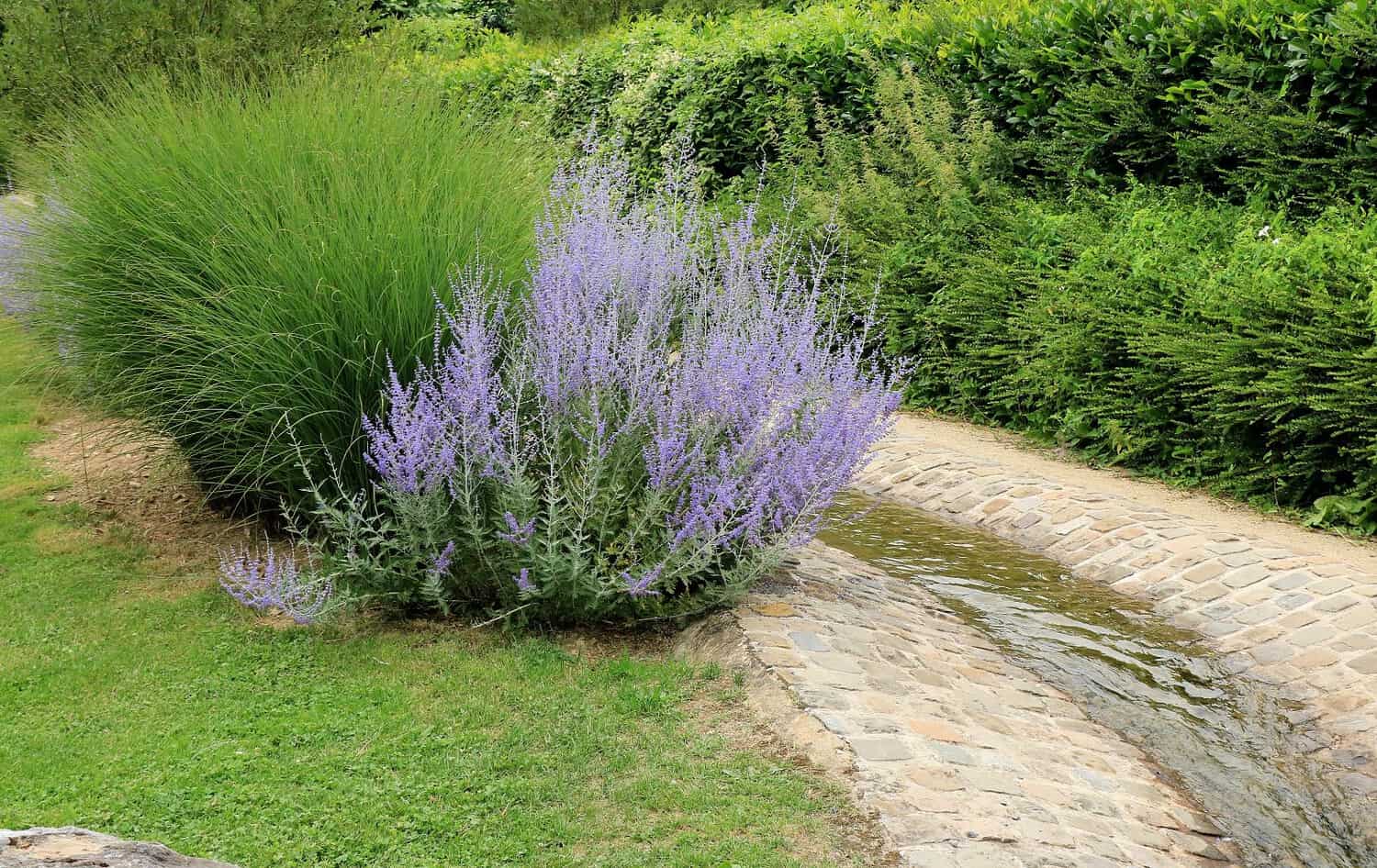
Russian Sage is a fantastic addition to your garden. It thrives in sunny spots and is remarkably drought-resistant. This perennial attracts a variety of pollinators, including bees, butterflies, and hummingbirds.
The delicate lavender flowers provide a stunning visual while the aromatic foliage adds to the sensory experience. You’ll love how easily Russian Sage fits into dry landscapes, enhancing the beauty of your outdoor space.
Sweet Alyssum
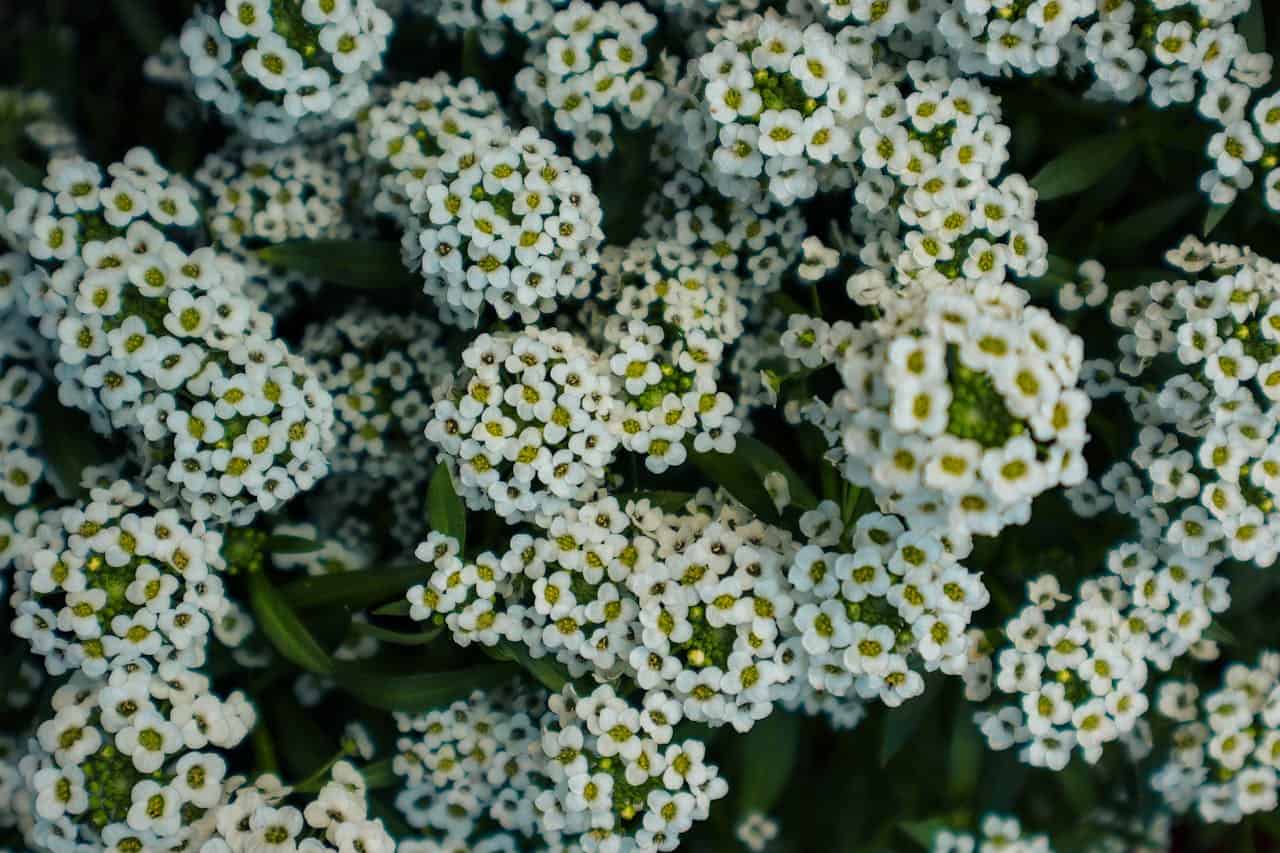
Sweet Alyssum is a charming choice for your garden. This low-growing annual attracts bees and butterflies with its sweet fragrance and small, delicate flowers.
You can expect it to grow about 6 to 12 inches tall. It thrives in both sun and partial shade, making it versatile for various garden spots. Plant it alongside vegetables to attract beneficial insects as well.
Pansy

Pansies are delightful flowers that can brighten up any garden. Their vibrant colors attract bees and butterflies, creating a lively atmosphere.
These cool-season blooms thrive in spring and fall, making them perfect for early and late season gardening. You can enjoy their beauty for months with proper care.
Plant pansies in well-drained soil and ensure they receive plenty of sunlight. You’ll love how they attract pollinators to your garden!