Cleaning your home is important for health and comfort, but certain mistakes can actually create risks for your family. Using the wrong products or methods may cause harm instead of helping.
This article highlights 14 common cleaning errors that could be dangerous to your family’s well-being. By understanding these, you can avoid hidden hazards and keep your home safer.
Advertisement
Mixing bleach and vinegar causing toxic chlorine gas
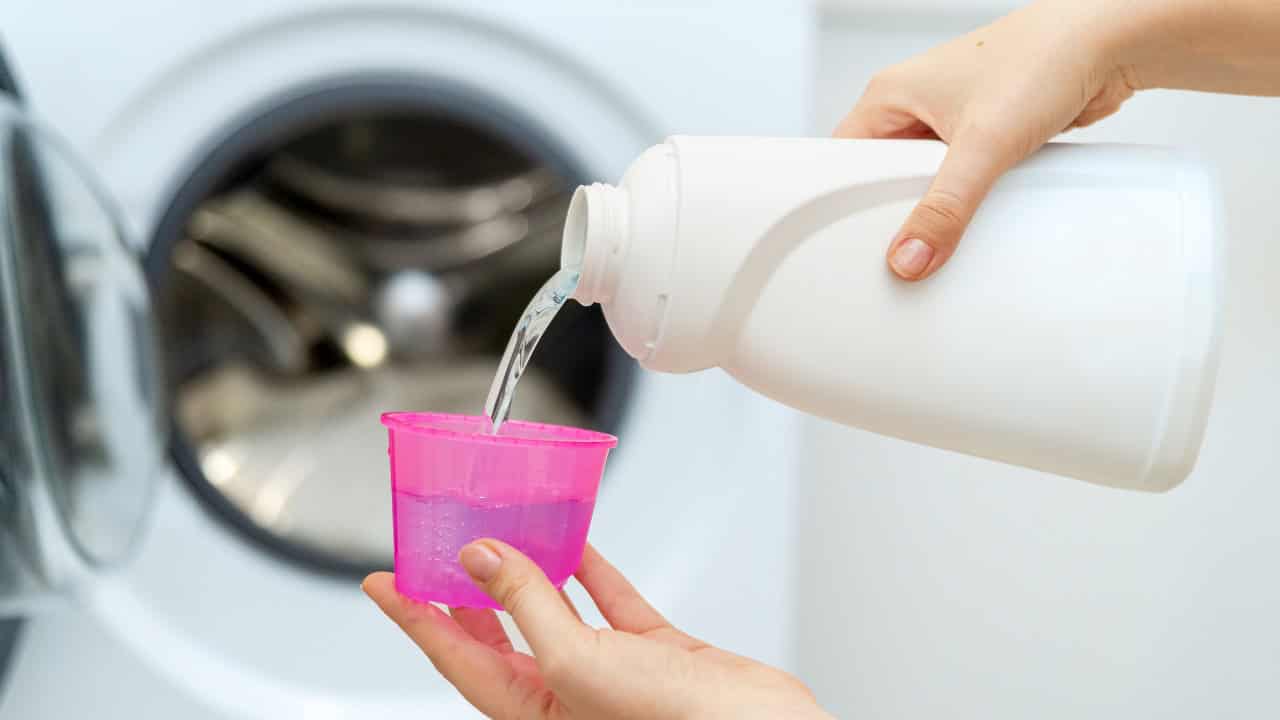
You should never mix bleach and vinegar. When combined, they create chlorine gas, which is harmful to breathe.
Even a small amount of this gas can cause coughing, difficulty breathing, and eye irritation. Keep these two cleaners separate to protect your family’s health. Always read labels before mixing products.
Using bleach and ammonia together producing harmful chloramine
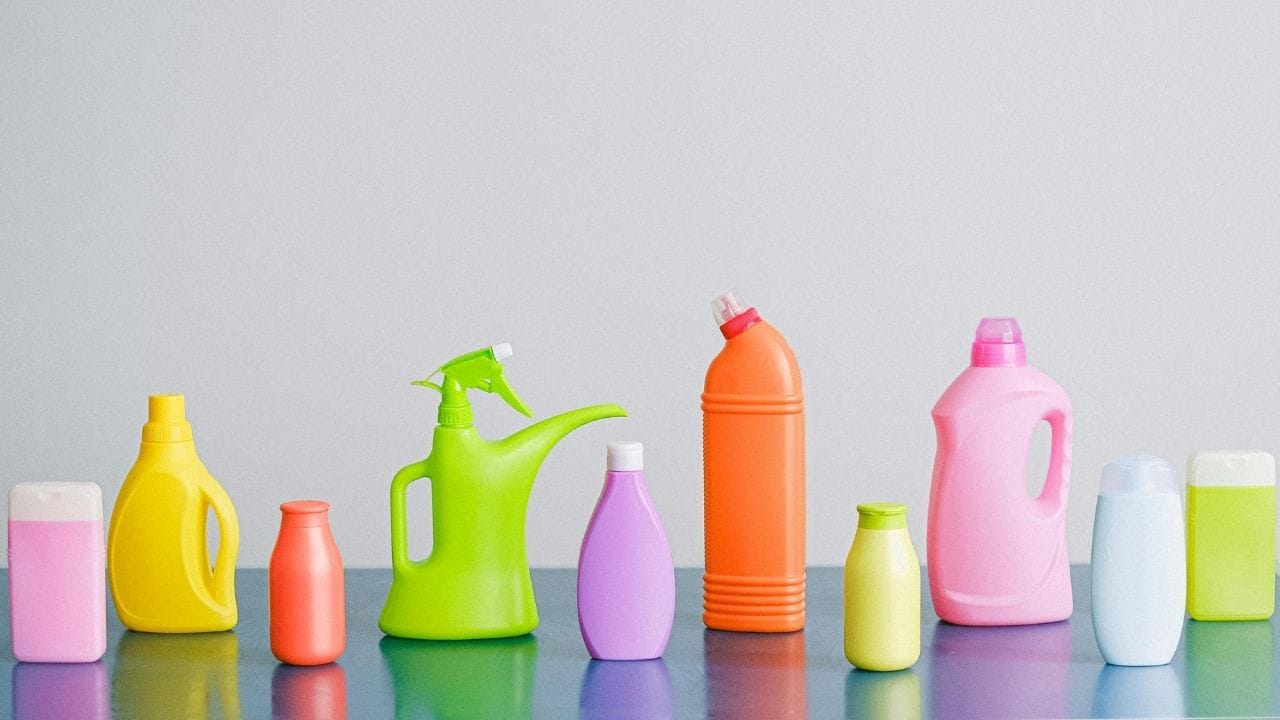
You should never mix bleach and ammonia. When combined, they create chloramine gas, which can irritate your lungs and cause breathing problems.
Even small amounts can be harmful to your eyes, nose, and throat. If you use these cleaners, keep them separate and well-ventilated. Always read labels carefully to avoid dangerous reactions.
Cleaning without proper ventilation leading to respiratory issues
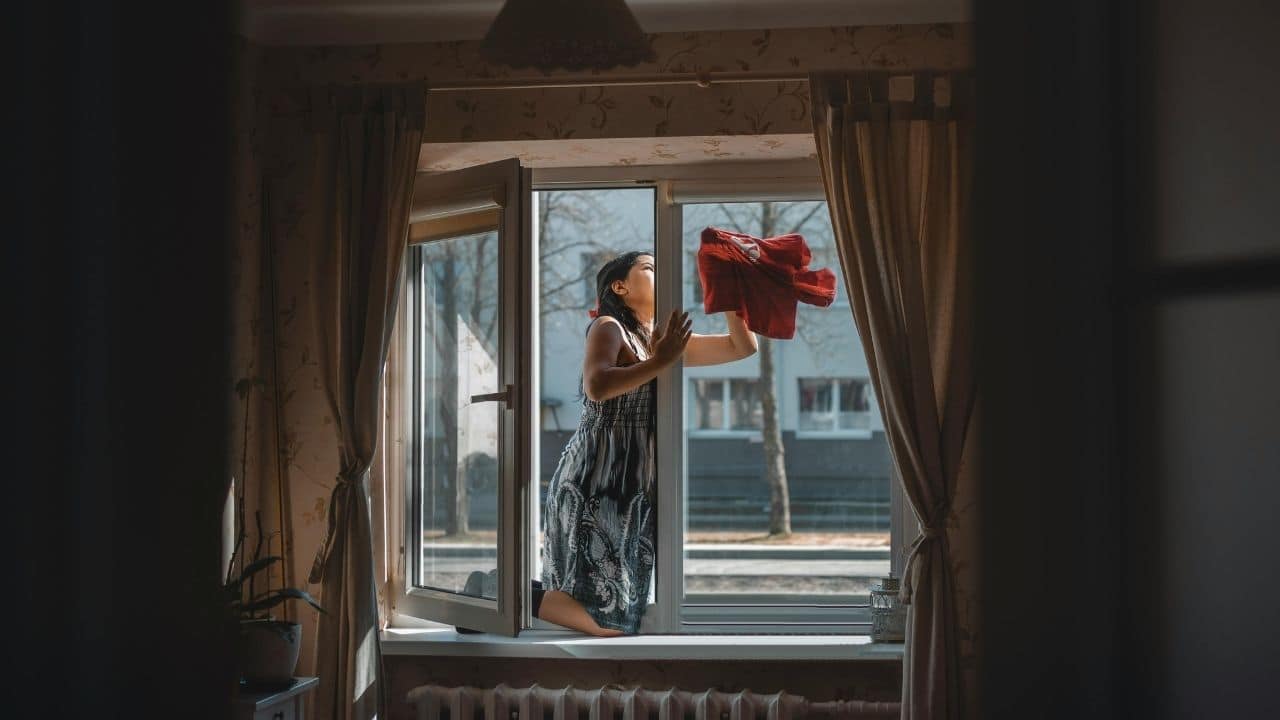
When you clean without opening windows or doors, harmful vapors from products can build up in the air. These vapors may cause headaches, sneezing, or make breathing harder, especially for those with allergies or asthma.
To keep your family safe, always use proper ventilation by letting fresh air flow in while you clean. This simple step helps reduce health risks and keeps your home feeling fresh.
Using the same sponge for dishes and counters spreading germs
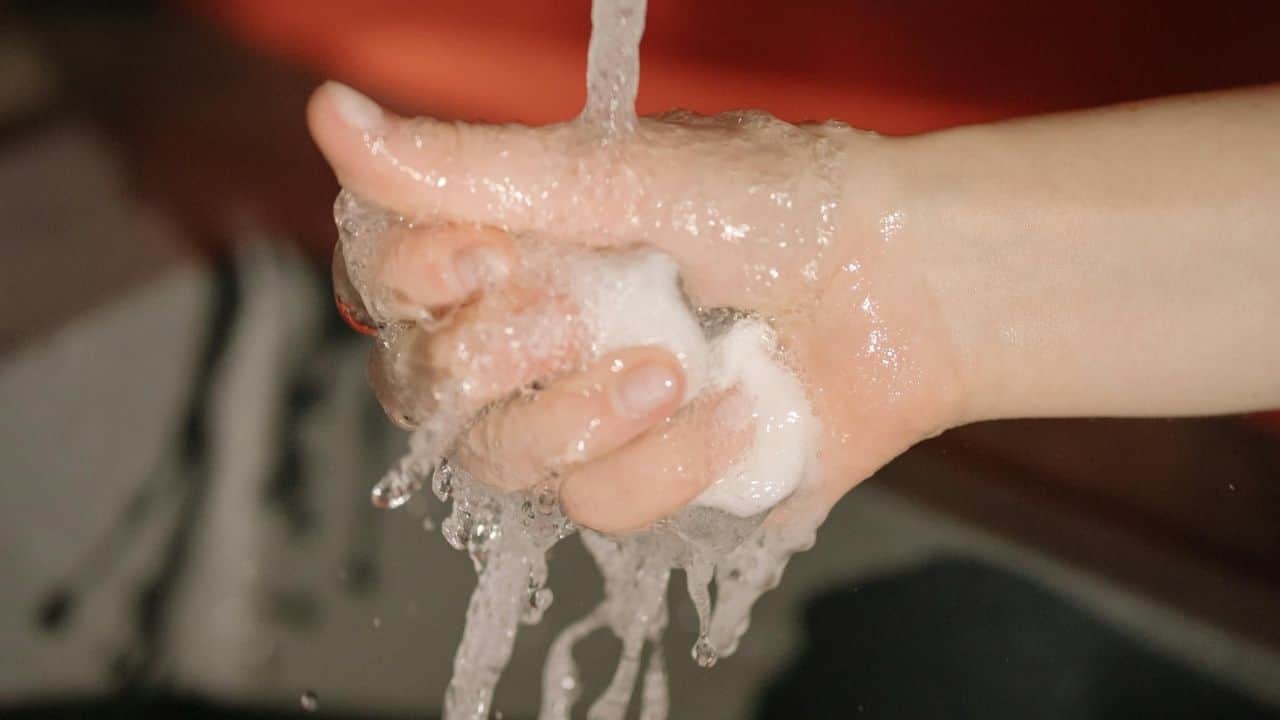
If you use the same sponge for washing dishes and wiping counters, you risk spreading germs around your kitchen.
Sponges can hold bacteria, dirt, and even food residue. When you switch from counters to dishes, you might transfer harmful bacteria to your clean plates and utensils. It’s best to dedicate separate sponges for different tasks to keep your kitchen sanitary and your family safe.
Overusing harsh chemical drain cleaners damaging pipes and health
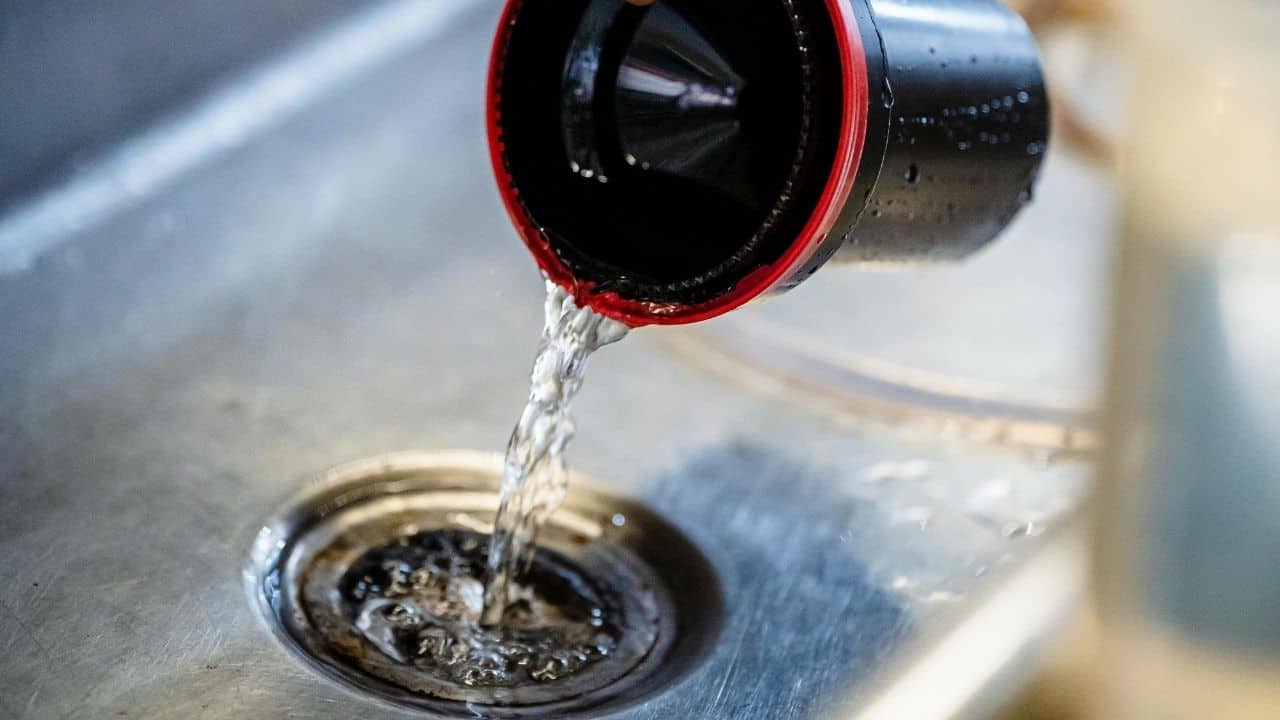
You might think chemical drain cleaners are a quick fix, but using them too often can weaken your pipes. The heat from these chemicals can soften PVC pipes, leading to leaks or cracks over time.
These cleaners can also harm your health and the environment if not handled carefully. It’s safer to use alternative methods or call a professional when drains clog frequently.
Not rinsing cleaning products thoroughly leaving residue
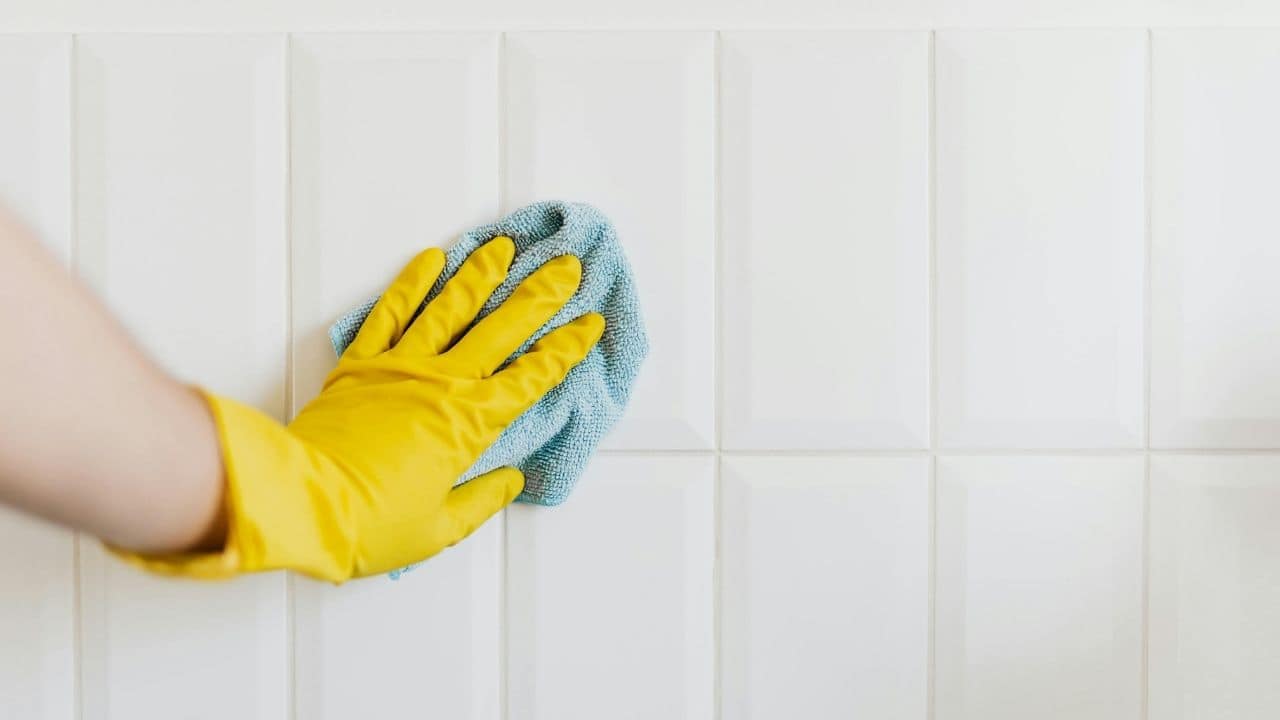
If you don’t rinse cleaning products off properly, residue can build up on surfaces. This leftover film may attract dirt and germs, making your cleaning less effective.
Residue might also cause irritation or allergic reactions for you and your family. Taking a little extra time to rinse well helps keep your home truly clean and safer to touch.
Spraying excessive amounts of disinfectant creating irritants
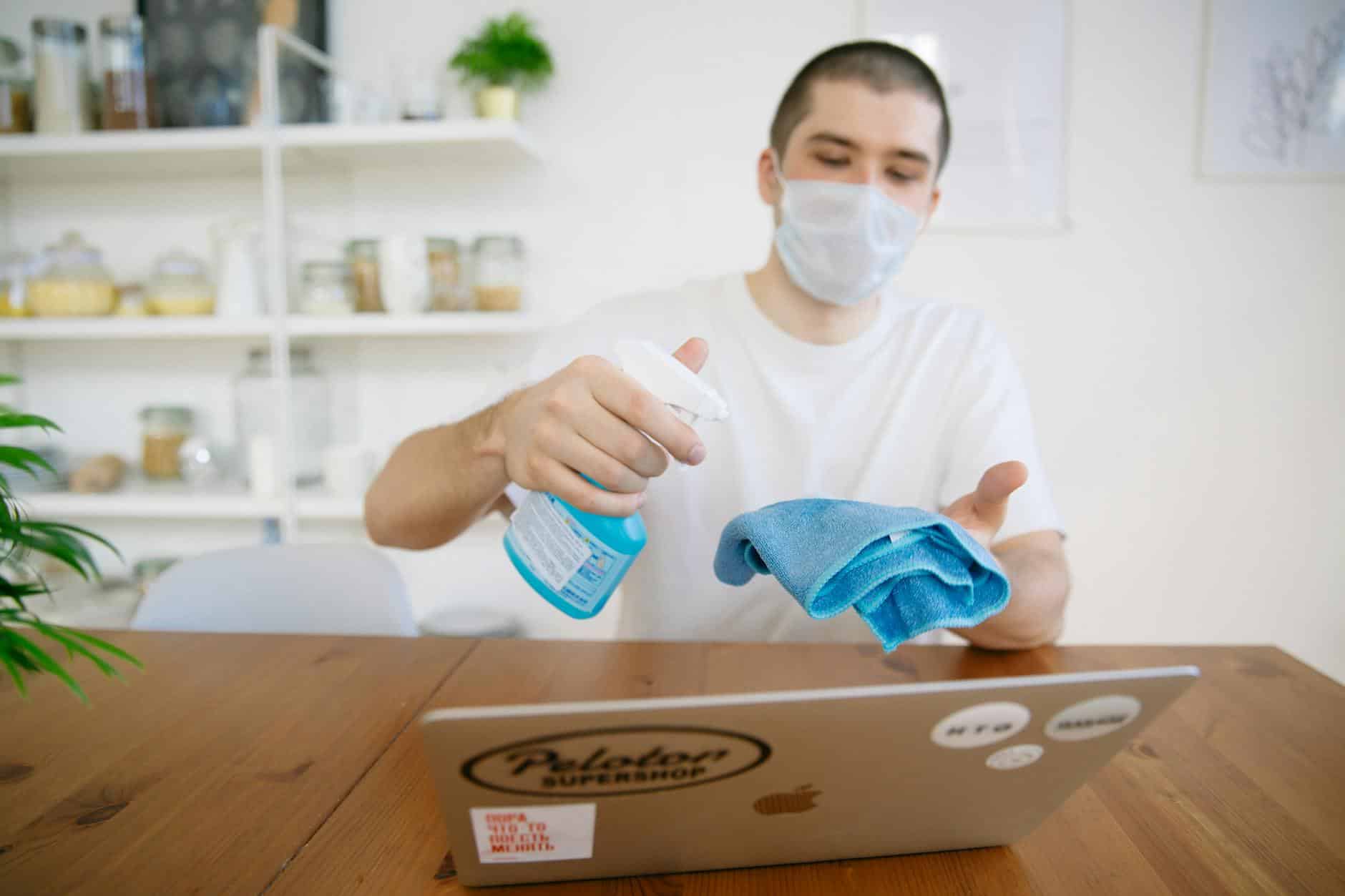
When you spray too much disinfectant, it can create irritants in the air. These irritants may bother your eyes, nose, and throat.
Using large amounts doesn’t make cleaning more effective, but it can increase the risk of respiratory discomfort. Try spraying only the amount needed and ensure good ventilation while cleaning to keep your home safe and comfortable.
Ignoring manufacturer instructions on cleaning product labels
You should always read and follow the instructions on cleaning product labels. Ignoring directions can reduce the product’s effectiveness and may cause damage to surfaces.
Using more product than recommended won’t speed up cleaning and can leave harmful residues. Proper use helps keep your family safe and your home clean.
Mixing different drain cleaners risking dangerous reactions
You should never mix different drain cleaners. Combining them can create toxic fumes that are harmful to breathe.
Some mixtures also produce heat, which can damage your pipes and seals. This can lead to leaks or costly repairs. To keep your family safe, always use one cleaner at a time and follow the instructions on the label carefully.
Using bleach on colored fabrics causing discoloration and damage
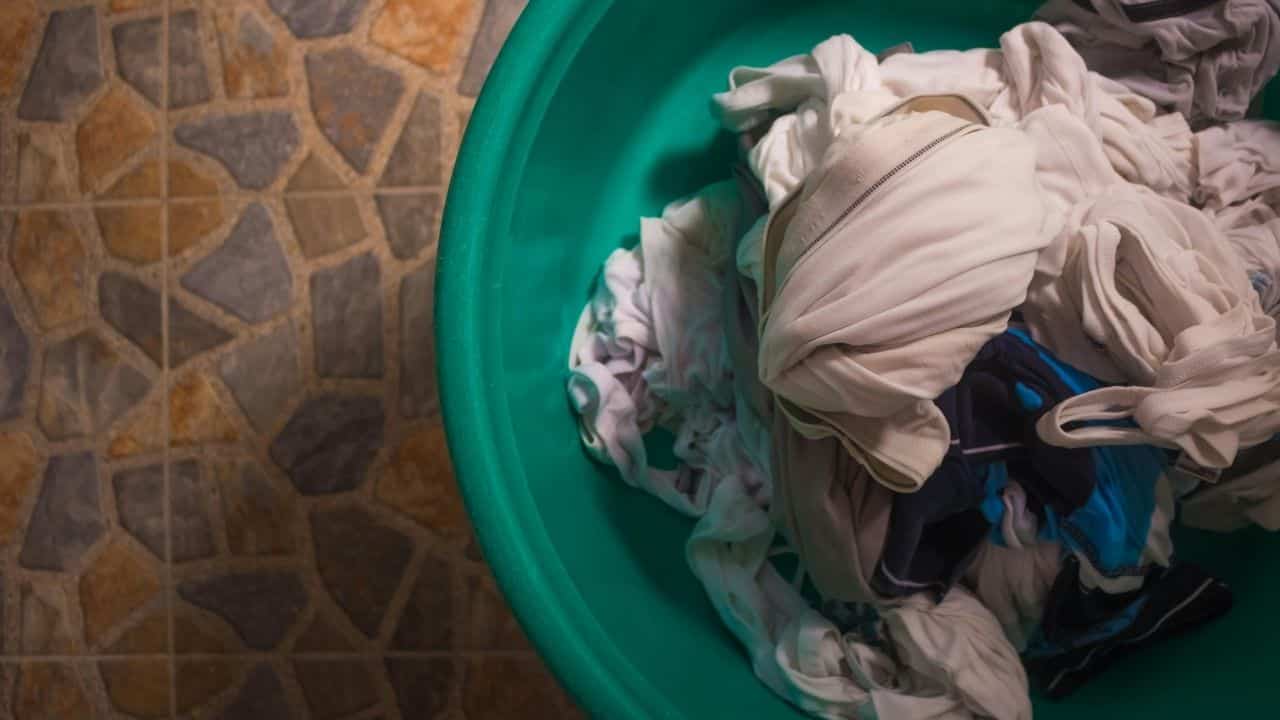
You should avoid using bleach on colored fabrics because it can cause discoloration. Bleach breaks down the dyes, leaving stains or faded spots. Some fabrics, like cotton or polyester, might handle diluted bleach, but many colors will still be affected.
Always check the care label before using bleach to protect your clothes. For delicate or dark colors, consider color-safe alternatives instead.
Leaving children unattended with cleaning chemicals

You should never leave your children alone with cleaning products. Even small amounts can cause breathing problems or burns if ingested or touched.
Keep all chemicals out of reach and locked away whenever possible. Your child’s safety depends on you staying vigilant and ensuring these items are stored securely at all times.
Using toilet bowl cleaners with strong acids near skin
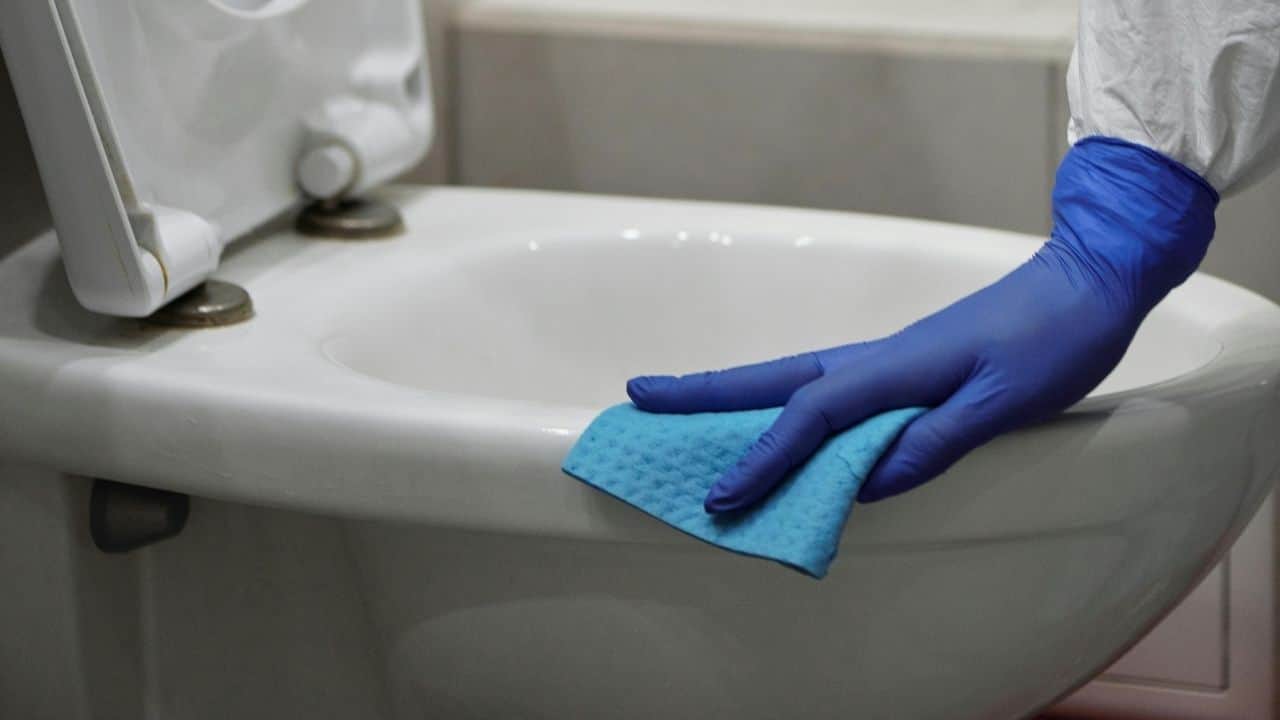
When you use toilet bowl cleaners containing strong acids, be careful to avoid contact with your skin. These acids can cause irritation, burns, or redness.
Always wear gloves to protect your hands. If the cleaner splashes on your skin, rinse immediately with plenty of water to reduce harm.
Ignoring eye protection when using spray cleaners
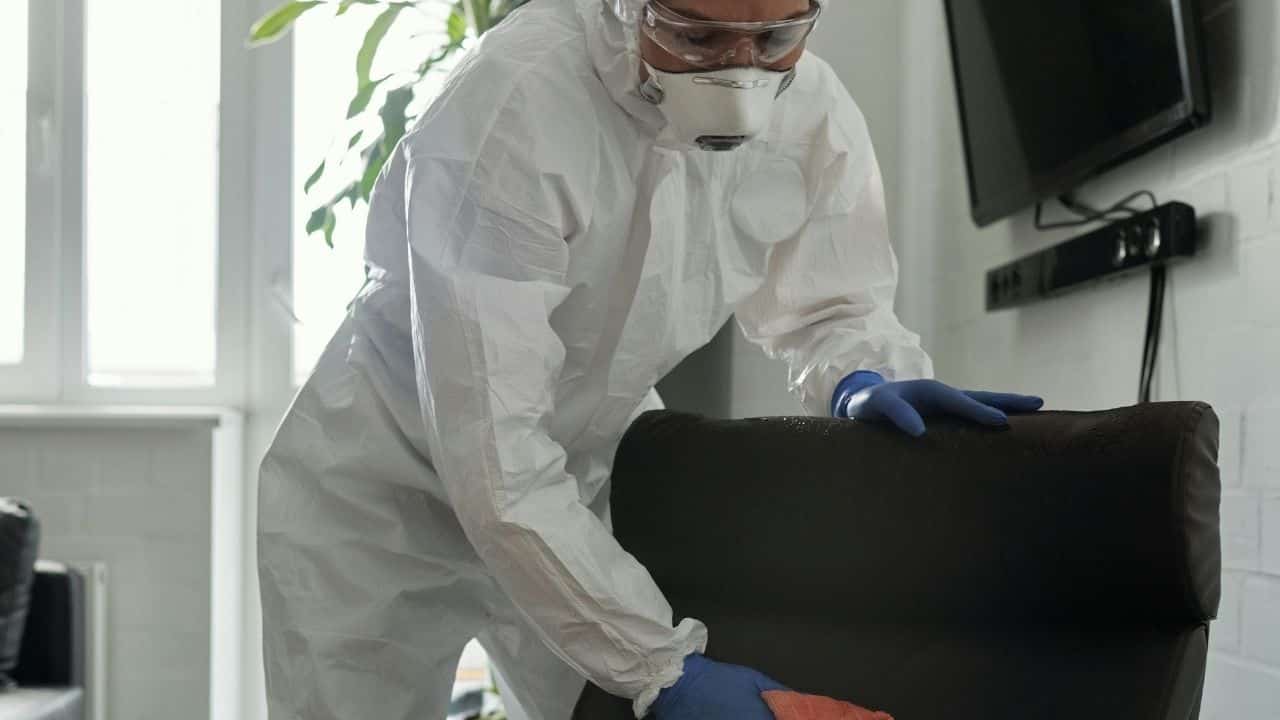
When you use spray cleaners, small droplets can easily get into your eyes. This can cause burning, irritation, or more serious damage.
Wearing basic eye protection, like safety glasses, helps keep your eyes safe. It only takes a moment but can prevent uncomfortable injuries. Remember, cleaning sprays often contain harsh chemicals. Protect your eyes to keep your family safe during chores.
Using glass cleaners with ammonia around children and pets
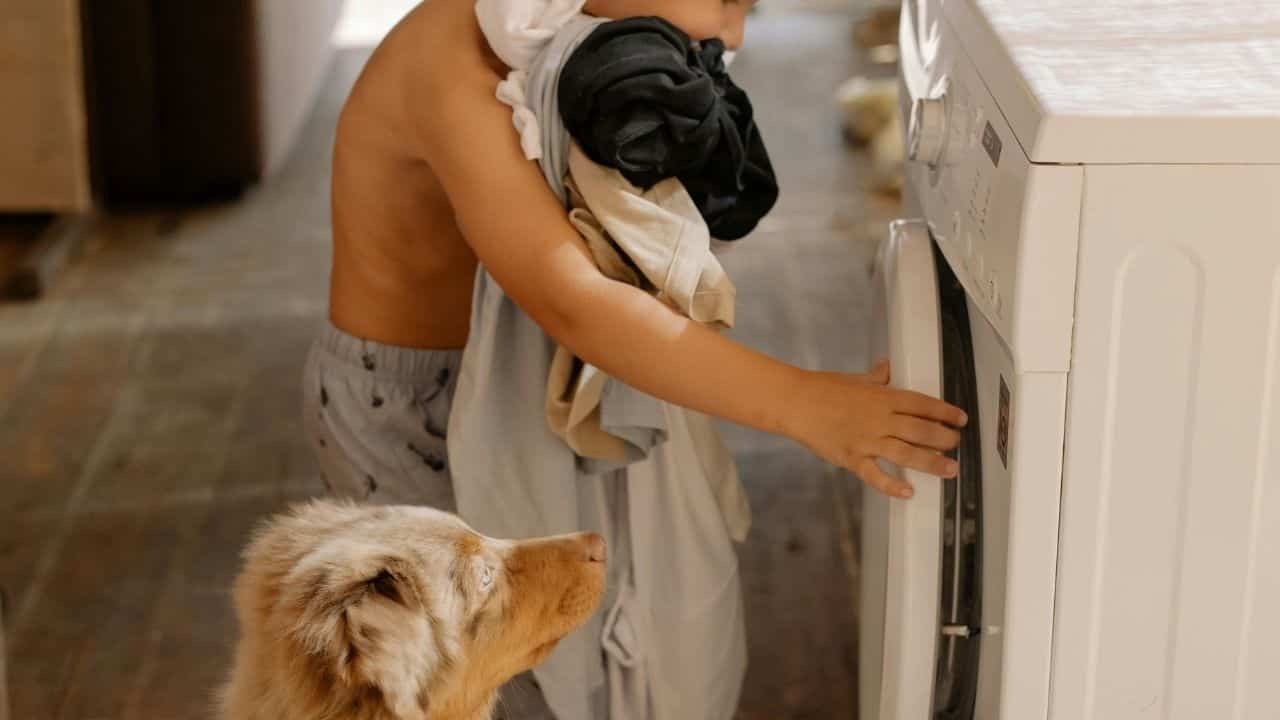
You should avoid using glass cleaners that contain ammonia if you have children or pets. Ammonia can cause irritation to their eyes, skin, and respiratory system.
Keep these cleaners out of reach and use them in well-ventilated areas to reduce risk. Consider safer alternatives without harsh chemicals to protect your loved ones.